
Modern HDPE welding machine control panel systems have transformed how contractors and pipeline engineers manage fusion operations. Whether you are working on water supply networks, gas distribution lines, or industrial piping, the control panel serves as the brain of the welding process — regulating temperature, monitoring pressure, and recording critical joint data. Understanding its features and functions helps you select the right equipment for consistent, high-strength welds.
What Makes an HDPE Welding Machine Control Panel Essential
Every butt fusion welding machine relies on a control panel to manage the welding cycle. The panel coordinates heating plate temperature, hydraulic pressure, and carriage movement to ensure joints meet ISO 21307 butt fusion procedures. Without precise control, even minor deviations can compromise weld integrity. A well-designed interface simplifies parameter settings, reduces operator error, and provides traceable data logs for quality assurance.
Core Functions of a Modern Welding Control Panel
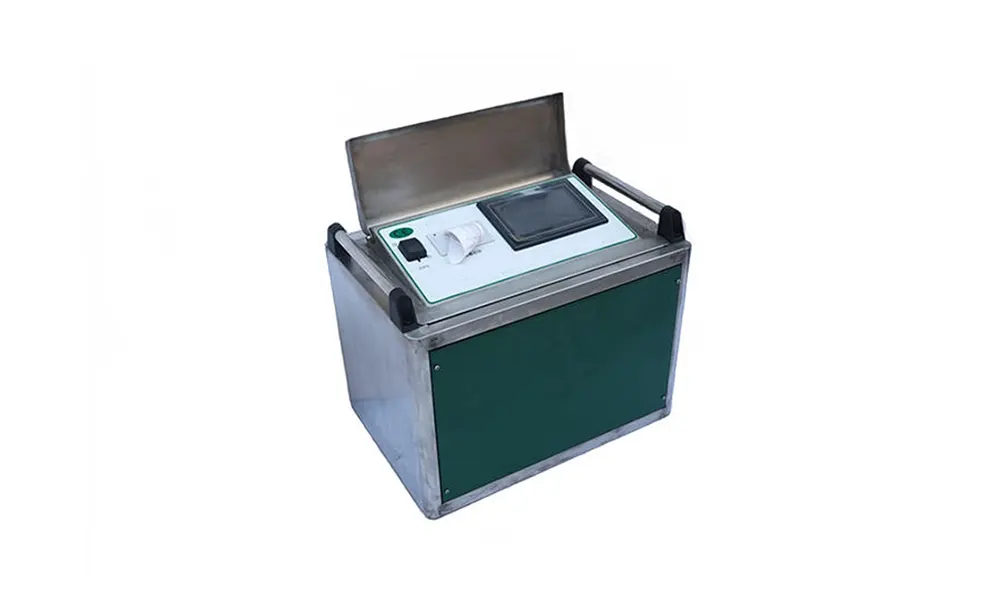
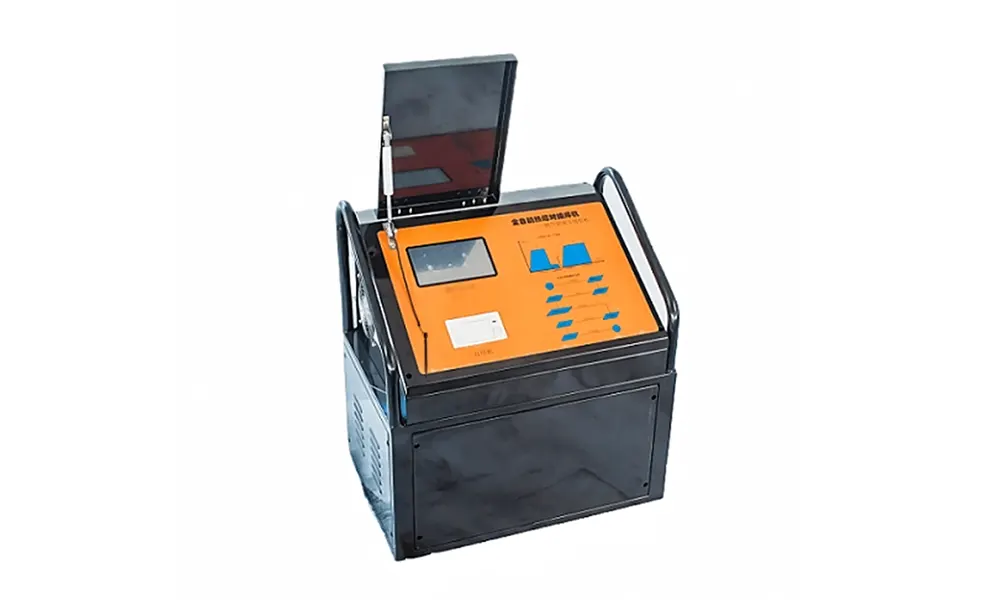
The control panel on a HDPE welding machine control panel integrates multiple functions into a single interface. Key operational capabilities include temperature regulation, pressure monitoring, and automated cycle sequencing. Advanced units also feature data logging, barcode scanning, and USB export for joint documentation. These functions align with PE butt fusion equipment standard requirements, ensuring repeatable results across projects.
- Temperature Control: Maintains heating plate surface temperature within ±5°C tolerance
- Pressure Calibration: Displays real-time hydraulic or manual clamping force
- Cycle Automation: Guides operators through heating, soaking, and cooling stages
- Data Recording: Stores joint parameters for quality traceability
- Alarm Systems: Alerts users to anomalies such as temperature drops or pressure loss
Control Panel Types Across Welding Machine Categories
Different welding machines feature varying control panel designs. Selecting the right interface depends on your project scale, operator skill level, and documentation needs. The table below compares control panel characteristics across common machine types.
| Machine Type | Control Panel Style | Key Features | Best For |
|---|---|---|---|
| Manual Butt Fusion | Analog / Basic Digital | Temperature dial, mechanical timer, LED indicators | Small-diameter pipes, field repairs |
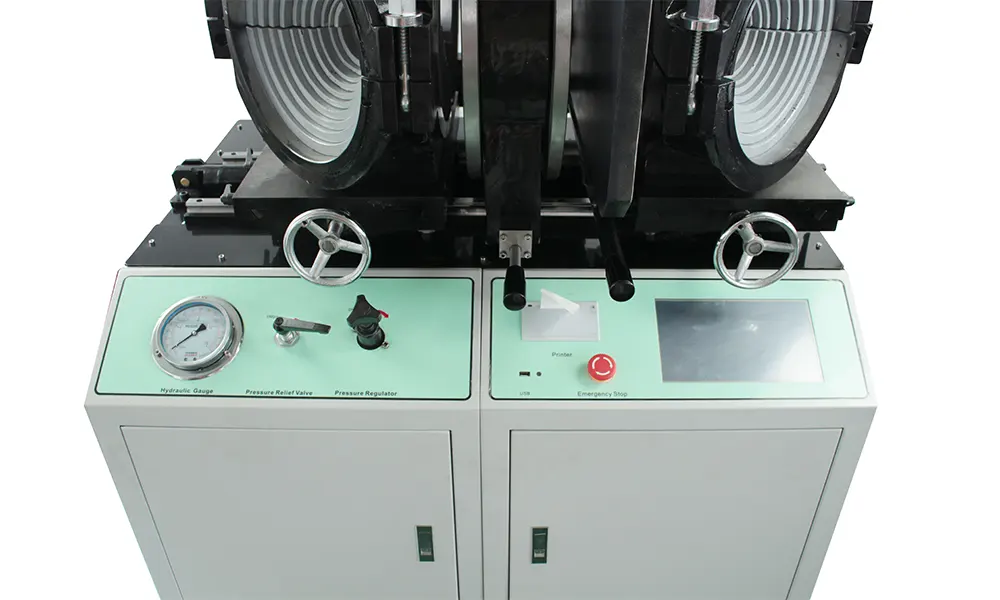
| Hydraulic Butt Fusion | Digital with Hydraulic Controls | Pressure gauge, timer display, manual override levers | Medium to large pipelines |
| CNC Automatic | Touchscreen / PLC | Automated cycles, data logging, USB export, barcode reader | Large infrastructure projects |
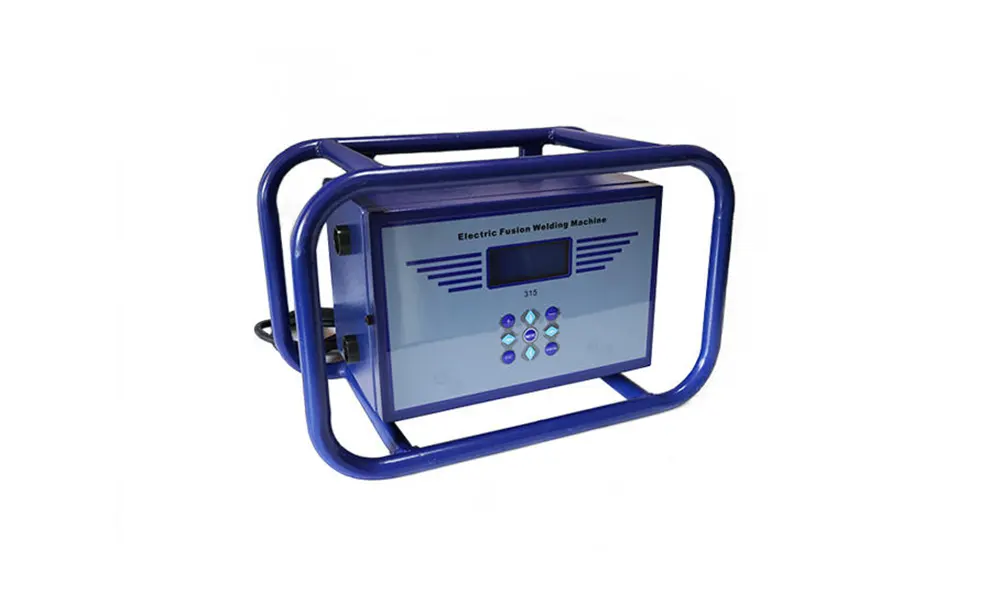
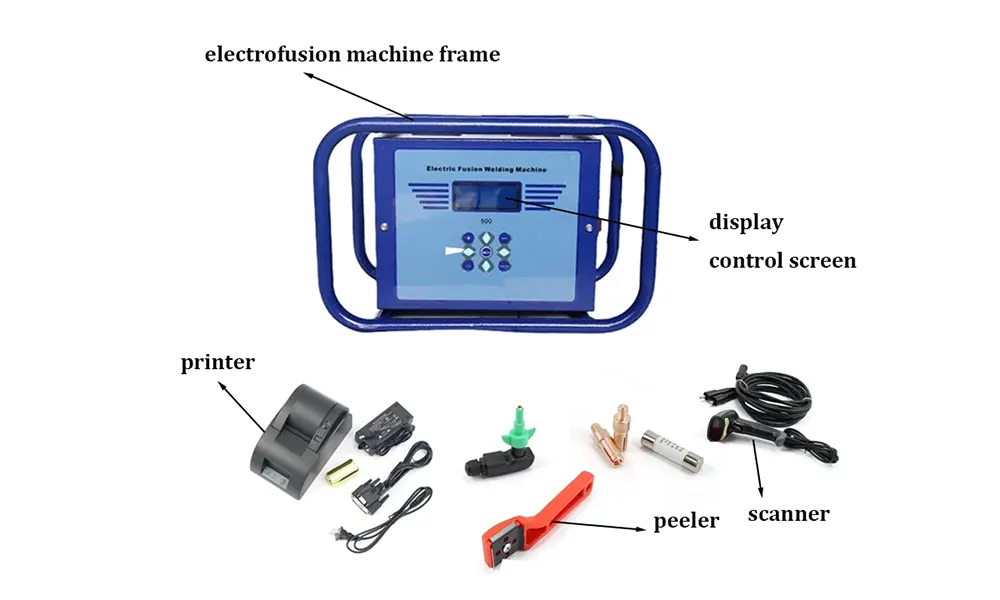
| Electrofusion | Microprocessor Digital | Voltage regulation, traceability coding, QR scanning | Gas and water pipe connections |
For large-scale operations, CNC automatic welding machines offer fully programmable control panels that minimize manual intervention. These systems automatically adjust fusion parameters based on pipe diameter and material specifications, significantly improving efficiency on major pipeline installations.
Key Features to Evaluate Before Purchase
When evaluating a HDPE welding machine control panel, consider both technical specifications and practical usability. The interface should be intuitive enough for field operators while providing comprehensive control for quality managers. Pay attention to the following aspects before making a purchasing decision.
Display and Interface Clarity
The display should show real-time temperature, elapsed time, and pressure readings clearly. Backlit LCD or touchscreen panels improve visibility in outdoor environments. Operators working in bright sunlight or low-light conditions benefit from high-contrast screens with adjustable brightness. Hydraulic butt fusion equipment often features dual-display setups — one for temperature and one for hydraulic pressure — allowing simultaneous monitoring without toggling screens.
Data Logging and Traceability
Modern control panels store joint records including date, time, temperature profile, and pressure curve. This data supports compliance with ASTM F2620 heat fusion standards and simplifies audit preparation. Look for panels with USB ports, SD card slots, or wireless transfer capabilities. Some advanced units generate QR codes that link directly to cloud-based joint records.
Durability and Weather Resistance
Construction sites expose equipment to dust, moisture, and temperature extremes. Control panels with IP65 or higher ratings withstand harsh conditions. Sealed connectors, protective covers, and ruggedized enclosures extend service life. Check that buttons and touchscreens respond reliably when operators wear gloves.
Compatibility and Expandability
Ensure the control panel supports your pipe size range and material grades. Some panels allow firmware updates to accommodate new ISO 4427 PE water pipes specifications or additional welding standards. Multi-language support proves valuable for international crews. For multi-angle pipe fitting machines, the control panel should handle segmented bends, tees, and crosses without reprogramming.
Buying Guide: How to Choose the Right Control Panel
Selecting the optimal HDPE welding machine control panel requires balancing functional requirements with budget constraints. Below is a structured approach to guide your decision.
- Assess Your Project Scope: Small-diameter water lines may only need basic temperature control, while large gas pipelines demand full data traceability.
- Evaluate Operator Training Level: Touchscreen panels with guided workflows reduce training time. Analog controls suit experienced crews who prefer manual adjustments.
- Consider Documentation Requirements: Projects under third-party inspection benefit from panels with automatic report generation and joint numbering.
- Check After-Sales Support: Confirm that spare parts are readily available and the manufacturer provides technical assistance for troubleshooting.
- Verify Certification Compliance: The control panel should meet relevant standards for your region and application.
Price Considerations
Control panel costs vary significantly based on automation level. Basic analog controllers suit budget-conscious operations, while fully automated PLC systems represent a higher initial investment with long-term labor savings. When calculating total cost of ownership, factor in training time, maintenance requirements, and potential downtime reduction.
Maintenance Tips for Long-Term Reliability
Regular maintenance keeps control panels operating accurately. Clean display surfaces with microfiber cloths to prevent scratches. Inspect connectors for corrosion, especially in humid or coastal environments. Calibrate temperature sensors every six months or after significant transport. Store machines with control panels facing upward to avoid pressure damage to screens and buttons. Many manufacturers, including JQ-Fusion, provide detailed maintenance schedules and calibration services as part of their support offerings.
Emerging Trends in Welding Control Technology
The latest HDPE welding machine control panel innovations include wireless connectivity, remote monitoring via mobile apps, and AI-assisted parameter optimization. Cloud-based platforms now allow project managers to review joint data from multiple machines in real time. GPS tagging links each weld to its exact location, enhancing asset management for large utility networks. These technologies continue to raise the bar for quality assurance in electrofusion control units and butt fusion systems alike.
Key Takeaways
- Control panels directly impact weld quality and project documentation
- Match panel sophistication to your operational requirements and team capabilities
- Prioritize durability and weather resistance for field applications
- Data logging features support regulatory compliance and quality audits
- Regular maintenance extends equipment lifespan and accuracy
Investing time in understanding control panel features pays dividends through faster project completion, fewer rejected welds, and comprehensive quality records. Whether upgrading existing equipment or purchasing new machinery, a thoughtful evaluation of control panel capabilities ensures reliable performance across your pipeline operations.



