
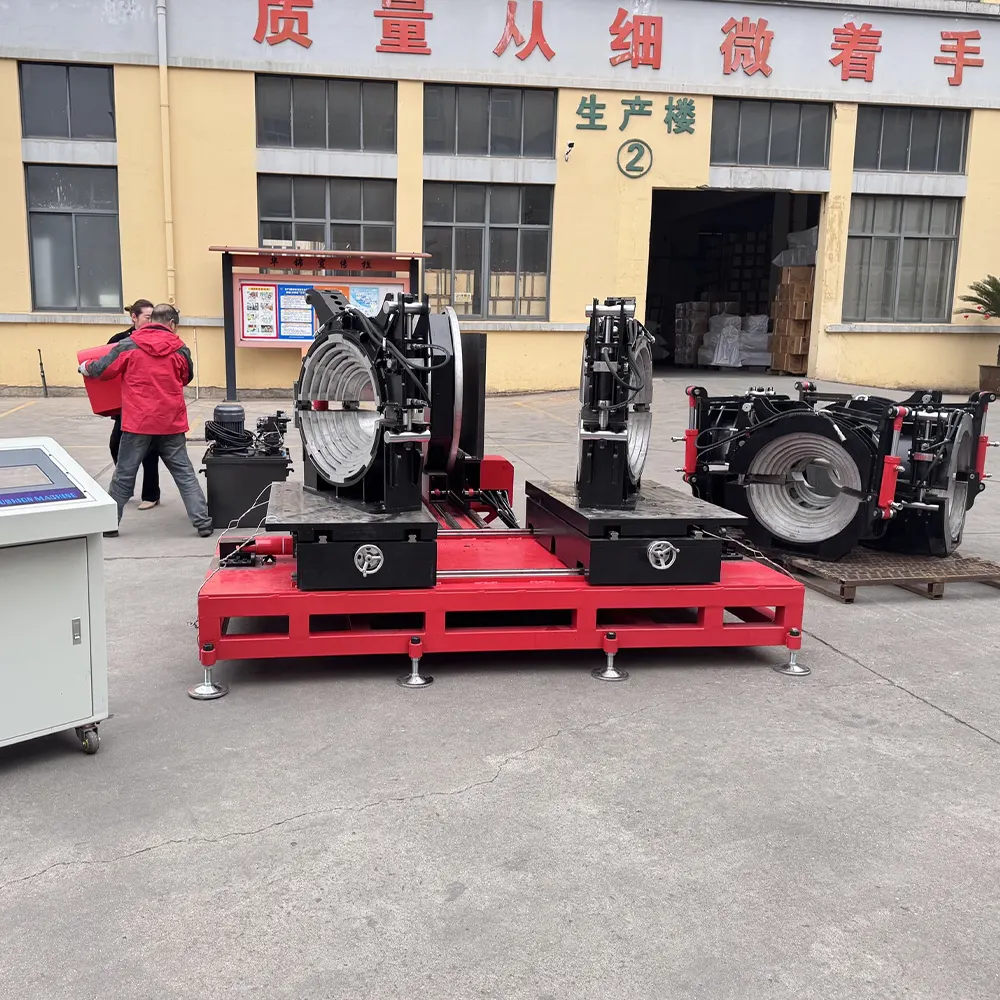
In modern pipeline infrastructure projects, achieving consistent, high-strength joints is critical for long-term system integrity. An automatic pipe welding machine has become the cornerstone of efficient on-site assembly, particularly for HDPE and other polyolefin pipes used in water, gas, and industrial applications. Understanding the automatic pipe welding machine working principle helps engineers and contractors optimize weld quality, reduce human error, and accelerate project timelines. This article explores the core technology, step-by-step process, and key advantages that make automatic butt fusion systems a superior choice over manual alternatives.
The Core Working Principle of Automatic Pipe Welding Machines
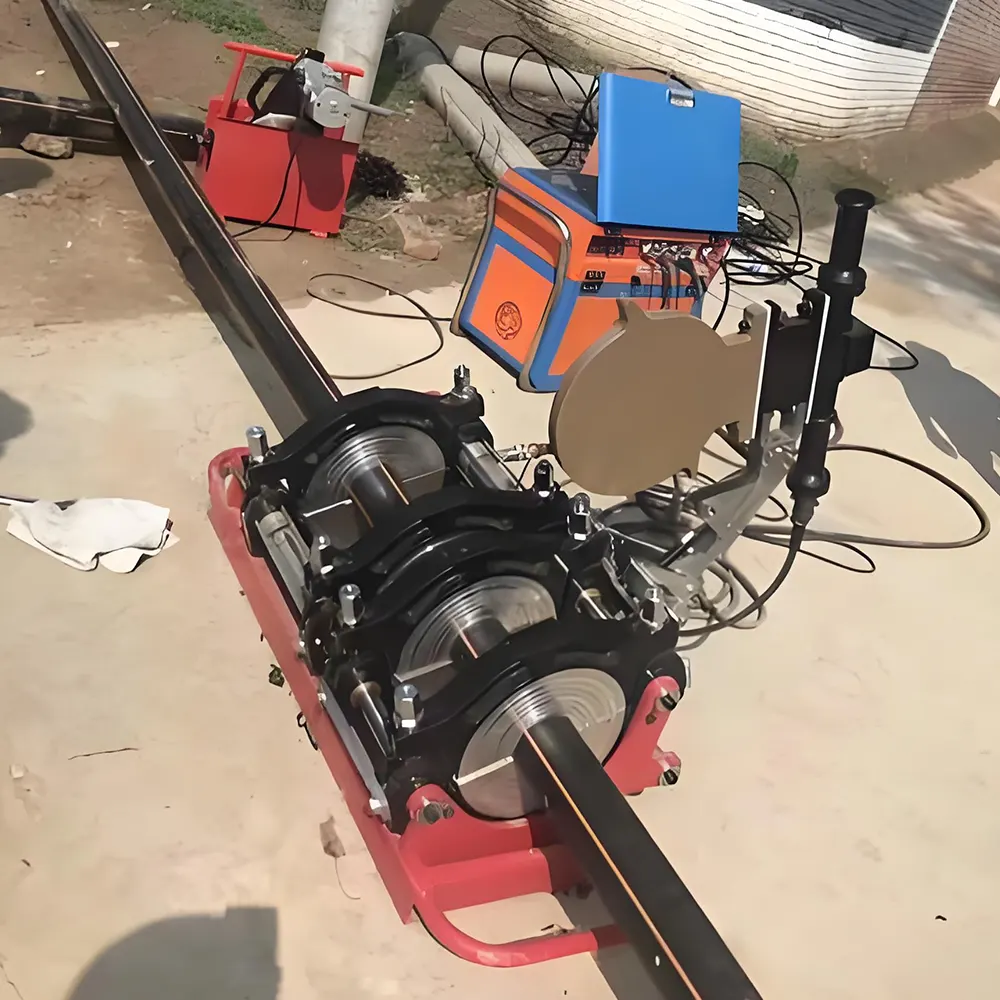
The automatic pipe welding machine working principle is based on the butt fusion welding method, governed by international standards. The machine precisely controls the four essential parameters: temperature, pressure, time, and alignment. Unlike manual equipment, an automatic system uses a programmable logic controller (PLC) to execute each phase of the welding cycle without operator intervention once the cycle starts. The fundamental concept involves heating two pipe ends against a precisely temperature-controlled hot plate until they reach a molten state, then forcing them together under controlled hydraulic pressure to form a homogeneous, monolithic joint.
During operation, the machine calculates and maintains the exact interfacial pressure required based on the pipe diameter and material standard, such as those outlined in ISO 21307 butt fusion procedures. The hydraulic system ensures uniform force distribution, preventing misalignment and ensuring the weld bead forms symmetrically around the joint circumference. Data logging capabilities automatically record critical parameters, creating a traceable record for quality assurance.
Step-by-Step Automatic Welding Process
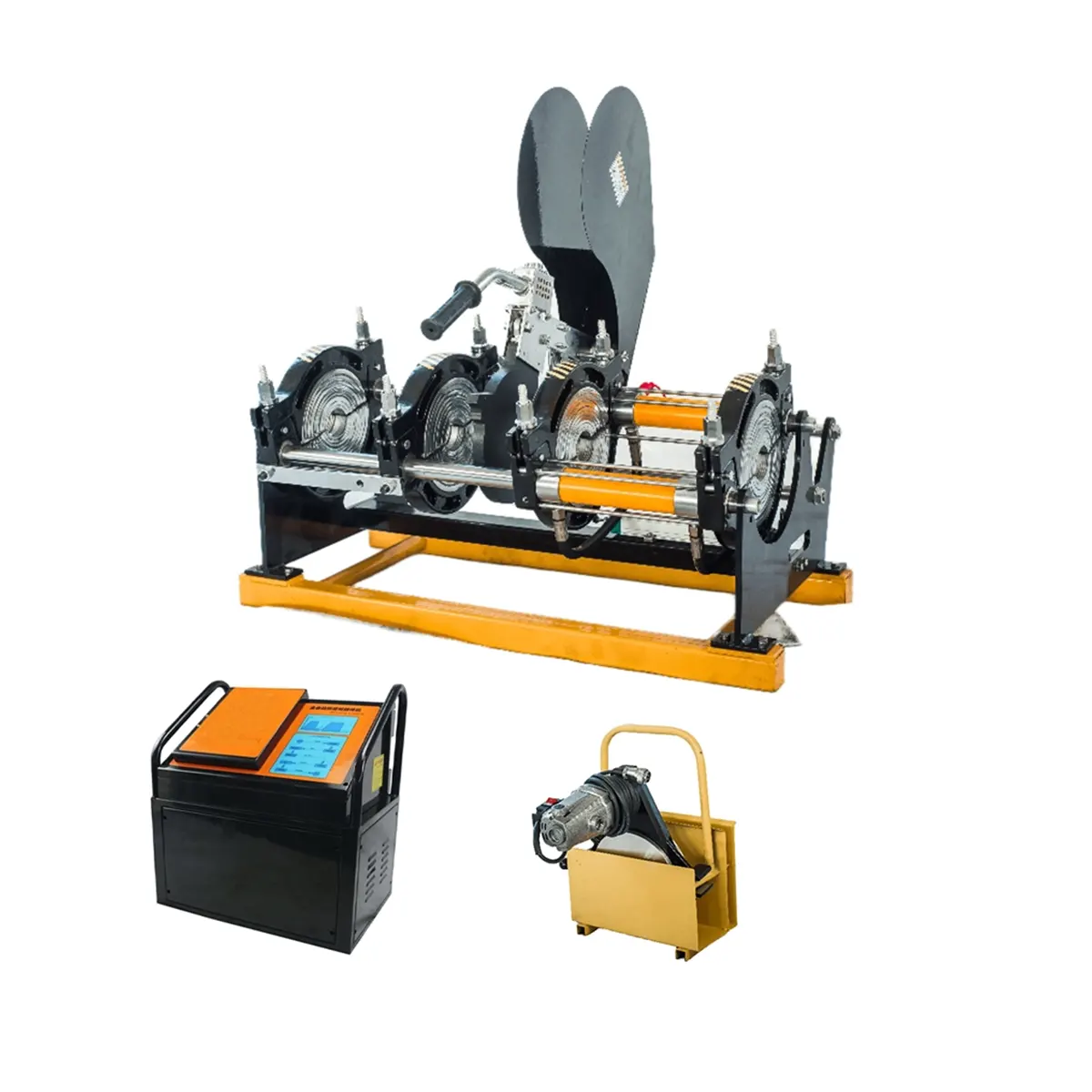
The automated butt fusion cycle involves several distinct, sequential stages. Each phase is monitored and adjusted in real time by the machine’s control system to ensure compliance with the programmed welding protocol.
| Phase | Description | Machine Action |
|---|---|---|
| 1. Clamping & Facing | Pipe ends are secured and trimmed flat | Pneumatic or hydraulic clamps lock pipes; facing tool planes ends parallel |
| 2. Heating | Pipe ends are melted against a heated plate | PLC maintains precise temperature; applies initial bead-up pressure then heat soak |
| 3. Heater Removal | Hot plate is swiftly retracted | System controls dwell time to prevent cooling before fusion |
| 4. Fusion & Cooling | Melted ends are joined under pressure | Hydraulic ram applies programmed force; holds until joint solidifies |
Key Components Enabling Automation
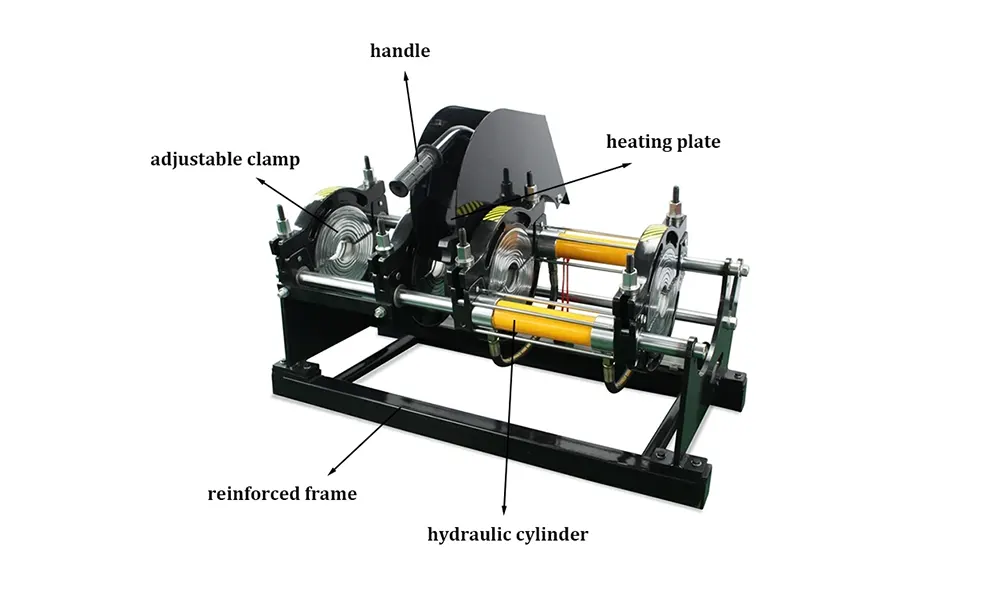
An automatic pipe welding machine integrates several critical subsystems that work together to deliver repeatable results. Understanding these components clarifies how the machine eliminates variability.
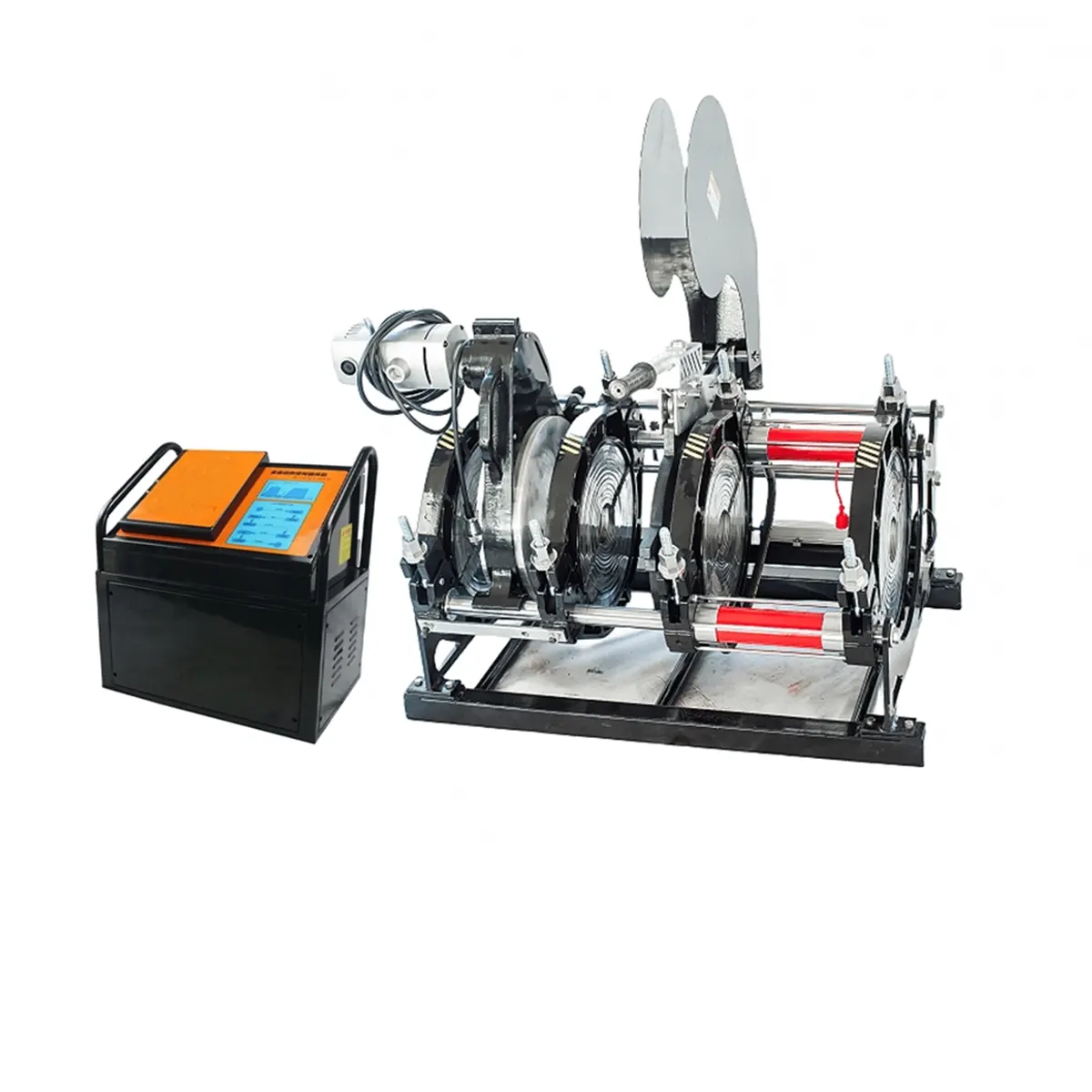
- Hydraulic Power Unit: Provides the force for clamping, facing, and fusion. The pressure is electronically regulated to match the exact pipe SDR and material grade.
- PLC Control System: The brain of the machine, storing multiple welding protocols. It automates the sequence based on input parameters like pipe diameter and ISO 4427 PE water pipes material standards.
- Heating Plate with RTD Sensors: Features a non-stick PTFE coating and embedded resistance temperature detectors that ensure uniform surface temperature, crucial for proper melting.
- Facing Tool: A motorized cutter that planes the pipe ends perfectly square and parallel, removing contaminants and oxidized material.
- Data Logger & Printer: Records actual weld parameters versus target values, generating a report for compliance with ASTM F2620 heat fusion standards.
Why Automation Improves Weld Integrity
The automatic pipe welding machine working principle directly addresses the primary causes of weld failure: inconsistent pressure application, misalignment, and incorrect temperature control. By automating these variables, the system produces joints that often exceed the strength of the parent pipe material. This is particularly beneficial when working with large diameters, thick walls, or in challenging environments where manual welding quality can fluctuate significantly due to operator fatigue or inexperience.
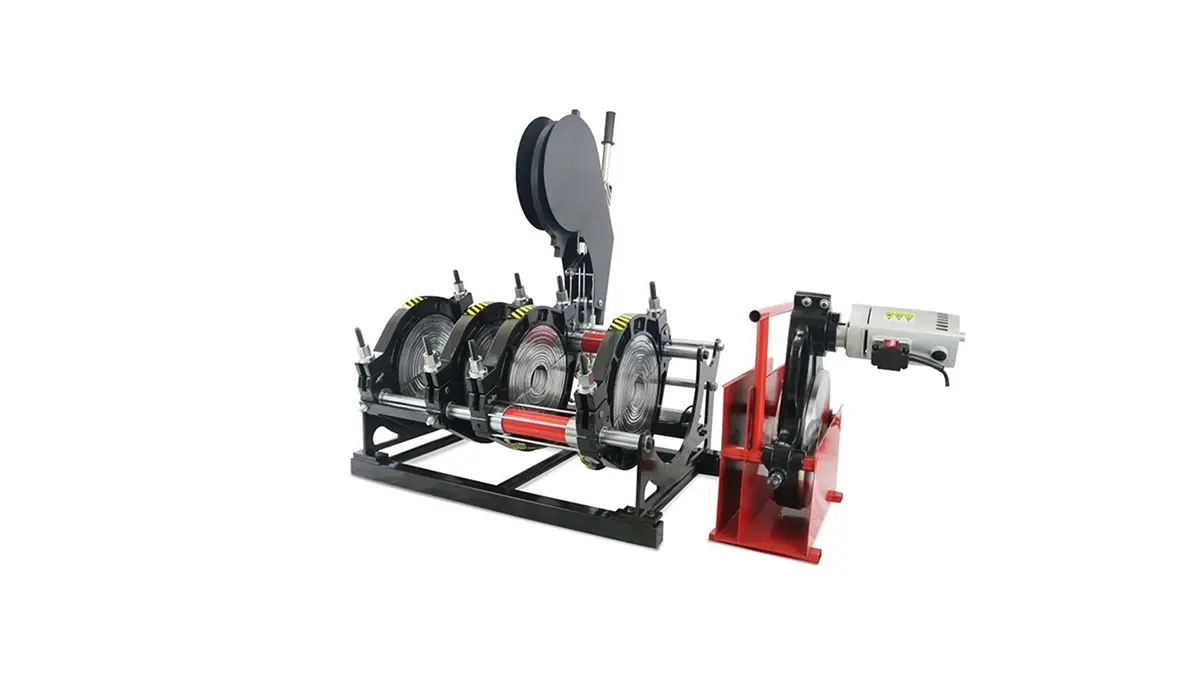
Comparing Manual vs. CNC Automatic Welding Machines
To fully appreciate the advantages, it is helpful to contrast the two approaches directly.
| Feature | Manual Welding Machine | CNC Automatic Welding Machine |
|---|---|---|
| Pressure Control | Manual lever, operator-dependent | Programmable hydraulic system, precise |
| Cycle Timing | Stopwatch, prone to human error | PLC-controlled, fully automated |
| Data Recording | Manual log, limited detail | Automatic data logging and report generation |
| Best Application | Small diameters, field repairs | Large diameters, critical infrastructure, high-volume production |
Key Benefits for Your Projects
Investing in an automatic butt fusion system brings measurable returns across various aspects of pipeline construction and maintenance. The benefits extend beyond just the weld itself to impact overall project efficiency and safety.
- Unmatched Repeatability: Once a valid procedure is qualified, the machine replicates it perfectly for every joint, minimizing scrap and rework rates significantly.
- Enhanced Productivity: Automated cycles are optimized for speed without compromising quality, allowing crews to complete more joints per shift compared to manual methods.
- Comprehensive Traceability: Built-in data acquisition systems provide an auditable record of every weld, supporting regulatory compliance and simplifying inspections for applications like natural gas distribution where PE fusion qualification is mandatory.
- Reduced Operator Skill Dependency: While training is still required, the machine’s intelligence shields the process from common manual errors, such as over-trimming, cold welds, or incorrect soak times.
- Wide Diameter Range Capability: Manufacturers offer models for everything from small-diameter service lines up to large-scale water transmission mains, often with interchangeable clamp sets for versatility.
JQ-Fusion, as a specialist in automatic pipe welding machine technology, designs equipment that embodies these principles, offering hydraulic butt fusion welding machines and fully CNC-controlled models for precise, reliable performance across a range of pipe sizes.
Selecting the Right Automatic Welding Machine
When choosing a machine, consider the maximum pipe diameter and pressure rating of your typical projects. Look for a system with an intuitive user interface, robust construction for field conditions, and accessible service support. The ability to update welding protocols and export data to USB is also essential for long-term operational flexibility. Reviewing the detailed product specifications and available configurations will ensure the equipment aligns with your specific application, from simple water lines to complex industrial piping networks.



