
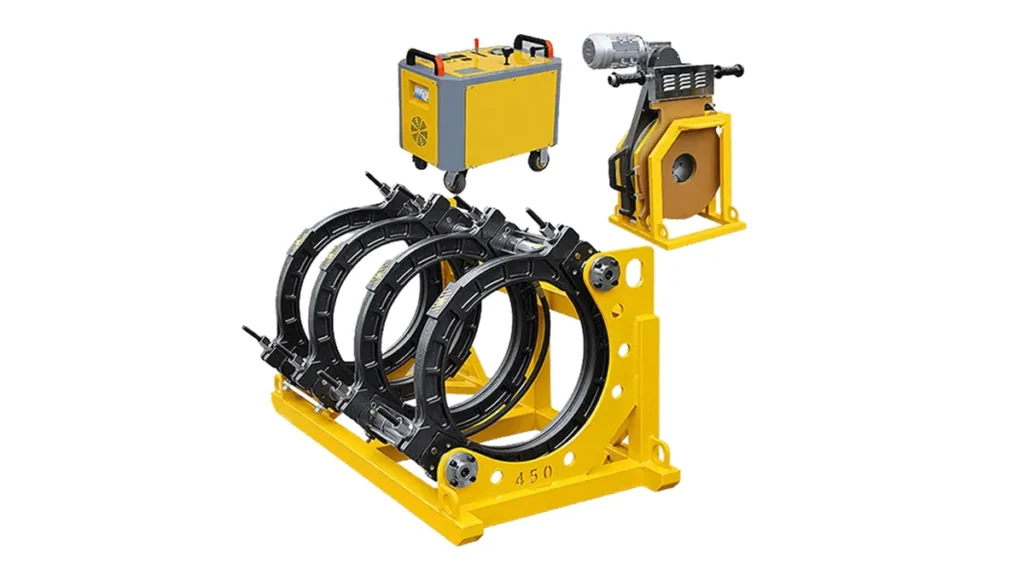
The hydraulic system is the powerhouse behind every reliable HDPE fusion machine hydraulic system. Whether you are fusing large-diameter pipes for municipal water supply or industrial gas distribution, understanding how the hydraulic components work together ensures consistent joint quality and extended equipment life.
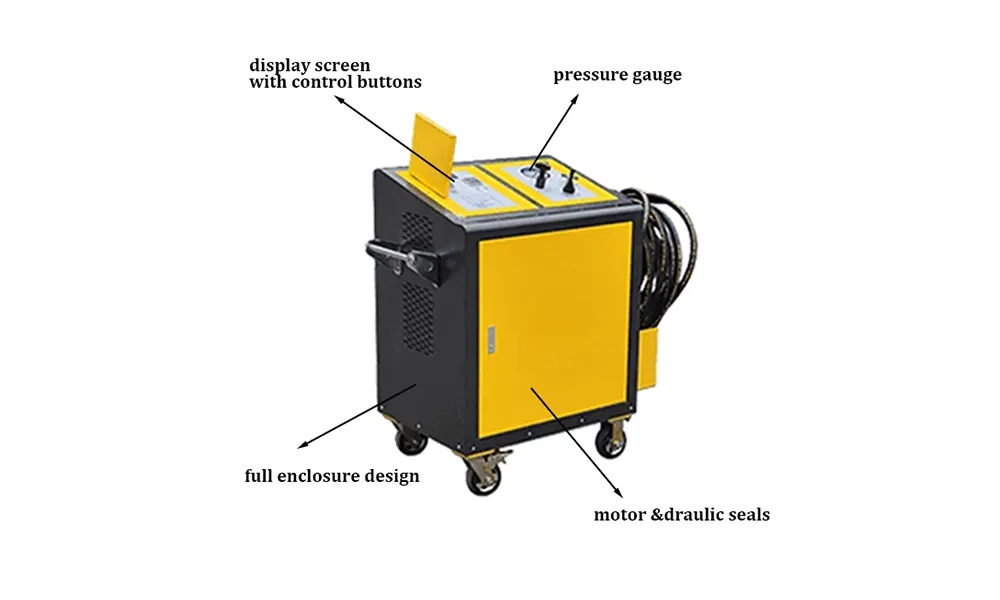
Core Components of an HDPE Fusion Machine Hydraulic System
A well-designed HDPE fusion machine hydraulic system integrates several precision components that convert hydraulic pressure into the controlled movements required for the butt fusion welding process. Each part plays a vital role in maintaining alignment, controlling carriage movement, and applying the exact force needed for proper bead formation.
| Component | Function | Key Maintenance Focus |
|---|---|---|
| Hydraulic Pump | Generates the flow of hydraulic fluid to create system pressure | Check for unusual noise or pressure drops |
| Control Valve Block | Directs oil flow to move cylinders forward, backward, or hold position | Inspect for leaks and smooth lever operation |
| Hydraulic Cylinders | Provide linear force to move the pipe clamps during facing and fusion | Monitor rod seals for oil seepage |
| Hydraulic Hoses and Fittings | Transport pressurized fluid between components | Regularly inspect for cracks, abrasion, or loose connections |
| Oil Reservoir | Stores and cools the hydraulic fluid | Maintain proper oil level and cleanliness |
| Pressure Gauge | Displays real-time system pressure for operator monitoring | Verify calibration periodically |
| Oil Filter | Removes contaminants from the hydraulic fluid | Replace according to manufacturer schedule |
How the Hydraulic System Operates During Butt Fusion
In a typical HDPE fusion machine hydraulic system, the operational sequence is precisely choreographed. The hydraulic pump pressurizes fluid from the reservoir and sends it through the control valve block. When the operator activates the carriage movement lever, the valve directs oil to the appropriate side of the hydraulic cylinders, moving the pipe clamps with controlled force.
During the facing stage, the hydraulic system drives the pipes against the rotating trimmer to create clean, parallel surfaces. When the heating plate is inserted, hydraulic pressure maintains contact between pipe ends and the heated surface, following ISO 21307 butt fusion procedures. Finally, during the fusion and cooling stages, the system applies and holds the specified interfacial pressure to form a homogeneous joint.
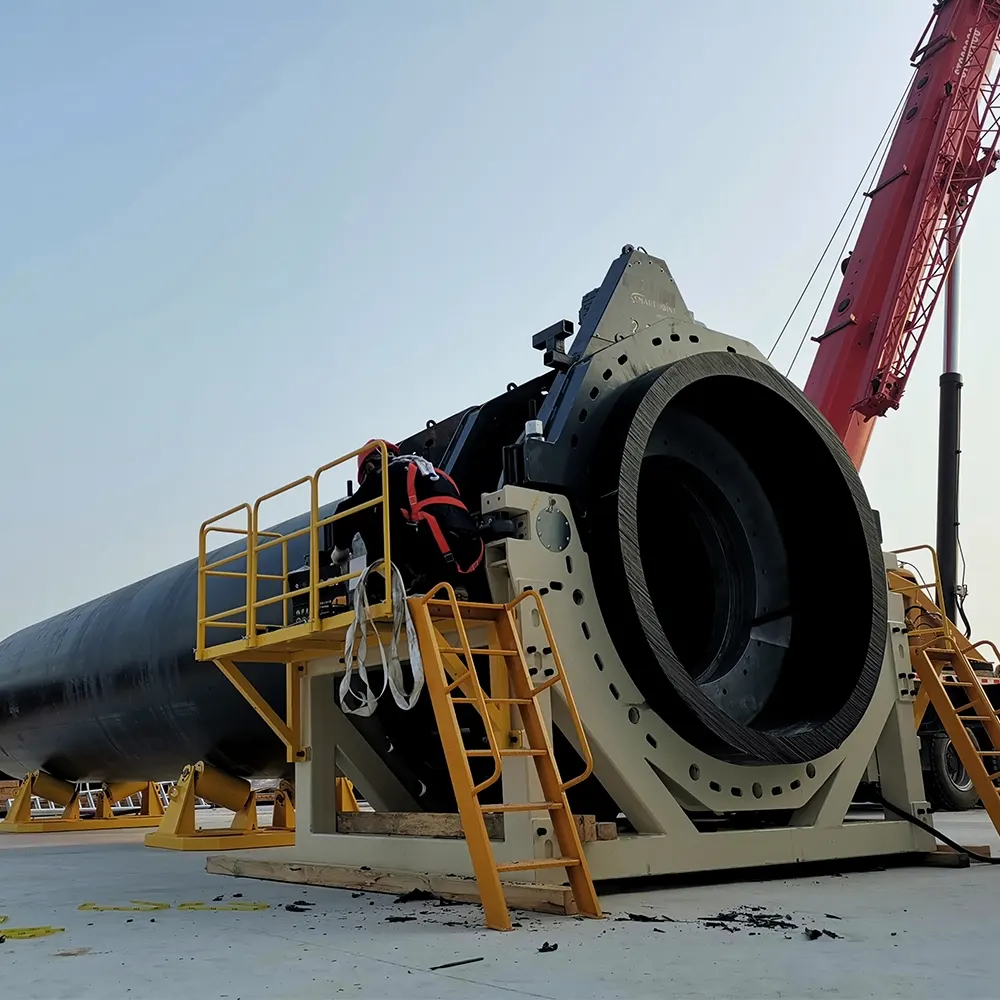
Essential Maintenance Tips for Long-Term Reliability
Proper maintenance of your HDPE fusion machine hydraulic system directly impacts weld quality and machine longevity. Following ASTM F2620 heat fusion guidelines and manufacturer recommendations will keep your equipment performing at peak levels.
Daily Inspection Checklist
- Check hydraulic oil level – Low fluid can cause erratic cylinder movement and air entrapment.
- Inspect all hoses and fittings – Look for signs of wear, cracking, or fluid leakage around connections.
- Test control valve response – Ensure smooth and immediate carriage movement in both directions.
- Monitor pressure gauge readings – Verify that the system reaches and holds required pressures without fluctuation.
- Clean the reservoir breather cap – A clogged breather can cause pressure build-up and seal damage.
Scheduled Preventive Maintenance
Beyond daily checks, a structured preventive maintenance program extends the life of your HDPE pipe welding equipment. Replace hydraulic oil and filters at intervals recommended by the manufacturer, typically every 500 to 1000 operating hours. Inspect cylinder rod surfaces for scoring or pitting that could damage seals. Periodically test the system under load to confirm pressure relief valves function correctly and that no internal leaks exist within the control valve block.
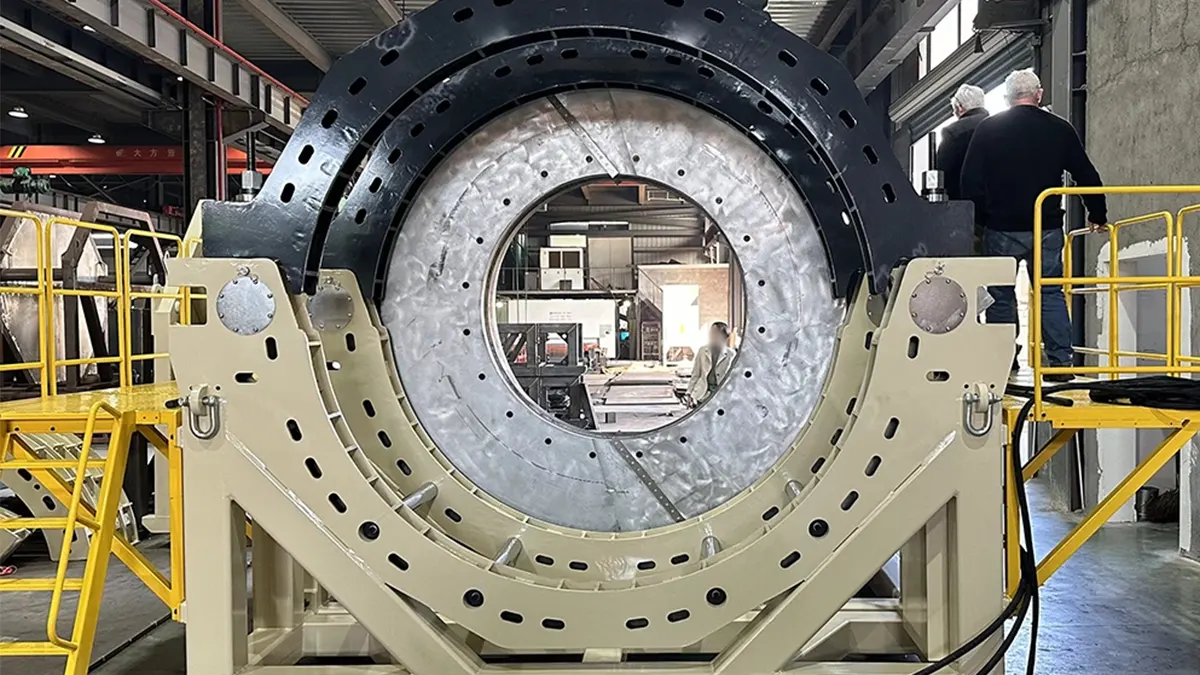
Troubleshooting Common Hydraulic System Issues
Even with diligent maintenance, hydraulic systems can develop problems. Early diagnosis prevents costly downtime and ensures your butt fusion welding machine remains productive on site.
| Symptom | Possible Cause | Recommended Action |
|---|---|---|
| Slow or jerky cylinder movement | Air in hydraulic lines or low fluid level | Bleed air from system and top up oil to correct level |
| Unable to build adequate pressure | Worn pump, internal valve leak, or clogged filter | Replace filter, test pump output, inspect valve seals |
| Excessive noise from pump | Cavitation due to restricted suction or aerated oil | Clean suction strainer, check for air leaks in suction line |
| Oil overheating | Continuous operation at relief pressure or restricted cooling | Allow cooling periods, clean reservoir exterior, check relief settings |
| External oil leaks at cylinder rod | Worn rod seals or damaged rod surface | Replace seals and polish or replace rod if scored |
Selecting the Right Hydraulic Fluid
Choosing the correct hydraulic oil is critical for HDPE fusion machine hydraulic system performance. Use high-quality anti-wear hydraulic oils with the viscosity grade specified by the machine manufacturer. Operating temperatures in the field can vary significantly, so select an oil that maintains proper viscosity across the expected temperature range. Contaminated oil is a leading cause of hydraulic failures—always use clean containers when adding fluid and consider implementing an oil analysis program for large fleets of machines.
JQ-Fusion integrates robust hydraulic components into every machine, ensuring reliable performance even in demanding environments. For guidance on maintaining your specific model or to explore our range of hydraulic butt fusion machines, please refer to the official product documentation or contact our support team.
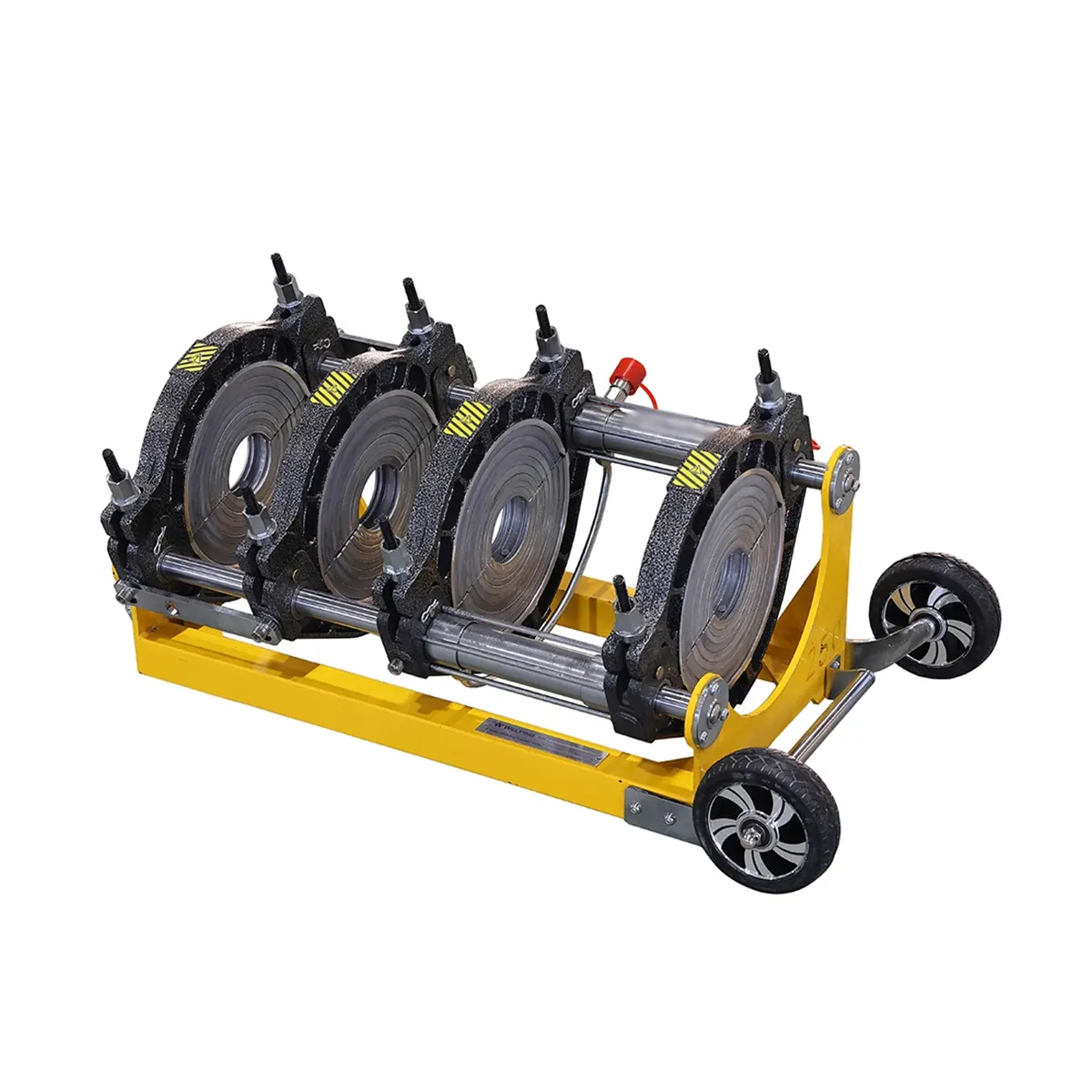
Standards and Best Practices
Adhering to international standards ensures that your fusion joints meet regulatory and project requirements. Key references for HDPE fusion machine hydraulic system operation include ISO 12176-1 equipment standards and the PPI technical guidance documents. The PPI TR-33 generic butt fusion procedure provides detailed parameter tables that help operators set correct hydraulic pressures based on pipe diameter and wall thickness.
Quick Reference: Hydraulic Pressure vs. Pipe Size
Understanding the relationship between pipe dimensions and required hydraulic force helps operators set the HDPE fusion machine hydraulic system correctly. Always consult the machine’s specific pressure chart, as frame design and cylinder bore size affect the gauge reading needed to achieve proper interfacial pressure.
Operator Training and Safety
A well-maintained hydraulic system is only as effective as the operator controlling it. Comprehensive training on your specific HDPE fusion machine hydraulic system model covers proper startup procedures, pressure adjustment techniques, and recognition of abnormal operating conditions. Always depressurize the hydraulic system before performing any maintenance, and use appropriate personal protective equipment when handling hydraulic oil.
For more detailed product specifications or to find the right hydraulic butt fusion welding machine for your next project, visit our products page or download our latest equipment catalog.



