
Understanding HDPE Pipe Fusion Equipment Customization
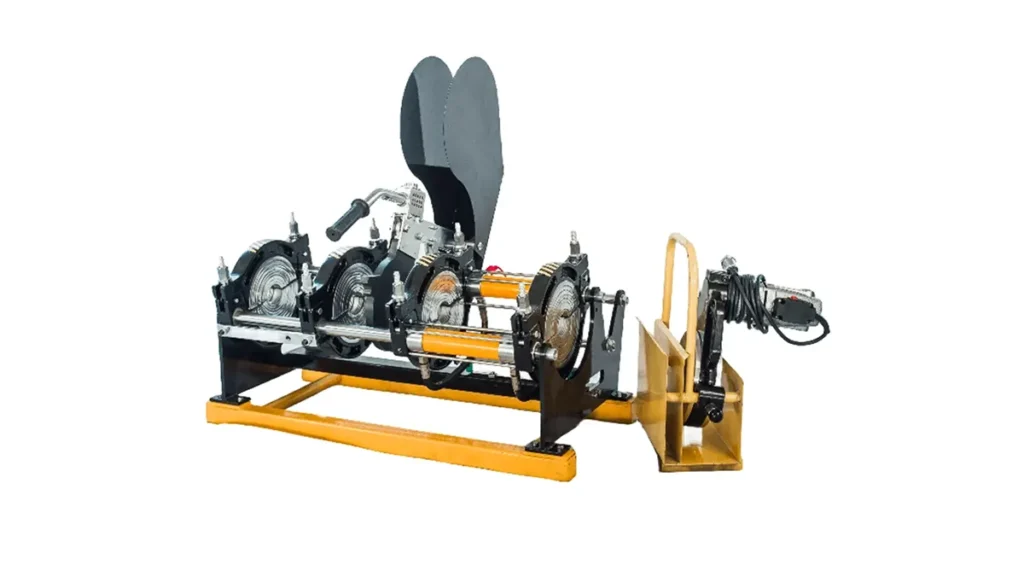
Every pipeline project comes with its own set of challenges—varying pipe diameters, different wall thicknesses, challenging terrain, and specific regulatory requirements. Off-the-shelf fusion machines often fall short when facing these unique demands. This is where HDPE pipe fusion equipment customization becomes not just an option, but a strategic necessity. Customizing your butt fusion welding machines ensures that every aspect—from clamp configuration to control system logic—aligns precisely with your operational workflow and project specifications.
Whether you are working on large-diameter water transmission lines, gas distribution networks, or industrial slurry pipelines, tailored fusion equipment helps you achieve consistent weld integrity, reduce operator fatigue, and minimize onsite downtime. The ability to specify machine dimensions, heating plate coatings, hydraulic power pack capacities, and even data logging features means you receive a solution engineered for your exact needs—not a generic compromise.
Key Benefits of Customized Fusion Equipment
- Precision Alignment: Custom clamp inserts and frame geometries ensure perfect pipe alignment, reducing the risk of misalignment defects during the fusion cycle.
- Enhanced Productivity: Tailored hydraulic systems and automated control sequences speed up cycle times, allowing crews to complete more joints per shift.
- Operator Safety and Comfort: Ergonomic modifications—such as adjusted handle heights, control panel positioning, and reduced machine weight—minimize strain during prolonged use.
- Regulatory Compliance: Machines can be configured to meet specific regional standards, including strict temperature calibration tolerances and traceable data recording.
- Long-Term Durability: Material upgrades for components like heating plates, trimmer blades, and hydraulic seals extend equipment lifespan in harsh environments.
Types of HDPE Pipe Fusion Equipment Available for Customization
Different project scales and pipe materials demand different fusion technologies. Understanding the core equipment categories helps you identify where customization delivers the greatest impact. Below is a comparison of the primary machine types and their typical customization parameters:
| Machine Type | Typical Pipe Range | Common Customization Areas | Best Suited For |
|---|---|---|---|
| Manual Butt Fusion | 20mm – 315mm | Frame size, clamp inserts, heating plate PTFE coating | Small-scale water and gas distribution, field repairs |
| Hydraulic Butt Fusion | 160mm – 2250mm | Hydraulic power pack capacity, clamp configuration, frame rigidity | Large-diameter municipal water and sewer mains |
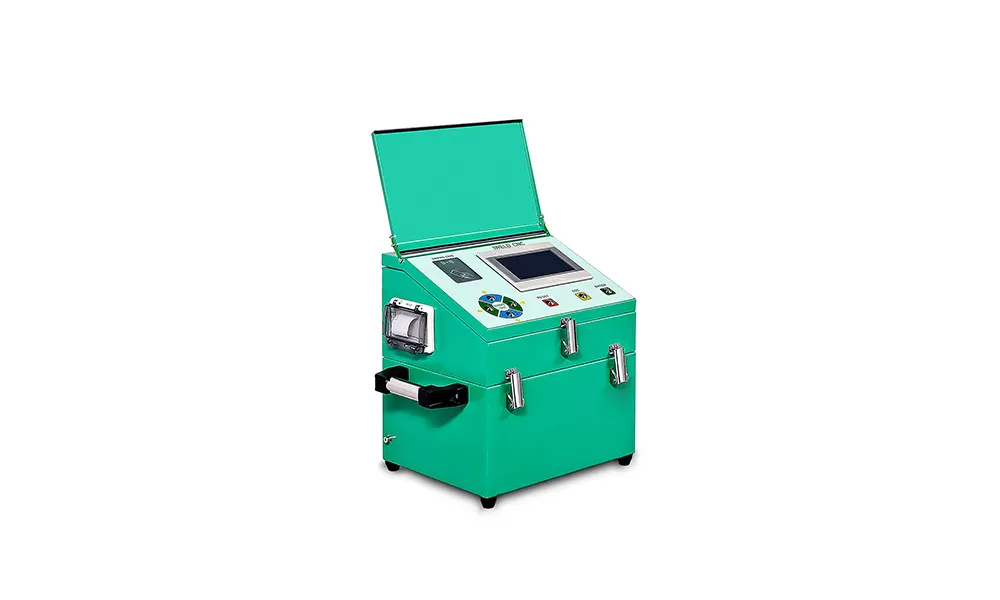
| CNC Automatic Butt Fusion | 160mm – 630mm | Control software, data logging protocols, sensor calibration ranges | Critical gas pipelines, nuclear and industrial applications |
| Electrofusion Equipment | 20mm – 1200mm | Voltage input range, barcode scanning compatibility, fusion parameter presets | Gas distribution, tight-space installations, tie-in joints |
| Multi-Angle Pipe Fitting | 315mm – 1600mm | Angle range, segmented clamp design, fitting compatibility | Fabricated fittings, elbows, tees, and custom spool pieces |
Customization Options That Drive Project Success
When you invest in HDPE pipe fusion equipment customization, you gain control over a wide range of machine parameters. These modifications directly influence welding quality, operational efficiency, and long-term equipment reliability. Here are the most impactful customization areas to consider:
Clamp and Frame Configuration
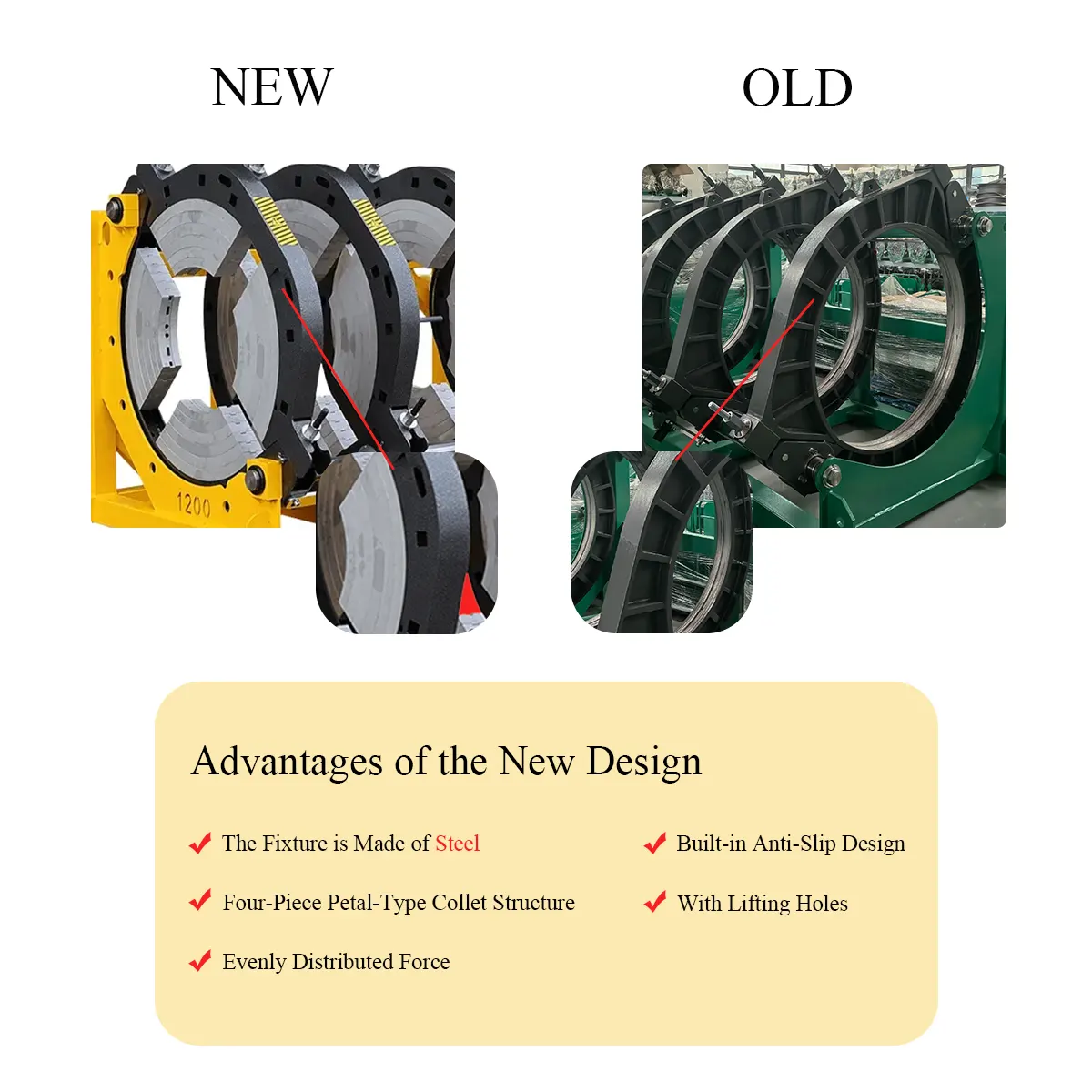
The clamping system is the foundation of every butt fusion machine. Custom frame widths, jaw shapes, and insert materials allow you to securely hold pipes of non-standard diameters or ovality-prone PE pipes. Aluminum clamps, for instance, provide an excellent balance of light weight and structural rigidity, making them ideal for field-deployed hydraulic machines that need frequent repositioning.
Heating Plate and Temperature Control
Precision temperature management is critical for achieving proper melt bead formation. Custom heating plates can be specified with non-stick PTFE coatings of varying thicknesses, dual-zone heating circuits for uniform surface temperature distribution, and digital controllers with tighter tolerance bands (±2°C or better). For projects in extreme climates, insulated heating plate covers and rapid heat-up elements ensure consistent performance.
Hydraulic System and Power Options
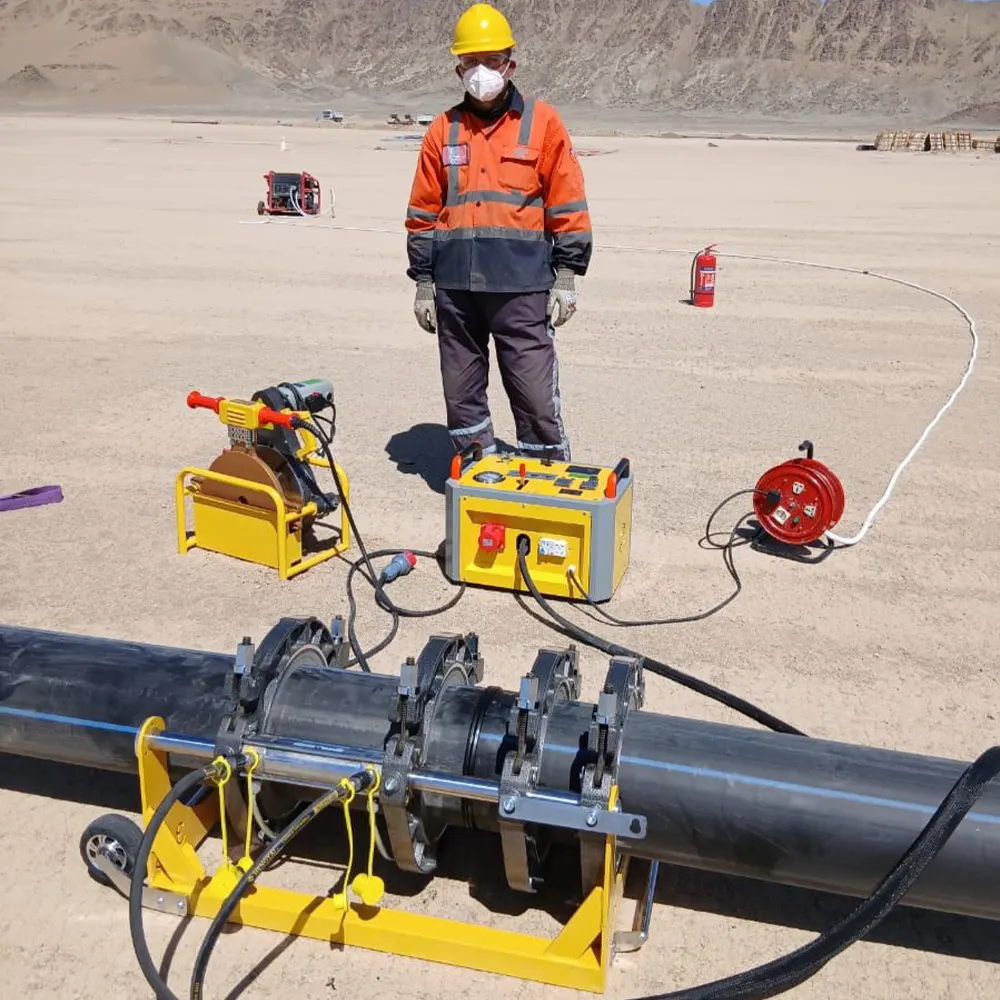
Hydraulic power pack customization covers motor types (electric, gasoline, or diesel), reservoir capacity, working pressure ranges, and control valve configurations. For remote pipeline installations where grid power is unavailable, diesel-powered hydraulic units with extended fuel autonomy can be specified. Variable flow control allows operators to precisely regulate carriage movement speed during the critical fusion stages.
Data Logging and Traceability
Modern pipeline projects increasingly require verifiable fusion records. Customized CNC automatic machines can be equipped with data logging systems that record temperature profiles, fusion pressures, soak times, and cooling durations for every joint. This data can be exported in formats compatible with project management software, supporting quality assurance documentation aligned with ISO 21307 butt fusion procedures and similar international standards.
Industry Standards and Quality Assurance
Compliance with recognized standards is non-negotiable for pipeline integrity. Customized fusion equipment must still meet or exceed the requirements set by bodies such as ISO, ASTM, and national regulatory agencies. Key standards that inform equipment design and customization include:
- ISO 12176-1 – Covers essential specifications for PE butt fusion equipment, including heating plate dimensions and temperature accuracy requirements.
- ASTM F2620 – Defines the standard practice for heat fusion joining of polyethylene pipe and fittings, widely referenced in North American gas and water projects.
- ISO 21307 – Establishes butt fusion jointing procedures, providing a globally recognized benchmark for fusion parameter settings.
- PPI TR-33 – Offers generic butt fusion joining procedures and is an essential reference for contractors developing project-specific fusion protocols.
Applications Across Diverse Industries
The versatility of customized HDPE fusion equipment makes it indispensable across multiple sectors. Each application environment presents unique challenges that tailored machines are designed to overcome:
| Industry | Typical Pipe Sizes | Customization Priorities |
|---|---|---|
| Municipal Water Supply | 110mm – 2000mm | Large-diameter capacity, rapid cycle times, corrosion-resistant components |
| Gas Distribution | 20mm – 630mm | Precision data logging, ATEX-compliant components, traceable fusion records |
| Mining and Slurry Transport | 160mm – 1200mm | Abrasion-resistant trimmer blades, heavy-duty frames, portable configurations |
| Industrial Process Piping | 50mm – 800mm | Chemical-resistant coatings, multi-angle fitting compatibility, automated controls |
OEM/ODM Services: Your Partner in Custom Equipment
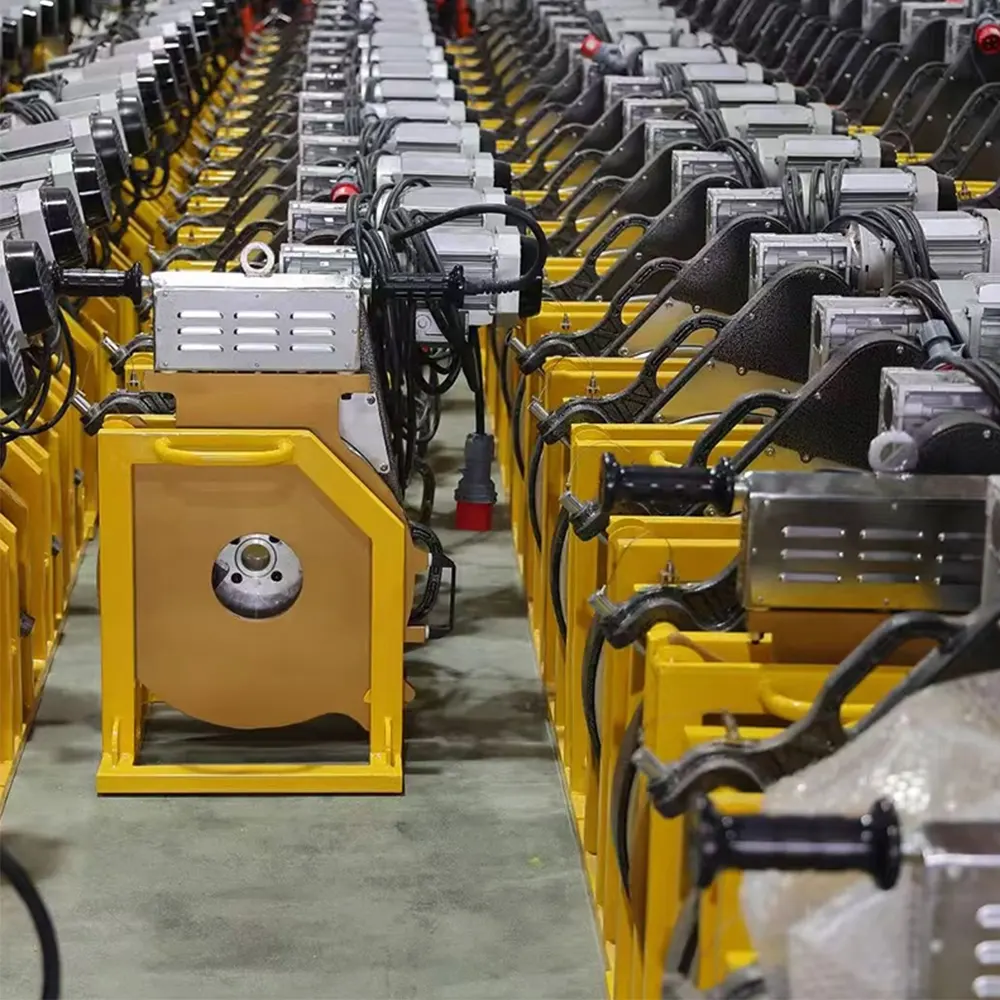
Working with an experienced manufacturer for HDPE pipe fusion equipment customization means accessing comprehensive OEM and ODM services. From branded color schemes and logo integration to fully re-engineered machine configurations, the right partner transforms your technical requirements into production-ready solutions. JQ-Fusion specializes in this collaborative approach, offering flexible customization spanning manual, hydraulic, and CNC automatic fusion machines. Engineering teams work directly with clients to validate specifications, prototype critical modifications, and conduct rigorous pre-delivery testing—ensuring every customized machine performs reliably from day one on the job site.
Selecting the Right Customization Partner
Choosing a manufacturer for customized fusion equipment requires careful evaluation. Look for partners with proven engineering capability, responsive communication, and a track record of delivering tailored solutions on schedule. Key factors to assess include manufacturing facility certifications, quality control processes such as temperature accuracy and clamp alignment testing, and the availability of after-sales technical support. A manufacturer that maintains a large inventory of standard models can often expedite customization by modifying existing platforms rather than starting from scratch—significantly reducing lead times for your project.
Questions to Ask Before Customizing
- What pipe diameter range and SDR ratings will the machine need to accommodate?
- Are there specific regional standards or operator certification requirements to address?
- What environmental conditions—extreme temperatures, altitude, dust exposure—will the equipment face?
- Is there a need for multilingual control interfaces or specialized training documentation?
- What data recording and traceability features are required by the project owner or regulatory body?
Investing in HDPE pipe fusion equipment customization ultimately delivers a higher return on your equipment investment. Machines that fit your specific pipe dimensions, operating environment, and quality documentation needs reduce rework, accelerate project timelines, and build confidence among stakeholders. Explore the full range of HDPE pipe fusion equipment options available and discover how tailored solutions can elevate the efficiency and reliability of your next piping project.



