
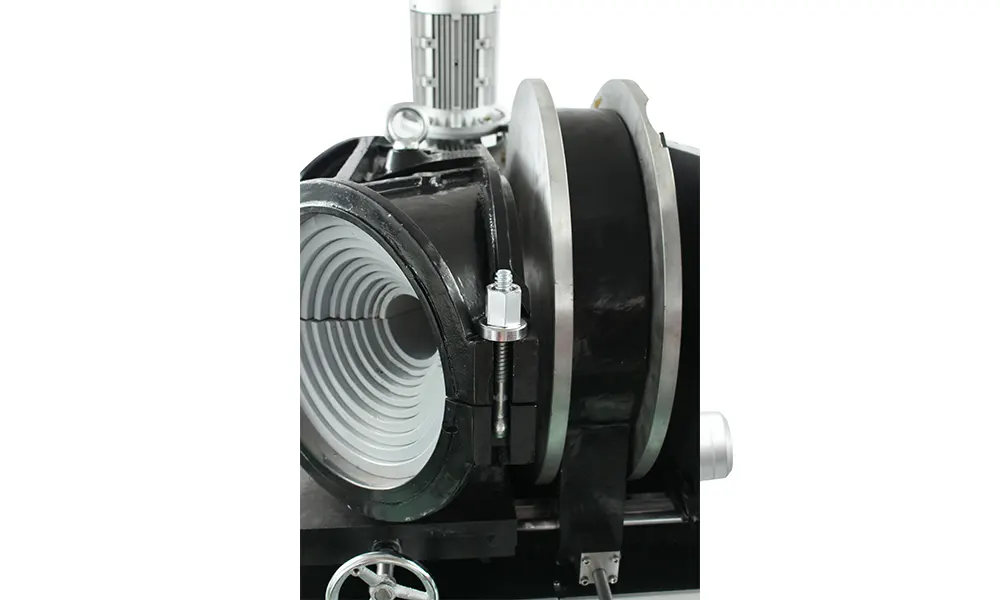
In modern infrastructure projects, standard equipment often falls short of meeting unique operational demands. Whether you are laying pipelines across challenging terrain or integrating specialized fittings in a processing plant, HDPE welding machine customization bridges the gap between off-the-shelf products and your exact project specifications. Tailored solutions not only enhance workflow efficiency but also ensure consistent, high-quality welds that comply with rigorous international standards.
Why Standard Machines May Not Be Enough
Every pipeline project carries its own set of variables — pipe diameters, wall thicknesses, material grades, and environmental conditions. A welding machine designed for one scenario may struggle in another. This is where HDPE butt fusion machines with customized configurations become indispensable. By adapting the equipment to your specific requirements, you minimize downtime, reduce operator fatigue, and achieve repeatable joint integrity across every weld.
Key challenges that customization addresses include:
- Non-standard pipe sizes requiring specialized clamp inserts and facing tools
- Remote or off-grid locations demanding portable, compact machine frames
- High-altitude or extreme-temperature environments affecting heating plate calibration
- Compatibility with multiple pipe grades including PE80, PE100, and PE100-RC
- Integration with existing quality assurance and data logging systems
Core Customization Categories for HDPE Welding Machines
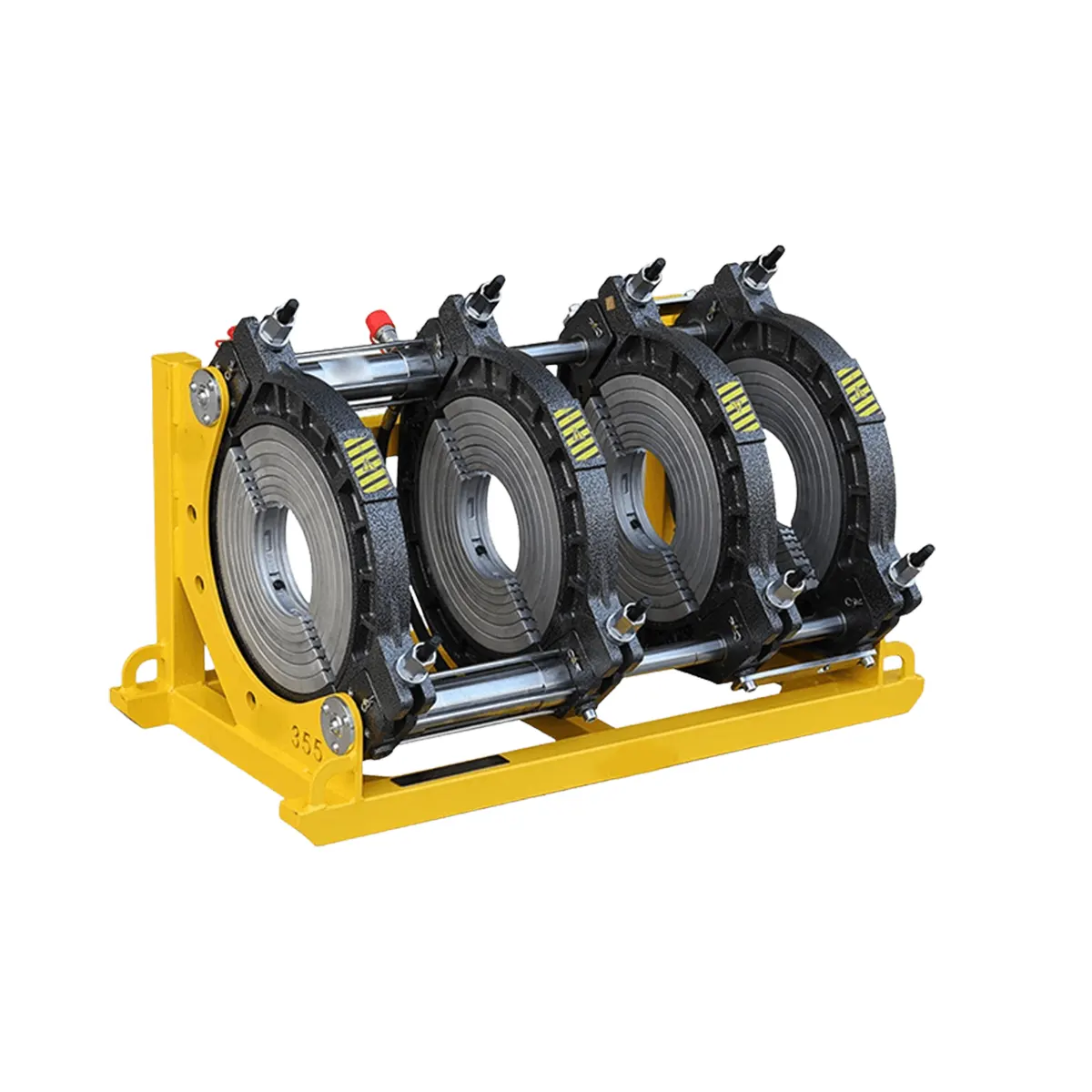
When we talk about HDPE welding machine customization, the scope extends far beyond cosmetic changes. Below is a breakdown of the most common customization areas that industrial clients request, organized by machine type and operational need.
Automation Level and Control Systems
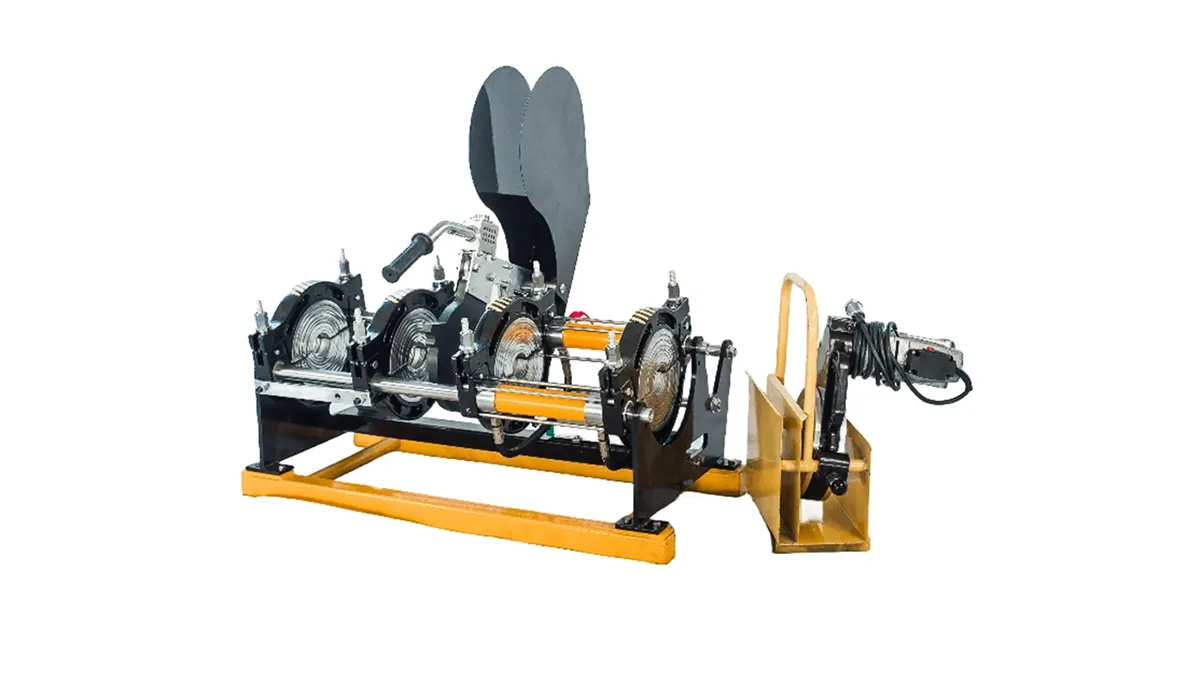
Different job sites demand different levels of automation. While manual butt fusion welding machines offer simplicity and affordability for smaller diameters, larger projects benefit from advanced control systems. Customization options in this category include:
- Manual machines upgraded with digital temperature controllers and timers
- Semi-automatic systems with hydraulic clamping and manual carriage movement
- Fully automatic CNC units with programmable welding parameters and data export
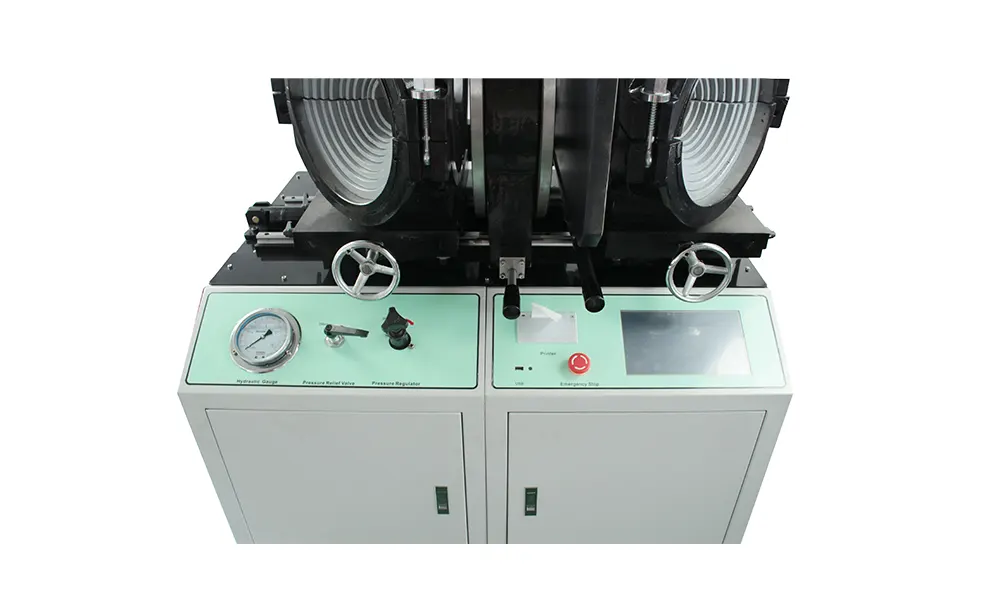
For contractors who need precision without full automation, hydraulic butt fusion welding machines provide the ideal middle ground. These machines can be customized with dual hydraulic circuits for independent clamp and carriage control, ensuring uniform pressure distribution across large-diameter pipes.
Pipe Diameter Range and Clamp Configurations
One of the most requested customization aspects involves adapting the clamping system to handle specific diameter ranges. Standard machines typically cover a defined range, but custom builds can accommodate:
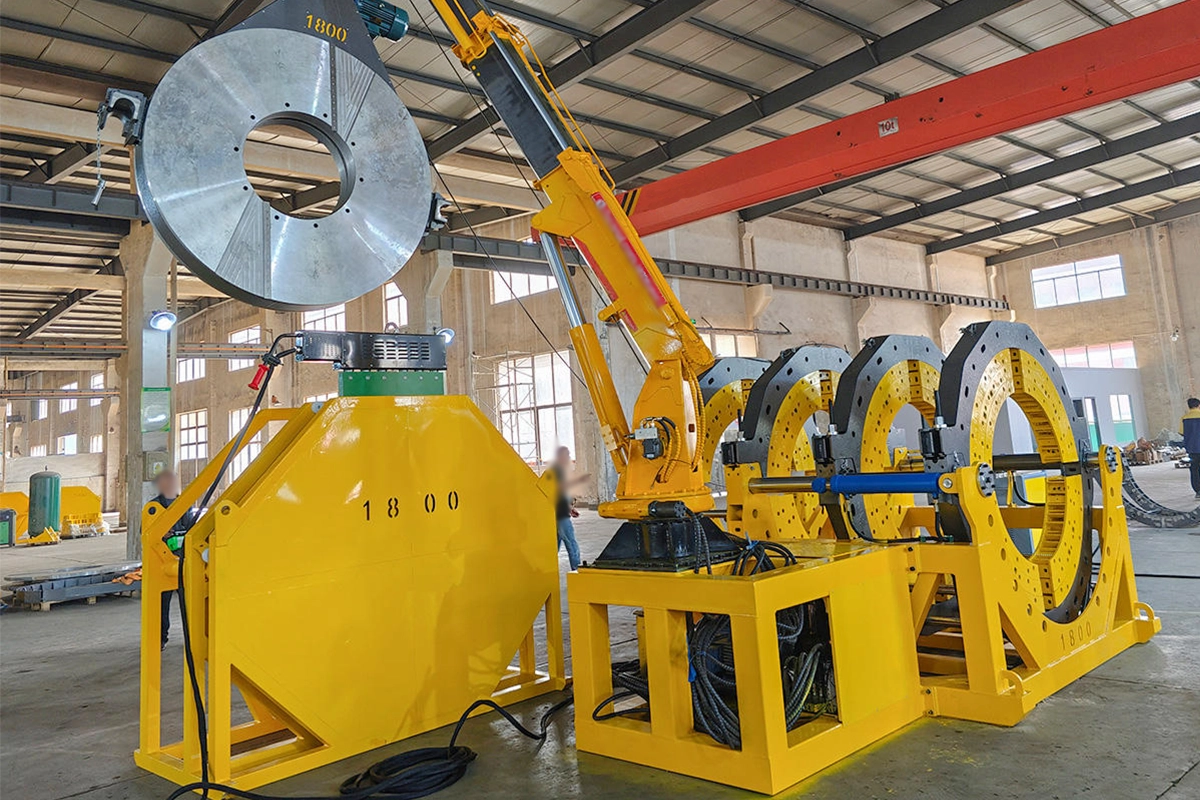
- Oversized pipe diameters beyond 2000mm for large-scale water transmission projects
- Multi-segment clamp inserts that allow a single machine to cover an extended range
- Aluminum alloy clamps for reduced weight without sacrificing rigidity
- Quick-change clamp systems for operations that frequently switch between pipe sizes
Heating Plate and Facing Tool Specifications
The heating plate is the heart of any butt fusion process. Customization here directly impacts weld quality. CNC automatic butt fusion machines often feature tailored heating plates with non-stick PTFE coatings, dual-zone temperature control, and integrated thermocouple sensors for real-time monitoring. Facing tools can be customized with:
- High-speed steel or carbide blades for extended service life
- Dual-sided cutters for bidirectional rotation
- Custom blade geometry for specific pipe material grades
Industry-Specific Customization Requirements
Different sectors impose unique demands on welding equipment. Understanding these requirements is essential when specifying a customized solution.
| Industry | Key Customization Needs | Recommended Machine Type |
|---|---|---|
| Water Supply & Distribution | Large diameter capability, data logging for QA compliance | Hydraulic butt fusion machines, CNC automatic systems |
| Gas Distribution | Precision temperature control, traceability coding, operator badge integration | CNC automatic butt fusion machines |
| Mining & Slurry Transport | Robust frames, abrasion-resistant components, portability | Hydraulic and manual machines with reinforced clamps |
| Industrial Chemical Processing | Corrosion-resistant materials, specialized heating plate coatings | Custom hydraulic systems with stainless steel components |
| Infrastructure Rehabilitation | Compact frames for confined spaces, multi-angle fitting capability | Manual and multi-angle pipe fitting machines |
Technical Standards and Compliance in Custom Builds
Customization should never come at the expense of compliance. Every tailored machine must adhere to established international standards to guarantee safety and performance. The ISO 21307 butt fusion procedures define the essential parameters for joining PE piping systems, while ASTM F2620 heat fusion standards govern the practice in North American markets. Additionally, guidelines from the PPI butt fusion procedure provide practical field guidance.
When specifying a customized machine, ensure the manufacturer addresses the following compliance areas:
- Temperature accuracy within ±5°C across the entire heating plate surface
- Clamp alignment tolerances meeting ISO 12176-1 requirements for PE butt fusion equipment
- Pressure calibration traceable to certified gauges
- Electrical safety certifications appropriate for your region
- Documentation package including material certificates and test reports
Data Logging and Traceability Features
Modern infrastructure projects increasingly demand digital records of every weld. Customized machines can integrate data logging systems that capture parameters such as temperature, pressure, time, and operator identification. This aligns with PE fusion traceability requirements outlined in ISO 12176-4. For gas sector applications, operator qualification features can be embedded to comply with heat fusion operator qualification protocols under ASTM F3190.
The Customization Process: From Specification to Delivery
A well-executed HDPE welding machine customization project follows a structured process to ensure the final product meets all expectations. Understanding this workflow helps you plan effectively and avoid costly miscommunications.
Step-by-Step Customization Workflow
- Requirements Analysis: Define pipe diameter range, material grades, operating environment, and production targets
- Technical Consultation: Review feasibility with engineering team, discuss frame design, hydraulic specifications, and control options
- Design Approval: Receive 3D models or technical drawings for review and sign-off
- Prototyping & Testing: Critical custom components undergo bench testing before full assembly
- Production & Quality Inspection: Each machine is tested with actual pipe samples to verify weld integrity
- Packaging & Global Shipment: Custom crating ensures safe transport to your project location
Selecting the Right Customization Partner
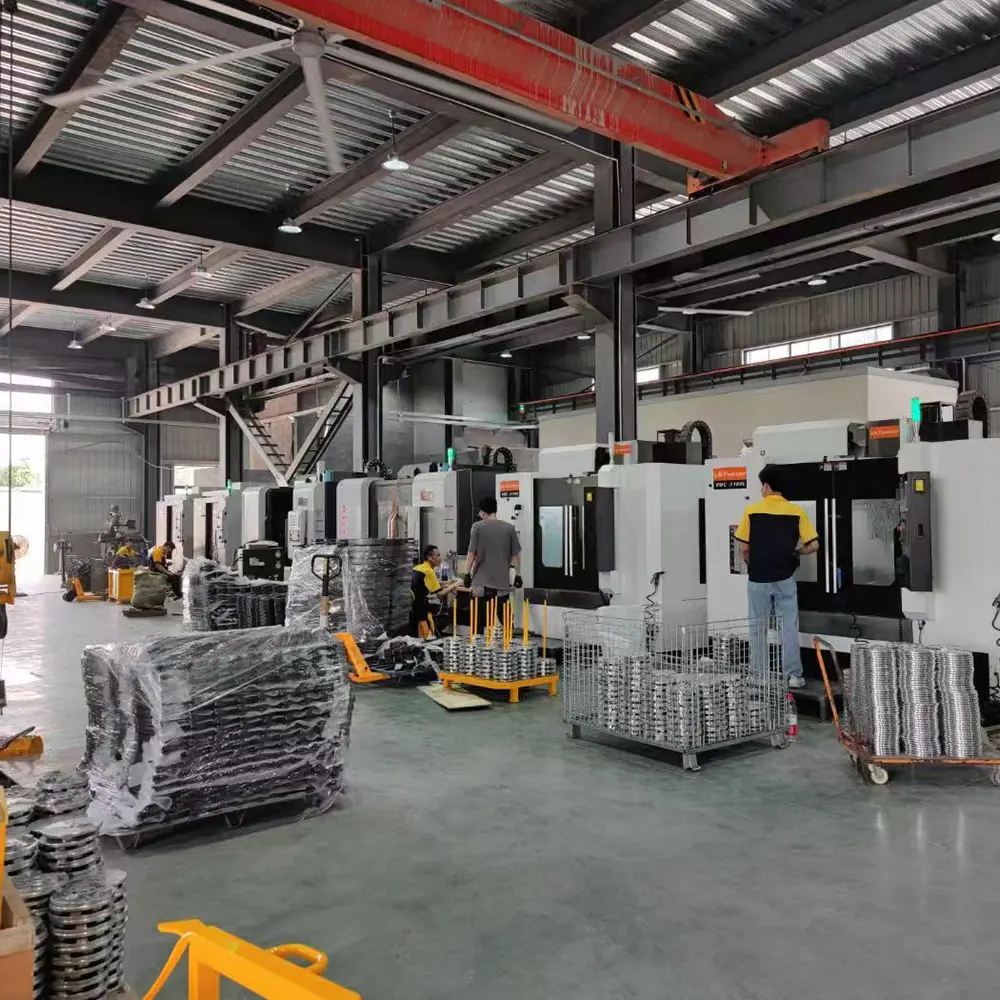
Choosing a manufacturer with proven expertise in customized solutions is critical. Look for partners who offer flexibility across all machine categories — from electrofusion equipment to large-diameter hydraulic systems — and who maintain comprehensive inventories for rapid fulfillment. JQ-Fusion specializes in tailoring HDPE welding machines to exact project specifications, supported by a large in-stock inventory and rigorous quality assurance processes that ensure every customized unit delivers reliable, repeatable performance in the field.
Questions to Ask Before Ordering a Customized Machine
- What is the full range of pipe diameters and SDR ratings you will encounter?
- Do you require integration with existing data management platforms?
- What are the power supply constraints at your job sites?
- How frequently will the machine be transported between locations?
- What regional certifications are mandatory for your project?
- Is operator training and ongoing technical support included?
Comparing Customization Options Across Machine Types
| Machine Type | Typical Diameter Range | Common Customizations | Best For |
|---|---|---|---|
| Manual Butt Fusion | 40mm – 315mm | Lightweight frames, custom clamp inserts, digital temperature display | Small-scale projects, field repairs, confined spaces |
| Hydraulic Butt Fusion | 160mm – 2250mm | Dual hydraulic circuits, aluminum clamps, extended carriage travel | Municipal water, large-diameter gas mains, mining pipelines |
| CNC Automatic | 160mm – 630mm | Programmable weld parameters, data logging, operator badge integration | Gas distribution networks, QA-intensive projects |
| Multi-Angle Fitting | Up to 1600mm | Custom angle ranges, specialized segment clamps, integrated heating | Fabricated fittings, elbows, tees, and wyes |
| Electrofusion | 20mm – 1200mm | Voltage adaptation, barcode scanning, GPS tagging | Gas tie-ins, repair couplings, service connections |
Maximizing the Value of Your Customized Investment
Investing in a tailored HDPE welding machine pays dividends when the equipment is properly maintained and operators are adequately trained. Establish a preventive maintenance schedule that includes regular heating plate calibration, hydraulic fluid replacement, and clamp alignment checks. Keep spare parts — particularly PTFE heating plate coatings, trimmer blades, and hydraulic seals — readily available to minimize downtime. Comprehensive operator training ensures your team fully leverages the customized features of the machine, translating directly into higher productivity and better weld quality on every joint.
Future Trends in HDPE Welding Machine Customization
The landscape of HDPE welding machine customization continues to evolve with advancements in automation and digital integration. Emerging trends include IoT-enabled machines that transmit real-time weld data to cloud platforms, artificial intelligence algorithms that optimize welding parameters based on environmental conditions, and modular machine designs that allow end-users to reconfigure equipment as project requirements change. Staying informed about these developments helps you future-proof your equipment investments and maintain a competitive edge in the infrastructure sector.
Whether your project demands a compact manual unit for remote installations or a fully automated system for high-volume production, the right customization strategy transforms a standard welding machine into a precision tool engineered specifically for your success.



