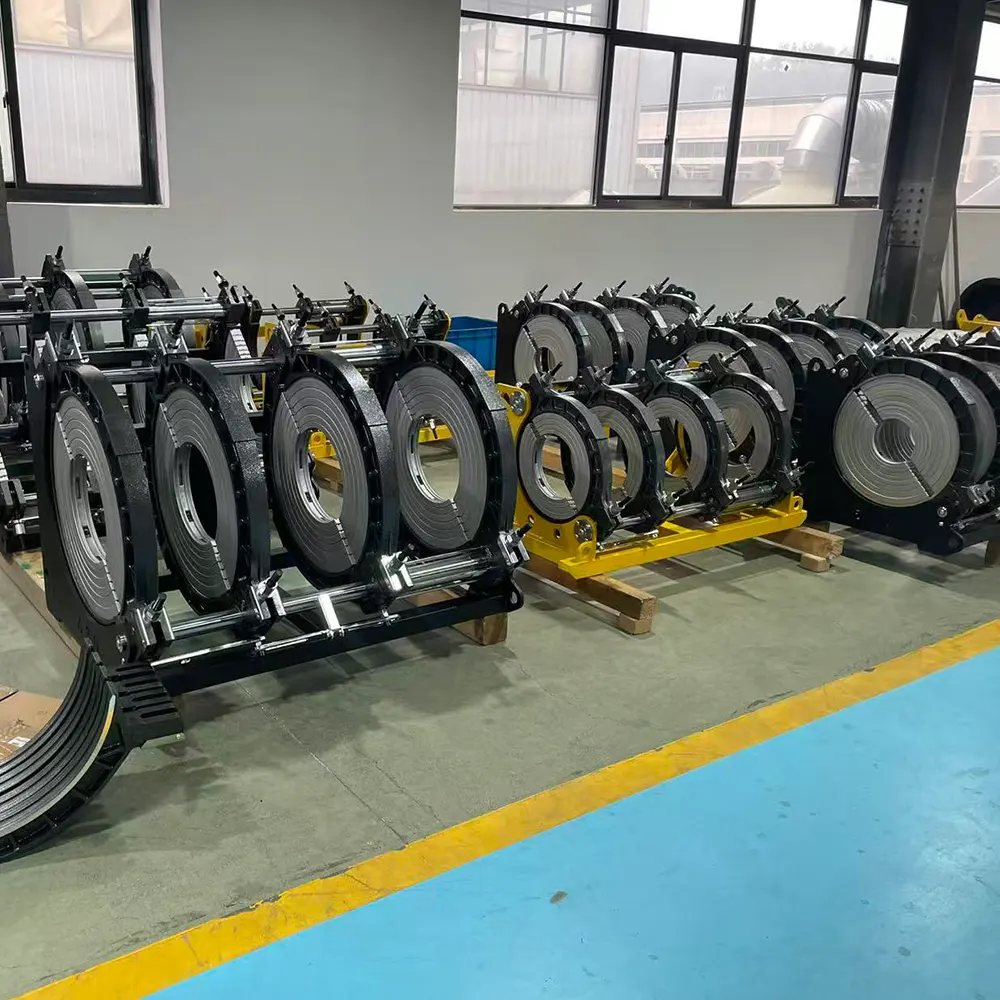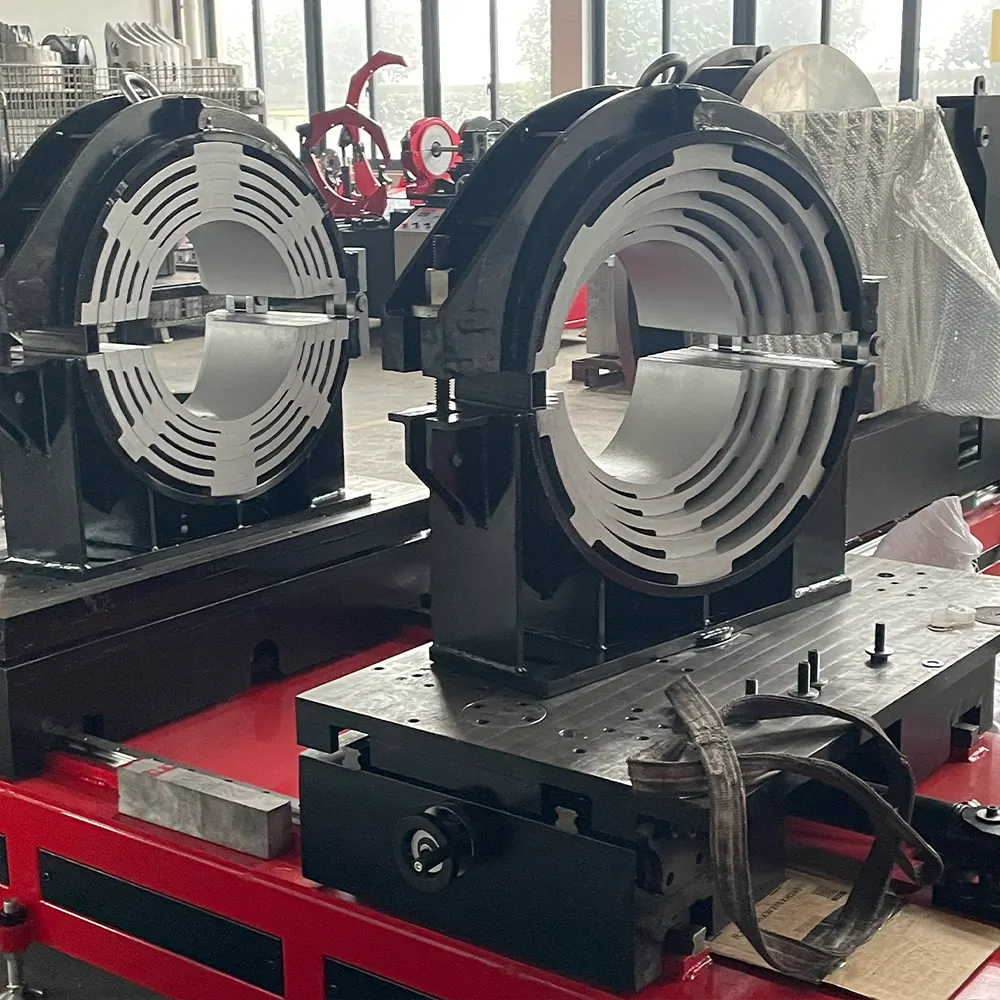
In the world of large-scale infrastructure, the integrity of high-density polyethylene (HDPE) piping systems depends heavily on the quality of the fusion joints. Whether it’s for municipal water supply, gas distribution networks, or mining slurry transport, a poorly executed weld can lead to catastrophic failures. This is precisely why contractors and distributors seek out a specialized HDPE pipe fusion machine OEM manufacturer that can deliver precision-engineered equipment built for long-term reliability.
Why Partner with a Specialized OEM Manufacturer?
Working directly with an original equipment manufacturer offers distinct advantages that go far beyond a simple transaction. When you collaborate with an experienced HDPE pipe fusion machine OEM manufacturer, you gain access to deep engineering expertise and flexible production capabilities that off-the-shelf suppliers simply cannot match.
- Custom Engineering: Machines can be tailored to specific pipe diameter ranges, clamping pressures, and operational voltages required by your regional market.
- Brand Consistency: OEM partnerships allow for private labeling, custom color schemes, and localized documentation that reinforce your brand identity.
- Cost Efficiency: Eliminating intermediaries reduces procurement costs while maintaining full quality control over the manufacturing process.
- Technical Continuity: Direct access to the engineering team ensures consistent technical support throughout the equipment lifecycle.
Core Equipment Categories for HDPE Butt Fusion
A comprehensive butt fusion welding technology portfolio should cover the full spectrum of project requirements. Each category serves a distinct purpose in the field, and understanding these differences is essential for making informed procurement decisions.
Hydraulic Butt Fusion Machines
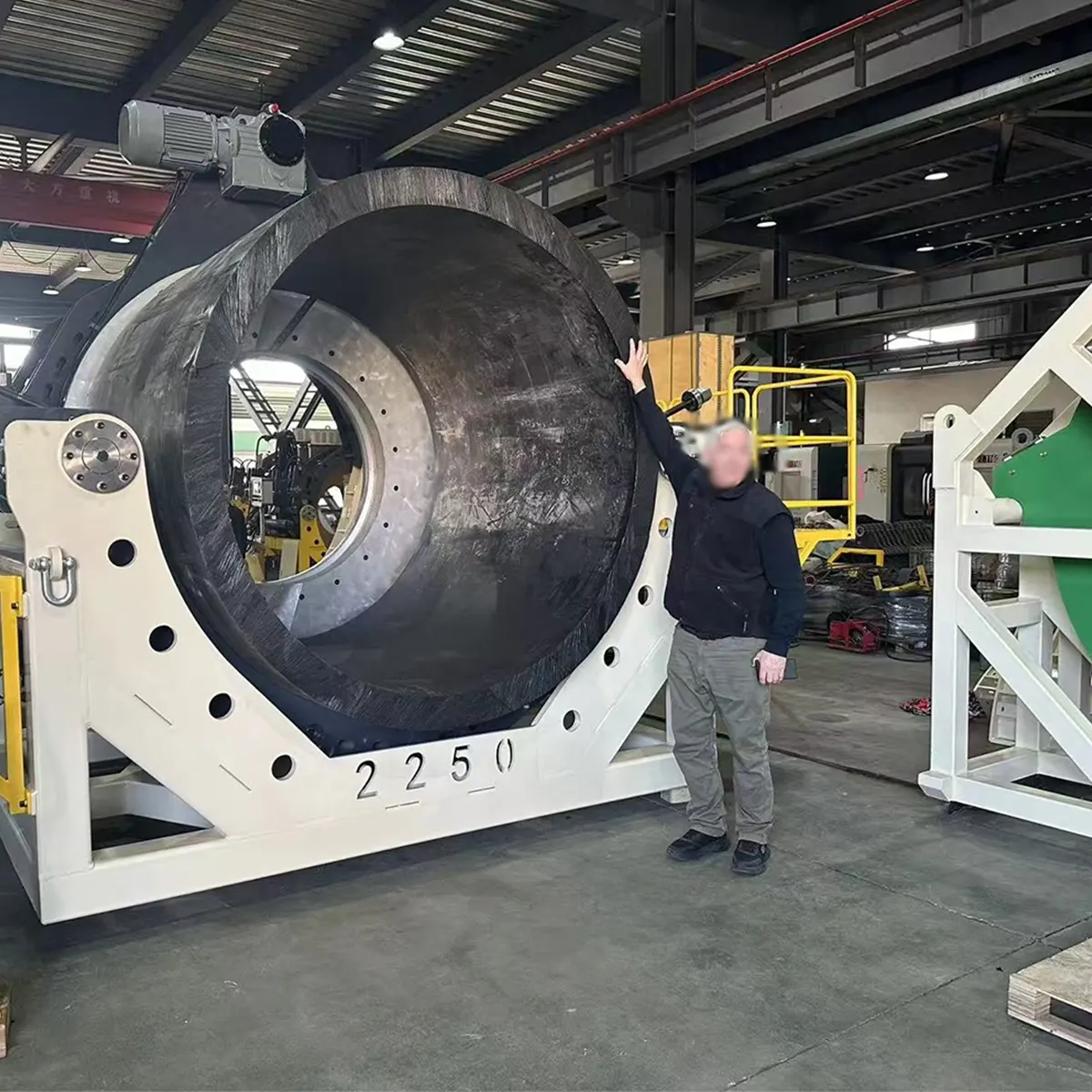
Designed for medium to large-diameter pipe welding, hydraulic systems deliver the high clamping force necessary for pipes ranging from 200mm up to 2250mm and beyond. These machines feature integrated hydraulic power units that ensure uniform pressure distribution across the pipe face during the heating and fusion phases. Key applications include water transmission mains, sewage force lines, and large industrial piping projects where joint integrity is non-negotiable.
CNC Automatic Butt Fusion Welding Equipment
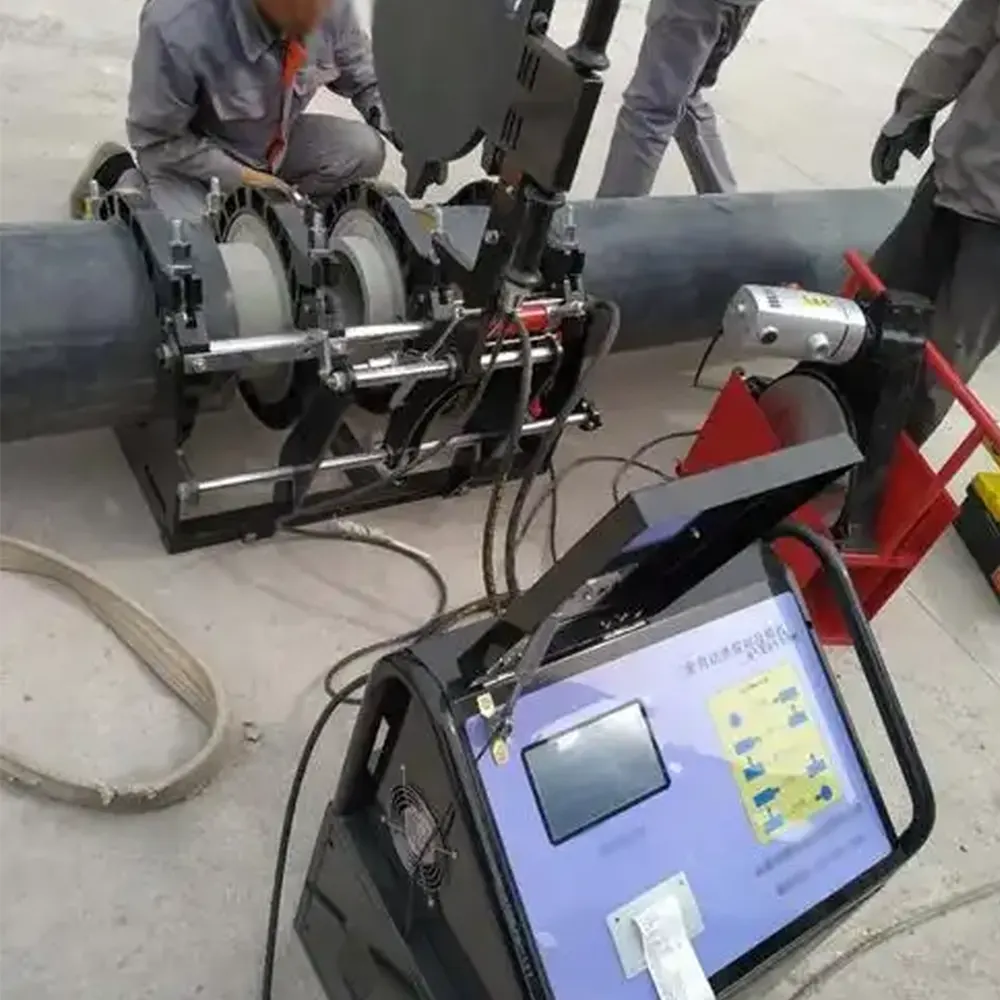
When repeatability and data traceability are paramount, CNC automatic machines provide an unmatched level of precision. These systems utilize programmable logic controllers to manage heating temperature, soak time, and cooling cycles automatically. The onboard data logging capabilities record every welding parameter, creating a permanent quality record that aligns with ISO 21307 documentation requirements.
Manual Butt Fusion Welding Machines
For smaller diameter pipes typically under 315mm, manual machines offer portability and simplicity without sacrificing weld quality. These lightweight units are ideal for rural water distribution, landscape irrigation, and contractor teams that need to mobilize quickly between job sites. Proper operator training combined with well-maintained manual equipment consistently produces code-compliant joints.
Key Technical Specifications to Evaluate
When assessing equipment from any HDPE pipe fusion machine OEM manufacturer, several critical parameters determine field performance. The table below summarizes the primary specifications that should guide your selection process across different machine categories.
| Specification | Manual Range | Hydraulic Range | CNC Automatic Range |
|---|---|---|---|
| Pipe Diameter | 63mm – 315mm | 160mm – 2250mm | 160mm – 630mm |
| Clamping System | Manual toggle clamps | Hydraulic cylinders | Servo-driven hydraulic |
| Heating Plate Control | Digital thermostat | Digital thermostat | PLC with PID control |
| Data Logging | Optional | Optional | Standard |
| Best Application | Field service, small projects | Municipal, mining, industrial | Gas distribution, critical lines |
Compliance with International Fusion Standards
Reliable electrofusion systems and butt fusion equipment must conform to established industry benchmarks. The most widely referenced standards include ISO 21307, which defines butt fusion jointing procedures for PE piping systems, and ASTM F2620, which governs heat fusion joining of PE pipe and fittings in North America. A quality-focused HDPE pipe fusion machine OEM manufacturer designs its equipment to meet or exceed these requirements, ensuring that every weld produced on their machines can pass hydrostatic pressure testing and long-term integrity assessments.
Additionally, the PE butt fusion equipment standard ISO 12176-1 specifies the mechanical and thermal performance characteristics that fusion machines must demonstrate. Adherence to these standards is not merely a paperwork exercise — it directly correlates with reduced leak rates and extended service life for buried pipelines.
Custom Solutions and Global Support Infrastructure
JQ-Fusion is a professional HDPE pipe fusion machine OEM manufacturer specializing in reliable butt fusion solutions for global infrastructure projects. With manufacturing facilities in Zhengzhou, China, and a comprehensive product portfolio spanning manual, hydraulic, and CNC automatic machines, the company supports contractors and distributors across diverse markets including Southeast Asia, Africa, the Middle East, and South America.
A robust OEM partnership should encompass more than just equipment delivery. Look for manufacturers that provide the following support pillars:
- Pre-Sales Technical Consultation: Guidance on machine selection based on pipe material grades, wall thickness, and project scale.
- Operator Training Programs: Comprehensive instruction on proper PPI technical guidance for butt fusion procedures, including hands-on practice.
- Spare Parts Availability: Ready stock of heating plates, PTFE coatings, hydraulic seals, and electronic components.
- After-Sales Field Service: Remote diagnostics and on-site repair capabilities to minimize downtime.
Quality Assurance in Manufacturing
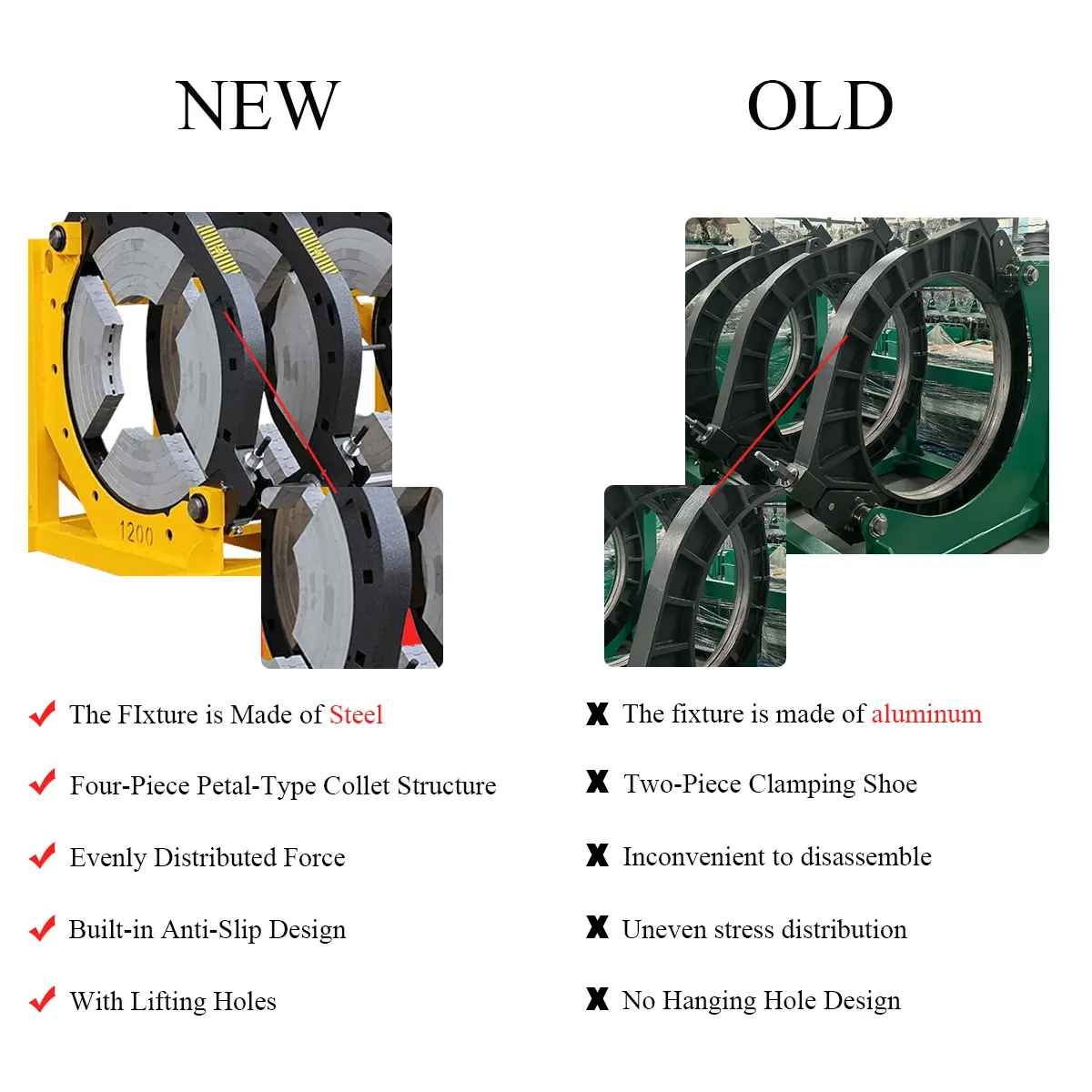
Every butt fusion machine leaving the factory should undergo rigorous quality control testing before shipment. This includes temperature calibration verification across the entire heating plate surface using precision thermal imaging, clamping alignment checks with laser measurement tools, and hydraulic pressure testing for all sealing components. A disciplined QA workflow ensures that machines perform consistently from the very first weld on your project site.
Making the Right Investment Decision
Selecting the right HDPE pipe fusion machine OEM manufacturer is a strategic decision that affects project timelines, budget performance, and long-term system reliability. Prioritize manufacturers that demonstrate engineering depth, proven field experience, and a genuine commitment to after-sales support. Evaluate machine specifications against your current project needs while also considering future capacity requirements — a well-built fusion machine will remain productive through decades of continuous service.
By aligning with an OEM partner that understands both the technical nuances of PE pipe fusion standards and the practical realities of field operations, your organization gains a reliable foundation for every pipeline project it undertakes.