High-density polyethylene (HDPE) pipelines are widely used in water supply, gas distribution, and industrial systems due to their durability and corrosion resistance. However, even the most robust piping networks can suffer damage from third-party interference, ground movement, or material fatigue. When a pipeline is compromised, effective HDPE pipeline repair welding becomes essential to restore structural integrity and prevent costly downtime.
Repair welding differs from new installations in several critical ways. Technicians must contend with existing pipe conditions, potential contamination, and the challenge of working within confined excavation zones. Understanding the correct techniques, using appropriate butt fusion welding machines, and following established procedures are vital for achieving a repair that matches or exceeds the original pipe strength.
Common HDPE Pipeline Repair Techniques
Selecting the right repair method depends on the damage type, pipe diameter, operating pressure, and site conditions. Below are the most widely adopted approaches in the industry:
1. Electrofusion Saddle and Coupler Repairs
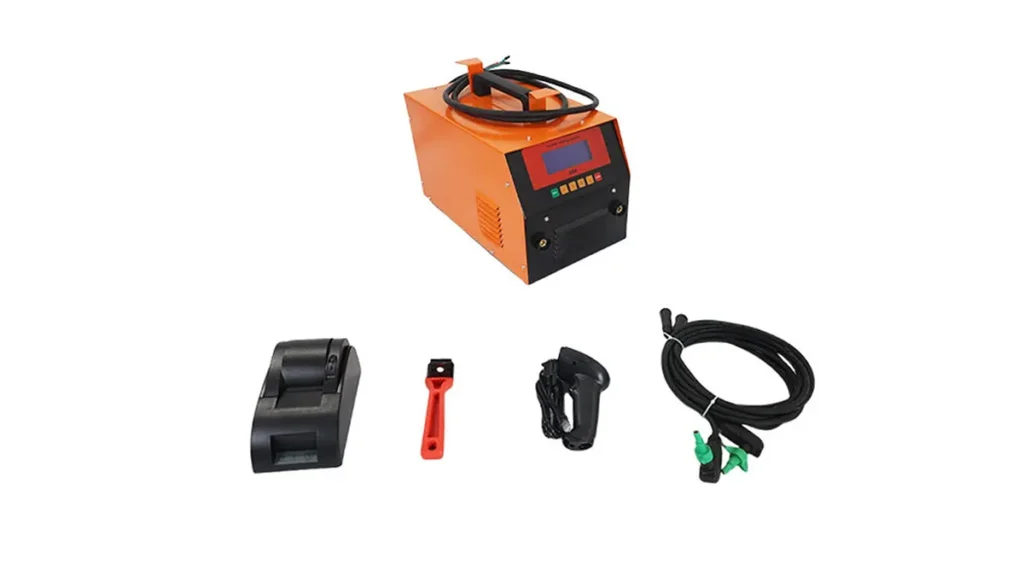
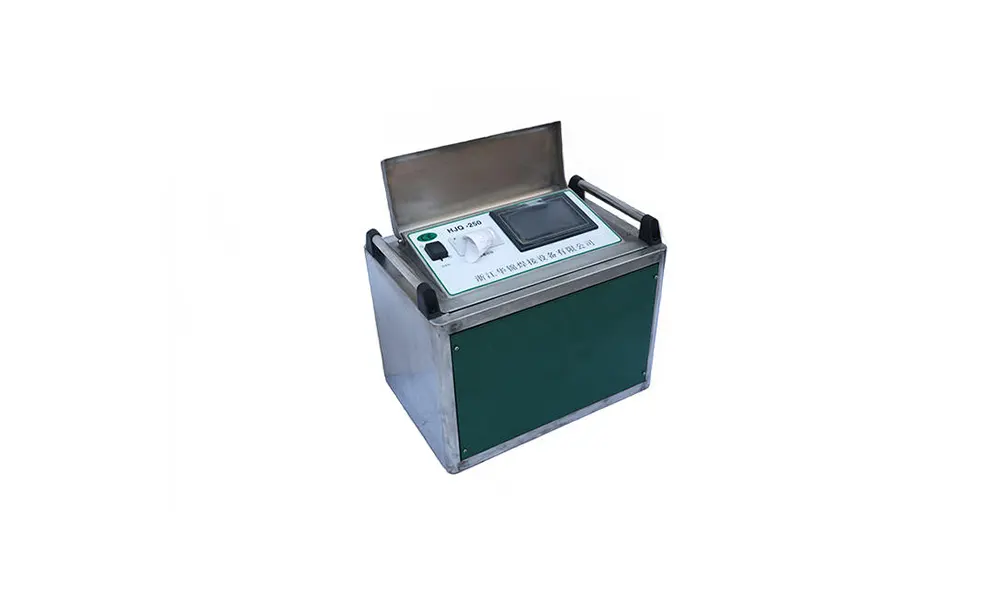
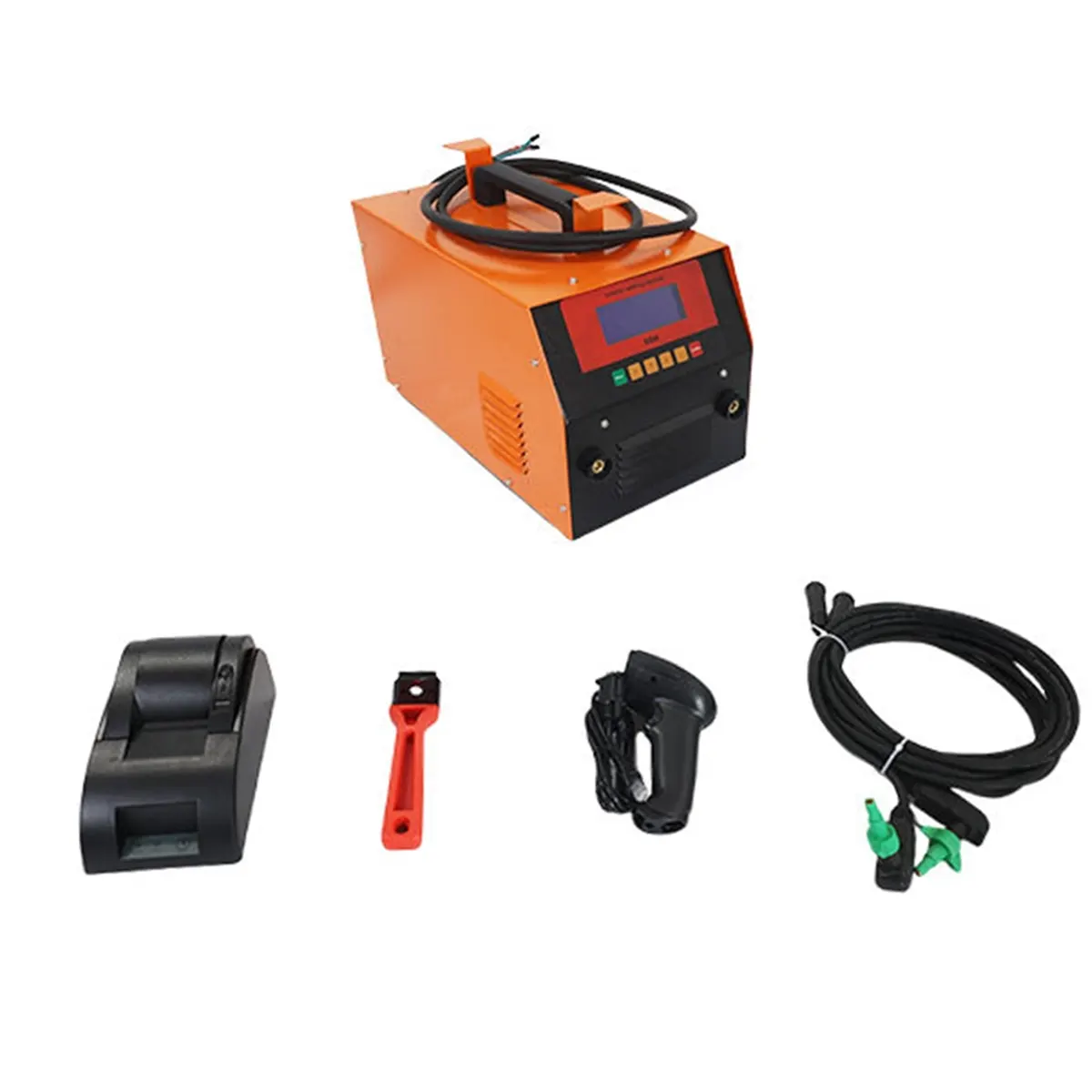
Electrofusion is one of the most versatile methods for HDPE pipeline repair welding. It involves using fittings with embedded heating coils that melt and fuse to the pipe surface when an electric current is applied. Saddle fittings are ideal for repairing localized damage such as gouges or small punctures, while electrofusion couplers can join replacement pipe sections. This technique is particularly valuable where butt fusion equipment cannot be easily positioned, such as in tight trenches or when repairing pipes already in service. Reliable electrofusion equipment with automatic parameter recognition helps ensure consistent joint quality.
2. Butt Fusion for Section Replacement
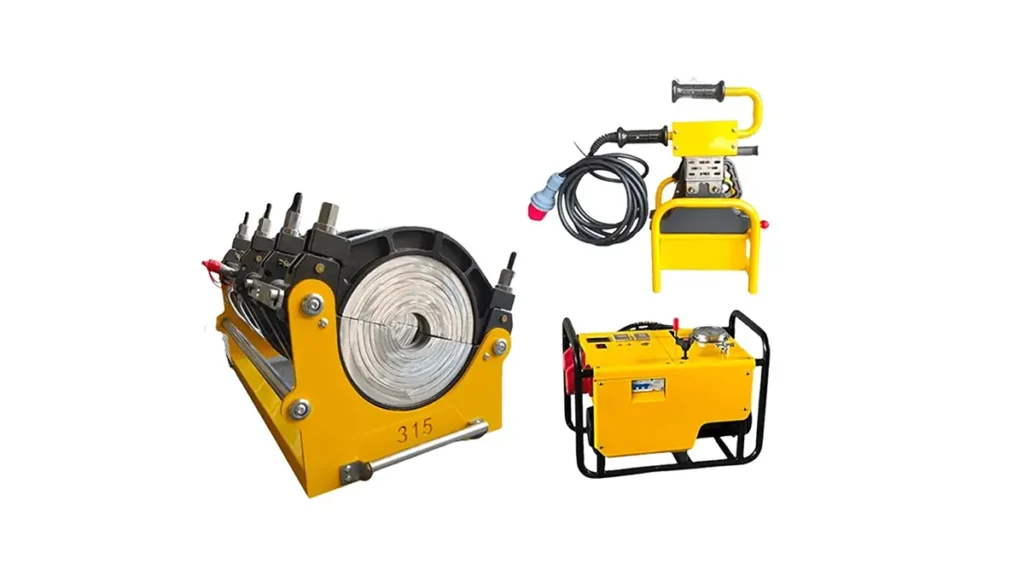
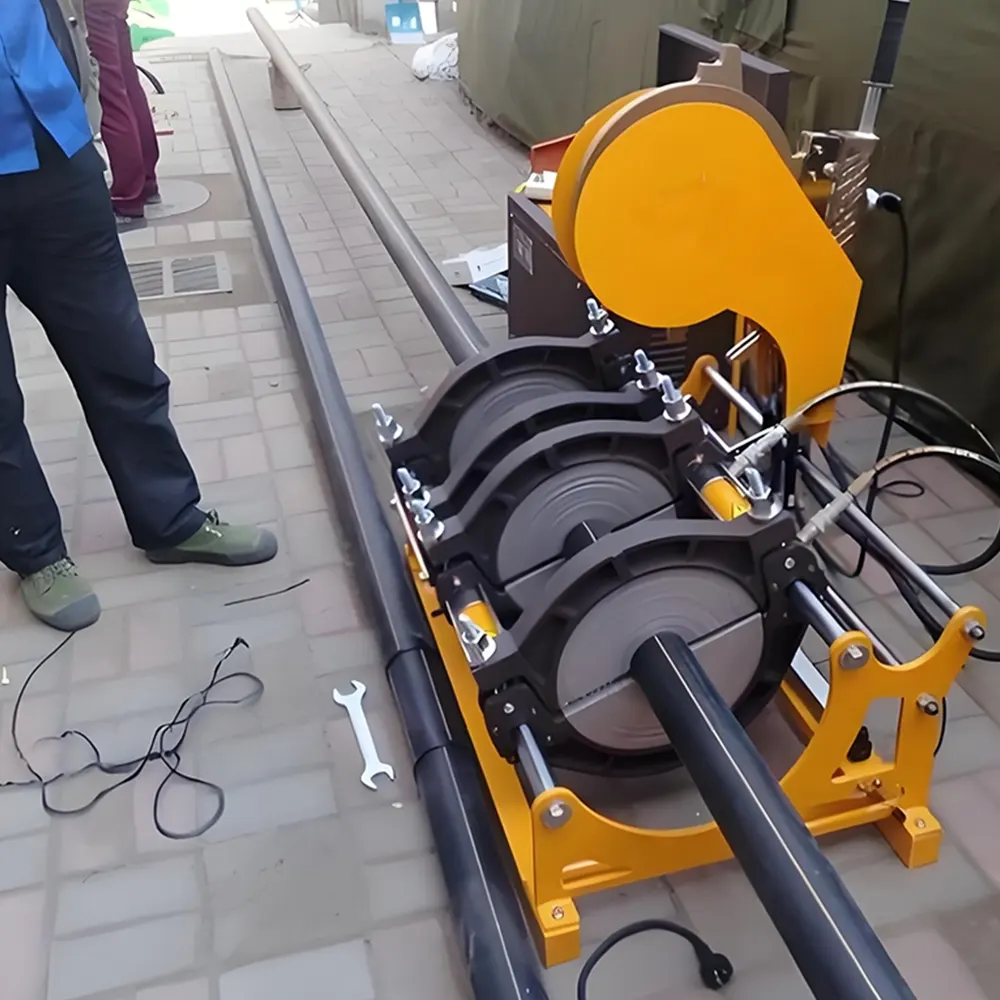
When a damaged pipe segment needs complete replacement, butt fusion remains the preferred joining method. The process involves heating the pipe ends against a temperature-controlled plate and then pressing them together under controlled pressure to form a homogeneous bond. For repair scenarios, hydraulic butt fusion machines provide the precise alignment and force control necessary to achieve joints that meet ISO 21307 butt fusion procedures. This method is especially effective for larger diameter pipes where mechanical couplings may not provide adequate long-term performance.
3. Extrusion Welding for Surface Damage
Extrusion welding is a supplementary technique used primarily for non-pressure applications or as a temporary measure. A handheld extruder feeds molten HDPE filler material into a prepared groove or over a damaged area, building up material layer by layer. While not suitable for high-pressure gas or water mains, extrusion welding can be effective for repairing tanks, manholes, and low-pressure drainage pipes.
Essential Equipment for Repair Operations
Successful HDPE pipeline repair welding depends heavily on having the right tools for the job. The equipment required varies based on the repair technique selected and the pipe specifications. Below is a comparison of essential equipment categories:
| Equipment Type | Primary Application | Key Features |
|---|---|---|
| Hydraulic Butt Fusion Machines | Section replacement, large diameter pipes | Precise pressure control, automatic alignment |
| Electrofusion Processors | Saddle repairs, coupler joints, tight spaces | Barcode scanning, data logging, portability |
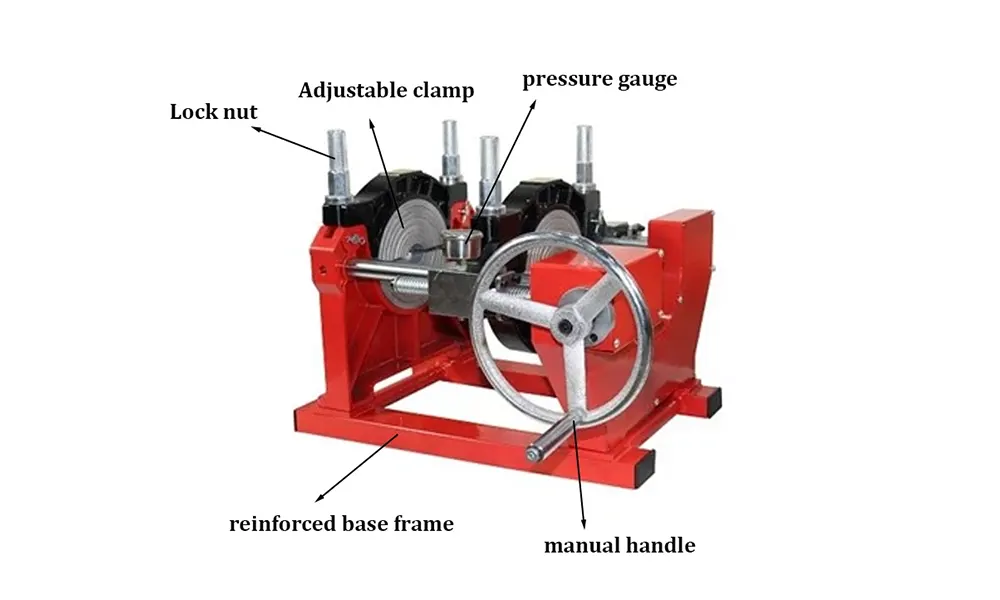
| Manual Butt Fusion Machines | Small diameter repairs, field operations | Lightweight, easy transport, cost-effective |
| Pipe Scrapers and Peelers | Surface preparation, oxide removal | Consistent peeling depth, manual and rotary types |
| Alignment Clamps | Pipe realignment, joint stabilization | Adjustable, high clamping force, durable frame |
Best Practices for HDPE Pipeline Repair Welding
Achieving a reliable repair requires strict adherence to proven procedures. The following best practices are drawn from industry standards and the PPI butt fusion procedure guidelines, which provide comprehensive direction for field operations.
Surface Preparation and Cleaning
Proper surface preparation is the foundation of any successful HDPE pipeline repair welding operation. The pipe surface must be thoroughly cleaned to remove dirt, grease, moisture, and the oxidized layer. Use approved cleaning agents and ensure the pipe ends are scraped immediately before welding. For electrofusion repairs, the scraping depth and coverage area must meet manufacturer specifications. Any contamination left on the surface can compromise fusion quality and lead to premature joint failure.
Temperature and Environmental Controls
Ambient conditions significantly impact welding outcomes. Wind, rain, and extreme temperatures can affect heating plate performance and cooling rates. When performing repairs in challenging environments, use temporary shelters or tents to shield the work area. The heating plate must maintain the correct temperature throughout the process, and pipe ends should be protected from rapid cooling. Monitoring the complete thermal profile helps ensure that the repair joint develops full strength.
Alignment and Clamping Precision
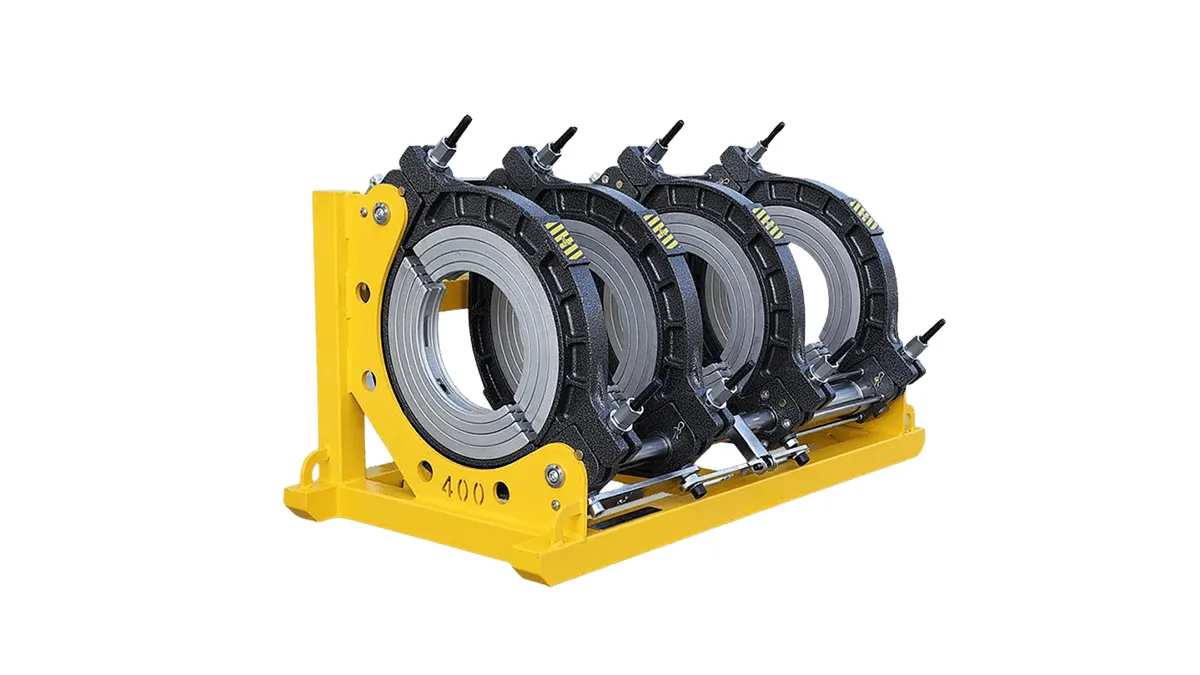
Misalignment is one of the most common causes of repair failure. Pipes must be properly aligned before and during the welding process. Use appropriate clamps and check for pipe ovality, which can be more pronounced in older pipelines. HDPE pipe fusion equipment with robust clamping mechanisms helps maintain alignment throughout the heating and fusion phases, reducing the risk of angular deviation.
Documentation and Quality Records
Every repair should be documented with detailed records including welding parameters, operator identification, environmental conditions, and visual inspection results. Modern automatic butt fusion machines can log data electronically, creating traceable records that support quality assurance programs. Following PE butt fusion equipment standard requirements for data recording helps maintain compliance and facilitates future audits.
Common Challenges and Solutions in Field Repairs
Field repair operations present unique challenges that differ from controlled workshop conditions. Understanding these obstacles and having mitigation strategies ready can significantly improve repair success rates.
- Pipe Ovality: Older pipes may deform over time. Use rerounding clamps before attempting fusion to restore circularity.
- Residual Internal Pressure: Ensure the pipeline is fully depressurized and isolated before beginning any repair welding work.
- Limited Access: Compact electrofusion processors and manual butt fusion machines are ideal for tight excavation sites.
- Material Compatibility: Verify that repair fittings and filler materials are compatible with the existing pipe grade and manufacturer.
- Time Constraints: Plan cooling times carefully. Rushing the process can result in inadequate joint strength.
Quality Verification After Repair Welding
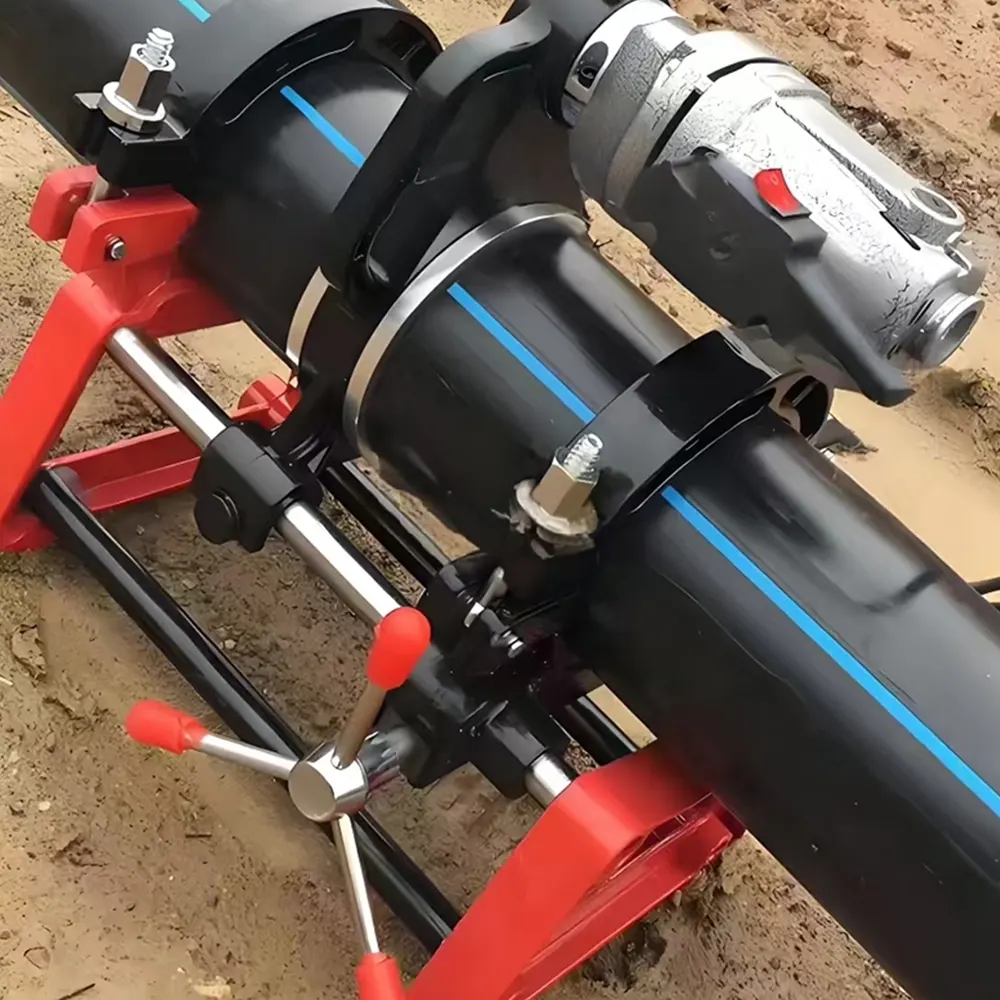
Once the repair weld is completed and the joint has cooled sufficiently, quality verification should be performed before the pipeline is returned to service. Visual inspection of the weld bead provides immediate feedback on fusion quality. The bead should be uniform in size and shape around the entire circumference for butt fusion joints, without visible porosity or contamination. For electrofusion repairs, indicator pins that rise during the fusion cycle confirm that proper temperature and pressure were achieved.
In critical applications, additional non-destructive testing methods such as ultrasonic inspection may be specified. Pressure testing of the repaired section according to applicable standards provides final confirmation of repair integrity. Always follow the specific testing requirements outlined in the project specifications and relevant industry codes.
For contractors and project managers seeking reliable equipment for HDPE pipeline repair welding, JQ-Fusion offers a comprehensive range of butt fusion and electrofusion machines designed to meet the demands of field repair operations. With products covering pipe sizes from small diameters to large-scale infrastructure applications, the company provides solutions that support efficient and high-quality repairs across diverse project requirements.