Butt fusion welding is the most widely used joining method for high-density polyethylene (HDPE) and other thermoplastic pipes. It creates a monolithic, leak-free pipeline system by fusing pipe ends under controlled temperature, pressure, and alignment. Understanding the butt fusion welder working principle is essential for operators striving to achieve joints that meet or exceed the strength of the pipe itself. This method is the backbone of critical infrastructure in sectors ranging from butt fusion water supply networks to gas distribution systems.
What Is the Core Principle of Butt Fusion Welding?
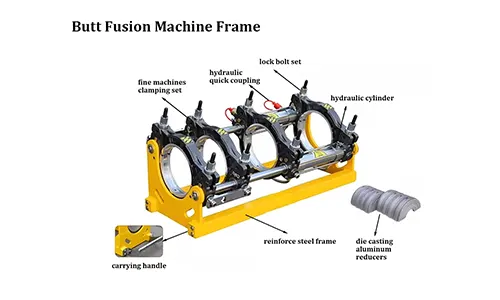
The fundamental principle of a butt fusion welder is thermal bonding. The machine precisely heats the squared ends of two thermoplastic pipes against a flat, non-stick heating plate until a molten bead forms. Once the correct melt pattern is achieved, the heater is removed, and the pipe ends are pushed together under controlled hydraulic or manual pressure. As the material cools, the polymer chains intermingle across the bond line, creating a homogeneous, permanent joint. This process relies on the consistent application of three critical parameters established by ISO 21307 butt fusion procedures.
Critical Parameters That Define the Welding Process
A successful butt fusion welder operation hinges on the precise control of three fundamental variables. Any deviation from the specified values can compromise the integrity of the joint. The table below outlines these non-negotiable factors and their roles in achieving a standard-compliant weld.
| Parameter | Function in the Welding Cycle | Typical Value / Standard |
|---|---|---|
| Temperature | Melts the pipe surface to enable polymer chain diffusion at the interface. | 200°C – 220°C (per ASTM F2620 heat fusion standards) |
| Pressure | Ensures proper melt bead formation and applies the correct forging force during cooling. | 0.15 MPa (interfacial) for PE100; adapts to pipe diameter and SDR |
| Time | Governs the heat soak duration and the static cooling period under pressure. | Calculated based on pipe wall thickness; cooling typically until bead temperature drops to 60°C |
Understanding the Melt Bead Formation
The visual indicator of correct parameter application is the double-sided melt bead. On a butt fusion welder, the initial contact with the heater creates a small, uniform bead. As heating continues without additional pressure (soak phase), the bead grows steadily. The final bead size and shape indicate whether the temperature was consistent and the pipe ends were properly squared by the facing tool. According to PE butt fusion process guidelines, a symmetrical bead around the entire circumference is a key quality checkpoint before the final fusion step begins.
Step-by-Step Operating Sequence of a Butt Fusion Welder
Whether you are using a manual, hydraulic, or CNC automatic model, the operational stages of the butt fusion welder working principle remain consistent. The following sequence outlines how a joint is formed from preparation to final inspection.
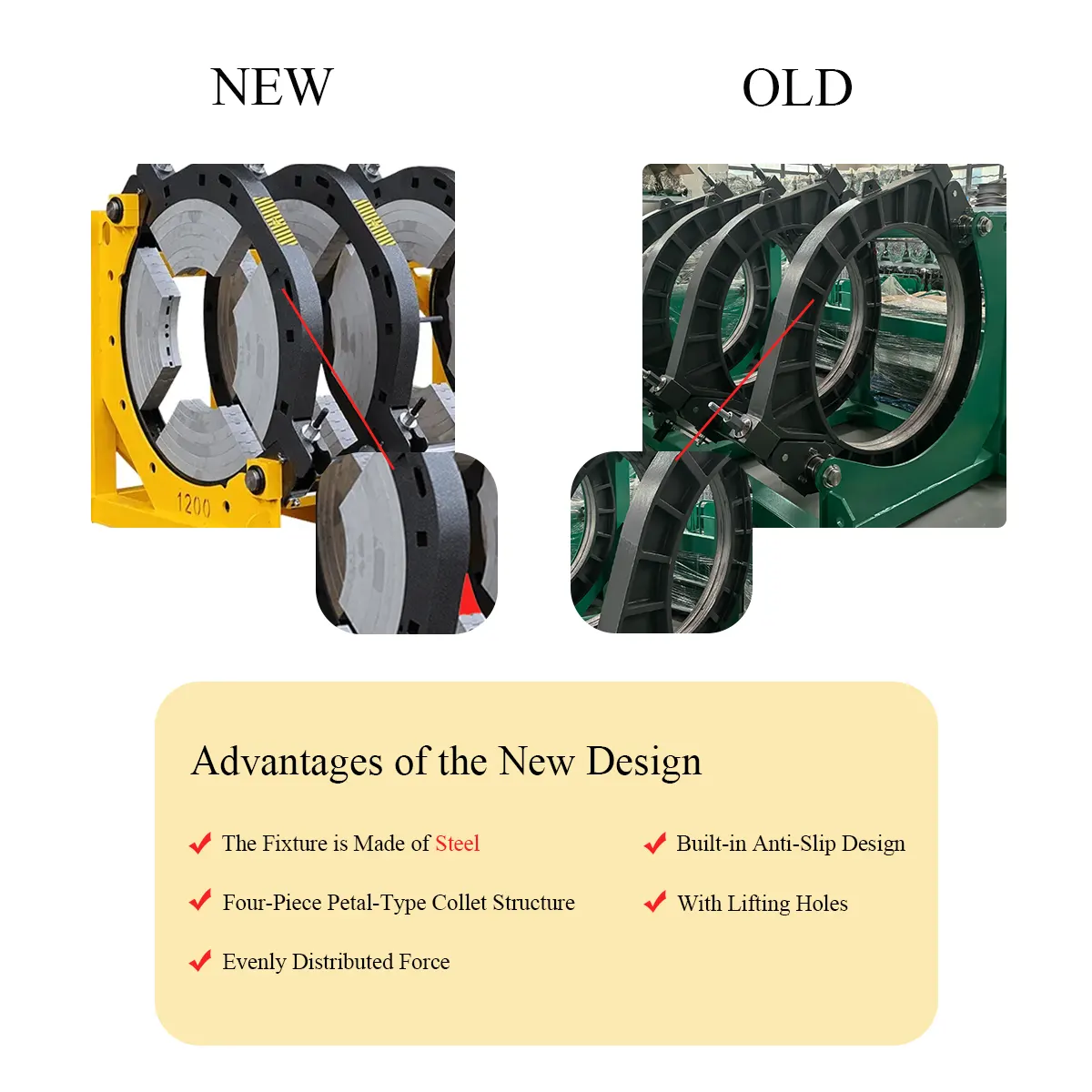
- Clamping and Preparation: The pipe ends are securely clamped into the machine’s frame. The operator ensures the pipes are aligned axially, as any angular misalignment will cause an uneven weld.
- Facing the Pipe Ends: The rotating facing tool is placed between the pipe ends. Both ends are planed until a continuous, smooth strip of material is removed from each side, creating perfectly parallel and clean surfaces. The facing tool must remain flat and free of damage.
- Alignment and Drag Pressure Check: After removing the facing tool, the operator brings the prepared pipe ends together. This step checks for complete contact across the circumference and measures the drag pressure—the force required to move the carriage against friction, which must be compensated for later.
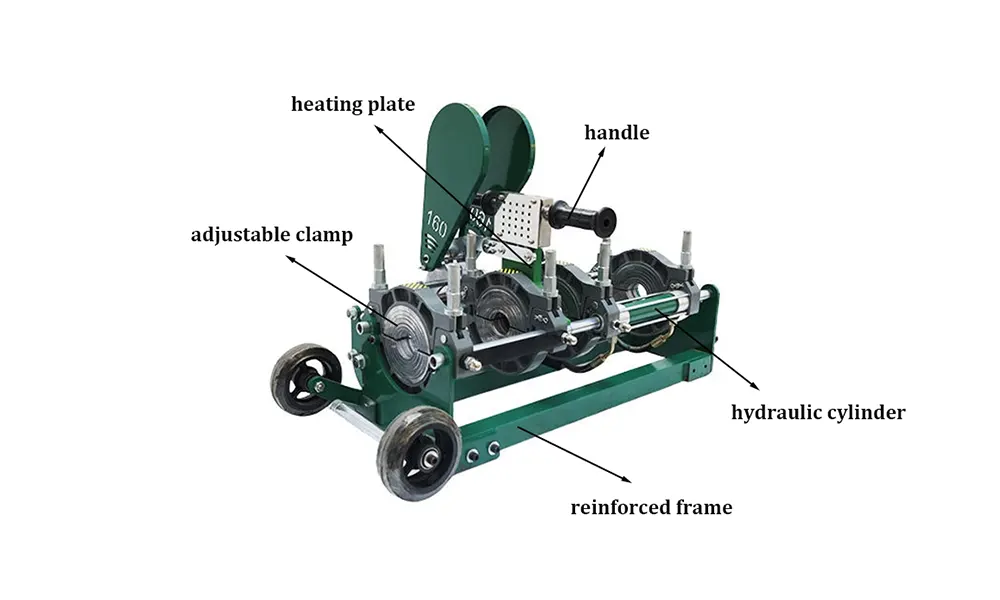
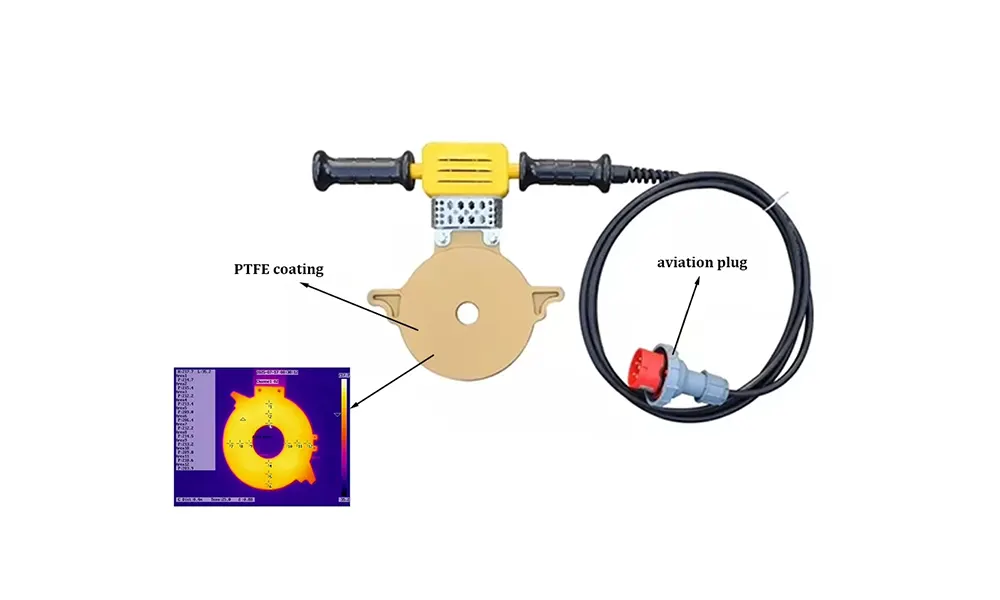
- Heating Phase (Bead-Up and Soak): The preheated, clean heating plate (coated to prevent sticking) is inserted. The pipes are brought into contact with the plate at a specified bead-up pressure. Once the initial melt bead forms to a prescribed height, the pressure is reduced to near zero for the heat soak time, allowing heat to penetrate the pipe wall.
- Heater Removal and Fusion: The carriage is quickly retracted, the heater is swiftly removed, and the molten pipe ends are brought together within the required dwell time. The ends are joined at the specified fusion pressure, and a double-sided melt bead forms at the joint interface.
- Cooling Under Pressure: The joint must cool under the full specified fusion pressure until the material has solidified enough to hold the weld. Releasing the pressure too early will result in a brittle, failed joint. The cooling time is critical and is based on pipe wall thickness.
Machine Classifications: Aligning Equipment with the Working Principle
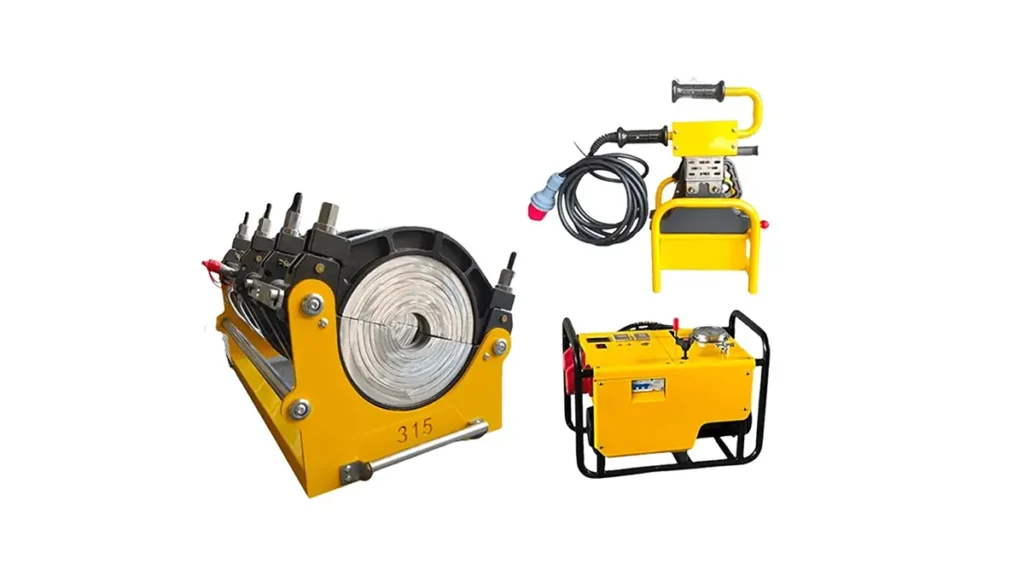
The butt fusion welder working principle is executed across a range of equipment types, each designed for specific pipe diameters and project demands. While the core concept of hot plate fusion remains unchanged, the application of force and control precision differs significantly.
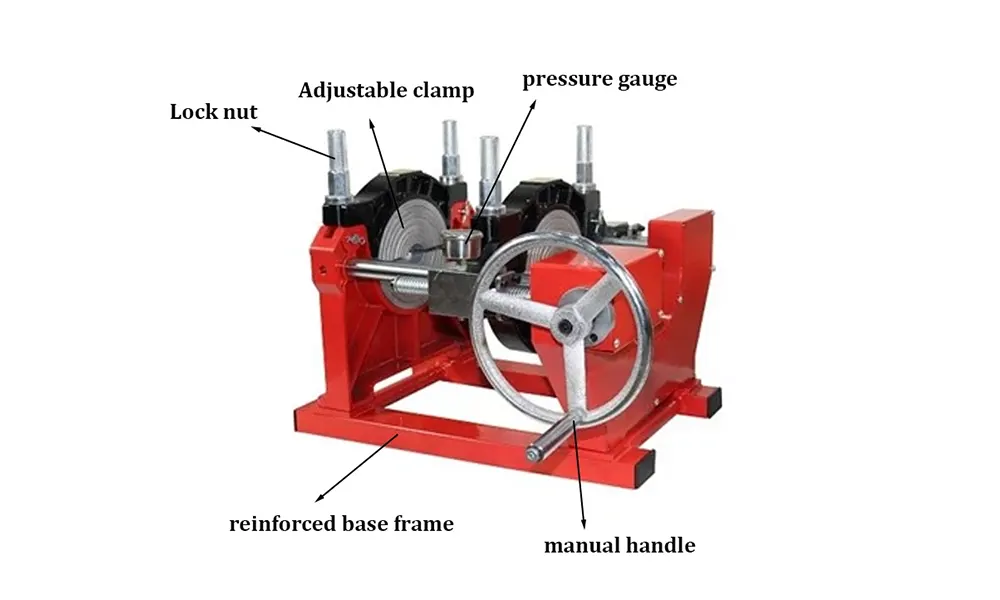
Manual Butt Fusion Welders
In manual machines, the operator applies fusion pressure through a hand-operated lever. These are best suited for smaller diameters (typically up to 250mm). The simplicity of design requires diligent attention from the operator to maintain consistent pressure throughout the heating and cooling cycles, directly influencing joint uniformity.
Hydraulic Butt Fusion Welders
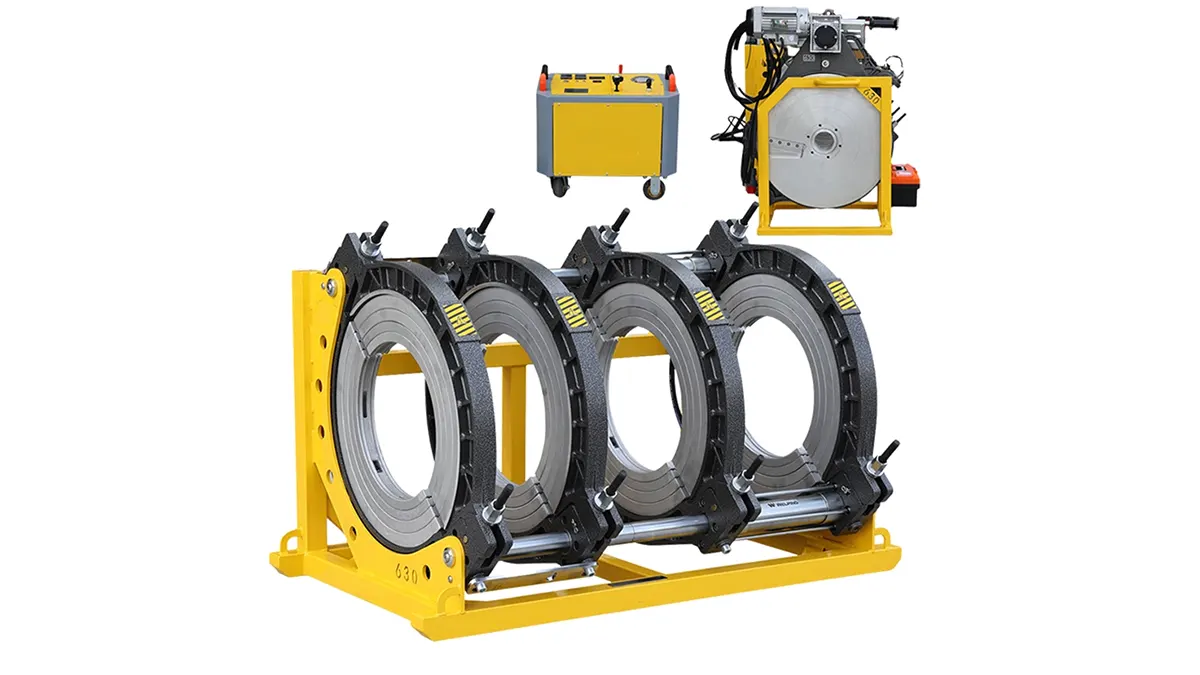
Hydraulic systems use a pump and cylinder to generate and maintain precise, steady pressure. This removes much of the physical effort and human variability, making them ideal for medium to large diameter pipes. The hydraulic unit allows for exact dialing in of the calculated fusion pressure, which is critical for repeatability across projects such as major water mains or gas pipelines. Leading manufacturers like JQ-Fusion design hydraulic rigs that maintain set point pressure effortlessly, ensuring compliance with rigorous international benchmarks.
CNC Automatic Butt Fusion Welders
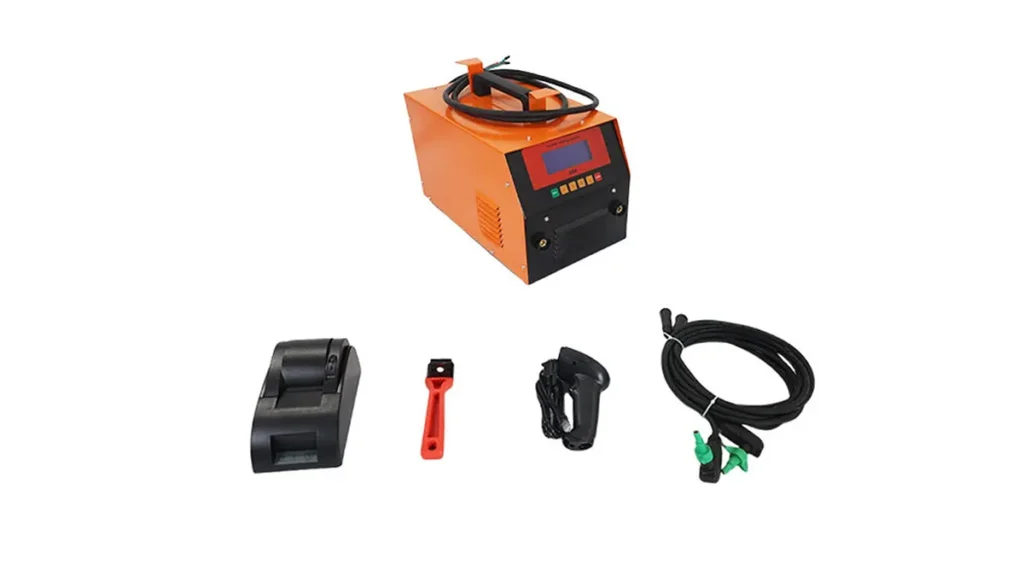
Automatic or CNC-controlled machines represent the highest level of process control. They manage the entire sequence—from heater plate temperature monitoring to pressure application and stage transitions—via a programmable logic controller (PLC). Data logging and traceability features are common, making them the preferred choice for applications requiring certified quality assurance under PE butt fusion equipment standard specifications.
Factors Influencing a Successful Butt Fusion Weld
Adhering strictly to the butt fusion welder working principle means mitigating environmental and material variables. Even with a perfectly calibrated machine, external factors can compromise joint integrity. Operators must control for the following:
- Pipe End Condition: Ends must be cut square, dry, clean, and free from oxidation. Oxidized pipe skin must be fully removed during the facing step.
- Heater Plate Cleanliness: Residual degraded plastic on the plate will contaminate the joint. The non-stick surface must be cleaned with a lint-free cloth while the plate is still hot.
- Ambient Temperature and Weather: Welding in extreme cold, direct sunlight, rain, or strong drafts requires protective shelters and sometimes adjusted welding parameters to ensure correct heating and cooling rates.
- Material Compatibility: Only pipes of the same material grade (e.g., PE100 to PE100) and within the same wall thickness tolerance range should be butt fused together to ensure a uniform melt flow.
- Pipe Support and Handling: During cooling, the pipe must be adequately supported to prevent bending forces at the joint. Any movement before the joint is fully cooled will create cracks or micro-voids.
Common Defects and Troubleshooting
A deep understanding of the butt fusion welder working principle allows for rapid diagnosis of weld defects. A visual inspection of the external and internal double-bead reveals much about the process.
- Uneven Bead Size: Indicates pipe misalignment, uneven heating, or a worn facing tool not creating parallel faces.
- Beads Too Small: Suggests insufficient soak time, a heater plate temperature that is too low, or excessive initial melt pressure collapsing the molten material.
- Beads Too Large/Flaky: Often caused by overheating (temperature set too high or soak time excessive), leading to material degradation.
- Off-Center or Pinched Weld Line: A clear sign of high-low mismatch where the pipe walls are not aligned concentrically, creating a stress point.
Validating the Integrity of a Butt Fused Joint
The ultimate test of the butt fusion welder working principle is the destructive examination or field hydrostatic testing of the finished joint. While non-destructive visual inspection of the bead is the first pass, true validation comes from mechanical testing. A routine bend test, where a coupon cut across the weld is bent to a specific radius, challenges the fusion’s ductility. A properly fused joint will not fail at the interface but deform in the parent pipe material. For critical gas and water infrastructure projects, test records are cross-referenced with procedures like ASTM F2620 pipeline safety requirements to guarantee long-term performance.