High-density polyethylene (HDPE) pipes are widely used in water supply, gas distribution, and industrial systems due to their durability, flexibility, and corrosion resistance. However, even the most robust piping systems can develop joint leaks or damage over time. Knowing the right HDPE pipe joint repair methods is essential for maintaining pipeline integrity and avoiding costly downtime. This comprehensive guide covers the most effective techniques for fixing leaks and restoring damaged HDPE joints.
Common Causes of HDPE Pipe Joint Failure
Before diving into repair solutions, it helps to understand why HDPE joints fail. Joint issues can arise from improper welding during installation, ground movement, thermal expansion and contraction, excessive pressure surges, or third-party damage during excavation. Identifying the root cause is the first step toward selecting the right pipe joint repair approach and preventing recurrence.
- Poor fusion quality due to incorrect temperature or pressure settings
- Misalignment during butt fusion or electrofusion joining
- Contaminated pipe surfaces during welding
- Excessive external loads or soil settlement
- Aging materials exposed to harsh environmental conditions
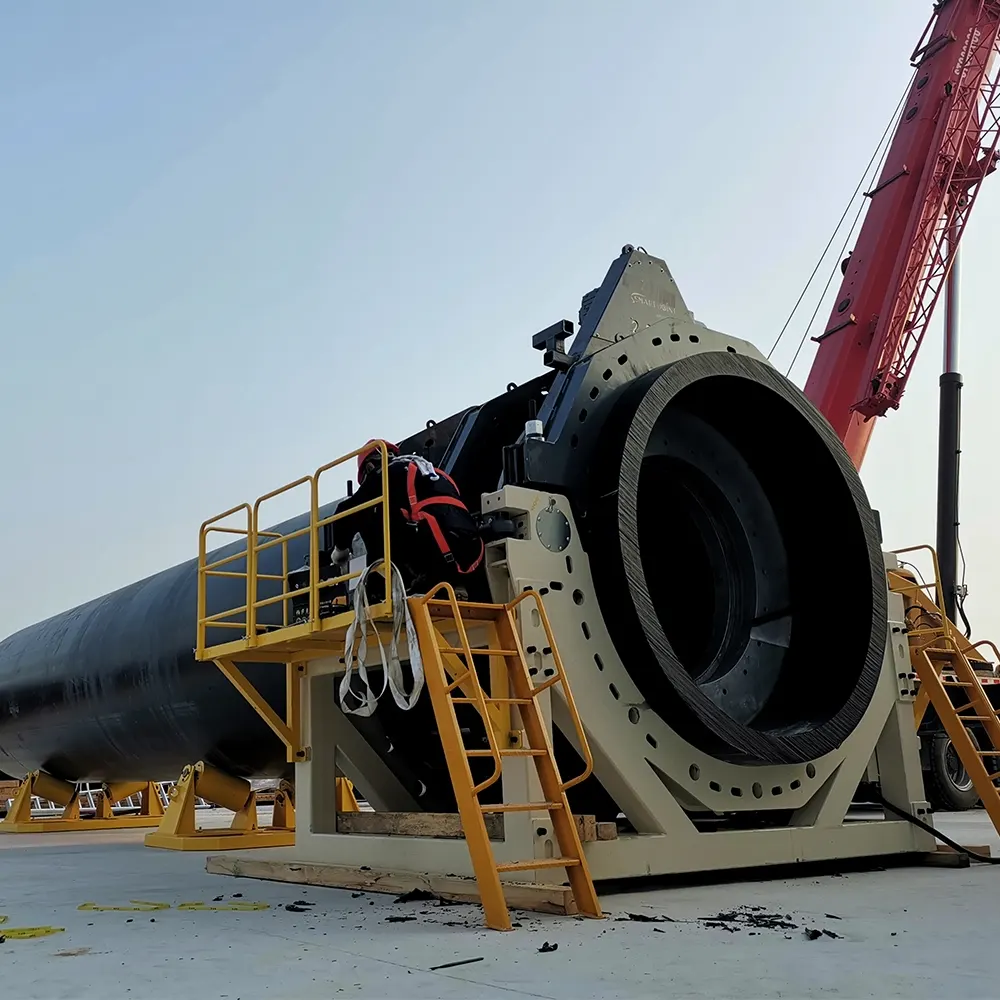
Electrofusion Repair: A Reliable Solution for Localized Joint Damage
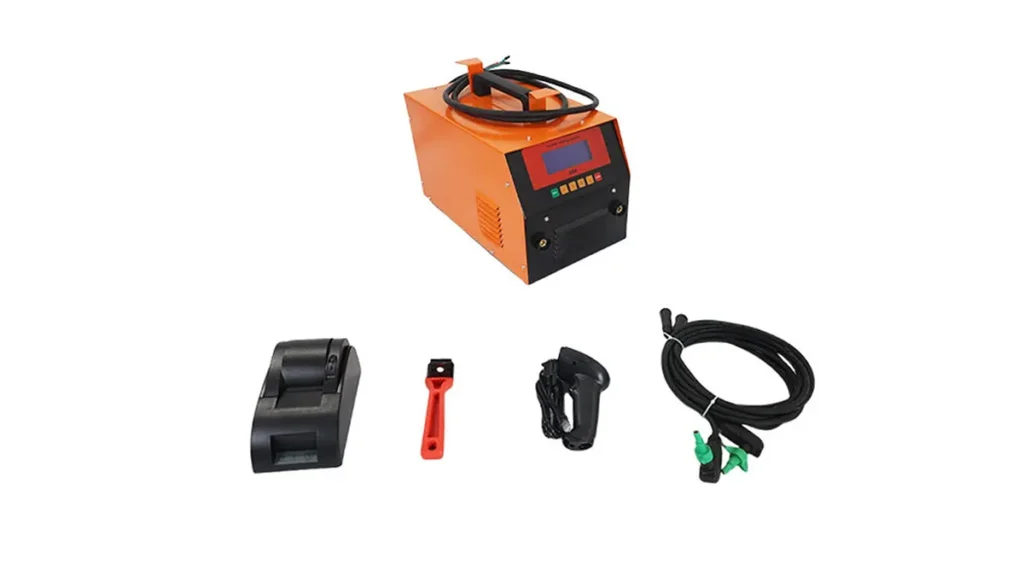
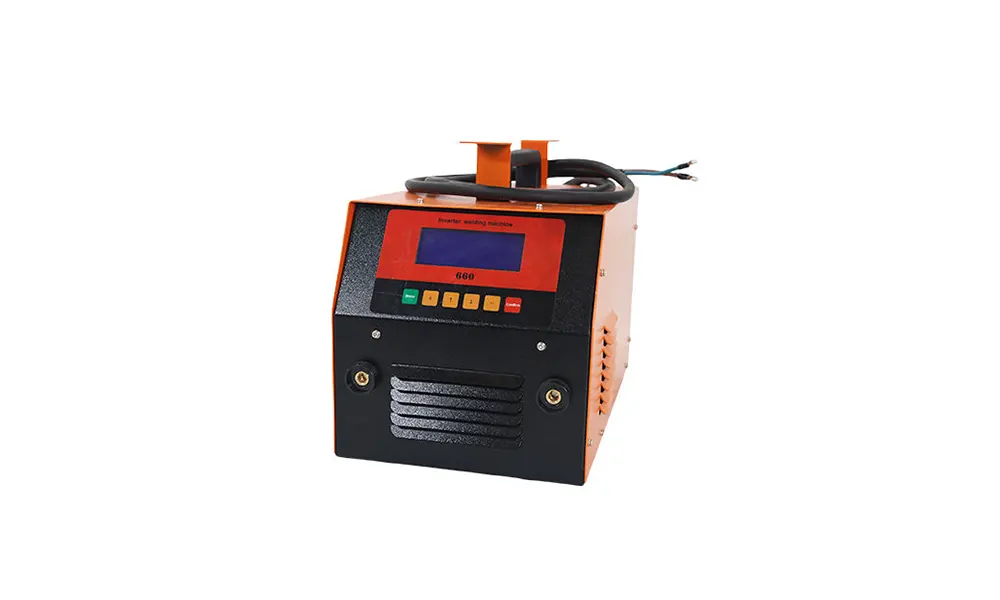
Electrofusion repair is one of the most widely used methods for fixing leaking or damaged HDPE joints. This technique uses specialized electrofusion equipment and fittings with built-in heating elements. When an electric current passes through the fitting, it melts the inner surface and the pipe exterior, creating a homogeneous bond upon cooling. Electrofusion is particularly effective for small-diameter pipes and tight spaces where butt fusion equipment cannot be easily deployed. According to ISO 12176-2 electrofusion equipment standards, proper calibration and surface preparation are critical for achieving a leak-proof seal.
- Clean and scrape the pipe surface thoroughly to remove oxidation
- Align the electrofusion coupling over the damaged joint area
- Connect the electrofusion processor and follow the barcode or manual parameters
- Allow the full cooling cycle before pressure testing
Butt Fusion Re-Welding for Complete Joint Replacement
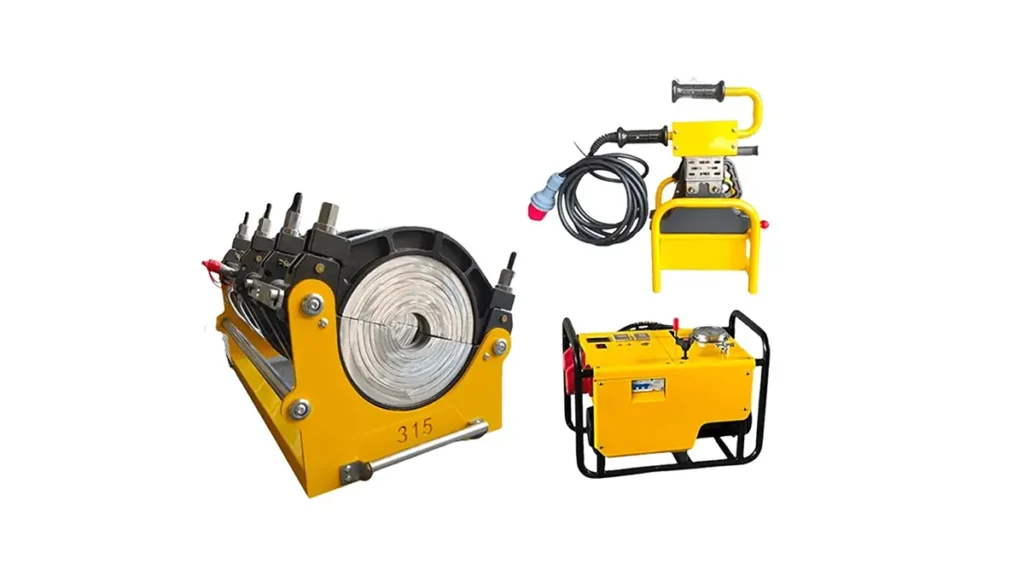
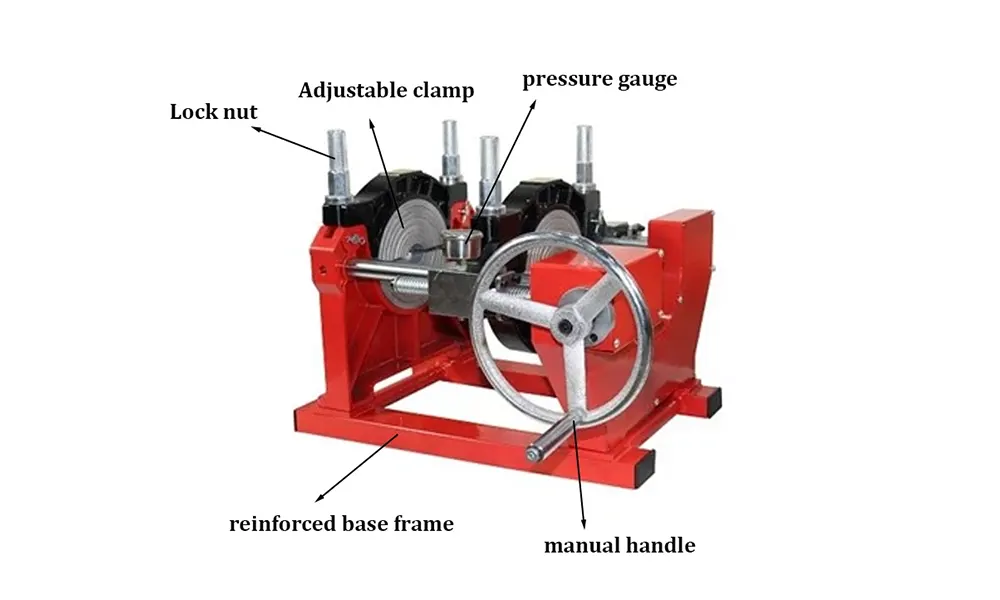
When a joint is severely compromised, cutting out the damaged section and re-welding with butt fusion is often the most permanent solution. This method involves heating the pipe ends on a butt fusion welding machine, then pressing them together under controlled pressure to form a seamless joint. For larger diameter pipes, hydraulic butt fusion welding machines provide the necessary clamping force and precision. The ISO 21307 butt fusion procedures specify exact heating temperatures, bead-up pressures, and cooling times that must be followed to ensure joint integrity.
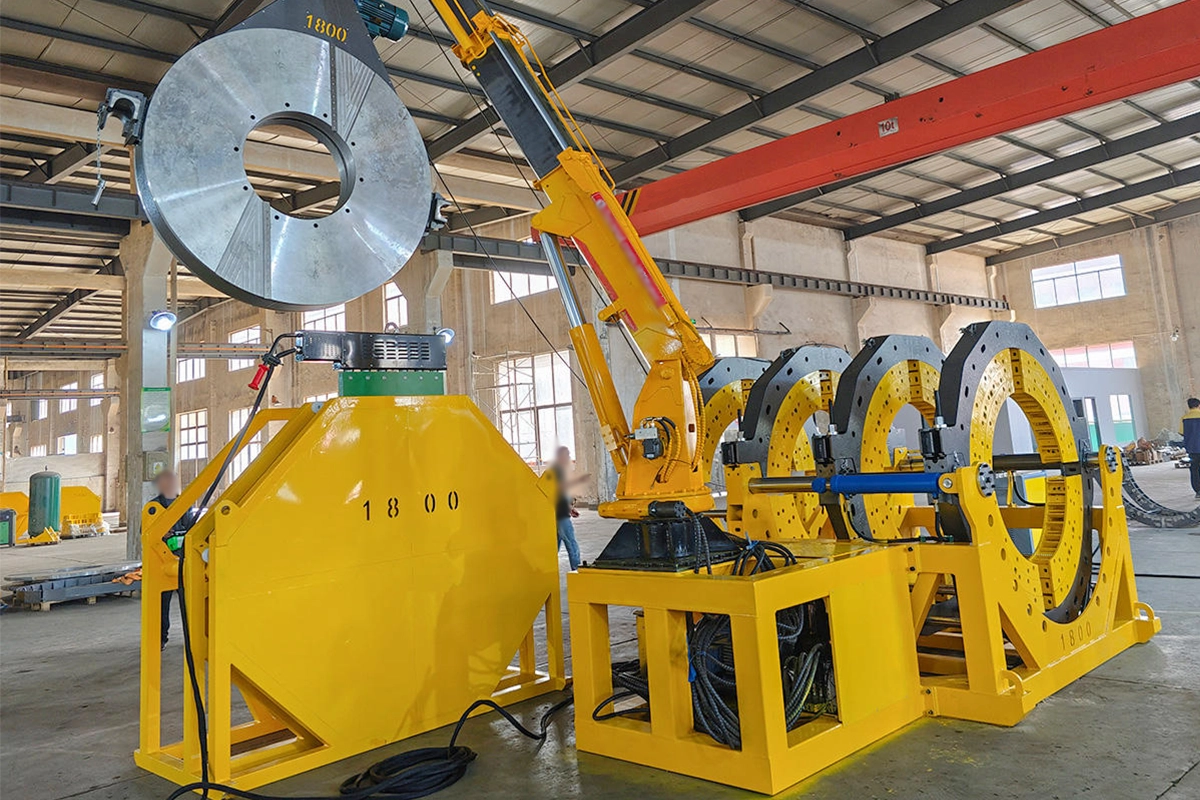
Mechanical Repair Couplings for Emergency Fixes
In situations where welding equipment is unavailable or immediate repair is needed, mechanical couplings offer a fast and effective temporary or permanent solution. These fittings clamp around the damaged joint area and use rubber seals combined with compression to stop leaks. Mechanical repair sleeves are available in various sizes and pressure ratings, making them suitable for both water supply and gas distribution applications. While not as seamless as fusion methods, they are invaluable for emergency response and can be installed without specialized welding training.
Saddle Fusion for Branch Connection Repairs
When a joint leak occurs at a branch connection or service tee, saddle fusion provides a targeted repair option. This technique uses a saddle fitting that is fused directly onto the pipe surface around the damaged area. The PPI butt fusion procedure and related saddle fusion guidelines outline proper heating protocols and alignment requirements. Saddle fusion is especially useful for tapping into existing lines or repairing localized damage without replacing entire pipe sections.
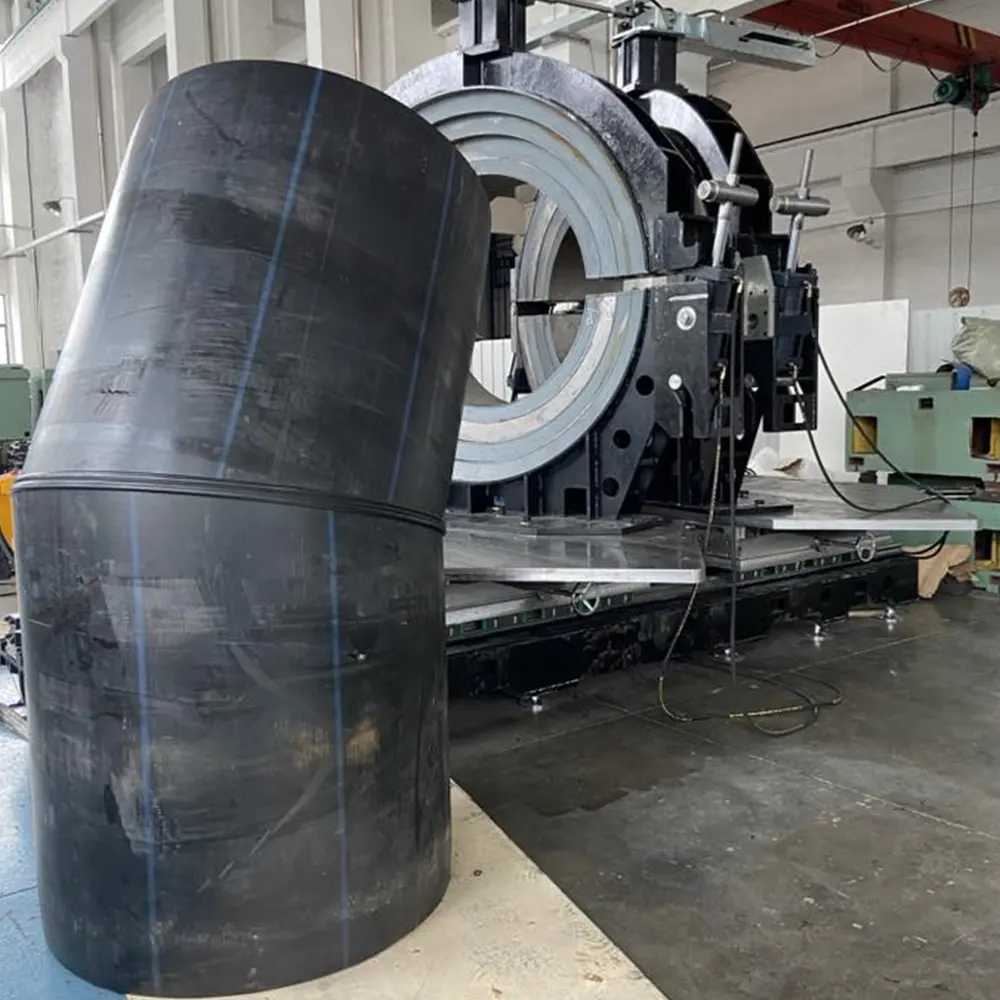
Comparison of HDPE Pipe Joint Repair Methods
The following table summarizes the key characteristics of each HDPE pipe joint repair method to help you choose the most suitable approach for your project.
| Repair Method | Best Applications | Skill Level Required | Permanence |
|---|---|---|---|
| Electrofusion | Small to medium diameters, tight spaces | Moderate | Permanent |
| Butt Fusion Re-Welding | All diameters, complete joint replacement | High | Permanent |
| Mechanical Coupling | Emergency repairs, all sizes | Low | Temporary or Permanent |
| Saddle Fusion | Branch connections, localized damage | Moderate to High | Permanent |
Essential Equipment for HDPE Joint Repair
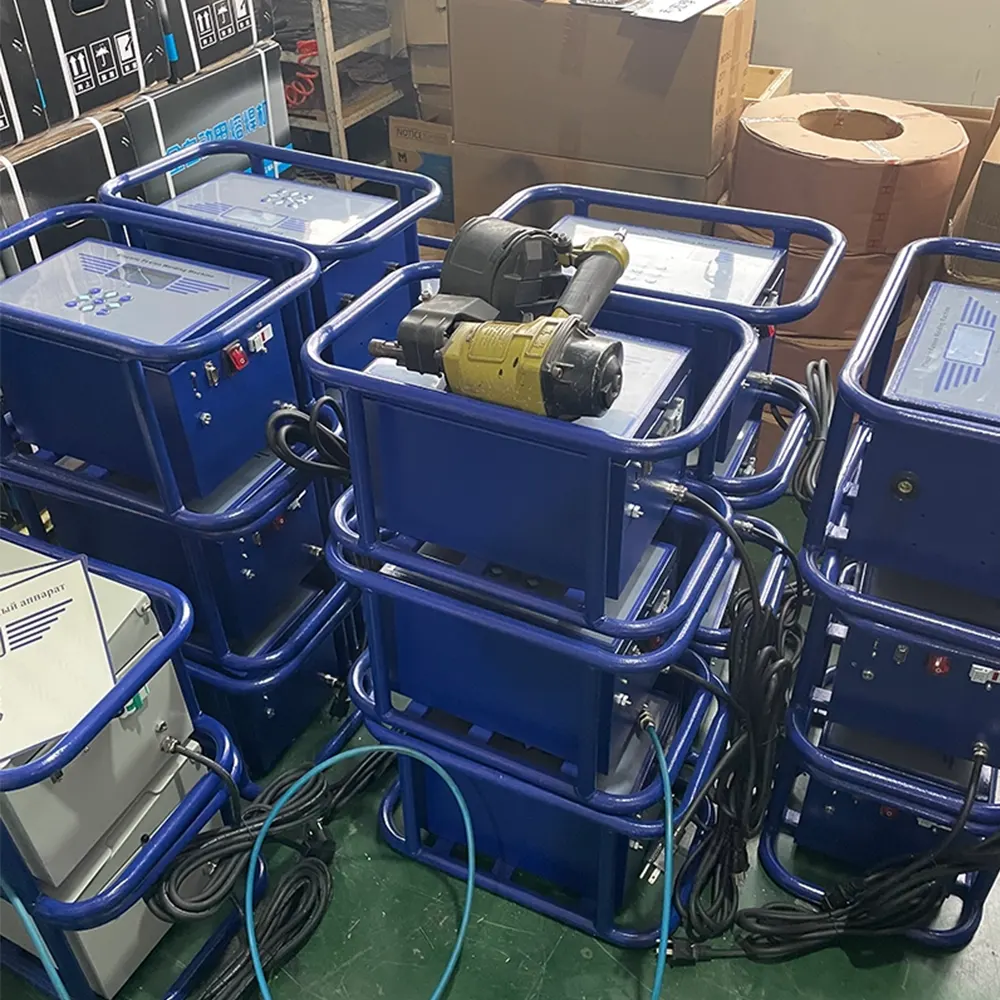
Successful repairs depend heavily on using the right tools. Butt fusion welding machines, electrofusion processors, pipe scrapers, alignment clamps, and facing tools all play critical roles. For contractors and municipalities seeking reliable equipment, JQ-Fusion offers a comprehensive range of HDPE pipe welding machines including manual, hydraulic, and CNC automatic models designed to meet ASTM F2620 heat fusion requirements. Properly maintained equipment ensures consistent heating, accurate pressure control, and reliable joint quality across all repair scenarios.
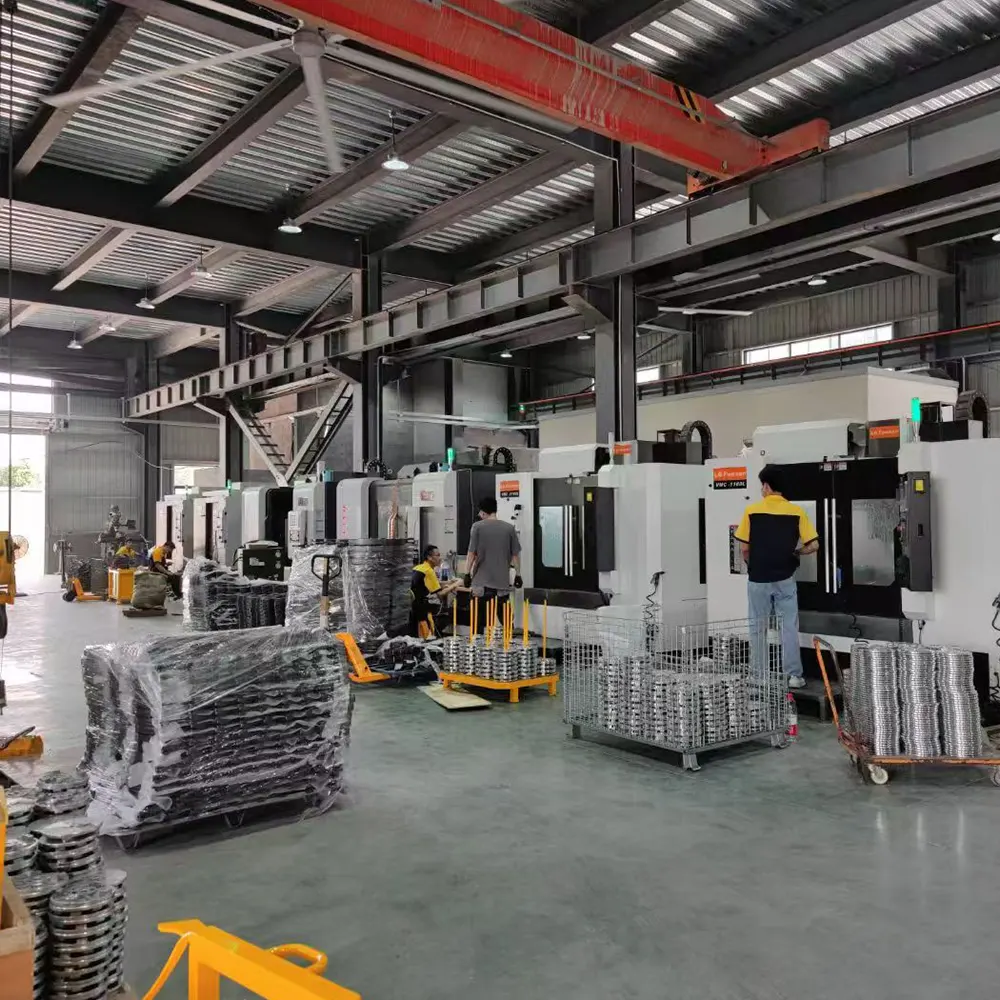
Step-by-Step Repair Procedure Using Butt Fusion
Following a structured process is key to achieving a reliable repair. Below is a general workflow based on PPI technical guidance and industry best practices:
- Isolate and drain the pipeline section requiring repair
- Cut out the damaged joint using a clean, square cut
- Face the pipe ends to ensure clean, parallel surfaces
- Align and clamp the pipe sections in the fusion machine
- Heat the pipe ends against the fusion plate at the specified temperature
- Join under pressure and hold until the joint cools completely
- Inspect and test the repaired joint before returning to service
Hydrostatic Testing and Quality Verification
After completing any HDPE pipe joint repair, hydrostatic pressure testing is essential to verify the integrity of the fix. Following ASTM F2164 field leak testing standards, the repaired section should be pressurized to at least 1.5 times the operating pressure and held for a specified duration while monitoring for pressure drops. Visual inspection of the joint bead appearance can also provide valuable clues about fusion quality. A smooth, uniform bead with proper rollback characteristics generally indicates a sound joint.
Preventive Measures to Avoid Future Joint Failures
While knowing repair methods is important, prevention remains the most cost-effective strategy. Proper installation using calibrated butt fusion welding machines, thorough surface preparation, adherence to PE pipe jointing best practices, and regular pipeline inspections can dramatically reduce the likelihood of joint failures. Training operators on correct fusion procedures and maintaining equipment in peak condition are investments that pay off through fewer repairs and longer pipeline service life.
Key Takeaways for Effective HDPE Joint Repair
- Choose the repair method based on pipe diameter, damage extent, and site conditions
- Always follow manufacturer specifications and industry standards for fusion parameters
- Use properly maintained butt fusion or electrofusion equipment for permanent repairs
- Conduct thorough pressure testing before returning repaired pipelines to service
- Invest in operator training and preventive maintenance to minimize future joint issues