In modern infrastructure projects, the integrity of pipeline systems depends heavily on the quality of joints. For contractors and project managers working with polyethylene pipes, understanding the hydraulic butt fusion welding machine advantages is the first step toward achieving leak-free, durable networks. Unlike manual methods, hydraulic systems introduce controlled, consistent force that transforms the pipe fusion process from a skill-dependent task into a repeatable, engineered operation.
Why Hydraulic Power Transforms the Fusion Process
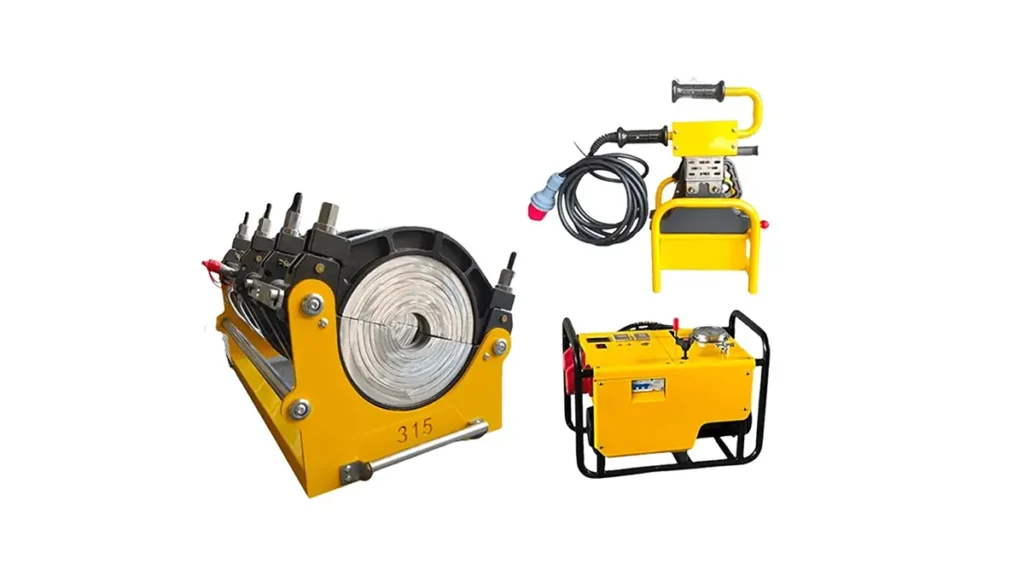
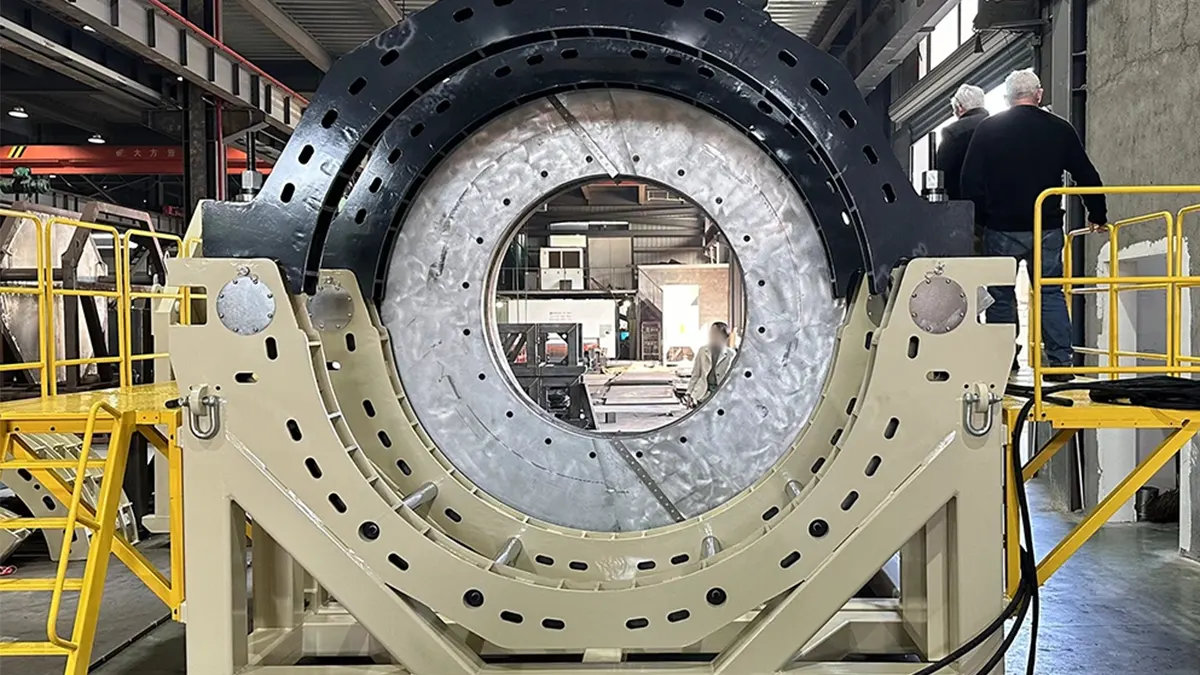
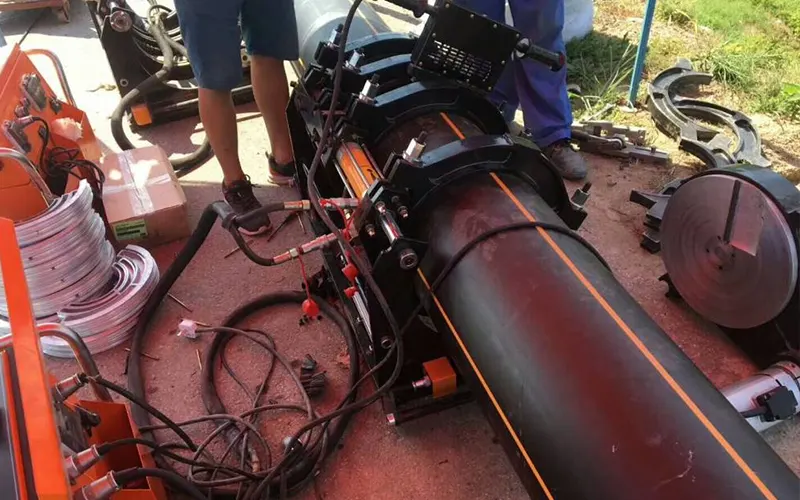
The core of any reliable joint lies in the precise application of pressure during heating and cooling phases. A hydraulic butt fusion welding machine replaces manual levers with an integrated hydraulic power pack, ensuring that the fusion pressure remains constant regardless of pipe diameter. This consistency directly addresses the primary challenge in butt fusion welding: achieving uniform melt flow across the entire pipe end face.
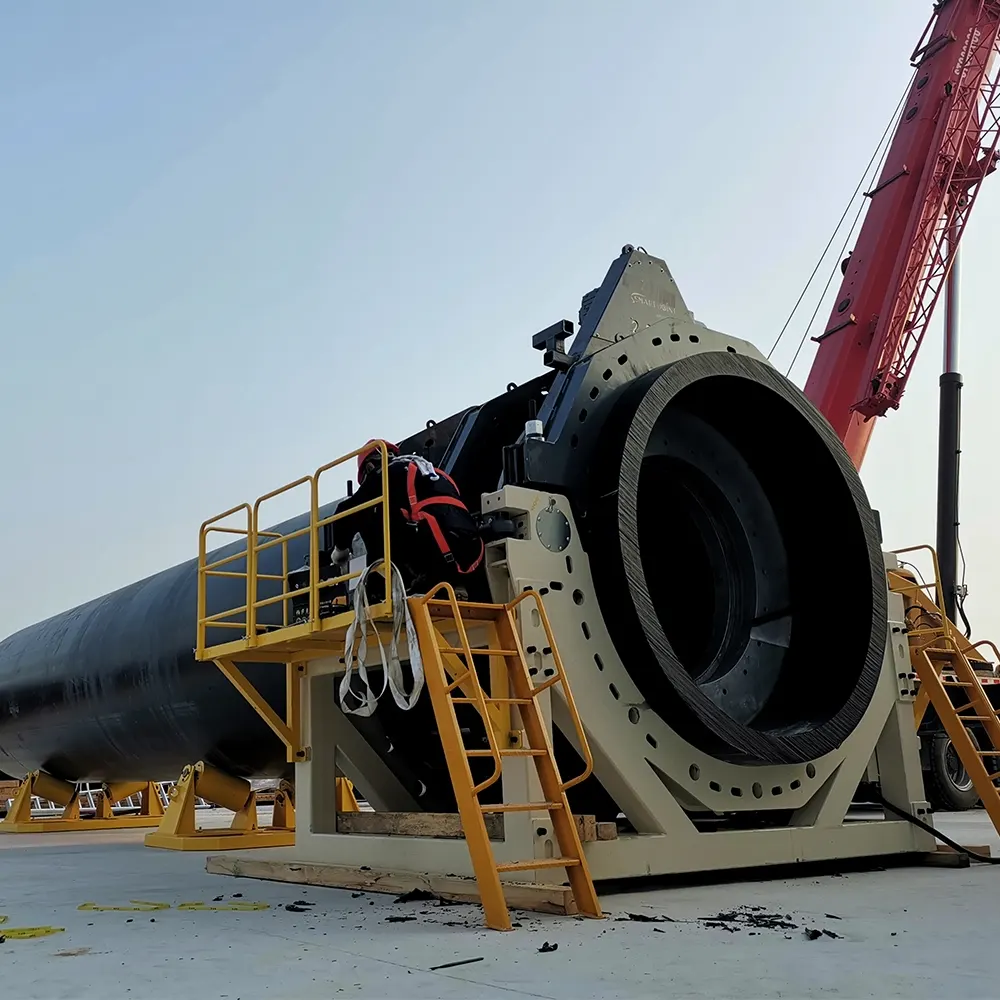
When operators work on pipes ranging from 160mm to over 2000mm, the physical effort required to maintain alignment and apply force manually becomes impractical. Hydraulic systems solve this by delivering smooth, stepless pressure regulation through a compact power unit. The result is a significant reduction in operator fatigue and a dramatic improvement in joint quality, especially on long pipeline runs where hundreds of joints must meet stringent standards like ISO 21307 butt fusion procedures.
Key Advantages of Hydraulic Butt Fusion Welding Machines
Unmatched Clamping and Alignment Precision
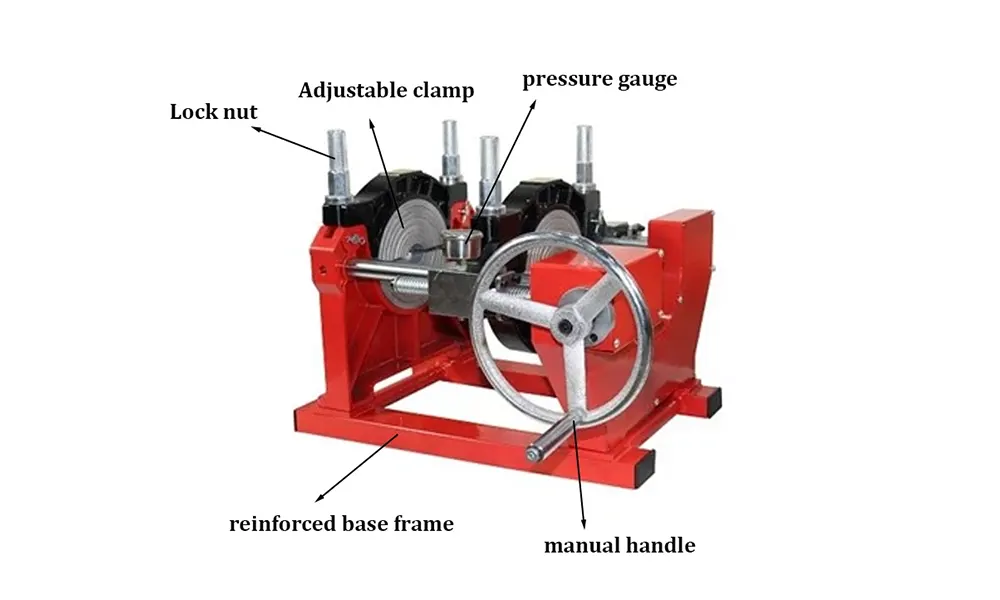
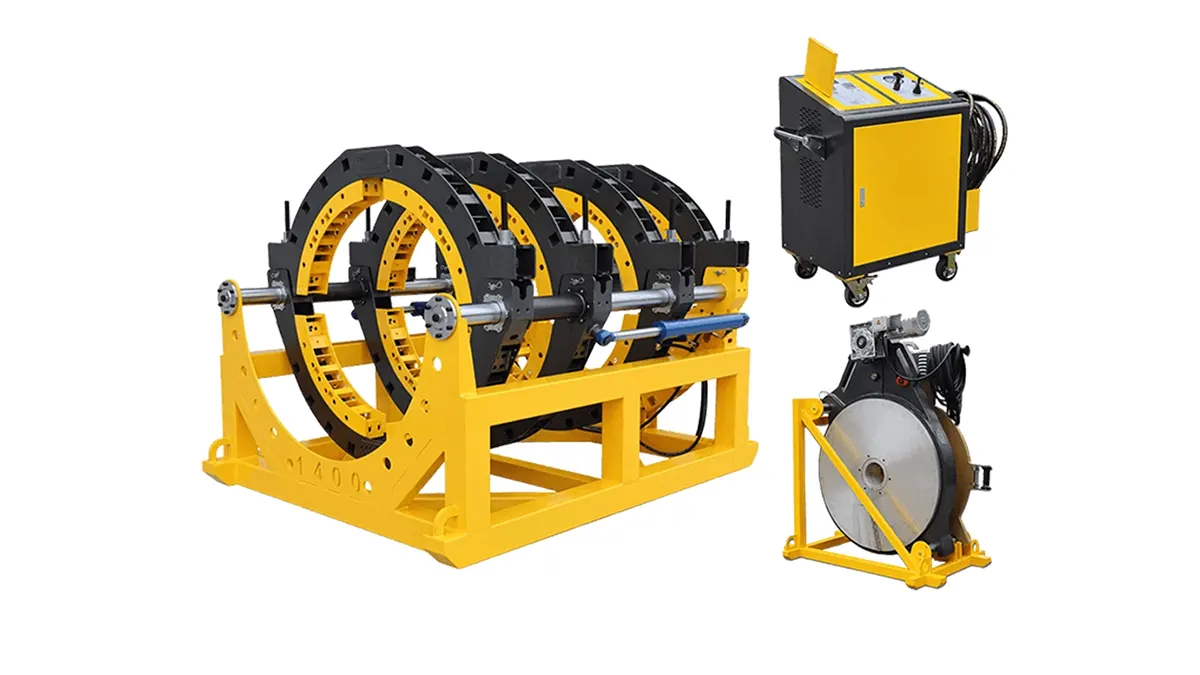
Proper pipe end preparation and alignment are prerequisites for a successful weld. Hydraulic machines feature robust clamping systems—often crafted from high-strength aluminum alloys—that grip pipes firmly without deformation. The movable jaw carriages glide on precision-machined guide rails, ensuring perfect axial alignment. This eliminates high-low mismatch, a common defect that compromises HDPE pipe welding equipment performance in pressure applications.
Superior Heating Plate Design and Temperature Control
The heating plate in a hydraulic machine is equipped with digital temperature controllers and PTFE non-stick coatings. Maintaining the exact temperature required by PE butt fusion equipment standard is automatic, eliminating guesswork. The hydraulic carriage allows the operator to bring pipe ends into contact with the heating tool and later join them with precisely controlled speed and force, preventing premature cooling or uneven melt bead formation.
Consistent Joint Quality Across Large Diameters
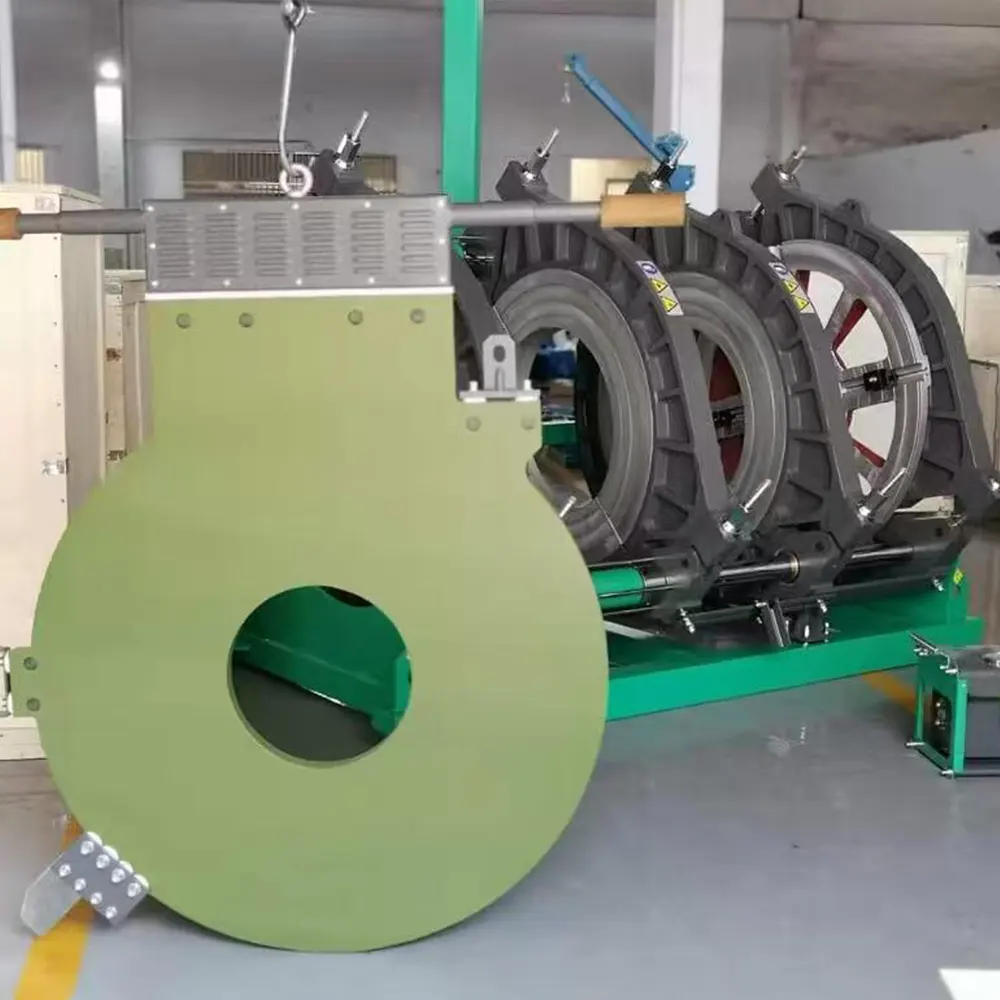
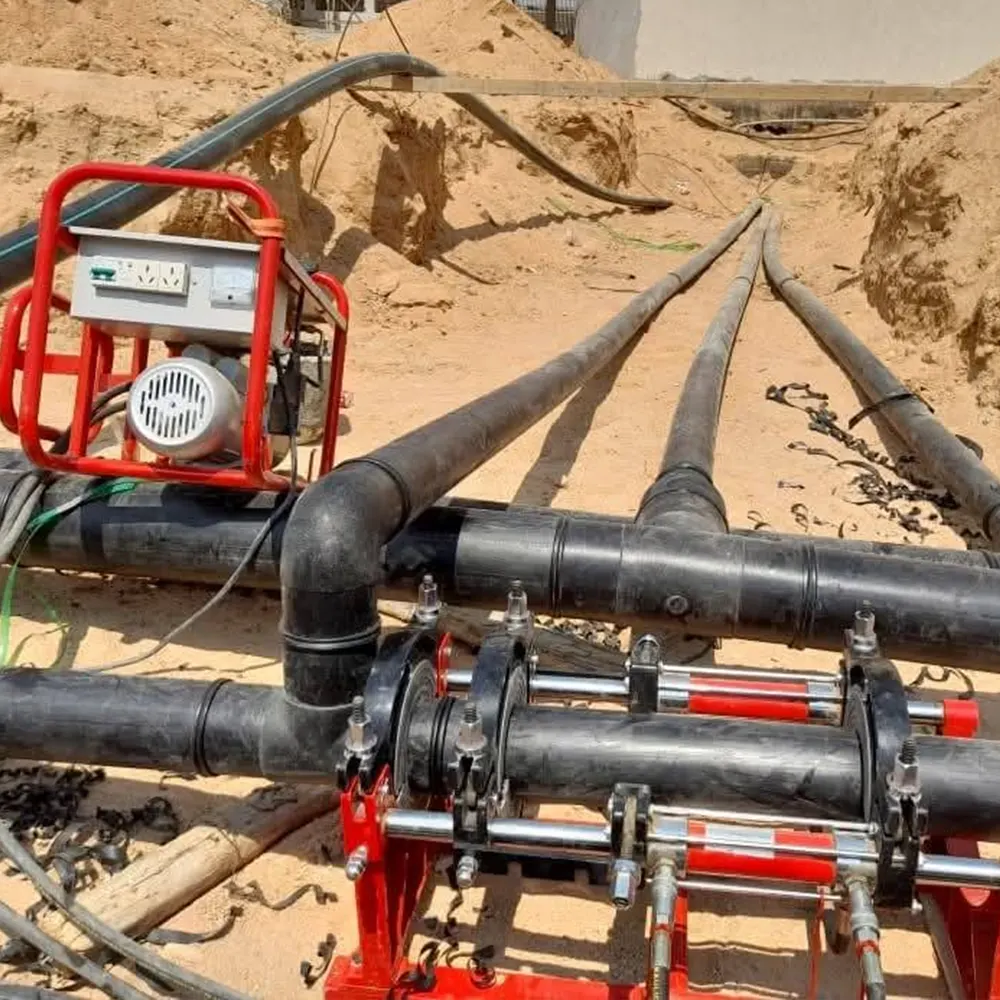
For large-scale water supply, gas distribution, or mining projects, pipe diameters often exceed 800mm. The hydraulic system ensures uniform pressure distribution across the entire circumference, a feat impossible to achieve manually. This uniformity is critical for achieving the double melt bead profile that inspectors look for when verifying compliance with ASTM F2620 heat fusion guidelines.
Operational Efficiency and Reduced Labor Costs
While manual machines are suitable for smaller diameters, hydraulic models drastically reduce welding cycle times on medium to large pipes. The rapid traverse and high-force clamping minimize the time between heating and fusion, which is vital for preserving thermal history. Crews can complete more joints per shift with fewer personnel, directly impacting project timelines and profitability.
Integrated Data Logging and Traceability
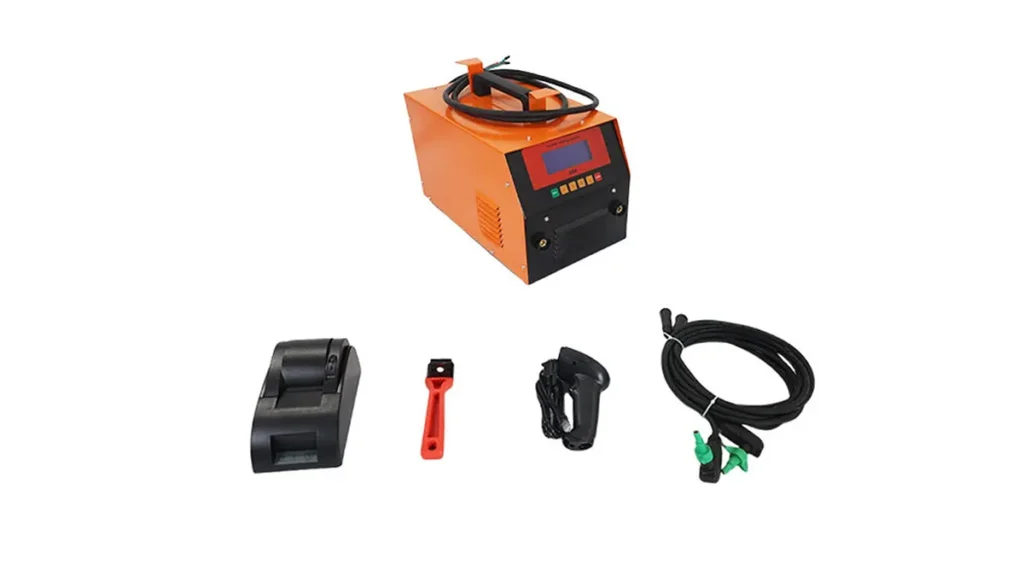
Modern hydraulic rigs often include data recording capabilities that capture critical parameters such as pressure, temperature, and soak time for every joint. This feature supports PE fusion traceability requirements, giving inspectors and asset owners documented proof that each weld was performed within the specified window.
Durability in Harsh Field Conditions
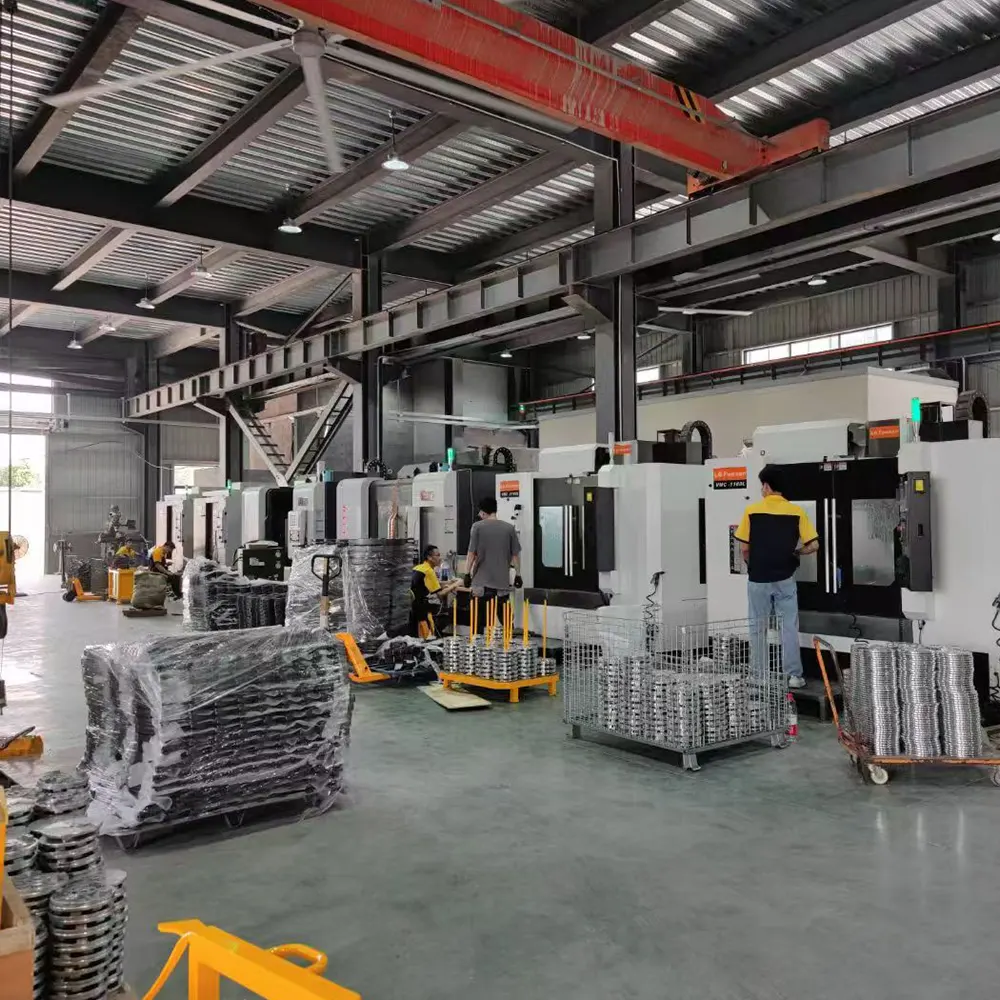
Hydraulic machines are built on heavy-gauge steel or aluminum frames with corrosion-resistant finishes. The power packs, cylinders, and hoses are designed to withstand dust, moisture, and temperature extremes commonly found on construction sites. When supported by a manufacturer like JQ-Fusion that maintains a large inventory of ready-stock machines, contractors gain confidence in on-time project starts and minimal downtime.
Comparing Hydraulic, Manual, and CNC Automatic Models
| Feature | Manual Machine | Hydraulic Machine | CNC Automatic Machine |
|---|---|---|---|
| Pipe Range | Typically up to 315mm | 160mm to 2250mm | 160mm to 630mm |
| Clamping Force | Manual lever activation | Hydraulic cylinder driven | Hydraulic with servo control |
| Fusion Cycle Control | Operator dependent | Operator managed with pressure gauge | Fully automated recipe-based |
| Data Logging | Manual recording | Optional logger or manual | Integrated digital log |
| Best Application | Small diameter, low volume | Medium to large diameters, field work | Fabrication shops, repetitive joints |
Applications Where Hydraulic Machines Excel
The advantages of hydraulic butt fusion welding machines become particularly evident in specific project environments:
- Water Transmission Mains: Large-diameter HDPE pipes for potable water require joints that meet strict ISO 4427 PE water pipes standards. Hydraulic machines deliver the consistent bead profile needed for long-term reliability.
- Gas Distribution Networks: Safety-critical gas piping systems benefit from the controlled fusion parameters of hydraulic rigs, ensuring compliance with PE gas piping systems design codes.
- Mining and Slurry Lines: Abrasive slurry transport demands thick-wall HDPE pipes joined with maximum joint integrity. Hydraulic pressure ensures complete fusion of the pipe end interface.
- Dredging and Marine Outfalls: Long strings of floating or submerged HDPE pipelines welded on barges or shorelines rely on the portable, weather-resistant nature of hydraulic machines.
- Industrial Process Piping: Chemical and industrial facilities using PE per industrial PE piping systems gain from the repeatable quality and documentation capacity.
Buying Guide: Selecting the Right Hydraulic Butt Fusion Machine
When evaluating models, consider the following factors to match the machine to your operational needs:
1. Pipe Diameter Range and SDR Rating
Identify the minimum and maximum pipe sizes your projects require. A machine sized for 315mm will not handle 800mm pipe. Also confirm the Standard Dimension Ratio (SDR) of your pipes, as thicker walls require higher clamping and fusion forces.
2. Hydraulic Power Pack Configuration
Some machines feature an integrated electric pump, while others use a separate, portable power pack. Assess site power availability—diesel-driven power packs offer independence for remote installations, whereas electric units suit facilities with stable grid supply.
3. Frame and Clamp Material
Aluminum clamp inserts are standard for their light weight and corrosion resistance. Check whether the machine includes dedicated reduction inserts for different pipe diameters and whether quick-release mechanisms are available to speed up size changes.
4. Heating Plate Features
Look for digital temperature controllers with automatic over-temperature protection. A PTFE-coated plate is essential to prevent polymer sticking. Some advanced models offer dual-zone temperature displays for additional monitoring.
5. Trimmer and Facing Tool Quality
The trimmer must produce clean, parallel pipe ends without contamination. Confirm that the blade material and motor are robust enough for continuous use and that the trimmer locks securely into the carriage during operation.
6. After-Sales Support and Parts Availability
Equipment is an investment. Prioritize suppliers who maintain comprehensive spare parts inventories—including seals, heating elements, and PTFE sheets—and offer responsive technical guidance. JQ-Fusion, as a specialized manufacturer of HDPE pipe welding machines, provides customizable hydraulic solutions backed by rigorous quality control and global support, ensuring that every machine meets project-specific demands.
Maintenance Practices for Long-Term Reliability
To preserve the advantages of your hydraulic machine, adopt a structured maintenance routine:
- Inspect hydraulic hoses and fittings regularly for abrasion or leaks; replace suspect components immediately.
- Keep the heating plate surface clean and reapply PTFE coating when signs of wear appear.
- Calibrate the pressure gauge and temperature controller periodically against reference instruments.
- Lubricate guide rails and carriage bearings according to the manufacturer’s schedule to prevent stiction.
- Store the equipment under cover and protect electrical components from moisture when not in use.
Frequently Asked Questions About Hydraulic Butt Fusion Machines
What pipe materials can a hydraulic butt fusion machine weld?
These machines are primarily designed for HDPE, MDPE, and PP pipes within the specified diameter range. Material compatibility should always be verified with the pipe manufacturer’s welding procedures.
How does ambient temperature affect hydraulic machine operation?
Cold weather can slow the heat soak phase and require slight adjustments to fusion pressure. Some hydraulic power packs include oil heaters to maintain proper viscosity in freezing conditions.
Can one hydraulic machine handle both butt fusion and saddle fusion?
Most standard machines are configured for butt fusion. Dedicated attachments or separate electrofusion equipment are recommended for saddle or socket applications.
What training is required to operate a hydraulic butt fusion machine?
Operators should be certified in accordance with local regulations or programs aligned to PE fusion operator requirements. While hydraulic machines simplify the physical aspect of fusion, proper procedure knowledge is still essential for quality joints.
How do I select between a hydraulic machine and a CNC automatic model?
If your work involves highly repetitive fabrication in a controlled shop environment, a CNC automatic butt fusion machine may offer efficiency gains. For field construction with variable pipe lengths and conditions, a hydraulic machine provides the ideal balance of control, portability, and durability.
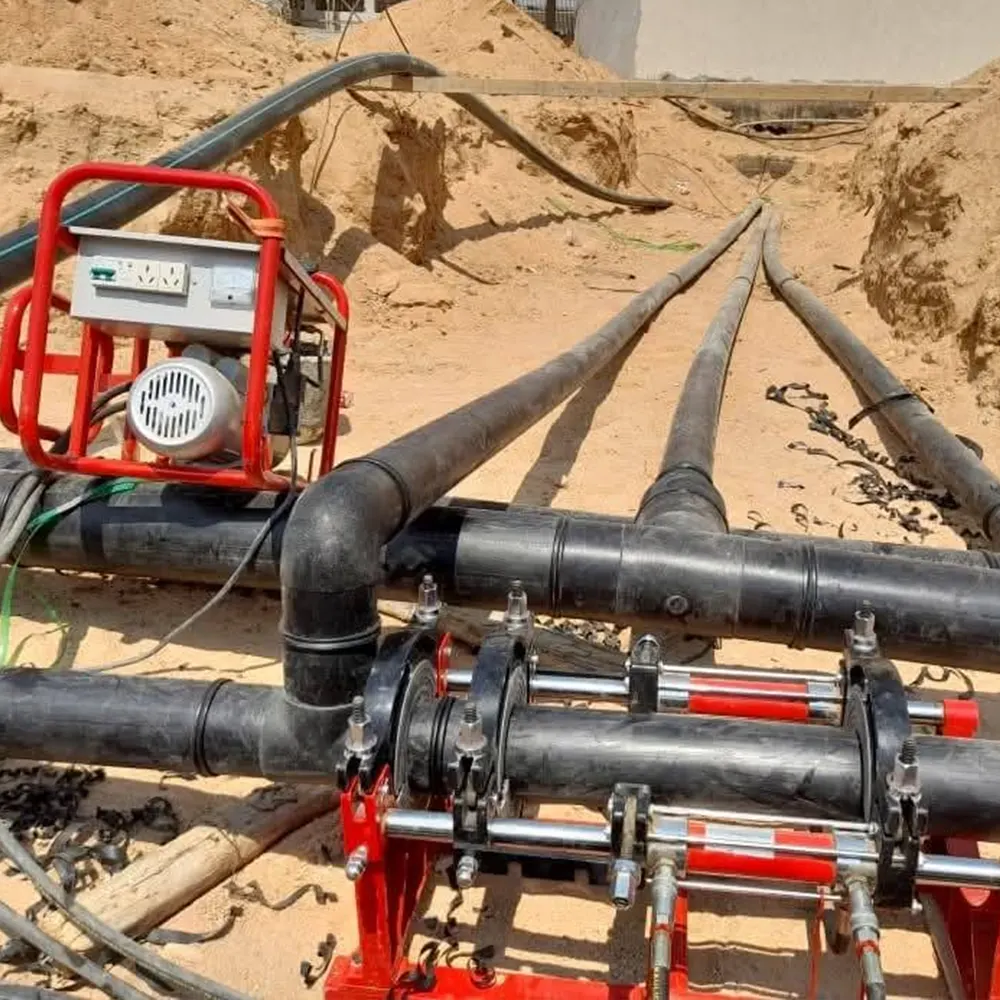
The shift toward hydraulic butt fusion technology reflects the industry’s demand for verifiable joint quality and productive field operations. By understanding the specific advantages these machines offer—from pressure consistency and clamping precision to data traceability—project managers can make informed equipment choices that protect their pipeline assets for decades. With comprehensive product ranges covering diameters from 160mm to 2250mm, modern hydraulic systems provide a scalable, reliable path to code-compliant fusion joints in any environment.