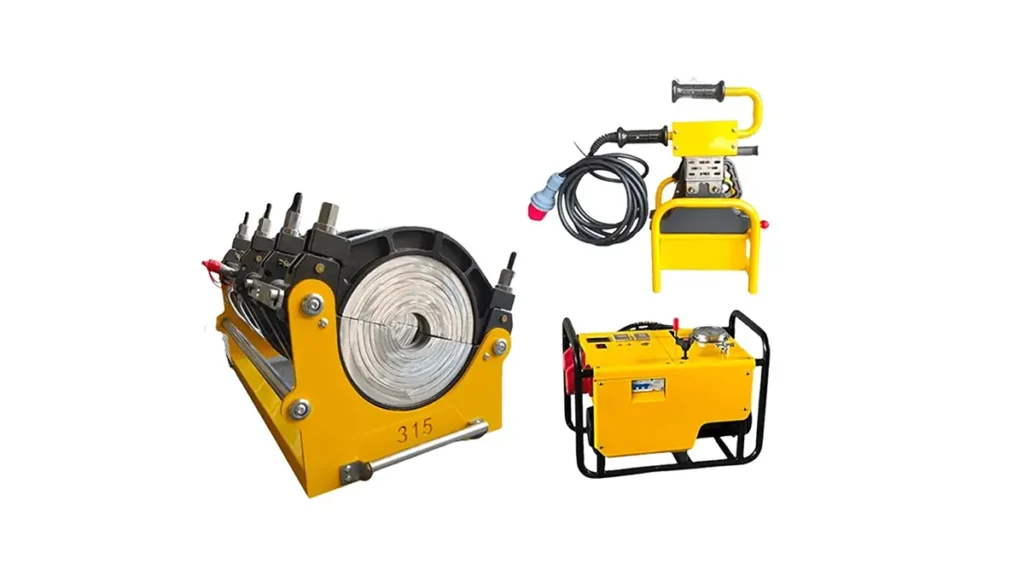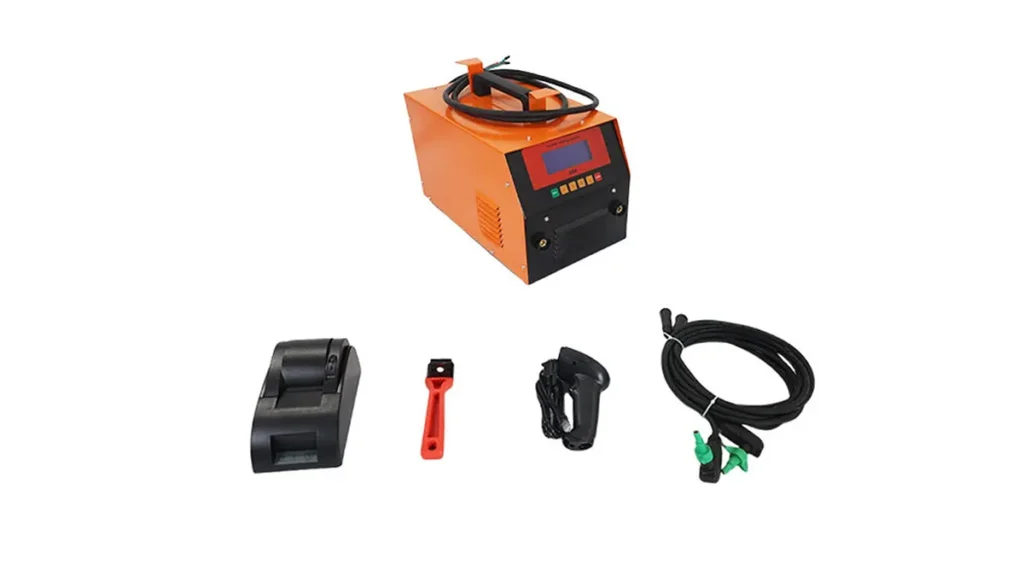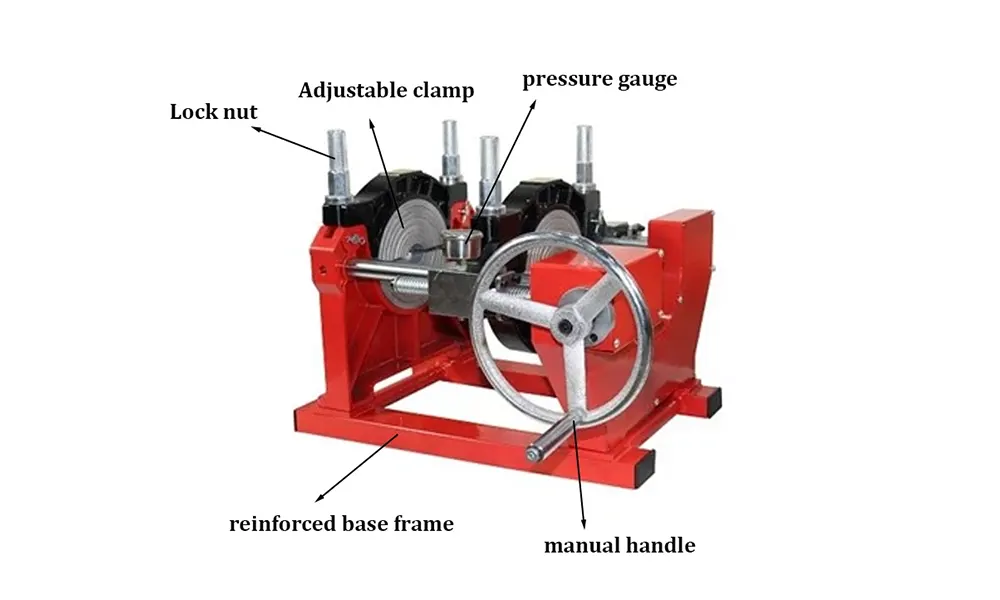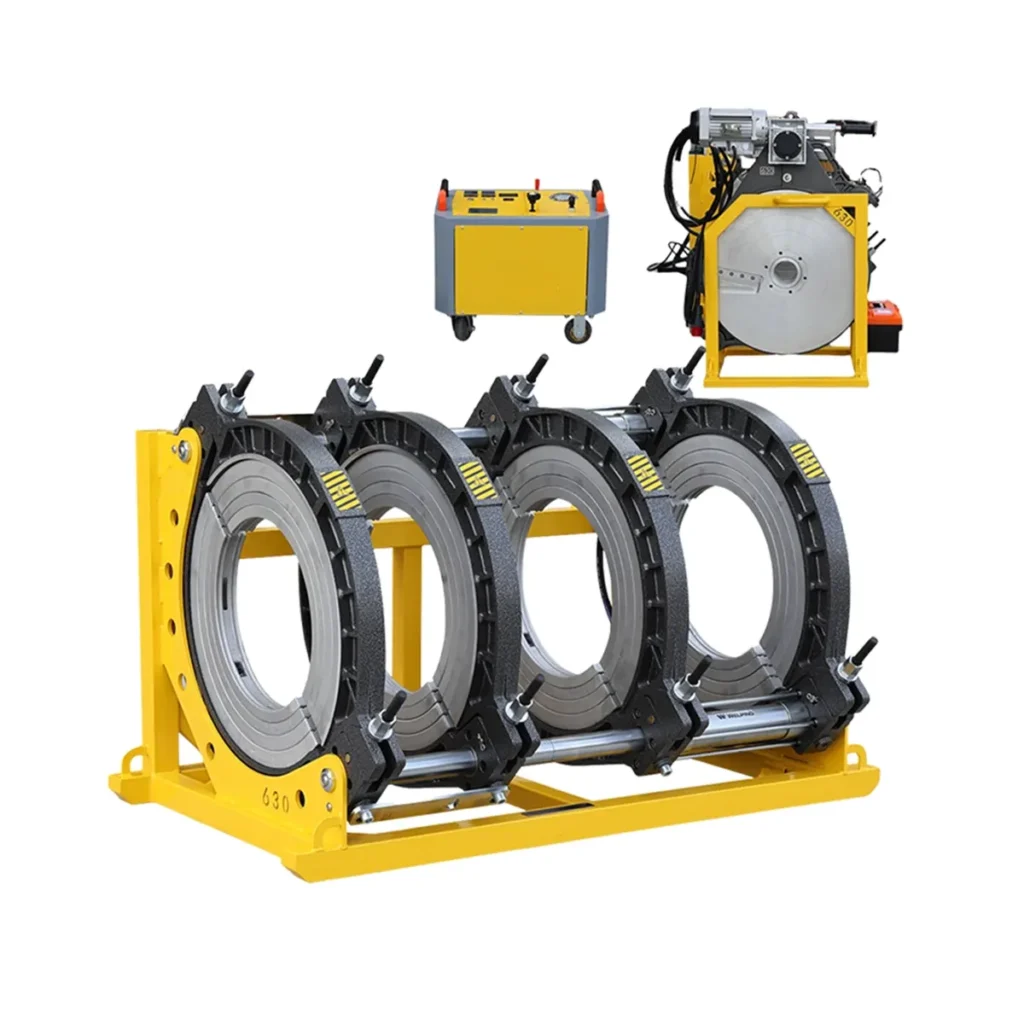
In large-scale infrastructure projects, the integrity of pipeline systems depends heavily on the quality and consistency of every single joint. For contractors and project managers handling long-distance water supply, gas distribution, or industrial fluid transport, an HDPE welding machine for continuous pipeline work is not just a tool—it is the backbone of operational efficiency. Choosing the right equipment directly impacts installation speed, leak prevention, and long-term durability. This guide breaks down the essential features, benefits, and selection criteria to help you make an informed investment for uninterrupted pipeline construction.
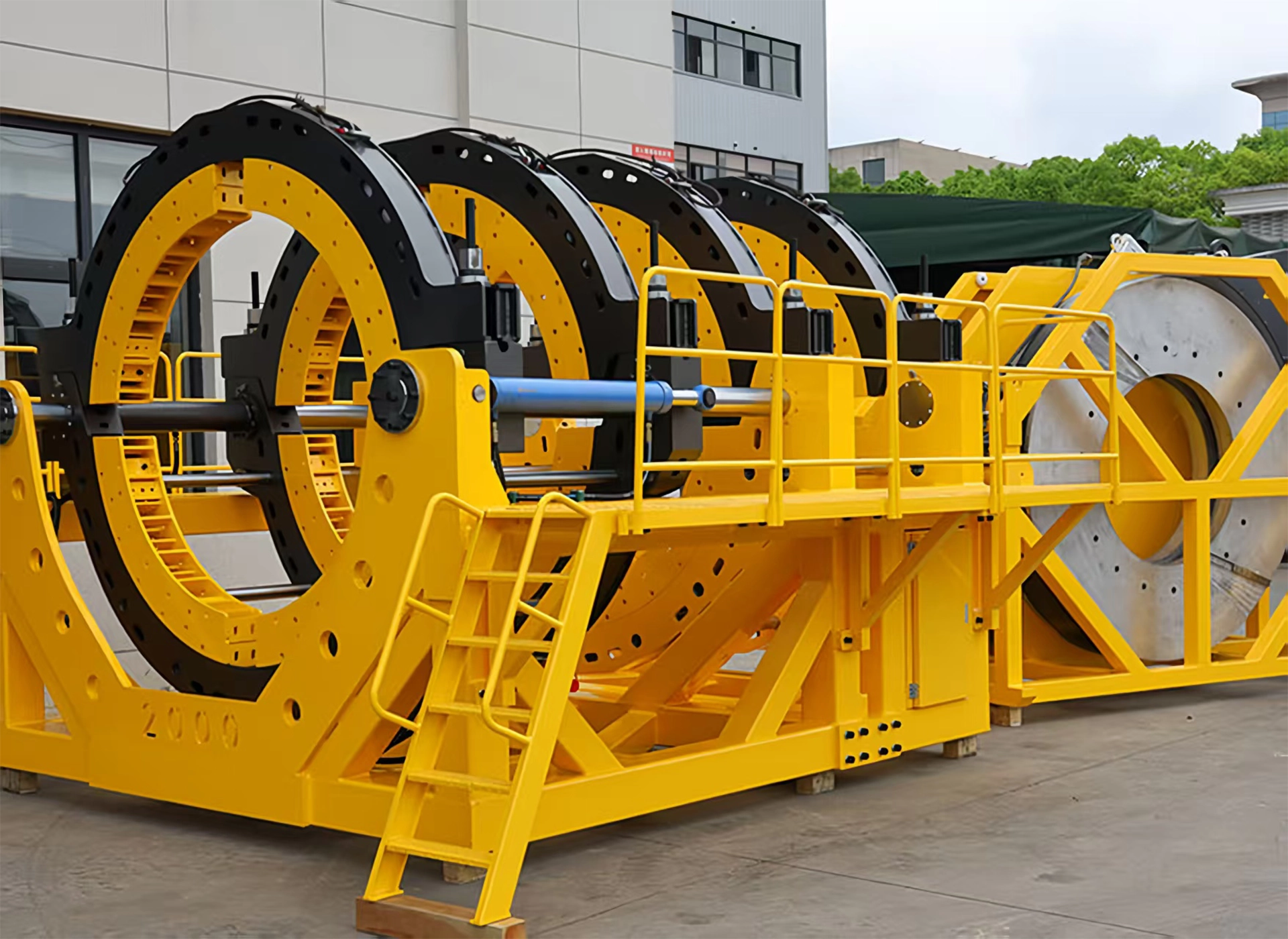
Core Features of a Reliable Continuous Pipeline Welding Machine
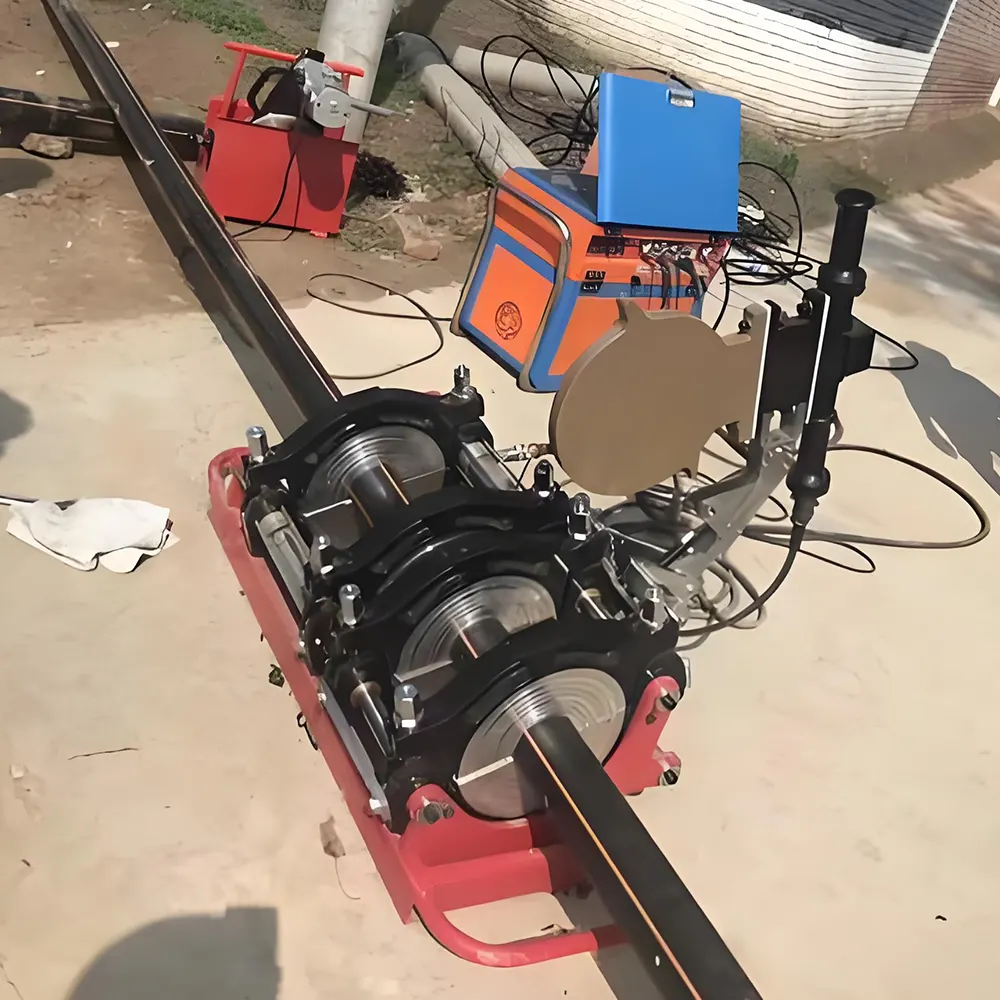
Not all welding machines are built for the demands of continuous operation. When evaluating an HDPE welding machine for continuous pipeline work, several technical attributes determine whether the equipment can maintain precision over hundreds or thousands of joints without failure.
- Precise Alignment Clamps: High-quality clamps ensure perfect pipe alignment, reducing the risk of misalignment defects that can lead to joint failure under pressure. Look for machines with rigid frames and even clamping force distribution.
- Digital Temperature Control: Advanced heating plates with digital controllers maintain surface temperature within ±1°C, critical for consistent melt quality across long welding shifts. This is essential when following ISO 21307 butt fusion procedures.
- Hydraulic or Automatic Power Systems: Manual machines work well for small diameters, but continuous large-pipeline projects benefit from hydraulic or CNC automatic systems that reduce operator fatigue and standardize pressure application.
- Durable Trimmer Design: A sharp, well-engineered trimmer creates clean, parallel pipe ends. Look for trimmers with high-grade steel blades and robust motor or manual drive mechanisms that withstand repetitive use without performance degradation.
Key Benefits for Long-Distance Pipeline Projects
Investing in the right welding technology pays off across multiple dimensions of project execution. Here is how a purpose-built machine improves your continuous pipeline operations:
- Reduced Downtime: Machines with rapid heating recovery and efficient clamping systems minimize the cycle time between welds. On a kilometer-long pipeline, even saving one minute per joint translates to significant schedule compression.
- Consistent Weld Integrity: Automated or semi-automated systems remove much of the variability caused by operator technique, ensuring each joint meets standards such as ASTM F2620 heat fusion requirements.
- Lower Operator Fatigue: Ergonomically designed hydraulic controls and clear display interfaces reduce physical strain during long working hours, helping maintain safety and focus on the job site.
- Adaptability to Varying Pipe Sizes: Modular clamp systems allow quick changeover between different diameters, which is especially valuable when a continuous line includes transitions or multiple pipe sections.
Comparing Machine Types for Continuous Work
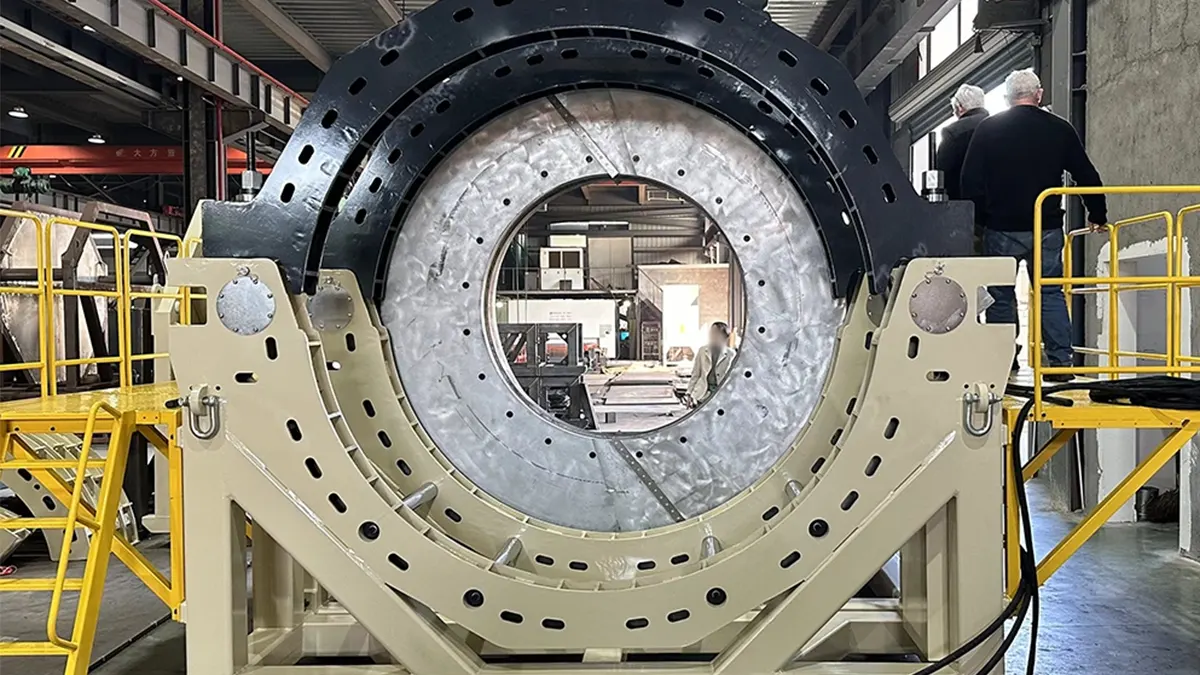
Selecting the appropriate category of HDPE welding machine for continuous pipeline work depends on pipe diameter, project length, and available resources. The table below summarizes the key characteristics of the three main types available on the market.
| Machine Type | Pipe Diameter Range | Best For | Typical Production Speed | Operator Skill Required |
|---|---|---|---|---|
| Manual Butt Fusion | 50mm – 250mm | Small-diameter rural or branch lines | Moderate | High |
| Hydraulic Butt Fusion | 160mm – 2250mm | Continuous trunk lines, large-scale water | Fast | Medium |
| CNC Automatic | 160mm – 630mm | High-volume projects with strict QC | Very Fast | Low |
How to Choose the Right Model
A systematic evaluation process helps narrow down options and ensures the selected HDPE welding machine for continuous pipeline work matches actual site conditions. Consider the following factors before making a purchase decision:
Determine Pipe Specifications
Start by identifying the diameter range and wall thickness of the pipes in your project. The machine must comfortably accommodate the largest pipe in the continuous line. Additionally, check the material grade—most modern machines are compatible with PE100 and PE100-RC formulations that meet ISO 4427 PE water pipes standards.
Evaluate Power Source and Site Conditions
Remote pipeline routes may lack stable electrical supply. In such cases, a machine with a diesel-powered hydraulic unit or compatibility with mobile generators is crucial. Confirm voltage requirements, phase configuration, and whether the control system can handle fluctuations typical in field environments.
Assess Data Logging and Traceability
Modern pipeline standards increasingly require digital records of each weld. Machines equipped with data logging capabilities record parameters such as temperature, pressure, and time, supporting compliance with PE fusion traceability requirements. This feature is especially important for gas distribution and other regulated applications.
Consider After-Sales Support and Spare Parts
A machine is only as reliable as the support network behind it. Choose a supplier with accessible technical guidance, prompt spare parts availability, and clear warranty terms. Downtime on a continuous project due to a missing heating element or clamp component can quickly offset any upfront cost savings.
Maintenance Practices for Sustained Performance
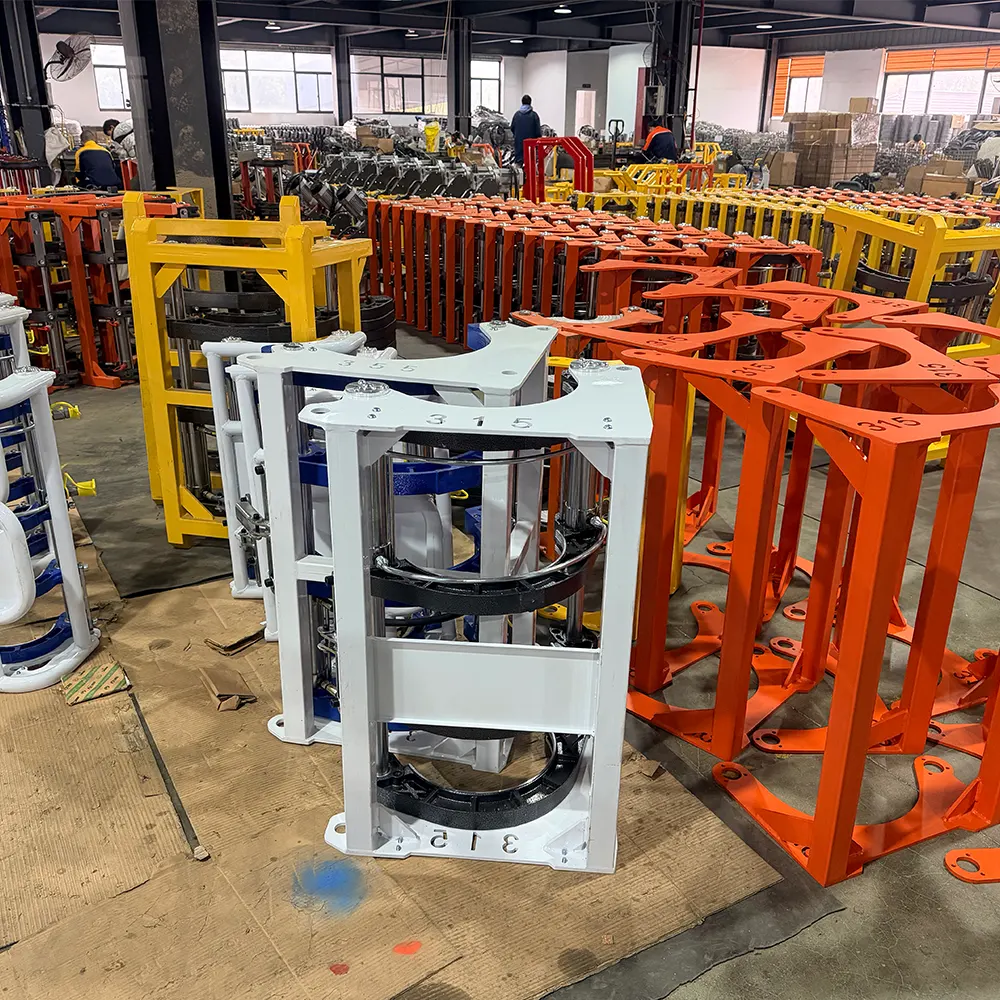
Protecting your investment extends beyond the initial purchase. Regular maintenance ensures the welding machine delivers reliable performance throughout the project lifecycle and across multiple deployments.
- Clean heating plate surfaces daily to prevent polymer build-up that causes uneven heat transfer.
- Lubricate all moving parts according to the manufacturer schedule, especially clamp rails and hydraulic cylinders.
- Calibrate temperature controllers and pressure sensors periodically using certified instruments.
- Inspect wiring harnesses and hydraulic hoses for signs of wear or damage before each shift.
Why Equipment Quality Matters for Continuous Pipeline Jobs
In continuous pipeline construction, weld failures are disproportionately expensive. A single defective joint can require excavation, cutting, and re-welding—disrupting backfilling schedules and potentially delaying entire sections of the project. The best HDPE welding machine for continuous pipeline work minimizes this risk through robust engineering, precise control, and user-friendly operation. Projects across water supply networks, mining slurry lines, and gas transmission systems all benefit from the long-term reliability that professional-grade equipment provides. Companies like JQ-Fusion specialize in manufacturing butt fusion welding machines that address these requirements, offering hydraulic and automatic solutions tailored to demanding field conditions.
Related Resources for Pipeline Welding Standards
Staying current with industry standards helps ensure your welding procedures meet regulatory and client expectations. Below are several authoritative references that provide detailed technical guidance:
- PE butt fusion process — Technical note on structure and terminology from the Plastics Pipe Institute.
- PPI Handbook of Polyethylene Pipe — Comprehensive reference covering design, installation, and joining.
- What is HDPE butt fusion — Educational overview from the PE100+ Association.
Combining the right equipment with proper training and adherence to recognized procedures sets the foundation for successful, leak-free continuous pipeline installations that serve communities and industries for decades.