Natural gas pipeline infrastructure demands precision, durability, and uncompromising safety. The role of a gas line welder for natural gas pipelines is one of the most technically demanding trades in the energy sector. Whether working on high-pressure transmission lines or local distribution networks, welders must master specialized techniques to create leak-proof, long-lasting joints that can withstand decades of service under extreme conditions.
Modern natural gas pipeline systems increasingly incorporate both steel and polyethylene (PE) materials. For PE pipelines, PE gas piping systems have become the industry standard due to their corrosion resistance, flexibility, and cost-effectiveness. Understanding the unique requirements of welding these materials is essential for any professional in the field.
Essential Skills for Gas Line Welders
A competent gas line welder for natural gas pipelines must develop a comprehensive skill set that goes far beyond basic welding techniques. The following competencies are critical for success in this demanding field:
- Technical Welding Proficiency: Mastery of multiple welding processes including butt fusion, electrofusion, and traditional arc welding methods for steel pipelines.
- Material Science Knowledge: Understanding the properties of different pipe materials, including high-density polyethylene (HDPE) and various steel grades used in gas distribution.
- Blueprint Reading and Layout: Ability to interpret engineering drawings, piping isometrics, and project specifications accurately.
- Quality Control Inspection: Skills in visual inspection and non-destructive testing to verify joint integrity before pipeline commissioning.
- Problem-Solving Under Pressure: Quick decision-making abilities when encountering unexpected field conditions or equipment malfunctions.
The PE butt fusion process requires specific training and hands-on experience, as improper technique can lead to joint failure and potential safety hazards. Welders must demonstrate consistent performance through qualification tests before being approved for field operations on live gas lines.
Equipment Used in Natural Gas Pipeline Welding
The equipment landscape for pipeline welding has evolved significantly, with advanced machinery now available to ensure precision and repeatability. Selecting the right tools is fundamental for every gas line welder for natural gas pipelines.
Butt Fusion Welding Machines
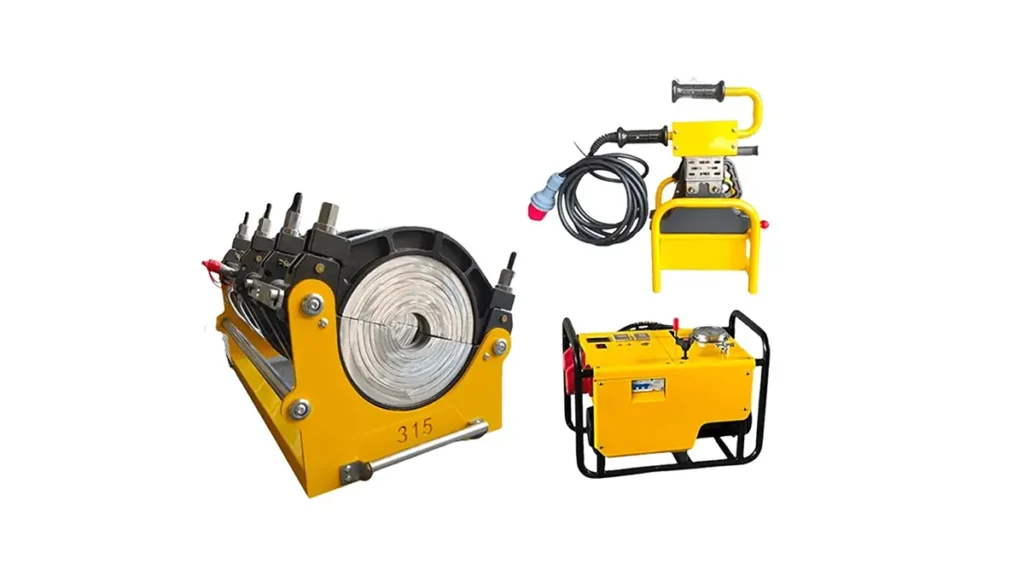
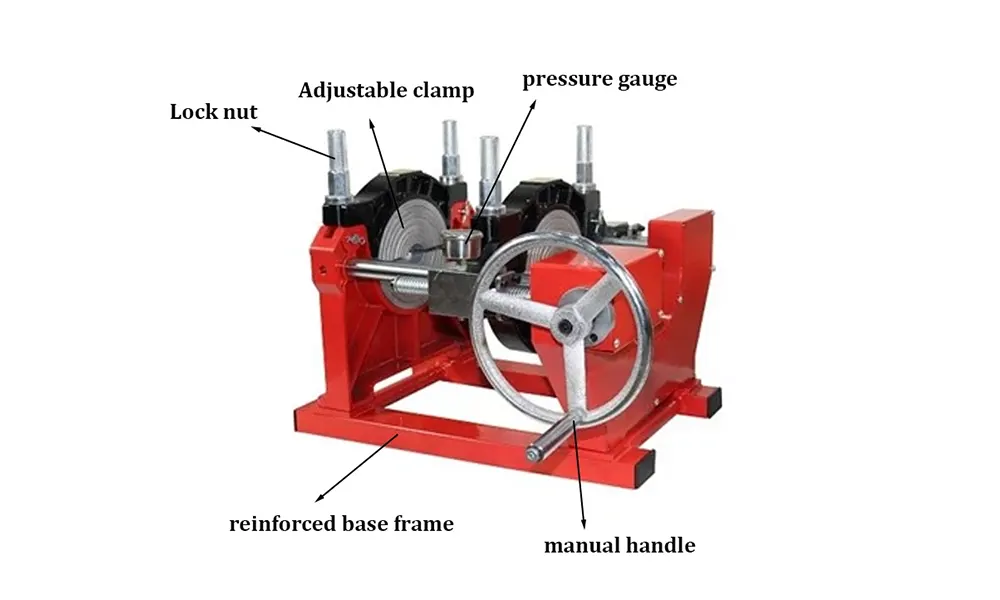
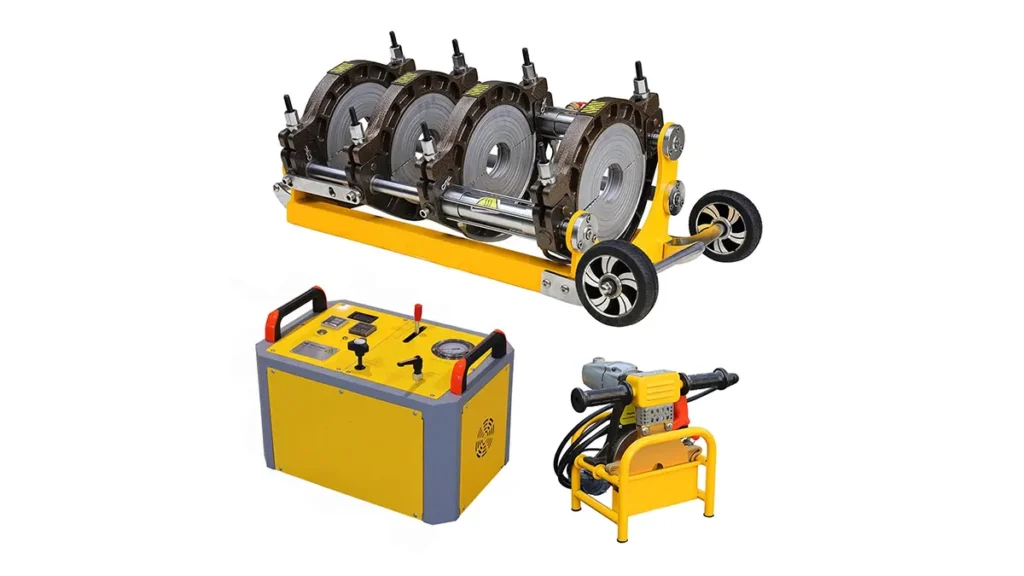
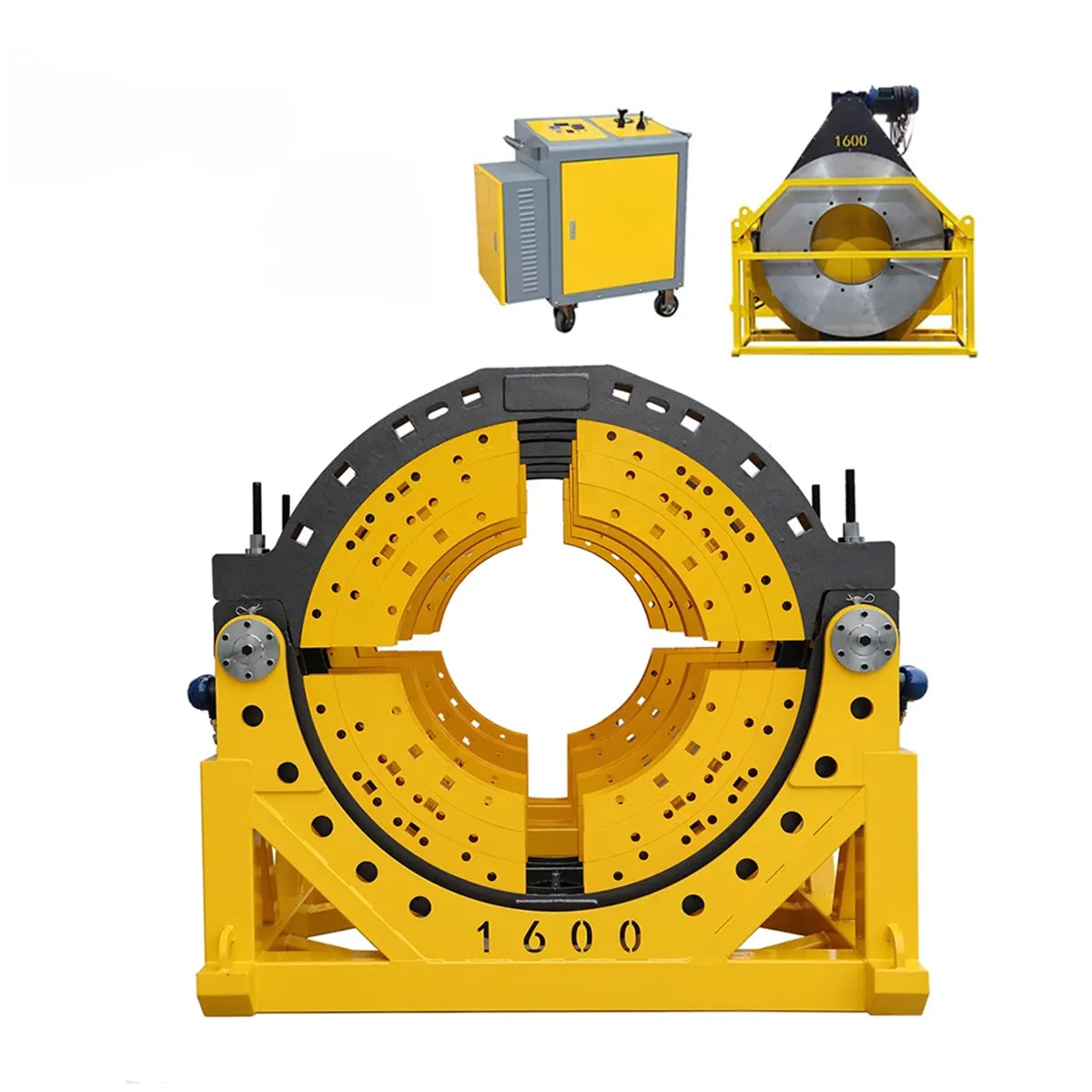
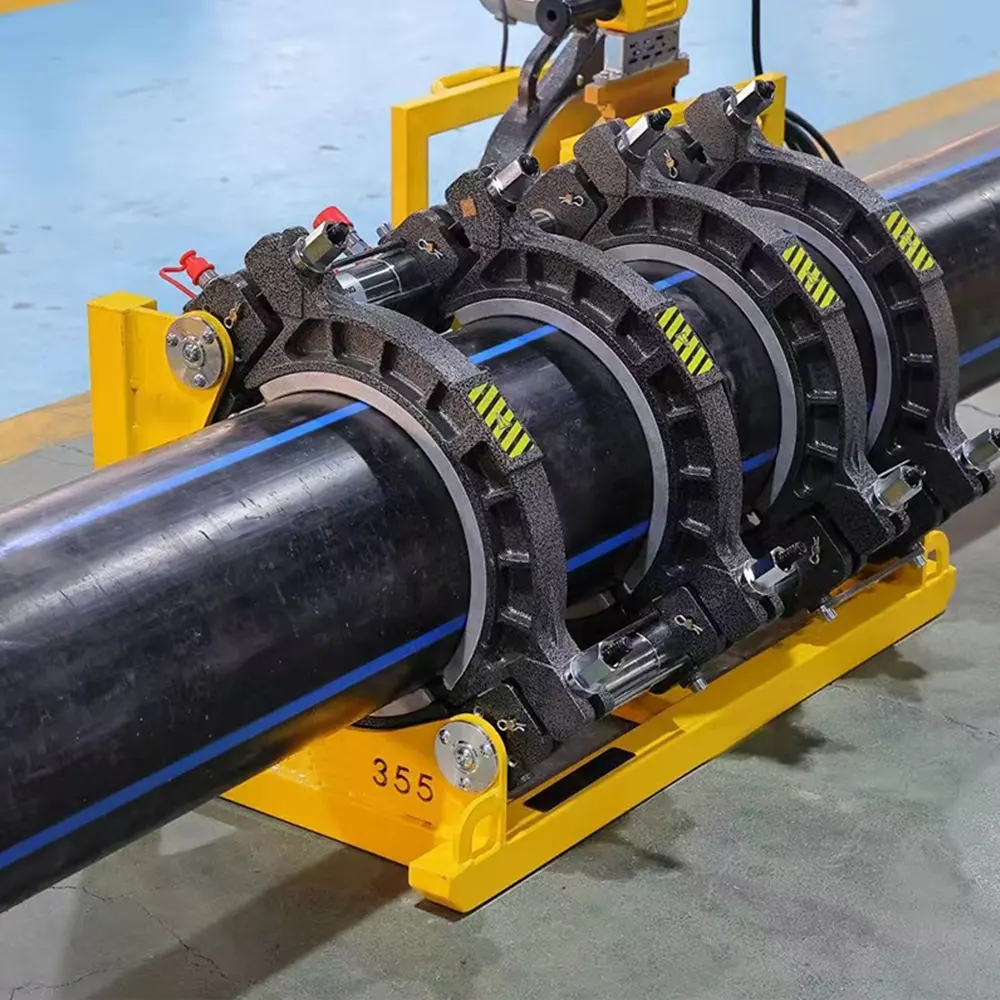
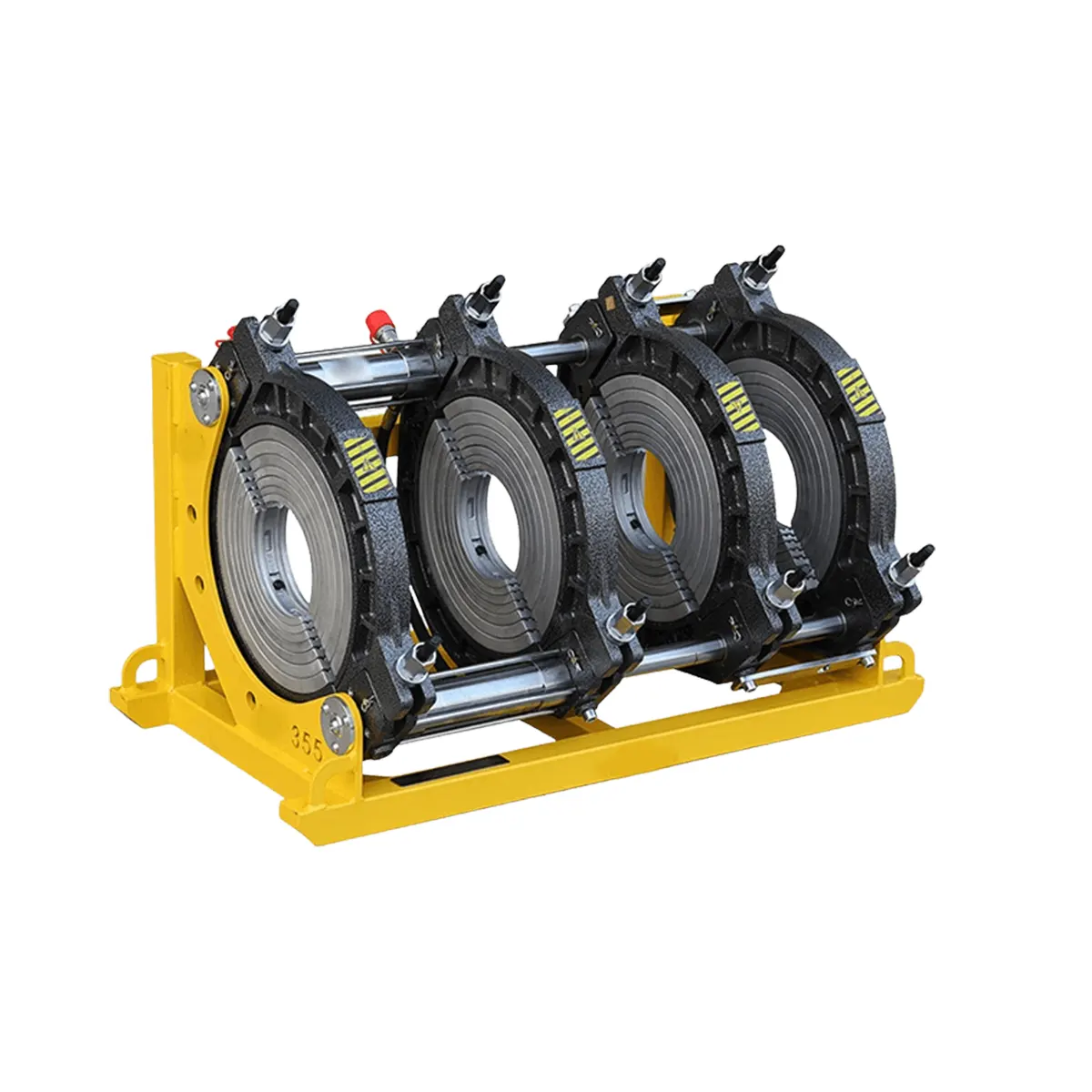
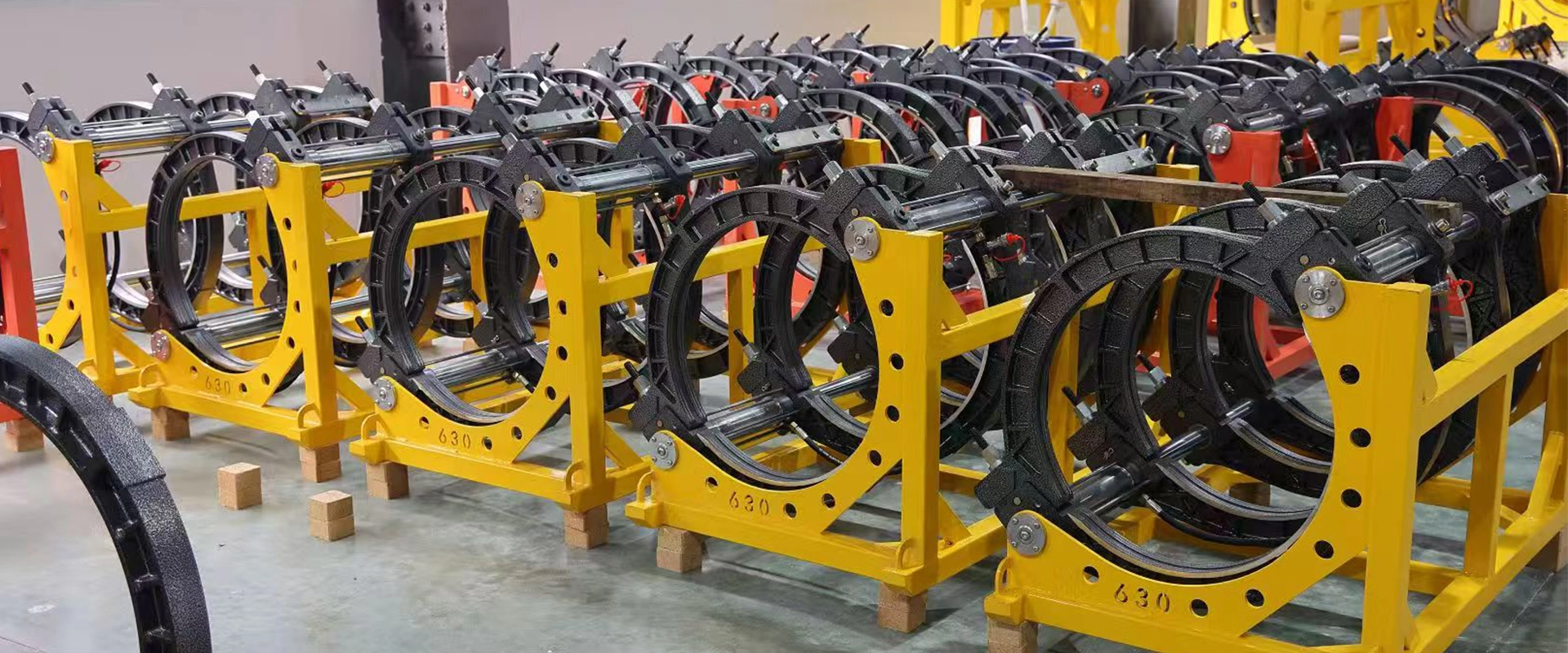
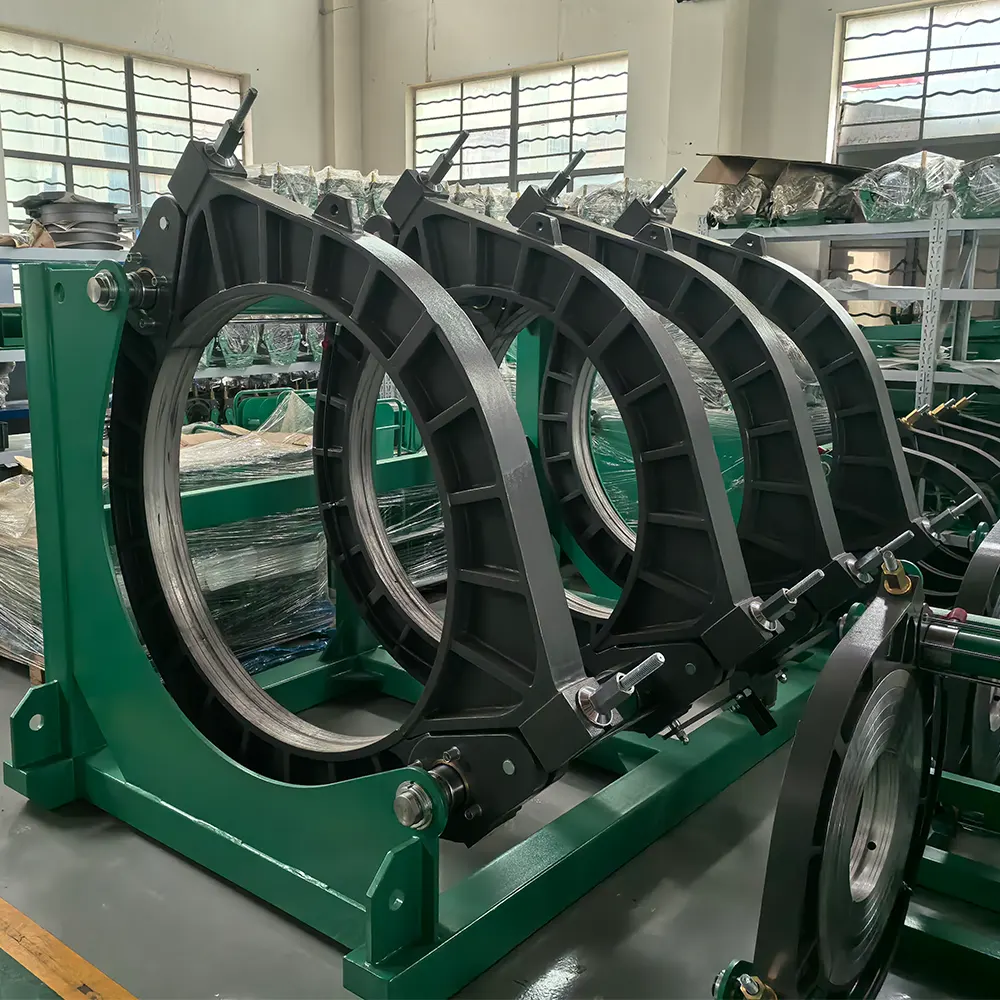
Butt fusion welding is the primary method for joining PE pipes in gas distribution networks. This process involves heating pipe ends to a precise temperature and fusing them under controlled pressure. Modern hydraulic butt fusion welding machines offer automated control systems that monitor and record welding parameters, ensuring compliance with industry standards.
Electrofusion Equipment
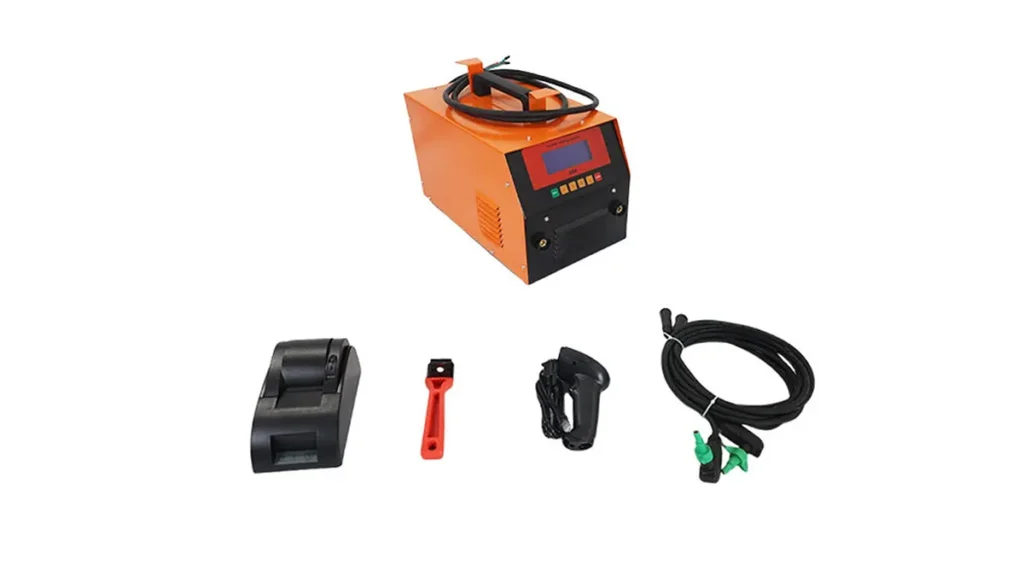
Electrofusion offers an alternative joining method, particularly useful in tight spaces or for repair applications. This technique uses specialized fittings with embedded heating elements that melt and fuse the pipe and fitting together when electrical current is applied. Companies like JQ-Fusion provide reliable electrofusion machines designed specifically for gas pipeline applications, with features that ensure precise energy delivery and joint traceability.
Support Equipment and Tools
- Pipe alignment clamps and stands for proper positioning during welding
- Heating plate temperature calibration devices
- Pipe cutting and facing tools for clean, square edge preparation
- Pressure testing equipment for post-weld integrity verification
- Personal protective equipment (PPE) specific to gas pipeline work environments
Safety Requirements for Pipeline Welding Operations
Safety is the cornerstone of all natural gas pipeline welding activities. The consequences of a failed weld in a gas line can be catastrophic, making rigorous safety protocols non-negotiable. Compliance with ASTM F2620 heat fusion standards is mandatory for ensuring joint quality and operational safety.
| Safety Requirement | Description |
|---|---|
| Hot Work Permits | Required documentation authorizing welding activities in designated areas with fire watch provisions |
| Gas Monitoring | Continuous atmospheric testing for flammable gases before and during welding operations |
| Personal Protective Equipment | Flame-resistant clothing, welding helmets with appropriate shade filters, safety boots, and gloves |
| Pipeline Purging | Inert gas purging of pipelines to remove residual natural gas before welding begins |
| Emergency Response Planning | Pre-established evacuation routes and fire suppression equipment readily available at the worksite |
Beyond these fundamental requirements, welders must maintain current certifications and undergo regular safety training. The PE fusion operator requirements established by ISO provide a framework for qualification programs that validate a welder’s competence before they are permitted to work on live gas infrastructure.
Industry Standards and Certifications
Navigating the regulatory landscape is essential for any gas line welder for natural gas pipelines. Multiple standards govern materials, procedures, and operator qualifications across different jurisdictions. Understanding PE pipe fusion standards helps ensure compliance and consistent joint quality regardless of project location.
Key Standards for Gas Pipeline Welding
- ISO 4437 Series: Covers PE piping systems specifically designed for gaseous fuels supply
- ASTM F2620: Standard practice for heat fusion joining of polyethylene pipe and fittings
- ISO 21307: Establishes butt fusion jointing procedures for PE piping systems
- ASME B31.8: Governs gas transmission and distribution piping systems design and construction
Certification programs validate a welder’s ability to produce sound joints consistently. These typically include both theoretical knowledge assessments and practical welding tests where sample joints undergo destructive and non-destructive evaluation. Maintaining certification often requires periodic re-qualification, ensuring welders stay current with evolving technologies and updated procedures.
Career Development and Continuous Learning
The path to becoming a skilled gas line welder for natural gas pipelines involves ongoing education and practical experience. Many professionals begin with apprenticeship programs that combine classroom instruction with supervised field work, gradually taking on more complex welding tasks as their skills develop.
Experienced welders often pursue specialization in specific areas such as large-diameter transmission pipelines, distribution network maintenance, or emergency repair operations. Each specialization requires additional training and equipment familiarity, but offers opportunities for career advancement and higher compensation. For those seeking comprehensive PPI Handbook of Polyethylene Pipe guidance, the Plastics Pipe Institute provides extensive technical resources covering all aspects of PE pipe joining and installation.
Conclusion
The role of a gas line welder for natural gas pipelines demands a unique combination of technical expertise, safety awareness, and commitment to quality. From mastering ISO 21307 butt fusion procedures to maintaining rigorous safety standards, professionals in this field play a vital role in building and maintaining the energy infrastructure that communities depend on. With the right training, equipment, and dedication to continuous improvement, gas line welders can build rewarding careers while contributing to the safe and reliable delivery of natural gas worldwide.
Related Resources: