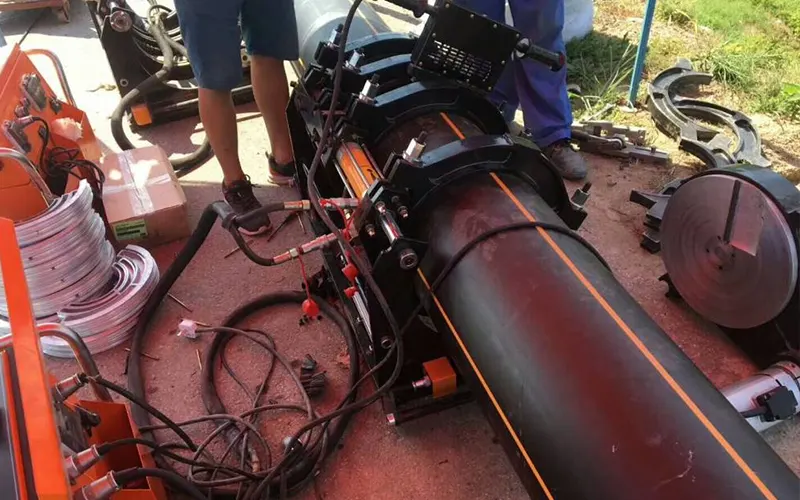
When managing large-scale infrastructure projects, understanding large diameter pipe fusion capacity is critical for ensuring pipeline integrity and long-term service life. Whether you’re working on municipal water supply, gas distribution, or industrial applications, the ability to reliably join HDPE pipes with diameters exceeding 800mm requires specialized equipment, precise technique, and strict adherence to industry standards. This guide explores the essential aspects of large diameter pipe fusion, from machine selection to field execution.
Understanding Large Diameter Pipe Fusion Capacity
Large diameter pipe fusion capacity refers to the maximum pipe size a butt fusion welding machine can effectively clamp, align, face, heat, and join in a single continuous operation. For pipes ranging from 800mm up to 2000mm or more, the fusion process demands substantial hydraulic force, rigid frame construction, and advanced control systems. Unlike smaller diameter welding, large pipe fusion involves heavier wall thicknesses, greater insertion forces, and longer heating and cooling cycles. The capacity of a machine is not just about its opening clearance — it also encompasses clamping force, carriage stroke, and the heating plate’s thermal uniformity across a large surface area.
Projects involving large diameter HDPE pipes — such as water transmission mains, outfall pipelines, and mining slurry lines — rely on fusion joints that match or exceed the pipe’s own tensile strength. A properly executed butt fusion joint on a 1200mm pipe, for example, must withstand decades of internal pressure, soil loads, and environmental stress. This is why selecting equipment with adequate large diameter pipe fusion capacity is a foundational engineering decision, not merely an operational one.
Types of Equipment for Large Diameter Fusion
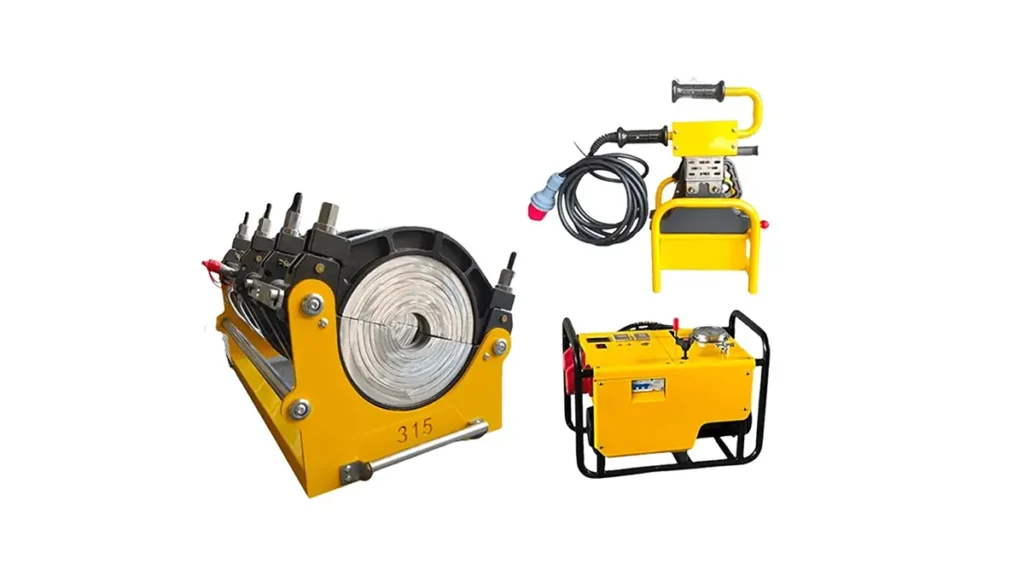
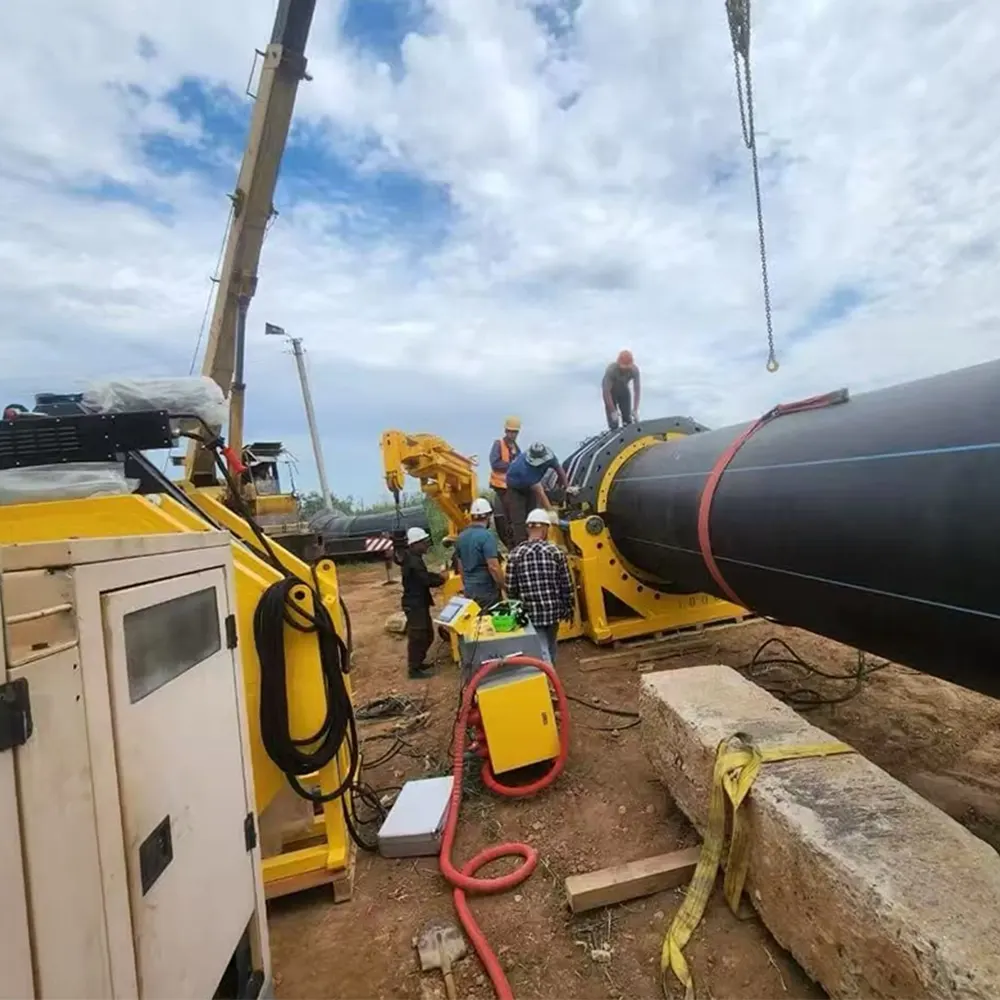
Different fusion machine types offer varying levels of large diameter pipe fusion capacity. The choice depends on pipe size, project scale, and job site conditions. Below is a comparison of the primary equipment categories used in large diameter HDPE welding.
| Equipment Type | Typical Diameter Range | Key Features | Best Application |
|---|---|---|---|
| Hydraulic Butt Fusion Machines | 800mm – 2250mm | High clamping force, removable hydraulic power unit, adjustable carriage | Large diameter water and gas mains, long-distance pipelines |
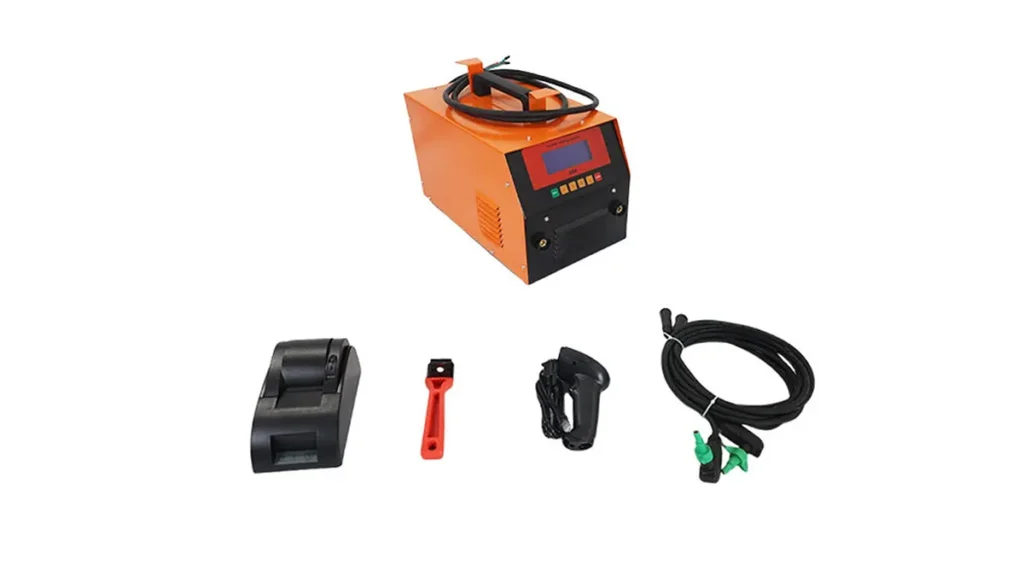
| CNC Automatic Fusion Machines | 160mm – 630mm | Programmable pressure and temperature, data logging, automated cycle | Projects requiring traceability and repeatable fusion parameters |
| Multi-Angle Fitting Machines | 315mm – 1600mm | Angular adjustment for elbows, tees, and segmented bends | Fabrication of large diameter fittings and custom spools |
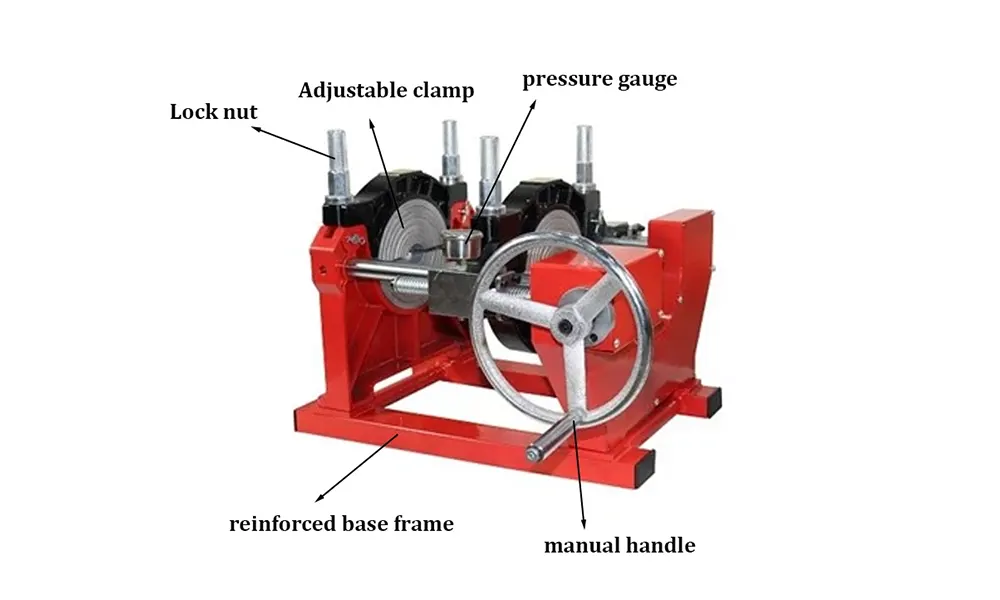
| Manual Butt Fusion Machines | 63mm – 315mm | Lightweight, lever-operated clamping, portable | Smaller diameter laterals, service connections, repair work |
Key Technical Parameters for Large Diameter Welding
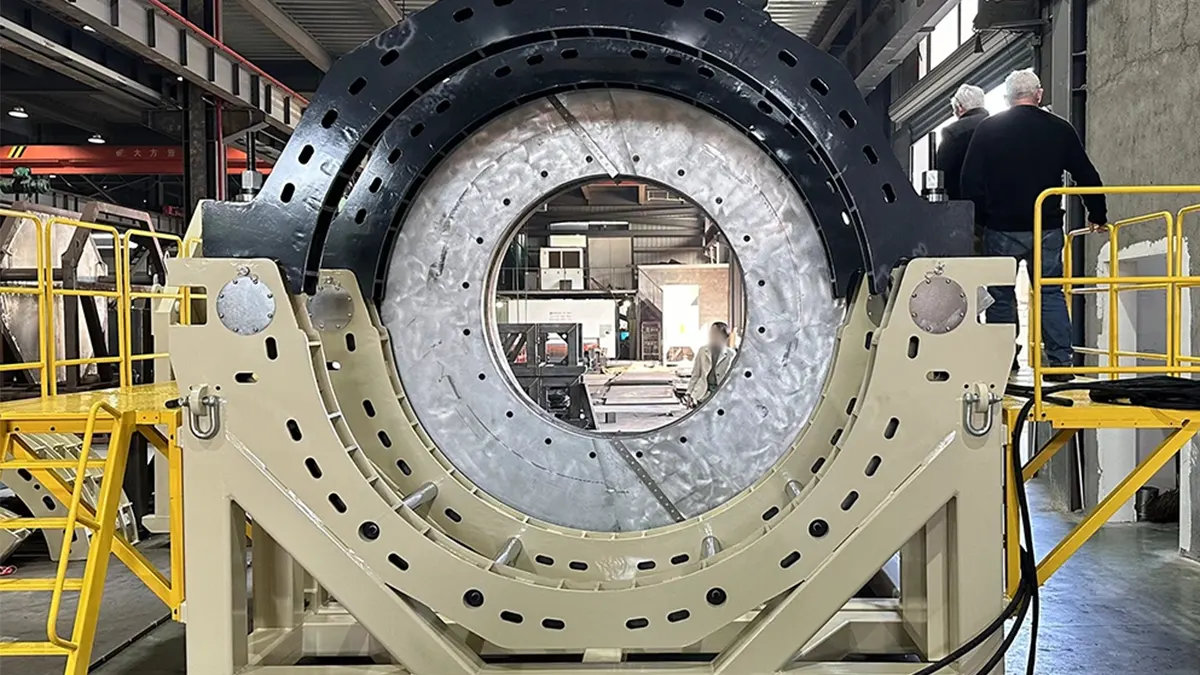
Achieving consistent weld quality on large diameter pipes requires precise control over several ISO 21307 butt fusion procedures parameters. Each variable directly impacts the strength and integrity of the fused joint.
Clamping Force and Alignment
Large diameter pipes require substantial clamping pressure to overcome ovality and ensure perfect axial alignment. The machine frame must resist bending under high loads while maintaining both pipes on the same centerline. Misalignment exceeding 10% of the pipe wall thickness can create stress concentrations that compromise joint performance over time.
Facing and Surface Preparation
Rotary facers on large diameter machines must produce clean, parallel pipe ends without introducing contaminants or thermal damage. The facing operation should continue until a continuous ribbon of material is formed from both pipe ends, confirming complete surface contact. For pipes above 1000mm, dual-drive facer motors are often required to maintain consistent cutting torque across the full face diameter.
Heating Plate Temperature Uniformity
Heating plate performance is one of the most critical factors in large diameter fusion. The plate must maintain a uniform temperature — typically 210°C to 230°C — across its entire surface with a deviation no greater than ±5°C. Cold spots on the plate lead to poor melt quality at the pipe interface, while hot spots risk material degradation. Non-stick PTFE coatings must be intact and free from scratches or residue buildup.
Pressure Control During Fusion Cycle
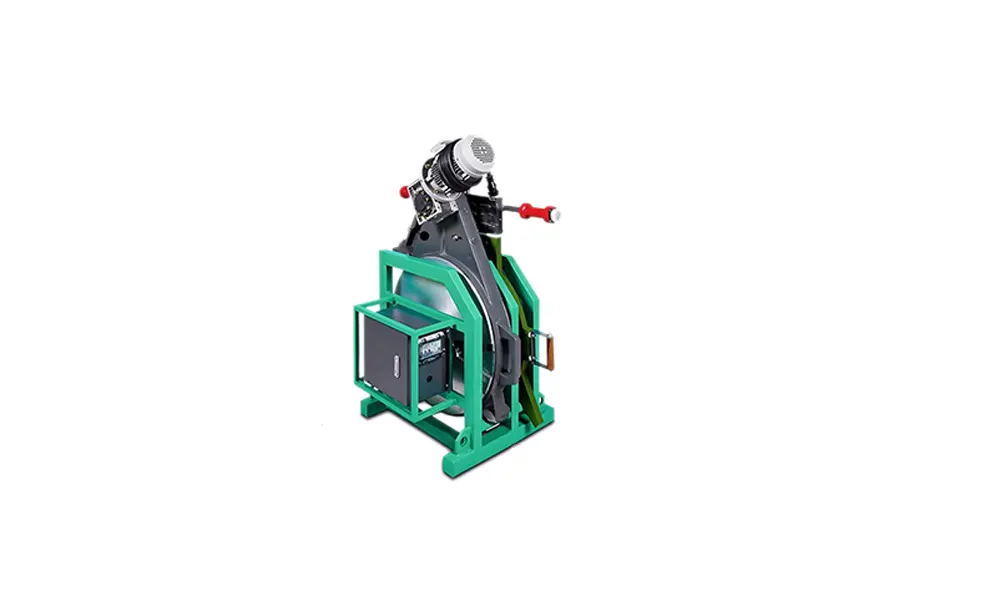
The fusion cycle follows a defined sequence of bead-up, heat soak, heating plate removal, and fusion joining. Proper pressure management ensures the melt pool forms correctly and the final joint achieves the specified bead geometry. For large diameter pipes, the PPI butt fusion procedure recommends specific interfacial pressures based on pipe material grade and wall thickness. Hydraulic systems must deliver consistent, pulsation-free pressure throughout the soak and fusion phases.
Best Practices for Large Diameter Pipe Fusion
Field execution of large diameter fusion joints demands rigorous attention to detail. Below are essential practices that experienced operators follow to maximize large diameter pipe fusion capacity and joint reliability.
- Pre-weld Inspection: Verify pipe ends are clean, dry, and free from oxidation. Inspect the heating plate for surface damage and confirm temperature calibration before each joint.
- Environmental Protection: Shield the fusion area from wind, dust, and precipitation. Sudden temperature drops can adversely affect the cooling rate of large diameter joints.
- Proper Clamping: Ensure clamps engage evenly around the pipe circumference. Use reducer inserts when welding pipes of different wall thicknesses to maintain alignment.
- Controlled Cooling: Allow the joint to cool under pressure for the full specified time. Do not accelerate cooling with water or forced air, as this induces residual stresses.
- Documentation: Record all fusion parameters including date, operator, ambient conditions, heating time, soak pressure, and final bead dimensions for each joint.
- Operator Qualification: Only trained and certified personnel should operate large diameter fusion equipment, in accordance with PE fusion operator requirements and project specifications.
Common Challenges and Solutions in Large Diameter Fusion
Working with large diameter pipes presents unique challenges that differ from smaller diameter operations. Understanding these issues helps project teams prepare effective mitigation strategies.
| Challenge | Root Cause | Recommended Solution |
|---|---|---|
| Incomplete bead formation | Insufficient heat soak time or low heating plate temperature | Verify plate temperature with a calibrated pyrometer; extend soak time per material thickness |
| Excessive melt displacement | Bead-up pressure too high or heating plate temperature excessive | Reduce interfacial pressure during bead-up phase; check temperature controller calibration |
| Pipe slippage in clamps | Worn clamp inserts, insufficient hydraulic pressure, or contaminated clamping surfaces | Clean clamp surfaces; replace worn inserts; verify hydraulic system pressure output |
| Cold fusion joints | Plate removal time too long or pipe ends cooling before joining | Practice rapid plate removal technique; minimize exposure time to ambient conditions |
| Misalignment under load | Frame deflection or uneven ground support | Set up machine on stable, level ground; use support stands for long pipe sections |
Industry Standards and Compliance
Large diameter pipe fusion must comply with internationally recognized standards that govern equipment specifications, joining procedures, and operator qualifications. Key standards include ASTM F2620 heat fusion practices for PE pipe and fittings, which provides detailed guidance on butt fusion jointing procedures. Additionally, PE butt fusion equipment standard ISO 12176-1 defines the performance requirements for fusion machines, ensuring they meet minimum criteria for clamping, facing, heating, and pressure control.
For gas distribution applications, PE gas piping systems under ISO 4437 mandate additional traceability and quality assurance measures. The Plastics Pipe Institute (PPI) also publishes extensive technical notes, including PE butt fusion process documentation that serves as a valuable field reference for contractors.
Selecting Equipment with Adequate Fusion Capacity
Choosing the right machine for your project involves evaluating not only the maximum pipe diameter but also the wall thickness range, operating environment, and production rate requirements. A machine’s large diameter pipe fusion capacity should exceed the largest pipe size in your project scope by a reasonable margin — typically 10% to 15% — to ensure the machine operates within its optimal performance range rather than at its absolute limits.
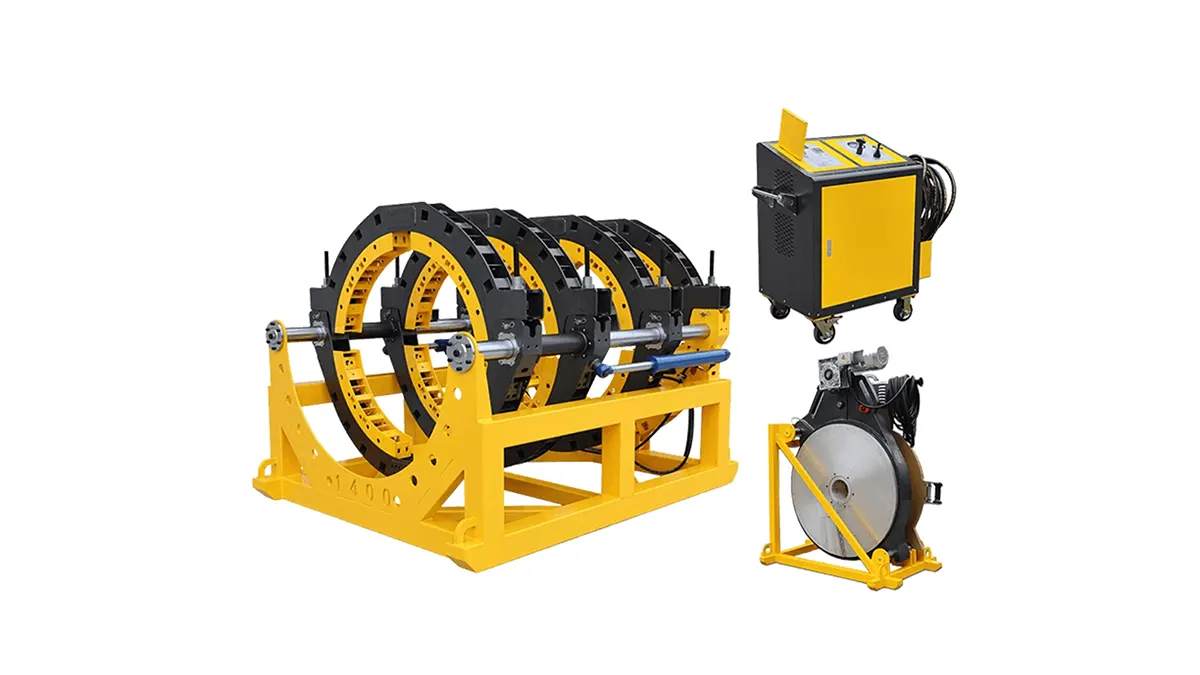
JQ-Fusion manufactures a comprehensive range of hydraulic butt fusion welding machines designed specifically for large diameter applications, with models covering pipe sizes from 800mm to 2250mm. Their equipment features robust steel frames, precision-machined clamp assemblies, and reliable hydraulic systems that deliver the consistent performance required for critical infrastructure projects. When evaluating suppliers, consider factors such as after-sales support, spare parts availability, and the manufacturer’s experience in your specific application sector.
Maintenance and Calibration for Consistent Performance
Maintaining large diameter pipe fusion capacity over time requires a structured maintenance program. Hydraulic oil should be replaced according to the manufacturer’s schedule, and all pressure gauges must be calibrated annually. The heating plate’s temperature distribution should be mapped using a surface thermocouple at regular intervals to detect developing hot or cold zones before they affect weld quality. Facer blades must be sharp and correctly set to produce a clean, square face without introducing chatter marks or excessive material removal.
Regular inspection of clamp inserts, carriage slides, and hydraulic cylinders helps prevent unexpected downtime during critical project phases. Many contractors establish a pre-project equipment certification process that verifies the machine’s fusion capacity through trial welds and destructive testing before mobilizing to the job site.
Conclusion
Understanding and properly applying large diameter pipe fusion capacity is essential for the success of major pipeline projects. From selecting hydraulic machines with sufficient clamping force to controlling heating plate temperatures and following standardized procedures, every element contributes to joint integrity and long-term system performance. By adhering to industry best practices and maintaining equipment in peak condition, contractors can achieve reliable, high-strength fusion joints on even the largest HDPE pipes, ensuring pipeline networks that serve communities and industries for decades.