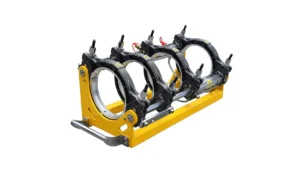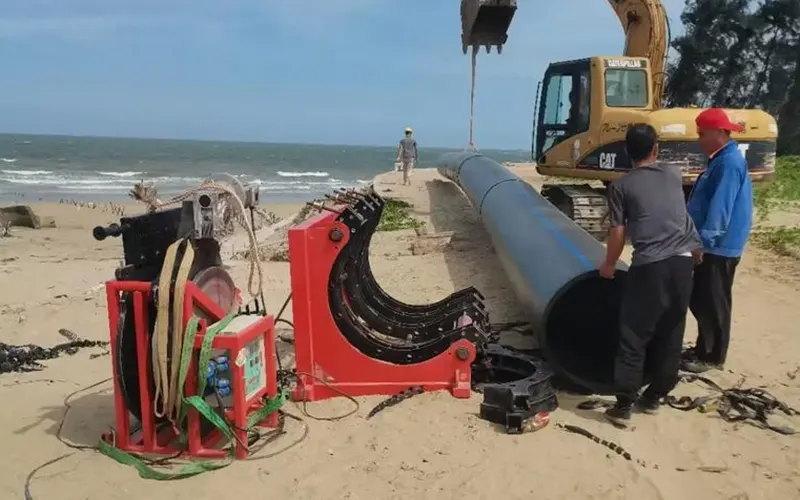
Working with SDR21 HDPE pipe requires a precise understanding of its dimensional characteristics and how they influence the welding process. The Standard Dimension Ratio (SDR) of 21 indicates a specific wall thickness relative to the outer diameter, making it a popular choice for low-pressure applications. Achieving a leak-free, durable joint in this material demands strict adherence to proven methods, the use of calibrated tools, and a commitment to industry best practices.
Primary Fusion Methods for SDR21 HDPE Pipe
The tight tolerances of HDPE pipe welding SDR21 make butt fusion and electrofusion the only recommended techniques for creating permanent, monolithic joints. The thin wall profile demands careful parameter management to prevent cold welds or excessive melt intrusion. Selecting the correct method depends on the installation environment and pipe diameter.
- Butt Fusion Welding: This remains the most economical method for joining long runs of SDR21 pipe. The process involves heating the pipe ends against a precision flat plate and then pressing them together. Because of the thinner wall compared to SDR11 or SDR17, the butt fusion drag pressure must be minimized to avoid cold interfaces.
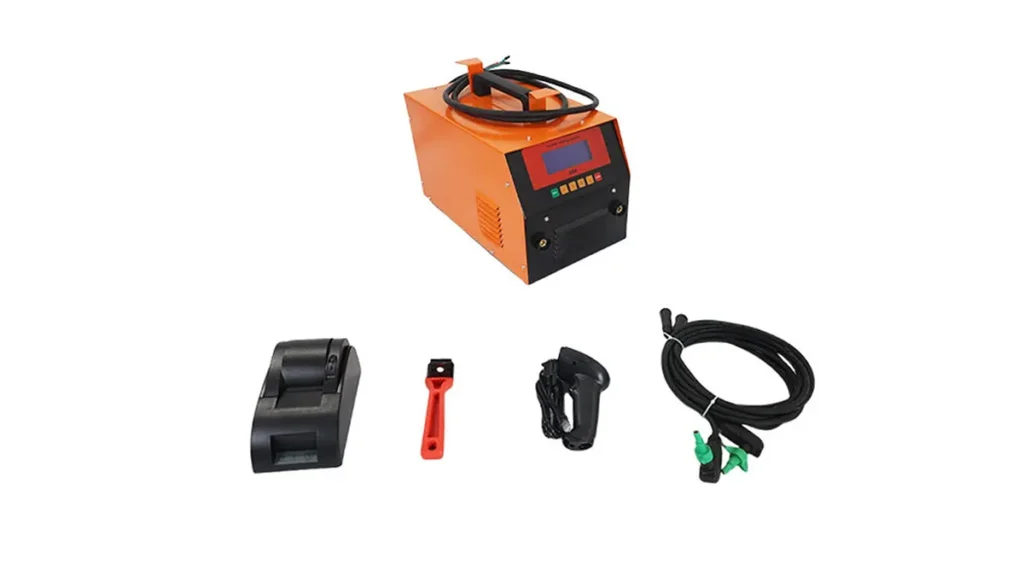
- Electrofusion Welding: Ideal for repairs or tie-ins where axial movement is restricted. Specialized couplers with embedded heating coils melt the outer surface of the SDR21 pipe. This method provides superior consistency under varying field conditions but requires strict adherence to scrape and clean protocols to remove the oxidized layer.

Essential Welding Tools and Equipment Checklist
High-quality joints on SDR21 HDPE pipe cannot be achieved without properly maintained tools and calibrated machinery. The equipment must generate precise interfacial pressures and maintain stable fusion temperatures. Below is a comparison of essential equipment categories used by professional contractors.
| Equipment Type | Key Role | Critical Check |
|---|---|---|
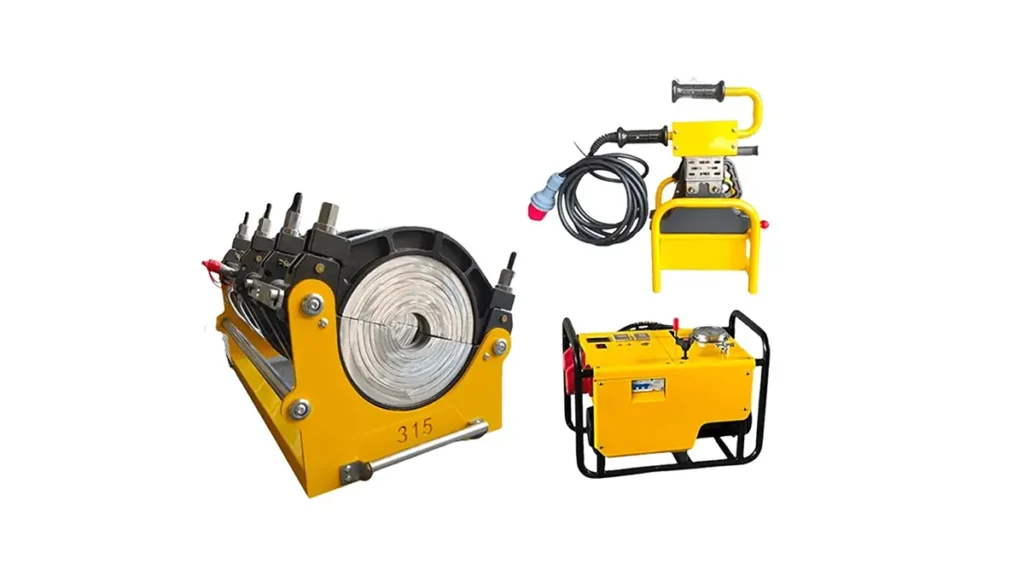
| Hydraulic Power Unit | Provides consistent carriage force | Verify pressure gauge calibration |
| Fusion Heater Plate | Heats pipe ends to 220°C (428°F) | Check surface temperature uniformity with a pyrometer |
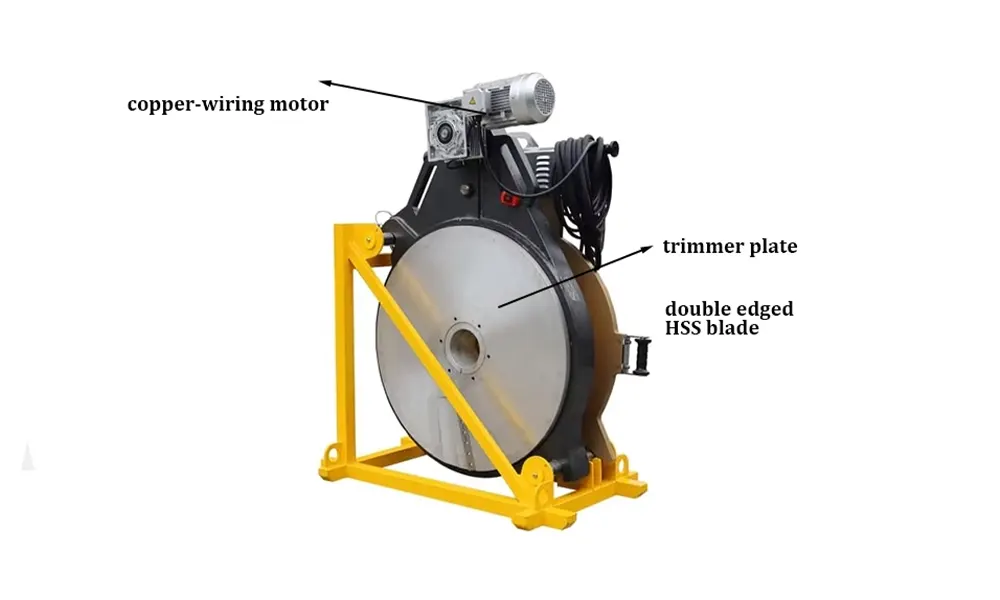
| Rotary Trimmer | Removes oxidized surface to create square ends | Inspect blade sharpness and alignment |
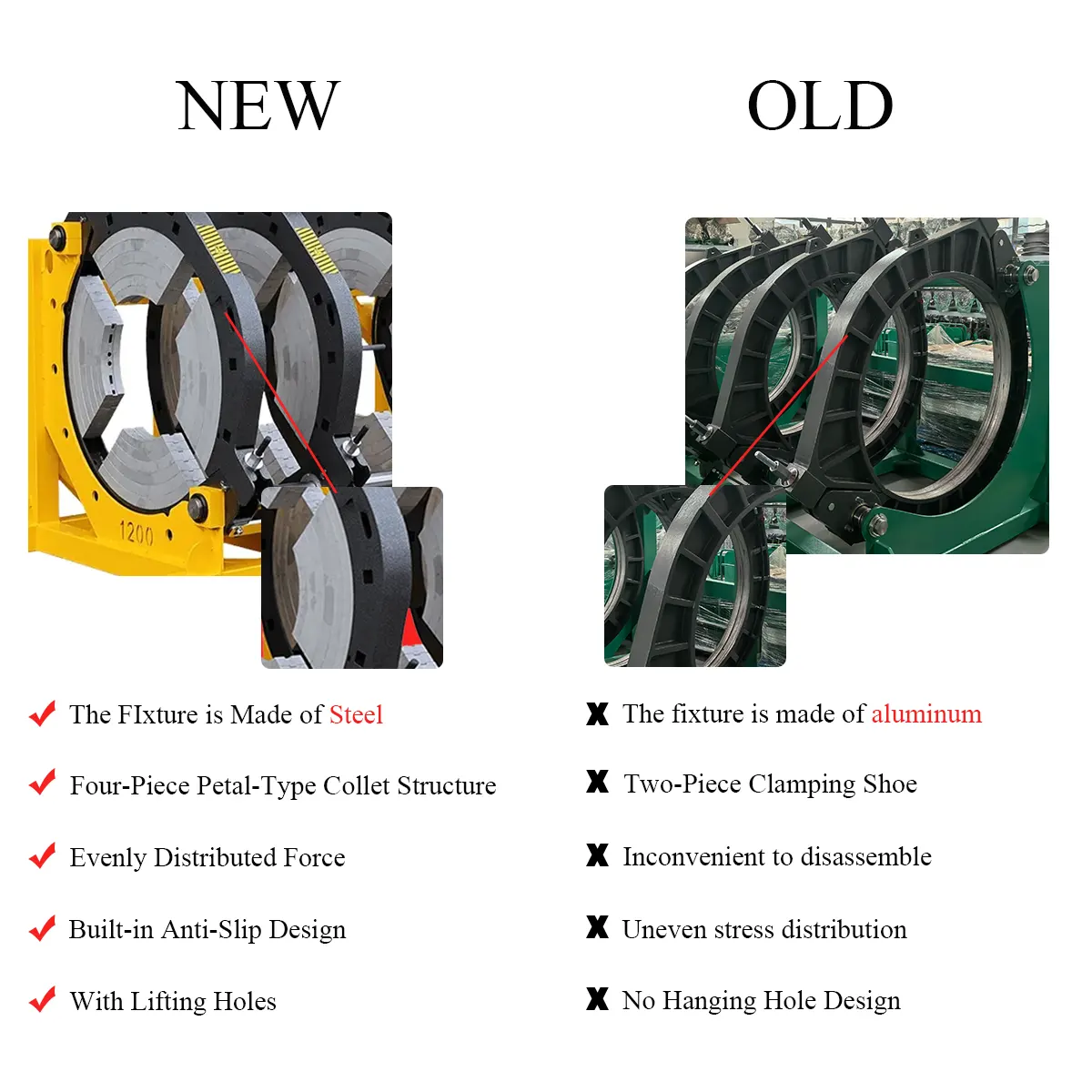
| Clamps and Inserts | Secure and align the pipe | Ensure correct insert size to prevent puncturing SDR21 wall |
Best Practices for High-Integrity Welds
To achieve a service life exceeding 50 years, every step of the HDPE pipe welding SDR21 procedure must be documented and executed with precision. Failing to account for environmental factors like wind chill or sun exposure can lead to pre-cooling and joint failure.
- Clamping Strategy: Use appropriate reduction inserts to securely hold the pipe without causing scoring. Misalignment greater than 10% of the pipe wall thickness is unacceptable.
- Facing the Pipe: Continuously trim the ends until a continuous, clean ribbon of material is produced. The gap between the faced pipe ends must not exceed 0.5 mm before heating.
- Heat Soak Timing: Adhere strictly to the ISO 21307 butt fusion procedures. The bead-up size must be monitored as an indicator of correct interfacial pressure.
- Cooling Cycle: Do not accelerate the cooling process. The joint must cool naturally to ambient temperature under holding pressure to ensure molecular entanglement.
- Data Recording: Utilize data logging capabilities included in modern CNC automatic welding machines for traceability and quality assurance.
Calculating Key Welding Parameters
Unlike thicker SDR ratings, SDR21 has a significantly smaller fusion area. This means that standard pressure calculations must be adjusted. The interfacial pressure is typically set at 0.15 MPa (1.5 bar) for standard PE100 material. However, the force required on the machine is a function of the cross-sectional area of the pipe wall.
Operators should always calculate the required drag and fusion pressures before the heating cycle begins. Using a hydraulic butt fusion machine with a digital control interface simplifies these calculations and reduces the margin for human error.
| Parameter | SDR21 Adjustment | Standard Reference |
|---|---|---|
| Bead Width | Narrower bead required due to thin wall | ASTM F2620 heat fusion |
| Heater Plate Temp | Standard 210°C – 230°C (no adjustment needed) | ISO 12176-1 |
| Machine Force | Lower setting to prevent thinning | Manufacturer’s Gauge |
Selecting a Reliable Welding Machine
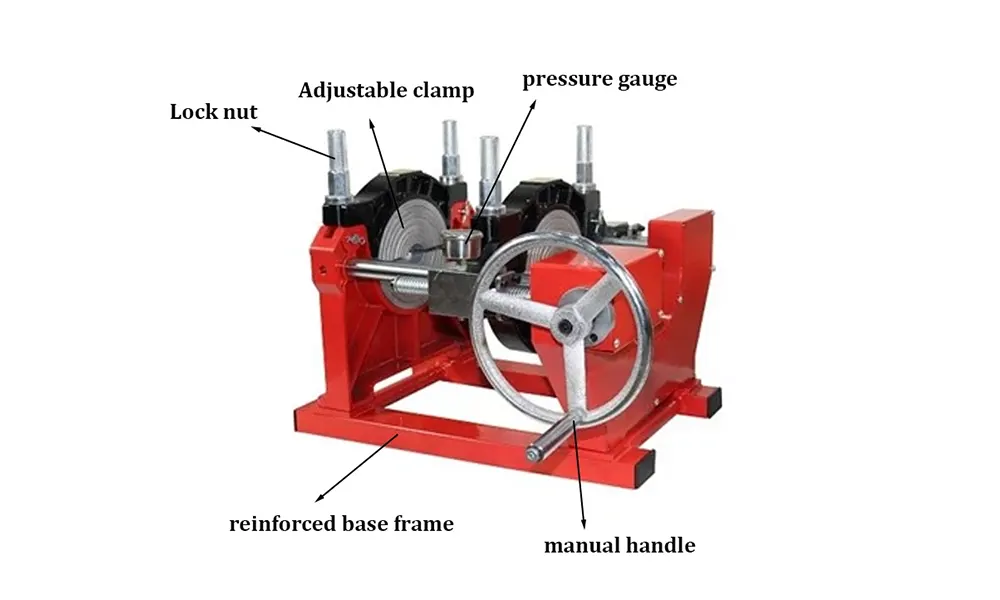
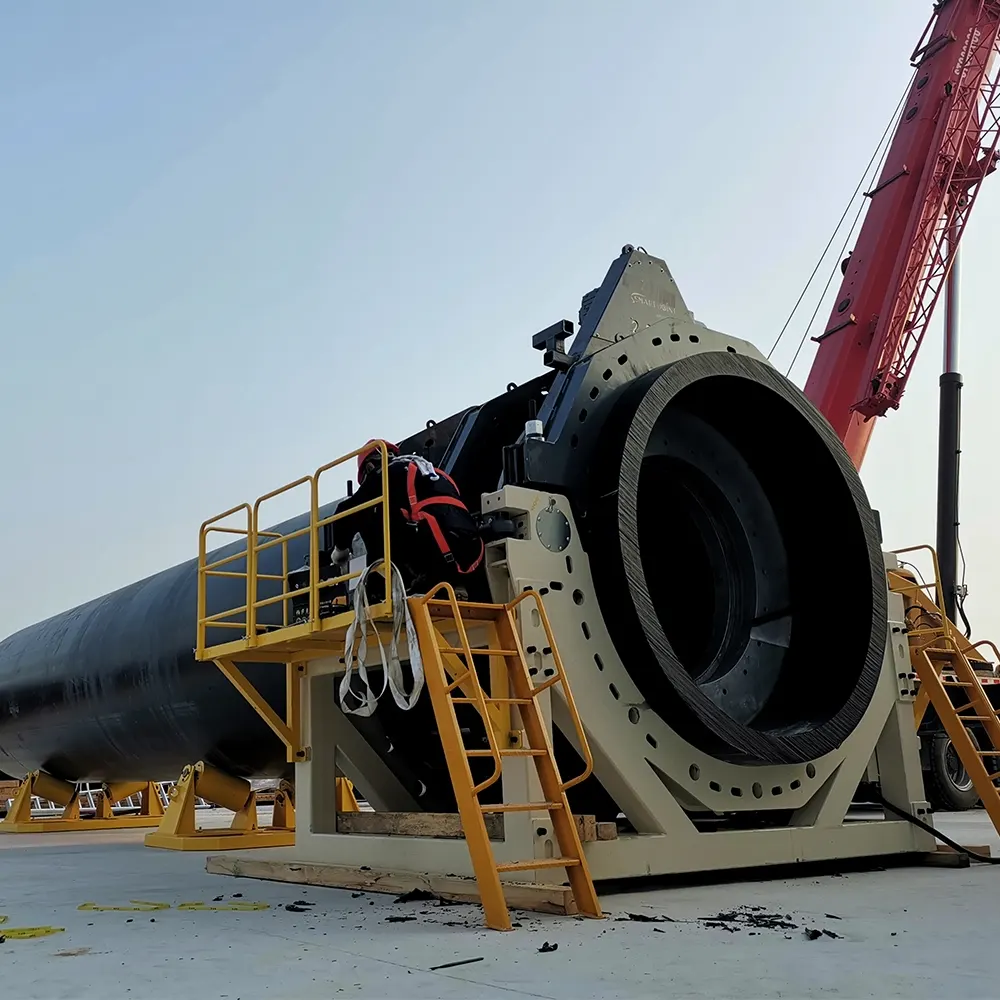
The quality of the weld is directly proportional to the precision of the machine. When sourcing equipment for HDPE pipe welding SDR21, look for rigid frames that prevent deflection during high-pressure cycles. For projects requiring high mobility, manual butt fusion welding machines with lightweight aluminum clamps offer an excellent strength-to-weight ratio, while large-scale installations benefit from the automation of CNC systems.
Suppliers like JQ-Fusion provide a wide range of compatible equipment, from compact manual butt fusion machines to heavy-duty hydraulic rigs designed for high-volume infrastructure pipelines, ensuring that operators can maintain uniform parameters across the entire weld joint.
Visual Inspection and Quality Control
Post-weld inspection is the final, non-negotiable step. For SDR21 pipe, the visual appearance of the external bead provides significant insight into the fusion integrity. The bead should be symmetrical and uniform, with the valley between the beads located precisely at the center of the joint.
- Inspect for contamination: Brown or black specks in the bead indicate oxidized or dirty surfaces.
- Check alignment: Any offset in the dual external beads suggests high-low misalignment during clamping.
- Bend-back test: Subjecting a test coupon to a bend-back test is a destructive but reliable verification of PE butt fusion process integrity.