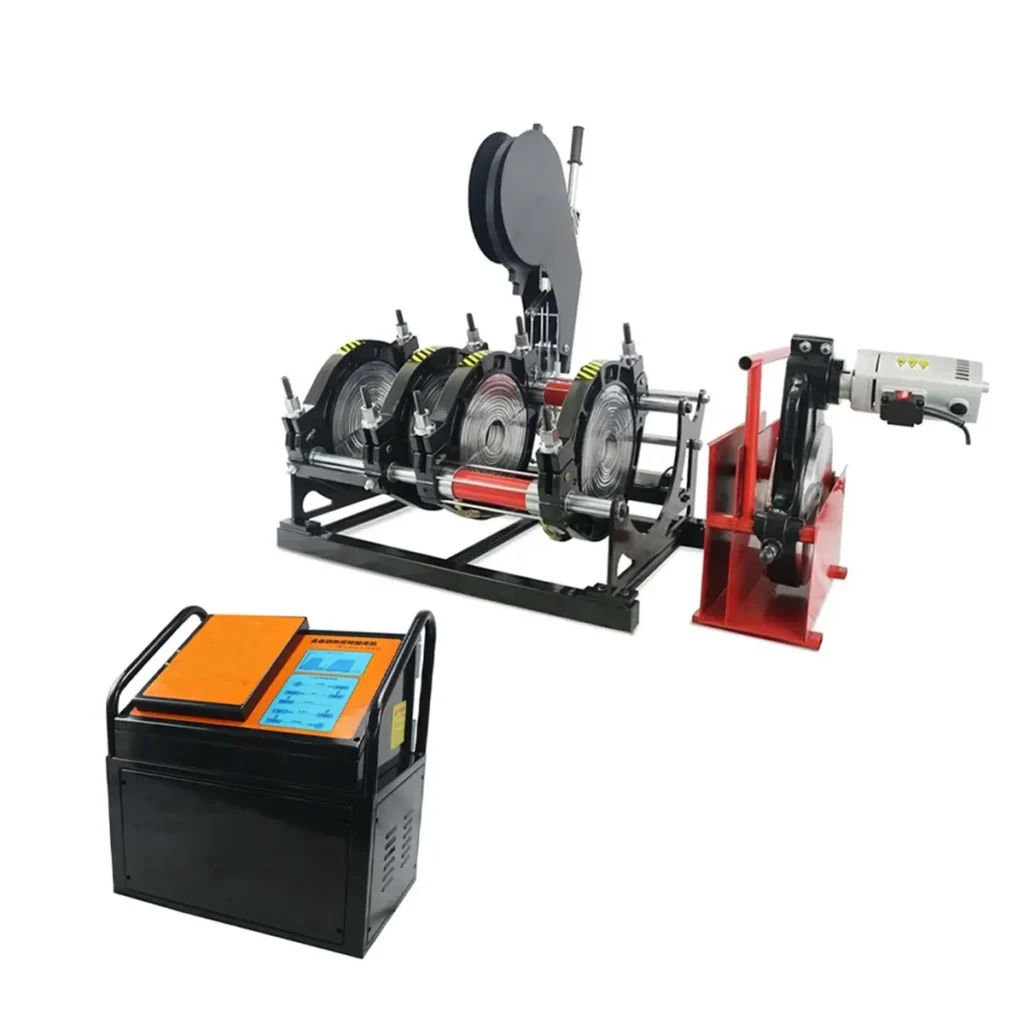
In modern pipeline construction, the HDPE fusion machine control system serves as the brain behind every successful weld. Whether you are working on municipal water supply networks, gas distribution lines, or industrial fluid transport, the precision, repeatability, and data integrity of your fusion joints depend almost entirely on how well your machine’s control system operates. A poorly controlled heating cycle or inconsistent pressure application can lead to joint failure, costly repairs, and serious safety hazards. Understanding the core features, benefits, and selection criteria for these control systems is essential for contractors, project managers, and procurement specialists who demand reliable, high-integrity pipeline connections.
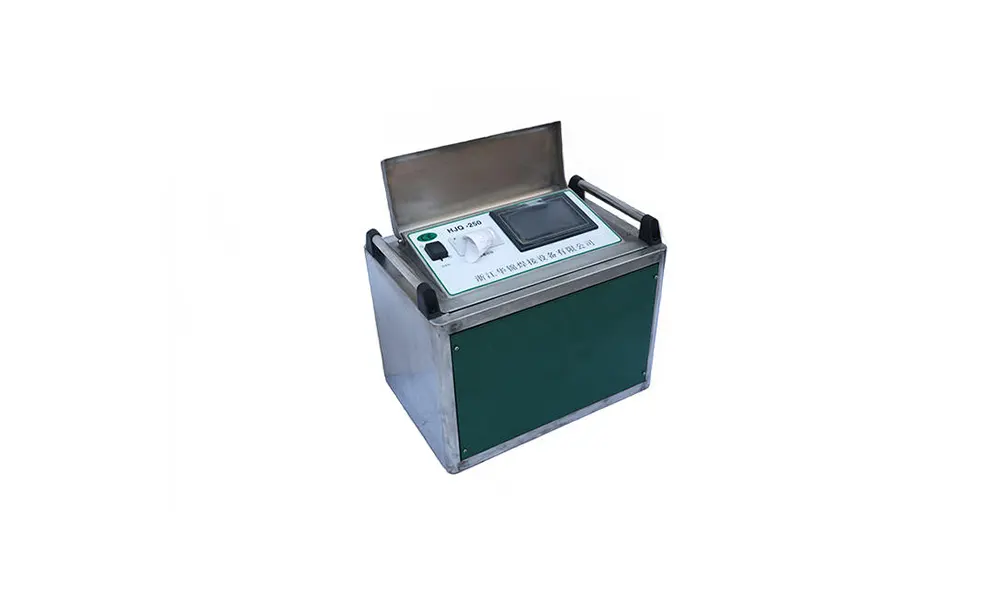
What Makes an HDPE Fusion Machine Control System Critical
At its core, a butt fusion welding process involves four key stages: heating, heat soak, heater plate removal, and fusion joining under pressure. Each of these stages requires precise control over temperature, time, and force. The HDPE fusion machine control system manages these variables through sensors, hydraulic or mechanical actuators, and increasingly, digital microprocessor-based interfaces. Without accurate control, even minor deviations in heating temperature or fusion pressure can compromise the structural integrity of the joint, leading to leaks or catastrophic failures over time.
According to ISO 21307 butt fusion procedures, maintaining consistent interfacial pressure during the cooling phase is one of the most critical factors for achieving a homogeneous, high-strength bond. A robust control system ensures that these parameters are not only met but also recorded for quality assurance purposes.
Types of Control Systems in HDPE Fusion Machines
Different project scales and pipe diameters call for different levels of control sophistication. The three primary categories of HDPE fusion machine control systems each serve distinct operational needs.
Manual Control Systems
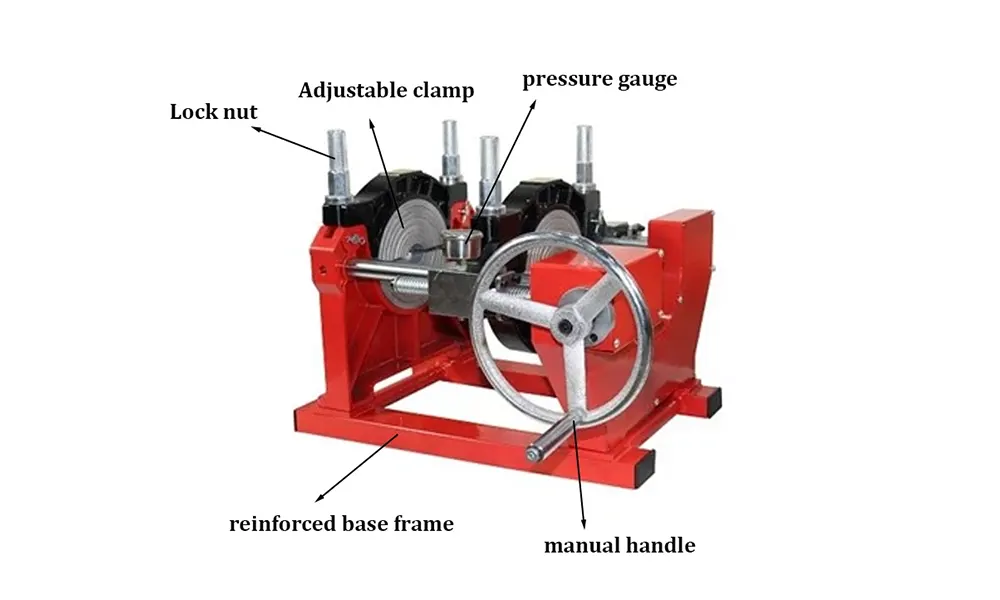
Manual control systems rely on the operator’s experience to set heating temperatures, apply fusion pressure, and time each phase. These systems are common in manual butt fusion welding machines designed for smaller diameter pipes, typically up to 315mm. The operator manually engages levers or hand wheels to bring the pipe ends together against the heater plate and subsequently apply fusion force. While cost-effective and straightforward to maintain, manual systems demand skilled operators and offer limited data logging capabilities. They are best suited for low-volume work, field repairs, or regions where digital infrastructure is less developed.
Hydraulic Control Systems
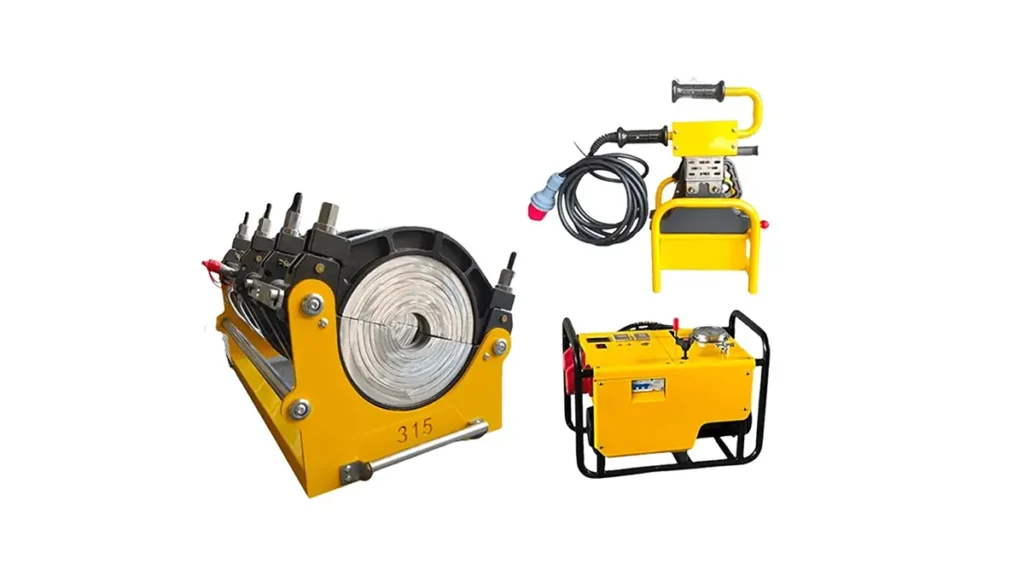
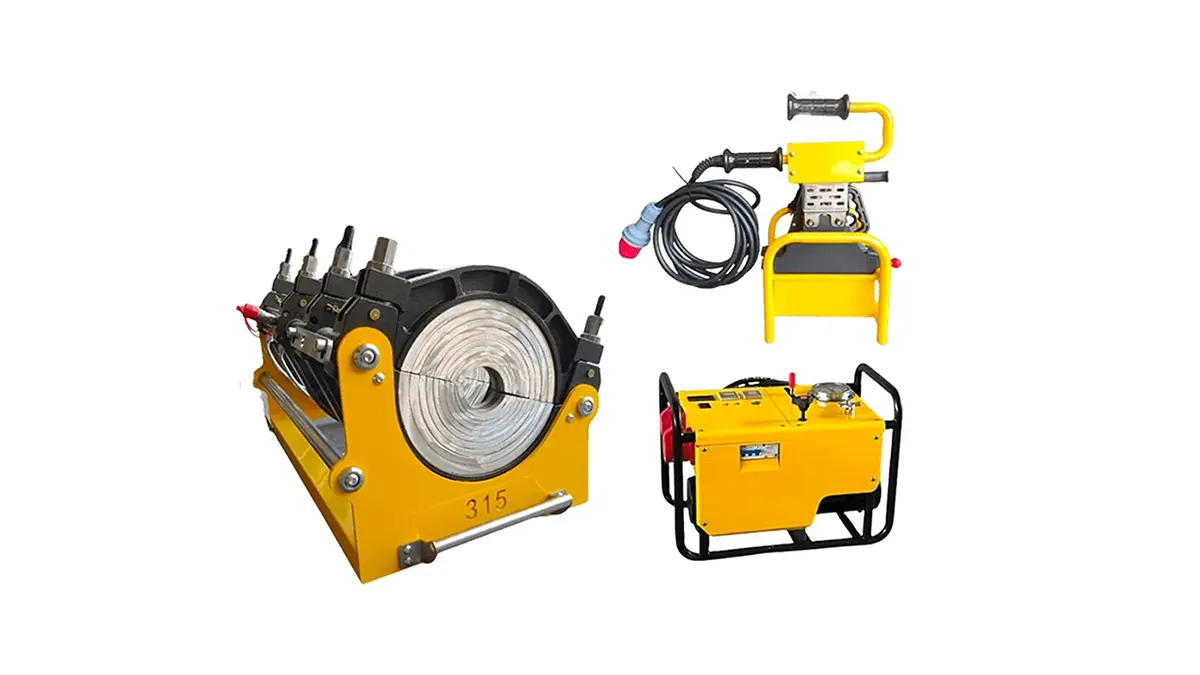
Hydraulic control systems introduce powered assistance, using a hydraulic power unit to generate and regulate pressure. These systems are widely used for medium to large diameter pipes, ranging from 200mm up to 2500mm. The operator still initiates and monitors the process, but the hydraulic circuit maintains consistent pressure automatically, reducing physical strain and improving weld repeatability. Many modern hydraulic machines incorporate basic digital displays that show real-time pressure readings and heater plate temperatures. The hydraulic HDPE fusion machine control system strikes a balance between affordability and performance, making it a popular choice for infrastructure projects worldwide.
CNC Automatic Control Systems
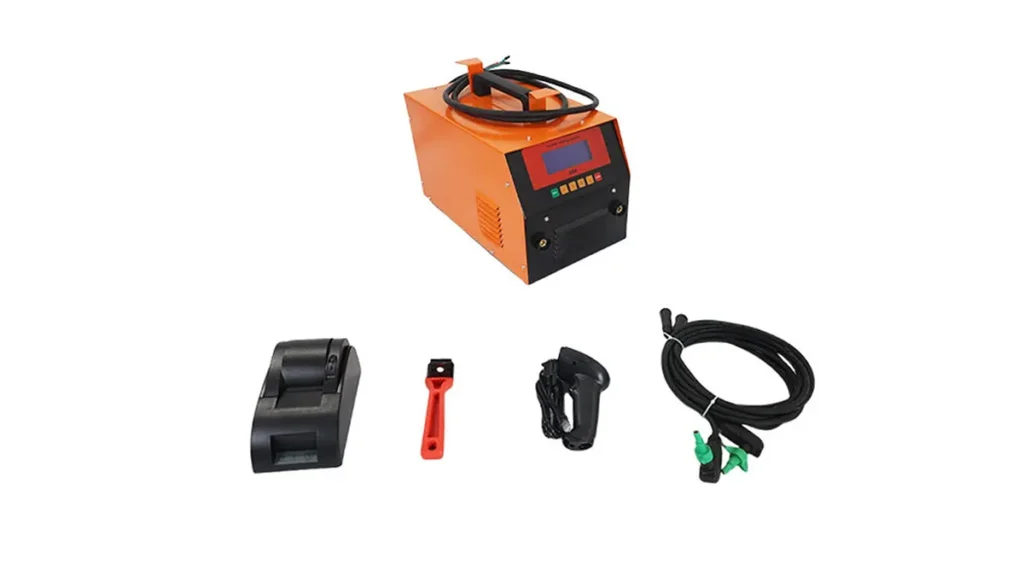
CNC automatic systems represent the highest level of control sophistication in HDPE pipe welding. These systems utilize programmable logic controllers (PLCs) and touch-screen interfaces to automate the entire fusion cycle. The operator inputs pipe specifications such as diameter, wall thickness, and material grade, and the machine calculates the optimal parameters based on pre-loaded profiles aligned with ASTM F2620 heat fusion standards. All critical data—temperature curves, pressure profiles, soak times, and cooling durations—are logged and can be exported for project documentation. These automatic butt fusion machine control systems minimize human error, maximize joint consistency, and are essential for large-scale gas and water distribution projects where traceability is mandatory.
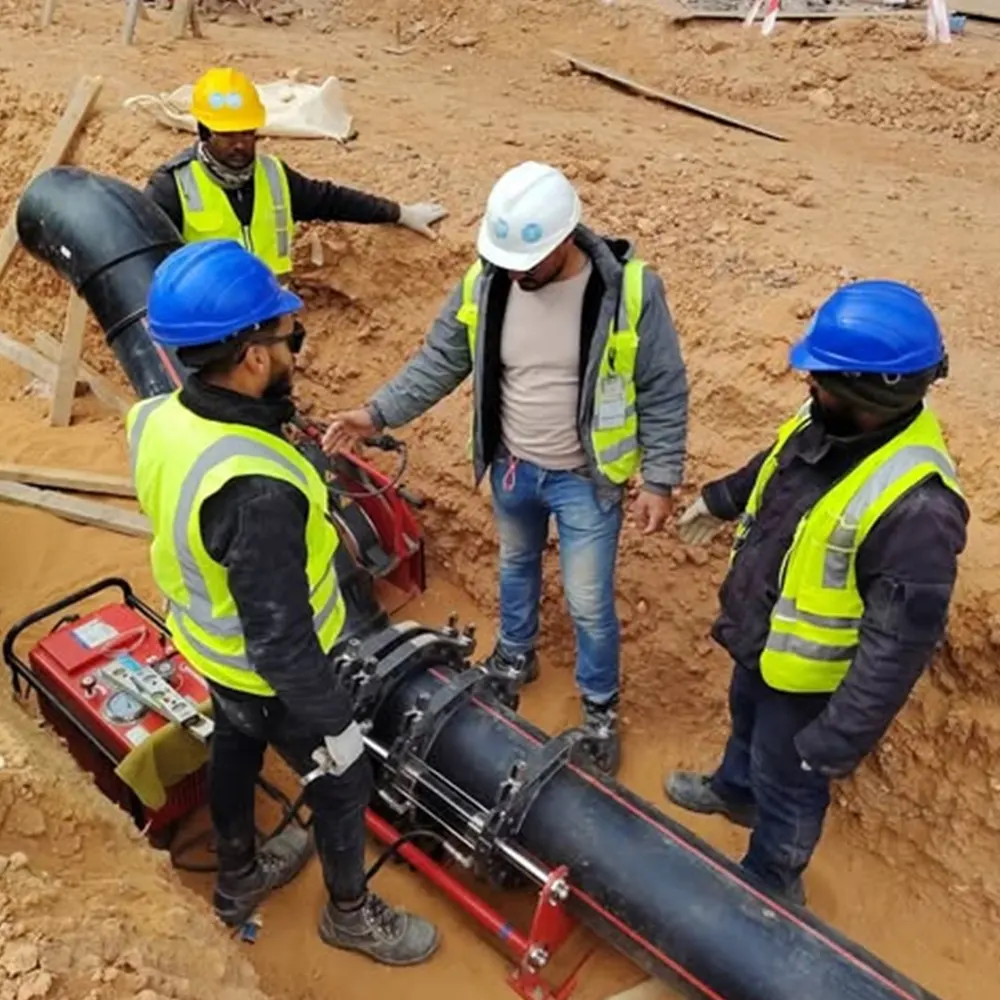
Key Features to Evaluate in a Control System
When evaluating different HDPE fusion machine control systems, several technical features directly impact weld quality and operational efficiency. The table below summarizes the most important aspects to consider before making a purchasing decision.
| Feature | Manual Control | Hydraulic Control | CNC Automatic Control |
|---|---|---|---|
| Temperature Regulation | Manual dial setting | Digital thermostat with display | Precision PID control with real-time monitoring |
| Pressure Management | Manual lever operation | Hydraulic regulation with gauge | Servo-driven automatic pressure profiling |
| Data Logging | None or manual record-keeping | Basic time and temperature records | Comprehensive logs with USB export capability |
| Operator Dependency | High | Moderate | Low |
| Pipe Diameter Range | Up to 315mm | 200mm to 2500mm | 160mm to 630mm and larger |
| Best Application | Small projects and field repairs | Medium to large infrastructure works | Critical gas and water mains with traceability requirements |
How to Choose the Right HDPE Fusion Machine Control System
Selecting the appropriate HDPE fusion machine control system requires a careful assessment of your project’s specific requirements. Here are the key factors to guide your decision-making process.
Project Scale and Pipe Specifications
Begin by evaluating the diameter range and wall thickness of the pipes you will be joining. For small-diameter pipes under 315mm, a manual or basic hydraulic system may suffice. However, for large-diameter pipes exceeding 800mm, a sophisticated hydraulic or CNC system becomes essential to maintain consistent fusion pressure across the entire joint surface. Thicker walls require longer soak times and more precise heat control, making automatic systems advantageous.
Regulatory and Quality Compliance Needs
Projects governed by standards such as PE butt fusion equipment standard ISO 12176-1 often mandate traceable welding records. If your work involves natural gas pipelines or potable water systems subject to third-party inspection, a CNC automatic control system with comprehensive data logging is not merely a luxury—it is a necessity. These systems generate tamper-proof records that demonstrate compliance with specified fusion parameters for every single joint.
Operator Skill Availability
In regions where experienced fusion technicians are readily available, manual and hydraulic systems can deliver excellent results at lower capital costs. Conversely, if you anticipate high operator turnover or are deploying machines across multiple sites with varying skill levels, investing in an automatic control system reduces training burdens and minimizes the risk of human error. The system’s built-in intelligence ensures that each weld meets the required standards regardless of who is operating the machine.
Data Management and Integration Requirements
Modern infrastructure projects increasingly demand digital documentation of every construction activity. A CNC HDPE fusion machine control system can export weld logs in formats compatible with project management software, GIS platforms, and asset management databases. This capability streamlines handover documentation and supports long-term operational integrity management. For projects where such digital integration is required, manual systems cannot meet the need.
Total Cost of Ownership Considerations
While CNC automatic machines command a higher initial purchase price, the total cost of ownership often proves lower over the equipment’s service life. Reduced rework rates, faster cycle times, lower operator fatigue, and simplified quality documentation all contribute to measurable savings. For contractors bidding on competitively tendered infrastructure projects, the productivity gains from an automatic butt fusion machine can provide a significant competitive advantage.
Benefits of Investing in an Advanced Control System
Upgrading to a modern HDPE fusion machine control system delivers tangible benefits that extend well beyond the welding process itself. Here are the primary advantages that project stakeholders consistently report.
- Superior Joint Integrity: Precise control over heating temperature and fusion pressure ensures that every joint achieves the specified strength requirements, reducing the risk of premature failures in service.
- Enhanced Productivity: Automated cycles minimize idle time between welds and allow operators to focus on pipe handling and alignment rather than manual parameter adjustments.
- Complete Traceability: Digital records provide verifiable proof that each joint was executed according to approved procedures, satisfying auditor requirements and supporting warranty claims.
- Reduced Operator Fatigue: Hydraulic and automatic systems eliminate the physical exertion of manual pressure application, particularly important when welding large-diameter pipes over extended shifts.
- Consistency Across Teams: Standardized control parameters ensure that different crews produce identical weld quality, facilitating multi-site project execution with uniform results.
Standards Driving Control System Development
The evolution of HDPE fusion machine control systems has been significantly influenced by international standards and industry best practices. These frameworks establish the minimum performance requirements that control systems must meet to be considered suitable for critical applications.
The HDPE pipe fusion equipment guidance from PE100+ emphasizes the importance of maintaining interfacial pressure within tight tolerances throughout the cooling cycle. Modern control systems achieve this through closed-loop feedback mechanisms that continuously monitor and adjust pressure based on real-time sensor data. The integration of such capabilities has elevated the reliability of butt fusion joints to levels where they are now considered the preferred joining method for high-consequence pipeline systems globally.
Standards published by ASTM International and the International Organization for Standardization continue to evolve, incorporating lessons learned from decades of field performance data. As these standards become more stringent, the role of advanced control systems in achieving compliance becomes increasingly central to equipment selection decisions.
Making the Right Investment for Your Pipeline Projects
Choosing the correct HDPE fusion machine control system is a strategic decision that affects project timelines, budget outcomes, and long-term pipeline performance. By carefully matching the control technology to your pipe size range, regulatory environment, operator skill base, and documentation requirements, you can select equipment that delivers dependable results over thousands of welds. As pipeline infrastructure demands continue to grow across water, gas, and industrial sectors, the importance of precise, verifiable fusion control will only increase.
For organizations seeking reliable butt fusion and electrofusion equipment backed by responsive technical support, JQ-Fusion offers a comprehensive range of manual, hydraulic, and CNC automatic machines designed to meet diverse project requirements. With rigorous quality control processes and a commitment to customer service, the company supports contractors and distributors worldwide in achieving efficient, high-integrity pipe welding outcomes. Explore the full product lineup or contact the team to discuss your specific project needs.