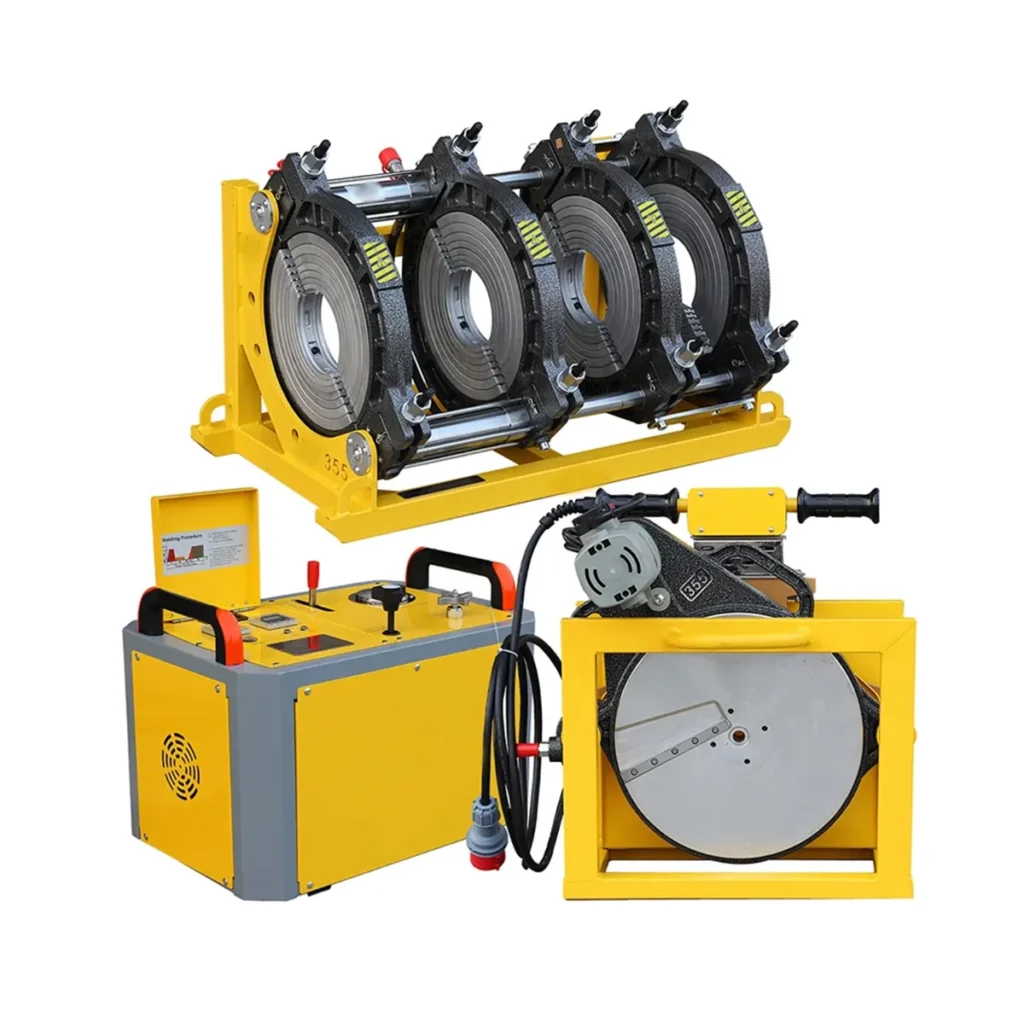
High-density polyethylene (HDPE) pipes with an SDR17 rating are among the most widely used pressure-rated piping solutions in water supply, gas distribution, and industrial fluid transport. The Standard Dimension Ratio of 17 indicates that the pipe’s outer diameter is 17 times its wall thickness, providing a balanced combination of pressure capacity and material efficiency. For PE100 resin, SDR17 pipes typically carry a pressure rating of PN10 (10 bar), making them suitable for medium-pressure applications. Achieving a reliable, leak-free joint on SDR17 HDPE pipes requires precise control over the welding process — from method selection to temperature calibration and operator technique.
Understanding SDR17 and Its Welding Requirements
SDR17 pipes have a thicker wall compared to higher SDR values like SDR21 or SDR26, which means more material must be heated and fused during the joining process. The butt fusion welding method is the most common and effective technique for joining SDR17 HDPE pipes, especially for diameters above 63 mm. This method involves heating the pipe ends against a precisely controlled heating plate, then pressing them together under controlled pressure to form a homogeneous joint. Proper execution according to ISO 21307 butt fusion procedures ensures that the welded joint meets or exceeds the strength of the pipe itself.
Welding Methods for SDR17 HDPE Pipes
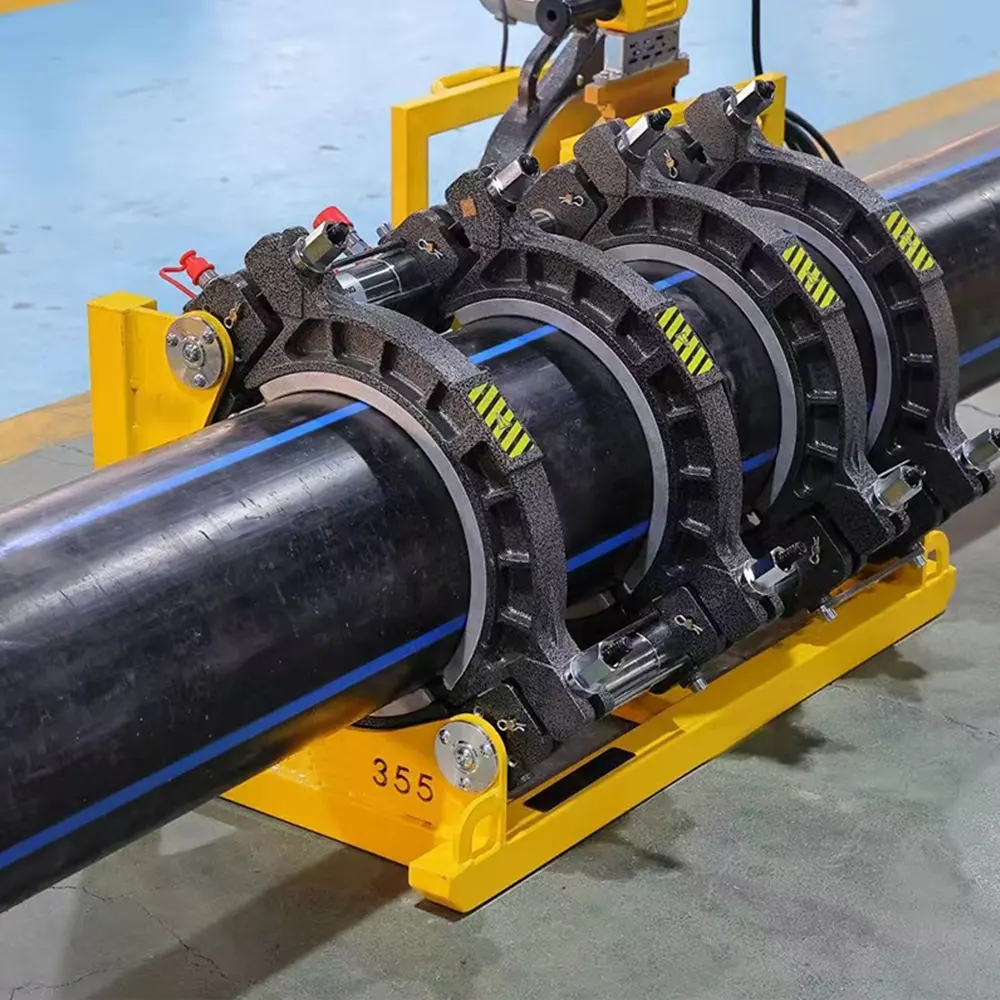
Several welding technologies are available for joining SDR17 pipes, and selecting the right one depends on pipe diameter, project scale, and site conditions. Below are the primary methods used in the field:
Butt Fusion Welding
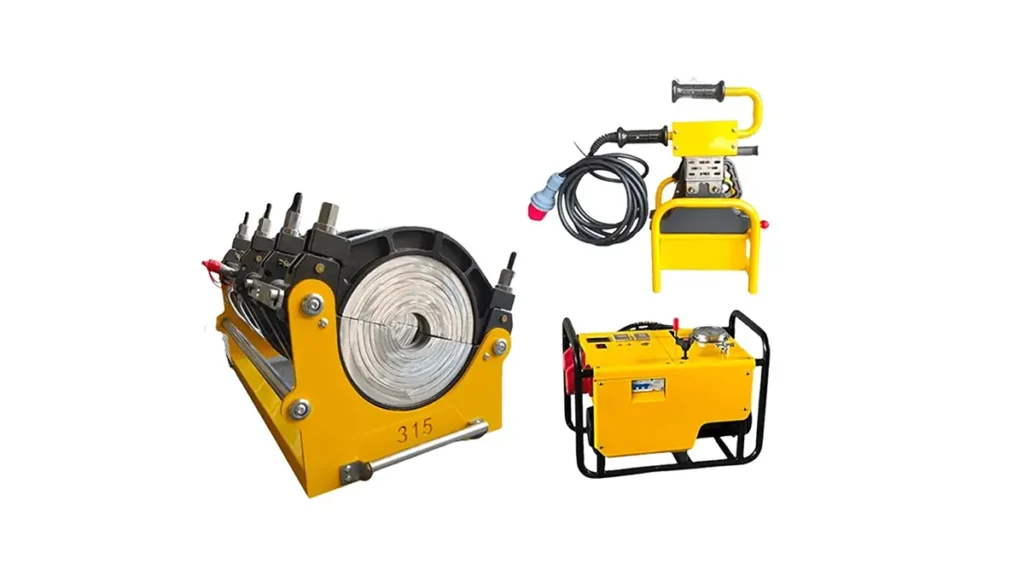
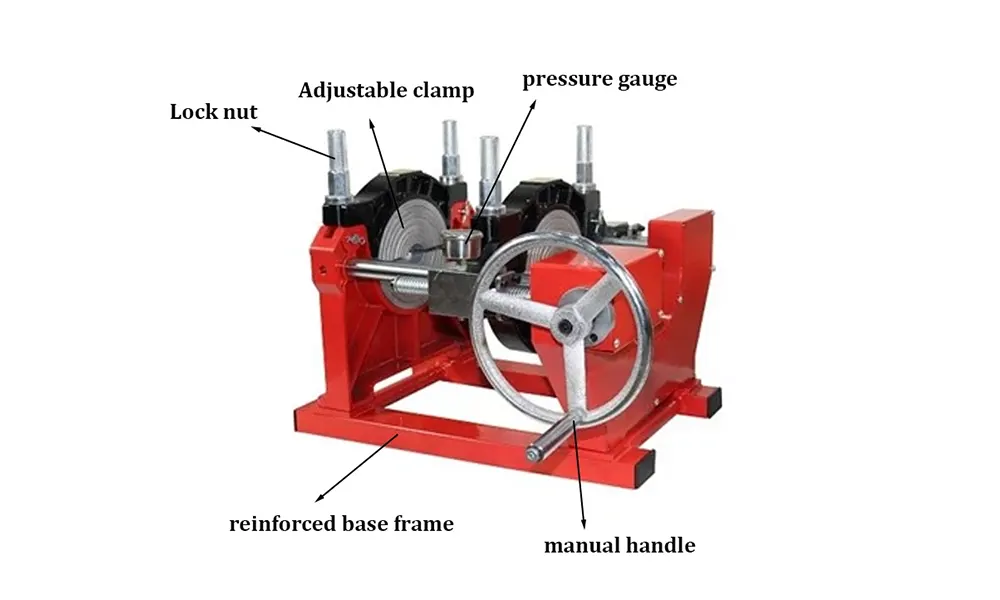
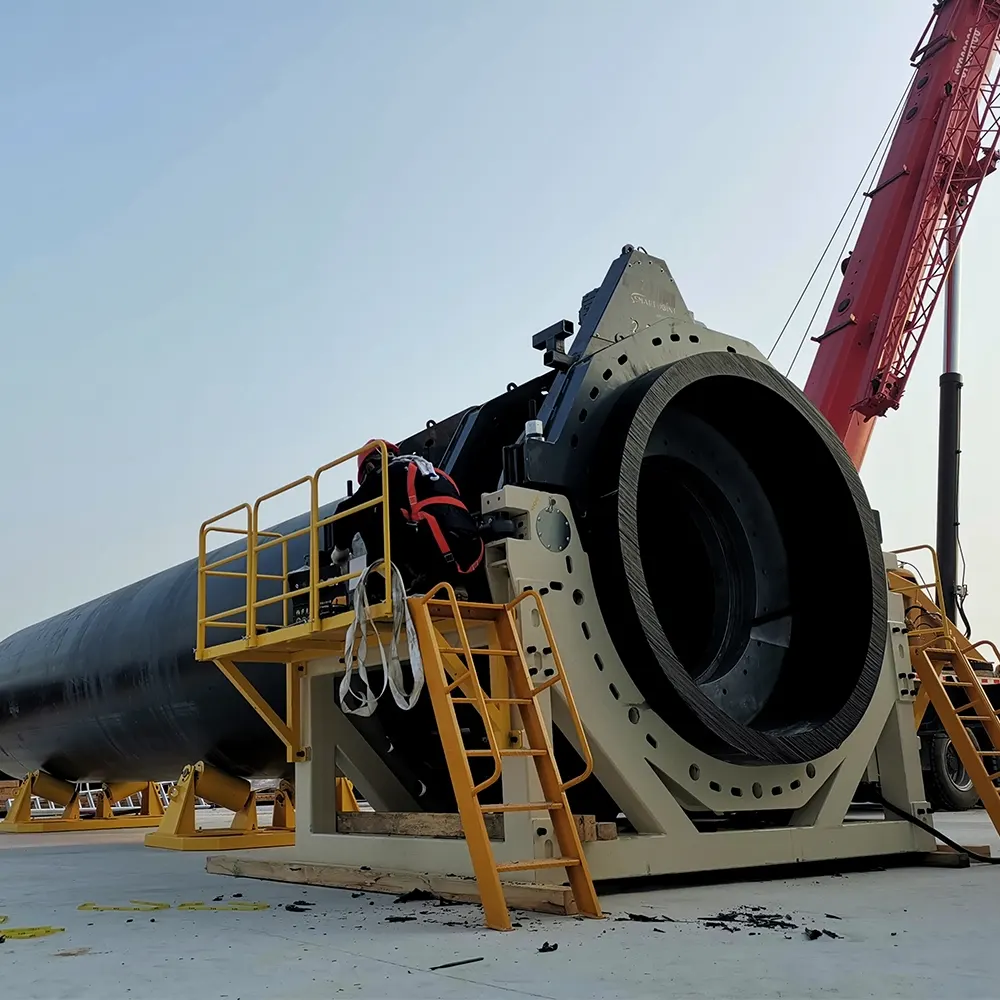
Butt fusion is the industry-standard method for SDR17 pipes, particularly for diameters from 63 mm up to large bore sizes exceeding 2000 mm. The process uses a butt fusion welding machine to heat, align, and fuse pipe ends with precision. For SDR17 wall thickness, the heating phase requires careful dwell time to ensure the material reaches the correct melt state without degradation. Hydraulic and CNC automatic models are commonly used for larger diameters, while manual machines serve smaller pipe sizes effectively.
Electrofusion Welding
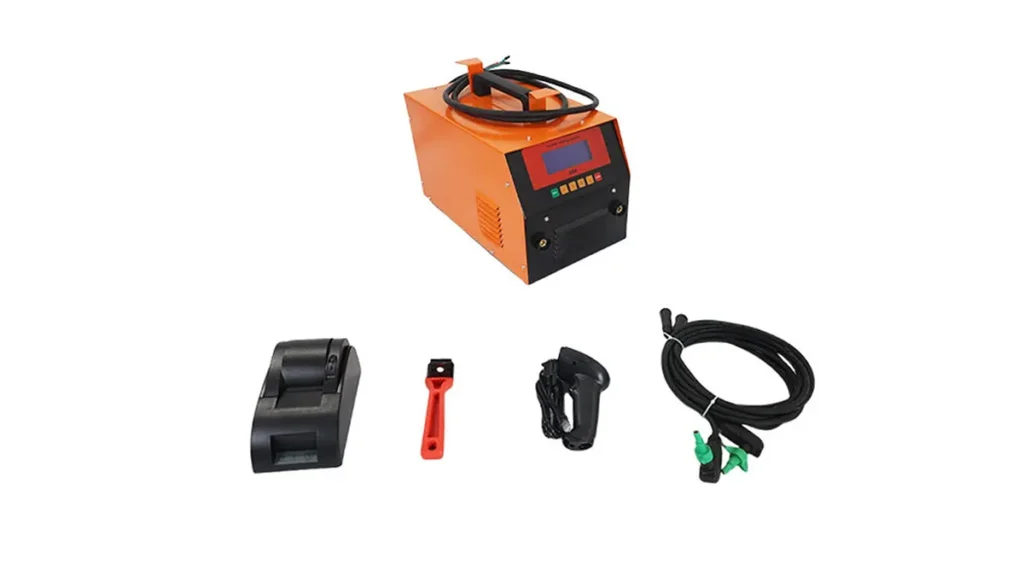
Electrofusion is an alternative method suitable for SDR17 pipes in repair scenarios, tight spaces, or fitting-heavy installations. It uses specialized couplings with embedded heating coils that melt the pipe surface when energized. While more expensive per joint, electrofusion provides excellent reliability for smaller diameters and is often used alongside butt fusion on the same project. Compliance with PE electrofusion equipment standards is essential for consistent results.
Multi-Angle Fitting Welding
For segmented bends, tees, and custom fabricated fittings using SDR17 pipe segments, multi-angle fitting welding machines provide the flexibility to create precise angles. This method is invaluable in infrastructure projects requiring directional changes without relying on injection-molded fittings. The process shares similar temperature and pressure parameters with standard butt fusion but demands additional fixture control to maintain angular accuracy.
Temperature Settings for SDR17 Butt Fusion Welding
Temperature control is the single most critical variable in achieving a sound butt fusion weld on SDR17 HDPE pipes. The heating plate surface temperature must be maintained within a narrow range to ensure proper melt viscosity without causing thermal oxidation of the polymer. According to ASTM F2620 heat fusion guidelines and ISO 21307, the recommended temperature settings are as follows:
| Parameter | Recommended Value | Notes |
|---|---|---|
| Heating Plate Temperature | 210°C – 225°C (410°F – 437°F) | Standard range per ISO 21307; verify with calibrated thermometer |
| Target Set Point | 220°C (428°F) | Most commonly used mid-range value for PE100 SDR17 |
| Ambient Compensation | ±5°C adjustment | Increase slightly in cold weather; decrease in extreme heat |
| Bead-Up Pressure (Interfacial) | 0.15 – 0.18 MPa (21.8 – 26.1 psi) | Calculated based on pipe cross-sectional area |
| Heating Soak Pressure | < 0.03 MPa (drag pressure only) | Minimal pressure to maintain contact without deformation |
| Fusion Pressure | 0.15 – 0.18 MPa (21.8 – 26.1 psi) | Same as bead-up; applied during cooling phase |
| Maximum Switch-Over Time | As short as possible; typically 3–8 seconds | Minimize delay to prevent surface cooling |
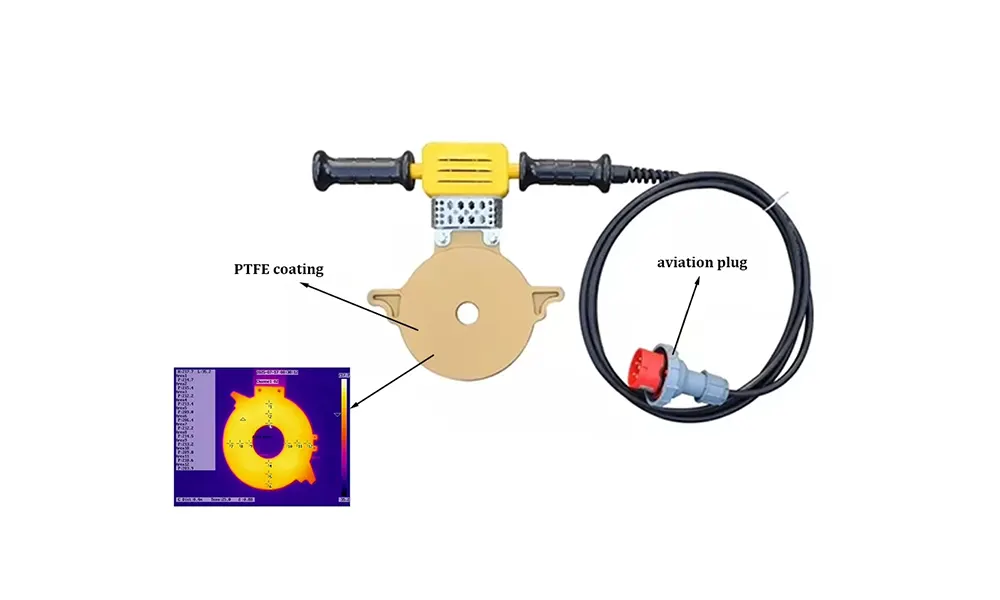
It is critical to verify the heating plate surface temperature with a calibrated digital pyrometer before each welding session. The plate’s built-in thermostat may drift over time, and relying solely on the dial reading can lead to cold or overheated welds. Temperature should be checked at multiple points across the plate surface to ensure uniform heat distribution.
Best Practices for SDR17 HDPE Pipe Welding
Achieving consistent, code-compliant welds on SDR17 pipes requires more than just setting the right temperature. The following best practices, drawn from PPI butt fusion procedure guidelines and field experience, form the foundation of a quality welding program:
1. Surface Preparation and Cleaning
- Clean the pipe ends thoroughly with isopropyl alcohol or approved solvent. Remove all dirt, grease, and moisture before clamping.
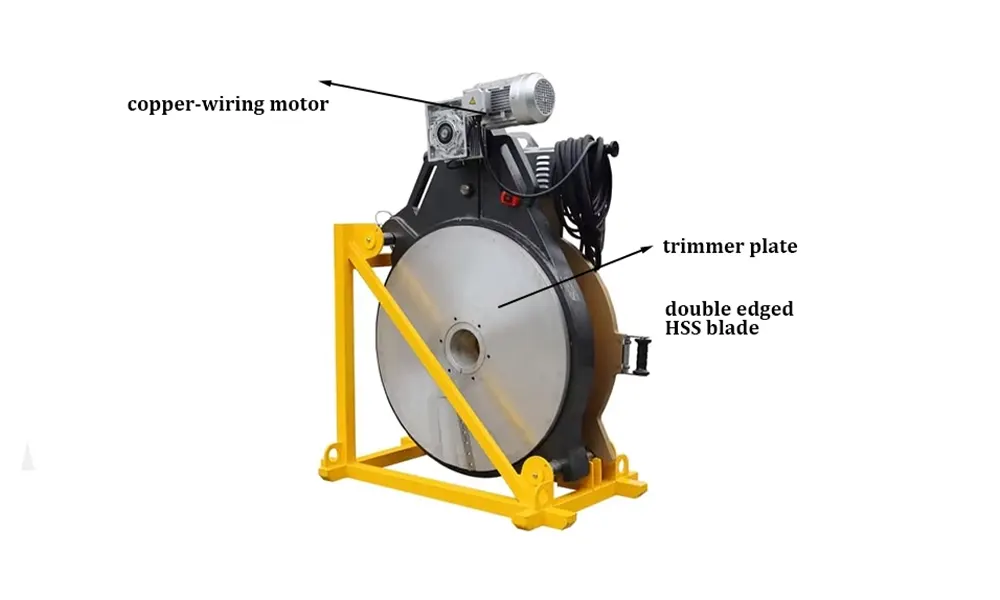
- Use a properly sharpened rotary trimmer to face the pipe ends until a continuous, even chip is produced from both sides. The trimmed surfaces should be parallel and free of score marks.
- Avoid touching the faced surfaces with bare hands — skin oils can contaminate the weld zone.
- Inspect the heating plate for any PTFE coating damage or polymer residue before use.
2. Clamping and Alignment
- Ensure the pipe clamps provide firm, even grip without distorting the pipe roundness. For SDR17 pipes, excessive clamping force can ovalize the pipe end and create misalignment.
- Verify axial alignment — the maximum allowable mismatch for SDR17 pipes is 10% of the wall thickness.
- For hydraulic butt fusion machines, confirm that carriage movement is smooth and the hydraulic system maintains steady pressure without drift.
3. Heating Cycle Management
- Apply the bead-up pressure immediately upon contacting the heating plate and maintain it until a uniform melt bead forms around the entire circumference — typically 1–2 mm high for SDR17.
- Reduce to soak pressure and allow the specified heat soak time according to the pipe wall thickness and ambient conditions.
- Monitor the melt bead formation — a symmetrical, rolled-back bead on both pipe ends indicates proper heating.
4. Fusion and Cooling
- Execute the switch-over from heating plate removal to pipe contact in the shortest possible time. Delays allow the melt surface to cool and form a skin, weakening the joint.
- Build fusion pressure gradually but decisively — a rapid slam can trap air or misalign the molten interfaces.
- Hold the joint under full fusion pressure throughout the cooling cycle. Do not release clamps or move the pipe until the joint has cooled to approximately 60°C or below.
- The final double-bead profile should be symmetrical and uniform, with bead width consistent around the circumference.
Selecting the Right Equipment for SDR17 Welding
The quality of your SDR17 pipe welds is directly influenced by the capability and condition of your welding equipment. Key considerations when choosing a machine include:
- Diameter Range: Ensure the machine’s clamp range covers your SDR17 pipe sizes. Machines are typically rated for a specific OD range, and using undersized or oversized clamps compromises alignment.
- Clamp Type: Aluminum clamps offer lightweight handling and corrosion resistance, while steel clamps provide added rigidity for large-diameter pipes.
- Automation Level: For high-volume or critical applications, CNC automatic butt fusion machines with data logging capabilities provide traceable, repeatable weld cycles that reduce operator dependency.
- Heating Plate Quality: The plate should feature embedded temperature sensors and uniform heating elements. PTFE non-stick coating must be intact and free of scratches.
- Trimmer Performance: A robust, sharp trimmer is essential for proper facing of SDR17 pipe ends.
JQ-Fusion is a professional manufacturer specializing in HDPE pipe welding machines, offering a comprehensive range of manual, hydraulic, and CNC automatic butt fusion welding solutions suitable for SDR17 pipes across all diameter ranges. Their equipment is built to meet international standards and is widely deployed in water supply, gas distribution, and industrial pipeline projects worldwide.
Common Welding Defects and How to Avoid Them
Even with proper temperature settings, defects can occur if the procedure is not followed correctly. The table below summarizes common issues observed in SDR17 butt fusion welds:
| Defect | Probable Cause | Corrective Action |
|---|---|---|
| Asymmetrical bead | Uneven heating or misalignment | Check plate temperature uniformity; realign clamps |
| Narrow or flat bead | Insufficient heating time or low temperature | Verify plate temperature; extend soak time |
| Discolored or oxidized bead | Excessive temperature or prolonged heating | Reduce set point; clean plate surface |
| Incomplete fusion / cold weld | Long switch-over time or low fusion pressure | Reduce transfer time; recalibrate hydraulic system |
| Voids or porosity in bead | Contamination or moisture on pipe surface | Improve cleaning procedure; protect pipe ends from weather |
Quality Assurance and Documentation
A robust QA/QC program for SDR17 HDPE pipe welding should include visual inspection of every joint, periodic destructive testing of sample welds, and comprehensive documentation. Key elements include:
- Record weld parameters for each joint — date, location, operator, machine ID, pipe SDR, temperature, and pressure readings.
- Photograph completed bead profiles for quality records.
- Perform bend-back tests or tensile tests on qualification welds per project specifications.
- Ensure all operators hold valid certifications per PE fusion operator requirements.
- For critical applications, use data-logging welding machines that automatically capture and store weld cycle data.
Environmental Considerations for On-Site Welding
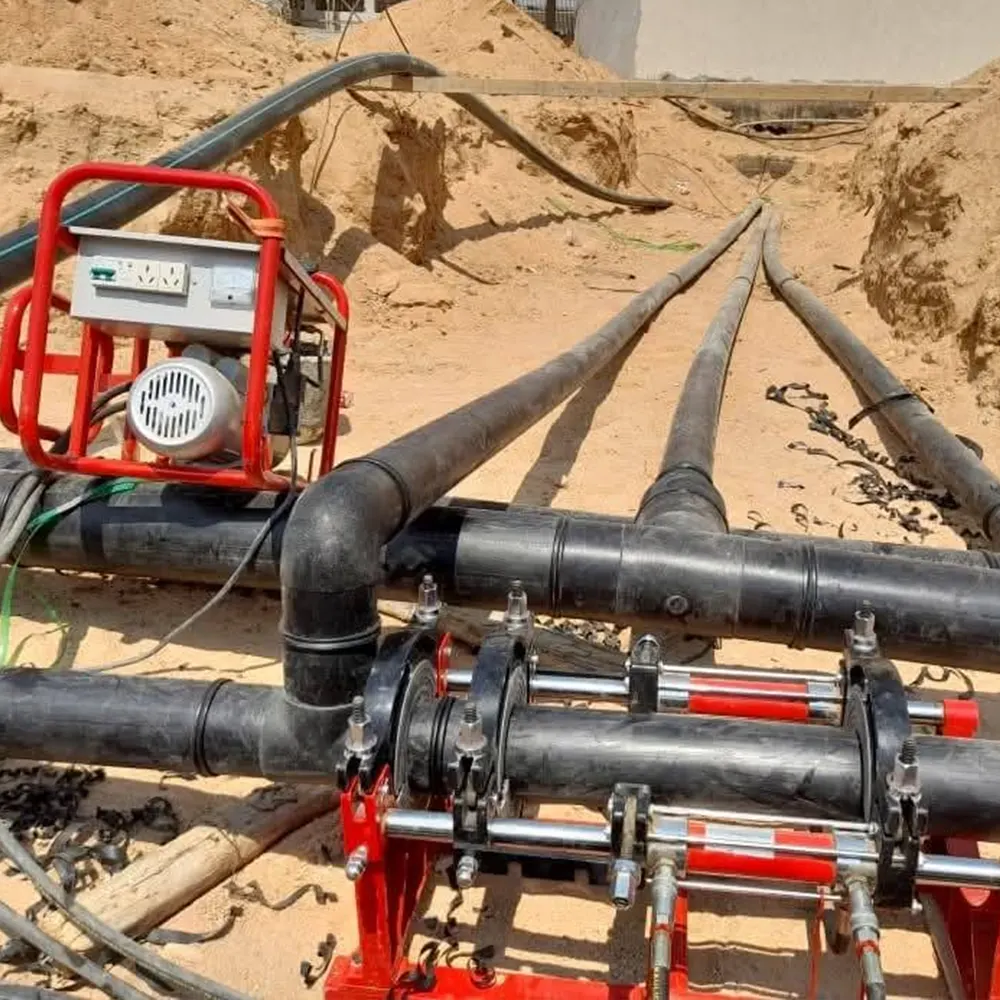
Field conditions significantly impact the SDR17 welding process. Ambient temperature, wind, dust, and moisture all affect heat transfer and surface cleanliness. When welding outdoors:
- Use a welding tent or shelter to protect the work area from wind and precipitation. Wind chill can rapidly cool the heating plate and pipe ends.
- In cold conditions (below 5°C/41°F), pre-warm the pipe ends slightly and increase heating plate temperature by 5°C within the allowable range.
- In hot, sunny conditions, shield exposed pipe ends from direct sunlight to prevent uneven surface temperatures.
- Keep the heating plate and trimmer clean and dry at all times — field dust is a common source of weld contamination.