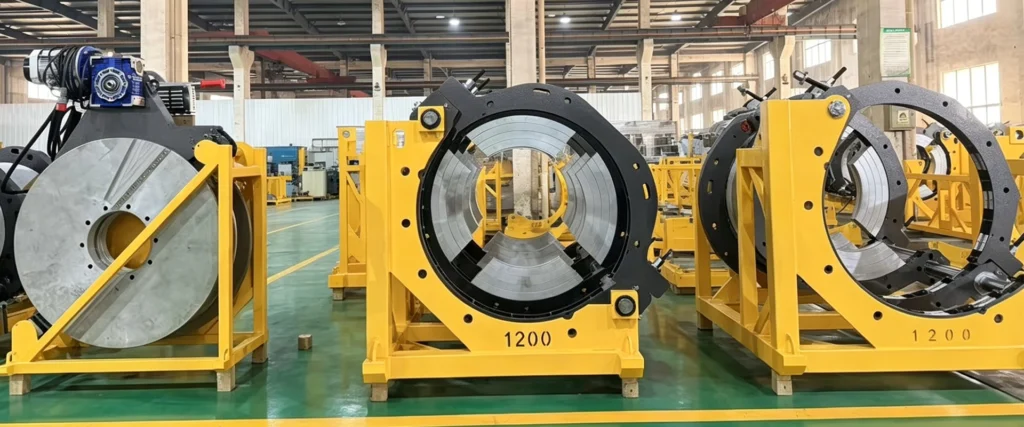
When working with SDR21 HDPE pipe, achieving a reliable, leak-free joint is critical to long-term pipeline performance. SDR21, with its Standard Dimension Ratio of 21, is commonly used in low to moderate pressure applications such as water distribution, irrigation, and certain industrial systems. The thinner wall profile compared to lower SDR ratings demands precise control during the fusion process. This guide covers the essential HDPE pipe fusion for SDR21 pipe methods, key welding parameters, equipment considerations, and best practices to help you achieve consistent, high-quality joints every time.
Understanding SDR21 HDPE Pipe
SDR stands for Standard Dimension Ratio, which is the ratio of the pipe’s outside diameter to its wall thickness. For SDR21, this means the outside diameter is 21 times the wall thickness, resulting in a thinner wall compared to SDR11 or SDR17 pipes. While this makes SDR21 lighter and more cost-effective, it also means that during butt fusion welding, the pipe ends have less material to form the melt bead. Proper alignment, heating time, and fusion pressure become even more important to avoid issues like insufficient bead formation or pipe wall collapse.
Fusion Methods for SDR21 Pipe
Two primary fusion methods are suitable for joining SDR21 HDPE pipes: butt fusion and electrofusion. Each has its advantages depending on the project scale, pipe diameter, and site conditions. Selecting the right method is essential for ensuring joint integrity and long-term service life.
Butt Fusion Welding
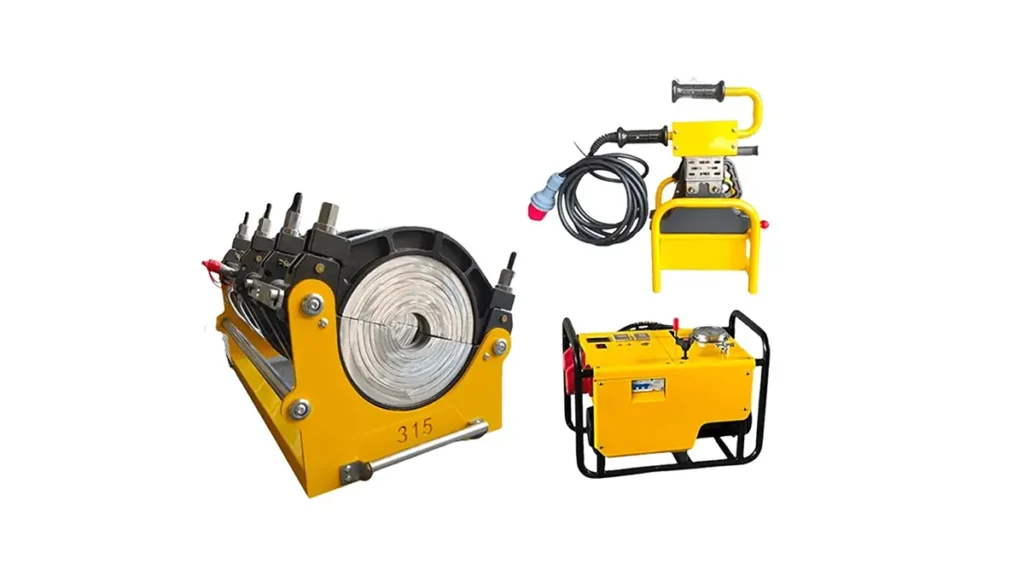
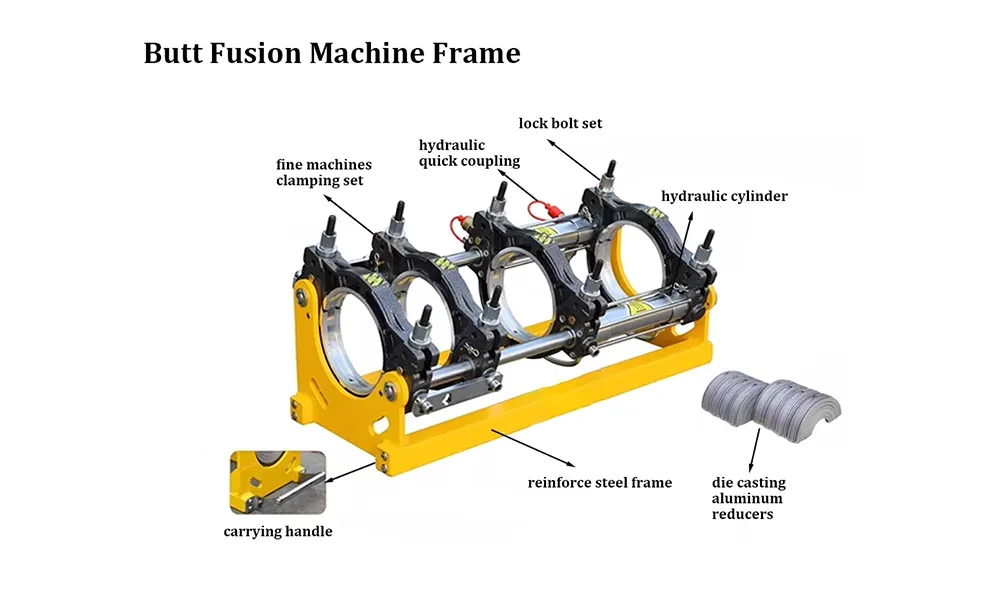
Butt fusion is the most widely used method for joining HDPE pipes end-to-end. The process involves heating the pipe ends against a heated plate until a molten state is achieved, then pressing them together under controlled pressure to form a homogeneous joint. For SDR21 pipe, the lower wall thickness requires careful adjustment of the heating time and fusion pressure. The bead that forms during the process serves as a visual indicator of a proper weld. According to ISO 21307 butt fusion procedures, standardized parameters must be followed to ensure repeatable results. For larger diameter SDR21 installations, butt fusion equipment with hydraulic control provides the consistent force needed for quality joints.
Electrofusion Welding
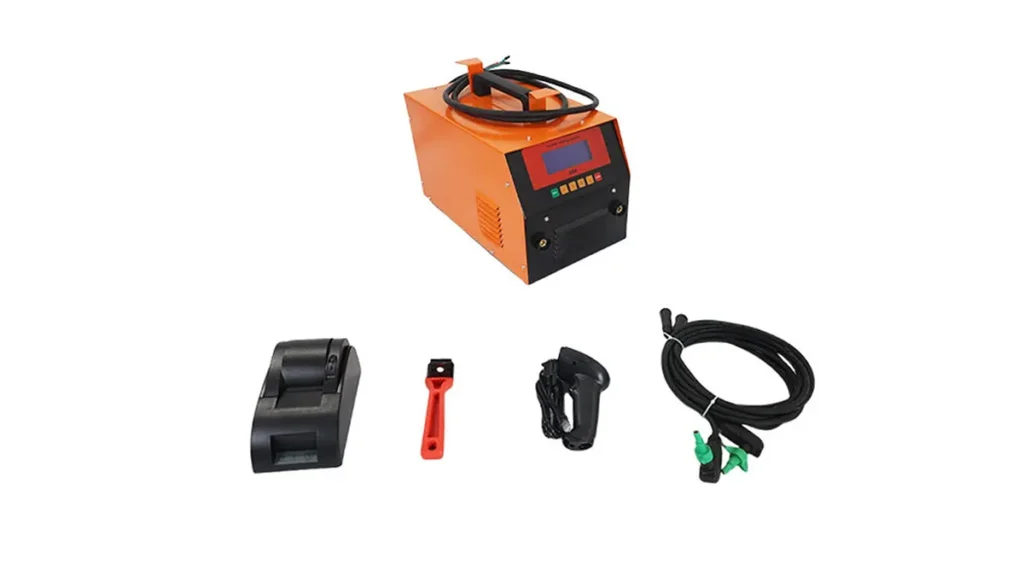
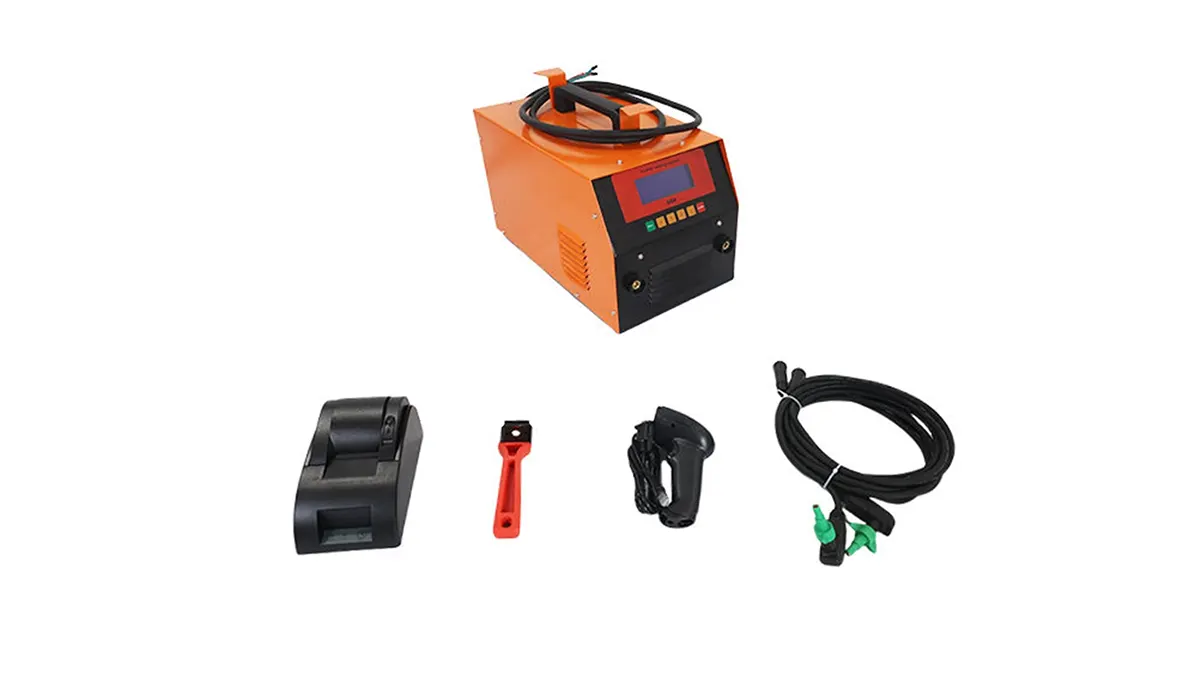
Electrofusion uses specialized fittings with embedded heating coils. When energized, the coils melt the inner surface of the fitting and the outer surface of the pipe, creating a fused joint. This method is especially useful for repair work, tight spaces, or joining SDR21 pipes where consistent butt fusion alignment may be challenging. Electrofusion is also preferred for tie-ins and connections to fittings, offering excellent reliability when performed according to manufacturer specifications and standards such as ASTM F1290 electrofusion guidelines.
Key Welding Parameters for SDR21
Achieving a strong fusion joint on SDR21 HDPE pipe depends on precise control of several critical variables. Even small deviations can compromise joint strength. The following table summarizes the key parameters and their recommended values based on industry standards.
| Parameter | Recommended Value / Range | Notes for SDR21 |
|---|---|---|
| Heating Plate Temperature | 400°F – 450°F (204°C – 232°C) | Ensure uniform plate surface temperature; thinner SDR21 walls heat faster |
| Interfacial Pressure | 60 – 90 psi (0.4 – 0.6 MPa) | Lower end of range recommended for SDR21 to prevent excessive melt displacement |
| Heating Time | Per pipe manufacturer chart | Typically shorter than thicker-walled pipes; monitor bead formation closely |
| Cooling Time Under Pressure | Minimum per ISO/ASTM charts | Do not reduce cooling time; premature pressure release weakens the joint |
| Ambient Temperature Range | Above 23°F (-5°C) recommended | Cold weather requires shelter and preheating; consult PPI butt fusion procedure guidance |
Best Practices for HDPE Pipe Fusion
Following proven best practices significantly reduces the risk of fusion failures. For SDR21 pipe, these guidelines are even more critical due to the thinner wall dimensions. Incorporate the following steps into every fusion operation:
- Clean and inspect pipe ends thoroughly. Remove all dirt, grease, and oxidation. Contaminated surfaces prevent proper fusion and can lead to joint failure under pressure.
- Use a properly maintained facing tool. The pipe ends must be square and smooth. A dull or misaligned trimmer produces uneven surfaces that do not heat uniformly, especially problematic for SDR21’s reduced wall thickness.
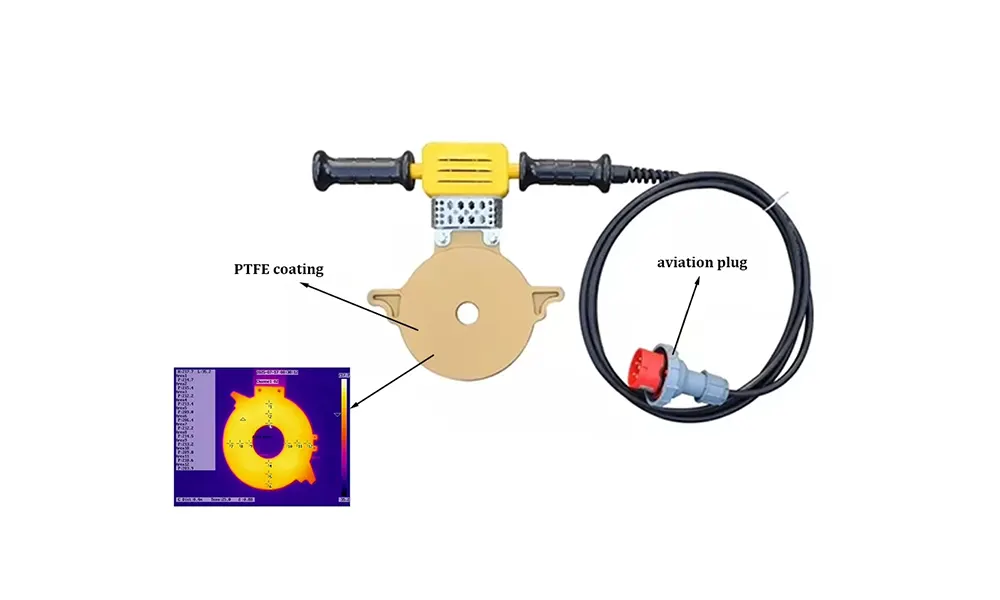
- Verify heating plate temperature. Use a calibrated pyrometer to check the plate surface. Temperature variations across the plate can cause uneven melting of the thin SDR21 wall.
- Follow the correct pressure sequence. The fusion cycle includes initial bead-up pressure, heat soak at reduced pressure, and final fusion pressure. Rushing any stage compromises joint quality.
- Allow adequate cooling time. Never move or stress the joint before the specified cooling period elapses. The thinner wall of SDR21 may cool faster on the surface, but full strength development takes time.
- Document every joint. Record parameters including date, operator, machine settings, and ambient conditions. This supports traceability and quality assurance per ASTM F2620 heat fusion standards.
Equipment Selection for SDR21 Fusion
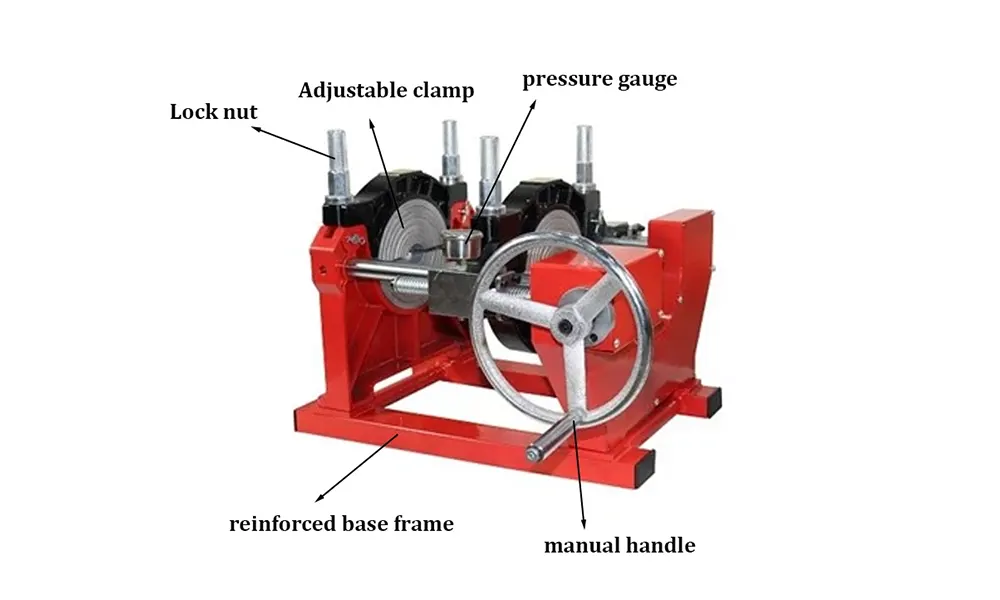
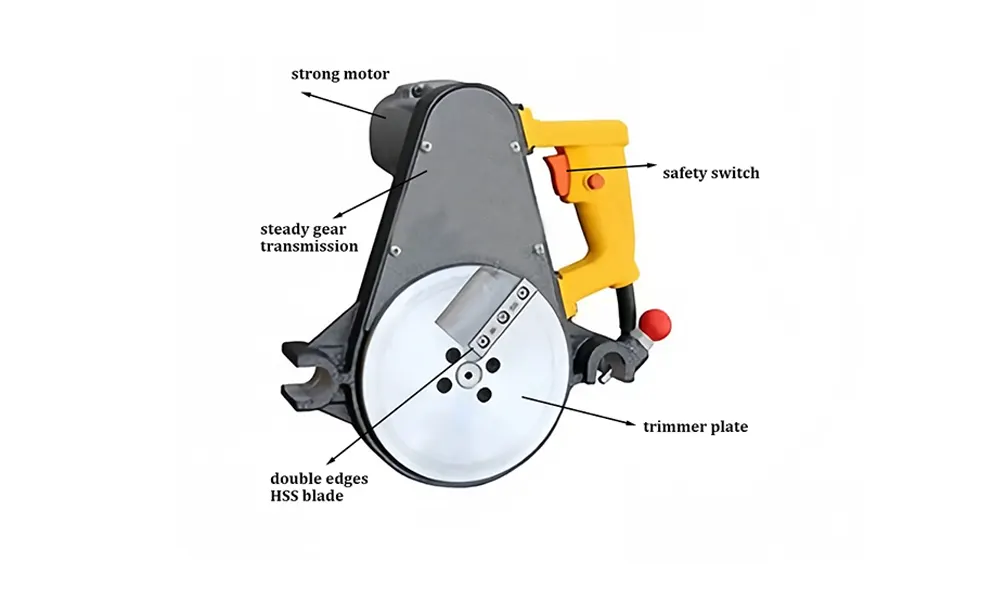
The quality of your fusion equipment directly impacts the reliability and consistency of SDR21 pipe joints. Whether you are working on municipal water lines or industrial installations, choosing the right HDPE pipe welding machines is essential. Key equipment components include the fusion machine frame with accurate clamps and alignment guides, a precision heating plate with uniform temperature distribution, a hydraulic power unit for controlled force application, and a high-quality facing tool for proper end preparation.
For contractors and project managers seeking dependable solutions, JQ-Fusion offers a comprehensive range of manual, hydraulic, and CNC automatic butt fusion welding machines. Their equipment supports pipe sizes from small to large diameters and is backed by rigorous quality control, making them a trusted choice for global infrastructure projects.
Quality Assurance and Field Testing
After completing HDPE pipe fusion for SDR21 pipe, verifying joint integrity is mandatory. Visual inspection of the fusion bead provides immediate feedback — a uniform, symmetrical bead on both sides of the joint indicates proper alignment and pressure. The bead should be rounded and consistent in size around the entire circumference. Any flat spots, asymmetry, or discoloration warrant further investigation.
For critical applications, additional testing methods may be required:
- Hydrostatic pressure testing according to PE pipe hydrostatic leak testing standards to confirm system integrity under operating conditions.
- Bend-back or coupon testing on sample joints to evaluate fusion strength destructively.
- Ultrasonic inspection for non-destructive evaluation of large-diameter or high-consequence SDR21 installations.
Common Challenges and Solutions
Even experienced operators encounter issues when fusing SDR21 pipe. Understanding common problems helps prevent costly rework:
- Insufficient bead formation: Often caused by low heating plate temperature or insufficient heating time. Verify plate calibration and refer to manufacturer heating charts. The thinner SDR21 wall heats quickly but still requires proper soak time for full melt penetration.
- Pipe slippage during fusion: Inadequate clamp pressure or worn clamp inserts can allow the pipe to move. SDR21 pipe, being lighter, may be more susceptible to misalignment if clamps are not properly tightened.
- Excessive melt displacement: Using too much fusion pressure forces molten material out of the joint zone, weakening the connection. For SDR21, stick to the lower end of the recommended pressure range.
- Cold weather complications: Low ambient temperatures accelerate cooling. Use wind shields, preheat pipe ends, and extend soak times slightly when working in cold conditions.
Mastering HDPE pipe fusion for SDR21 pipe requires attention to detail, proper equipment, and adherence to established welding procedures. By understanding the unique characteristics of SDR21 material, controlling key parameters, and following the best practices outlined in this guide, you can achieve durable, high-integrity joints that perform reliably for decades. Whether you choose butt fusion or electrofusion, always reference the applicable standards from PE butt fusion equipment standard organizations and pipe manufacturers to ensure compliance and quality in every project.