
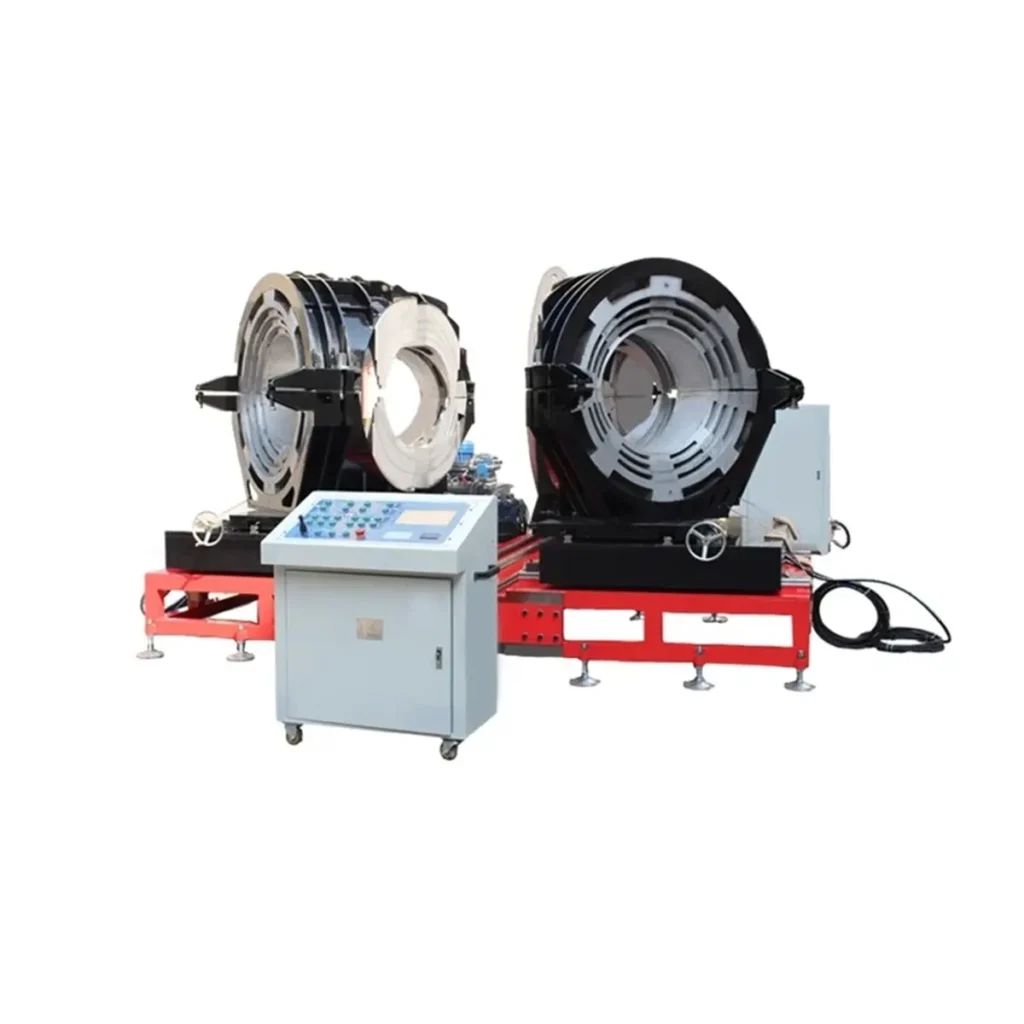
High-density polyethylene (PE100) pipes have become the industry standard for critical infrastructure projects, including water supply, gas distribution, and industrial applications. The integrity of these piping systems depends heavily on the quality of the welding process. Mastering HDPE pipe welding for PE100 pipes is essential for creating leak-proof, durable joints that perform reliably for decades.
Understanding PE100 Material Properties
PE100 is a high-performance bimodal polyethylene resin classified by its Minimum Required Strength (MRS) of 10 MPa. Its excellent resistance to slow crack growth and rapid crack propagation makes it superior for high-pressure applications. However, these material benefits can only be fully realized when proper butt fusion and jointing methods are applied to ensure pipe longevity and leak-proof performance.
Primary Welding Methods for PE100 Pipes
Selecting the appropriate joining technique is critical. The most common methods for installing HDPE pipe welding for PE100 pipes are butt fusion, electrofusion, and socket fusion. Among these, butt fusion is the preferred method for joining pipes of similar diameters.
Butt Fusion Welding
Butt fusion involves heating the pipe ends simultaneously against a hot plate until a melt bead forms. The ends are then brought together under precise pressure and allowed to cool, forming a homogeneous joint. This method requires specialized CNC automatic butt fusion machines to maintain alignment and consistent interfacial pressure, which is vital for PE100’s high-performance requirements.
Electrofusion Welding
Electrofusion uses specialized fittings with embedded heating coils. An electrofusion machine passes an electric current through the coils, melting the surrounding PE material to form a joint. This technique is extremely reliable for repair jobs and for joining pipes in tight excavations where large butt fusion frames cannot fit.
Step-by-Step Butt Fusion Technique for PE100
Achieving a high-quality weld on PE100 pipes demands strict adherence to ISO 21307 butt fusion procedures. The process typically involves the following critical stages:
- Preparation: Clean the inside and outside of the pipe ends and clamp them securely in the machine frame.
- Facing: Use a rotating planer to square the pipe ends until a continuous chip is formed, ensuring complete flatness.
- Heating: Apply the hot plate at the specified temperature (typically 225°C/437°F) to build up a specified bead size based on ISO 21307 butt fusion procedures.
- Fusion: Remove the hot plate swiftly and bring the molten ends together. Avoid excessive force to prevent cold welds.
- Cooling: Hold the joint under pressure until it cools completely. Removing the pipe from the clamps too early can distort the joint.
PE100 Welding Parameter Table
Below is a guide to typical parameters defined by global standards. Always consult your specific machine’s manual and the pipe manufacturer’s guidelines.
| Parameter | Single Low-Pressure (Standard) | Dual Low-Pressure (High-Integrity) |
|---|---|---|
| Heating Temperature | 225°C (437°F) | 225°C (437°F) |
| Bead-up Pressure | 0.15 MPa ± 0.01 | 0.15 MPa ± 0.01 (Phase 1) |
| Soak Pressure | < 0.01 MPa (drag) | 0.02 MPa (Phase 2) |
| Cooling Time (per mm of wall) | ~1.0 – 1.5 min | ~1.5 – 2.0 min |
Best Practices for High-Quality PE100 Welds
To ensure maximum joint integrity, operators must follow proven best practices. Neglecting these details is the primary cause of pipe joint failure in the field.
- Operator Qualification: Welders must be certified according to heat fusion operator qualification standards (ASTM F3190) to ensure competence.
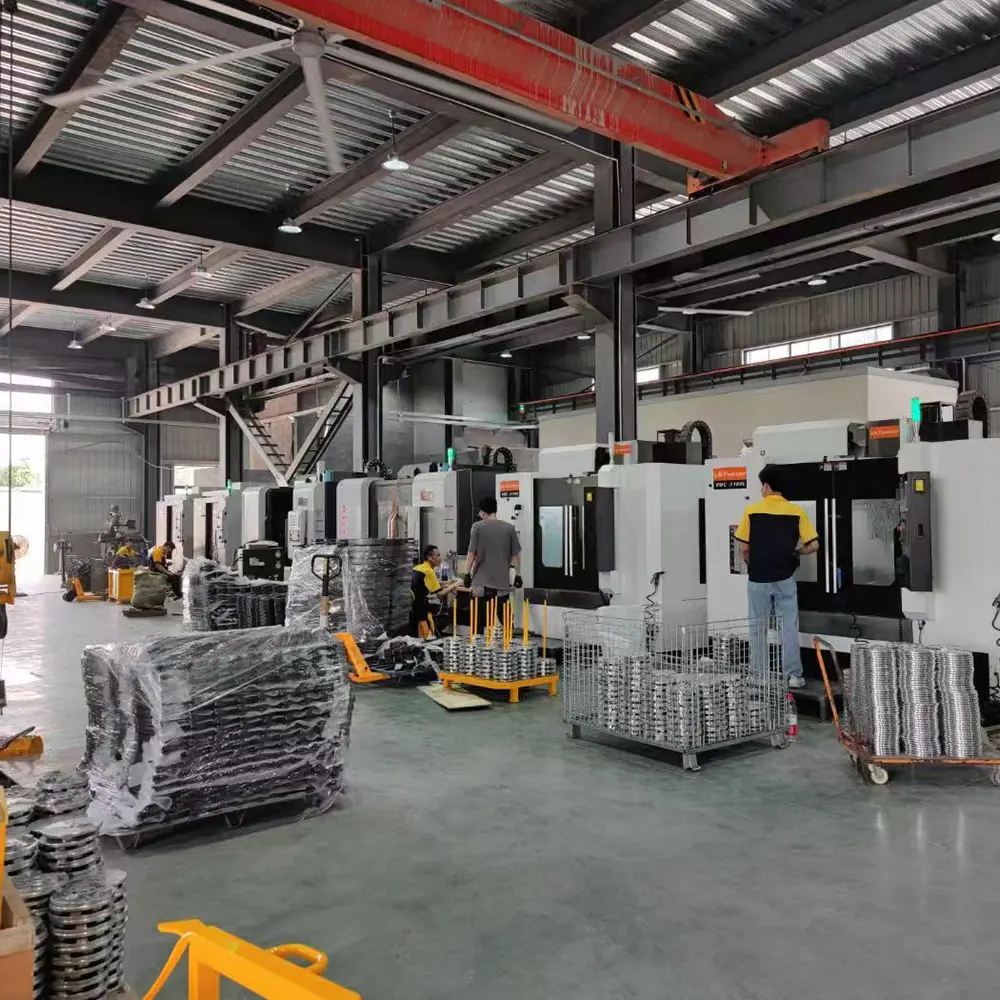
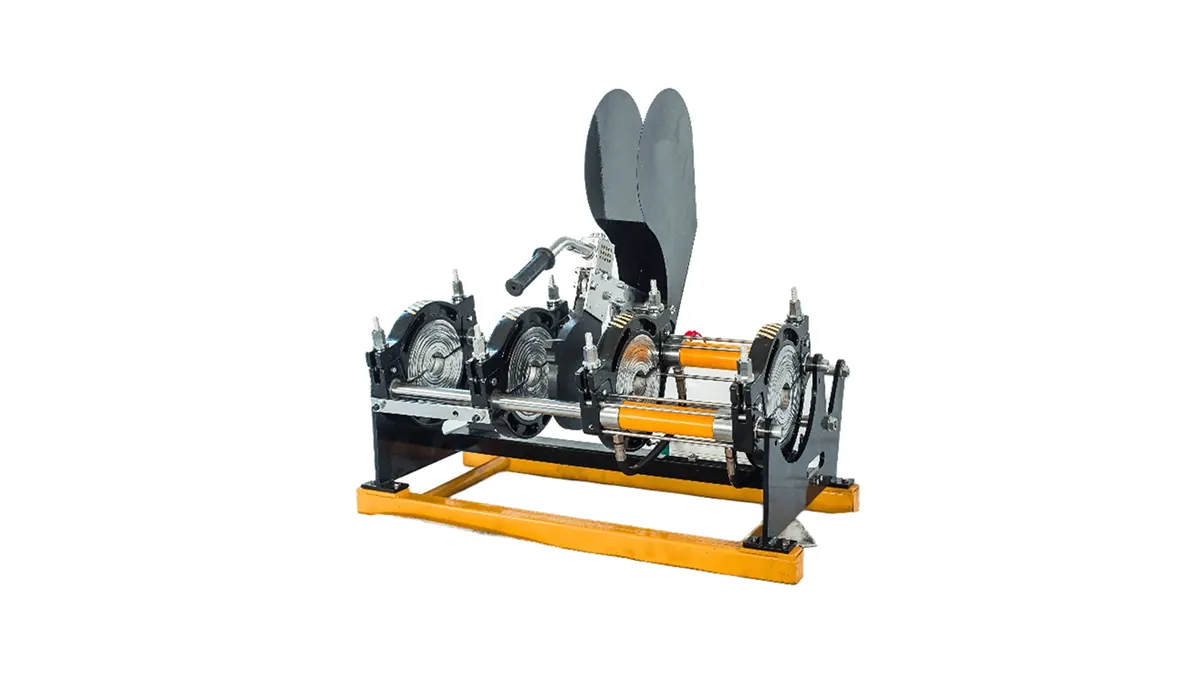
- Equipment Maintenance: The heating plate must have a non-stick coating and accurate temperature control. Hydraulic butt fusion welding machines from reliable manufacturers like JQ-Fusion ensure stable pressure and alignment for long-term use.
- Environmental Protection: Use a welding tent to protect the work area from wind, dust, and extreme cold, all of which can cool the melt prematurely.
- Data Logging: Use machines with PE fusion traceability capability to record the heat soak time and pressure curve for quality assurance records.
Common Defects and Troubleshooting
Identifying visual defects helps prevent catastrophic failures. A correct PE100 butt weld should have a symmetrical double bead with a smooth, shiny roll appearance.
| Defect | Likely Cause | Solution |
|---|---|---|
| Uneven Bead Size | Misalignment in clamps | Recalibrate machine and face pipe ends |
| Voids or Porosity | Contamination or moisture | Clean pipe ends thoroughly with approved solvent |
| Cold Weld (Flat Joint) | Insufficient heating or late fusion | Increase heat soak time; reduce hot plate removal time |
Advanced Jointing with Multi-Angle Fittings
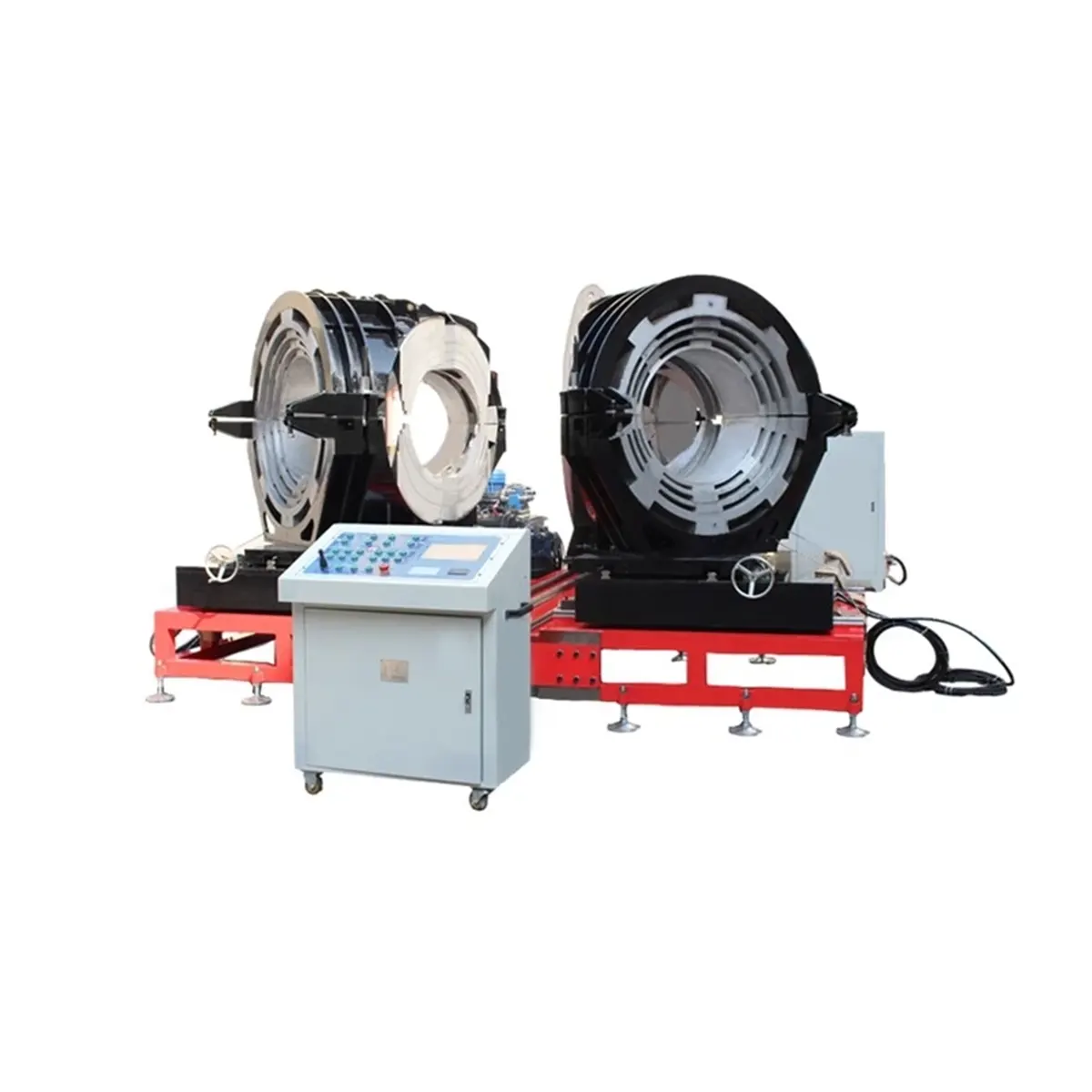
Large-scale infrastructure often requires complex fabrications beyond simple straight joints. Using specialized multi-angle pipe fitting welding machines, contractors can create segmented bends and tees directly in the field using PE100 pipes, maintaining the structural integrity of the system without relying on mechanical couplings.
Why Equipment Quality Matters
The precision of the welding machine directly impacts the success rate of PE100 installations. Professional grade equipment ensures uniform interfacial pressure distribution across the pipe end. When sourcing equipment, many global contractors trust manufacturers listed in the PPI Handbook of Polyethylene Pipe supply chain. JQ-Fusion specializes in providing reliable HDPE pipe welding for PE100 pipes through a comprehensive range of CNC automatic, hydraulic, and manual butt fusion welders designed to meet the rigorous demands of international infrastructure projects.



