Industrial pipeline networks form the backbone of modern infrastructure, transporting water, gas, and chemicals across vast distances. The integrity of these systems depends heavily on the quality of pipe joints. For decades, butt fusion welding has been the preferred method for joining HDPE pipes, offering a seamless, leak-proof connection that often outlasts the pipeline itself. Selecting the right butt fusion machine for industrial pipelines is critical to achieving consistent, high-strength welds that meet stringent engineering standards.
Why Butt Fusion is the Gold Standard for Industrial Piping
Unlike traditional mechanical fittings that introduce weak points, hydraulic butt fusion welding creates a monolithic pipe system. The process heats pipe ends to a precise temperature and fuses them under controlled pressure. The result is a joint that is as strong as the pipe itself, eliminating potential leak paths. This reliability is why industrial plants, mining operations, and large-scale water treatment facilities prioritize this technology. With a butt fusion machine for industrial pipelines, contractors can handle heavy-wall, large-diameter pipes with the precision required for critical applications.
Key Features of an Industrial-Grade Butt Fusion Welding Machine
When evaluating equipment for demanding environments, several factors distinguish a professional-grade machine from a basic model. Industrial operations require robust construction, precise temperature control, and powerful hydraulic clamping systems. Look for machines with aluminum clamps and rigid frames that maintain perfect alignment during the welding cycle. The heating plate must deliver uniform temperature distribution to ensure the melt pattern meets ISO 21307 butt fusion procedures.
| Feature | Manual Series | Hydraulic Series | CNC Automatic Series |
|---|---|---|---|
| Operation Mode | Manual lever drive | Hydraulic power unit | Full CNC automation |
| Diameter Range | 63mm – 315mm | 160mm – 2250mm | 160mm – 630mm |
| Welding Data Logging | Optional manual record | Optional digital logger | Built-in USB/cloud export |
| Best Suited For | Small workshops, repairs | Infrastructure, heavy-wall pipes | Gas networks, QA-critical jobs |
Navigating Machine Types for Different Project Scales
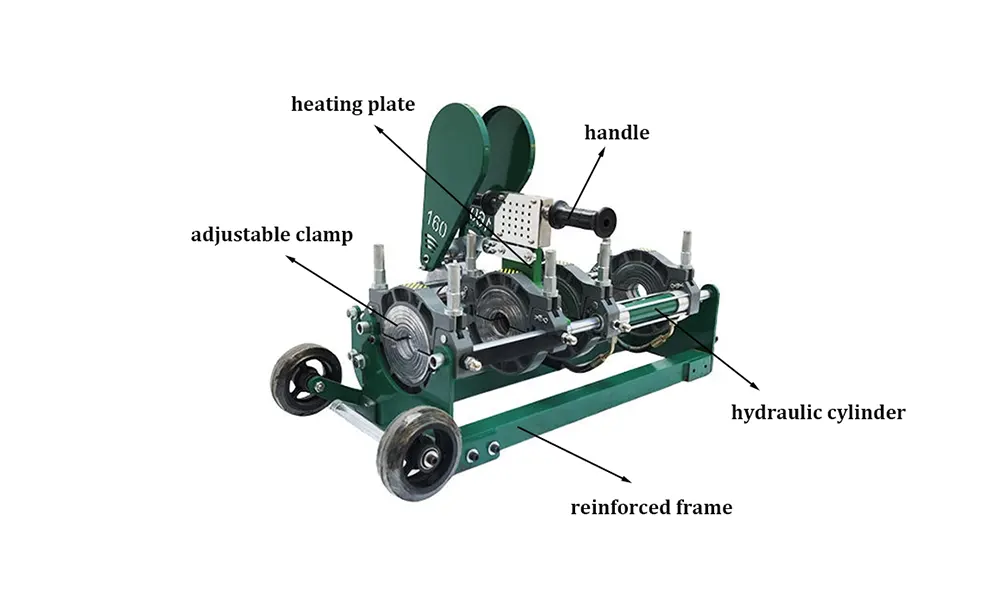
Manual butt fusion machines are ideal for small-diameter pipes and field repairs where portability is key. They rely on a lever system to generate clamping and welding force. For mid-range to large-diameter industrial pipelines, hydraulic butt fusion machines are indispensable. The hydraulic station delivers consistent, high-pressure force that ensures the pipe ends are fused correctly, even on thick-wall HDPE. At the top tier, CNC automatic butt fusion welding machines remove operator variability entirely, following programmed parameters and generating traceable weld records — a necessity when working under standards like PE butt fusion equipment standard.
Hydraulic Butt Fusion: Powering Large-Scale Infrastructure
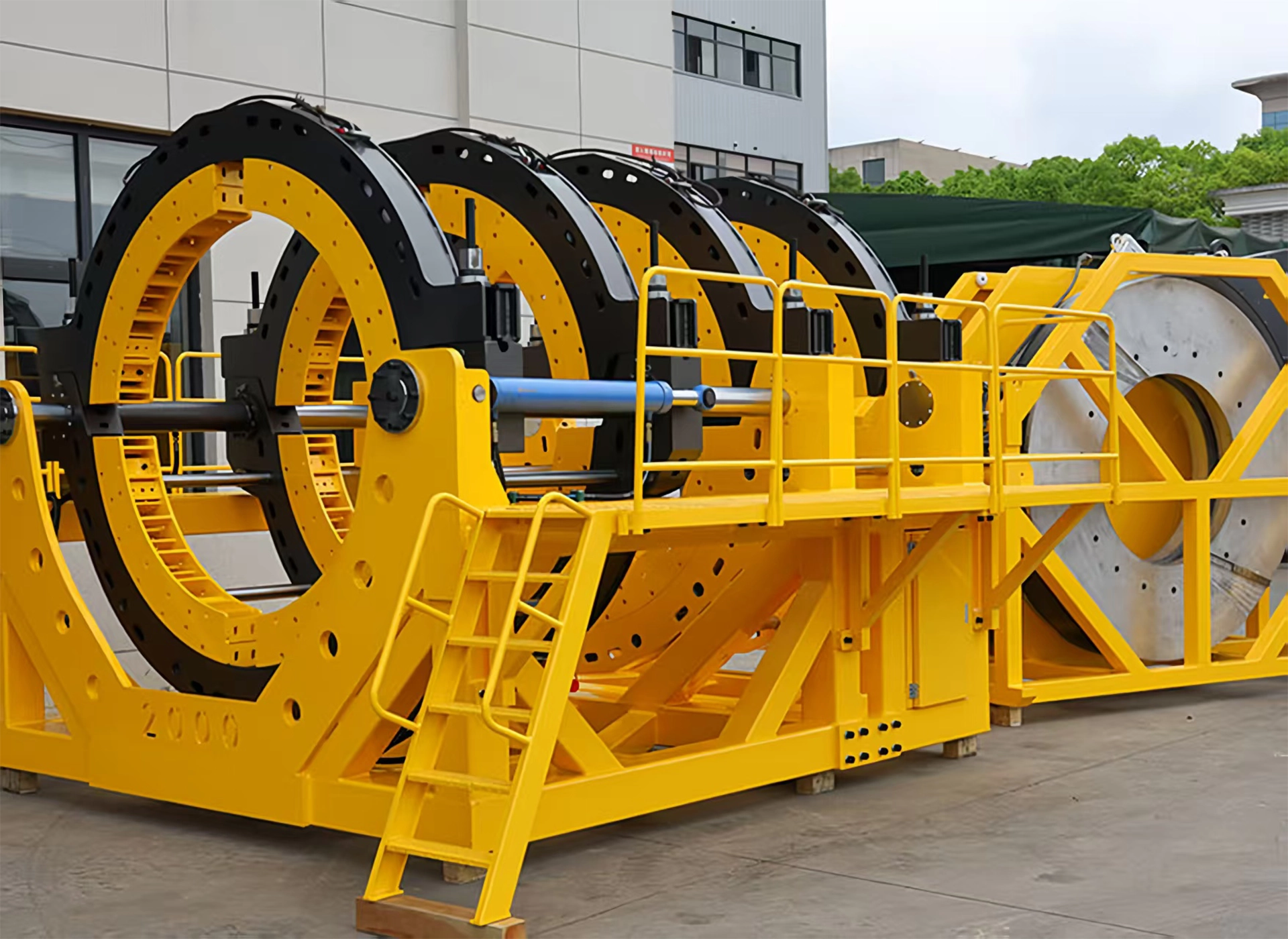
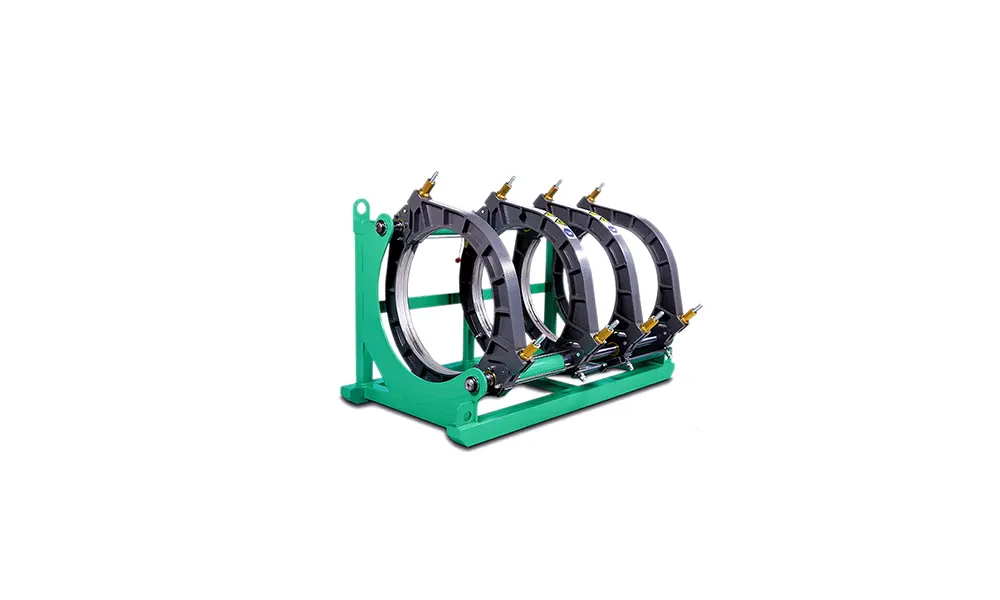
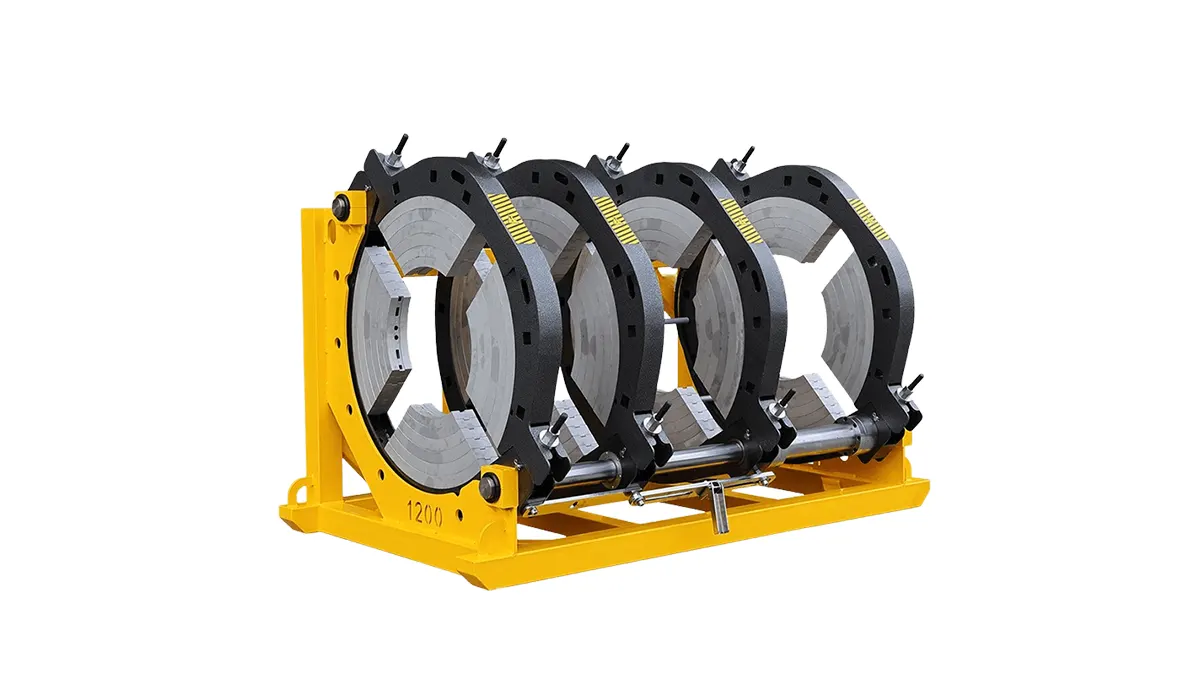
For mining, water diversion, and wastewater treatment projects, a hydraulic butt fusion machine for industrial pipelines delivers the power needed to join pipes up to 2250mm in diameter. The hydraulic clamping and facing process ensures that even heavy, large-bore pipes are aligned perfectly. JQ-Fusion offers a complete line of hydraulic machines with aluminum clamps that reduce weight without sacrificing strength, making on-site handling more efficient while maintaining the rigidity required for precision fusion.
-
Precision Alignment: Rigid frame structure prevents pipe misalignment during fusion.
-
Controlled Pressure: Hydraulic system maintains consistent force throughout the cool-down phase.
-
Temperature Accuracy: Heating plate with digital control ensures uniform surface temperature.
-
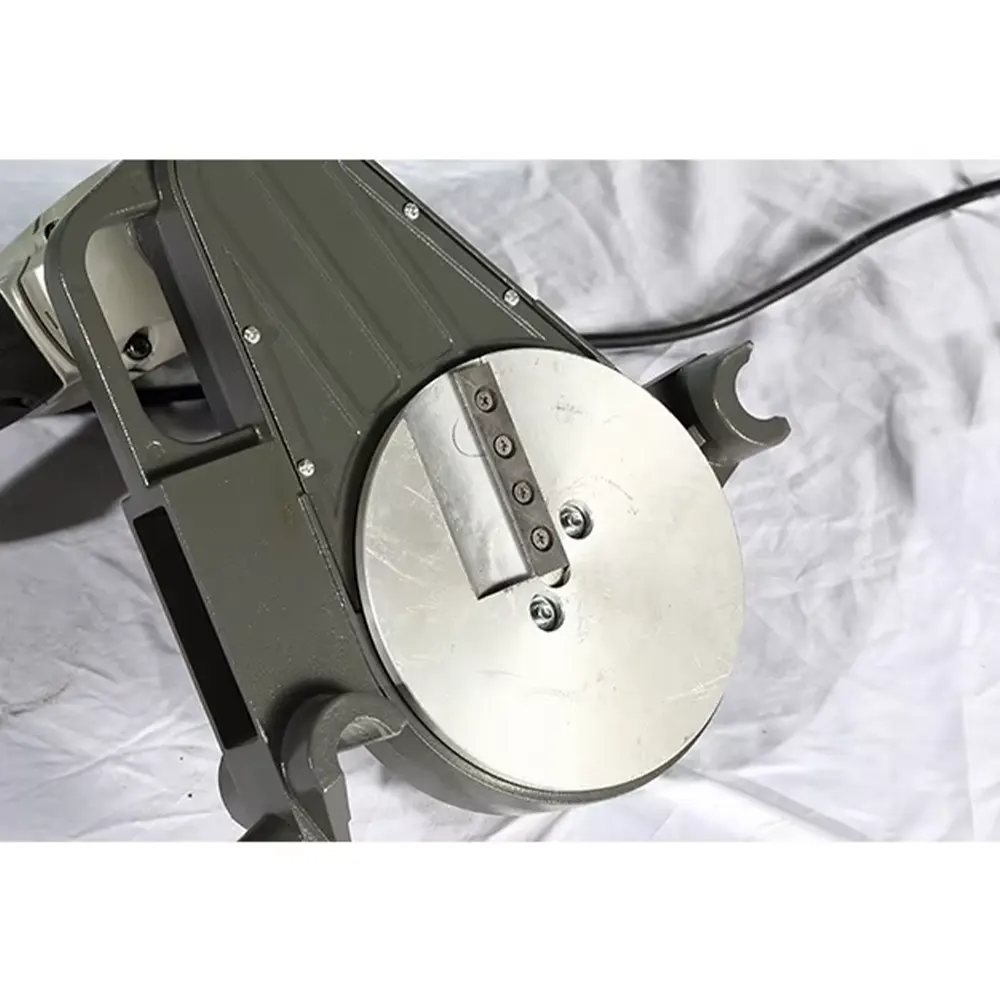
Heavy-Duty Trimmer: High-torque facing tool creates clean, parallel pipe ends.
CNC Automatic Machines: Data-Driven Welding Quality
When projects demand full traceability, CNC automatic butt fusion machines are the ultimate solution. These systems control every phase of the weld cycle — from bead-up to fusion to cooling — and digitally record parameters such as temperature, pressure, and time. This data can be exported for quality assurance documentation, helping contractors comply with PE fusion operator requirements and project specifications. The automation reduces reliance on operator skill, making every weld consistent and verifiable.
The Role of Quality Assurance in Industrial Pipe Welding
Industrial pipeline failures can be catastrophic, leading to environmental damage, service disruption, and costly repairs. This is why rigorous quality assurance protocols are non-negotiable. A reliable butt fusion machine should undergo strict factory testing, including temperature calibration and clamp alignment verification. Machines that comply with ISO 21307 butt fusion procedures and carry certifications like ISO 9001 give contractors confidence that the equipment will perform predictably in the field.
Applications Across Industrial Sectors
The versatility of HDPE and the reliability of butt fusion have made this joining method indispensable across multiple industries. Below is an overview of key application areas where a butt fusion machine for industrial pipelines plays a central role.
| Industry Sector | Typical Pipe Diameter | Recommended Machine Type |
|---|---|---|
| Water Supply & Distribution | 200mm – 2000mm | Hydraulic Butt Fusion |
| Gas Distribution Networks | 63mm – 630mm | CNC Automatic or Hydraulic |
| Mining & Slurry Pipelines | 355mm – 1800mm | Heavy-Duty Hydraulic |
| Industrial Chemical Processing | 90mm – 800mm | Hydraulic or Automatic |
Best Practices for On-Site Welding Operations
Achieving a strong, reliable joint goes beyond having the right equipment. Proper procedure is essential. The pipe ends must be clean, dry, and properly faced. The heating plate temperature must match the pipe material specifications. During the fusion cycle, the machine must maintain steady pressure and alignment. Operators should be trained and familiar with the machine’s control system. Following the PPI butt fusion procedure and manufacturer guidelines minimizes the risk of cold joints or misalignment.
-
Pre-Weld Inspection: Check pipe ends for damage, contamination, or ovality before clamping.
-
Facing: Use the trimmer until a continuous shaving is produced from both pipe ends.
-
Heating: Apply the heating plate with the correct pressure to form a uniform bead.
-
Fusion & Cooling: Join the pipe ends under controlled pressure and allow sufficient cooling time without disturbance.
About JQ-Fusion
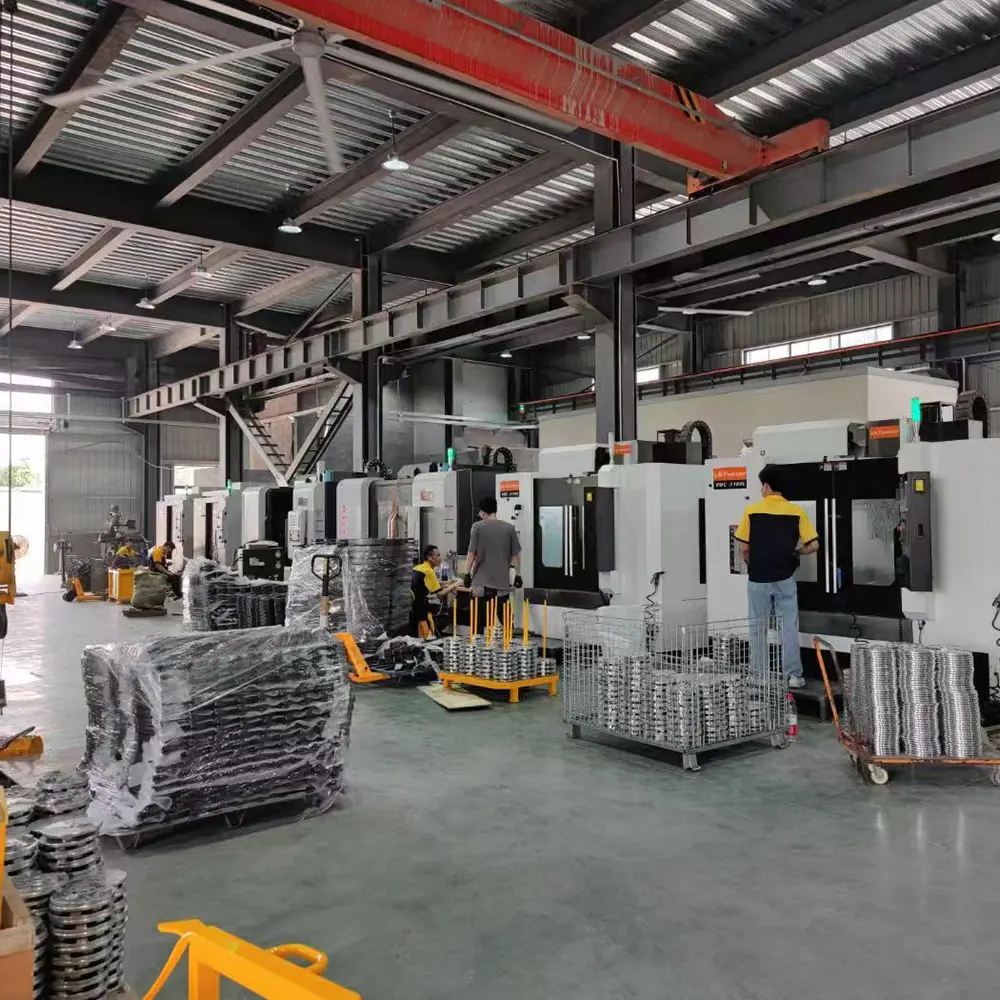
JQ-Fusion is a professional manufacturer specializing in HDPE pipe welding machines, providing reliable butt fusion solutions for global infrastructure projects. With years of industry experience, we focus on the development and production of manual, hydraulic, and CNC automatic butt fusion welding machines, covering a wide range of pipe sizes from small to large diameters. Our products are widely used in water supply, gas distribution, mining, and industrial pipeline systems.
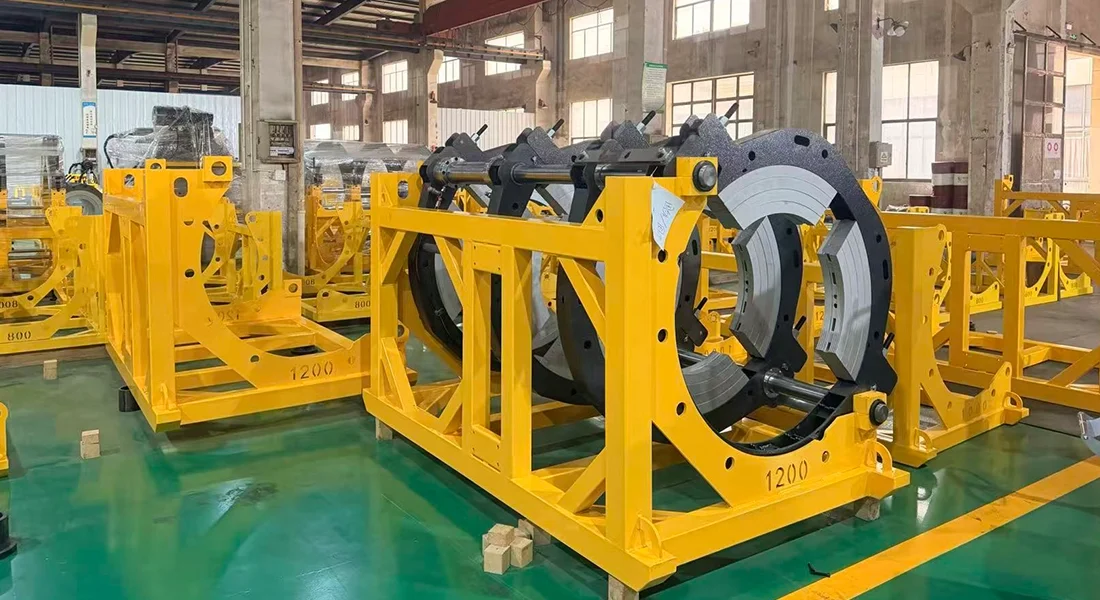
We are committed to delivering high-quality, durable, and customizable welding equipment to meet diverse project requirements. Supported by advanced manufacturing facilities, strict quality control processes, and a responsive service team, JQ-Fusion has built long-term partnerships with distributors and contractors worldwide. From standard models to tailored solutions, we help our clients achieve efficient, precise, and reliable pipe welding performance.
Key Product Lines
-
Hydraulic Butt Fusion Welding Machines — for large-diameter and heavy-wall industrial pipes up to 2250mm.
-
CNC Automatic Butt Fusion Welding Machines — with data logging and programmable weld parameters.
-
Manual Butt Fusion Welding Machines — portable and cost-effective for smaller diameter pipes.
-
Electrofusion Machines — for repair applications and tight spaces where butt fusion is not feasible.
-
Multi-Angle Pipe Fitting Welding Machines — for fabricating elbows, tees, and custom fittings.
Frequently Asked Questions About Industrial Butt Fusion Machines
What pipe diameters can a butt fusion machine weld?
The range varies by machine type. Manual machines typically cover 63mm to 315mm. Hydraulic machines can weld from 160mm up to 2250mm. CNC automatic machines generally handle diameters from 160mm to 630mm. Always match the machine to your project’s pipe size requirements.
How do I ensure my butt fusion welds meet code requirements?
Use a machine that is properly calibrated and maintained. Follow the welding parameters specified by the pipe manufacturer. CNC automatic machines with data logging provide the most reliable documentation for proving compliance with standards such as ASTM F2620 and ISO 21307. Operator training is also essential.
What is the difference between hydraulic and automatic butt fusion machines?
Hydraulic machines use a power unit to generate clamping and welding force, with the operator controlling the sequence. Automatic machines, particularly CNC models, automate the entire process — heating, bead-up, fusion, and cooling — and digitally record all parameters, reducing human error and ensuring repeatable quality.
How often should a butt fusion machine be calibrated?
Regular calibration is critical. The heating plate temperature should be checked before each project or daily during continuous use. Clamp alignment and hydraulic pressure should be inspected periodically according to the manufacturer’s recommended service intervals. Annual professional servicing is a best practice for industrial equipment.
Contact Us for Expert Guidance
Selecting the optimal butt fusion machine for industrial pipelines requires careful evaluation of your project parameters. Our team is available to help you choose the right equipment, from standard models to fully customized solutions. With a large inventory and global support, JQ-Fusion ensures your projects stay on schedule with reliable, durable fusion machines built to perform in the toughest industrial environments.