
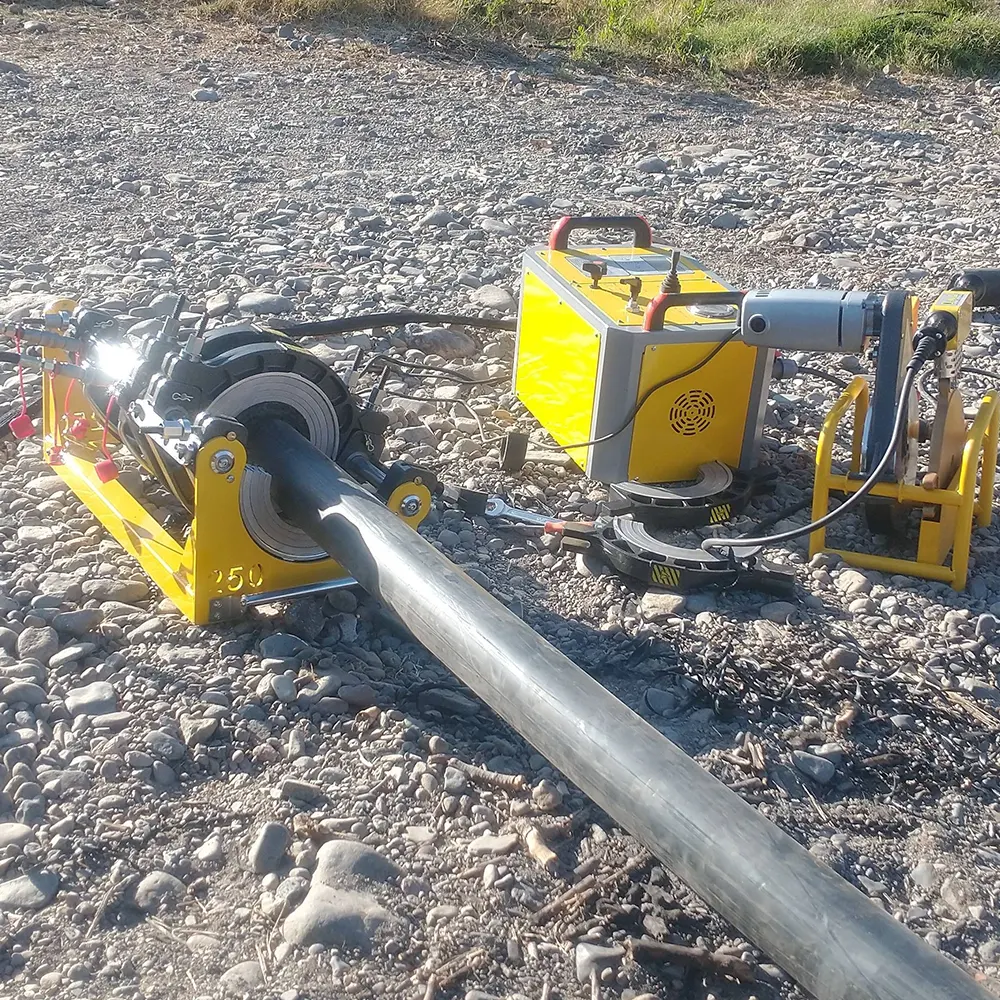
For contractors and engineers working on critical pipeline infrastructure, the reliability of every joint directly impacts the long-term integrity of the entire system. PE100 HDPE welding equipment is not just a tool; it is the foundation of leak-free, high-performance polyethylene pipe networks across water, gas, and industrial sectors. Whether you are installing a municipal water supply or a mining slurry line, understanding the nuances of butt fusion machines and supporting tools ensures every weld meets the rigorous demands of modern standards.
Understanding PE100 HDPE and Its Welding Requirements
PE100 represents the fourth generation of high-density polyethylene, offering exceptional strength, crack propagation resistance, and long-term durability. This material classification, governed by standards like ISO 4427-2, demands precise thermal joining techniques to preserve its molecular structure. The most established method for joining PE100 pipes with diameters above 63mm is butt fusion welding, a process that heats pipe ends against a precisely controlled hot plate and then forges them together under specific pressure profiles. For a comprehensive overview of the procedure, refer to the what is HDPE butt fusion guide, which outlines the foundational steps.
The success of a butt fusion joint depends on three critical factors: correct temperature, precise alignment, and proper interfacial pressure. This is where the quality of your butt fusion welding equipment becomes non-negotiable. Machines must maintain a consistent heater plate surface temperature, typically around 210°C to 225°C, and clamps must hold the pipes in perfect coaxial alignment to prevent high-low misalignment. The ISO 21307 butt fusion procedures provide detailed parameter guidelines that professional operators follow to achieve repeatable weld quality.
Core Categories of Butt Fusion Welding Machines
Selecting the right machine depends on your pipe diameter range, project environment, and required automation level. PE100 HDPE welding equipment is broadly classified into three main categories, each designed for specific operational scales.
Manual Butt Fusion Machines
Manual machines are the workhorses for small to medium diameter pipes, typically ranging from 40mm to 315mm. These units rely on operator leverage to control the fusion cycle. They are lightweight, portable, and ideal for site-level distribution networks where electricity access may be limited. The frame rigidity is crucial here; a robust structure prevents flex during the cooling phase, ensuring a clean, uniform bead. When looking at manual butt fusion machines, inspect the clamp knobs and guide rods for hardened construction, as these components take the brunt of daily wear.
Hydraulic Butt Fusion Machines
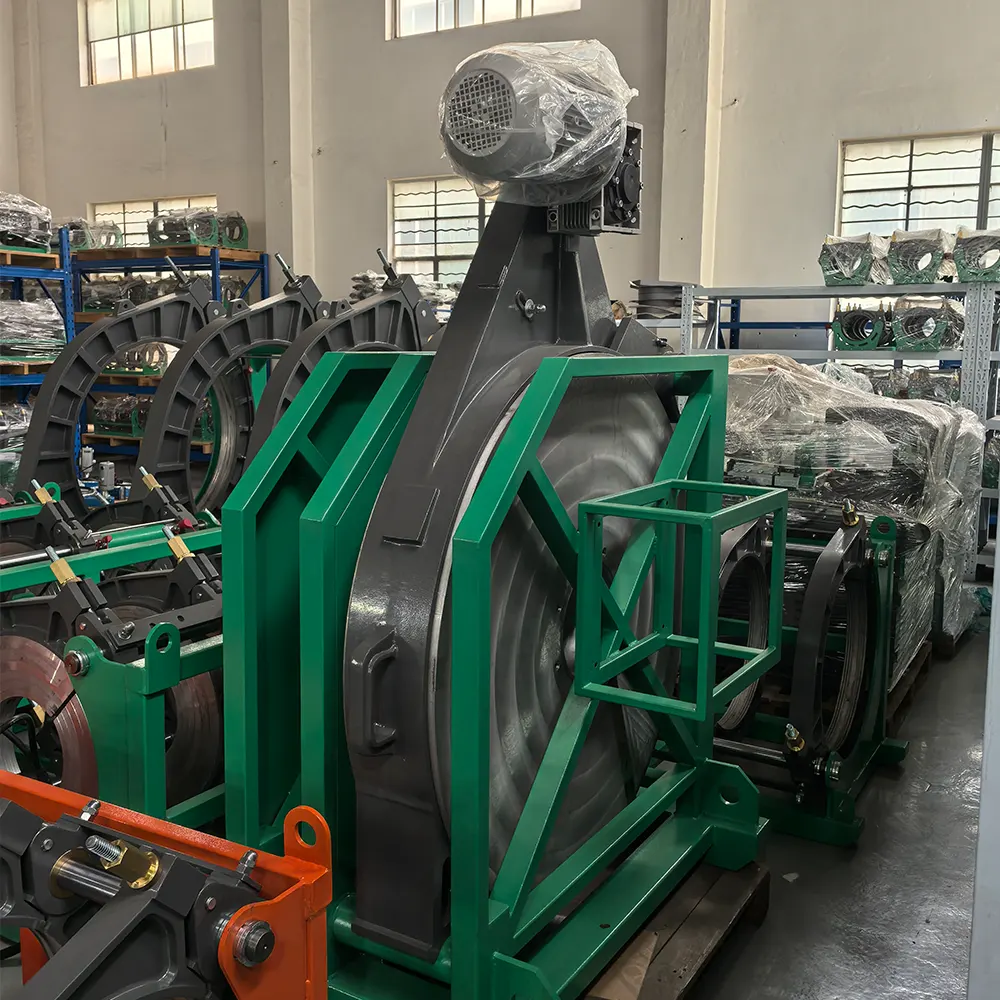
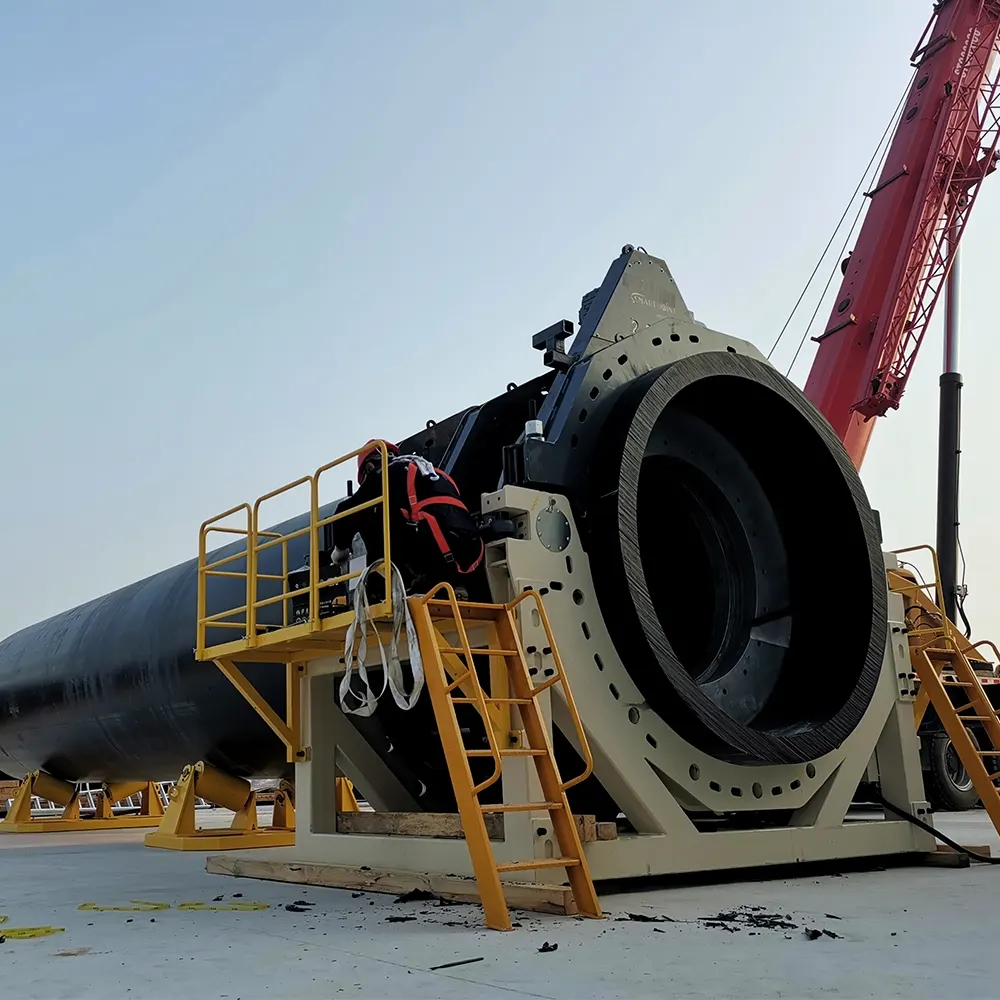
For diameters from 160mm up to 2250mm and beyond, hydraulic power becomes essential. These systems use a hydraulic power pack to drive the moving carriage, delivering the controlled, high-force pressures required for large-diameter PE100 pipes. Precision hydraulics allow for smooth, jerk-free movement during the heating transition and fusion stages, eliminating the risk of pipe end contamination from interrupted motion. A significant advantage of advanced hydraulic butt fusion welding machines is the ability to maintain drag pressure compensation automatically, a feature that protects the molten interface from cold spots during bead formation.
CNC Automatic Butt Fusion Machines
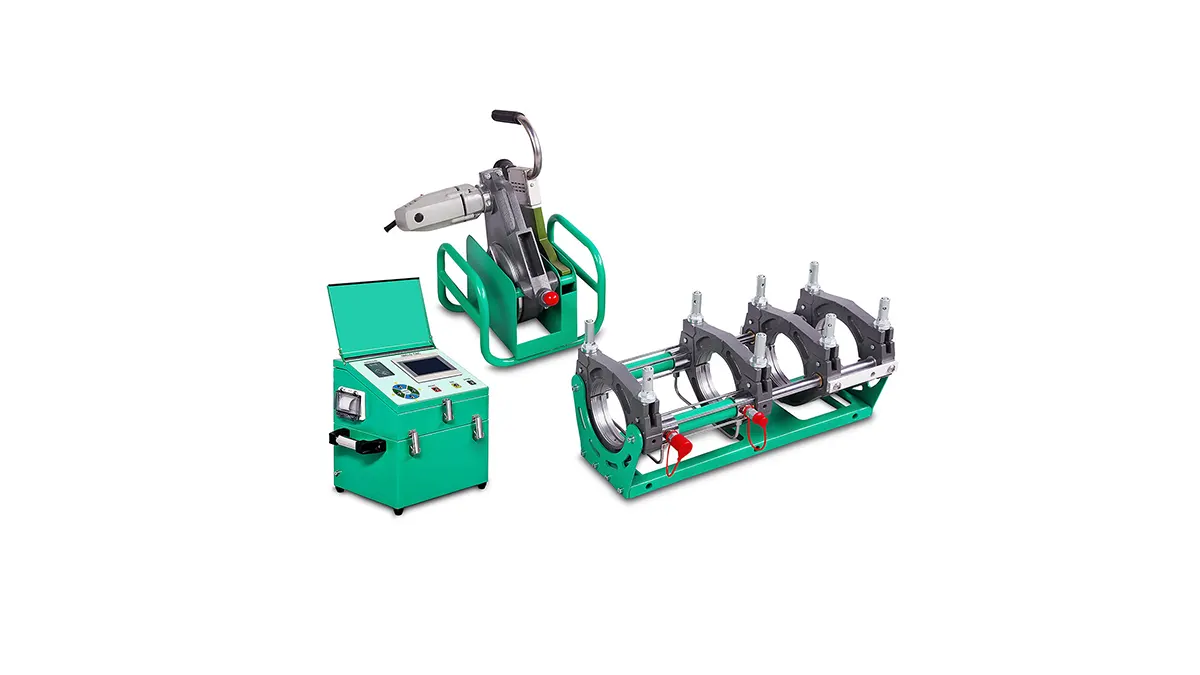
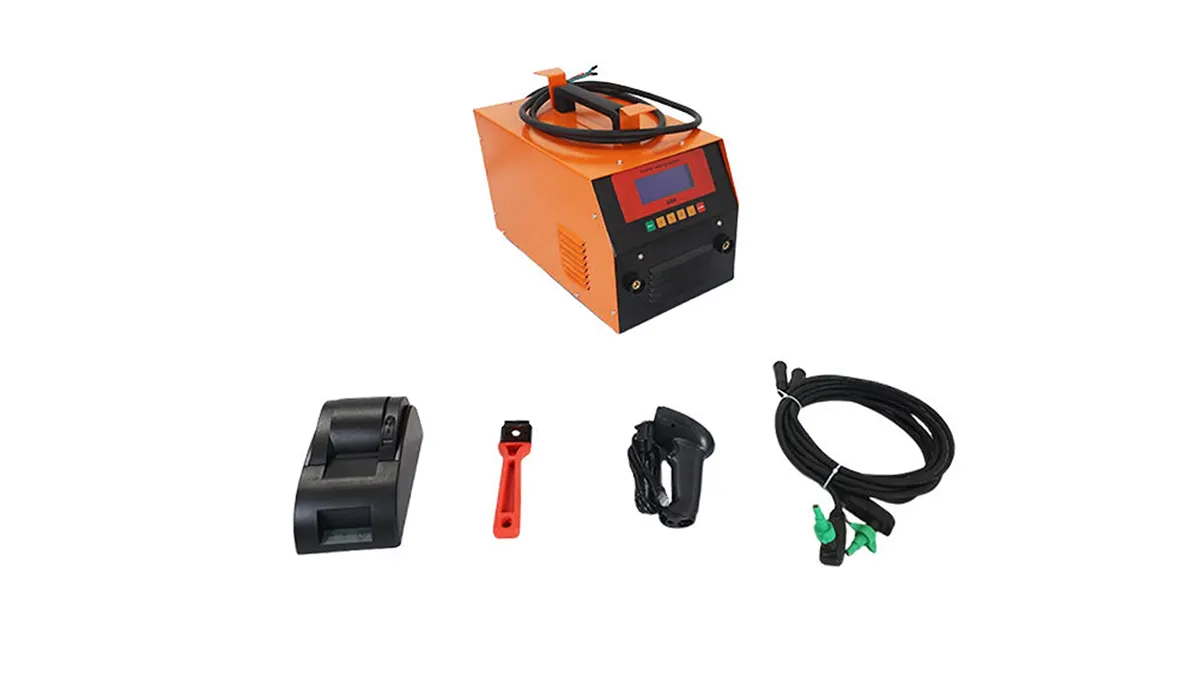
When absolute repeatability and data logging are required, CNC automatic machines set the standard. These units embed a programmable logic controller that manages every stage of the weld cycle—from initial bead-up to cooling time—based on input pipe dimensions and material grade. The operator interface typically provides real-time graphic displays of pressure and temperature curves. By eliminating human variability, CNC automatic butt fusion machines deliver joints that consistently conform to ASTM F2620 heat fusion requirements. They are indispensable for nuclear, gas transmission, and high-consequence water infrastructure projects.
| Machine Type | Typical Range | Key Features | Best Applications |
|---|---|---|---|
| Manual | 40mm – 315mm | Lightweight, portable, hand-lever operation | Distribution networks, rural water supply |
| Hydraulic | 160mm – 2250mm | Hydraulic power pack, drag pressure control | Main lines, mining, large-diameter transmission |
| CNC Automatic | 160mm – 630mm+ | Programmable cycles, data logging, touchscreen | Gas transmission, nuclear, high-purity systems |
Essential Components and Tooling for Quality Joints
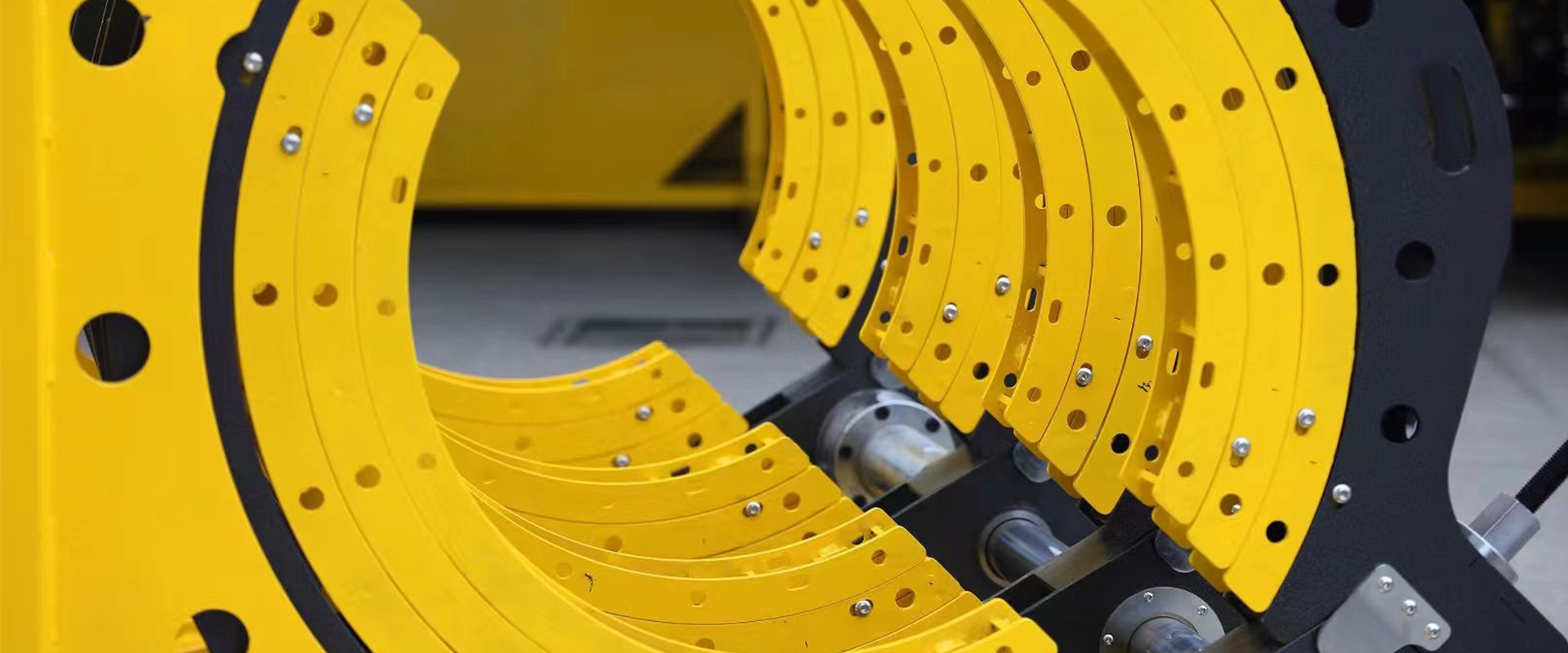
Beyond the basic frame, producing a code-compliant PE100 HDPE weld requires properly maintained support tooling. The heater plate must have a non-stick PTFE coating that is clean and free from residue; damaged coatings lead to uneven heat transfer and polyethylene sticking, which contaminates the joint. The facing tool, or trimmer, needs sharp, properly secured blades to produce a smooth, continuous chip from both pipe ends simultaneously. Dull blades can smear the PE surface, inhibiting molecular diffusion during fusion. Additionally, alignment clamps and reduction inserts must be selected to match the specific SDR of the pipe, as an oversize clamp will not control ovality effectively.

Industrial Applications and Material Performance
The versatility of PE100 positions it as a preferred material across multiple sectors. In water infrastructure, the material’s resistance to corrosion and tuberculation ensures sustained hydraulic capacity over decades. For gas distribution, PE100’s resistance to rapid crack propagation is a critical safety attribute. Mining operations utilize thick-wall PE100 pipes for abrasive slurry transport, where the material outperforms steel in wear resistance at lower installed cost. Industrial chemical lines benefit from its broad-spectrum chemical inertness. Each of these applications depends on the joint integrity provided by properly operated PE100 HDPE welding equipment, with procedures validated by standards such as the PE gas piping systems specification and relevant water piping codes.
Selecting and Maintaining Your Welding Investment
Choosing a PE100 HDPE welding equipment supplier involves evaluating more than the initial purchase price. Consider the availability of spare parts like heater plates, trimmer blades, and hydraulic seals. A manufacturer with a large inventory and responsive support team minimizes project downtime. One such provider meeting these industry needs is JQ-Fusion, which specializes in manufacturing reliable butt fusion solutions for global infrastructure, covering a wide range of pipe sizes with equipment designed for durability and precision.
Maintenance routines should include daily checks of the heater plate surface with a temperature crayon or digital probe to verify calibration. Hydraulic systems require periodic hose inspections and fluid changes to prevent contamination that could cause erratic carriage movement. Manual machine guide rods benefit from regular cleaning and light lubrication to prevent galling. Implementing a simple logbook for each major piece of equipment, recording service dates and calibration results, is a practical step toward heat fusion operator qualification and audit readiness.
From portable manual units to fully automated CNC systems, the landscape of PE100 HDPE welding equipment offers a machine for every application and pipe scale. Grounding your choice in recognized standards, understanding the role of each component, and committing to regular maintenance are the keys to generating joints that last the full design life of the pipeline system. Whether your next project involves potable water lines or complex industrial networks, a properly selected butt fusion machine remains the cornerstone of construction quality and system reliability.
| Accessory Tool | Function | Impact on Weld Quality |
|---|---|---|
| Heater Plate | Heats pipe ends to fusion temperature | Critical for proper melt bead formation |
| Facing Tool (Trimmer) | Squares and cleans pipe ends | Ensures full contact and parallel alignment |
| Reduction Inserts | Adapts clamps to specific pipe SDR | Controls ovality and grip without crushing |
| Hydraulic Power Pack | Provides controlled force for large pipes | Delivers steady interfacial pressure |
Standards and Best Practices for Operator Success
Professional operators must be trained to recognize proper bead geometry. A correctly executed double-pressure, low-pressure butt fusion cycle will produce a uniform external bead size that indicates adequate melt penetration and forging. Operators should be familiar with the jointing procedures detailed in PPI butt fusion procedure documents and the specific parameters for their pipe material. Practicing destructive bend-back tests on sample welds during setup helps validate machine settings before production welding begins.
- Verify heater plate temperature with a calibrated device before each work session.
- Clean pipe ends and tool surfaces with approved solvent wipes, avoiding residue.
- Record drag pressure and calculate required fusion pressure before each joint.
- Protect joint area from wind, dust, and rapid cooling during the fusion process.
- Mark each joint with a traceable code for quality assurance documentation.
In the realm of polyethylene pipe joining, the equipment you choose dictates the long-term performance of the network. Investing in robust, well-engineered PE100 HDPE welding equipment and pairing it with skilled, knowledgeable operators is the most effective strategy for delivering infrastructure that endures.



