
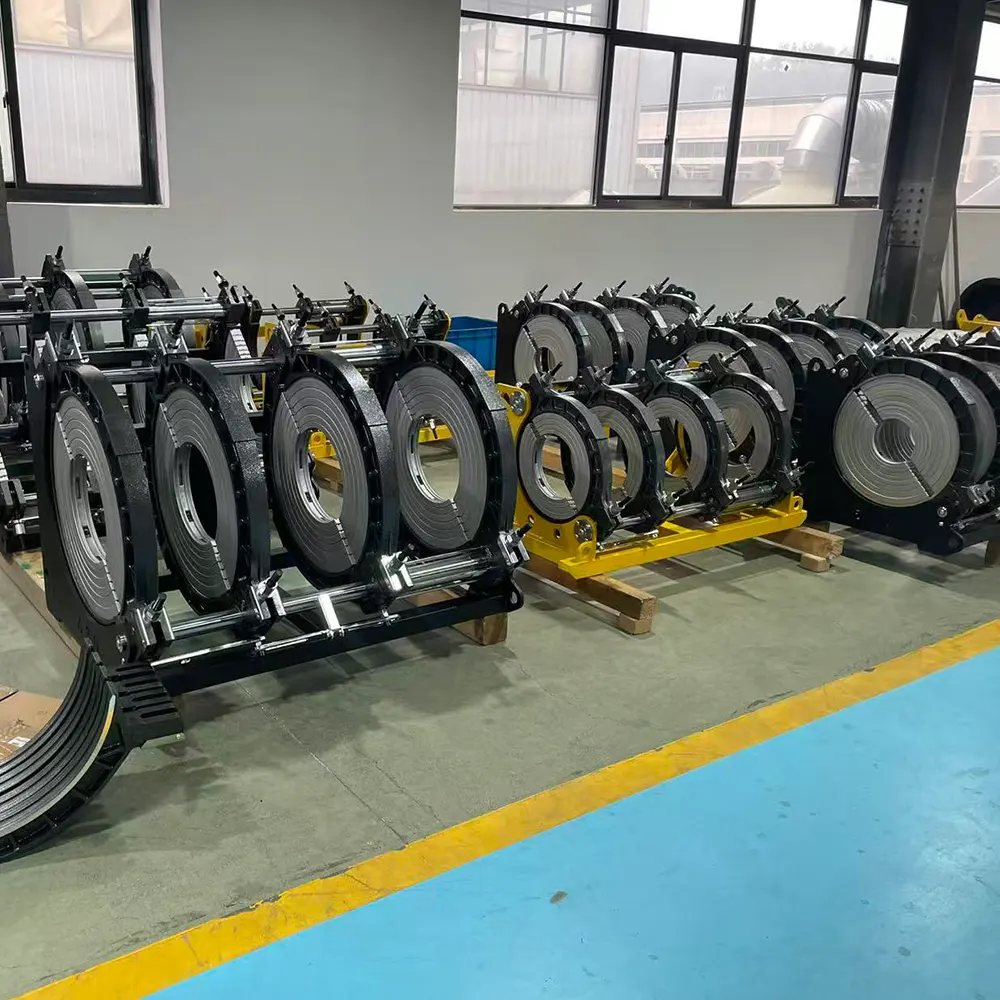
PE100 high-density polyethylene (HDPE) pipes have become the material of choice for modern infrastructure projects, from municipal water supply to industrial slurry transport. The long-term reliability of these systems depends heavily on the quality of pipe joints, and PE100 HDPE pipe fusion remains the most trusted method to create leak-free, monolithic pipelines. This guide covers everything contractors and engineers need to know about butt fusion and installation best practices.
Understanding PE100 HDPE Pipe and Butt Fusion
PE100 is a high-performance polyethylene grade classified by its Minimum Required Strength (MRS) of 10 MPa. It offers outstanding toughness, chemical resistance, and flexibility. Butt fusion is a thermal joining process where the pipe ends are heated to a molten state and pressed together under controlled pressure, forming a homogeneous bond that is often stronger than the pipe itself. According to ISO 21307 butt fusion procedures, achieving a reliable joint requires precise control of temperature, alignment, and interfacial pressure.

The Butt Fusion Welding Process
The butt fusion cycle consists of four critical stages: heating, heat soak, heater plate removal, and fusion joining under pressure. During the heating phase, the pipe ends are pressed against a non-stick heating plate at a calibrated temperature — typically between 200°C and 220°C for PE100 material. Once the appropriate melt bead has formed, the parts are brought together and held under force while the joint cools. This entire sequence is governed by international standards such as PE butt fusion equipment standard and ASTM F2620 heat fusion to ensure repeatable weld quality.
Types of Butt Fusion Welding Machines
Selecting the right equipment is essential for consistent results. Modern butt fusion machines fall into three main categories to accommodate different pipe diameters and job site conditions.
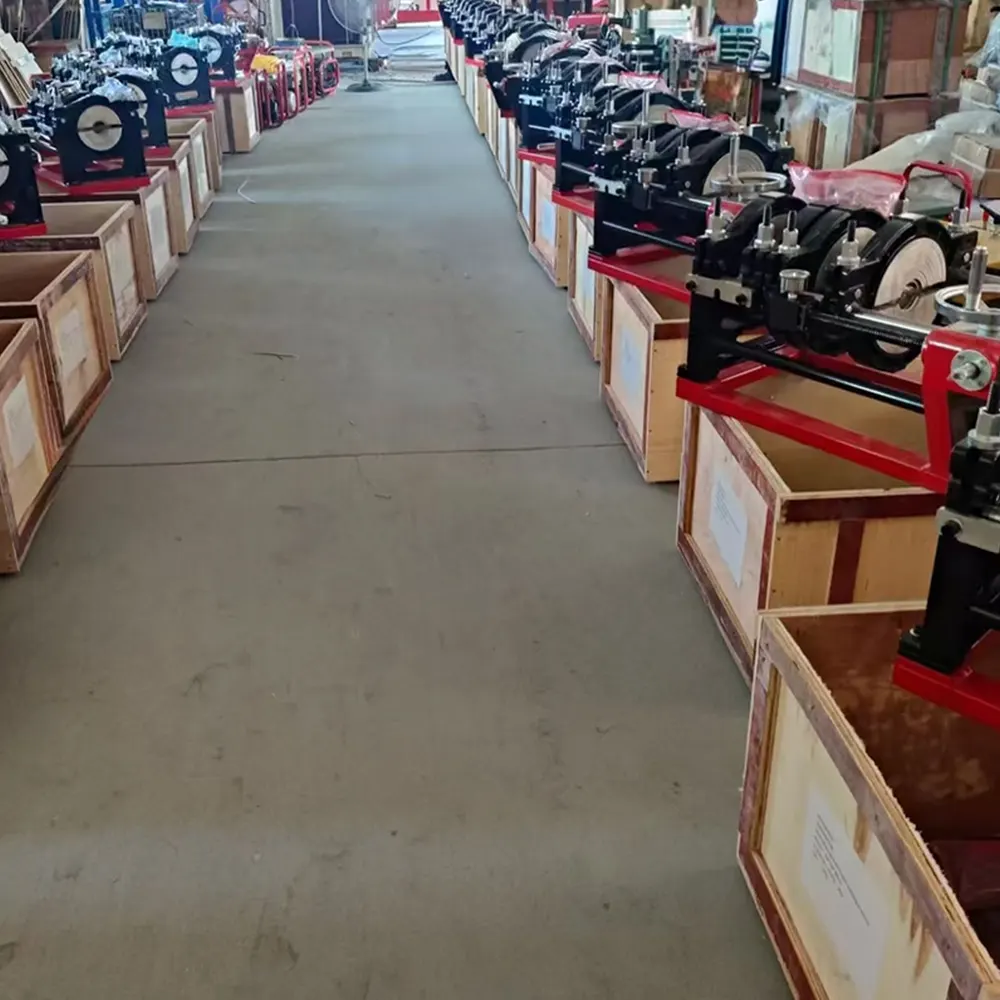
- Manual Butt Fusion Machines – Lever-operated models ideal for small-diameter pipes (up to 315 mm). They are lightweight, portable, and cost-effective for utility installations.
- Hydraulic Butt Fusion Machines – Designed for medium to large diameters, these units use hydraulic pressure to deliver precise, uniform force. They are widely used in mining, water transmission, and gas distribution. Hydraulic butt fusion welding machines offer superior clamping and alignment for demanding environments.
- CNC Automatic Butt Fusion Machines – Fully programmable machines that control every parameter digitally. They record weld data for traceability and are preferred on large-scale infrastructure projects. CNC automatic butt fusion machines minimize operator error and speed up production.
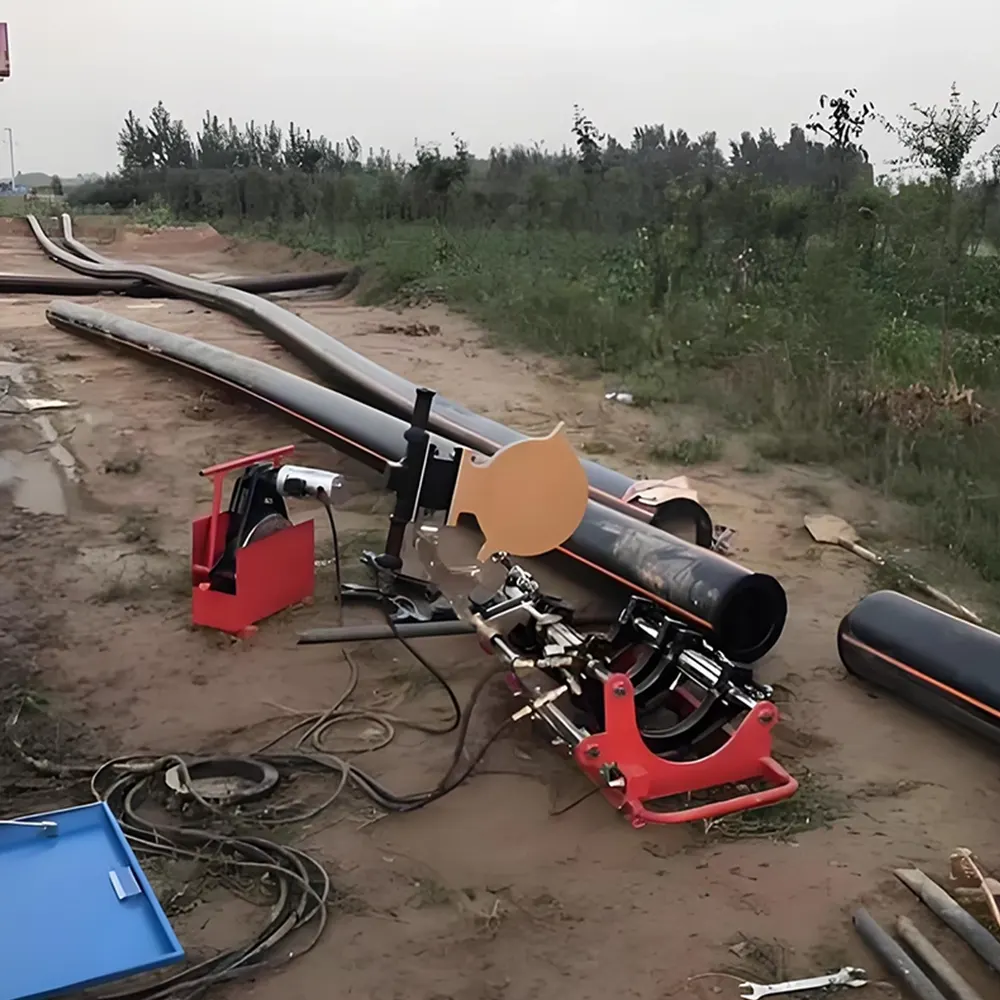
Step-by-Step Butt Fusion Procedure for PE100
Following a strict procedure is the foundation of every successful weld. Below is a summarized workflow based on the PPI TR-33 guidelines and PPI butt fusion procedure.
- Clean and square the pipe ends. Remove all dirt, grease, and oxide layers using a rotating trimmer until a continuous shaving emerges from both pipes.
- Align the pipe ends. Clamp the pipes securely in the machine frame and check for high-low misalignment. Maximum offset should not exceed 10% of wall thickness.
- Measure drag pressure. With the heating plate removed, slowly increase pressure until the carriage starts to move. Record this as the drag pressure to be added during welding.
- Heat the pipe ends. Insert the heating plate at the correct temperature. Apply bead-up pressure (actual welding pressure = theoretical interfacial pressure + drag pressure) until a uniform melt bead forms around the circumference.
- Heat soak. Reduce the pressure to nearly zero without losing contact with the heating plate. Maintain for the specified soak time to allow heat penetration.
- Plate removal and fusion. Quickly open the carriage, remove the heating plate, and bring the pipe ends together within the specified dwell time. Apply the full fusion force and hold until the joint solidifies.
- Cool under pressure. Keep the pressure constant while the weld cools to ambient temperature. Do not move or stress the joint during cooling.
The table below provides general reference parameters for PE100 butt fusion joints. Always follow the machine manufacturer’s data logging and pipe supplier specifications.
| Pipe Diameter (mm) | Bead-up Width (mm) | Heating Time (sec) | Cooling Time (min) |
|---|---|---|---|
| 110 – 160 | 0.5 – 1.0 | 45 – 60 | 6 – 8 |
| 200 – 315 | 1.0 – 1.5 | 90 – 120 | 12 – 18 |
| 400 – 630 | 1.5 – 2.5 | 150 – 200 | 22 – 30 |
| 800 – 1200 | 2.5 – 4.0 | 240 – 340 | 35 – 50 |
Installation Best Practices for PE100 Pipes
Proper installation extends far beyond the weld joint. Trench preparation, bedding, and backfilling directly affect the service life of a PE100 pipeline. Follow these key guidelines to meet project specifications and long-term performance expectations.
- Trench Design: Ensure the trench is wide enough to accommodate the butt fusion machine and allow for pipe movement during the fusion cycle. Maintain sufficient depth for frost protection and traffic loads.
- Pipe Handling: Use nylon slings or padded forks to prevent surface scratches. Do not drag pipes over rocky ground. Any deep cuts or gouges should be inspected and repaired before installation.
- Joint Inspection: After cooling, inspect each butt fusion joint visually. The external bead should be uniform, with a smooth roll‑over on both sides. Destructive bend‑back tests or ultrasonic inspections may be required for critical applications.
- Pressure Testing: Conduct hydrostatic pressure testing in accordance with PE pipe hydrostatic leak testing standards. Allow the pipe to relax and reach equilibrium temperature before starting the test.
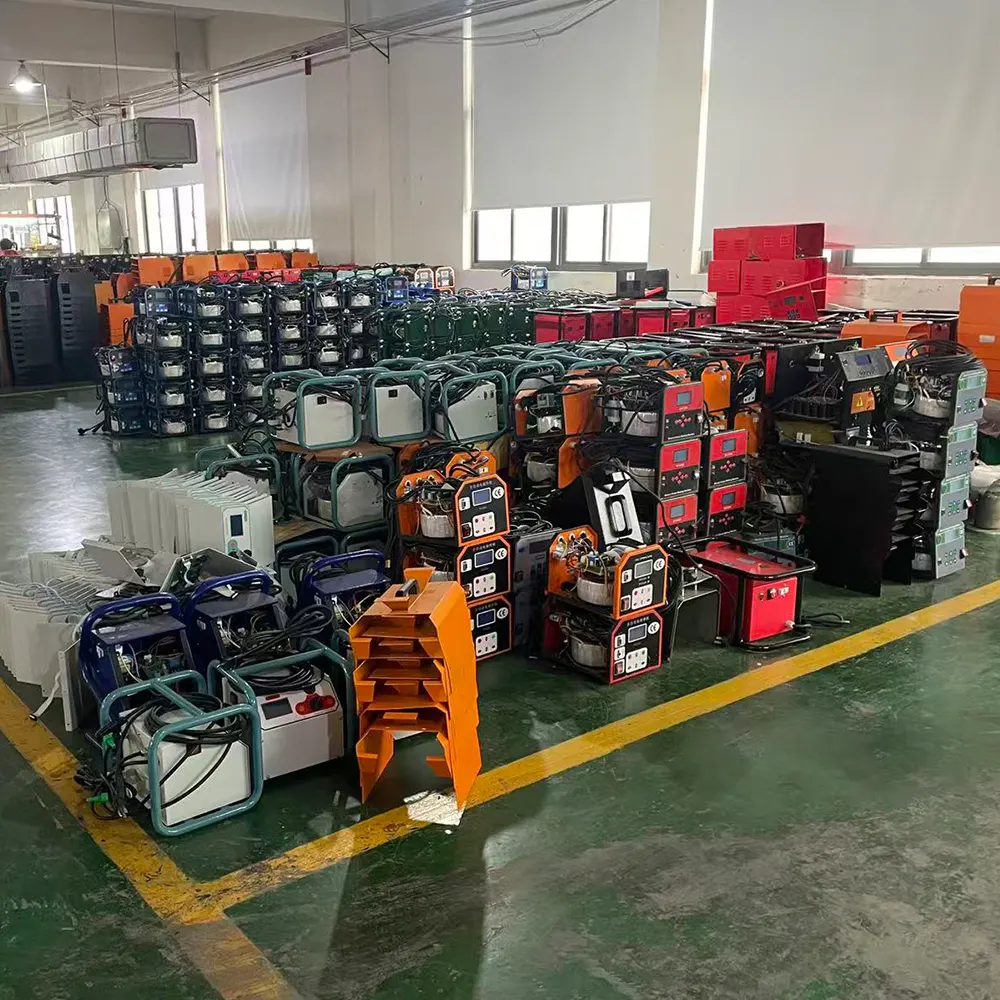
- Electrofusion Joints: In tight spaces where butt fusion is impractical, electrofusion equipment provides an alternative joining method using couplers with embedded heating coils. Always follow the electrofusion fitting manufacturer’s guidelines.
Choosing the Right Equipment for PE100 Pipe Fusion
Whether you are joining small‑diameter laterals or large transmission mains, having a purpose‑built butt fusion machine makes all the difference. Manual butt fusion welding machines are excellent for remote job sites with limited access to power, while hydraulic and automatic systems shine on high‑volume projects where speed, data logging, and consistency are critical.
JQ‑Fusion is a professional manufacturer specializing in HDPE pipe welding machines, providing reliable butt fusion solutions for global infrastructure projects. With years of industry experience, the company supplies manual, hydraulic, and CNC automatic butt fusion welding machines that cover a wide range of pipe sizes. All units undergo rigorous quality control, including temperature accuracy and clamp alignment testing, to deliver strong, consistent welds in water supply, gas distribution, mining, and industrial applications.
Maintaining Quality with Operator Training and Standards
Even the best equipment cannot compensate for improper technique. Certified fusion operators understand the critical parameters defined by PE fusion operator requirements and can adjust to varying ambient conditions. Regular calibration of heating plates, hydraulic systems, and data loggers is just as important as the welding process itself. Refer to comprehensive resources like the PPI Handbook of Polyethylene Pipe for in‑depth design and joining guidance.
Key Takeaways for Successful PE100 HDPE Pipe Fusion
- Always verify pipe cleanliness and end squareness before starting any PE100 HDPE pipe fusion joint.
- Select the right butt fusion machine type — manual, hydraulic, or CNC automatic — based on pipe diameter and project scale.
- Adhere to ISO 21307 and ASTM F2620 fusion procedures and never deviate from the approved time‑temperature‑pressure parameters.
- Invest in operator training and routine equipment maintenance to achieve repeatable, high‑strength welds throughout the pipeline life.
By combining the right equipment, trained personnel, and adherence to global standards, contractors can reliably install PE100 HDPE piping systems that deliver decades of leak‑free service. For more information on fusion machines and customised solutions, explore the full range of butt fusion and electrofusion products available from trusted manufacturers.



