
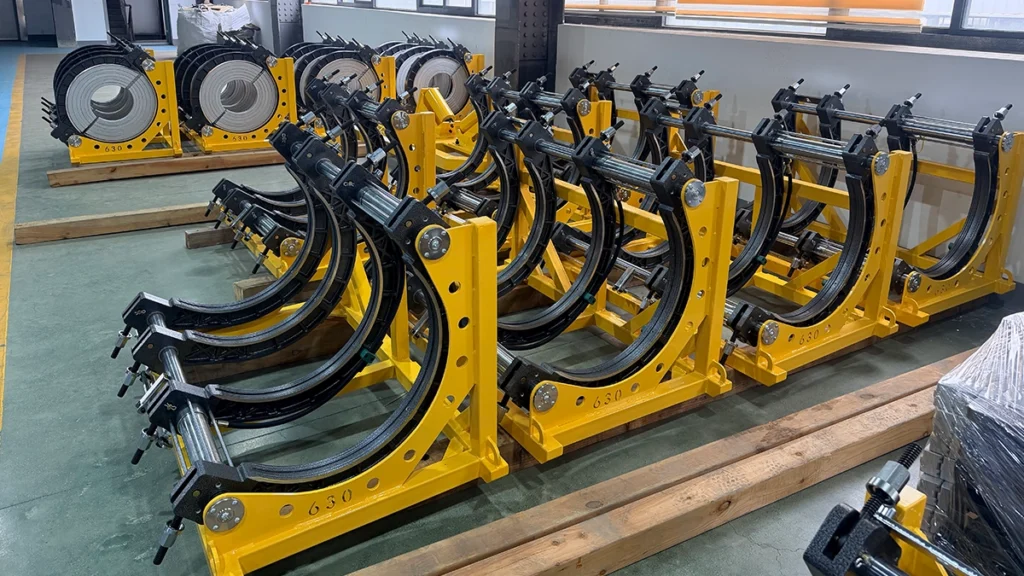
Selecting the right HDPE pipe welding equipment is one of the most critical decisions you will make for your pipeline project. Whether you are working on municipal water supply, gas distribution, mining operations, or industrial fluid transport, the quality and reliability of your fusion joints directly impact long-term system performance. An informed HDPE pipe welding equipment selection guide helps contractors, distributors, and project managers navigate the wide range of available tools and match them to specific job requirements. Understanding the differences between machine types, key technical specifications, and industry standards ensures you invest in equipment that delivers consistent, leak-free connections every time.
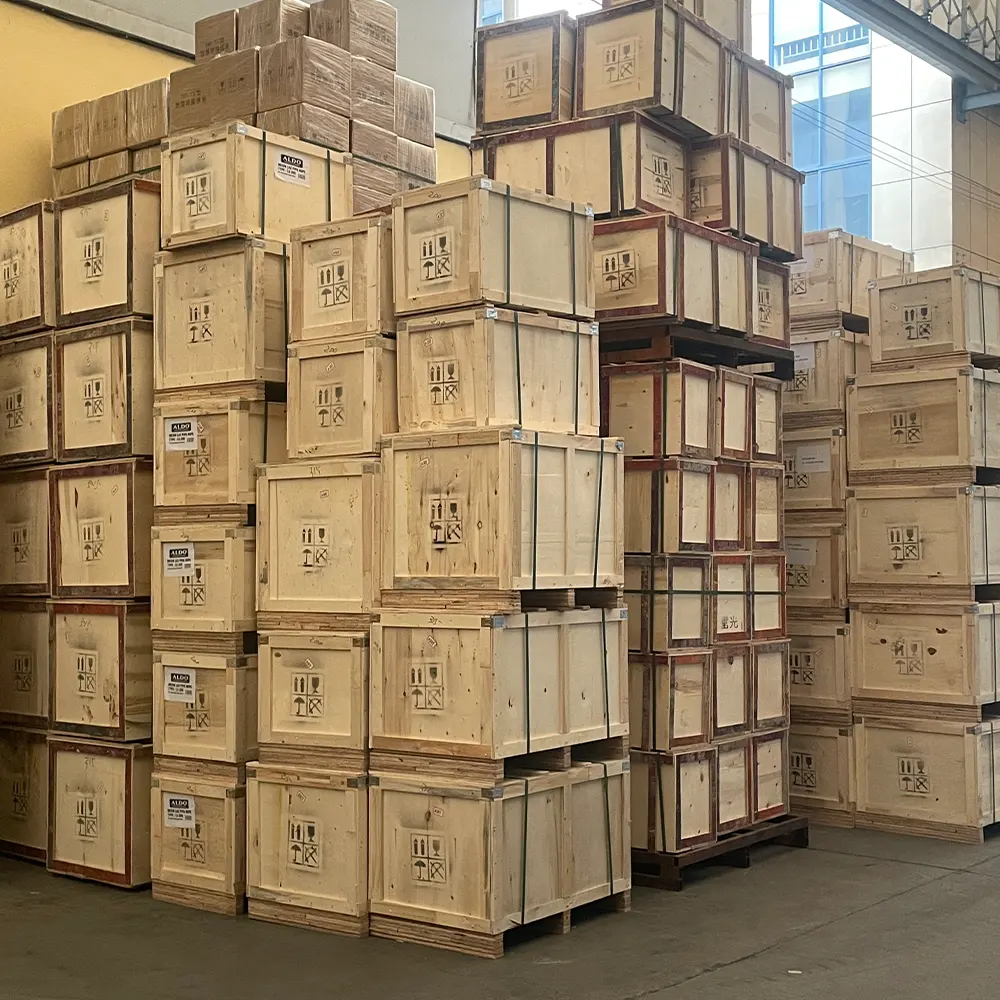
Understanding the Main Types of HDPE Pipe Welding Equipment
Before diving into selection criteria, it is essential to understand the primary categories of butt fusion welding machines available on the market. Each type serves different pipe diameter ranges and project scales, and choosing the correct one significantly affects productivity and joint integrity.
Manual Butt Fusion Welding Machines
Manual butt fusion welding machines are typically designed for smaller diameter pipes, generally ranging from 40mm to 315mm. These machines rely on lever-operated clamps and hand-driven mechanisms to apply fusion pressure. They are lightweight, portable, and ideal for fieldwork, repair jobs, or projects where mobility is a priority. The simplicity of their design makes them cost-effective and easy to maintain, though they require a skilled operator who understands pressure control and heating parameters intuitively.
Hydraulic Butt Fusion Welding Machines
For medium to large diameter pipes, hydraulic butt fusion welding machines provide the necessary clamping force and precision. These machines use hydraulic power units to drive the moving carriage, ensuring uniform pressure distribution across the pipe face. They typically handle diameters from 160mm up to 2500mm and beyond. The hydraulic system allows for smoother operation, reduced operator fatigue, and more consistent fusion cycles, which is critical for large-scale infrastructure projects where every joint must meet stringent quality standards.
CNC Automatic Butt Fusion Welding Machines
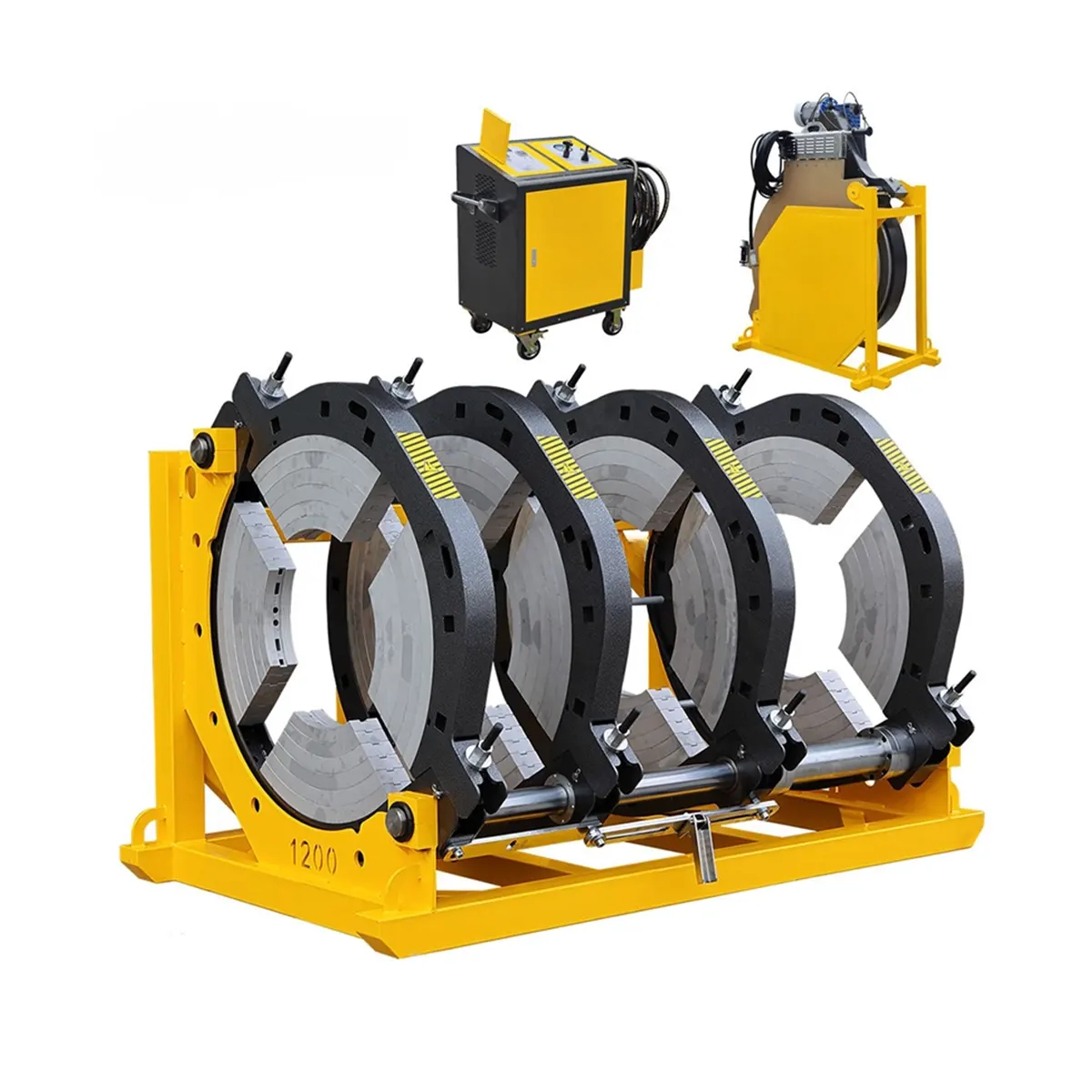
CNC automatic butt fusion welding machines represent the highest level of precision and control in HDPE pipe joining. These machines feature programmable logic controllers that manage every phase of the fusion cycle, including heating soak time, changeover speed, and cooling pressure. By removing human variability from the process, CNC systems produce traceable, repeatable welds that comply with international standards. They are especially valuable for projects requiring documented weld data, such as nuclear piping, gas transmission, and high-pressure water mains.
Electrofusion Equipment
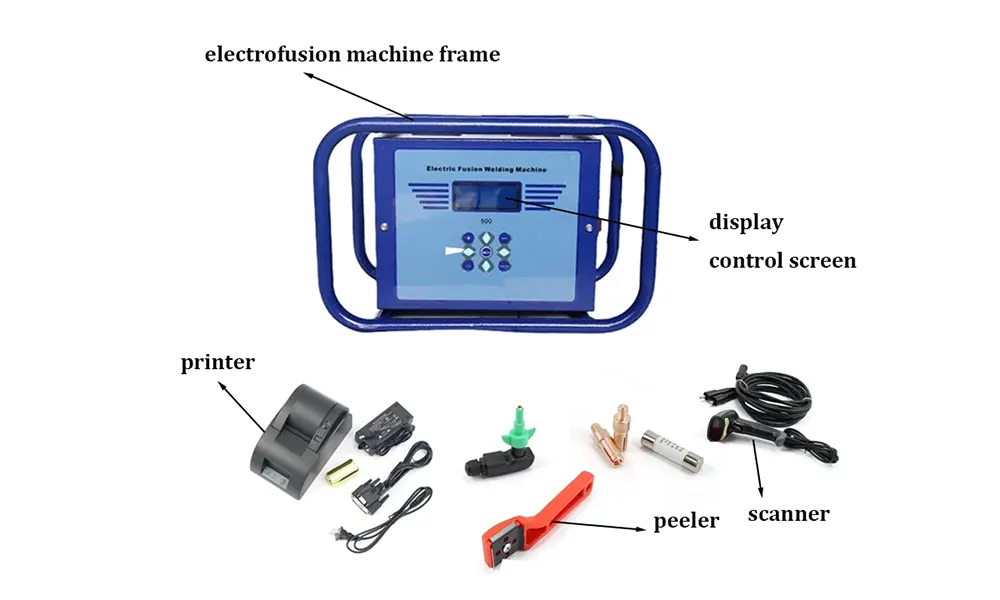
Electrofusion equipment uses specialized fittings with embedded heating coils to join HDPE pipes. An electrofusion control unit sends an electric current through the coil, melting the surrounding material and creating a homogeneous joint. This method is particularly useful for repair situations, tie-ins, and locations where butt fusion equipment cannot be easily positioned. Electrofusion is also preferred for joining pipes of different wall thicknesses or when working in confined spaces.
Key Factors to Evaluate Before Purchasing
Choosing the right HDPE pipe welding equipment goes beyond simply matching a machine to your pipe diameter. Several interrelated factors influence performance, efficiency, and return on investment. The following considerations should guide your decision-making process.
- Pipe Diameter Range and Wall Thickness: Determine the minimum and maximum pipe sizes you will encounter. Machines have specific clamping ranges, and exceeding these limits compromises joint quality. Consider both the outer diameter and the SDR (Standard Dimension Ratio) of the pipes.
- Project Scale and Frequency of Use: For occasional small-scale work, a manual machine may suffice. For continuous, high-volume production, investing in a hydraulic or CNC system with faster cycle times and greater durability is more economical in the long run.
- Power Source Availability: Hydraulic and CNC machines require reliable electrical power. On remote job sites, you may need generators or machines designed for variable power conditions. Manual machines offer independence from power grids.
- Operator Skill Level and Training: CNC automatic machines reduce reliance on operator judgment, while manual and hydraulic machines demand trained personnel who understand fusion principles. Factor in training costs and availability when selecting equipment.
- Portability and Site Conditions: Consider machine weight, frame design, and whether the equipment will be moved frequently. Machines with integrated wheels, foldable frames, or modular designs improve logistics on dynamic job sites.
- Data Logging and Traceability Requirements: Many regulatory environments now require documented proof of proper fusion. CNC machines with built-in data loggers and USB export capabilities provide auditable weld records that simplify compliance.
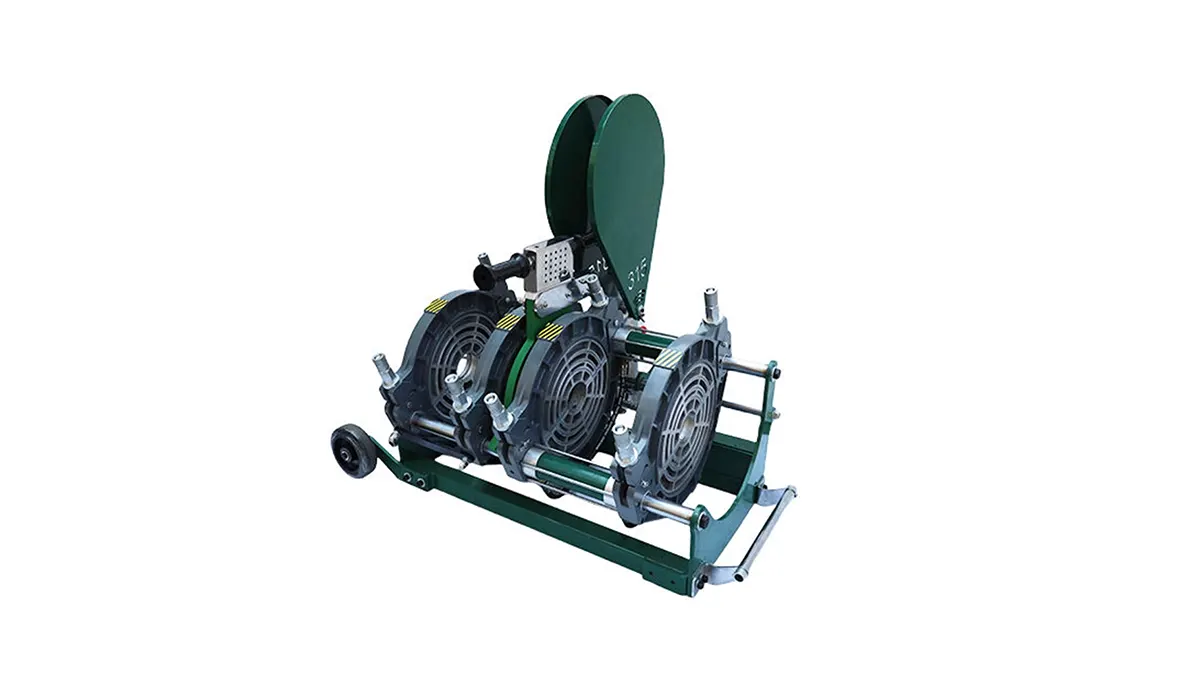
Equipment Comparison Overview
The table below provides a concise comparison of the main equipment categories to help you quickly assess which type aligns with your operational needs. Use this as a starting point before diving deeper into specific model specifications.
| Equipment Type | Typical Pipe Range | Automation Level | Best Suited For | Data Logging |
|---|---|---|---|---|
| Manual Butt Fusion | 40mm – 315mm | Low | Small projects, repairs, fieldwork | Not typically available |
| Hydraulic Butt Fusion | 160mm – 2500mm+ | Medium | Medium to large infrastructure projects | Optional on some models |
| CNC Automatic Butt Fusion | 160mm – 1200mm+ | High | High-precision, traceable applications | Built-in, comprehensive |
| Electrofusion | 20mm – 1200mm+ | Medium-High | Repairs, confined spaces, special fittings | Available on advanced controllers |
| Multi-Angle Fitting Machines | 315mm – 1600mm+ | Medium | Fabricated fittings, elbows, tees, Y-joints | Optional |
Matching Equipment to Pipe Diameter and Wall Thickness
One of the most common mistakes in equipment selection is underestimating the clamping force required for thick-wall, large-diameter pipes. As pipe diameter increases, so does the surface area that must be heated and fused. The machine must generate sufficient hydraulic or mechanical pressure to maintain proper interfacial force during the heating and cooling phases. Always check the manufacturer’s specifications for maximum clamping force and ensure your chosen machine can handle the SDR range you work with. For projects involving pipes above 1000mm, a robust hydraulic butt fusion machine with a reinforced frame and precision guide rails is essential to prevent misalignment and ensure even bead formation.
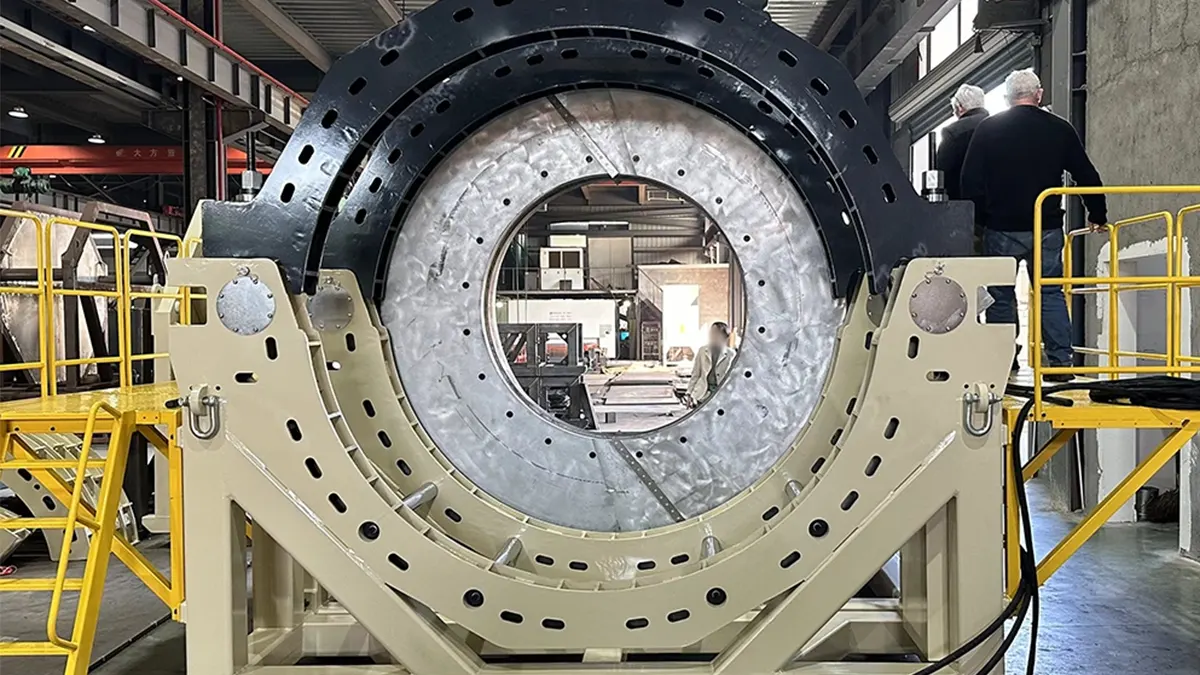
Importance of Industry Standards and Operator Training
Regardless of the equipment you choose, adherence to recognized standards is non-negotiable. The ISO 21307 butt fusion procedures and ASTM F2620 heat fusion standard provide detailed guidelines for proper jointing techniques. Ensuring your equipment is designed to comply with PE butt fusion equipment standards gives you confidence in its engineering quality. Operator training is equally critical. Even the most advanced CNC machine cannot compensate for poor pipe preparation, incorrect clamping, or contaminated heating plates. Investing in operator certification programs and regularly auditing fusion procedures reduces the risk of joint failure and costly repairs down the line.
Assessing Long-Term Durability and Maintenance Needs
HDPE pipe welding equipment represents a significant capital investment, and its longevity depends on build quality and maintenance practices. Look for machines constructed with high-grade steel frames, corrosion-resistant components, and precision-machined clamp surfaces. The heating plate should maintain accurate and uniform temperature distribution, and the hydraulic system should feature reliable seals and leak-free connections. Regular maintenance tasks include:
- Cleaning and inspecting heating plate surfaces for PTFE coating damage
- Lubricating guide rails and moving carriage components
- Checking hydraulic fluid levels and replacing filters as recommended
- Verifying temperature controller calibration against certified thermometers
- Inspecting electrical connections and control panel functionality
Equipment from reputable manufacturers, such as JQ-Fusion, is engineered with these long-term considerations in mind, featuring robust construction and readily available spare parts that simplify ongoing maintenance.
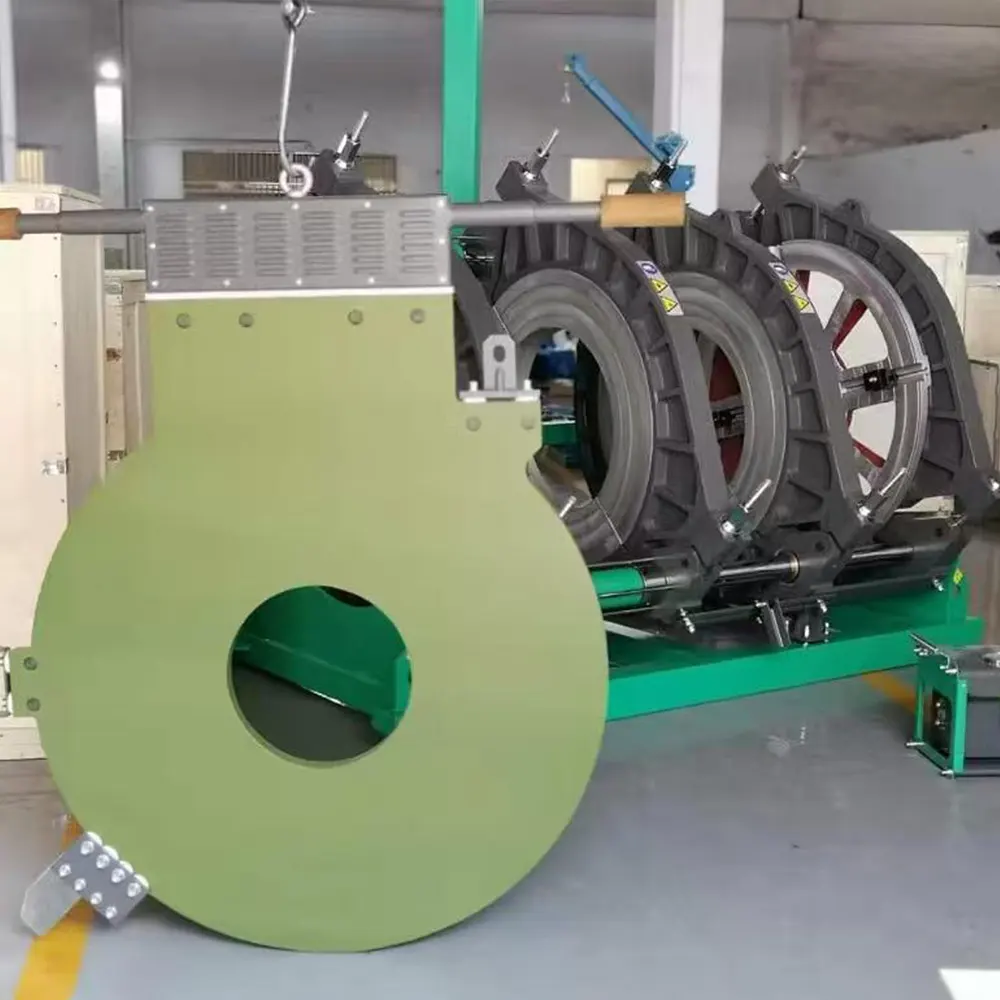
Cost Considerations Beyond the Initial Purchase Price
When evaluating your options, look beyond the upfront cost of the machine. Consider the total cost of ownership, which includes spare parts availability, maintenance expenses, operator training, and potential downtime. A cheaper machine that requires frequent repairs or produces inconsistent welds can ultimately cost more than a higher-quality unit with a slightly higher purchase price. Additionally, machines with standardized components and widely available consumables, such as heating plates and trimmers, reduce long-term operational costs and minimize project delays.
Making the Final Decision
Selecting the right HDPE pipe welding equipment requires balancing technical requirements, project demands, and budget constraints. Start by clearly defining your pipe diameter range, production volume, and quality documentation needs. Then match these requirements against the capabilities of manual, hydraulic, CNC automatic, and electrofusion systems. Consult with equipment suppliers who can provide demonstrations, technical specifications, and references from similar projects. By following a structured HDPE pipe welding equipment selection guide, you position your project for success with reliable, efficient, and standards-compliant fusion operations that stand the test of time.
For further technical guidance, refer to resources from the Plastics Pipe Institute technical notes and the PE100+ Association guidance on HDPE butt fusion, which offer in-depth technical information on fusion procedures and best practices.



