
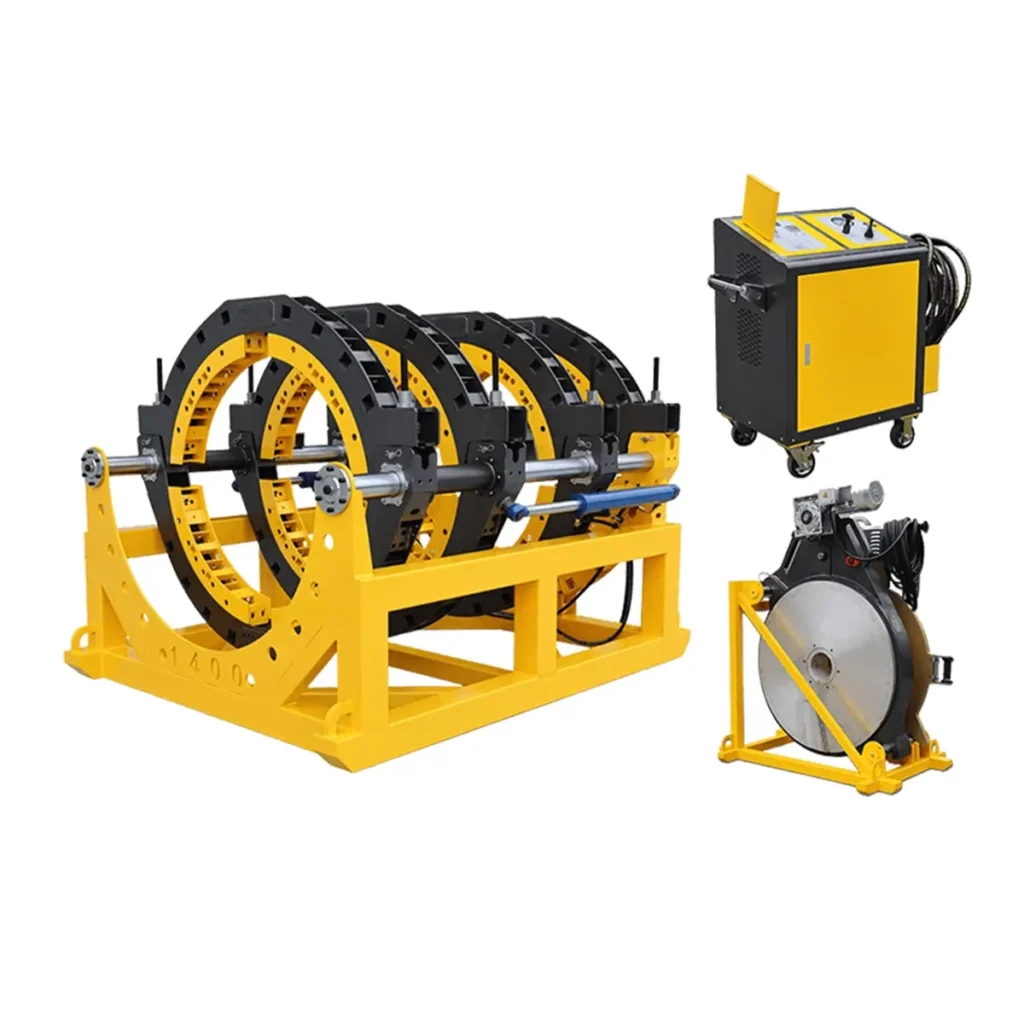
Thermoplastic piping systems, particularly those made from polyethylene (PE), have become the backbone of modern infrastructure for water supply, gas distribution, and industrial applications. The long-term performance of these systems relies heavily on the integrity of pipe connections. Selecting the correct thermoplastic pipe joining methods is not just a technical choice—it is a critical factor in ensuring a leak-free, durable, and maintenance-free network. Understanding the techniques, benefits, and best practices for each method is essential for contractors, engineers, and project managers who demand reliability in the field.
Butt Fusion Welding: The Industry Standard for HDPE
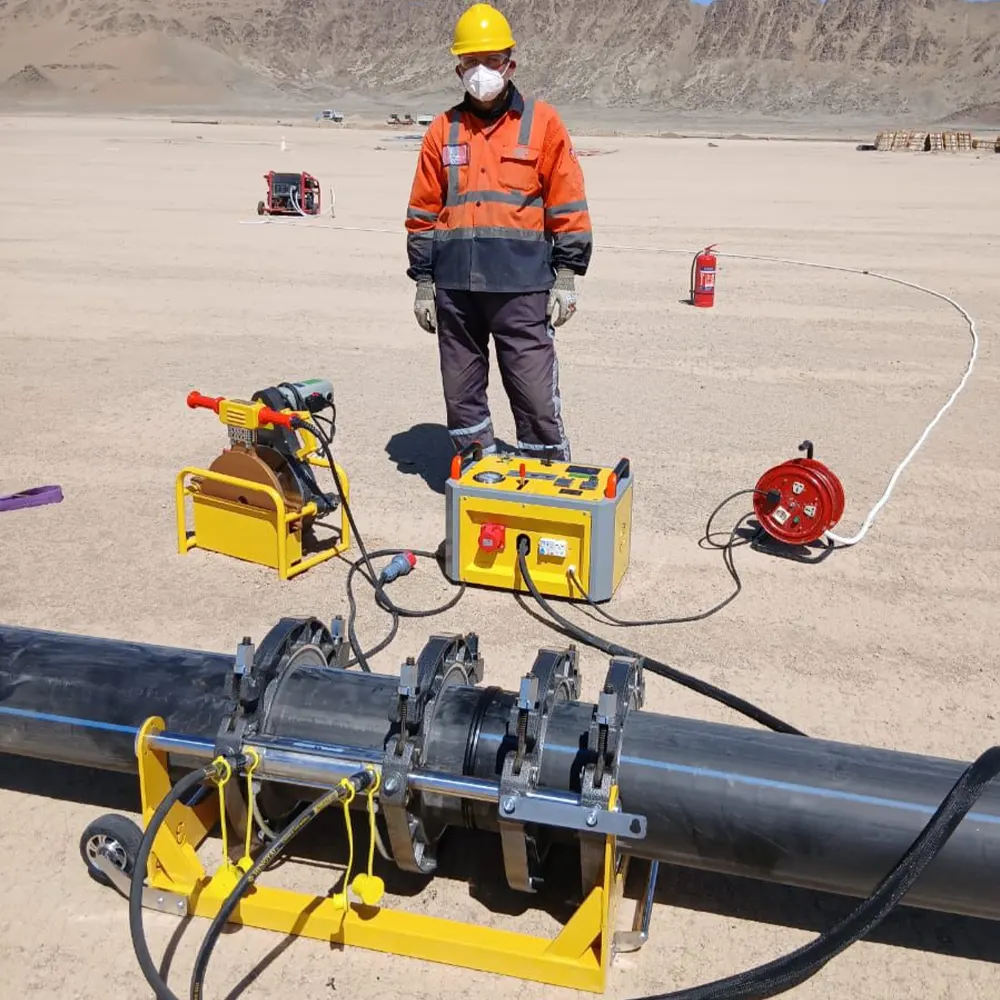
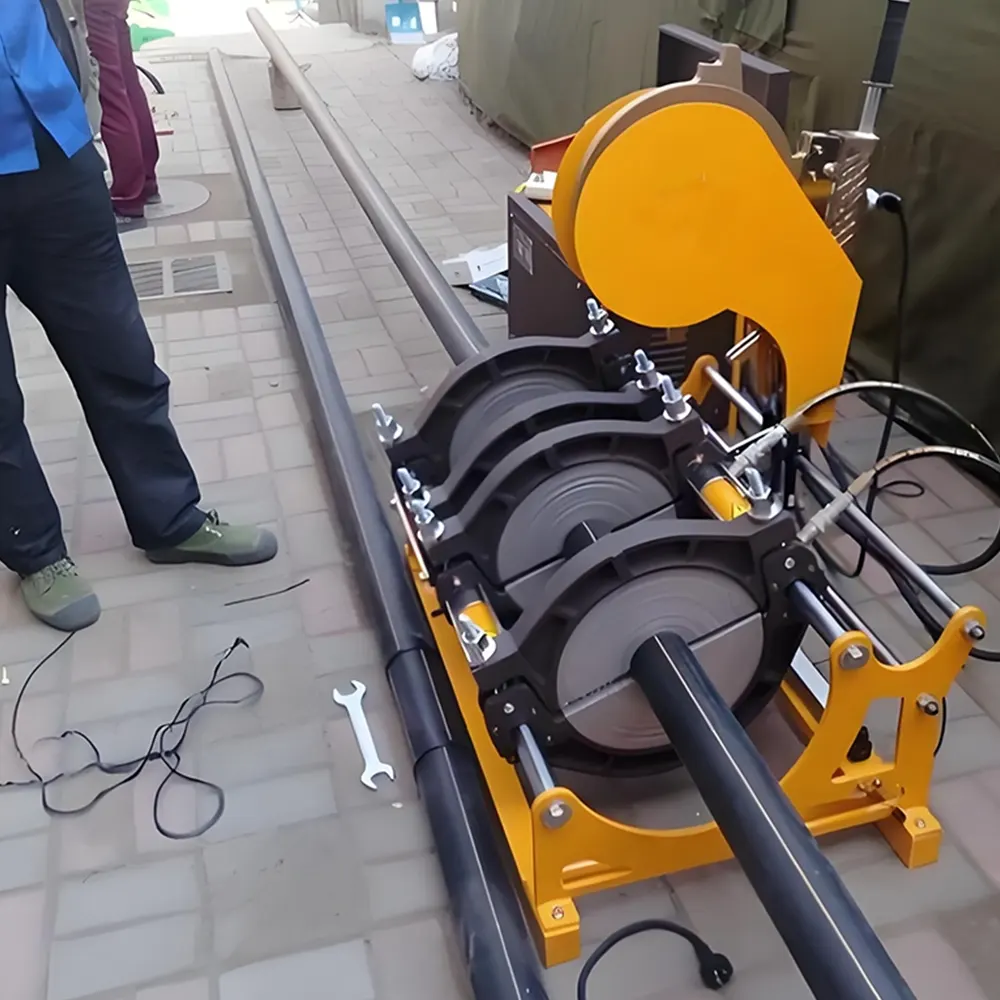
Butt fusion is the most widely adopted method for joining HDPE and other thermoplastic pipes, especially for medium to large diameters. The process involves heating the pipe ends against a precisely controlled heating plate until they reach a molten state, then pressing them together under controlled pressure to form a homogeneous, monolithic joint. This technique effectively creates a continuous pipeline where the joint is as strong as, or stronger than, the pipe itself. Key parameters such as temperature, pressure, and heating time must be strictly managed according to established procedures like ISO 21307 butt fusion procedures to ensure optimal results.
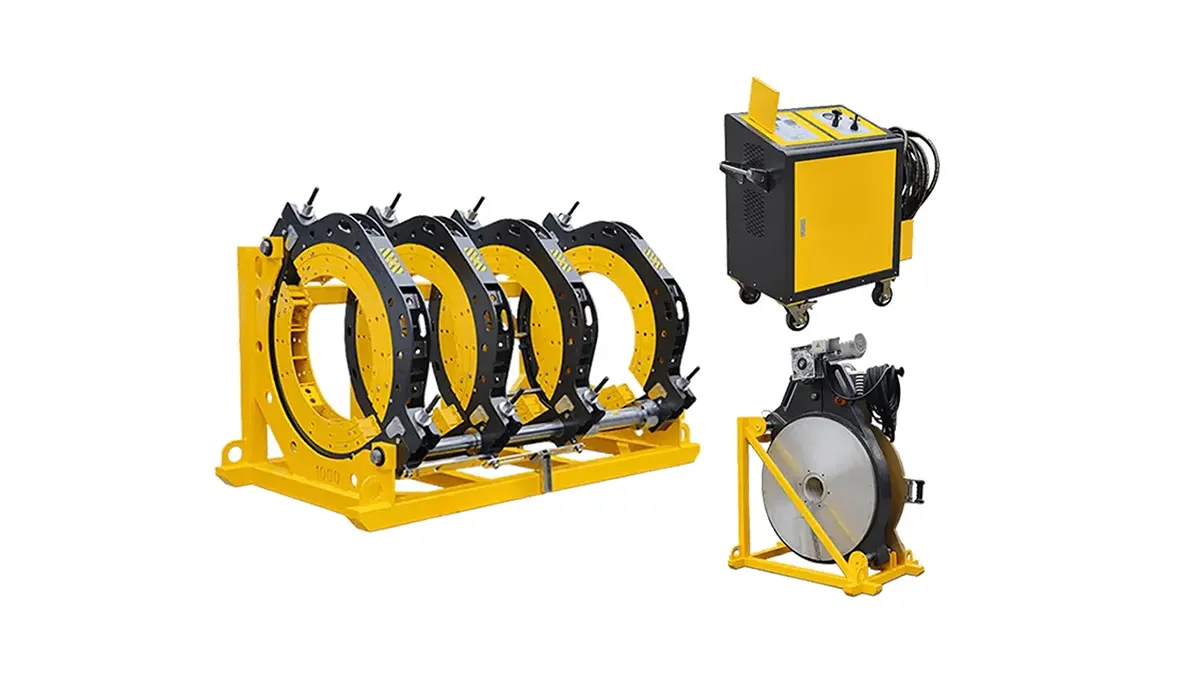
Modern butt fusion welding machines range from manual units for small diameters to fully automatic CNC systems for large-scale infrastructure projects. The quality of the weld depends on precise alignment, clean pipe ends free from contamination, and consistent application of the specified joining parameters. When executed correctly, butt fusion eliminates the need for additional couplings or rubber seals, significantly reducing material costs over the pipeline’s service life.
| Method | Diameter Range | Key Advantage | Typical Application |
|---|---|---|---|
| Butt Fusion | 63mm – 2000mm+ | Monolithic joint, no couplers | Water mains, gas distribution |
| Electrofusion | 20mm – 800mm | Ideal for confined spaces | Repairs, tie-ins, tight trenches |
| Socket Fusion | 16mm – 125mm | Simple, cost-effective tooling | Plumbing, small bore lines |
| Saddle Fusion | Main: 63mm+ / Branch: 20mm+ | Creates branches on live or existing mains | Service connections, tapping tees |
| Extrusion Welding | Custom fittings | Fabrication of large custom components | Tank linings, fabricated fittings |
Electrofusion Joining: Precision in Constrained Environments
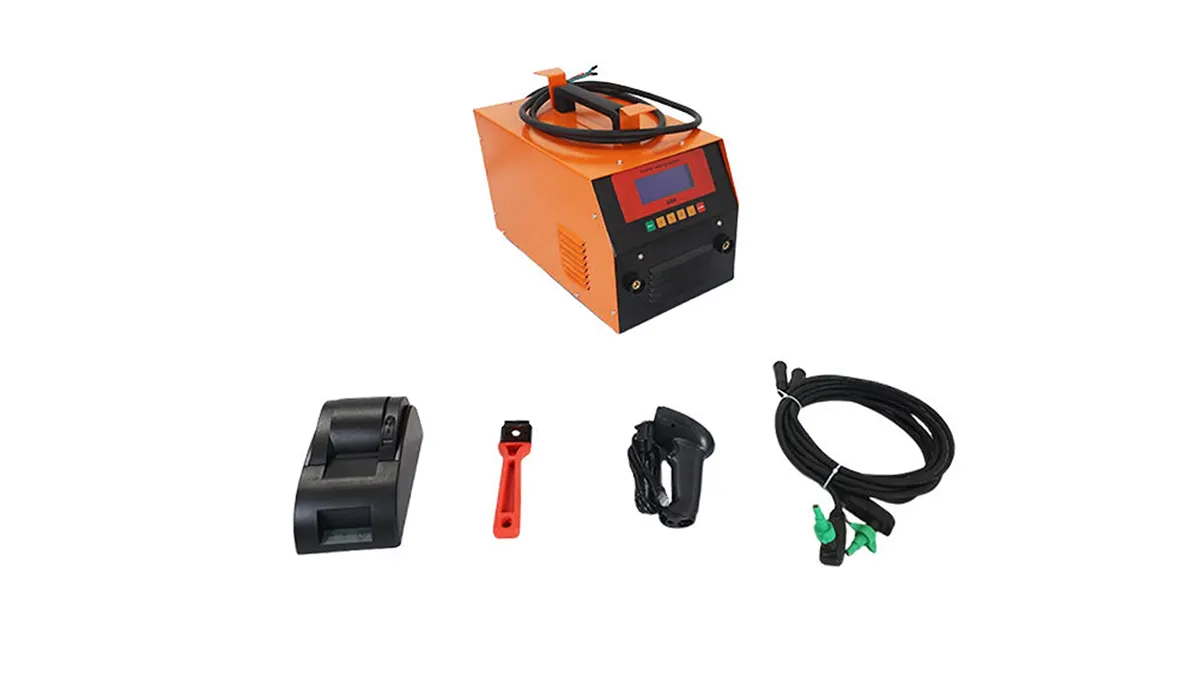
Electrofusion offers a highly reliable alternative where butt fusion equipment may be impractical, such as in tight trenches, repair situations, or when joining complex assemblies. This method uses specialized fittings with embedded heating coils. An electrofusion welding machine delivers a precisely calculated electrical current to the coil, melting the material around the pipe surface and the fitting simultaneously, creating a homogeneous weld upon cooling. The process is governed by standards like PE electrofusion equipment standard, ensuring consistency and traceability.
The primary benefit of electrofusion is its automated control. Operators input the fitting’s barcode or parameters into the machine, which then controls the entire fusion cycle, minimizing the potential for human error. Proper pipe surface preparation—thorough scraping to remove oxidation—is absolutely critical for a successful electrofusion joint. Unlike butt fusion, electrofusion allows for joining pipes of slightly different wall thicknesses or grades within the same standard family, offering flexibility in field modifications and repairs.
Socket and Saddle Fusion: Specialized Techniques for Specific Needs
Socket fusion is typically used for small-diameter piping systems, generally below 110mm. The process heats the external surface of the pipe and the internal surface of a socket fitting simultaneously using a matched tooling set. The softened components are then pushed together without rotation and held until cooled. This technique is common in industrial plumbing, chemical lines, and compressed air systems. The simplicity of manual fusion tools for socket welding makes it an attractive option for smaller contractors and maintenance crews.
Saddle fusion, on the other hand, is employed to create branch connections on existing or new pipelines. The main pipe surface and the saddle fitting base are heated with specifically shaped tools, then pressed together to form a permanent fused joint. This method is frequently used for installing service laterals, air release valves, or instrumentation points. Best practices for saddle fusion emphasize the need for proper rounding and support of the main pipe, as well as meticulous adherence to cooling times before applying any load or pressure to the branch connection.
Critical Factors for Successful Fusion Joints
- Surface Preparation: All joint surfaces must be clean, dry, and free from contamination. Oxidized layers must be removed by scraping or facing immediately before joining.
- Alignment and Clamping: Pipes must be properly aligned and clamped to prevent movement during the heating and cooling phases, especially for butt fusion.
- Temperature Control: The heating plate or tooling must maintain the specified temperature range, typically 200°C – 230°C for polyethylene, verified regularly.
- Pressure and Time: Each process—bead-up, heating, changeover, and fusion—has strict pressure and time requirements that must be monitored and documented.
- Environmental Protection: The joining area must be shielded from wind, rain, dust, and extreme temperatures that can interfere with the fusion process.
- Operator Qualification: Personnel performing fusion joining should be trained and qualified in accordance with PE fusion operator requirements to ensure competence.
Best Practices and Quality Assurance
Implementing a robust quality assurance program is indispensable for any thermoplastic pipe joining operation. This begins with verifying that all equipment is calibrated and in good working order. Heating plates should be checked for flatness and temperature uniformity using a digital surface thermometer. Trimmer or facing tools must produce clean, parallel pipe ends. Every joint should be visually inspected for proper bead size and shape, a quick indicator of fusion quality. For critical applications, destructive testing of sample joints or non-destructive methods like phased array ultrasonic testing can be employed.
Documentation is equally vital. Recording the machine parameters, operator identification, environmental conditions, and joint location creates an audit trail that supports long-term pipeline integrity management. Standards such as ASTM F2620 heat fusion provide comprehensive guidelines for the joining procedures and qualification requirements. When sourcing equipment, partnering with a manufacturer that understands these quality demands makes a measurable difference. JQ-Fusion, as a specialist in HDPE pipe welding machines, designs its hydraulic, automatic, and manual fusion equipment with features that support consistent, repeatable, and standard-compliant joining, from temperature accuracy to precise clamp alignment.
Comparing Joint Performance Characteristics
| Performance Factor | Butt Fusion | Electrofusion | Socket Fusion |
|---|---|---|---|
| Joint Strength | Equal to or greater than pipe | Equal to pipe | Slightly reduced at fitting |
| Skill Requirement | High (manual), Moderate (auto) | Moderate | Low to Moderate |
| Equipment Cost | Medium to High | Medium | Low |
| Space Needed | Requires axial movement | Minimal, fits in trenches | Minimal |
| Inspection Method | Visual bead, destructive test | Fusion data log, visual pins | Visual bead, fit check |
Selecting the Right Joining Method
The decision matrix for choosing among thermoplastic pipe joining methods involves several project-specific variables. For long straight runs of large-diameter water or gas mains, butt fusion remains the most economical and technically superior choice. Where space is constrained, or numerous connections must be made to existing infrastructure, electrofusion provides the needed flexibility and reliability. Socket fusion dominates the small-diameter market for branch plumbing, while saddle fusion is the go-to solution for hot tapping and service connections without system shutdown. Extrusion welding, while less common in field applications, is indispensable for fabricating custom large-scale fittings, tanks, and geomembrane liners.
Ultimately, the success of any thermoplastic piping system hinges on the careful execution of the selected joining technique. Adherence to international standards such as those from ISO and ASTM, combined with the use of well-maintained, calibrated equipment from reputable sources, forms the foundation of a reliable pipeline network. Whether deploying a CNC automatic butt fusion machine for a high-stakes pressure main or a manual socket tool for a simple plumbing line, the principles of cleanliness, alignment, precise thermal control, and operator competence remain universally applicable. Investing in quality training and equipment upfront prevents costly failures and ensures the long service life that makes thermoplastic piping systems such a valuable asset to global infrastructure.



