
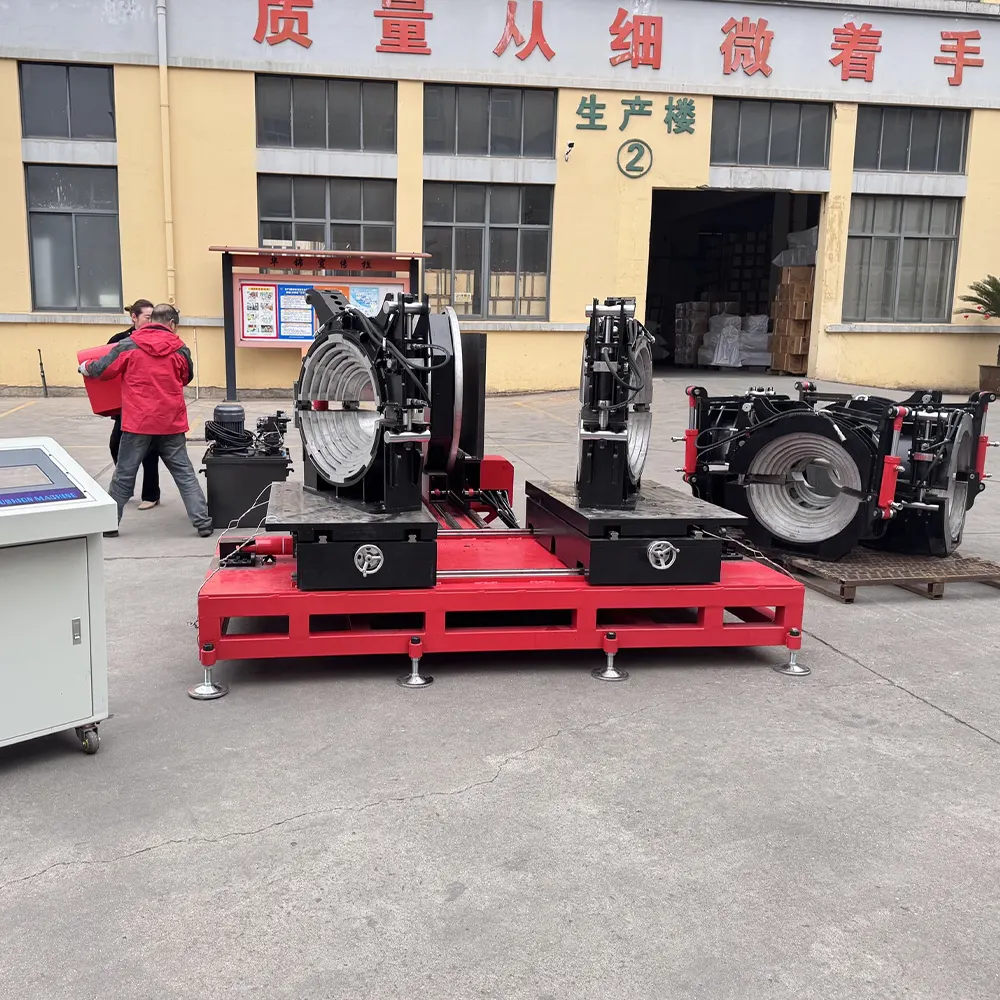
Proper poly fusion machine maintenance is the foundation of consistent weld quality, operational safety, and extended equipment lifespan. Whether you are operating a manual, hydraulic, or fully automatic system, regular upkeep directly impacts the integrity of every butt fusion welding machine joint you produce. Neglecting routine care not only increases the risk of joint failure but can also lead to costly downtime on critical infrastructure projects involving water supply, gas distribution, and industrial piping systems.
Daily Inspection Checklist for Fusion Equipment
Before starting any welding operation, a thorough visual and functional inspection should be performed. This daily routine helps identify potential issues before they compromise weld quality or operator safety. The following checklist covers the most critical areas of your poly fusion machine:
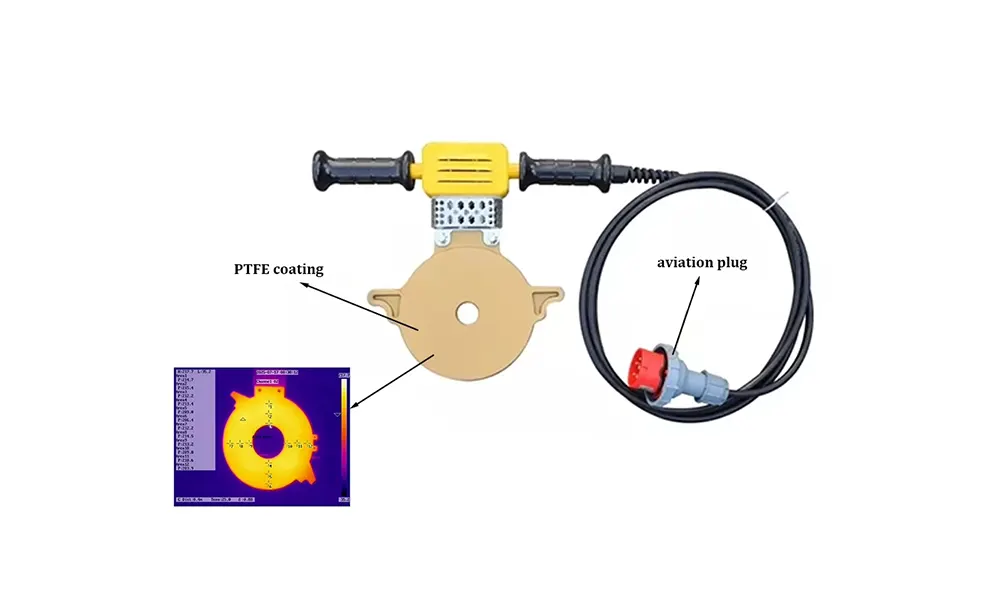
- Heating plate surface: Inspect the PTFE non-stick coating for scratches, peeling, or contamination. Any residue from previous welds must be removed immediately using a non-abrasive cloth while the plate is still warm.
- Temperature calibration: Verify that the heating plate reaches and maintains the correct setpoint temperature. A deviation of more than ±5°C can severely compromise hydraulic butt fusion machine weld consistency.
- Clamp alignment: Check that all clamps move freely and align precisely. Misaligned clamps cause uneven pipe seating and unacceptable joint mismatch.
- Trimmer blades: Examine blade sharpness and cleanliness. Dull or damaged blades produce rough pipe ends that prevent proper fusion.
- Hydraulic hoses and fittings: Look for leaks, cracks, or loose connections that could cause pressure loss during the welding cycle.
Consistent daily inspections align with ISO 21307 butt fusion procedures and form the first line of defense against equipment-related weld defects.
Critical Component Maintenance
Each component of your poly fusion machine plays a specific role in the welding process. Focusing maintenance efforts on these key areas ensures reliable performance across every joint. Below is a breakdown of the most critical components and their maintenance requirements.
Heating Plate Care and Temperature Accuracy
The heating plate is the heart of the fusion process. Its surface condition and temperature uniformity directly determine whether the pipe ends reach proper melt state. Always clean the plate with non-abrasive pads while it is hot — this prevents polymer buildup that can create cold spots. Use a calibrated digital thermometer to verify surface temperature at multiple points across the plate at least once per week. Any damaged anti-stick coating requires immediate replacement to avoid material transfer during heating.
Trimmer Blade Maintenance
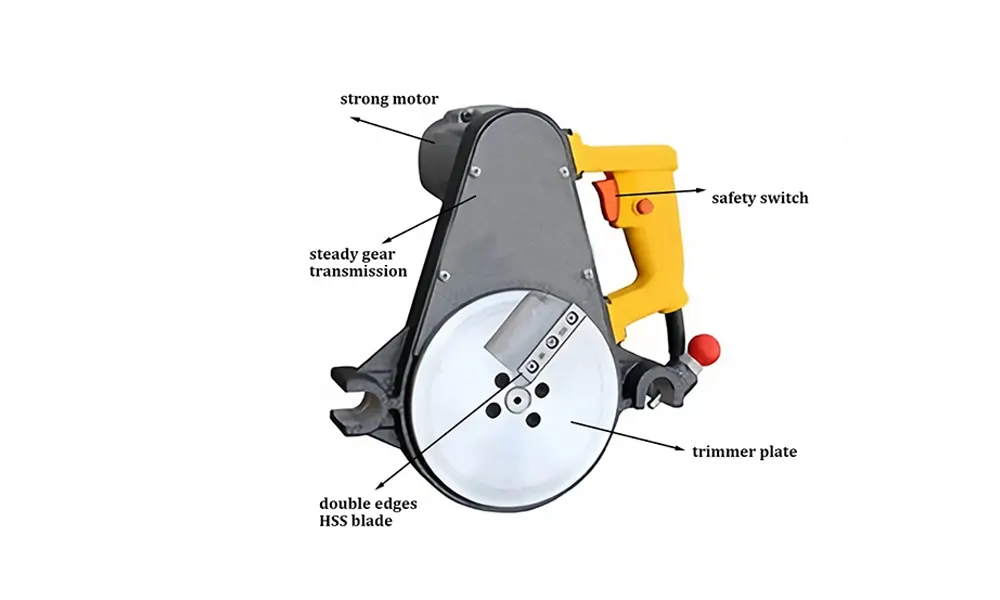
The trimmer must produce clean, parallel pipe end faces with no tearing or grooving. Dull trimmer blades are a common cause of poor fusion quality because rough end surfaces prevent intimate contact during the heating and fusion stages. Remove blades regularly for cleaning and sharpening or replacement. Always check that the trimmer rotates freely and that blade locking mechanisms are secure before each use.
Hydraulic System Checks
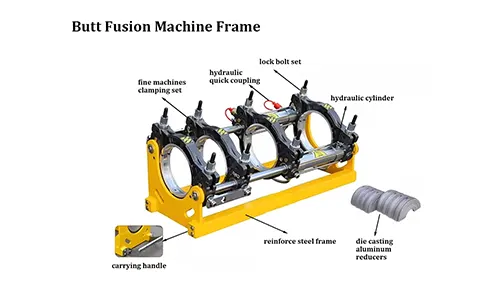
For hydraulic butt fusion welding machines, maintaining proper hydraulic pressure is essential for controlled force application during all phases of the weld cycle. Check hydraulic oil levels weekly and replace oil according to the manufacturer’s recommended interval. Inspect all seals, cylinders, and quick-connect couplings for wear. Air in the hydraulic system will cause erratic movement — bleed the system if you notice spongy or inconsistent cylinder motion.
Clamp and Frame Alignment
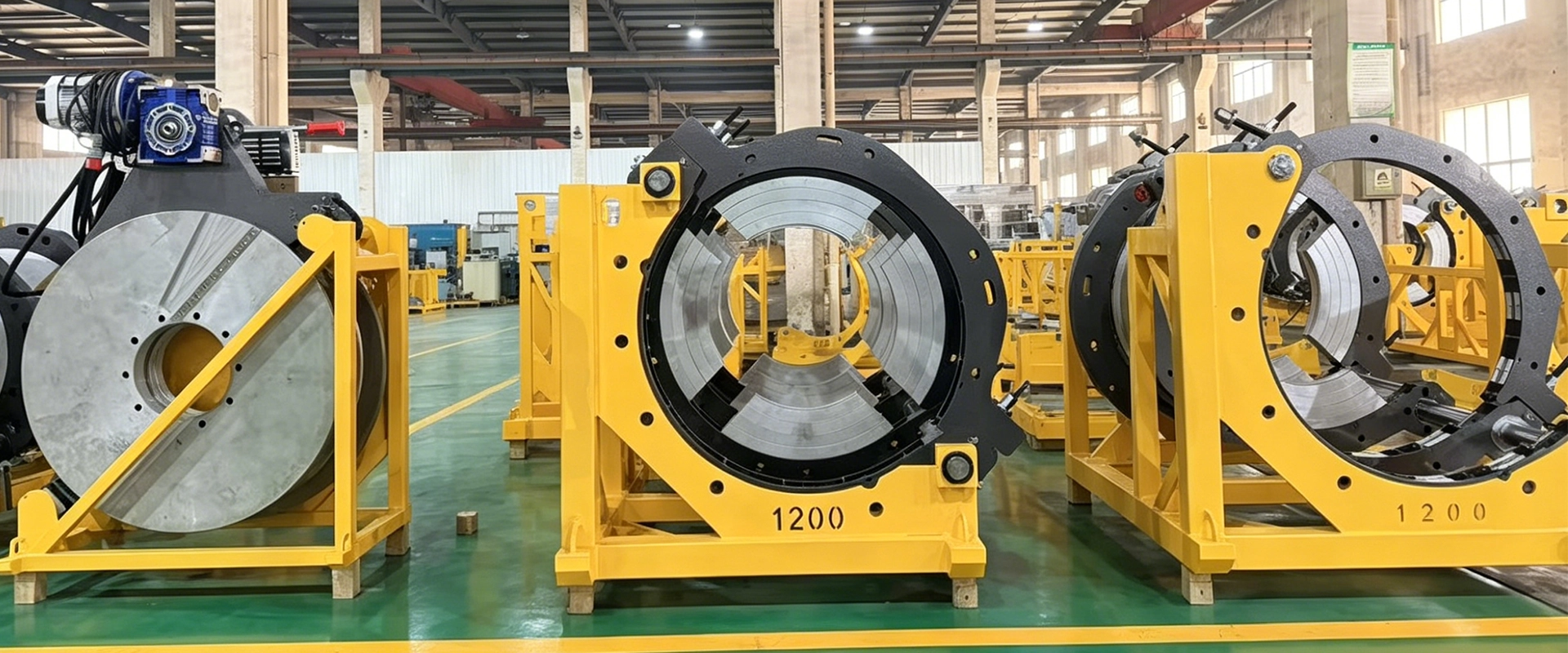
The frame and clamps hold pipes in precise alignment throughout the welding process. Any misalignment introduces angular or axial mismatch that weakens the joint. Periodically check clamp jaw surfaces for wear and verify that all four clamps close concentrically. For machines used in harsh field environments, clean guide rods and lubricate them with a light oil to prevent corrosion and ensure smooth operation.
Recommended Maintenance Intervals
Establishing a structured maintenance schedule helps operators stay ahead of wear-related issues. The table below outlines recommended inspection and service intervals for key components of a typical poly fusion machine used in regular production environments.
| Component | Daily | Weekly | Monthly | Quarterly |
|---|---|---|---|---|
| Heating Plate Surface | ✓ | |||
| Temperature Calibration | ✓ | |||
| Trimmer Blade Condition | ✓ | |||
| Hydraulic Oil Level | ✓ | |||
| Clamp Alignment Check | ✓ | |||
| Hydraulic Hose Inspection | ✓ | |||
| Full System Calibration | ✓ |
These intervals should be adjusted based on usage frequency, environmental conditions, and the specific recommendations provided in your equipment manual. Machines operating in dusty, sandy, or high-humidity environments require more frequent attention.
Safety Protocols During Maintenance
Maintenance tasks on automatic butt fusion welding machines and manual units alike must always prioritize operator safety. The heating plate operates at temperatures exceeding 200°C, and hydraulic systems store considerable potential energy. Follow these essential safety rules during all maintenance procedures:
- Lock out and tag out: Disconnect power sources and relieve hydraulic pressure before performing any internal maintenance or blade changes.
- Allow cooling time: The heating plate remains dangerously hot long after power is turned off. Always verify temperature before handling.
- Use proper PPE: Heat-resistant gloves, safety glasses, and steel-toe boots are minimum requirements when working on fusion equipment.
- Secure the work area: Ensure the machine is on stable, level ground and that all moving parts are guarded or blocked during service.
- Document all service: Keep a maintenance log that tracks dates, components serviced, and any anomalies observed for future reference.
Troubleshooting Common Fusion Machine Issues
Even with diligent poly fusion machine maintenance, operators may encounter performance issues. Understanding common symptoms and their likely causes enables faster resolution and minimizes project delays. The table below summarizes typical problems encountered during HDPE pipe welding operations and their troubleshooting steps.
| Symptom | Possible Cause | Recommended Action |
|---|---|---|
| Uneven melt bead | Contaminated or damaged heating plate surface | Clean or replace the PTFE coating; verify uniform temperature |
| Excessive trimmer drag | Dull blades or debris buildup | Sharpen or replace blades; clean blade housing |
| Hydraulic cylinder drift | Internal seal leakage or air in system | Inspect seals; bleed hydraulic system; check oil quality |
| Misaligned pipe ends | Worn clamp inserts or bent guide rods | Replace clamp liners; inspect and straighten guide rods |
| Temperature fluctuation | Faulty thermocouple or controller issue | Test and replace thermocouple; recalibrate controller |
| Incomplete fusion at joint | Insufficient heating time or low plate temperature | Verify setpoint; extend soak time per pipe wall thickness |
For persistent issues that cannot be resolved through standard troubleshooting, consult the equipment manufacturer or refer to detailed guidance such as the ASTM F2620 heat fusion standard for procedural verification.
Storage and Transport Considerations
Proper storage and handling between jobsites significantly impacts the longevity of your poly fusion machine. When equipment sits idle or is transported frequently, take these protective measures:
- Clean thoroughly before storage: Remove all pipe shavings, dirt, and moisture from clamps, guide rods, and the trimmer assembly to prevent corrosion.
- Protect the heating plate: Always use the manufacturer-supplied cover or a padded case to shield the PTFE surface from impact and abrasion during transport.
- Store in a dry environment: Humidity accelerates rust formation on exposed metal surfaces. If outdoor storage is unavoidable, use waterproof covers and apply anti-corrosion spray to vulnerable components.
- Secure hydraulic components: Relieve pressure in hydraulic systems and cap all open fittings to prevent contamination ingress during transport.
Operator Training and Maintenance Culture
No maintenance program succeeds without properly trained operators who understand both the equipment and the fusion process. Operators should be certified according to relevant standards and receive ongoing training on equipment-specific maintenance procedures. A strong maintenance culture includes clear accountability — designate specific team members responsible for daily checks, weekly calibrations, and monthly detailed inspections. Documentation of all maintenance activities creates a valuable record that supports both quality assurance and warranty compliance.
For projects requiring the highest level of reliability, investing in high-quality butt fusion welding equipment from reputable manufacturers reduces long-term maintenance burdens. Well-engineered machines like those produced by JQ-Fusion incorporate design features that simplify routine upkeep while delivering consistent fusion performance across diverse field conditions. Their commitment to rigorous quality assurance, including temperature accuracy testing and clamp alignment verification on every unit, supports operators in achieving reliable results with less unplanned maintenance.
Record Keeping and Compliance
Maintaining detailed records of all service activities supports both operational efficiency and regulatory compliance. A comprehensive maintenance log should include:
- Date and time of each maintenance activity
- Components inspected or serviced
- Temperature calibration readings and adjustments made
- Parts replaced with serial numbers where applicable
- Name of the technician performing the work
- Any anomalies noted and corrective actions taken
These records prove invaluable during audits, warranty claims, and when diagnosing recurring issues. They also demonstrate adherence to industry standards including PE butt fusion equipment standards that many project specifications require.
Consistent poly fusion machine maintenance is an investment in joint integrity, operator safety, and project success. By following structured daily, weekly, and monthly routines — and addressing issues promptly — operators can significantly extend equipment service life while ensuring every fusion joint meets the highest quality standards demanded by critical infrastructure applications.



