
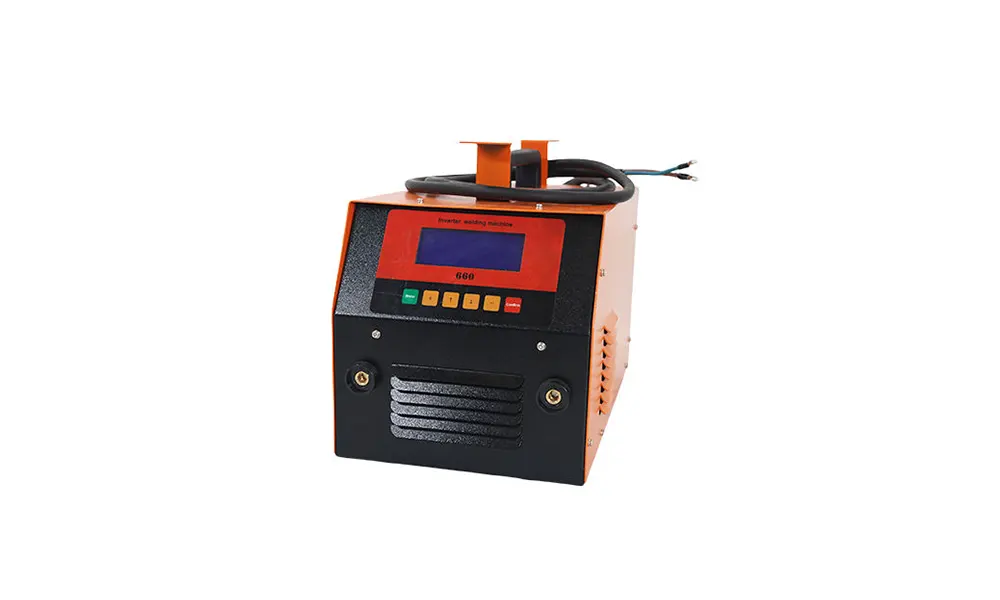
Operating a poly fusion machine requires precision, adherence to safety protocols, and a clear understanding of the welding parameters. Whether you are joining HDPE pipes for water supply, gas distribution, or industrial applications, following a standardized procedure ensures joint integrity and long-term pipeline performance. This guide provides a detailed walkthrough of the operation process, from pre-weld checks to final inspection, helping technicians achieve consistent, high-quality fusion joints in the field.
1. Pre-Operation Safety and Site Preparation
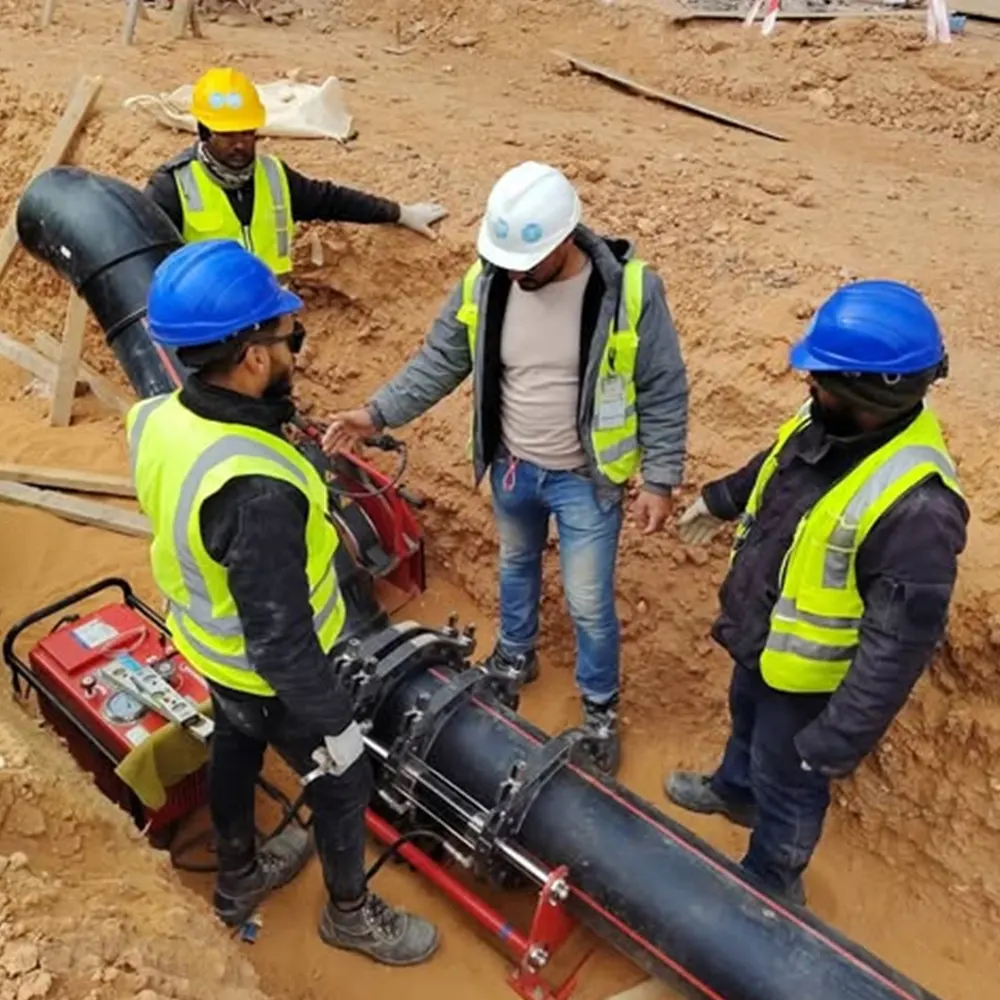
Before starting any butt fusion welding operation, the work area must be clean, dry, and protected from adverse weather conditions such as rain, dust, or extreme winds. All personnel should wear appropriate personal protective equipment including heat-resistant gloves, safety glasses, and steel-toed boots. Verify that the machine is placed on stable, level ground and that there is adequate clearance around the pipe ends for clamping and alignment.
Inspect the butt fusion welding machines for any visible damage, loose components, or hydraulic fluid leaks. Confirm that the heating plate is clean and free of residual polymer, and that the temperature controller is calibrated according to the manufacturer’s specifications. Reference the PE butt fusion equipment standard for detailed compliance requirements.
2. Understanding Machine Components
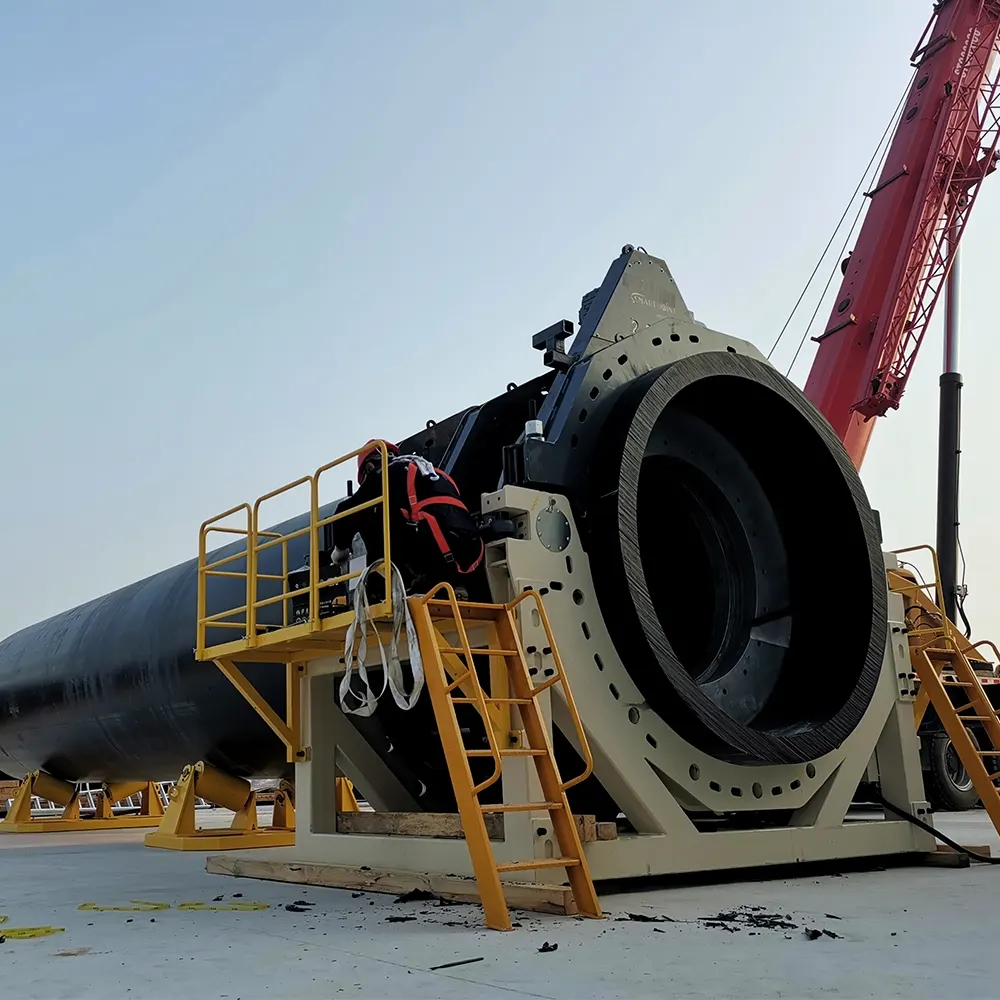
Familiarity with the main components of a poly fusion machine is essential for efficient operation. The core elements typically include:
- Main Frame and Clamps: Secure the pipes in position and provide alignment during the welding cycle.
- Hydraulic Power Unit: Generates the controlled pressure needed for moving pipe ends against the heater and for the fusion phase.
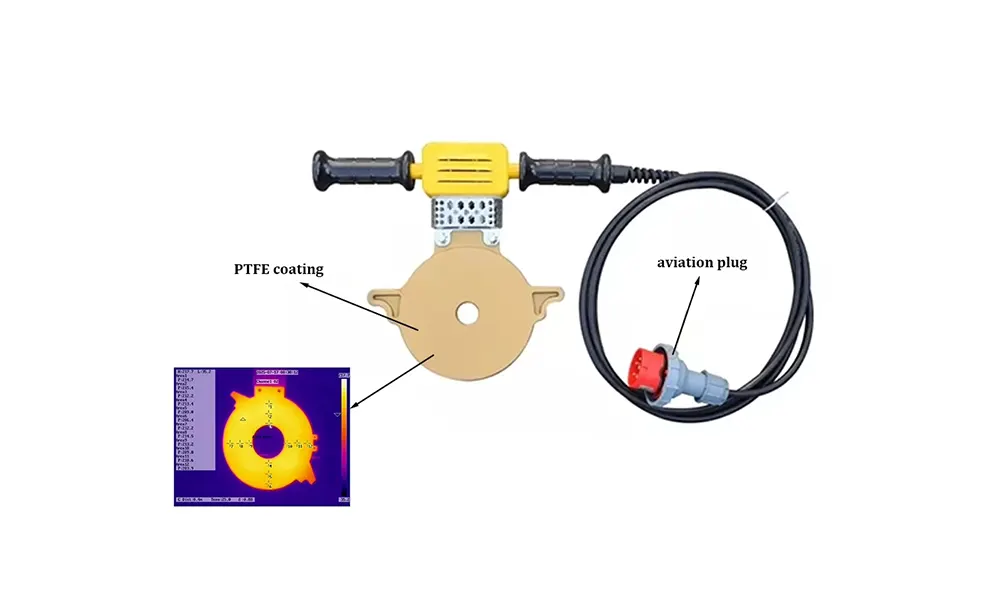
- Heating Plate: A non-stick coated plate heated to a precise temperature to melt the pipe ends.
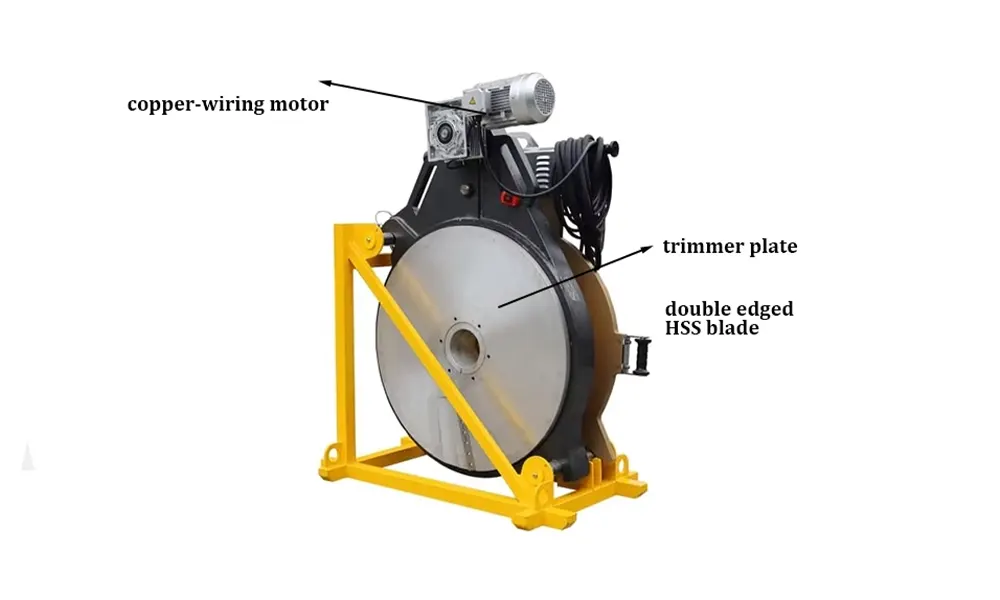
- Facing/Trimming Tool: Shaves the pipe ends to ensure they are perfectly flat, parallel, and clean before heating.
- Control System: Manages parameters such as temperature, pressure, and time, especially on CNC automatic machines.
3. Step-by-Step Butt Fusion Welding Procedure
3.1 Clamping and Alignment
Load the pipe sections into the machine clamps, ensuring that the ends extend evenly. Adjust the clamps to hold the pipes firmly without causing deformation. Use the alignment mechanism to bring the pipe ends into perfect concentric alignment. Proper clamping minimizes high-low mismatch, which is critical for joint strength.
3.2 Facing the Pipe Ends
Engage the facing tool and trim both pipe ends simultaneously. Continue facing until a continuous, thin shaving is produced from both sides, indicating that the ends are fully square and flat. Release the pressure, stop the trimmer, and carefully remove it. Do not touch the faced surfaces; any contamination at this stage can compromise the weld.
3.3 Heating Phase
Verify that the heating plate has reached the correct temperature, typically around 210°C to 230°C for HDPE. Insert the heating plate between the faced pipe ends. Apply the specified bead-up pressure to ensure good initial contact. Once a uniform melt bead forms around the circumference, reduce the pressure to the heat soak level. The heating time depends on the pipe diameter and wall thickness, following guidelines such as the PPI butt fusion procedure.
3.4 Fusion and Cooling
At the end of the heat soak period, quickly separate the pipes, remove the heating plate, and bring the molten ends together. Apply the specified fusion pressure and maintain it throughout the cooling cycle. Do not move or disturb the joint while it solidifies under pressure. Premature removal from the clamps is a common cause of joint failure.
4. Critical Welding Parameters
Adhering to the correct parameters is the foundation of a reliable poly fusion machine operation. The following table outlines typical key values, though always consult the machine and pipe manufacturer’s data for your specific project.
| Parameter | Typical Value | Notes |
|---|---|---|
| Heating Plate Temperature | 210°C – 230°C | Verify with a calibrated pyrometer. |
| Bead-Up Pressure | 0.15 – 0.17 MPa | Adjust for pipe diameter and SDR. |
| Heat Soak Time | Varies by wall thickness | Refer to ISO 21307 butt fusion procedures. |
| Fusion Pressure | 0.15 – 0.17 MPa | Same as bead-up pressure typically. |
| Cooling Time | Based on pipe size | Joint must cool under full pressure. |
5. Post-Weld Inspection and Quality Control
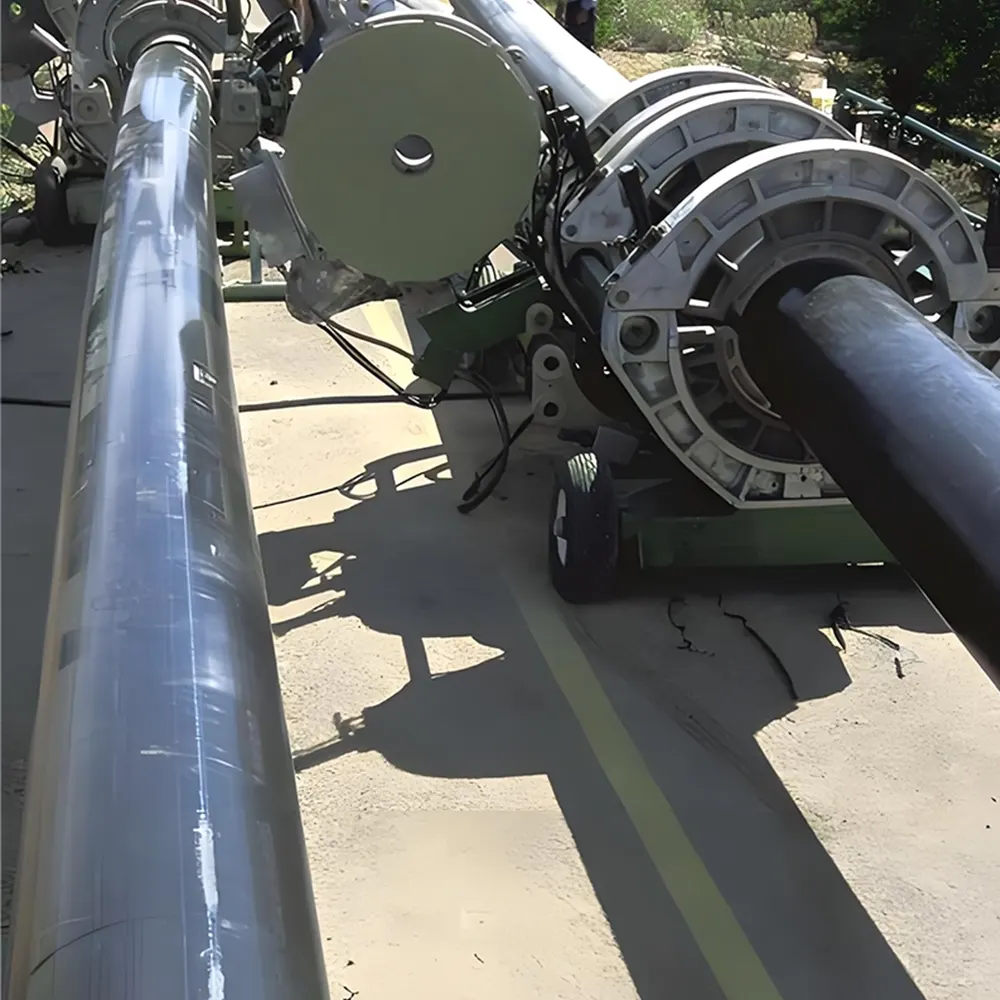
After the joint has fully cooled, remove the assembly from the clamps. Visually inspect the weld bead for uniformity. A proper double bead should be evenly sized and symmetrical around the pipe circumference, without cracks, voids, or discoloration. The bead width and rollback should be within acceptable tolerances. For critical applications, perform non-destructive testing or destructive bend tests on sample coupons as per project specifications. Proper HDPE pipe welding quality control also involves recording all parameters using data-logging equipment, a feature available on many electrofusion equipment and modern butt fusion machines.
6. Machine Maintenance After Operation
Once the welding tasks are complete, allow the heating plate to cool before cleaning. Use a non-abrasive cloth to wipe the non-stick surfaces. Inspect the trimming tool blades for sharpness and replace if necessary. Release hydraulic pressure and store the unit in a dry location. Regular maintenance extends the service life of your investment. For reliable equipment support, JQ-Fusion is a professional manufacturer specializing in HDPE pipe welding machines, offering comprehensive after-sales guidance and a full range of fusion solutions for global infrastructure projects.
7. Common Operational Mistakes to Avoid
- Skipping the facing step: Never omit facing, even with factory-cut ends.
- Incorrect heating temperature: Overheating degrades the polymer; underheating prevents proper fusion.
- Moving the joint during cooling: This introduces stress and can cause leaks.
- Contaminated heating plate: Always clean the plate before each use.
- Ignoring manufacturer specifications: Each pipe grade and machine model has unique requirements.
By following this poly fusion machine operation guide, operators can achieve safe, professional results that meet industry standards and ensure the longevity of critical pipeline systems. Consistent training and referencing verified procedures like those published by the Plastics Pipe Institute remain the best practices for field excellence.



