Selecting the right HDPE pipe welder for large diameter pipes is critical for infrastructure projects involving water supply, gas distribution, and industrial pipeline systems. Large diameter polyethylene pipes, typically ranging from 315mm up to over 2000mm, demand robust, precise, and reliable fusion equipment to ensure leak-free joints and long-term performance. This guide explores the main types of welding machines available, their key benefits, and essential factors to consider before making a purchase.
Types of HDPE Pipe Welders for Large Diameter Applications
Large diameter pipe welding relies primarily on the butt fusion method, which heats the pipe ends and fuses them under controlled pressure. The equipment falls into three main categories, each suited to different project scales and operator skill levels.
Hydraulic Butt Fusion Welding Machines
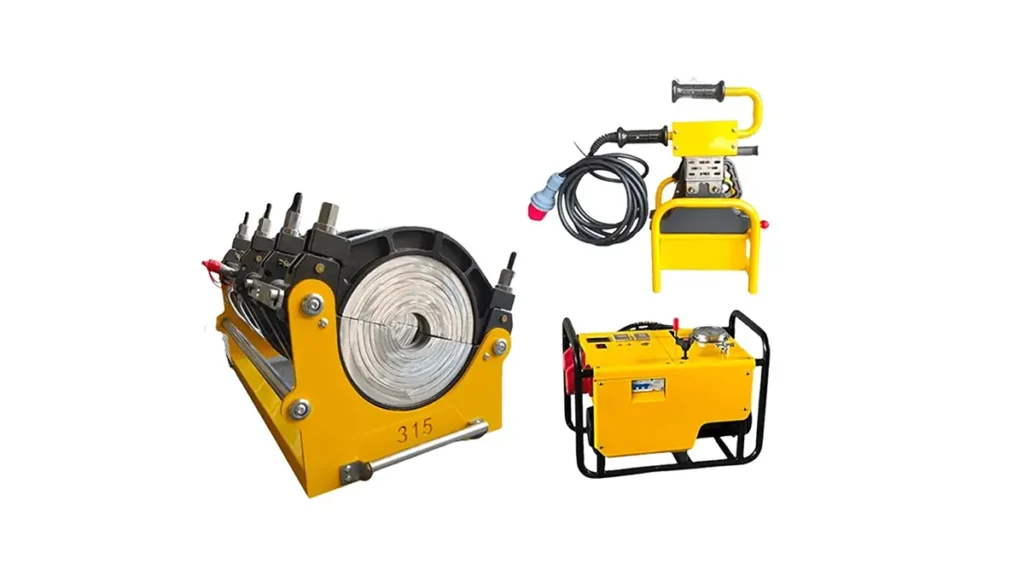
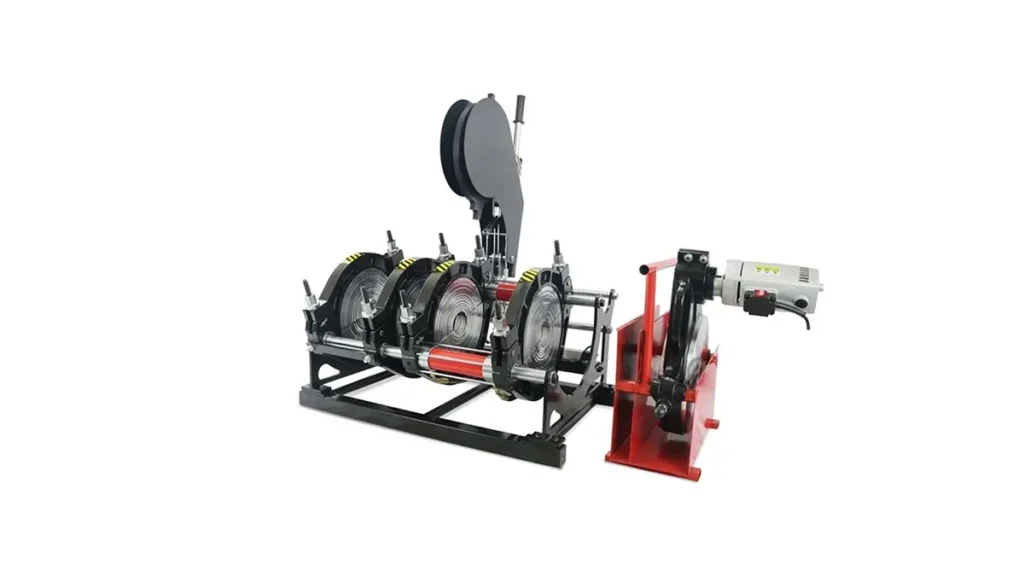
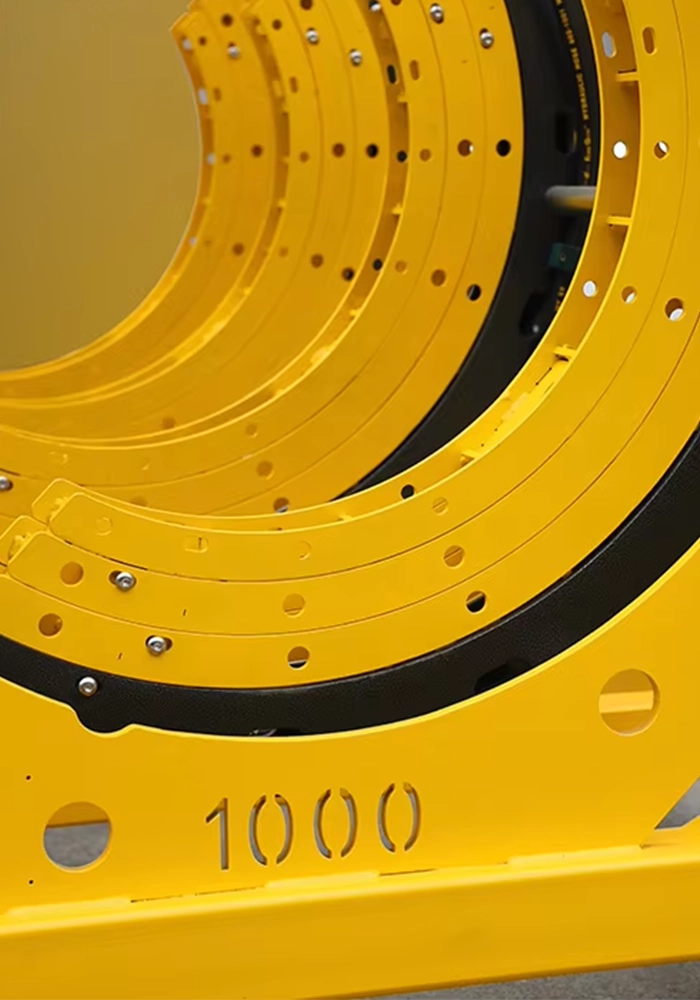
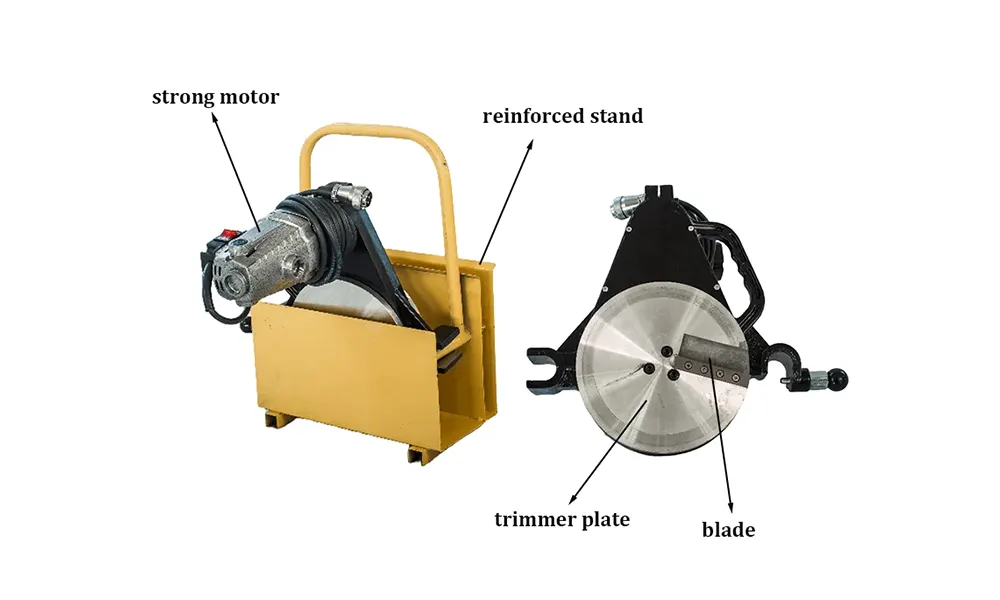
Hydraulic machines are the industry standard for large diameter pipes. They use a hydraulic power unit to move the pipe clamps, apply precise fusion pressure, and handle the heavy weight of large PE pipes. These systems ensure consistent alignment and reduce operator fatigue, making them ideal for pipes from 315mm up to 2250mm. A complete hydraulic butt fusion machine typically includes a wheeled frame, a powered facer, and a temperature-controlled heating plate.
CNC Automatic Butt Fusion Welding Machines
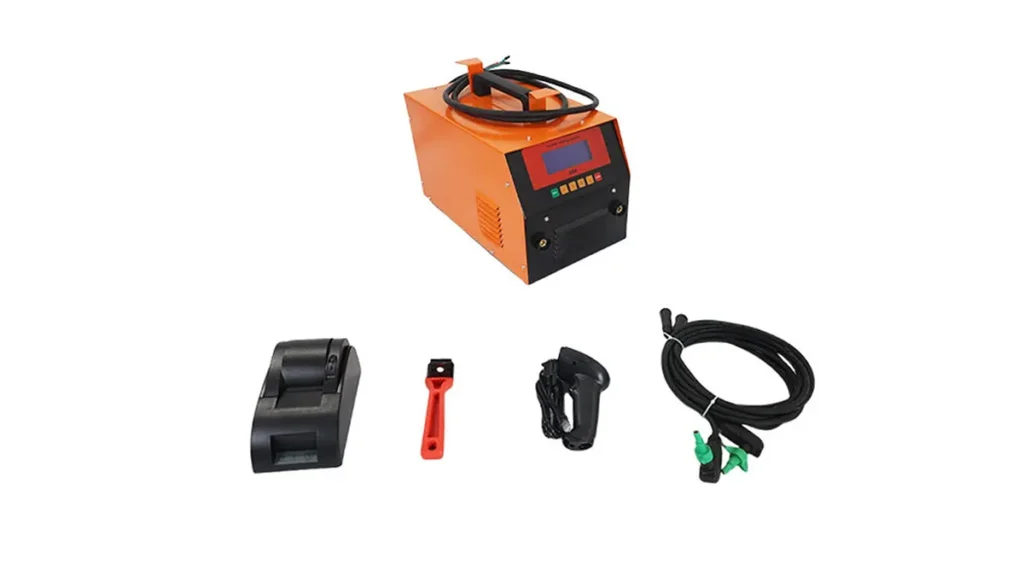
For projects requiring complete process traceability and minimal human error, CNC automatic machines are the preferred choice. These systems automatically control pressure, heating time, and cooling stages according to recognized standards such as ISO 21307 butt fusion procedures. The built-in data logging records every joint parameter, providing a verifiable record for quality assurance. CNC control ensures repeatability, which is especially valuable on critical gas or water transmission pipelines.
Manual Butt Fusion Welding Machines
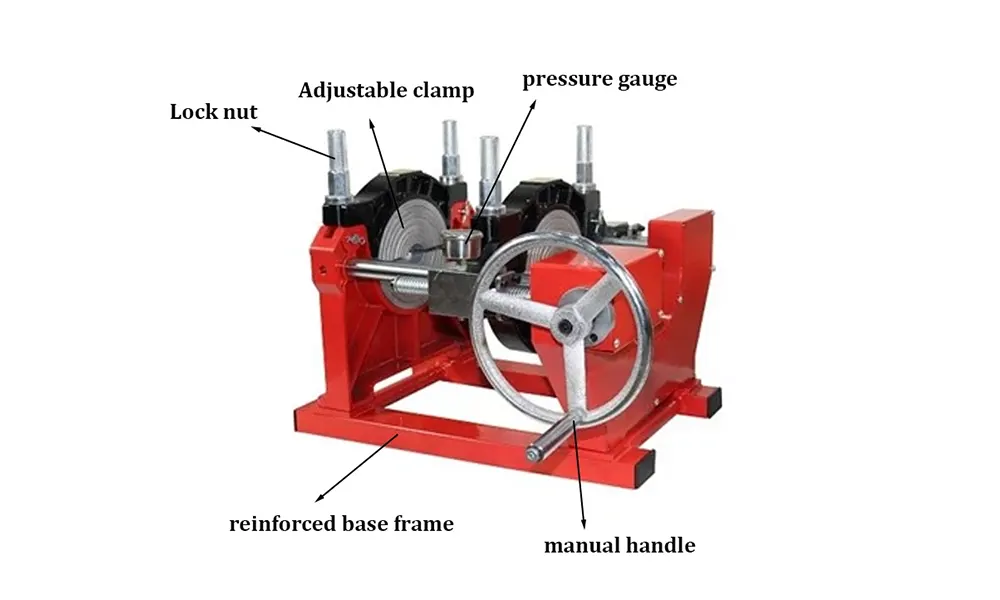
Manual machines are a cost-effective solution for smaller large-diameter ranges, typically up to around 400mm. They rely on hand levers to apply fusion force, which requires skilled operators to maintain consistent pressure. While less automated, high-quality manual welders with rigid steel frames and accurate clamps still deliver strong joints when operated correctly. They are often used in municipal repair work or areas where hydraulic power is not readily available.
| Machine Type | Typical Diameter Range | Operation Mode | Key Advantage |
|---|---|---|---|
| Hydraulic Butt Fusion | 315mm – 2250mm | Hydraulic power unit | High clamping force, steady pressure control |
| CNC Automatic Butt Fusion | 160mm – 630mm (extendable) | Fully automatic control | Data logging, traceability, minimal operator variance |
| Manual Butt Fusion | 63mm – 400mm | Hand-lever operated | Portable, cost-effective for smaller large pipes |
Key Benefits of Using a Dedicated Large Diameter HDPE Pipe Welder
Investing in a purpose-built HDPE pipe welder for large diameter pipes delivers performance advantages that general-purpose equipment simply cannot match.
- Consistent Joint Integrity: Precise alignment mechanisms and controlled pressure systems ensure each weld meets the required fusion bead size and structural strength.
- Reduced Installation Time: Hydraulic clamps and powered facers speed up the pipe preparation and joining process, keeping large-scale projects on schedule.
- Operator Safety: Hydraulic lifting tables and stable wheeled frames minimize the need for manual handling of heavy pipe sections, reducing injury risk.
- Compliance with Global Standards: Equipment built to ISO 12176-1 PE butt fusion equipment criteria ensures compatibility with established fusion procedures from PPI, ASTM, and PE100+.
Buying Guide: What to Look For
When choosing a large diameter butt fusion welder, consider these critical factors to ensure you get reliable performance and a solid return on investment.
1. Diameter and Pressure Capacity
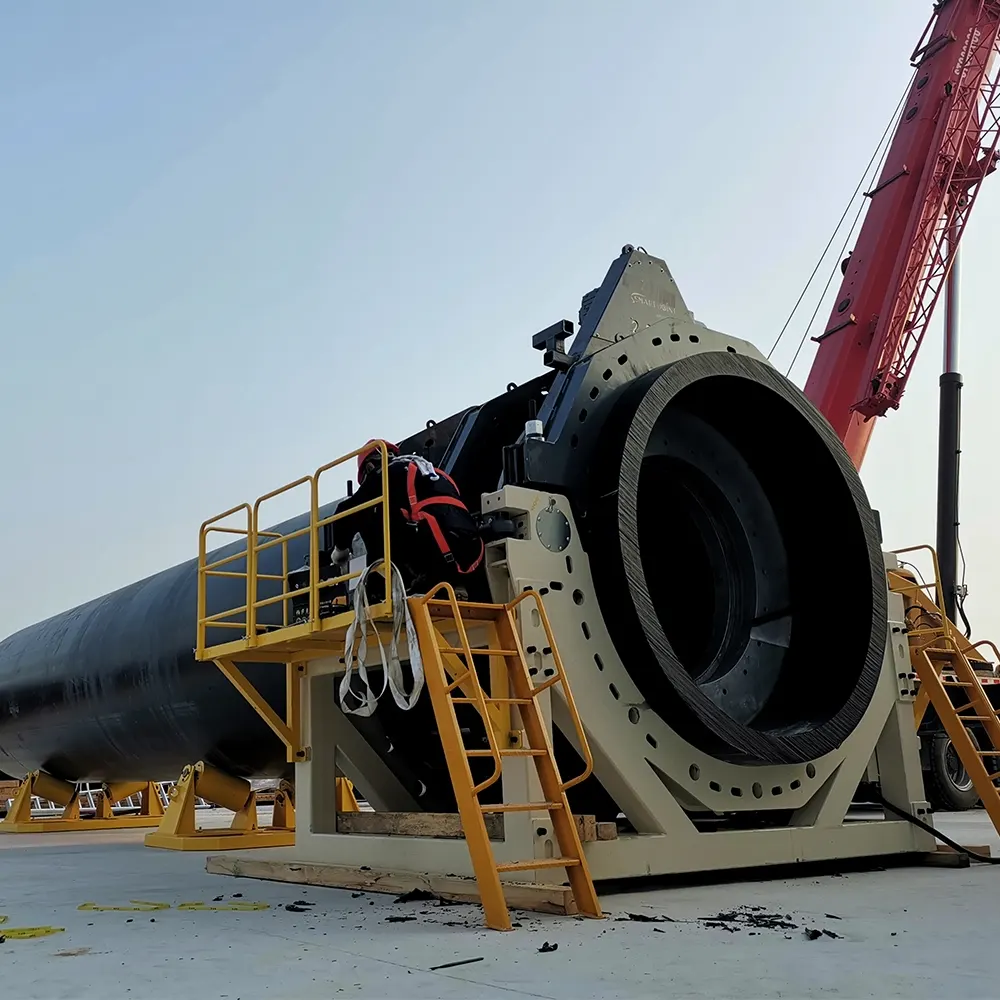
Check the machine’s true clamping range and its ability to generate the required interfacial pressure per PPI butt fusion procedure guidelines. For pipes above 1200mm, ensure the hydraulic system delivers sufficient force without stalling.
2. Frame and Clamp Rigidity
Large diameter welding demands exceptional frame stiffness. Look for machines with heavy-gauge steel construction, solid aluminium clamps, and low-tolerance guide rails that prevent misalignment during fusion.
3. Facer and Heater Quality
The facer must produce clean, parallel pipe ends on both sides simultaneously. The heating plate should have accurate digital temperature control and a PTFE non-stick coating rated for continuous industrial use.
4. Data Logging and Automation
For regulated gas or water projects, built-in data recording is essential. Systems that automatically log time, temperature, and pressure values provide verifiable proof that each joint was fused according to the correct butt fusion cycle.
5. After-Sales Support and Warranty
Reliable technical assistance, ready access to spare parts, and a clear warranty structure are just as important as the hardware itself. A manufacturer with a strong international support network adds significant value.
JQ-Fusion is a professional manufacturer specializing in HDPE pipe welding machine solutions, offering hydraulic, CNC automatic, and manual systems designed specifically for large diameter applications. With a focus on durable construction, customizable configurations, and responsive global support, the company helps contractors achieve consistent weld quality across demanding project conditions.
Maintenance Tips for Long-Term Reliability
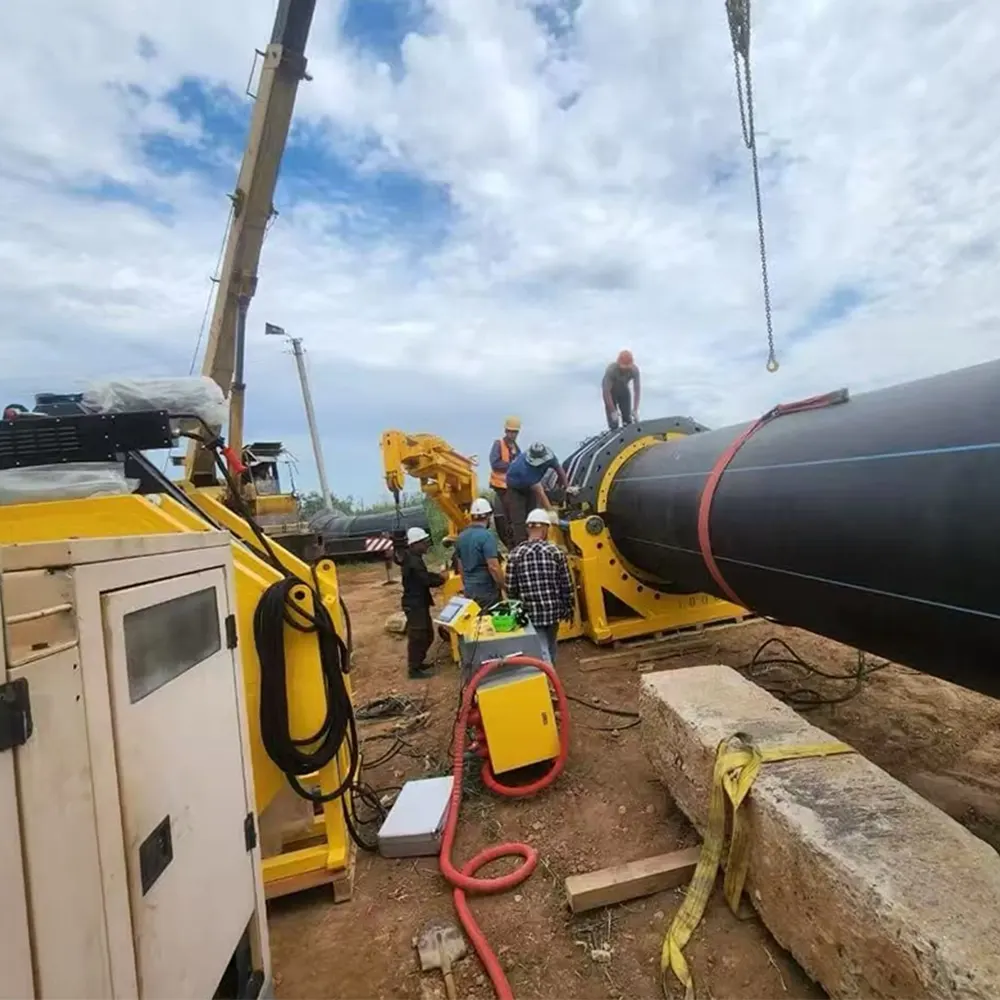
Proper care extends the life of your HDPE pipe welder for large diameter pipes and ensures consistent fusion quality over thousands of joints.
- Clean the heating plate surface daily using non-abrasive cloths to prevent PTFE layer damage.
- Check hydraulic oil levels and hoses before each shift; replace seals at recommended intervals.
- Inspect facer blades and rotate or replace them as soon as cutting performance drops.
- Store the machine under cover when not in use, especially on long-duration outdoor projects.
- Calibrate temperature controllers and pressure gauges annually against certified reference instruments.
Additional Resources: For deeper technical guidance, refer to the PPI Handbook of Polyethylene Pipe and the latest ASTM F2620 heat fusion practice standard.