Selecting the right HDPE pipe welder is critical to ensuring strong, leak-free joints that last for decades. Whether you are working on municipal water systems, gas distribution networks, or industrial pipelines, the quality of your fusion equipment directly impacts project timelines, safety, and long-term reliability. This guide walks you through the key factors to consider when how to choose an HDPE pipe welder for your specific application.
1. Understand the Main Types of HDPE Pipe Welders
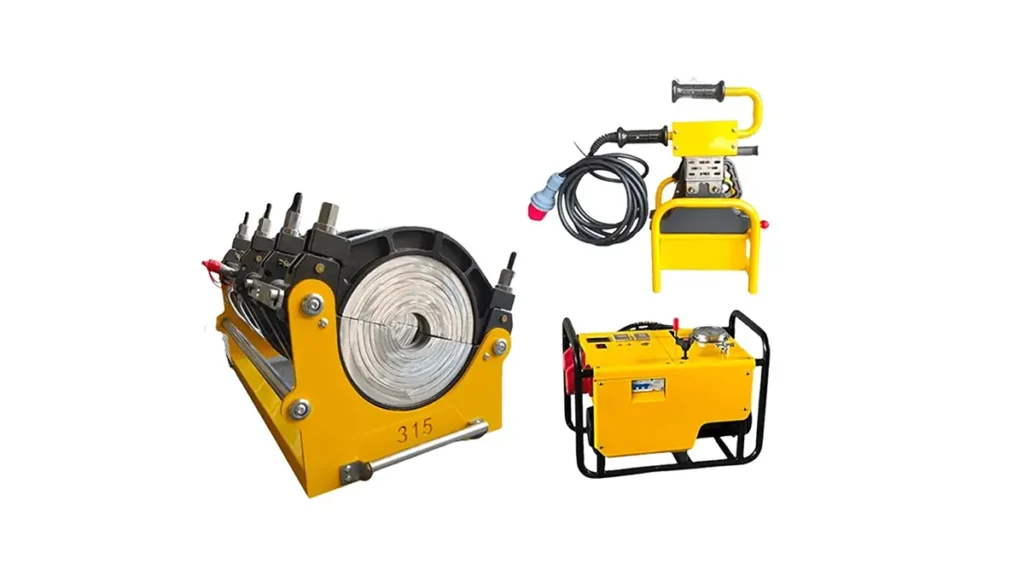
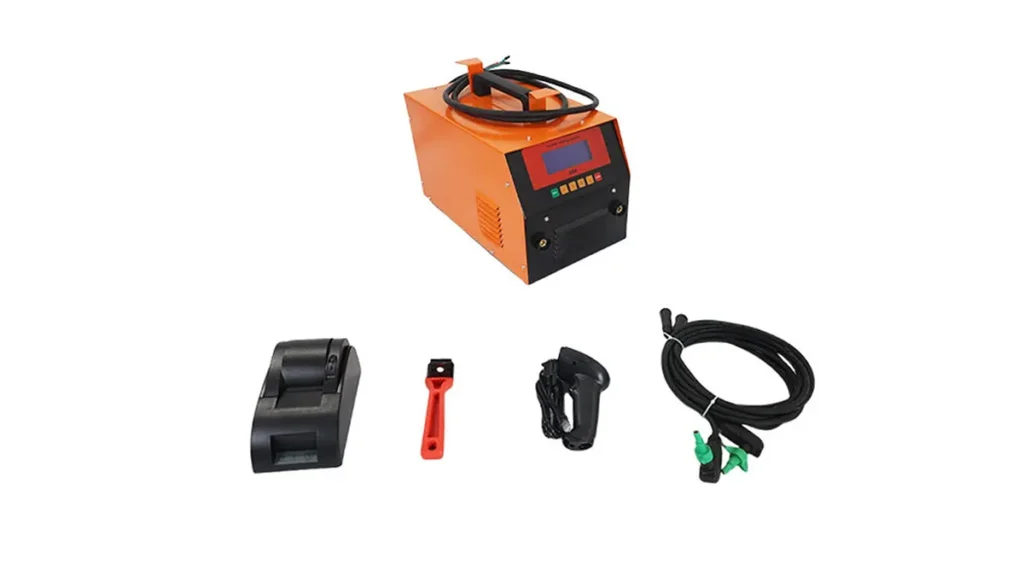
Before diving into specifications, you need to understand the different butt fusion and electrofusion technologies available. Each type serves distinct pipe size ranges and project environments.
| Welder Type | Best For | Key Advantage |
|---|---|---|
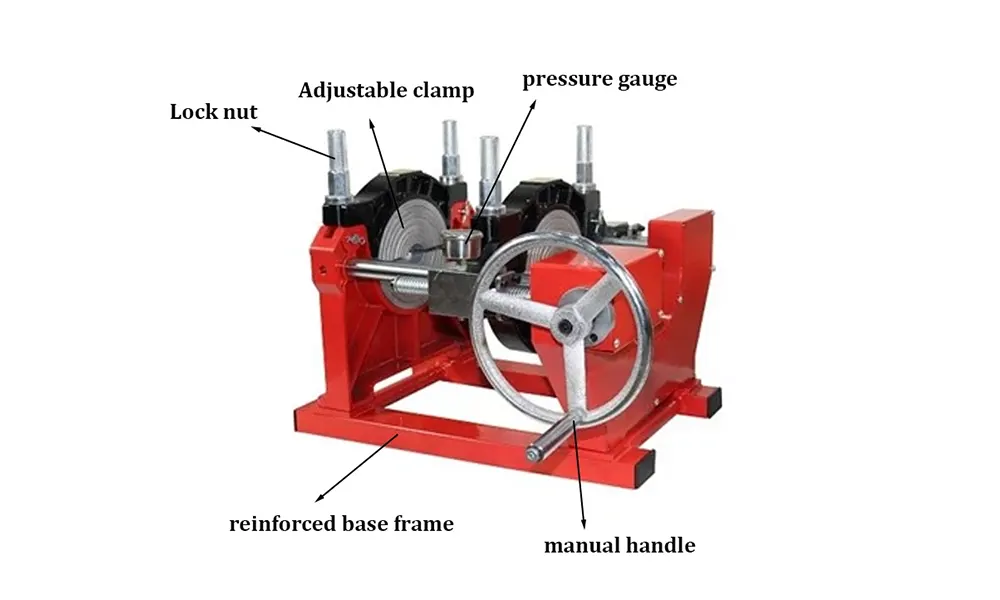
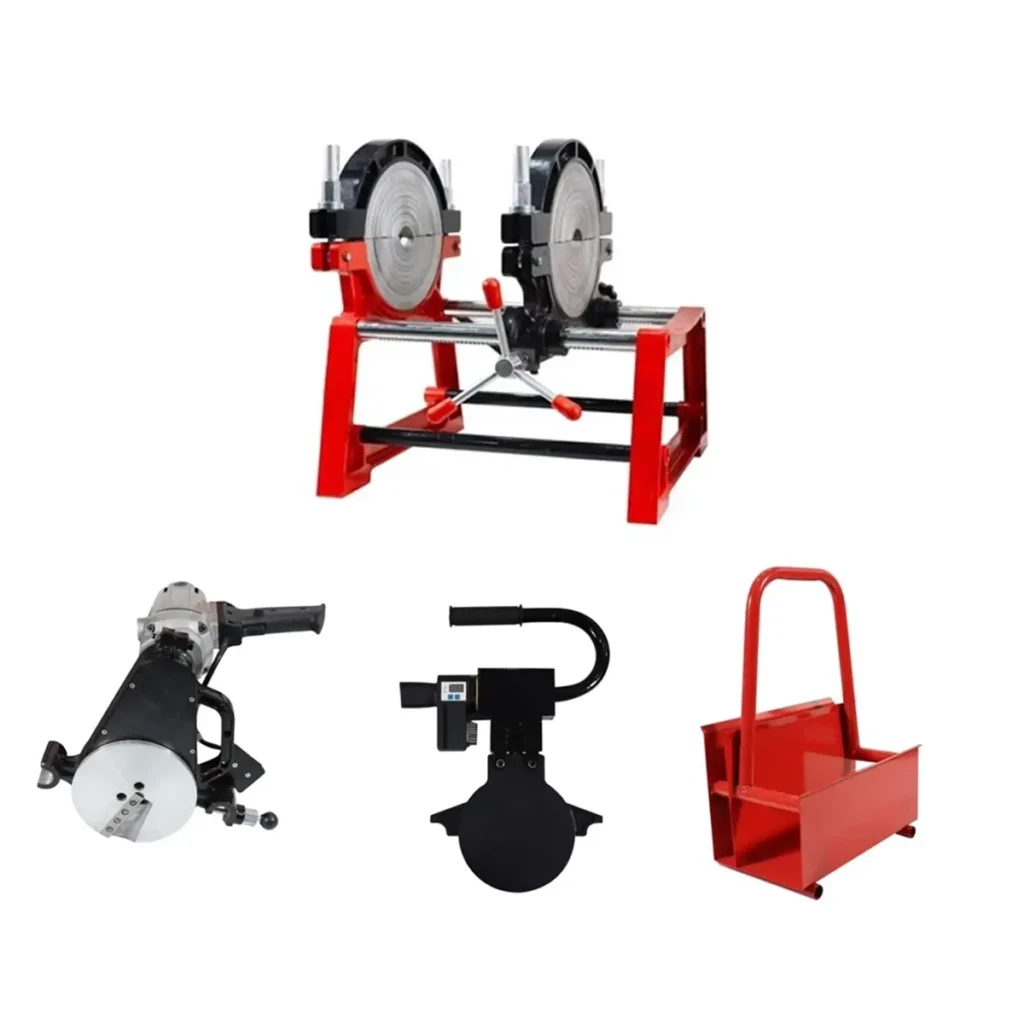
| Manual Butt Fusion | Small diameters, tight spaces, quick repairs | Lightweight, portable, cost-effective |
| Hydraulic Butt Fusion | Medium to large diameters, high-volume projects | Powerful clamping force, consistent pressure control |
| CNC Automatic Butt Fusion | Critical infrastructure, operator-independent quality | Data logging, precise parameter control, reduced human error |
| Electrofusion | Confined excavations, tie-ins, repair saddles | Simple operation, automatic cycle, minimal operator training |
2. Match the Welder to Your Pipe Diameter Range
One of the most common mistakes buyers make is choosing a machine that cannot handle their full range of pipe sizes. A butt fusion welding machine rated for 63mm to 200mm will not perform well on a 315mm pipe, even if you attempt modifications. Always check the manufacturer’s specified minimum and maximum clamping range.
- Up to 250mm: Manual or basic hydraulic machines are usually sufficient
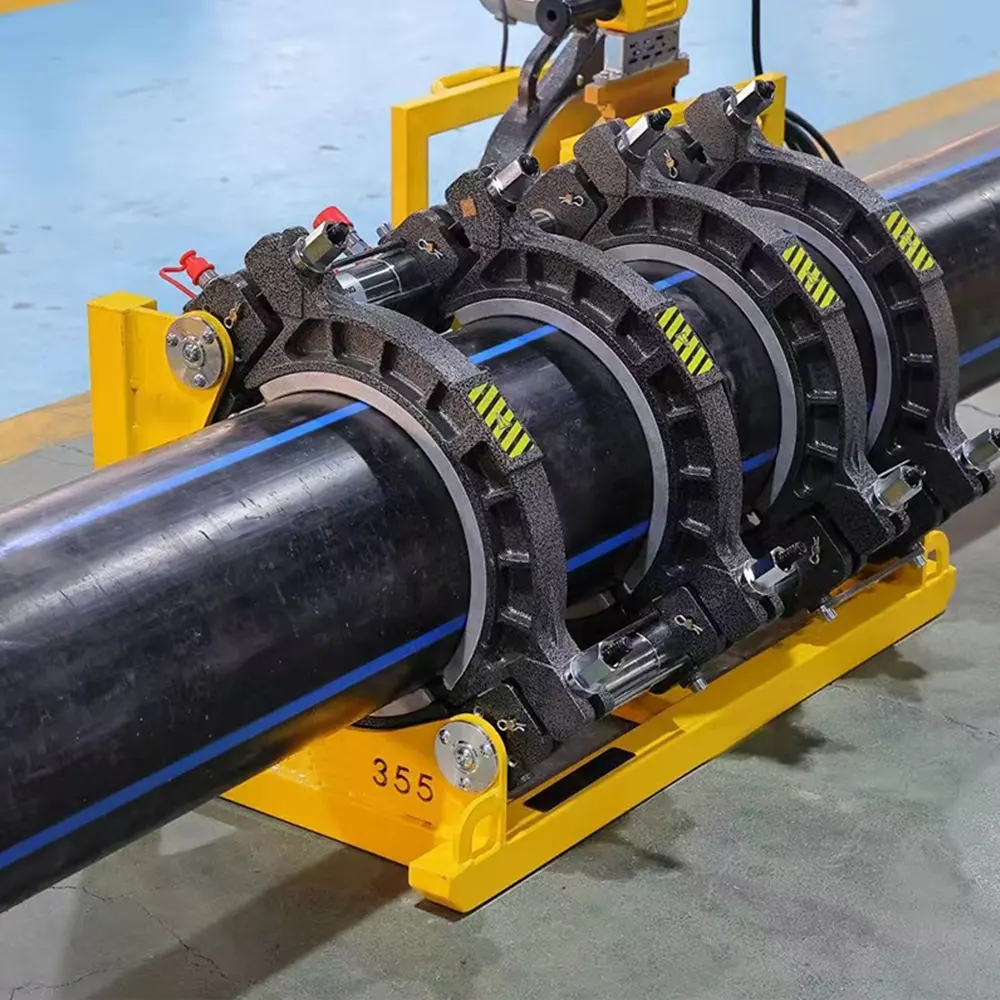
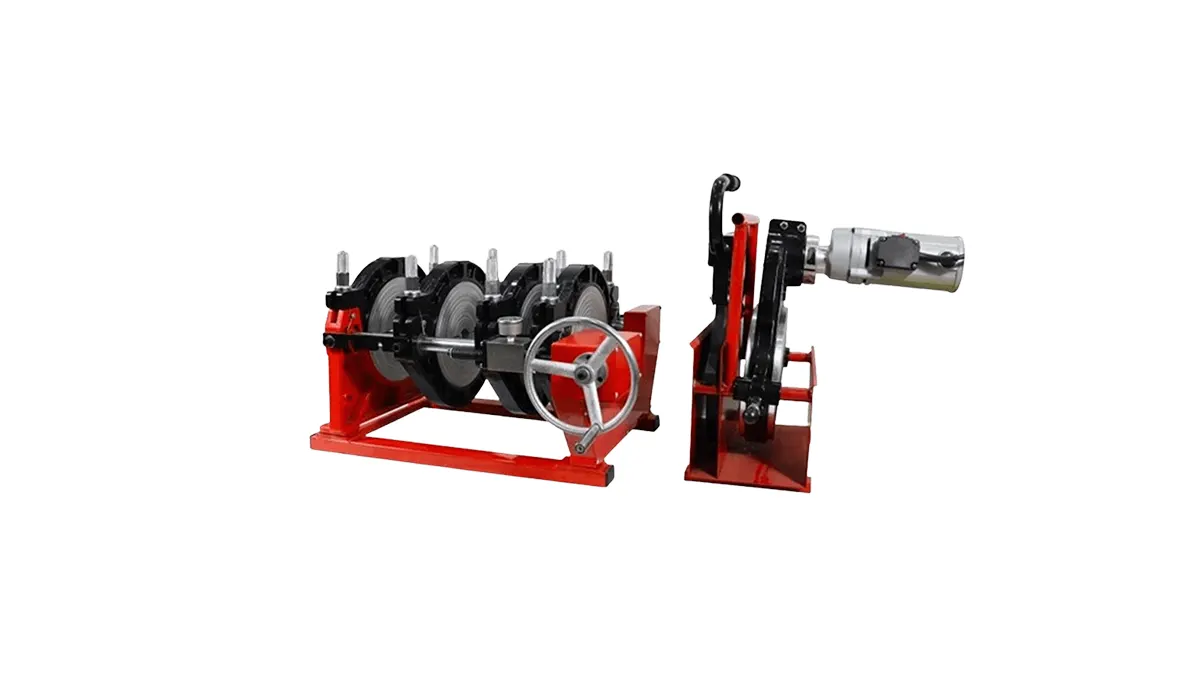
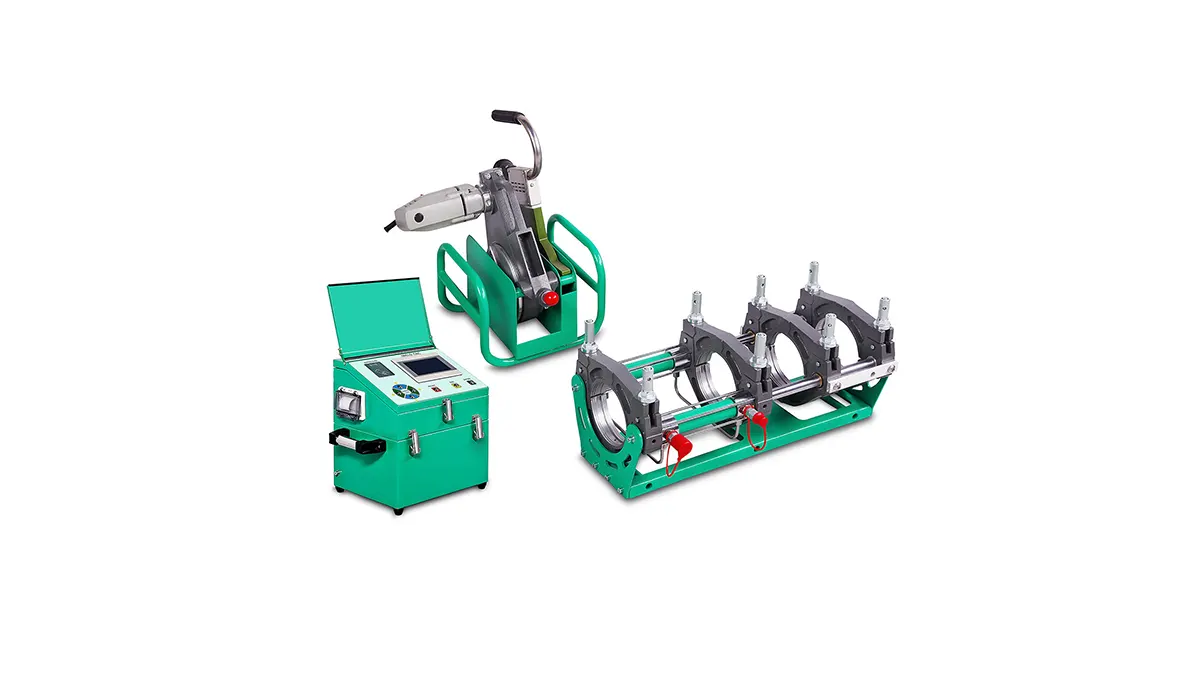
- 250mm to 800mm: Hydraulic machines with four-clamp designs offer better alignment
- Above 800mm: CNC automatic machines are strongly recommended for joint integrity
3. Evaluate Clamping and Alignment Systems
Proper pipe alignment is the foundation of a successful fusion joint. Look for machines with rigid frames, precision-machined clamp surfaces, and easy-to-adjust jaw sets. High-quality HDPE pipe welding equipment should minimize pipe slippage during the welding cycle, especially on larger diameters where gravitational forces can cause misalignment.
Key features to inspect include:
- Removable or replaceable clamp inserts for different SDR ratings
- Independent clamp movement for handling pipe ovality
- Rigid steel frame construction to withstand jobsite conditions
4. Prioritize Heater Plate Quality and Temperature Control
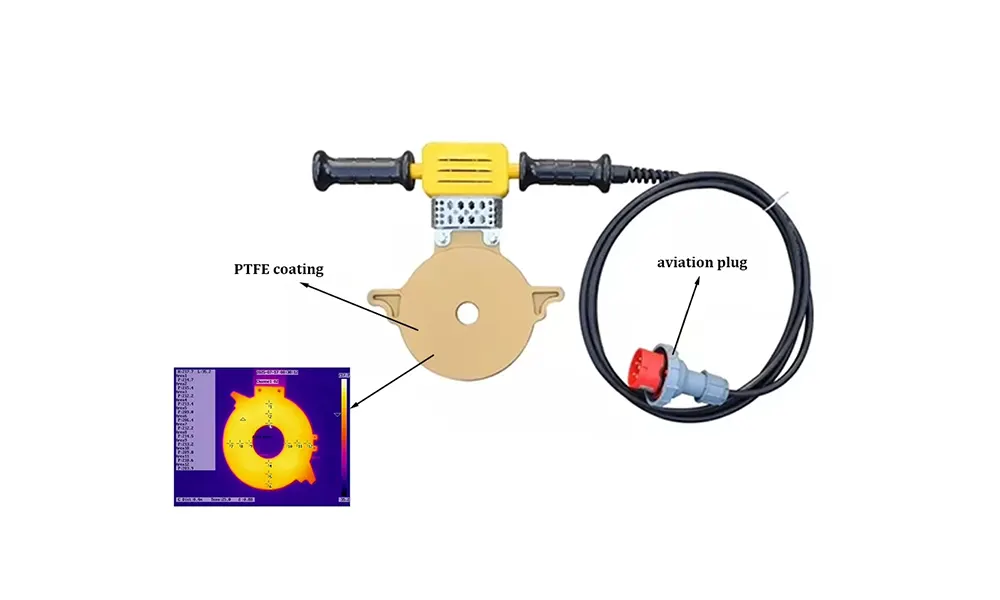
The PE butt fusion equipment standard requires precise temperature uniformity across the entire heater plate surface. A digital controller with a PTFE-coated non-stick surface is essential. Temperature deviations of just a few degrees can compromise the fusion bond. Verify that the machine’s heater has embedded sensors and an audible or visual alarm for temperature set-point tolerance.
5. Consider Trimmer Performance and Durability
The facing tool creates the smooth, parallel pipe ends required for a proper PPI technical guidance fusion. Look for trimmers with hardened steel blades, robust bearing systems, and safety interlocks. A poorly designed trimmer creates ridges or uneven surfaces that prevent proper melt bead formation.
6. Assess Automation and Data Logging Capabilities
For gas distribution and critical water infrastructure, CNC automatic butt fusion machines are increasingly becoming the industry standard. These machines automatically control the entire ISO 21307 butt fusion procedures cycle and generate a permanent joint report. This traceability is invaluable for quality assurance and regulatory compliance.
7. Portability and Power Source Compatibility
Consider where your welding will take place. A machine that runs on a standard generator is essential for remote installations. Manual machines excel in portability, while larger hydraulic units may require a crane for positioning. Check the machine’s weight, lifting points, and optional trailer or trolley kits.
8. Verify After-Sales Support and Spare Parts Availability
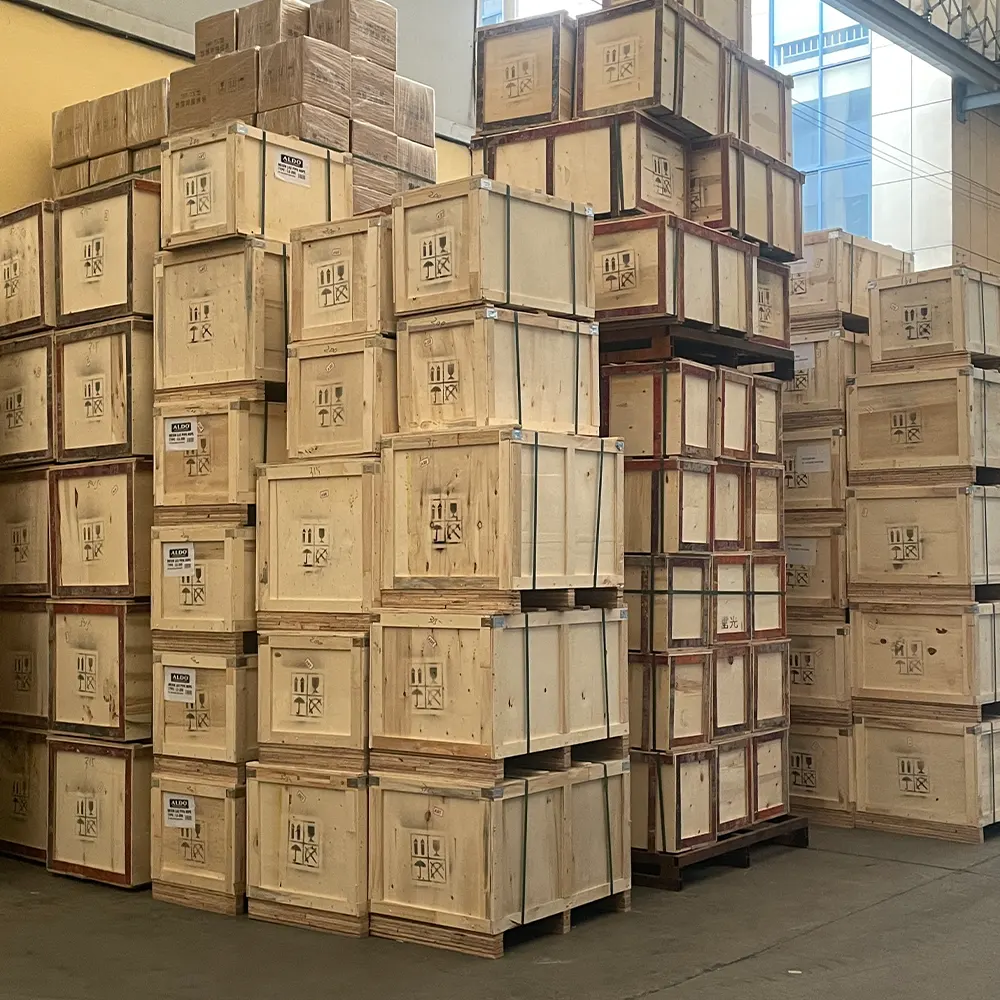
Even the best machines require maintenance. Before purchasing, confirm the availability of spare parts like heater plates, trimmer blades, and hydraulic seals. A responsive service team can significantly reduce downtime. JQ-Fusion, a professional manufacturer specializing in HDPE pipe welding machines, provides reliable butt fusion solutions and maintains ready stock for international distributors and contractors, ensuring fast delivery and comprehensive after-sales care.
Quick Reference Checklist
- Determine your maximum and minimum pipe diameters
- Choose between electrofusion and butt fusion based on site conditions
- Verify heater plate temperature uniformity and digital control
- Inspect clamp rigidity and alignment features
- Check trimmer blade quality and safety features
- Confirm power requirements and portability needs
- Ensure compliance with ASTM F2620 heat fusion or ISO standards
9. Budget vs. Long-Term Value
While upfront cost matters, focus on the total cost of ownership. A cheaper machine with poor alignment or inconsistent heating will produce failed joints that require expensive excavation and repair. How to choose an HDPE pipe welder wisely means balancing initial investment with the value of reliable, repeatable fusion quality over the equipment’s lifespan.
By carefully evaluating these factors, you can select a machine that delivers strong, consistent welds for your specific application. Take time to compare specifications, request demonstrations, and speak with manufacturers who can guide you to the right solution for your project requirements.