Selecting the best plastic pipe welder for irrigation is a critical decision that directly impacts the longevity and efficiency of your water distribution network. Whether you are installing a new drip irrigation system, repairing lateral lines, or setting up a large-scale sprinkler project, a leak-proof joint is non-negotiable. For professional contractors and farmers, understanding the nuances between different welding technologies—from manual machines to CNC automatic butt fusion machines—is essential to avoid costly failures in the field.
In agricultural applications, High-Density Polyethylene (HDPE) pipes are the industry standard due to their flexibility and chemical resistance. However, the pipe is only as strong as its weakest joint. This guide will walk you through the essential factors in choosing the right equipment, ensuring your system complies with ISO 21307 butt fusion procedures and withstands high-pressure irrigation cycles for decades.
Why Butt Fusion Dominates Irrigation Projects
Butt fusion welding is widely considered the most reliable method for joining HDPE pipes in irrigation. The process heats the pipe ends and fuses them under pressure, creating a monolithic, homogenous joint that is actually stronger than the pipe itself. Unlike mechanical couplings, there are no rubber gaskets that can degrade in the soil or leak under fluctuating water pressures typical in HDPE pipe welding equipment usage.
When working on large-scale pivot irrigation or mains supply lines, the consistency of the weld is paramount. A high-quality plastic pipe welder for irrigation must maintain precise temperature control and alignment. Even a slight misalignment can create an internal bead that restricts flow and increases pumping costs over thousands of acres.
Manual vs. Hydraulic: Matching the Machine to the Scale
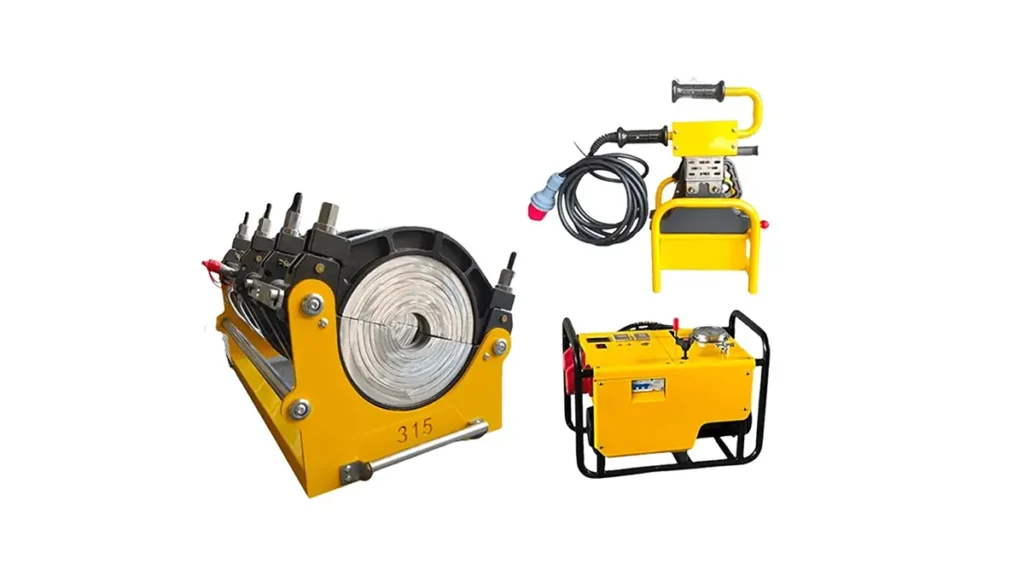
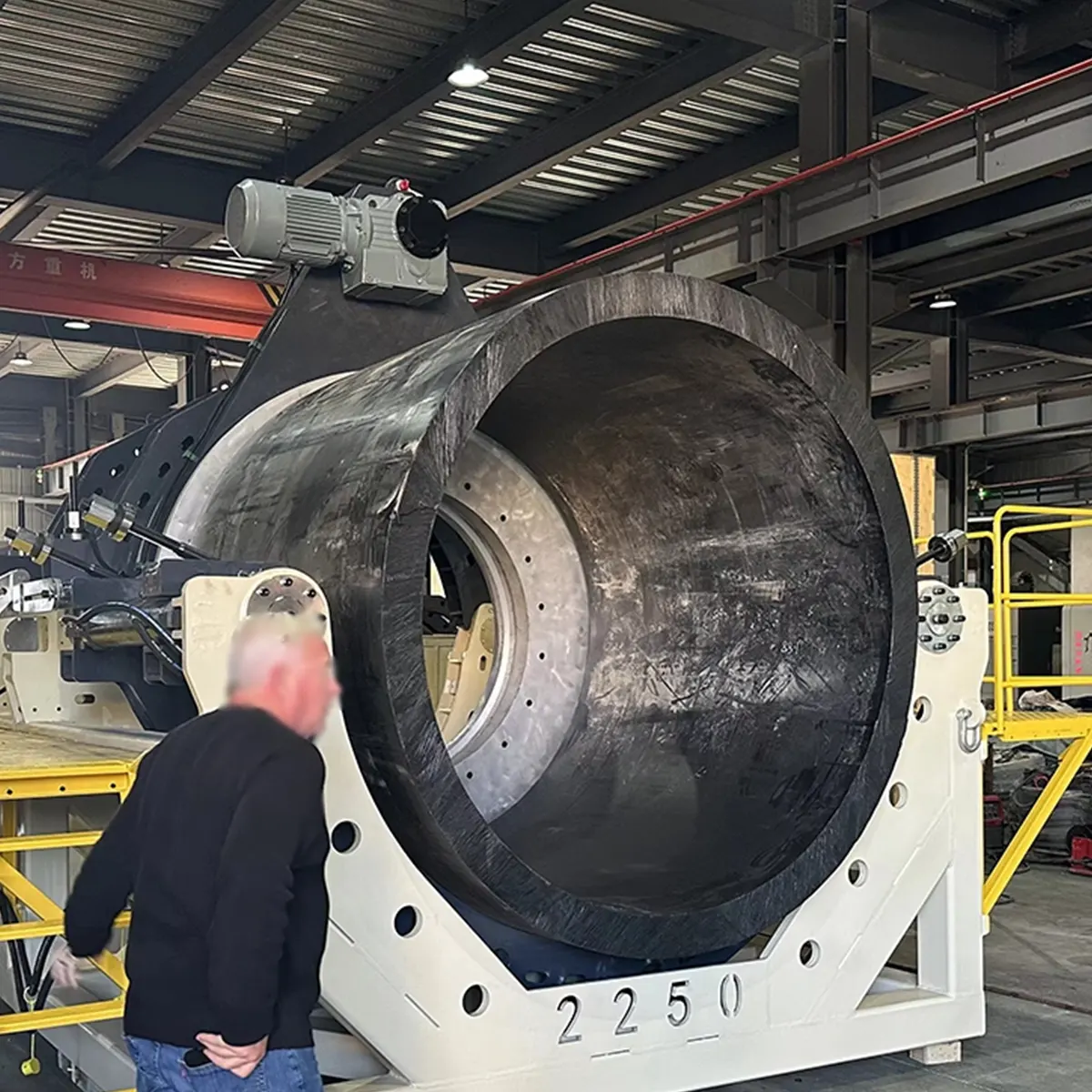
For smaller diameter lines (typically up to 110mm), manual fusion machines offer portability and simplicity. They are ideal for quick repairs in the field where dragging a hydraulic power pack is impractical. However, when you move into the main lines of 160mm to 315mm and beyond, a hydraulic plastic pipe welder for irrigation becomes essential to generate the necessary force to face and fuse the pipes without operator fatigue.
Key Features to Look for in a Welder
Not all welding equipment is built the same. When evaluating a machine for agricultural use, durability under harsh outdoor conditions—dirt, dust, and extreme sun—is often as important as the welding parameters themselves. Below is a checklist of non-negotiable features:
- Precision Heater Plate: The surface must have a uniform temperature distribution with a variance of less than ±5°C, verified by a digital thermometer.
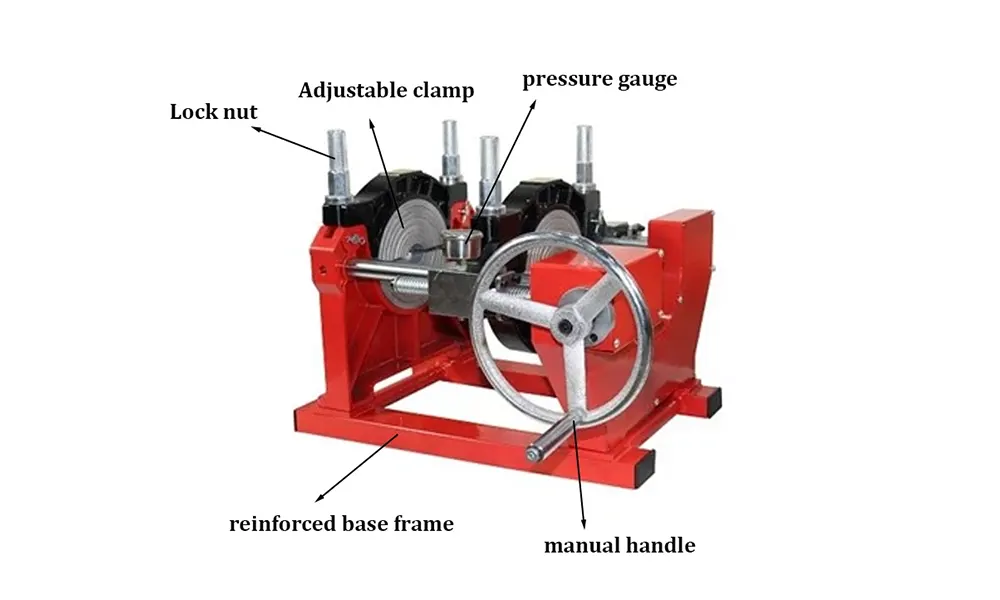
- Rigid Clamp Set: Look for aluminum clamps with strong grip inserts to prevent pipe slippage during the cooling cycle.
- High-Performance Trimmer: Double-sided trimmers ensure perfect pipe-end parallelism, which is vital for irrigation pipes carrying pressurized water.
- Data Logging (CNC): For certified projects, a CNC automatic welder records fusion parameters, providing traceability to standards like ASTM F2620 heat fusion.
Electrofusion: The Alternative for Complex Repairs
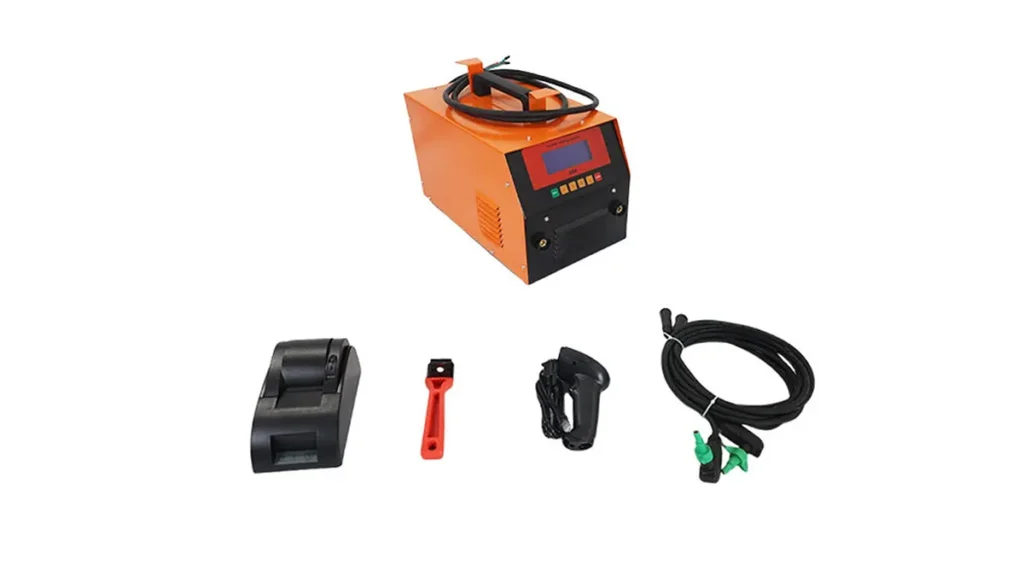
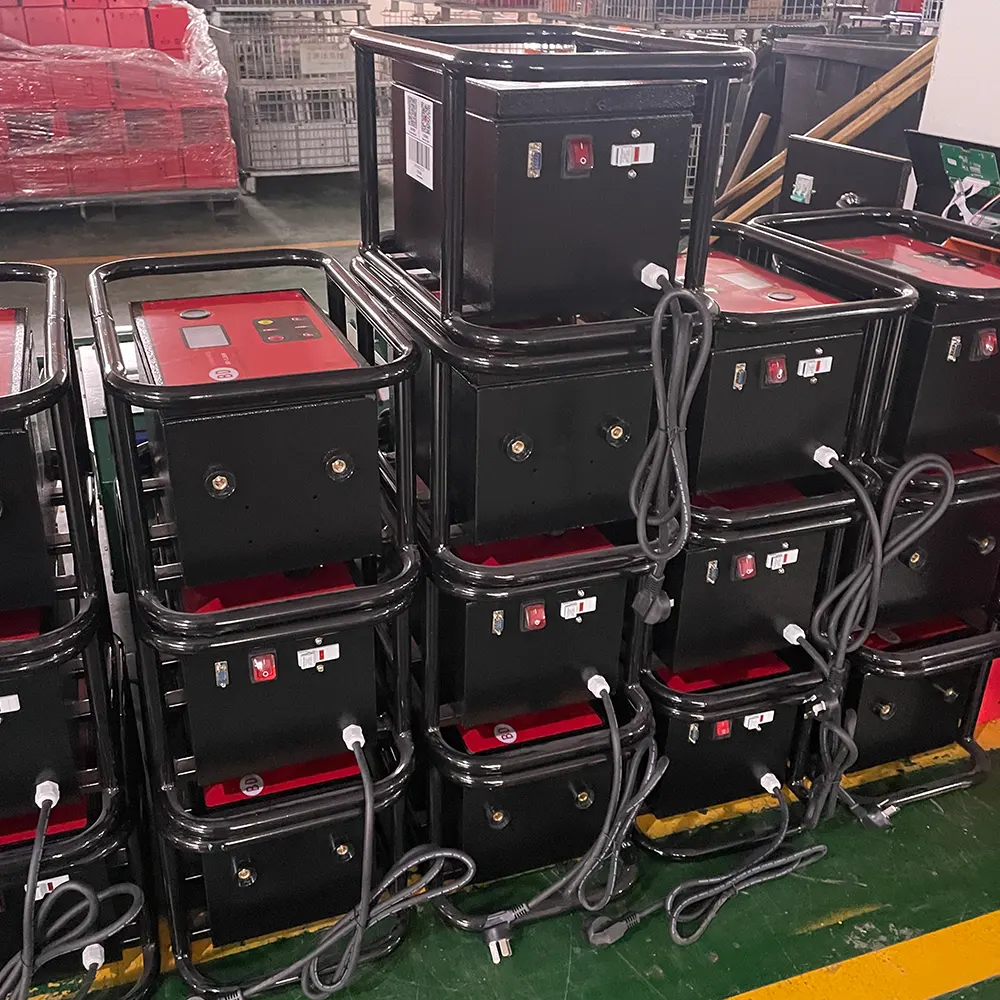
While butt fusion is the workhorse, there are specific irrigation scenarios where an electrofusion unit is the better tool. If you are working in a tight trench, repairing a leaking joint, or tying into existing infrastructure where the pipe cannot be moved, electrofusion couplings wired to an automatic machine provide a perfect solution. The process uses embedded heating coils to melt the interface, and it is highly foolproof when provided with barcode scanning capabilities.
The Importance of Trimmer Maintenance
One often overlooked aspect of the plastic pipe welder for irrigation is the trimmer. Since irrigation pipes are often stored outdoors, the oxidized outer layer must be completely removed to ensure a virgin material bond. Dull trimmer blades or a weak drive motor will result in “orange peel” surface finishes that introduce contaminants into the fusion zone, leading to brittle joints that can snap under the mechanical loads of thermal expansion.
Selecting the Size Based on Pipe Diameter
The most critical specification is the machine’s maximum capacity. You must engage the full circumference of the pipe wall. The table below provides a general reference for common irrigation pipe sizes and the corresponding machine recommendations:
| Pipe Diameter (OD) | Typical Application | Recommended Machine Type |
|---|---|---|
| 20mm – 63mm | Drip lines, small laterals | Manual Hand-Screw Machine |
| 75mm – 160mm | Submains, vineyard blocks | Manual or Lightweight Hydraulic |
| 200mm – 500mm | Main distribution headers | Heavy-duty Hydraulic Machine |
| 560mm – 1200mm+ | Large-scale canal replacement | CNC Automatic Hydraulic Machine |
Understanding Welding Parameters for HDPE Irrigation Pipes
Fusion welding is a science governed by specific temperature, time, and pressure settings. For HDPE irrigation pipes, the standard parameters are defined by the Plastics Pipe Institute (PPI) and ISO standards. The most critical factor is the interfacial pressure during the bead-up and heat-soak phases. Too little pressure prevents intermolecular diffusion, while too much squeezes out the molten material (melt displacement), creating a cold joint that can fail under the repetitive water hammer common in irrigation systems.
Power Supply and Remote Locations
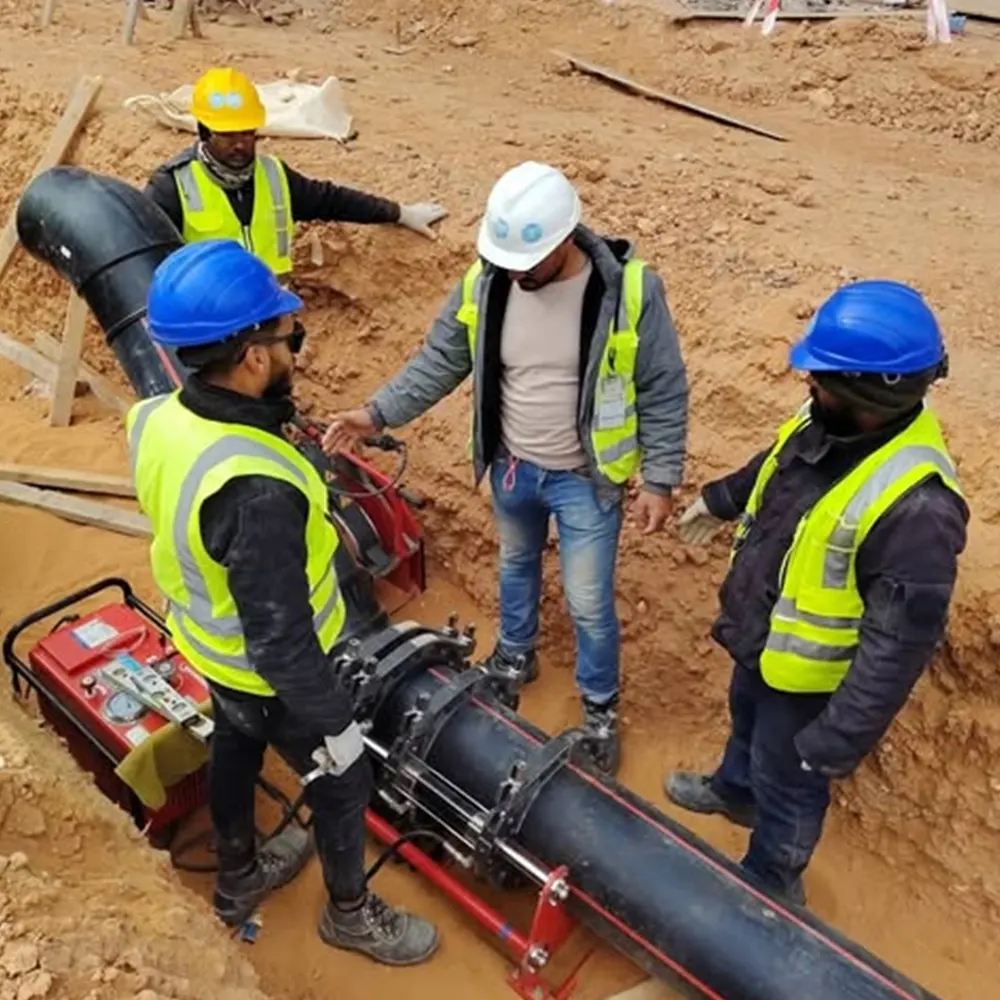
Irrigation sites are often remote, far from grid power. A critical buying consideration is whether the machine requires three-phase power (common on large CNC machines) or can run on a portable generator. For true remote work, many contractors prefer robust manual machines or hydraulic systems where only the heating plate requires a generator, consuming minimal power compared to full electric units.
Comparing Welding Technologies: A Quick Reference
To help you visualize the cost-benefit analysis, consider the strengths of each technology. While the initial price is a factor, the long-term reliability of the irrigation network should dictate the choice.
- Manual Butt Fusion: Lowest cost, high portability, ideal for diameters under 250mm. Requires skilled operator to maintain consistent pressure.
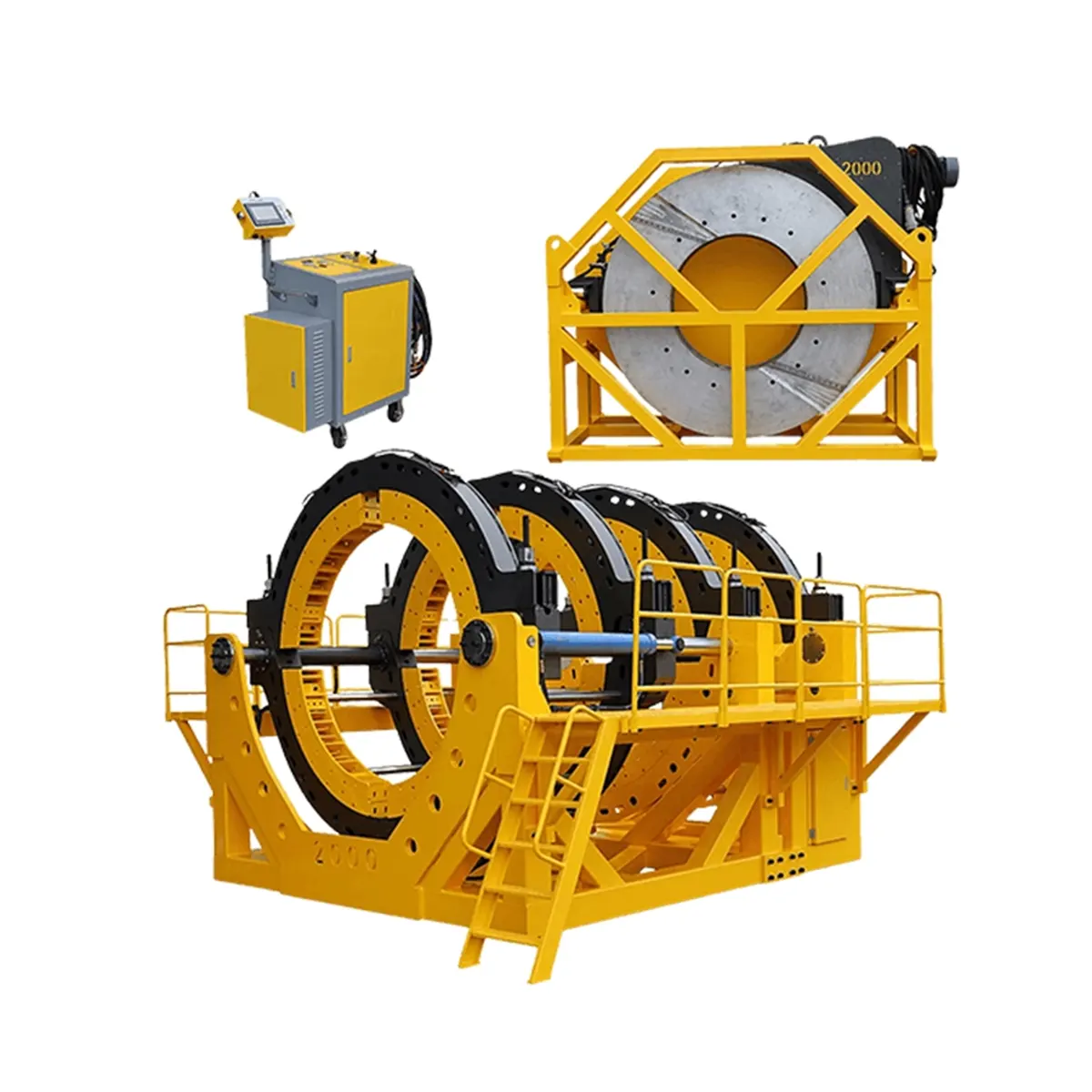
- Hydraulic Butt Fusion: Essential for medium to large diameters, reduces operator fatigue, precise pressure regulation via hydraulic ram.
- CNC Automatic Fusion: Ensures 100% traceability with data logging, eliminates human error, perfect for mega-irrigation projects requiring strict compliance with PPI butt fusion procedure.
Application: Farm-to-Pipeline Efficiency
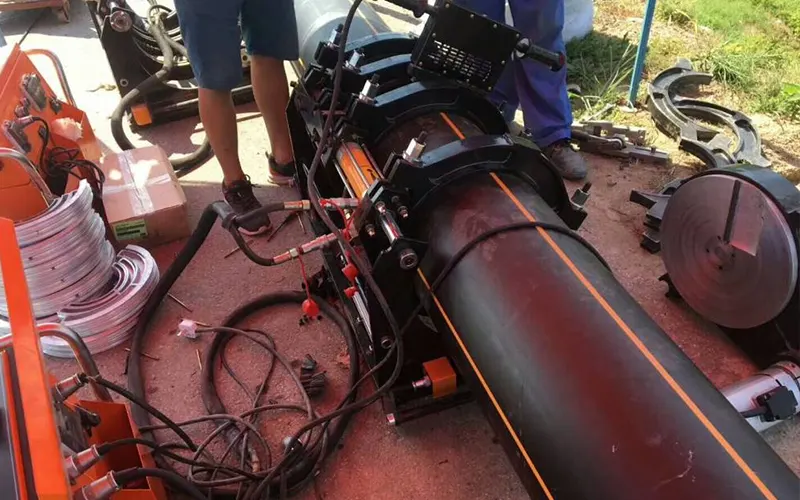
Modern agriculture relies heavily on uninterrupted water supply. Using a high-grade plastic pipe welder for irrigation ensures that the transition from the pump station to the first valve manifold remains leak-free. Especially in areas with shifting soils, the flexibility of a correctly heat-fused HDPE line means the pipe can deform rather than break. The image below illustrates a typical hydraulic machine handling a critical main line.
Durability and Corrosion Resistance
Irrigation water is frequently treated with fertilizers (fertigation) or is slightly saline/acidic in some regions. The beauty of a fused HDPE system is the absence of metallic inserts or seals that can corrode rapidly in these aggressive environments. By investing in a proper plastic pipe welder for irrigation, you are not just connecting pipes; you are building a chemically inert, continuous loop that will outlast the mechanical equipment feeding it.
Long-Term Value: Repair and Maintenance Capabilities
Purchasing a machine isn’t just for new installation. Irrigation systems are subject to damage from tillage equipment, lightning strikes, or accidental excavation. Having a reliable manual butt fusion machine on the farm allows for immediate repairs during the growing season without waiting for a contractor. JQ-Fusion specializes in manufacturing durable manual and hydraulic fusion equipment that serves both large installation contractors and on-farm maintenance teams alike, ensuring your distribution network remains operational when it matters most.
Before finalizing your purchase, always verify that the equipment meets the current safety standards and includes the appropriate clamp inserts for the SDR (Standard Dimension Ratio) and material grade (PE4710, PE100, etc.) you are installing. A plastic pipe welder for irrigation is a capital asset that, with proper care, will deliver decades of reliable service and flawless joints across hundreds of miles of pipeline.