When constructing or maintaining high-density polyethylene (HDPE) piping systems, selecting the right joining method is critical for ensuring pipeline integrity, safety, and long-term performance. The two dominant techniques for fusing HDPE pipes are butt fusion and electrofusion. While both produce strong, leak-free joints, they operate on different principles and are suited to different project conditions. Understanding the key differences, advantages, and limitations of each method allows contractors, engineers, and project managers to make informed decisions that affect installation speed, cost, and overall system reliability.
What Is Butt Fusion for HDPE Pipes?
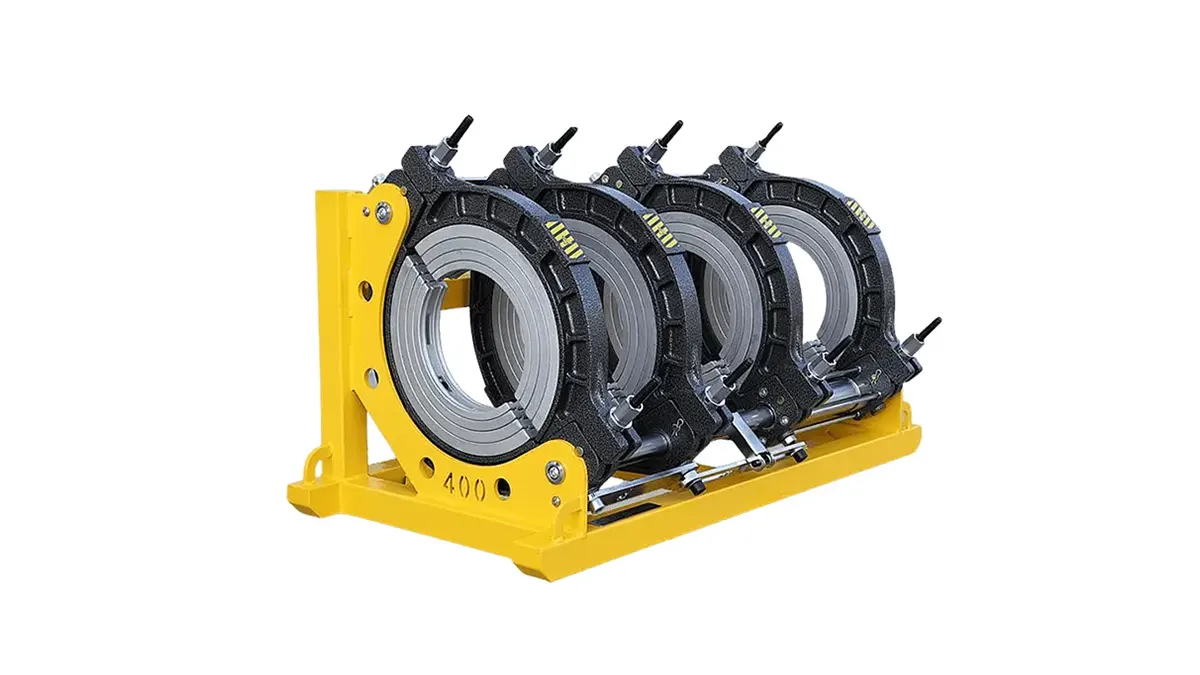
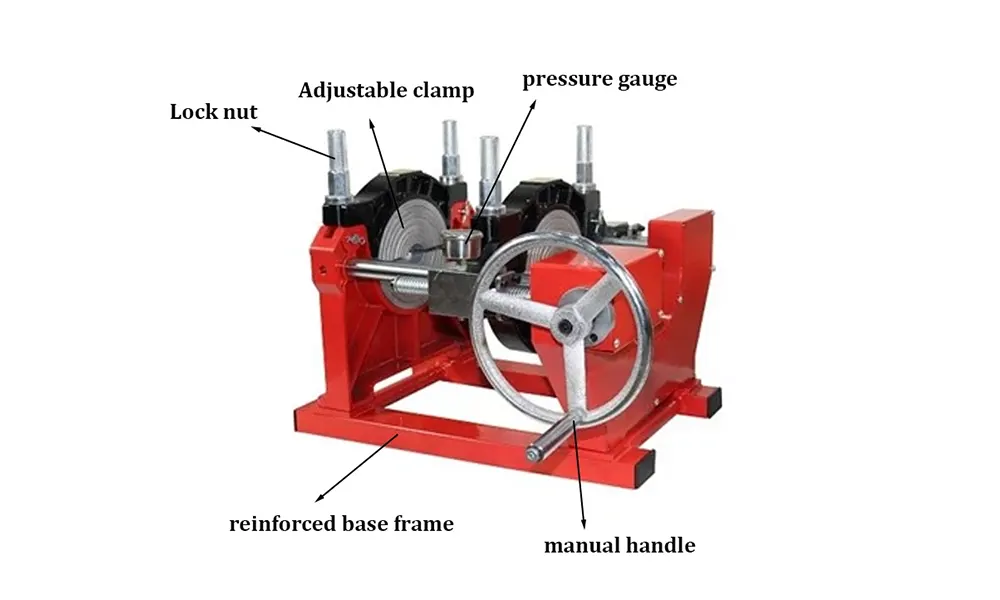
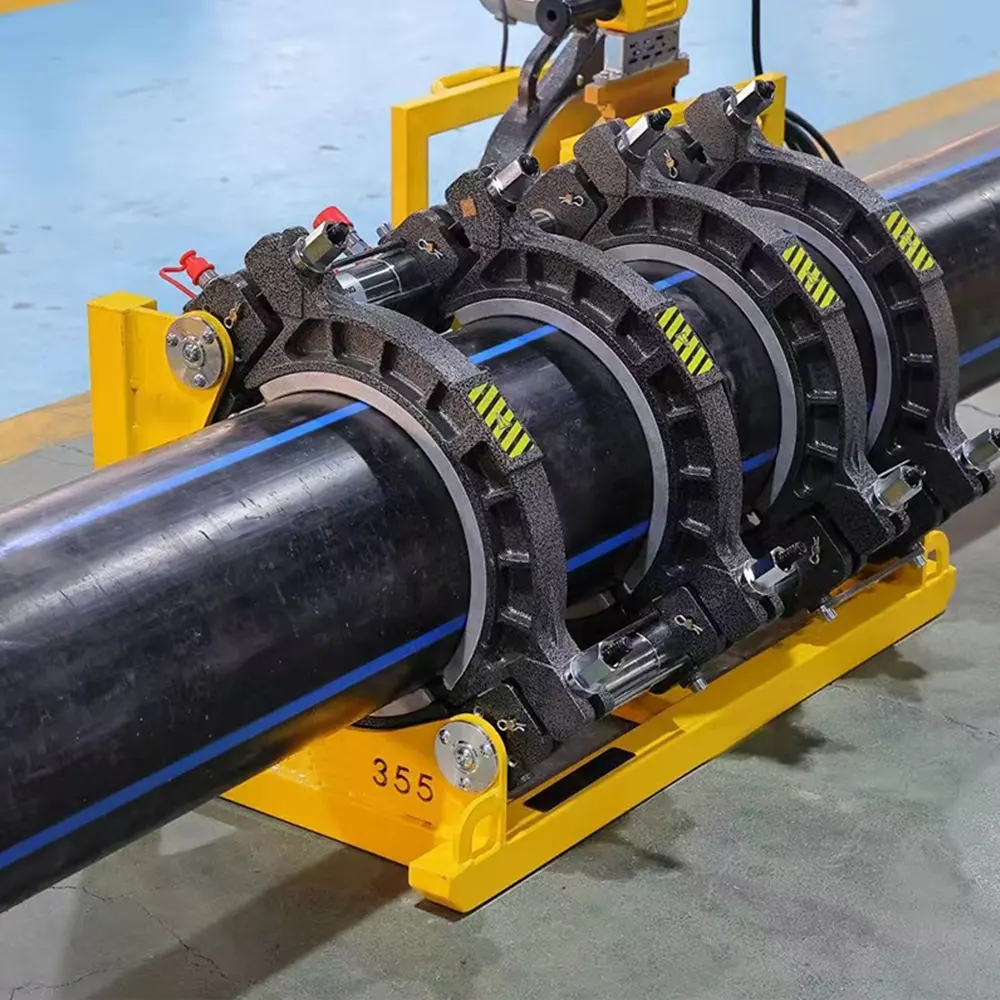
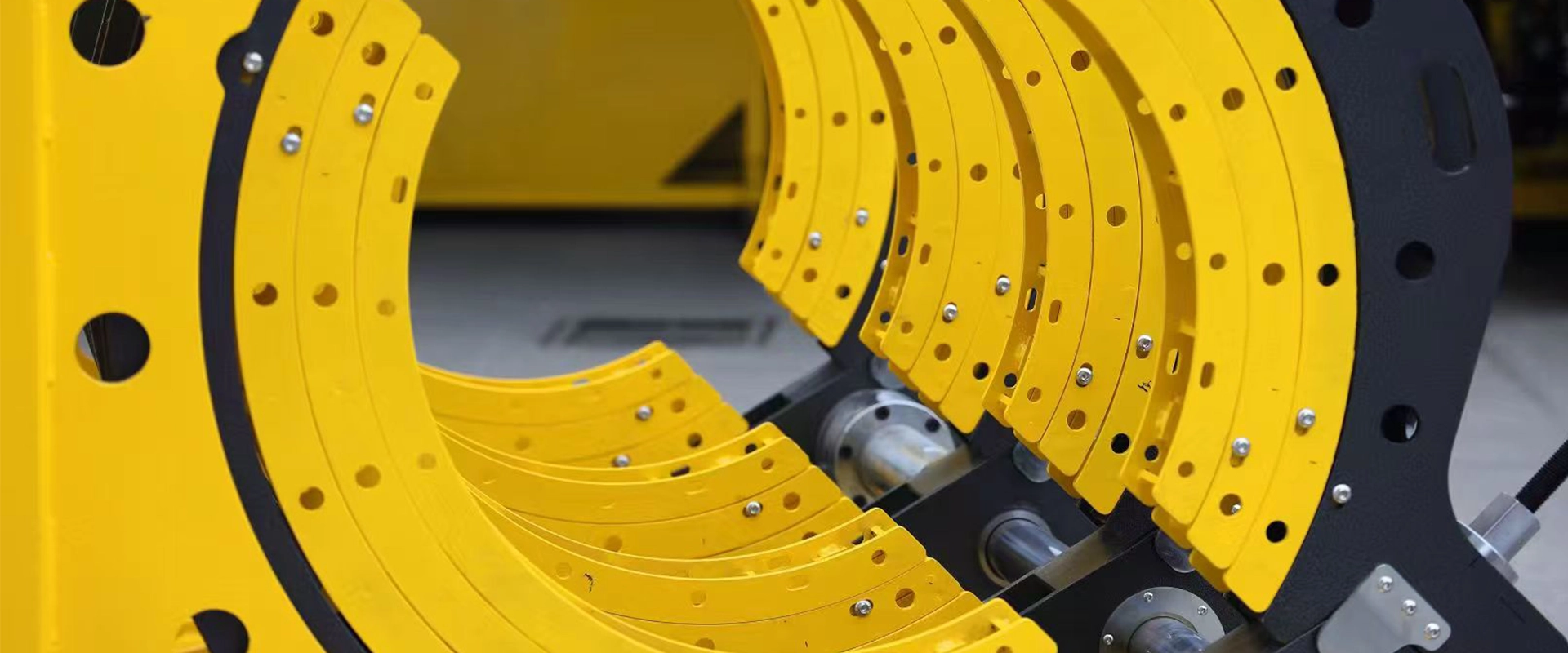
Butt fusion is a thermal welding process that joins two HDPE pipe ends directly without additional fittings. The pipe ends are aligned, planed flat with a rotating trimmer, heated to a controlled temperature using a flat heating plate, and then pressed together under controlled pressure. As the melted material cools, a homogeneous joint is formed that is as strong as the pipe itself. This method is widely used for long straight pipeline runs, especially in water supply, gas distribution, and industrial systems. Proper execution of butt fusion relies on strict adherence to standardized procedures, including the ISO 21307 butt fusion procedures, which define the heating, soaking, and cooling phases essential for joint quality.
What Is Electrofusion for HDPE Pipes?
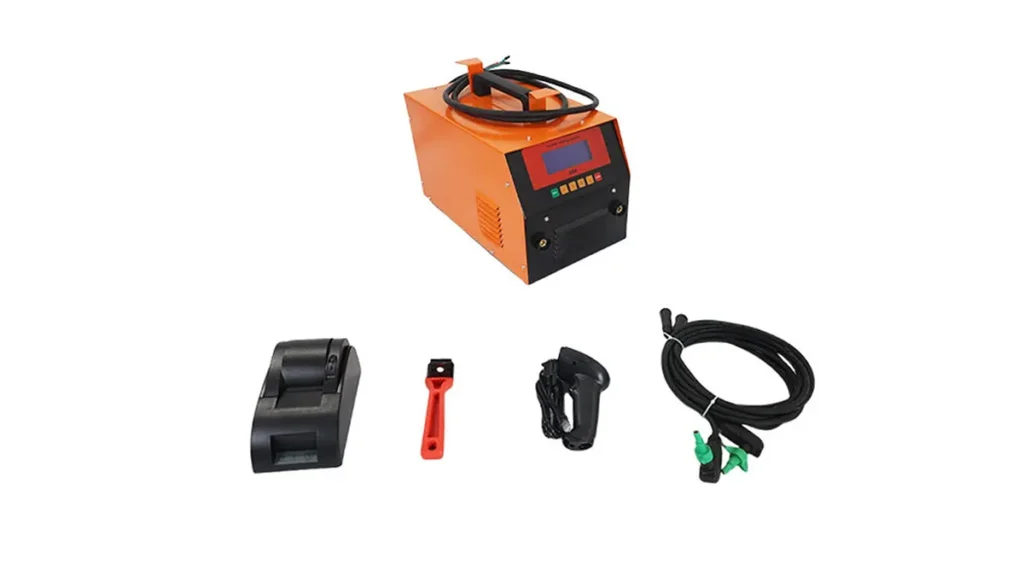
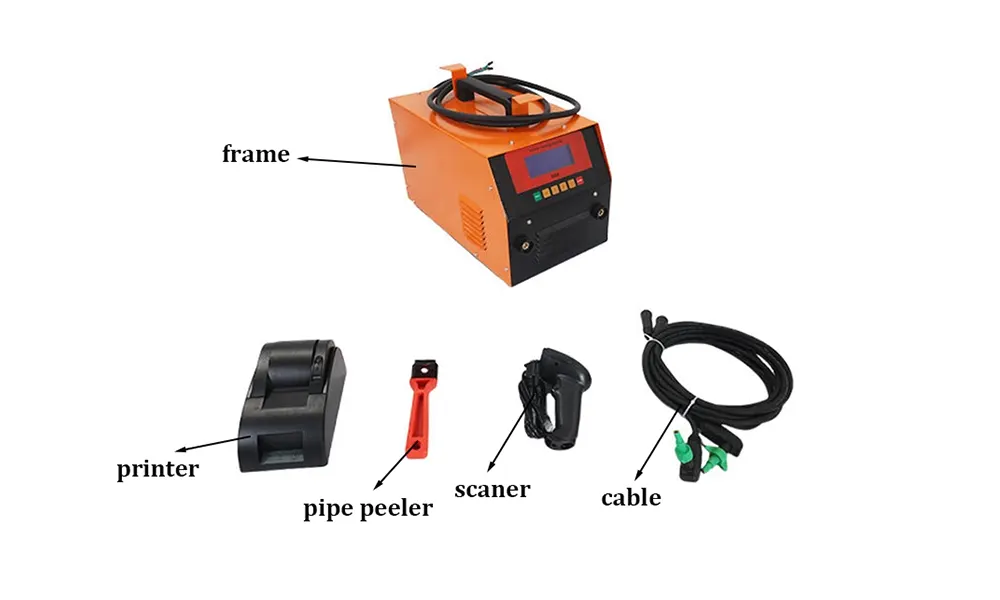
Electrofusion uses specialized fittings with embedded heating coils to join HDPE pipes. The pipe ends are inserted into the fitting, and an electrofusion machine passes an electric current through the coils, generating heat that melts the surrounding polymer. Upon cooling, the fitting and pipe surfaces fuse together. This technique is particularly valuable in tight spaces, repair situations, and complex tie-ins where butt fusion equipment cannot be easily deployed. The process is governed by standards such as PE electrofusion equipment standard, ensuring reliable and repeatable results when executed correctly.
Key Differences Between Butt Fusion and Electrofusion
The choice between these two fusion methods depends on factors such as pipe diameter, site accessibility, project scale, and cost considerations. The table below summarizes the primary technical and operational differences.
| Feature | Butt Fusion | Electrofusion |
|---|---|---|
| Jointing Principle | Pipe ends are heated and pressed together; no additional fitting required. | A special fitting with embedded heating coils melts and fuses the pipe surfaces. |
| Pipe Size Range | Suitable for small to very large diameters (typically 63 mm up to 2000 mm and beyond). | Commonly used for smaller diameters (20 mm to 630 mm), though larger fittings exist. |
| Equipment Footprint | Larger and heavier; requires sufficient workspace for the machine and pipe handling. | Compact and portable; ideal for confined spaces, trenches, and repair zones. |
| Cost Structure | Higher initial equipment investment; lower cost per joint, especially for large quantities. | Lower equipment cost; higher cost per joint due to specialized electrofusion fittings. |
| Operator Dependency | Requires skilled operators to manage alignment, temperature, and pressure parameters. | Process parameters are often barcode-controlled, reducing manual errors. |
Advantages and Limitations of Each Method
Weighing the pros and cons of butt fusion and electrofusion helps clarify which method aligns best with specific project requirements. Below is a structured comparison.
Butt Fusion
- Advantages:
- Creates a continuous, homogeneous joint with no additional materials.
- Economical for large-diameter pipelines and high-volume installations.
- Well-established and standardized globally; PPI technical guidance provides extensive best practices.
- No need for expensive electrofusion fittings.
- Limitations:
- Equipment can be heavy and requires stable, level ground.
- Not ideal for tight repair clamps or congested pipe corridors.
- Joint quality heavily depends on operator skill and adherence to procedure.
Electrofusion
- Advantages:
- Excellent for tight spaces, trenchless repairs, and adding branch connections.
- Portable equipment is easy to transport and set up.
- Automated parameter control increases consistency and traceability.
- Can join pipes of different wall thicknesses and grades within certain limits.
- Limitations:
- Fittings are costly, making it less economical for long straight runs.
- Surface preparation (scraping) is critical to prevent contamination.
- Limited availability for very large diameters.
Choosing the Right Equipment for Your Project
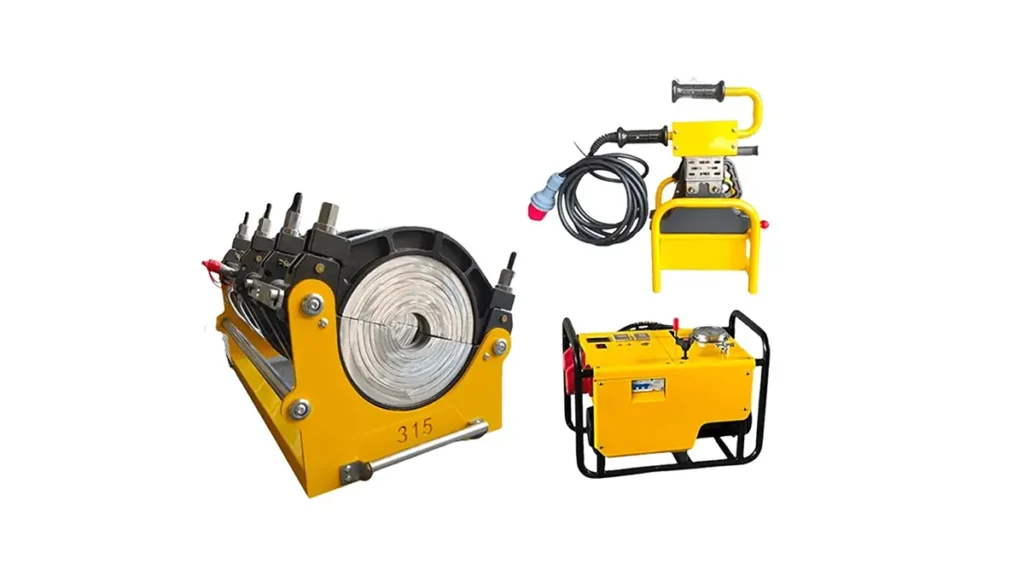
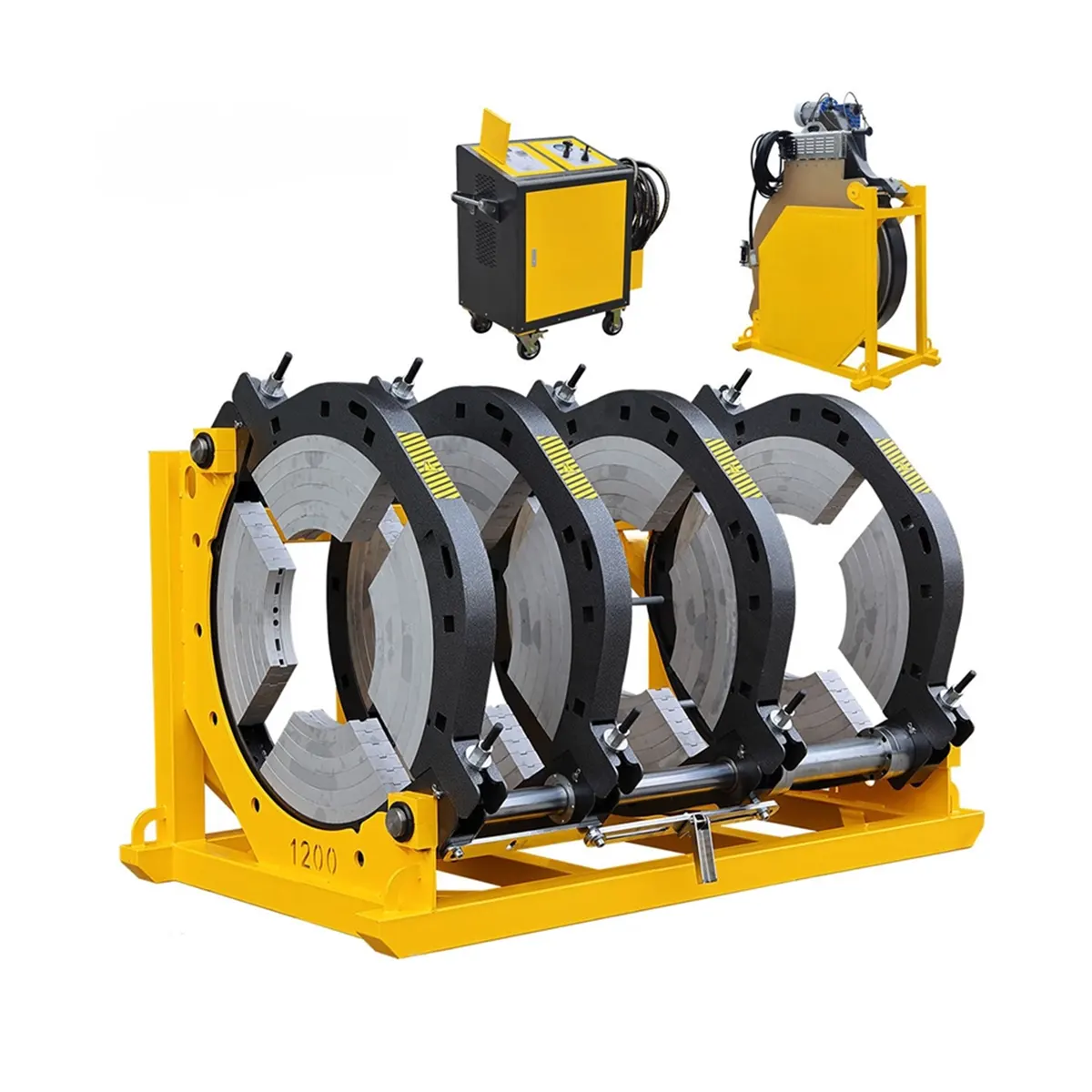
Selecting between a butt fusion machine and an electrofusion unit involves evaluating both the immediate job site conditions and long-term operational goals. For extensive pipeline networks with large diameters, hydraulic or CNC automatic butt fusion machines provide the force and precision needed to maintain consistent joint quality. In contrast, for service connections, maintenance, or projects with limited access, electrofusion machines offer unmatched flexibility. Many contractors maintain both capabilities to adapt to the varied demands of modern infrastructure projects. Understanding the specific requirements of standards like ASTM F2620 heat fusion and ASTM F1290 electrofusion ensures that whichever method is chosen, the resulting joints meet regulatory and performance expectations.
Operational Best Practices and Quality Assurance
Regardless of the method chosen, rigorous quality assurance is essential. For butt fusion, this includes verifying heating plate temperature, ensuring proper alignment and bead formation, and maintaining detailed fusion records. The PE butt fusion equipment standard outlines critical equipment performance requirements. For electrofusion, checking pipe roundness, thorough scraping of oxidation layers, and using calibrated machines are non-negotiable steps. Visual inspection of melt indicators and, where required, destructive testing of sample joints provide confidence in the long-term performance of the installed system.
Reliable Fusion Solutions from a Trusted Manufacturer
JQ-Fusion is a professional manufacturer specializing in HDPE pipe welding machines, providing reliable butt fusion solutions for global infrastructure projects. With years of industry experience, we focus on the development and production of manual, hydraulic, and CNC automatic butt fusion welding machines, covering a wide range of pipe sizes from small to large diameters. Our products are widely used in water supply, gas distribution, mining, and industrial pipeline systems. We are committed to delivering high-quality, durable, and customizable welding equipment to meet diverse project requirements. From standard models to tailored solutions, we help our clients achieve efficient, precise, and reliable pipe welding performance.