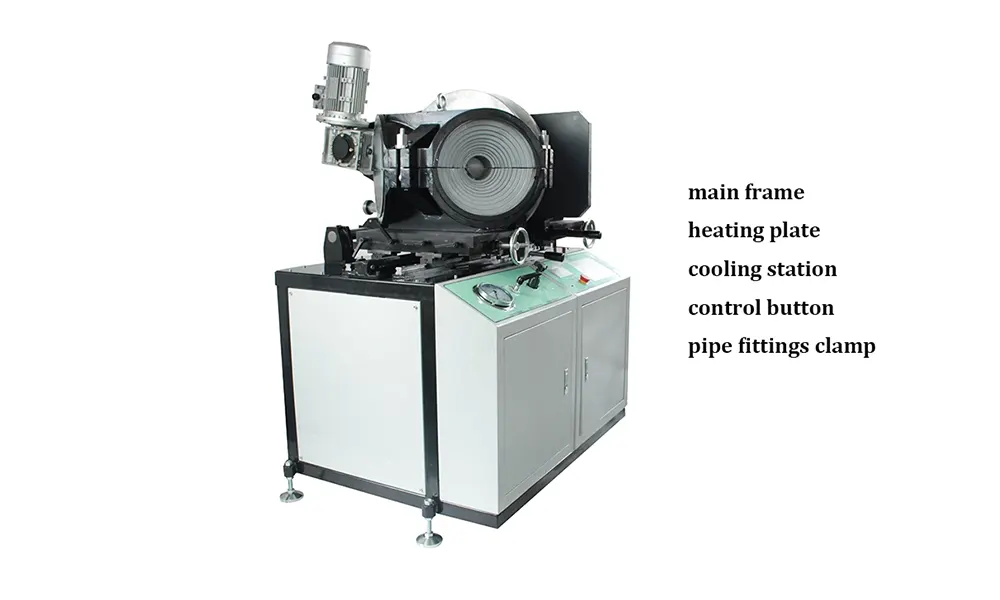
Polyethylene (PE) pipes have become the preferred choice for water supply, gas distribution, mining, and industrial pipeline systems due to their durability, flexibility, and corrosion resistance. The integrity of any PE piping system ultimately depends on the quality of its joints, making the selection of a reliable plastic pipe welder for PE a critical decision for contractors and project managers worldwide. Whether you are working on municipal infrastructure or large-scale industrial installations, understanding the key factors in choosing the right PE pipe welding machine can significantly impact project efficiency, safety, and long-term performance.
Understanding PE Pipe Fusion Welding Technologies
Before selecting a plastic pipe welder for PE, it is essential to understand the two primary fusion methods used in the industry. Each technology serves distinct applications and offers unique advantages depending on project requirements.
Butt Fusion Welding
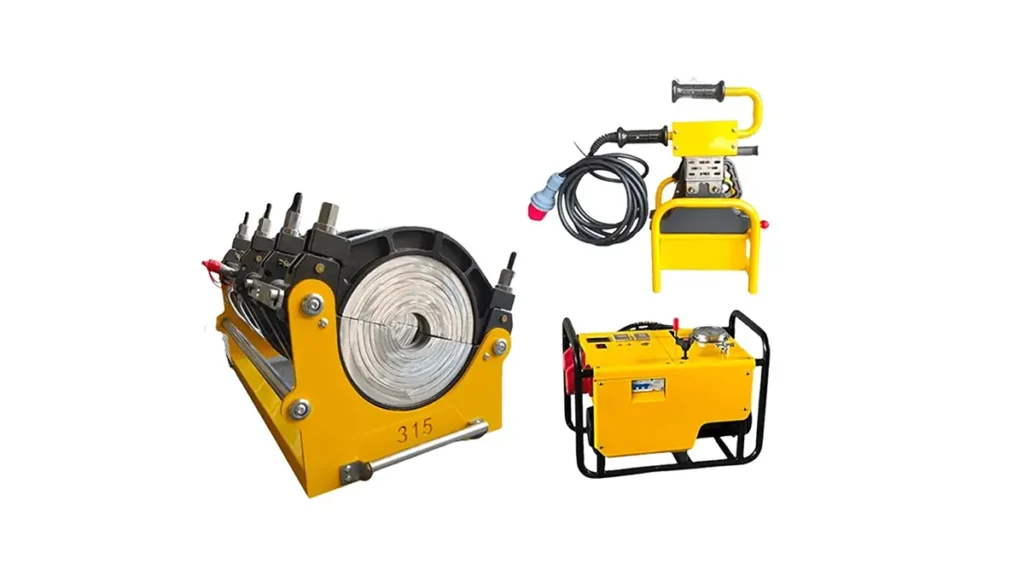
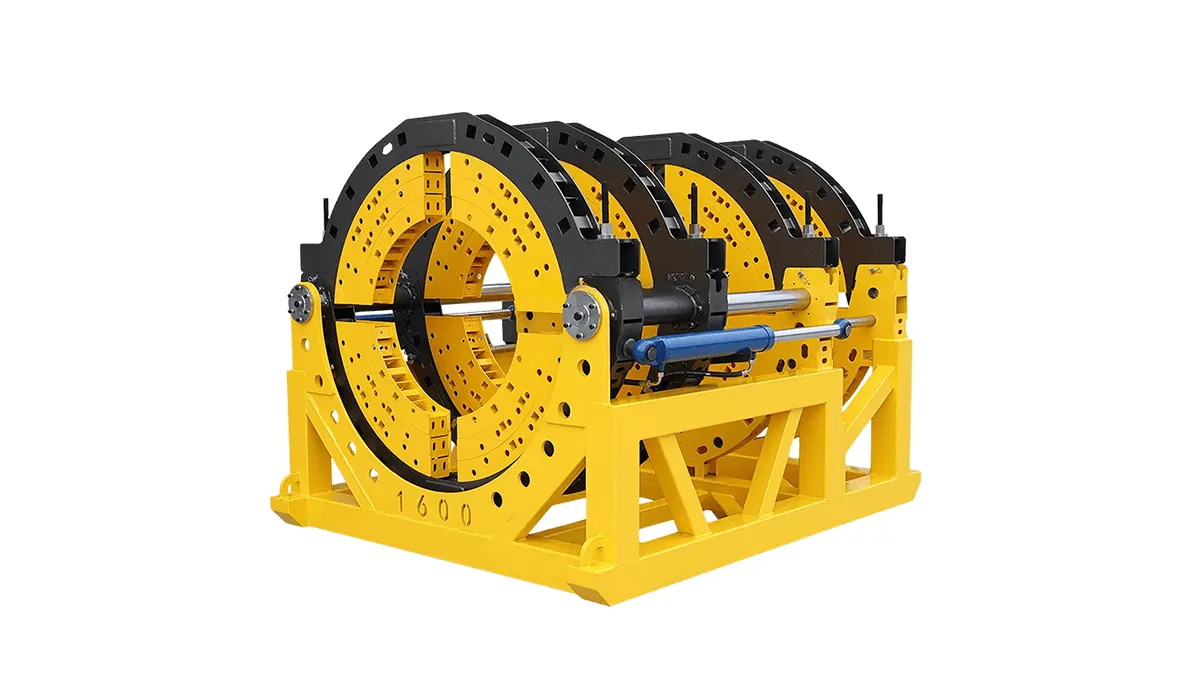
Butt fusion is the most widely used method for joining PE pipes and fittings. The process involves heating the pipe ends against a precisely controlled heating plate, then pressing them together under controlled pressure to form a homogeneous joint. This method is ideal for pipes ranging from small diameters up to 2250mm and beyond. The resulting joint is as strong as the pipe itself when executed correctly, making it the go-to solution for mainline installations and critical pressure applications. For proper execution, operators should follow ISO 21307 butt fusion procedures to ensure consistent and reliable joints.
Electrofusion Welding
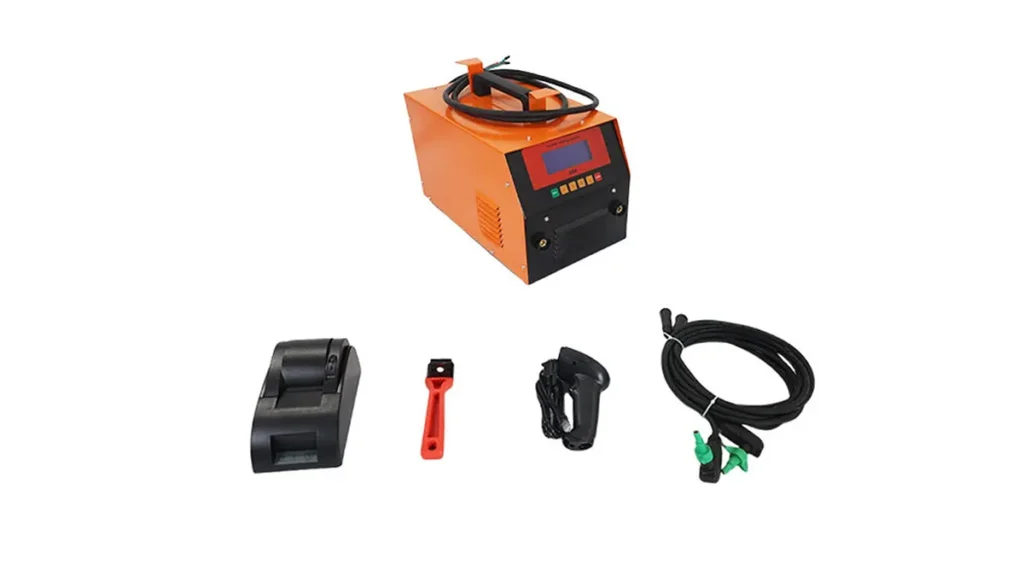
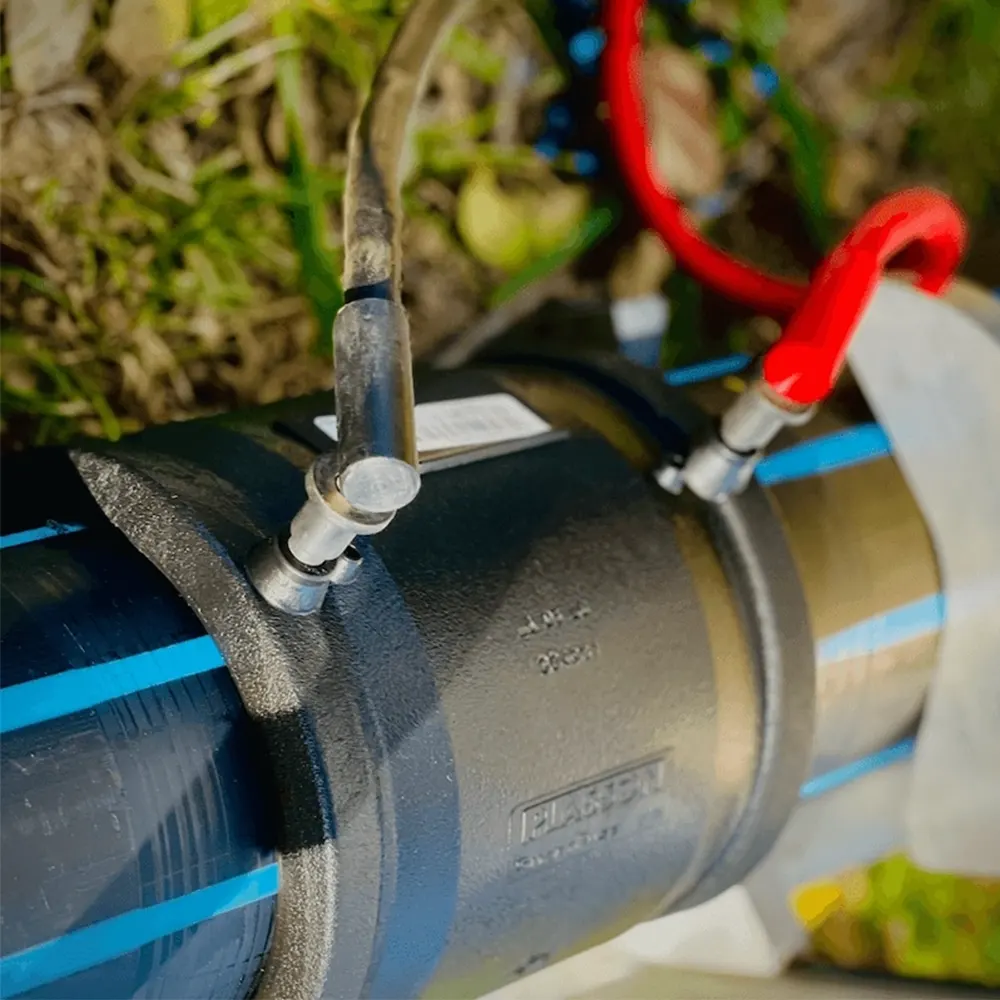
Electrofusion uses specialized fittings with embedded heating elements. When an electric current is applied, the element heats and melts the surrounding PE material, creating a strong joint between the fitting and the pipe. This method is particularly useful for repairs, tight spaces, and connections where butt fusion equipment cannot be easily positioned. PE electrofusion equipment provides excellent joint quality with minimal operator intervention, making it increasingly popular for gas distribution and complex piping networks.
Types of Plastic Pipe Welders for PE
PE pipe welding machines come in various configurations, each designed for specific scale requirements and operational environments. Understanding these categories helps narrow down the right equipment for your projects.
| Machine Type | Pipe Range | Best Applications | Key Advantage |
|---|---|---|---|
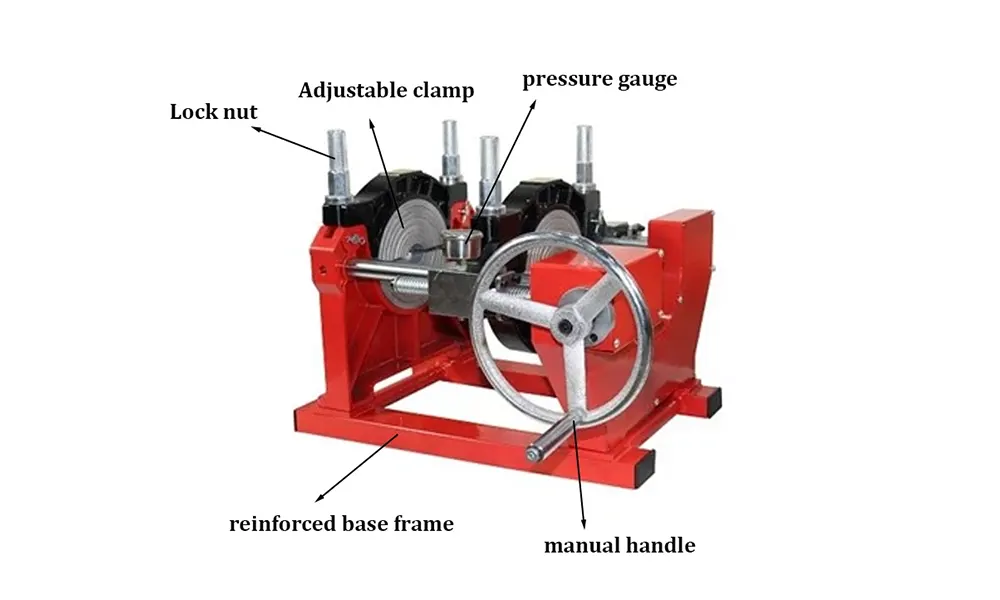
| Manual Butt Fusion | 20mm – 315mm | Small projects, site work, rural installations | Portability and low cost |
| Hydraulic Butt Fusion | 160mm – 2250mm | Large-diameter mains, municipal water, gas pipelines | High clamping force and automated pressure control |
| CNC Automatic Butt Fusion | 160mm – 630mm | Precision projects, quality-critical installations | Data logging and automated cycle control |
| Electrofusion Machines | 20mm – 1200mm | Repairs, confined spaces, gas distribution | Barcode scanning and traceability |
Key Factors to Consider When Choosing a PE Pipe Welding Machine
Selecting the right plastic pipe welder for PE requires careful evaluation of several critical factors. Making an informed choice ensures welding quality, operational efficiency, and long-term reliability across your pipeline projects.
1. Pipe Diameter and Wall Thickness Range
The pipe diameter range your projects typically involve is the most fundamental selection criterion. A PE butt fusion machine must accommodate both the smallest and largest pipes in your scope of work. Additionally, consider the SDR (Standard Dimension Ratio) and wall thickness, as thicker walls require higher clamping force and longer heating times. Machines with interchangeable clamp inserts offer flexibility for handling multiple pipe sizes efficiently.
2. Clamping System and Alignment Precision
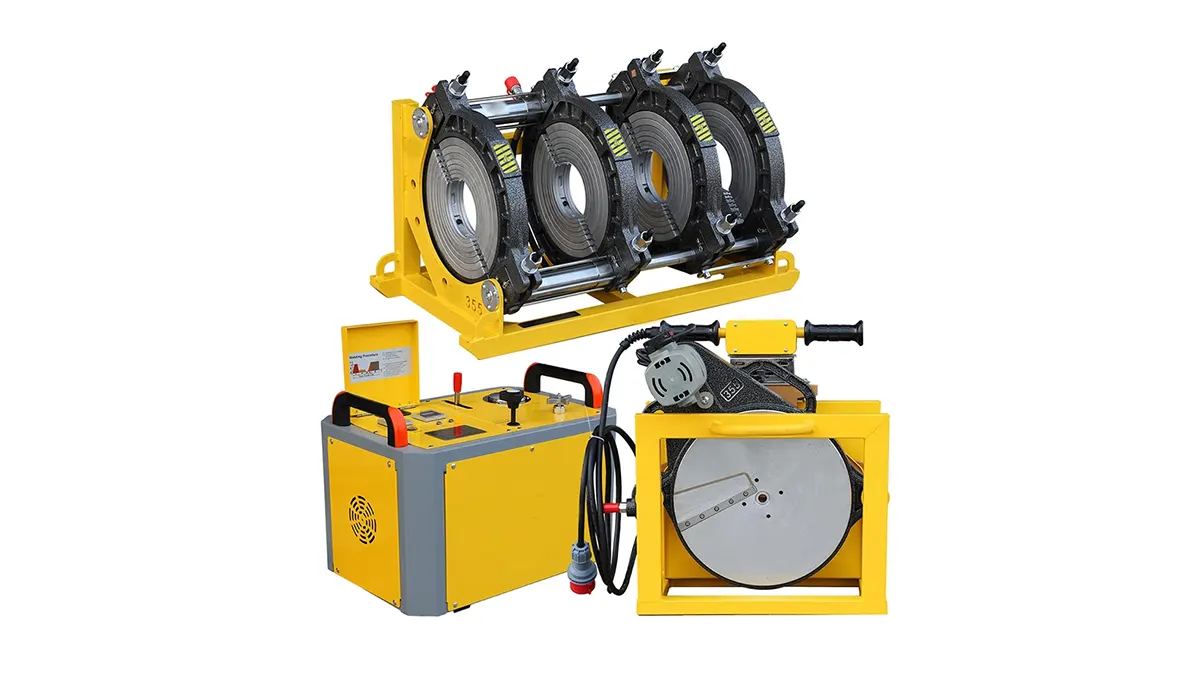
Proper pipe alignment is essential for achieving a high-quality butt fusion joint. The clamping system must hold pipes firmly and maintain perfect axial alignment throughout the welding cycle. Look for machines with rigid frame construction and precisely machined clamp surfaces. Hydraulic and CNC models typically offer superior clamping force and alignment consistency compared to manual units, making them preferable for larger diameters and pressure-critical applications. According to PE butt fusion equipment standard ISO 12176-1, clamp alignment tolerance directly affects joint quality and must meet strict specifications.
3. Heating Plate Performance
The heating plate is the heart of any plastic pipe welder for PE. Temperature accuracy and uniform heat distribution are critical for proper material melting. Key specifications to evaluate include:
- Temperature control accuracy: Within ±5°C of the set point, typically 210°C – 230°C for PE pipes
- Non-stick coating: PTFE or similar coating to prevent melted PE from adhering to the plate surface
- Digital temperature display: Essential for monitoring and verifying actual plate temperature during operation
- Quick heat-up time: Minimizes downtime between welding cycles, boosting overall productivity
4. Trimmer and Facing Tool Quality
The facing tool is responsible for preparing pipe ends by creating clean, parallel surfaces before heating. A high-quality trimmer ensures both pipe ends are perfectly flat and smooth, which is a prerequisite for a strong fusion joint. Check that the trimmer blades are made from durable materials and can be easily replaced when worn. Double-sided cutting capabilities help maintain parallelism and reduce preparation time.
5. Automation Level and Operator Skill Requirements
Different machine types demand varying levels of operator expertise. CNC automatic PE welding machines significantly reduce human error by automatically controlling heating time, pressure, and cooling cycles. They also provide data logging for quality assurance and traceability. Manual machines require more skilled operators but offer greater portability and lower initial investment. For large-scale infrastructure projects where quality documentation is mandatory, CNC automatic or hydraulic systems with data recording capabilities are strongly recommended.
6. Portability and Site Conditions
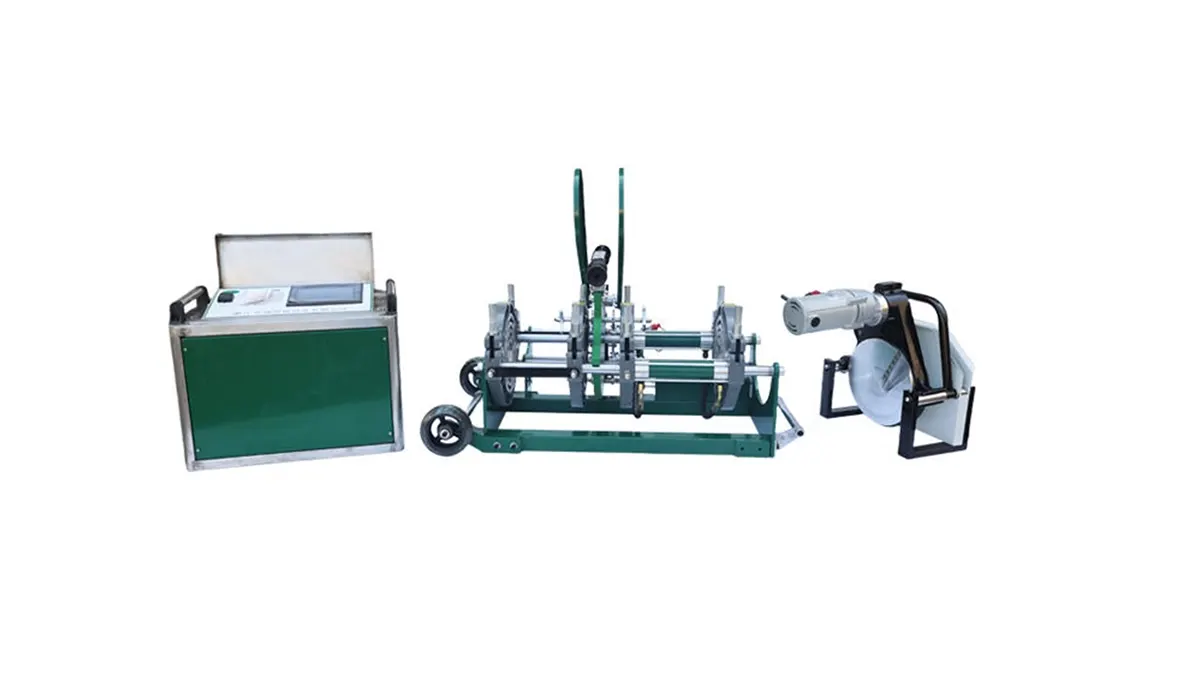
Consider where the welding will take place. For remote or difficult-to-access locations, a lightweight manual PE pipe fusion welder with a compact frame may be the most practical choice. For fixed workshop environments or large construction sites, heavier hydraulic units mounted on wheeled carriages offer better stability and higher productivity. Evaluate factors such as terrain, weather exposure, and available power supply when making your decision.
7. Compliance with International Standards
Quality plastic pipe welders for PE should comply with recognized international standards. Key standards include ISO 21307 for butt fusion procedures, ISO 12176-1 for equipment specifications, and ASTM F2620 for heat fusion joining practices. Machines from reputable manufacturers are designed to meet or exceed these requirements, ensuring that your welding procedures align with industry best practices and regulatory expectations. The Plastics Pipe Institute (PPI) also provides extensive technical guidance including PE butt fusion process documentation that covers structure, process parameters, and terminology essential for proper joint execution.
Maintenance and Long-Term Reliability
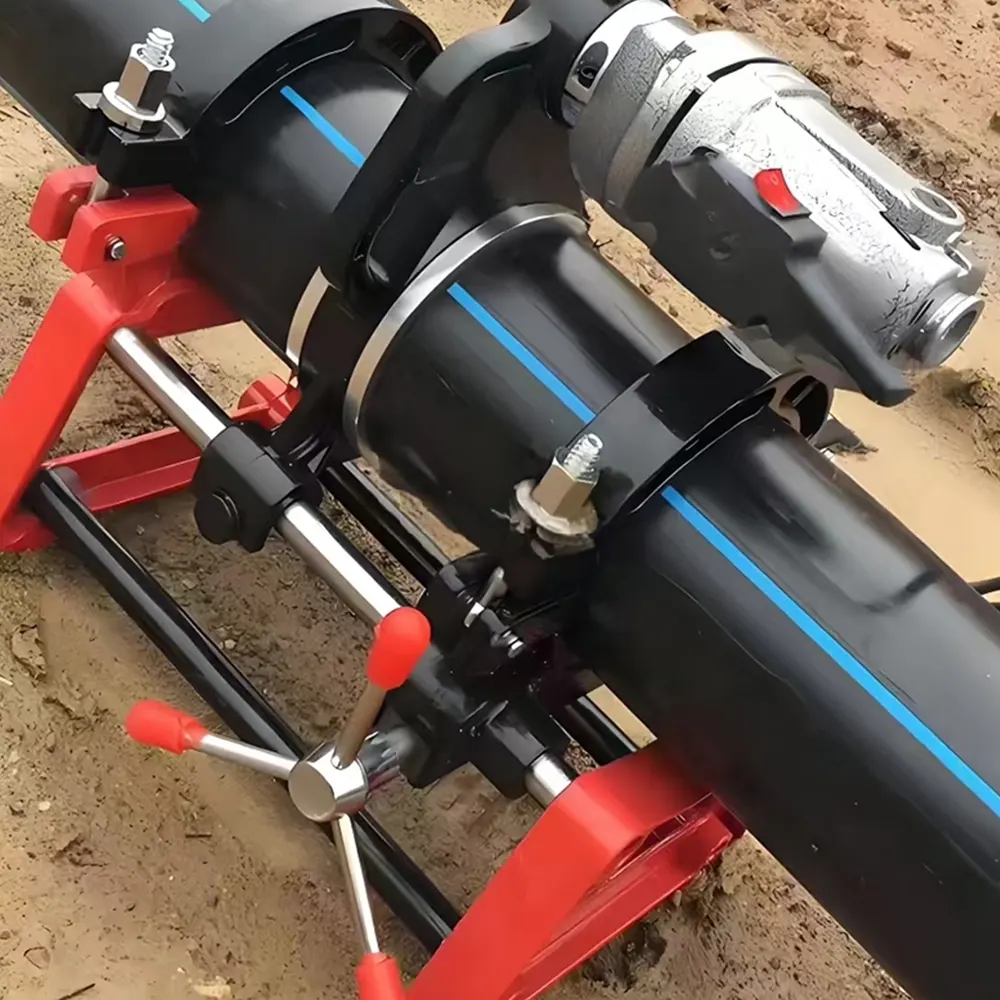
Investing in a durable plastic pipe welder for PE is only part of the equation. Regular maintenance ensures consistent performance and extends equipment lifespan. Key maintenance practices include:
- Cleaning heating plate surfaces after each use to prevent residue buildup
- Inspecting and replacing trimmer blades when cutting quality declines
- Calibrating temperature controllers and pressure gauges periodically
- Lubricating moving parts on hydraulic and mechanical systems
- Storing equipment in dry, protected conditions when not in use
- Checking electrical connections and cables for signs of wear or damage
Choosing a supplier with responsive after-sales support and readily available spare parts is equally important. JQ-Fusion is a professional manufacturer specializing in HDPE pipe welding machines, providing reliable butt fusion solutions for global infrastructure projects. With comprehensive OEM/ODM services and rigorous quality assurance processes, they support contractors and distributors worldwide with durable and customizable welding equipment.
Comparing Investment: Manual vs Hydraulic vs CNC Automatic
| Consideration | Manual | Hydraulic | CNC Automatic |
|---|---|---|---|
| Initial Cost | Low | Medium to High | High |
| Operator Skill Level | High skill required | Moderate skill needed | Lower skill acceptable |
| Joint Consistency | Operator-dependent | Good with proper setup | Excellent and repeatable |
| Data Logging | Manual recording | Optional add-on | Built-in standard |
| Portability | Excellent | Good with trailer | Fair, heavier unit |
Final Recommendations
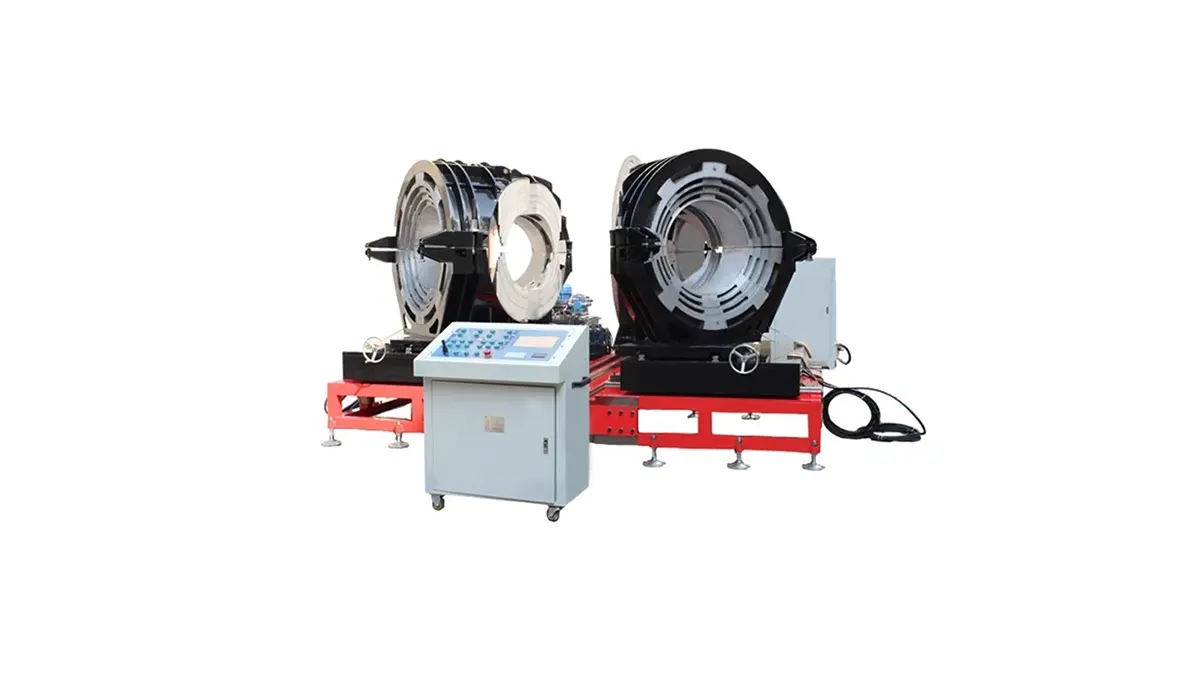
Choosing the best plastic pipe welder for PE ultimately depends on your specific project requirements, budget, and long-term operational goals. For contractors handling diverse pipeline projects, investing in a hydraulic plastic pipe welder for PE offers an excellent balance of capability, consistency, and cost-effectiveness. For high-volume operations where quality documentation and traceability are mandatory, CNC automatic systems provide the highest level of process control and data integrity.
Prioritize machines that comply with international standards, come from manufacturers with proven track records, and are backed by responsive technical support. By carefully evaluating pipe size range, clamping precision, heating plate quality, automation level, and maintenance requirements, you can select a PE pipe welding machine that delivers reliable, long-lasting fusion joints for years to come.
For more detailed technical information on PE pipe fusion, refer to the PPI Handbook of Polyethylene Pipe and the comprehensive guidance available from PE100+ Association covering all aspects of PE pipe joining and assembly methods.