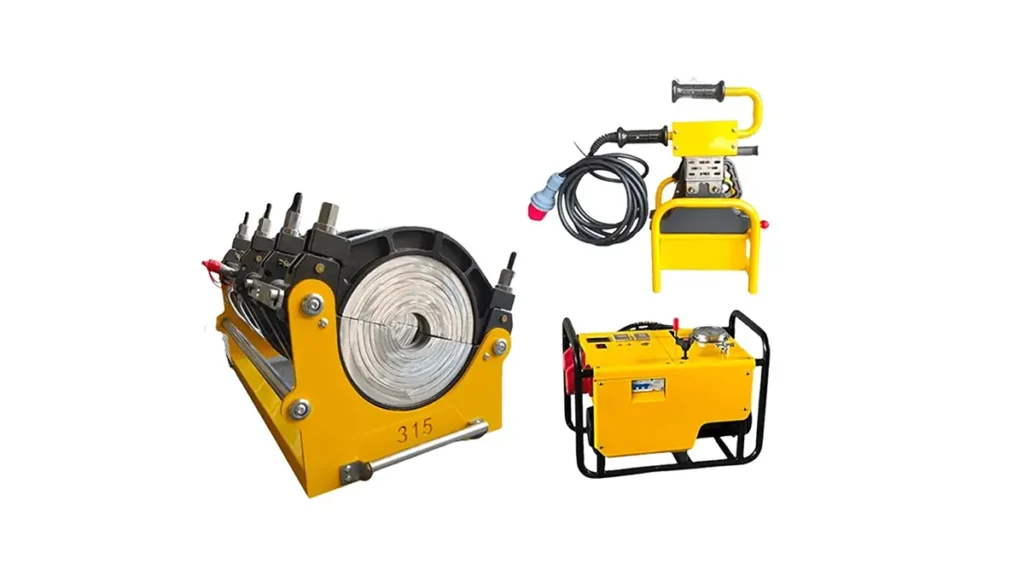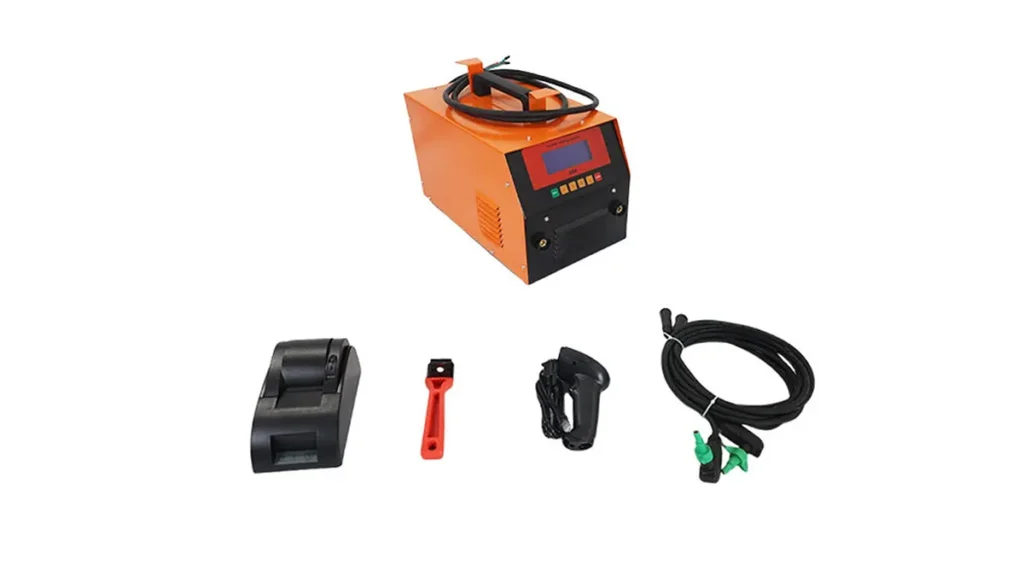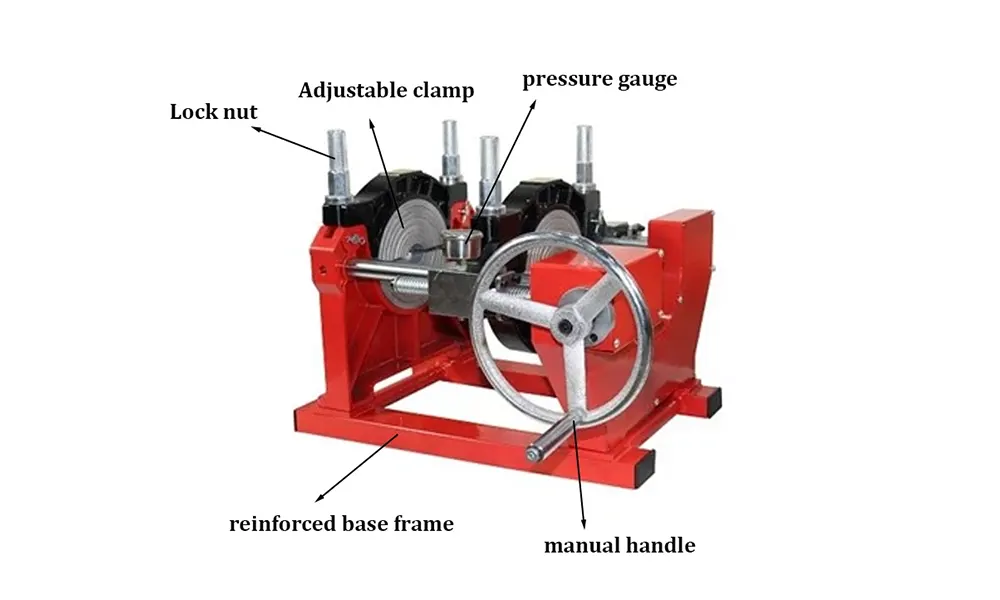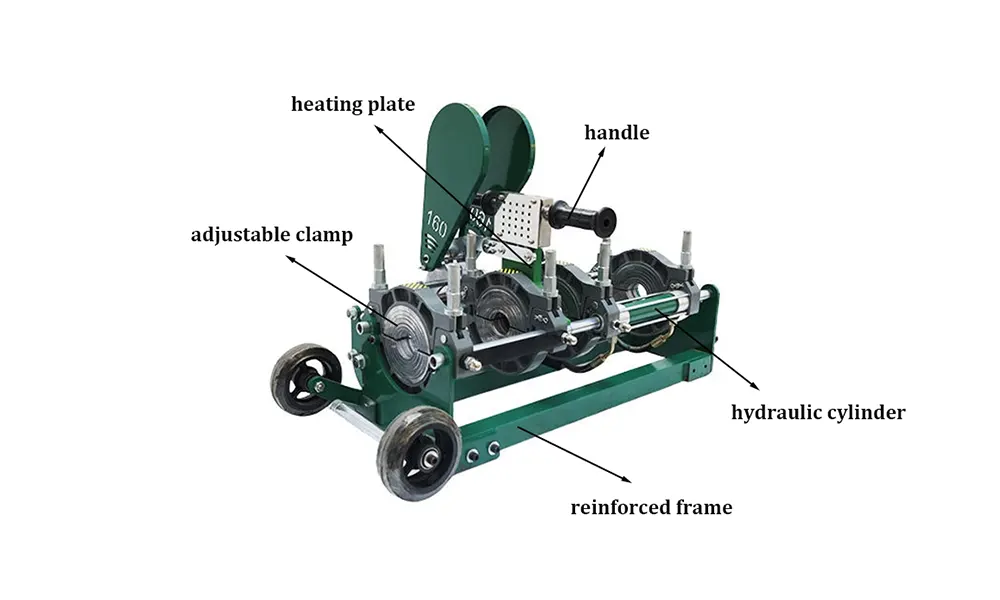
Proper HDPE pipe fusion machine maintenance is the foundation of consistent weld quality and extended equipment lifespan. Whether you are operating a manual rig on a remote jobsite or a fully automatic hydraulic butt fusion welding machine in a high-volume facility, neglecting routine care can lead to costly downtime, failed joints, and safety risks. A well-maintained machine not only delivers repeatable fusion results but also ensures compliance with recognized industry standards. Investing time in preventive maintenance protects your equipment and strengthens the integrity of the entire pipeline system.
Why Routine Maintenance Is Critical for Fusion Equipment
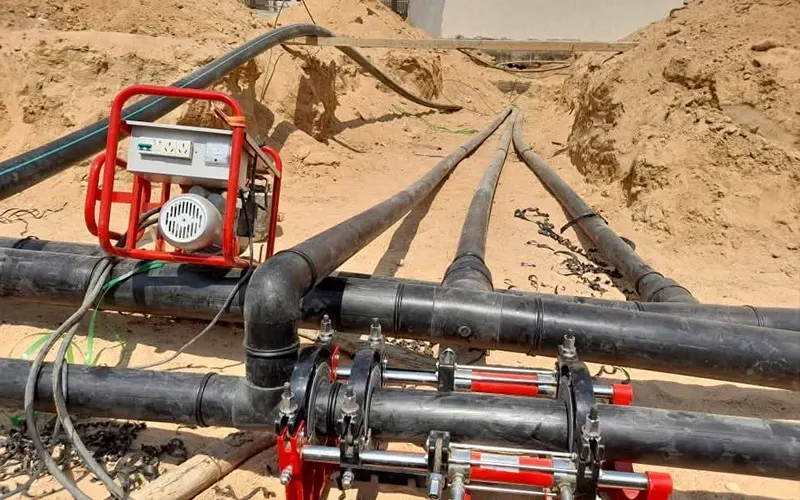
Every HDPE pipe fusion machine operates under demanding conditions—high temperatures, mechanical pressure, and exposure to dirt, moisture, and jobsite debris. Without a structured maintenance routine, key components such as the heating plate, hydraulic system, and clamps gradually lose precision. Even minor deviations in temperature or alignment can compromise the integrity of a butt fusion joint, leading to leaks or catastrophic failures in service. Regular upkeep ensures that each weld meets the parameters outlined in ISO 21307 butt fusion procedures, giving operators confidence in every connection they make.
Daily and Pre-Operation Inspection Checklist
Before starting any welding operation, a thorough visual and functional inspection should be performed. This daily habit catches minor issues before they escalate into major repairs. The table below outlines the essential checks that should become second nature for every fusion operator:
| Component | Check | Frequency |
|---|---|---|
| Heating Plate Surface | Inspect for scratches, residue, or uneven PTFE coating | Every use |
| Temperature Controller | Verify digital display matches setpoint; calibrate if deviation exceeds ±5°C | Daily |
| Hydraulic Hoses & Fittings | Look for leaks, cracks, or loose connections | Daily |
| Clamp Inserts & Jaws | Check for wear, deformation, or debris buildup | Every use |
| Trimmer Blades | Confirm sharpness; inspect for chips or dull edges | Weekly |
| Carriage & Guide Rods | Ensure smooth movement; lubricate if needed | Weekly |
Heating Plate Care and Calibration
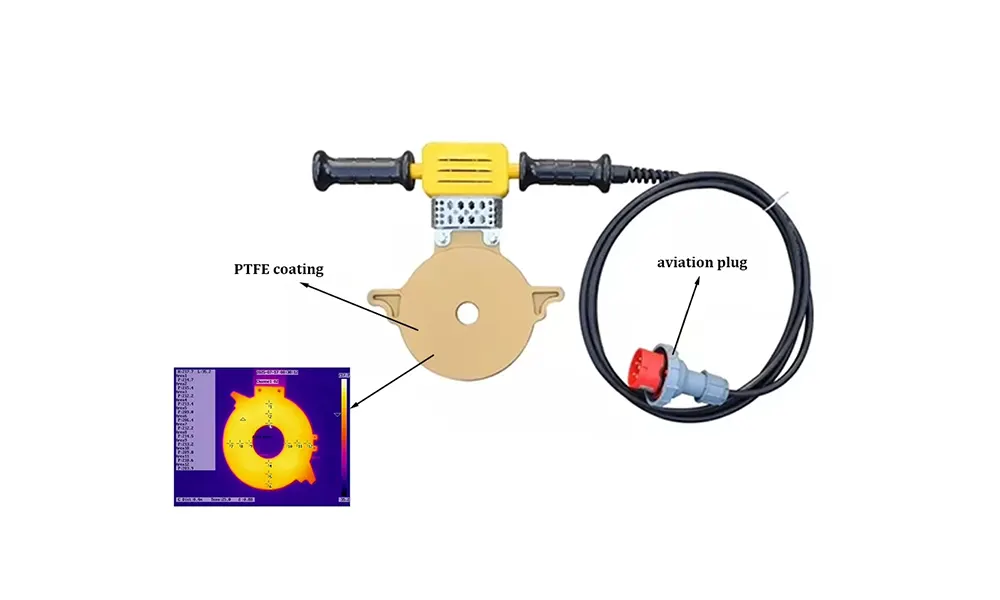
The heating plate is arguably the most sensitive component of any butt fusion welding equipment. A contaminated or miscalibrated plate will produce inconsistent melt patterns and weak joints. After each use, clean the plate surface with a non-abrasive cloth while it is still warm—never use metal scrapers that can damage the PTFE coating. For stubborn residue, follow the manufacturer’s recommended cleaning agent.
Temperature calibration should be verified at least monthly using a calibrated digital thermometer. Surface temperature must be measured at multiple points across the plate to detect cold spots. If the variance exceeds the tolerance specified by PE butt fusion equipment standards, the heating element or controller may require servicing. Operators working on gas or water infrastructure projects should maintain a calibration log for audit purposes.
Hydraulic System Maintenance for Consistent Pressure Control
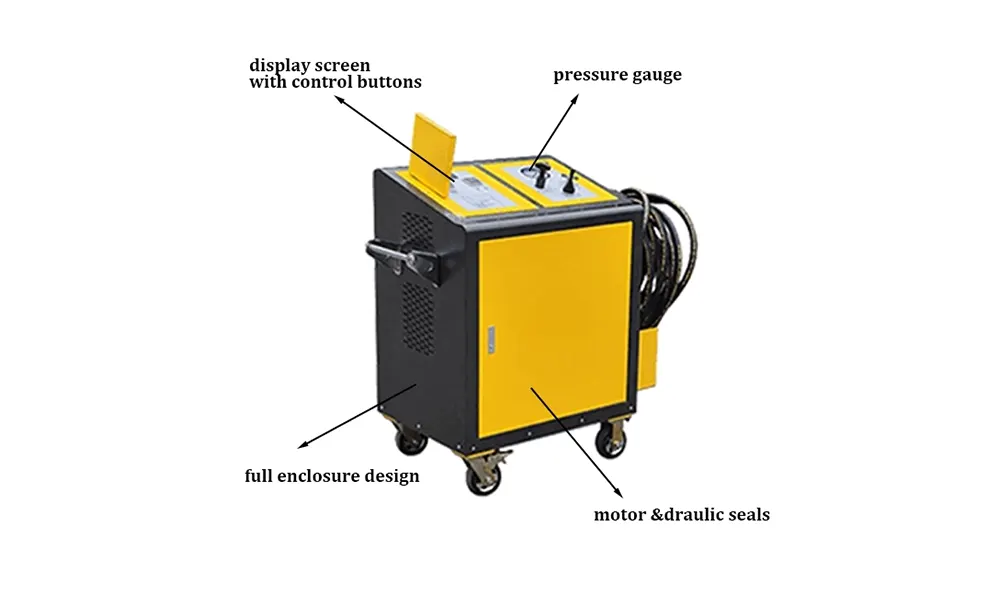
Butt fusion welding machines that rely on hydraulic power units demand special attention to fluid condition, hose integrity, and pressure calibration. Hydraulic oil degrades over time due to thermal cycling and contamination. Replace the hydraulic fluid according to the manufacturer’s interval—typically every 12 months or 1,000 operating hours, whichever comes first. Always use the recommended oil grade to avoid seal damage and pressure inconsistencies.
- Check hydraulic oil level before each shift; top up with clean, filtered oil as needed.
- Inspect all quick-connect couplings for dirt ingress—contaminated couplings are a leading cause of valve block failures.
- Test pressure gauge accuracy with a calibrated reference gauge every six months.
- Bleed air from the system if the cylinder movement becomes jerky or spongy.
Clamp Alignment and Frame Integrity
Pipe misalignment during fusion is a common cause of joint failure. The clamp system—whether manual screw-type or hydraulic—must be inspected regularly for jaw parallelism and insert condition. Worn or deformed clamp inserts allow pipe slippage under drag pressure, resulting in angular misalignment. Measure jaw alignment using a straight edge across the full clamp width at least monthly. If gaps are detected, adjust or replace the inserts immediately.
The frame structure itself should be checked for any signs of bending or stress cracking, particularly on machines that are frequently transported between sites. Bolts and fasteners on the carriage assembly should be torqued to the manufacturer’s specifications, as vibration during transport can loosen critical connections over time.
Trimmer Blade Sharpening and Replacement
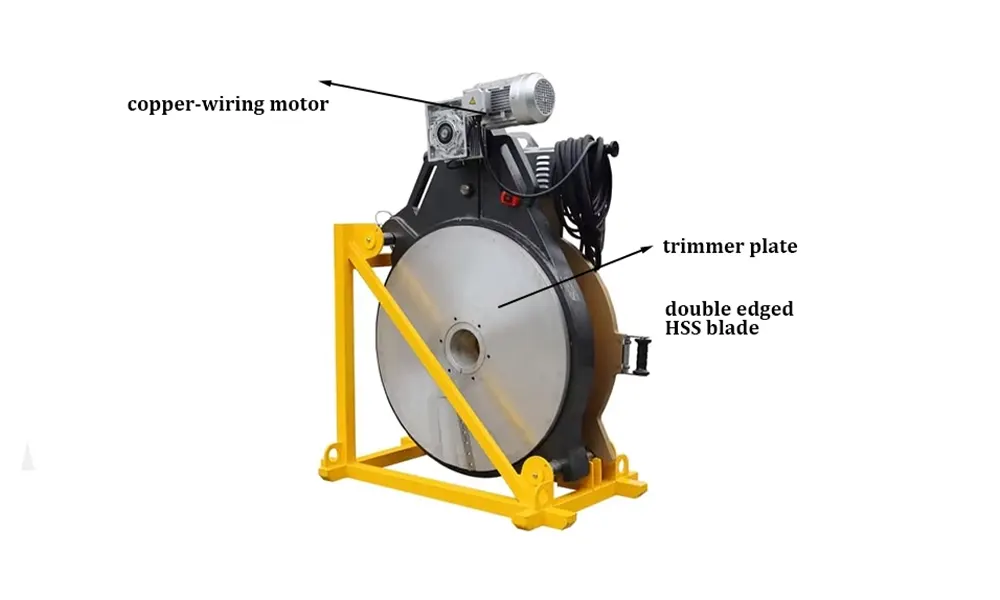
A sharp trimmer is essential for producing clean, parallel pipe ends that form a proper fusion bead. Dull blades tear rather than cut the polyethylene, leaving a rough surface that inhibits proper melt flow. Operators should inspect the trimmer after every 20 to 30 joints and rotate or replace blades at the first sign of dulling. When sharpening, maintain the factory bevel angle to preserve cutting geometry. Keep a spare set of blades on hand to avoid project delays.
Proper Storage and Transportation Practices
How you store and transport your HDPE pipe fusion machine directly impacts its longevity. Machines left exposed to rain, dust, or direct sunlight suffer accelerated deterioration of electrical components, seals, and surface coatings. Adopt these storage best practices to protect your investment:
- Store the machine in a dry, covered environment when not in use; use a breathable cover if indoor storage is unavailable.
- Remove the heating plate and store it in a dedicated protective case to prevent PTFE coating damage.
- Secure all moving parts during transport to prevent frame stress and clamp misalignment.
- For electrofusion processors, store the unit in a temperature-controlled environment to protect the electronic control board.
Common Troubleshooting Scenarios and Solutions
Even with diligent maintenance, operators may encounter occasional issues. The table below summarizes frequent problems and their likely causes, helping you diagnose and resolve them quickly on the jobsite:
| Symptom | Possible Cause | Recommended Action |
|---|---|---|
| Uneven melt bead | Heating plate surface contamination or uneven temperature | Clean plate; verify multi-point temperature |
| Pipe slippage during fusion | Worn clamp inserts or insufficient clamping force | Replace inserts; check hydraulic pressure |
| Excessive trimmer vibration | Dull or unbalanced blades | Sharpen or replace blades; check blade balance |
| Hydraulic cylinder drift | Internal seal leakage or air in system | Bleed system; inspect and replace seals if needed |
| Inconsistent fusion pressure | Faulty pressure relief valve or contaminated oil | Replace hydraulic fluid; service valve block |
Documentation and Record-Keeping
Maintaining a detailed service log for each HDPE pipe fusion machine in your fleet is a best practice that pays dividends during audits and warranty claims. Record every calibration check, component replacement, and hydraulic fluid change with dates and operator names. For projects governed by ASTM F2620 heat fusion requirements, these records demonstrate due diligence and traceability. Digital logs with photo attachments provide an extra layer of documentation that can be invaluable during third-party inspections.
Building a Maintenance Culture Within Your Team
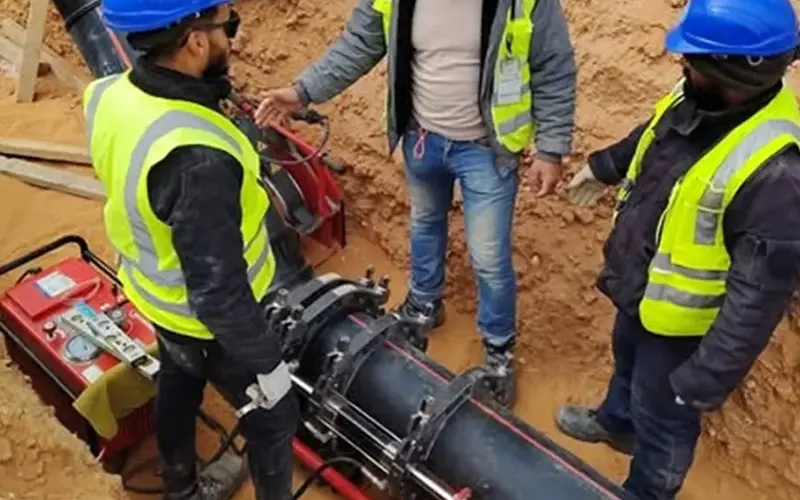
The most sophisticated maintenance program is only effective if operators embrace it consistently. Training every team member on proper inspection procedures creates a shared sense of ownership over equipment condition. Encourage operators to report anomalies immediately rather than waiting for scheduled service intervals. A small issue caught early—such as a slight temperature drift or minor hydraulic leak—can prevent a major breakdown that halts production for days.
For organizations managing multiple butt fusion welding equipment units, standardizing maintenance protocols across the fleet simplifies training and ensures uniform performance on every project. Partnering with experienced manufacturers like JQ-Fusion ensures you have access to quality equipment designed for durability, supported by technical expertise that helps you maintain peak performance throughout the machine’s service life. A proactive approach to maintenance not only extends equipment lifespan but also safeguards the reputation of your pipeline installations for decades to come.