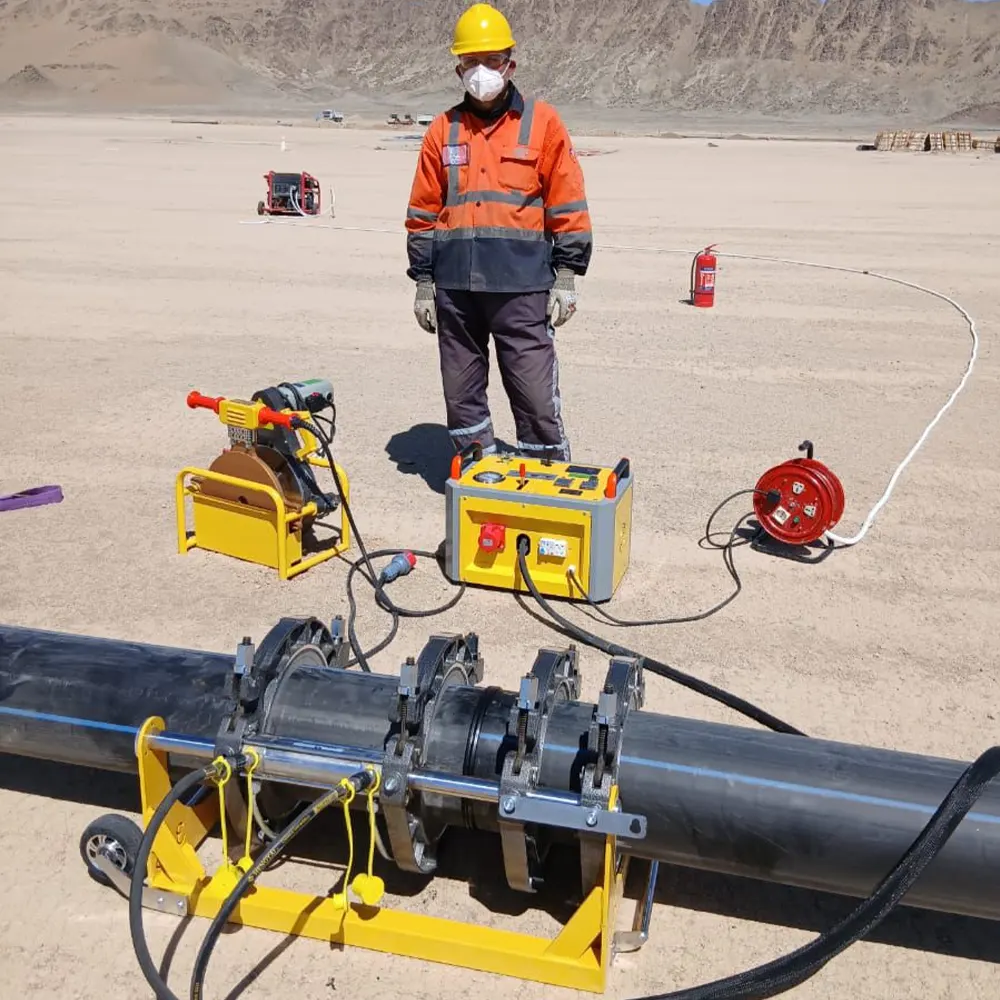
High-Density Polyethylene (HDPE) pipes have become the material of choice for modern water infrastructure projects worldwide. Their flexibility, corrosion resistance, and long service life make them ideal for transporting potable water, wastewater, and industrial fluids. At the heart of every reliable HDPE pipeline system lies a critical process: butt fusion welding. Selecting the right HDPE fusion machine for water pipelines is essential to achieving leak-free joints and maintaining system integrity over decades of operation.
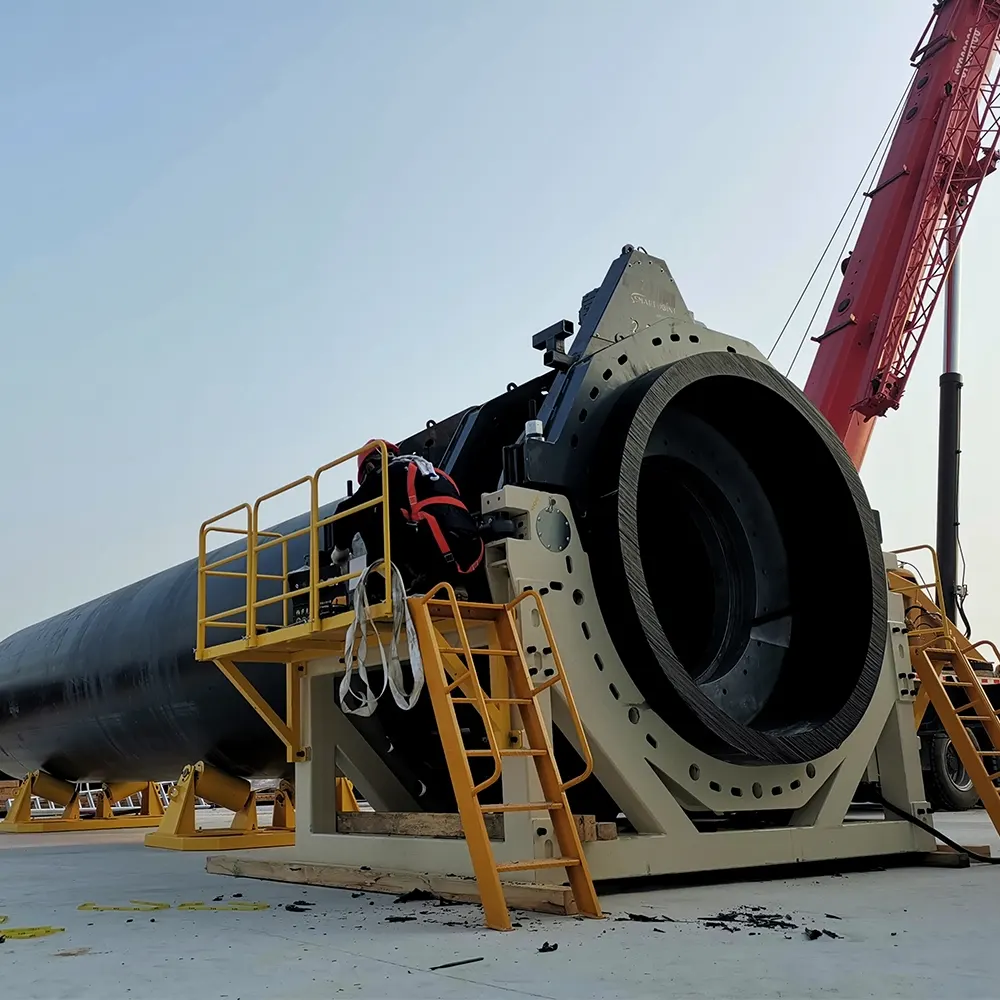
Understanding HDPE Butt Fusion Technology
Butt fusion is a thermal welding process that joins two HDPE pipe ends by heating them to a molten state and then pressing them together under controlled pressure. The result is a homogeneous, monolithic joint that is as strong as the pipe itself. Unlike mechanical couplings or flanged connections, a properly executed butt fusion joint eliminates potential leak paths and requires no additional sealing materials.
The process follows a precise sequence: facing the pipe ends to ensure clean, parallel surfaces; aligning the pipes in the machine clamps; heating the ends against a temperature-controlled heating plate; removing the plate; and fusing the ends under specified pressure. Each step must adhere to established standards such as ISO 21307 butt fusion procedures to guarantee weld integrity.
Key Types of HDPE Fusion Machines
Different project scales and pipe diameters demand different types of fusion equipment. Understanding the capabilities of each type helps contractors and utility companies make informed procurement decisions.
Manual Butt Fusion Machines
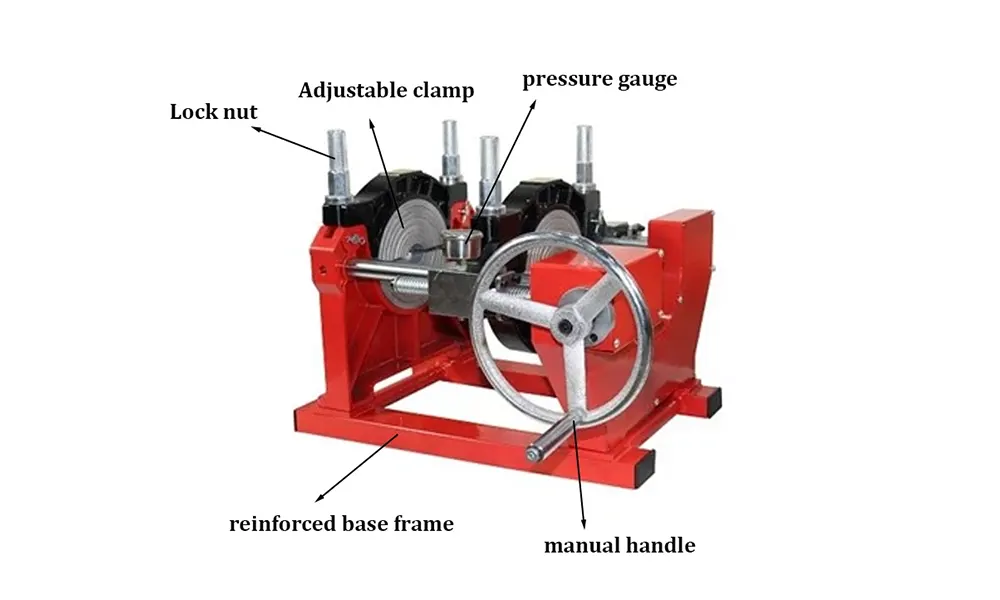
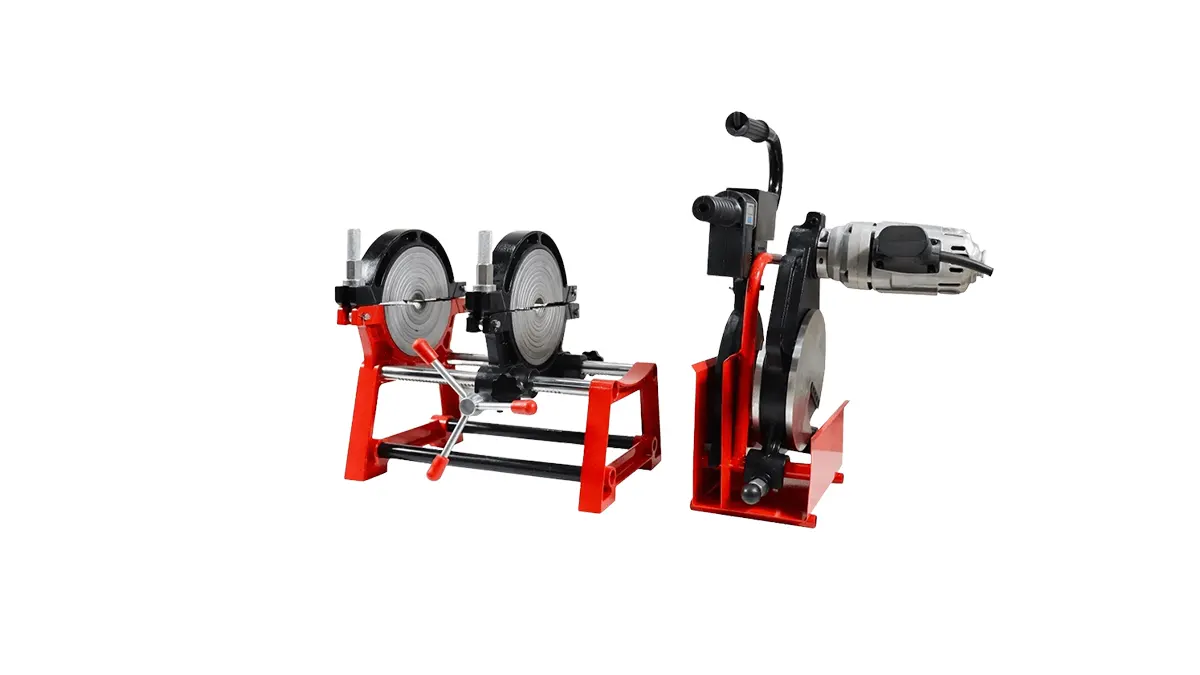
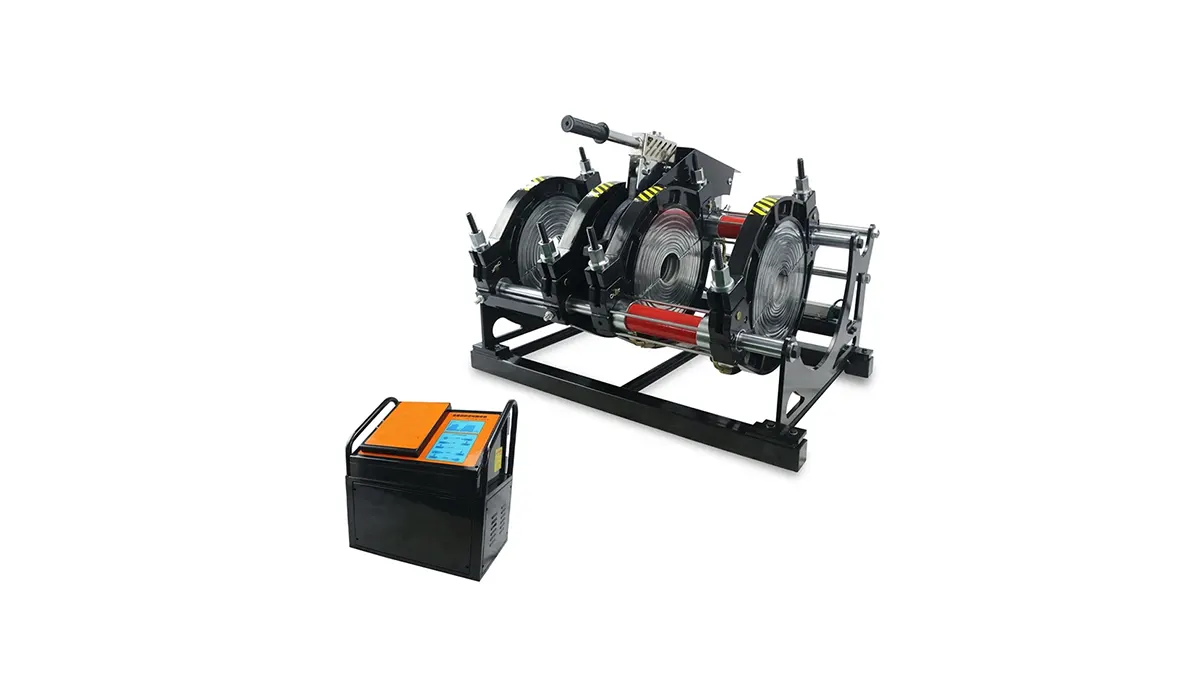
Manual butt fusion welders are the most compact and economical option, typically designed for pipe diameters ranging from 40mm to 315mm. These machines rely on hand-operated levers to generate the required fusion pressure, making them ideal for small-diameter water distribution lines, rural plumbing networks, and repair work. Their lightweight construction and simple mechanical design allow for easy transport and quick setup in confined trenches or remote locations.
Hydraulic Butt Fusion Machines
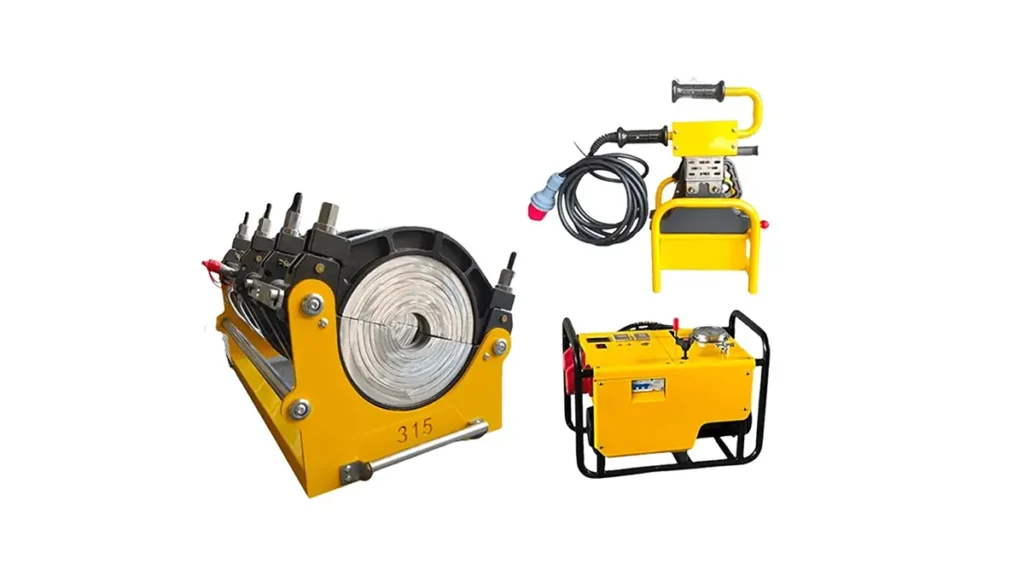
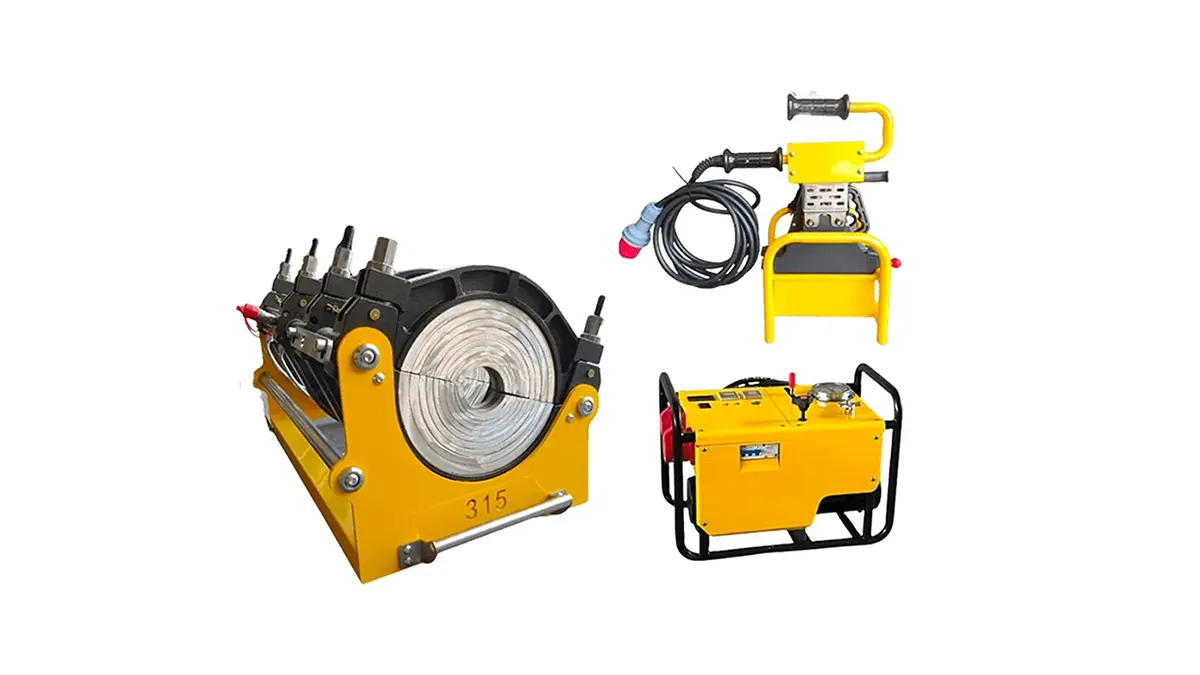
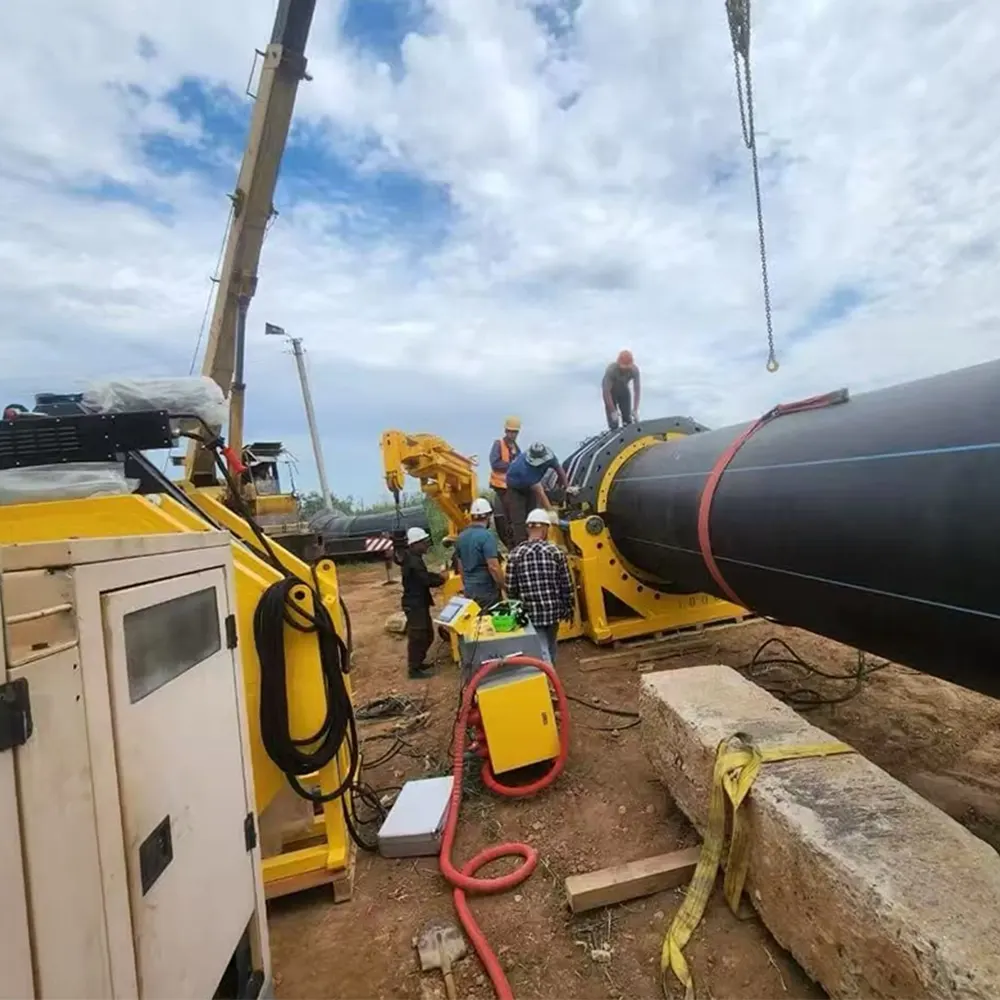
For medium to large-diameter pipelines, hydraulic butt fusion machines provide the high clamping and fusion forces necessary to handle pipes up to 2500mm or more. A hydraulic power unit delivers consistent, controllable pressure throughout the heating and fusion phases, ensuring uniform weld quality even on thick-walled pipes. These machines are widely used in municipal water mains, sewage treatment plants, and industrial water transfer systems where large volumes and high pressures are involved.
CNC Automatic Butt Fusion Machines
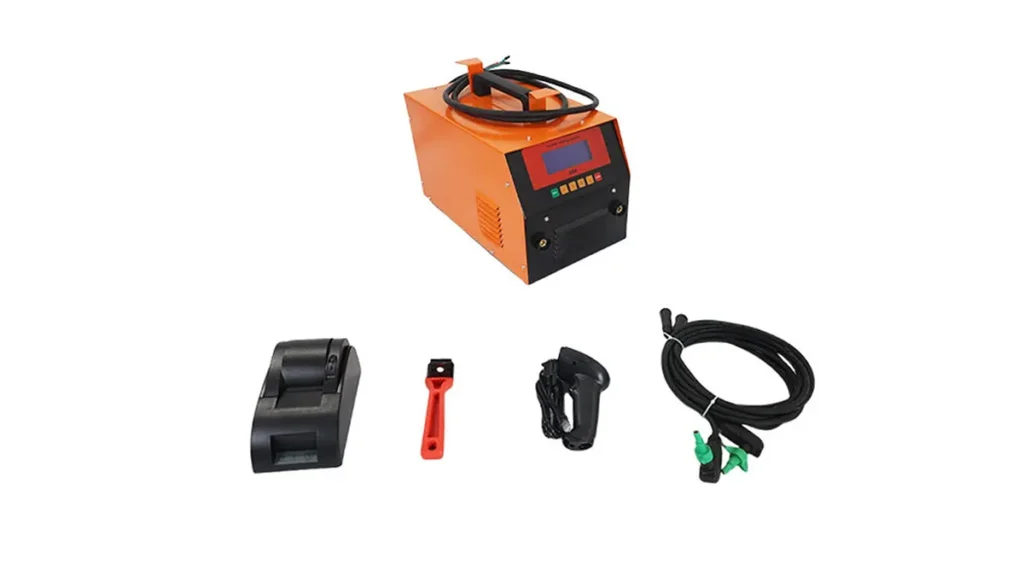
Precision and repeatability are the hallmarks of automatic butt fusion welding machines. Equipped with programmable logic controllers (PLCs) and real-time data logging capabilities, these machines automatically execute the entire fusion cycle according to pre-set parameters. They monitor temperature, pressure, and time, recording every data point for quality assurance documentation. This level of automation is particularly valuable for large-scale water infrastructure projects where traceability and compliance with international standards are mandatory.
Machine Type Comparison at a Glance
| Machine Type | Typical Diameter Range | Power Source | Best Suited For |
|---|---|---|---|
| Manual | 40mm – 315mm | Hand-operated lever | Small distribution lines, rural projects, repairs |
| Hydraulic | 160mm – 2500mm | Hydraulic power unit | Municipal water mains, industrial pipelines |
| CNC Automatic | 160mm – 630mm+ | Electric with hydraulic assist | Large-scale projects requiring data traceability |
Critical Factors When Buying an HDPE Fusion Machine
Investing in a fusion machine requires careful evaluation beyond the initial purchase price. The following factors directly impact long-term operational costs and project success rates.
Pipe Diameter and Wall Thickness Compatibility
Every machine has a specified diameter range it can accommodate. Selecting a machine that matches your most common pipe sizes ensures optimal clamping force distribution and alignment accuracy. Wall thickness variations across different pressure ratings (SDR values) also affect the heating time and fusion pressure required, making adjustable parameter settings a valuable feature.
Heating Plate Quality and Temperature Uniformity
The heating plate is the thermal heart of any butt fusion welding equipment. A high-quality plate features non-stick PTFE coating and embedded heating elements that distribute temperature evenly across the entire surface. Temperature differentials exceeding ±5°C across the plate can lead to inconsistent melt patterns and compromised joint strength. Digital temperature controllers with automatic calibration capabilities are strongly recommended.
Clamp Rigidity and Alignment Precision
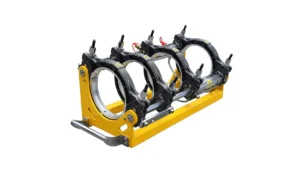
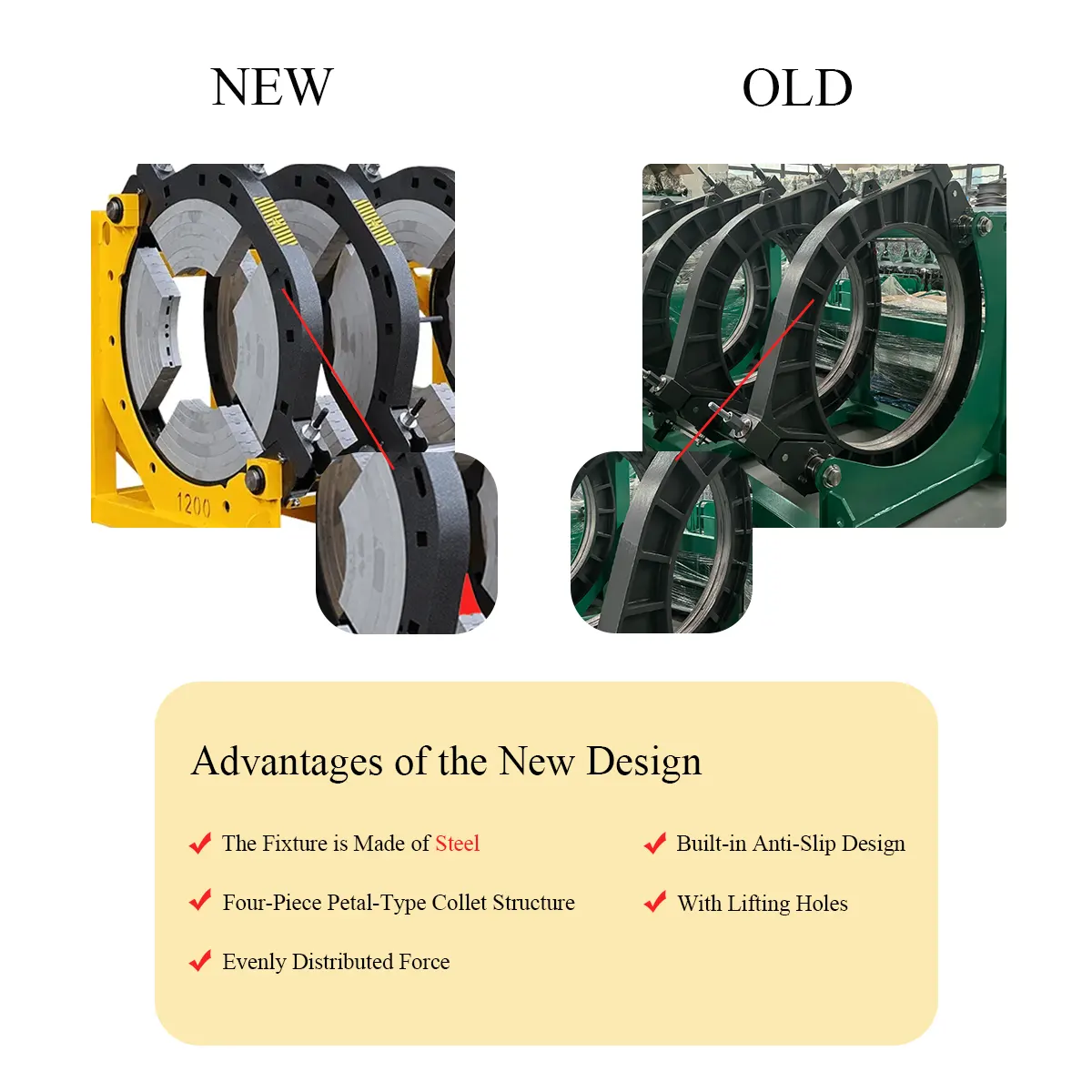
Proper pipe alignment during the fusion cycle prevents angular misalignment and uneven bead formation. The machine frame and clamps must be constructed from high-grade aluminum alloy or steel to maintain rigidity under repeated use. Four-clamp configurations offer superior stability compared to two-clamp designs, especially on larger diameter machines.
Trimmer Performance and Blade Quality
The facing operation creates the smooth, parallel surfaces essential for a quality weld. A robust trimmer with dual-edged hardened steel blades produces clean, continuous shavings from both pipe ends simultaneously. Dull or misaligned blades can leave gouges or uneven surfaces that compromise fusion integrity.
Applications Across Water Pipeline Projects
The versatility of HDPE fusion machines extends across a broad spectrum of water-related applications:
- Municipal Potable Water Supply: Joining HDPE pipes for city-wide drinking water distribution networks requires fusion equipment that meets stringent health and safety regulations. Joints must be completely leak-free to prevent contamination risks.
- Wastewater and Sewage Systems: Corrosion-resistant HDPE pipelines fused with reliable joints handle aggressive effluents without degradation, making them ideal for gravity sewers and force mains.
- Industrial Water Transfer: Mining operations, power plants, and manufacturing facilities use HDPE pipelines to transport process water, cooling water, and slurry. Fusion machines capable of handling thick-walled, high-pressure pipes are essential here.
- Irrigation and Agricultural Systems: Large-diameter HDPE mains deliver water efficiently across vast agricultural areas. Portable manual and hydraulic machines enable on-site fusion in remote field locations.
- Desalination and Water Treatment Plants: The chemical resistance of HDPE combined with reliable butt fusion joints ensures long-term performance in aggressive treatment environments.
Standards Compliance and Quality Assurance
Reputable fusion machine manufacturers design their equipment to comply with international standards. Key references include ISO 12176-1 for butt fusion equipment specifications and ASTM F2620 heat fusion for joining procedures. Machines that support data logging and parameter recording help operators demonstrate compliance with these standards during project audits and inspections. The PPI butt fusion procedure also provides generic guidelines widely adopted across the industry.
Operator Training and Safety Considerations
Even the most advanced fusion machine cannot compensate for inadequate operator training. Personnel should be certified according to applicable regional standards and familiar with the specific machine model they operate. Essential safety practices include wearing heat-resistant gloves, ensuring proper ventilation when working in trenches, and following lockout procedures during maintenance. Machines equipped with emergency stop buttons and protective guards around the heating plate and trimmer enhance jobsite safety.
Maintenance Practices for Extended Equipment Life
Regular maintenance preserves fusion quality and extends equipment service life. Key practices include:
- Cleaning the heating plate surface with a non-abrasive cloth after each use to prevent polymer residue buildup
- Inspecting and replacing trimmer blades when cutting performance declines
- Lubricating moving parts on manual and hydraulic machines according to the manufacturer’s schedule
- Verifying temperature calibration of the heating plate at regular intervals using a calibrated surface thermometer
- Checking hydraulic fluid levels and hose integrity on hydraulic models before each project
- Storing machines in a dry, covered environment to prevent corrosion and environmental damage
Making the Right Investment Decision
Selecting the appropriate HDPE fusion machine involves balancing project requirements, budget constraints, and long-term reliability. While manual machines offer affordability for small-scale work, hydraulic and automatic models deliver productivity gains that justify their higher upfront cost on larger projects. Features such as data logging, quick-change clamp inserts, and corrosion-resistant frame materials add value over the machine’s operating life. JQ-Fusion, a professional manufacturer specializing in HDPE pipe welding machines, supports global infrastructure projects with reliable butt fusion solutions spanning manual, hydraulic, and CNC automatic models for a wide range of pipe diameters.
The growing global investment in water infrastructure — from expanding urban distribution networks to rehabilitating aging systems — continues to drive demand for reliable, high-performance fusion equipment. By understanding the distinct capabilities of each machine type and evaluating suppliers against rigorous quality criteria, contractors and utilities can secure equipment that delivers consistent, code-compliant welds for decades of service.