When installing large diameter HDPE pipelines, the quality of the weld is non-negotiable. A reliable HDPE fusion machine for large diameter pipes is the cornerstone of leak-free systems in water, gas, and industrial applications. Unlike small-scale operations, fusing pipes with diameters exceeding 315mm, and often up to 2000mm or more, requires robust hydraulic pressure, precise alignment, and unwavering temperature control. This guide walks you through the critical aspects of selecting and using large diameter butt fusion equipment, ensuring your infrastructure projects meet both performance and compliance standards.
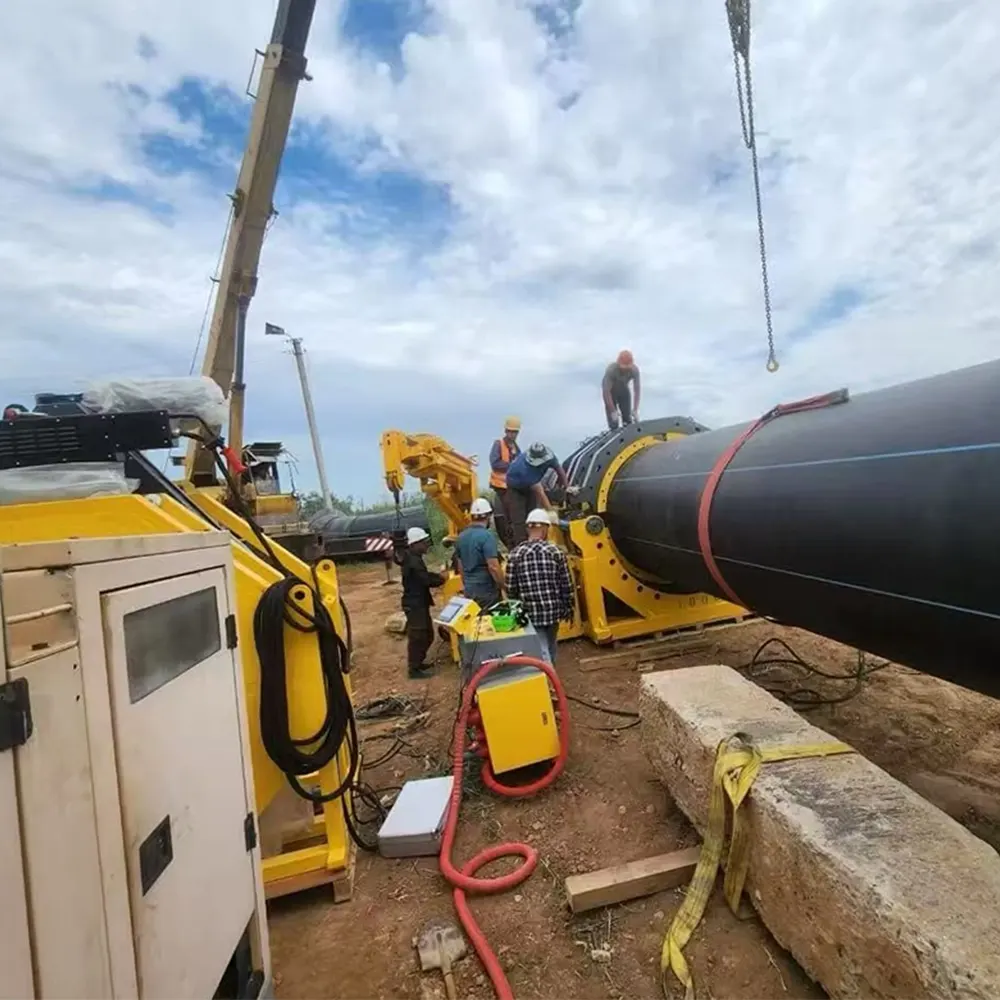
Why Specialized Equipment Matters for Large Diameter Fusion
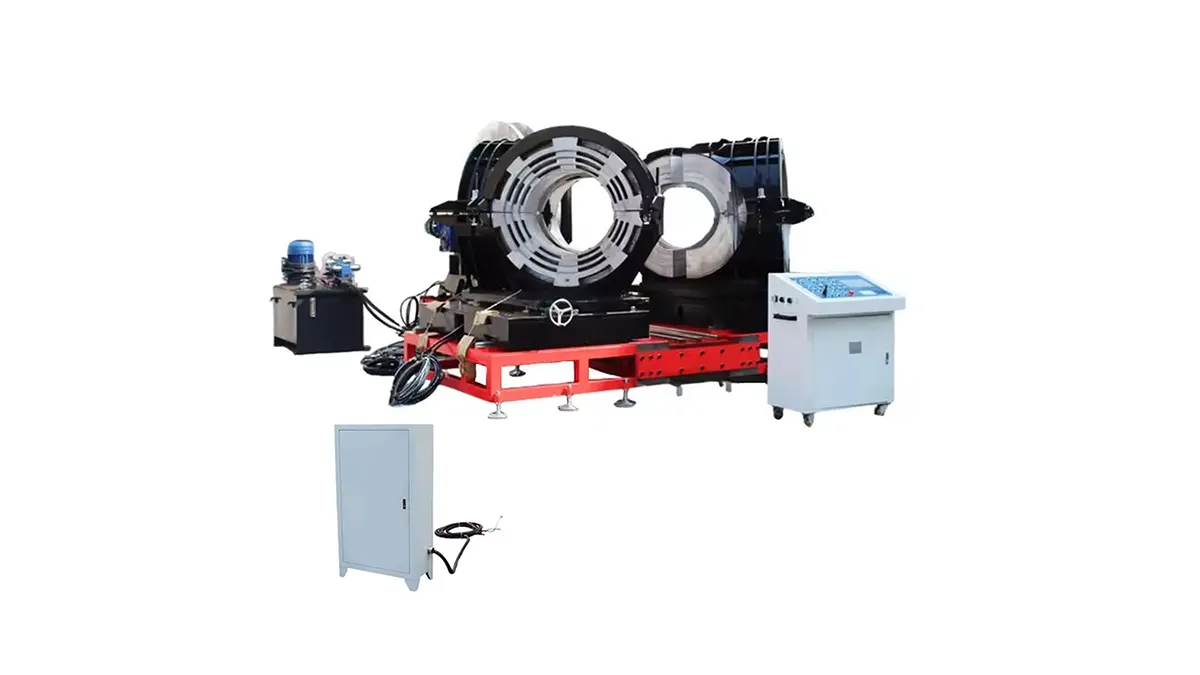
Fusing large diameter HDPE pipes presents unique challenges that manual or lightly built machines simply cannot handle. The immense weight of the pipes requires a heavy-duty frame and high-capacity clamps to prevent sagging and ensure perfect roundness. A hydraulic butt fusion welding machine provides the controlled, steady force needed to bring the pipe ends together at the correct pressure. Without this, you risk misalignment, insufficient interfacial pressure, and ultimately, a weak fusion joint that is prone to failure.
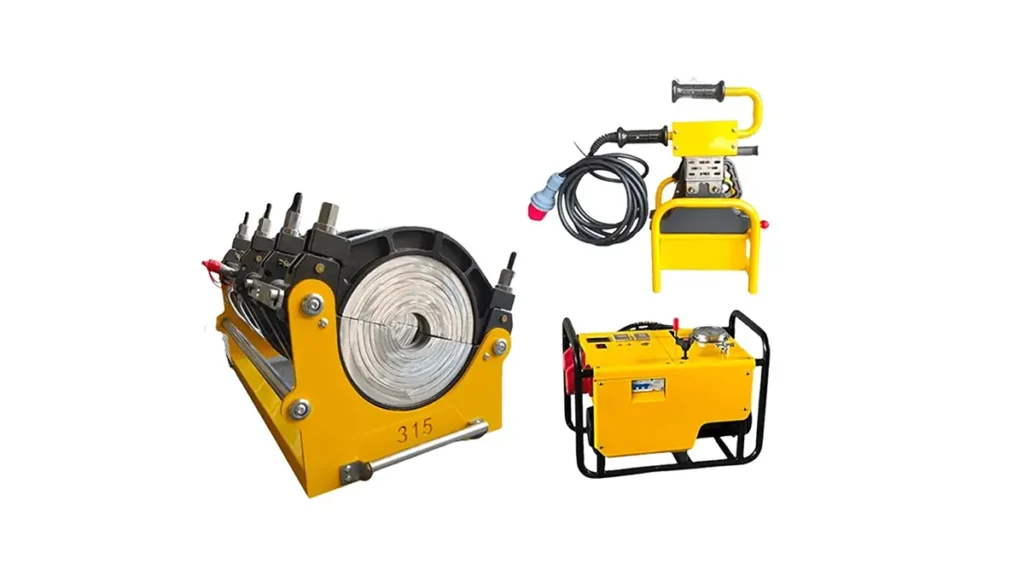
Key distinctions of a proper HDPE fusion machine for large diameter pipes include a rigid frame, removable heating plate and facing trimmer, and an independent hydraulic power pack. These components work together to execute the ISO 21307 butt fusion procedures accurately across the entire pipe circumference.
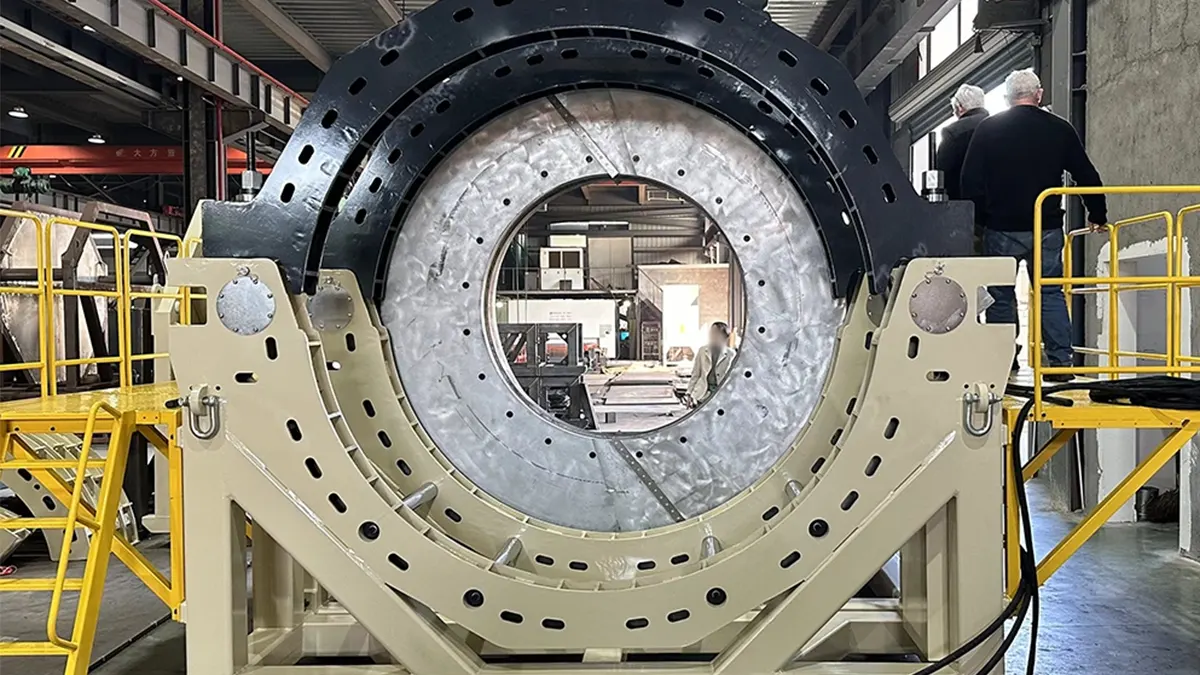
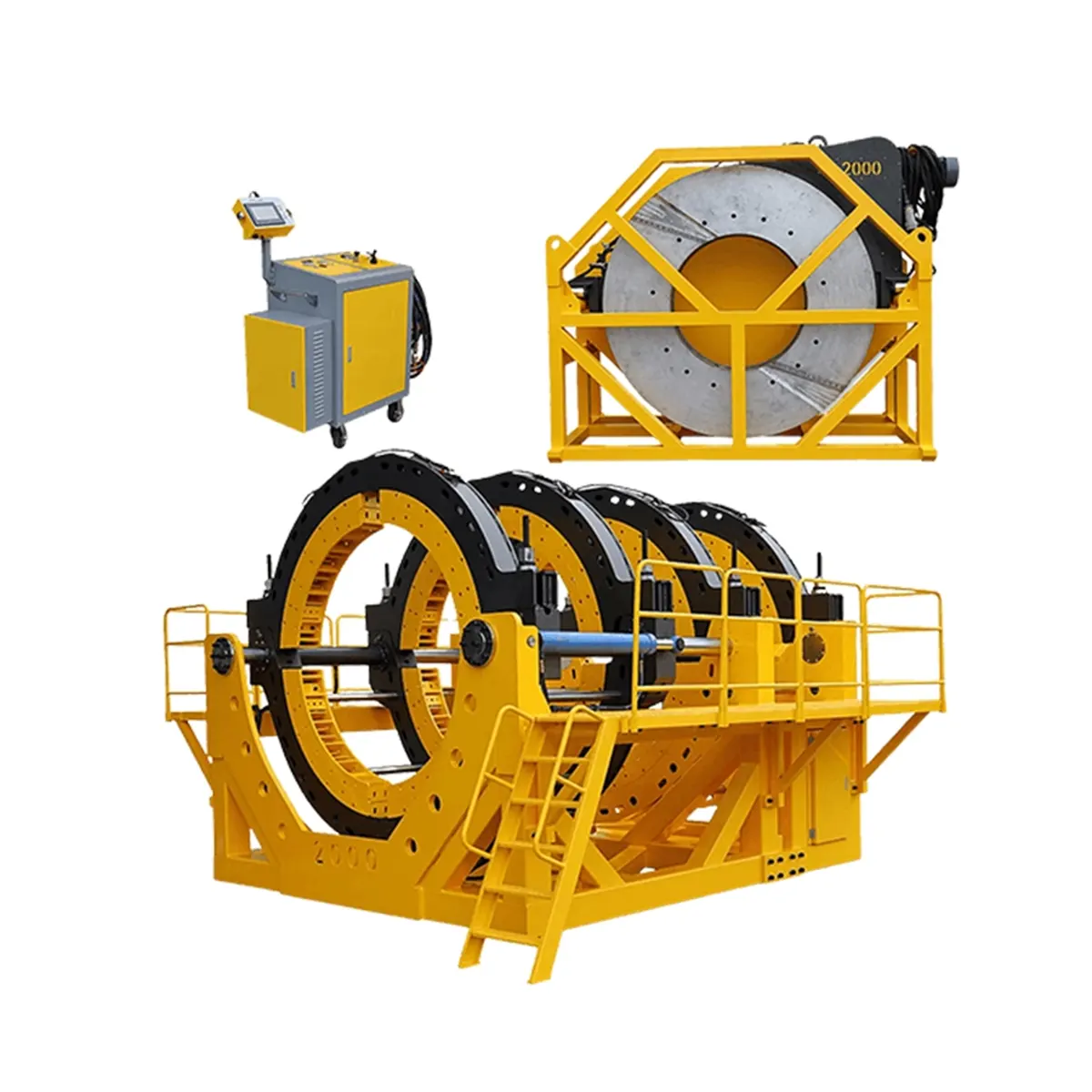
Core Components of a Large Diameter Butt Fusion Machine
Understanding the anatomy of your equipment is the first step toward mastering the fusion process. Every part plays a vital role in achieving a joint that is as strong as the pipe itself, conforming to standards like the ASTM F2620 heat fusion practice.
Heavy-Duty Frame and Clamps
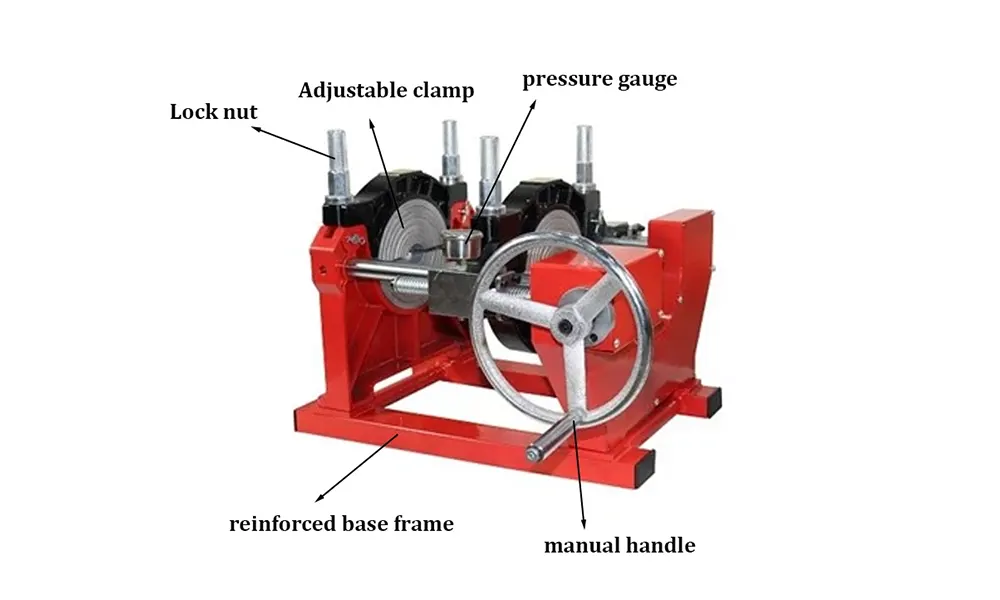
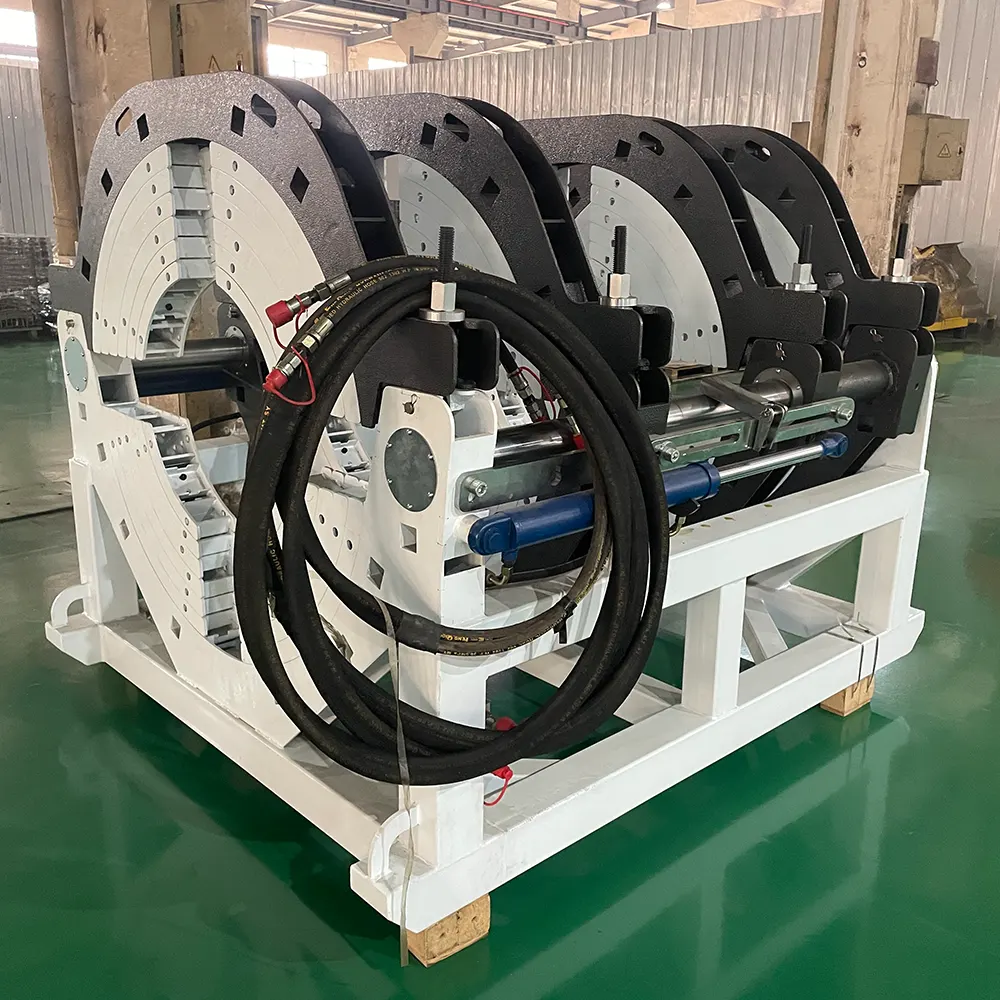
The frame must resist bending under the load of heavy pipe sections. High-quality machines feature steel construction with aluminum clamps that distribute clamping force evenly, preventing pipe damage. The clamps must also allow for fine-tuned adjustments to correct any pipe ovality, a critical step when dealing with large diameters.
Hydraulic Power Unit (HPU)
The heart of a large diameter HDPE pipe welding machine is its hydraulic system. It translates the calculated fusion pressure into a smooth, measurable force. Look for machines with calibrated pressure gauges and a control lever that allows for gradual pressure application and release. This precision is mandatory for moving the carriage, facing the pipe ends, and applying the final fusion force.
Facing Tool (Trimmer)
The trimmer must be robust enough to shave down the ends of massive pipes to ensure perfectly parallel and clean mating surfaces. It should be equipped with sharp, corrosion-resistant blades and its own motor to handle the continuous cutting surface of thick-walled, large diameter PE pipes.
Heating Plate
Temperature uniformity across the entire plate is non-negotiable. The plate must be non-stick coated and have an accurate digital controller to maintain the set temperature, typically around 220°C (428°F), as specified in butt fusion technical guidance.
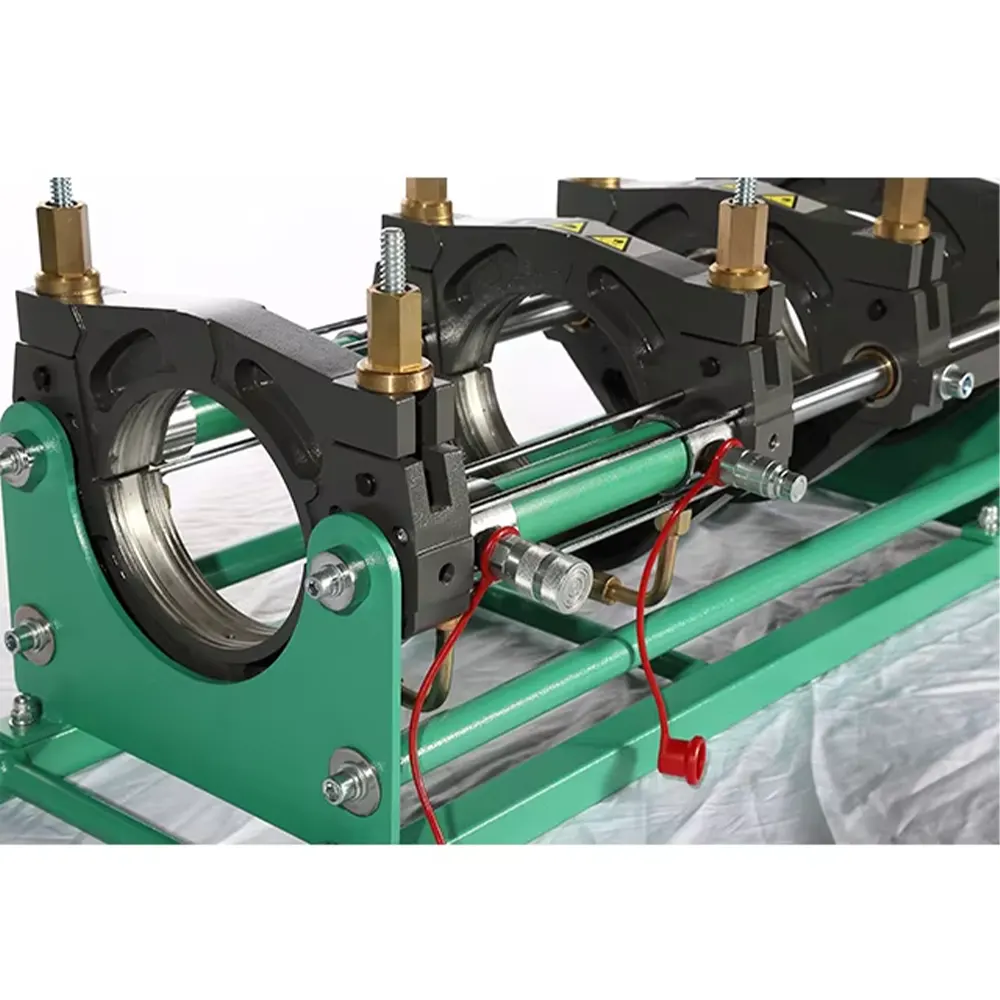
Step-by-Step Butt Fusion Process for Large Diameter Pipes
A successful weld is a systematic process. It requires strict adherence to the generic butt fusion joining procedure, with particular attention paid to the unique demands of large, heavy pipes.
1. Secure Setup and Alignment
Position the pipe sections within the machine’s clamps. Tighten the clamps carefully to avoid over-compressing the pipe. Use the machine’s adjustment features to align the pipe ends, minimizing the gap and offset. This manual step is crucial, as an initial misalignment becomes a permanent flaw.
2. Facing the Pipe Ends
Engage the facing tool and bring the pipe ends together under light pressure. Continue facing until a continuous shaving of material is produced from both pipe ends, creating a uniform, fresh surface. Immediately separate the pipes and remove the trimmer without touching the prepared faces.
3. Melt and Heat Soak
Bring the aligned pipe ends into contact with the heating plate under a specified melt bead-up pressure. Once the correct bead size forms around the entire circumference, reduce the pressure to the heat soak level. This step allows heat to penetrate the pipe wall without displacing more material, as detailed in PE butt fusion equipment standards.
4. Heater Removal and Fusion
Quickly and smoothly separate the pipes, remove the heating plate, and bring the melted ends together. The time between plate removal and initial contact is critical to prevent cooling. Apply the specified fusion force and maintain it throughout the cooling cycle. Do not move the machine or the pipes until the joint has fully solidified.
Selecting the Right Machine for Your Project
Choosing the correct HDPE fusion machine for large diameter pipes depends on your pipe size range, job site conditions, and the level of automation you require. The following table provides a structured comparison of common machine types.
| Machine Type | Typical Diameter Range | Best Application | Key Features |
|---|---|---|---|
| Hydraulic Manual | 160mm – 2250mm | Open-field installation, water transfer lines, remote sites | Operator-controlled pressure, rugged design, cost-effective for varied diameters |
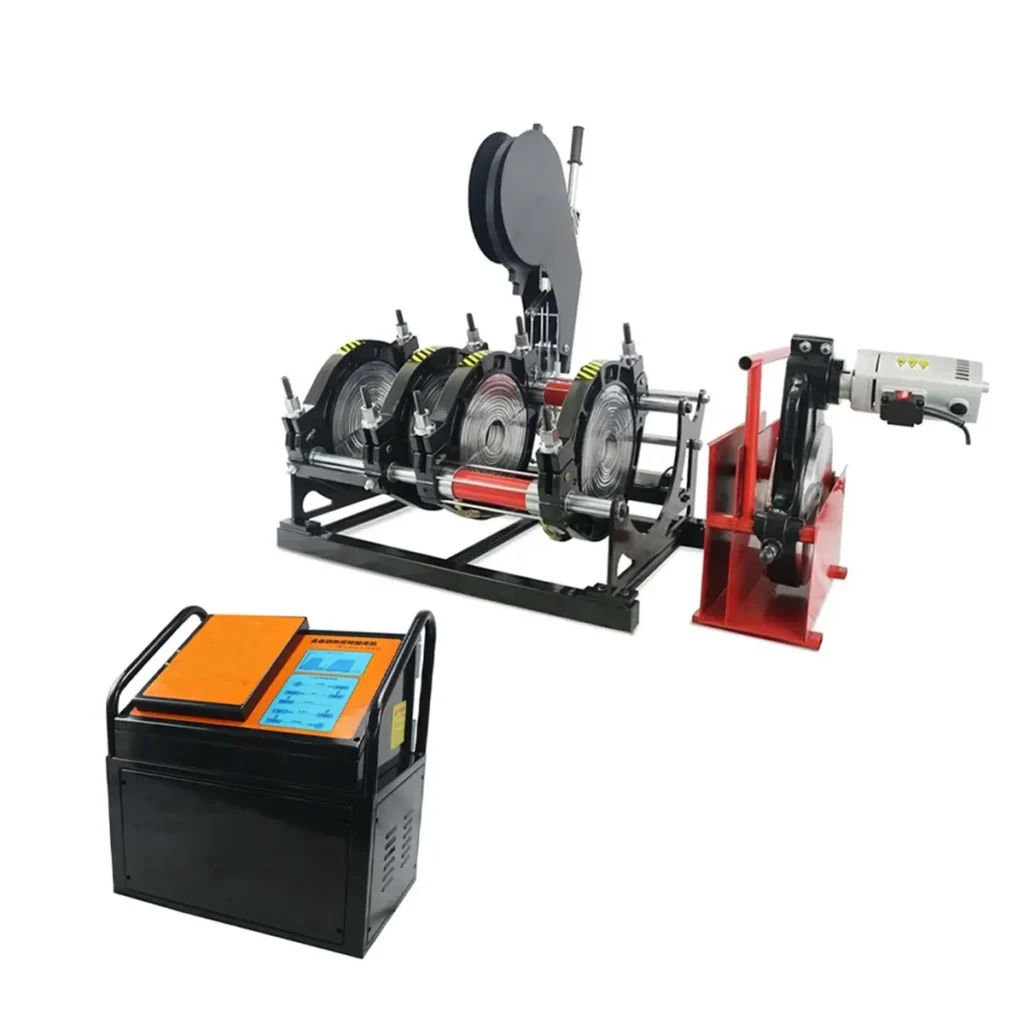
| CNC Automatic | 200mm – 1200mm | Project-critical welds, urban gas networks, high production rates | Automated pressure control, data logging, reduces operator variance |
| Multi-Angle Fitting Machine | 315mm – 1600mm | Fabricating elbows, tees, and custom segments in workshops | Adjustable angles, specialized clamps for segmented bends, precise jointing |
Ensuring Weld Quality and Operator Proficiency
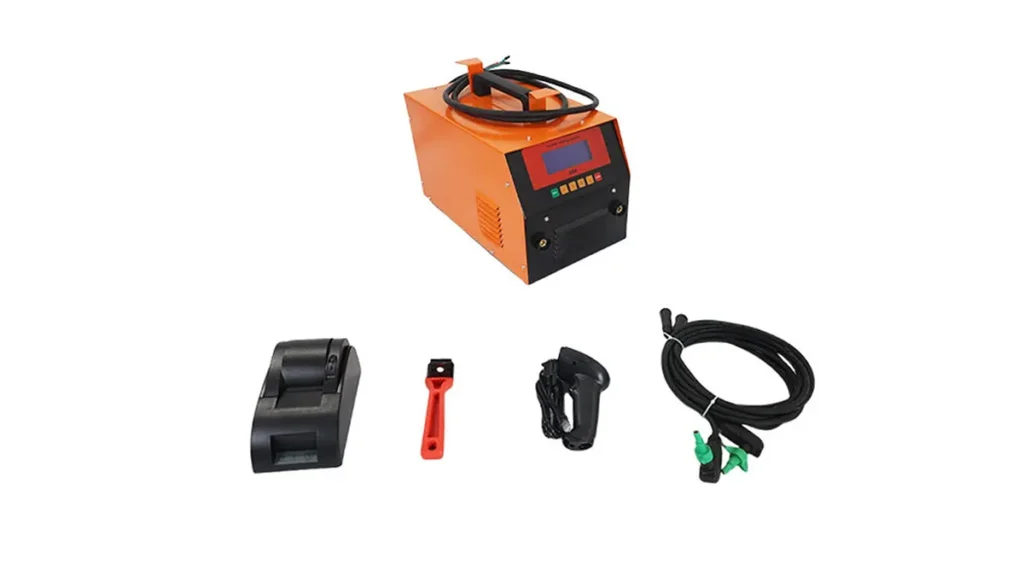
Even the best equipment is only as good as its operator. Comprehensive training based on established PPI technical guidance is essential. Every large diameter weld should be visually inspected for proper bead size, symmetry, and alignment. Data from CNC automatic butt fusion machines provides an additional layer of quality assurance, documenting every parameter of the fusion cycle for review.
Maintaining your HDPE fusion machine for large diameter pipes is equally important. This involves regular calibration of pressure gauges and temperature controllers, sharpening or replacing trimmer blades, and applying fresh non-stick coating to the heating plate when required. A well-maintained machine consistently produces welds that meet rigorous international pipe fusion standards.
Global Supply and Custom Solutions
For contractors managing international infrastructure projects, equipment availability and adaptability are key competitive advantages. JQ-Fusion, as a specialized manufacturer, supports this need by offering a broad range of large diameter HDPE pipe welding machines, including models up to 2250mm. More importantly, the ability to provide tailored OEM/ODM solutions—from machine color and branding to customized clamp configurations—allows distribution partners and pipeline contractors to deploy equipment that exactly matches their operational and commercial requirements, backed by a large, ready-to-ship inventory and responsive global support.
Explore our full range of fusion equipment to find the perfect large diameter solution for your next project.