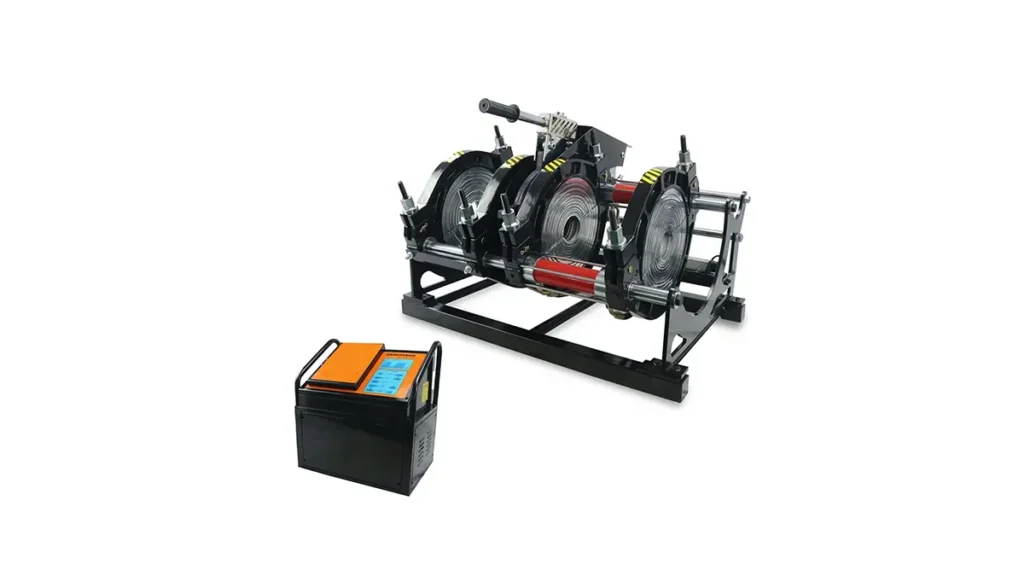
Butt fusion welding is the most reliable method for joining high-density polyethylene (HDPE) pipes in critical infrastructure projects. Understanding the HDPE fusion machine working principle is essential for operators, project managers, and quality control teams who demand leak-proof, long-lasting pipeline systems. This guide breaks down the complete operational theory behind modern butt fusion welding machines, from initial setup to final joint inspection.
What Is an HDPE Fusion Machine?
An HDPE fusion machine is a specialized device designed to join thermoplastic pipes by heating the pipe ends to a molten state and then fusing them together under controlled pressure. Unlike mechanical couplings or solvent-based joining methods, hydraulic butt fusion welding machines create a homogeneous bond that is as strong as the pipe itself. This process is widely used in water supply, gas distribution, mining, and industrial piping systems where joint integrity cannot be compromised.
Core Components of the Machine
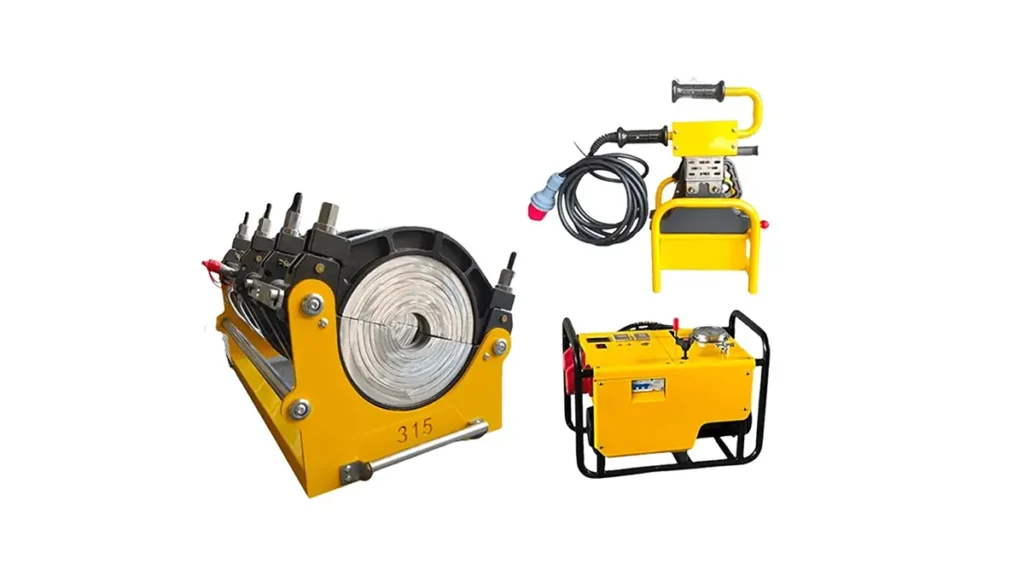
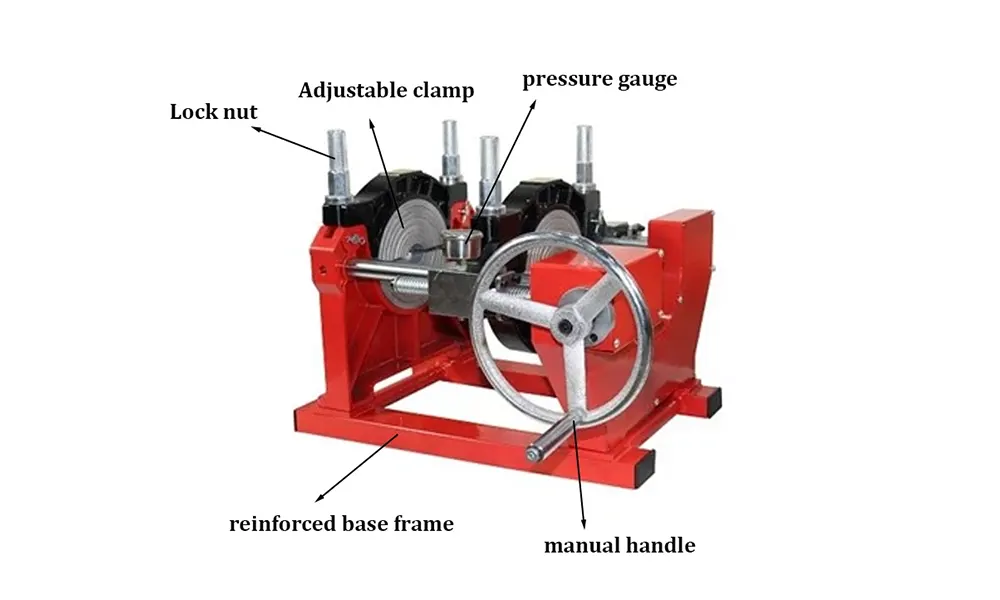
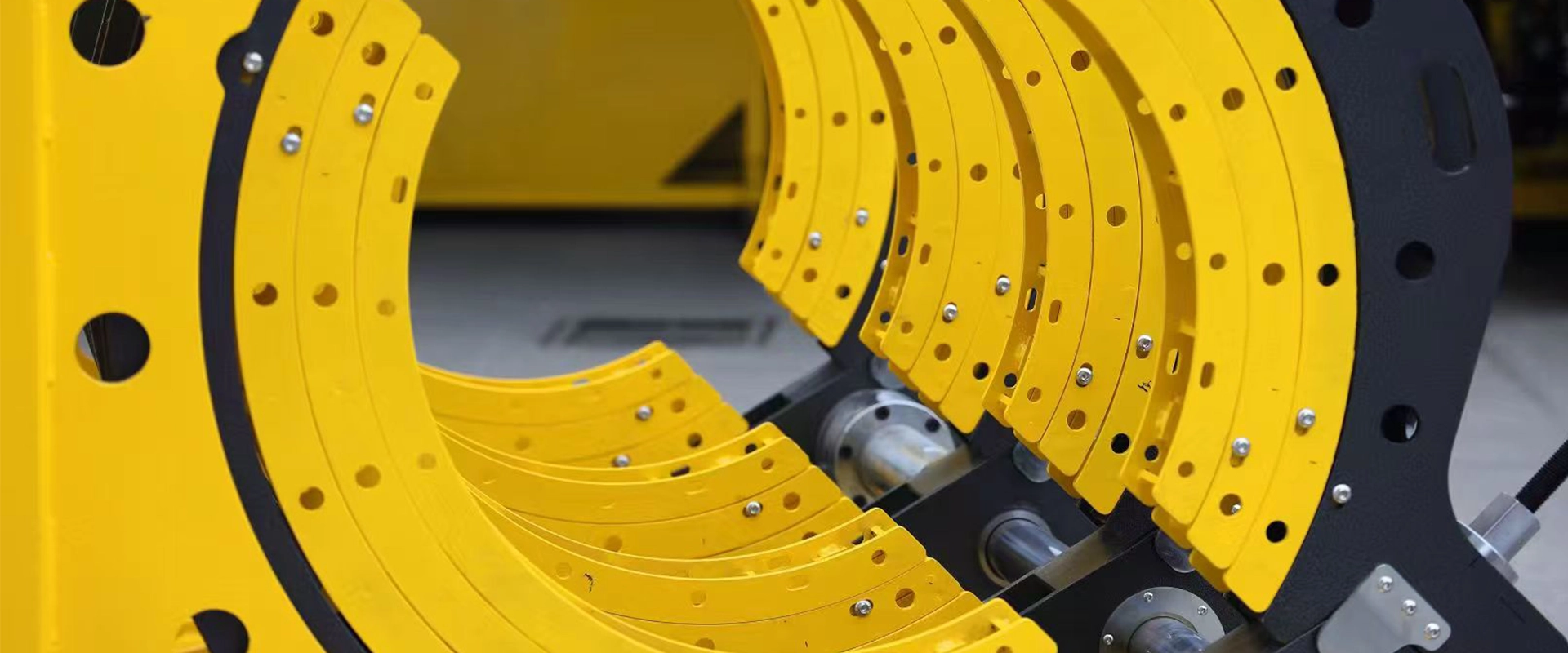
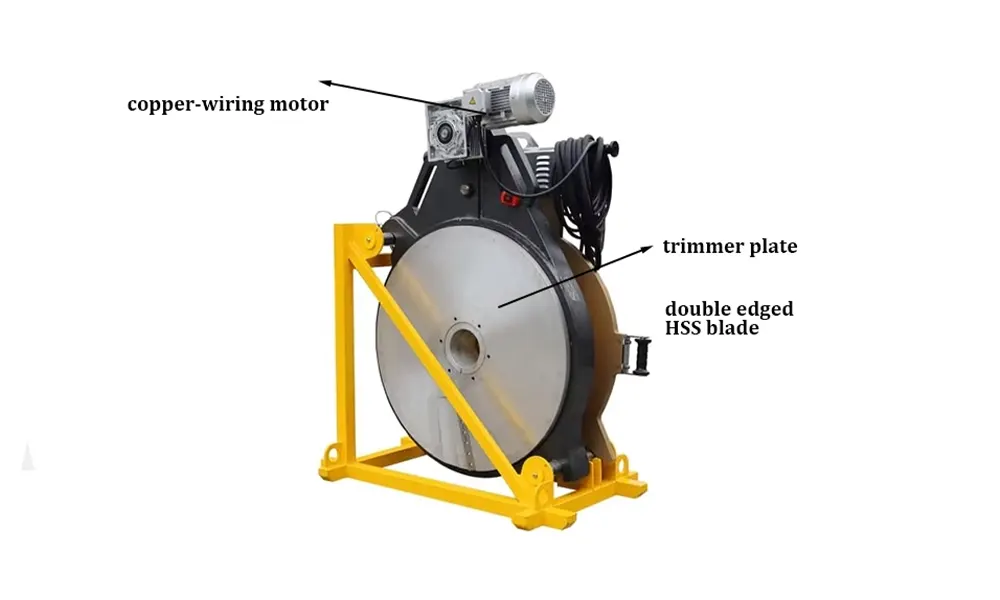
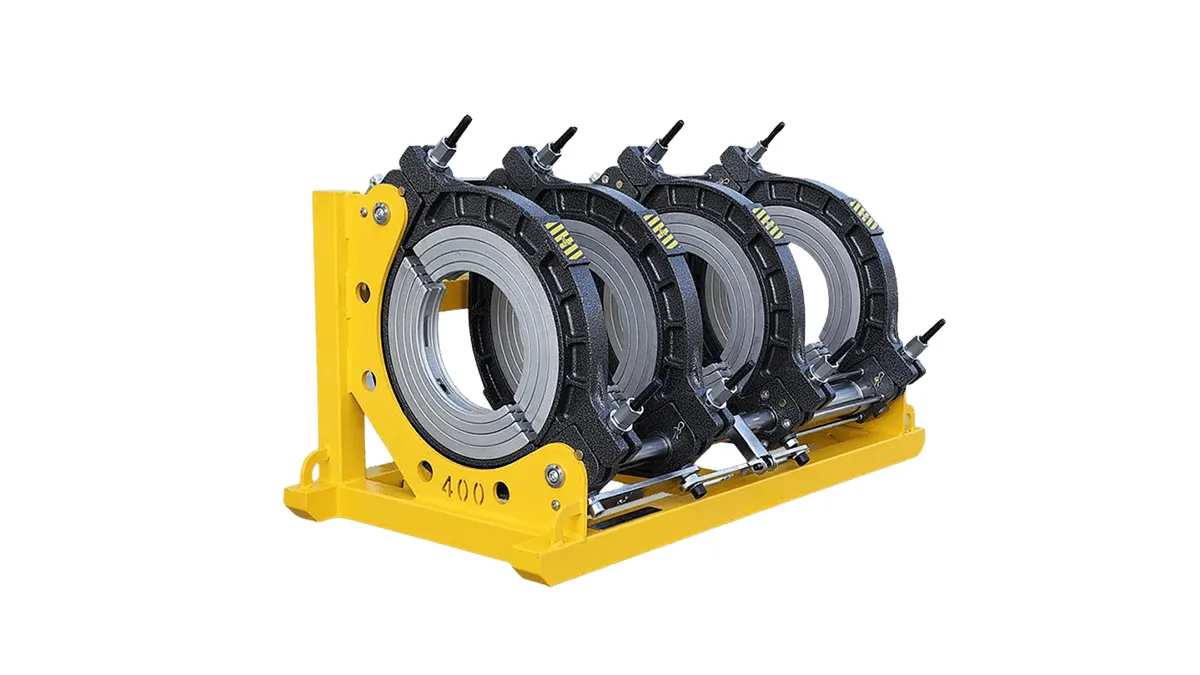
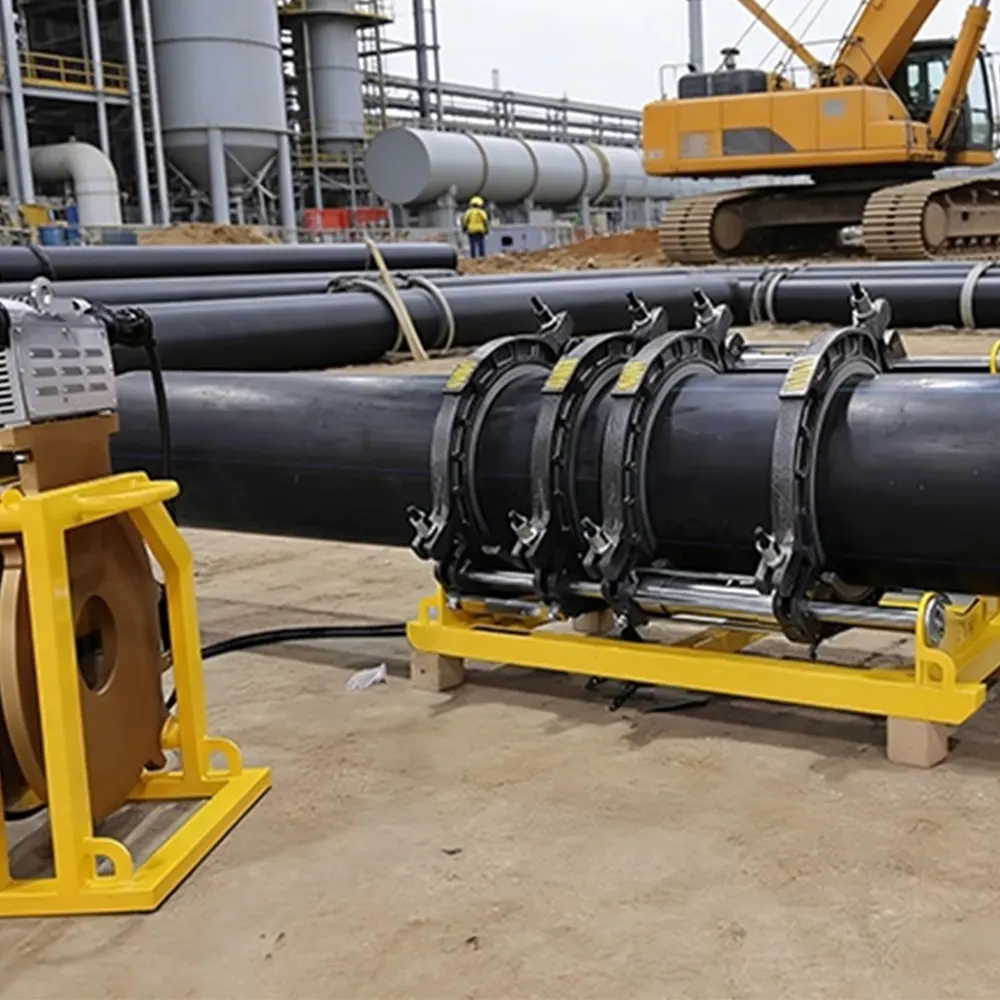
Every HDPE fusion machine consists of several critical assemblies that work together to produce consistent, high-quality welds. The main frame provides structural support and houses the clamping system, which secures the pipes during the entire welding cycle. The heating plate, typically coated with a non-stick PTFE surface, delivers uniform heat to the pipe ends. A hydraulic power unit controls the movement and pressure applied during the fusion process, while the facing tool or trimmer ensures perfectly flat and parallel pipe end surfaces before heating begins.
- Machine Frame and Clamps: Rigid steel construction with aluminum or steel clamp inserts that grip the pipe without causing surface damage.
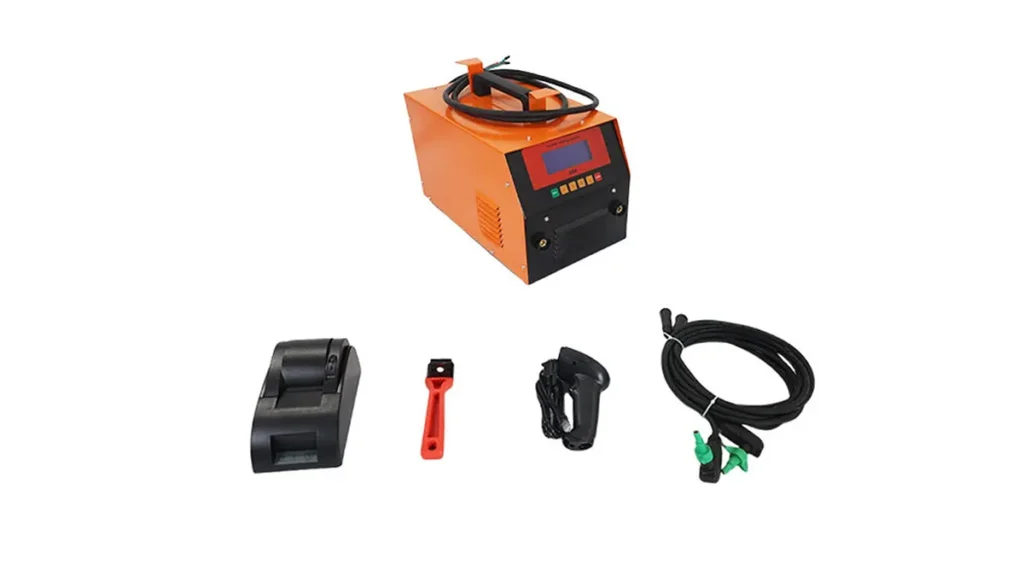
- Heating Plate: Temperature-controlled plate with digital display, maintaining precise heat levels according to material specifications.
- Hydraulic System: Provides the necessary force for pipe alignment, trimming, heating, and final fusion pressure.
- Facing Tool: Rotating cutter that planes the pipe ends to achieve perfectly parallel surfaces for optimal contact.
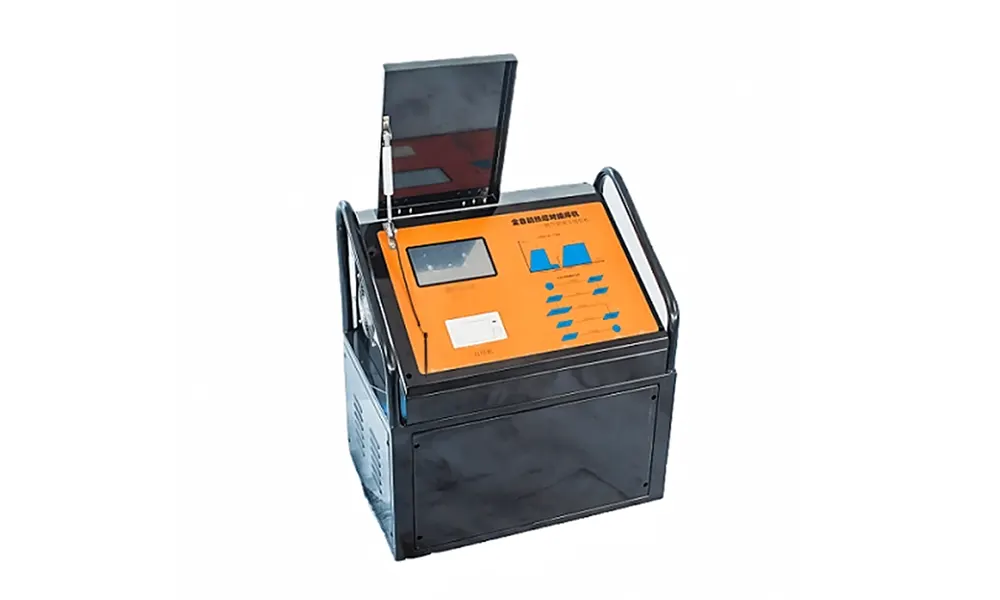
- Control Unit: Manual, semi-automatic, or fully CNC automatic butt fusion welding machine interface for parameter management.
The Complete Butt Fusion Welding Cycle
The HDPE fusion machine working principle follows a standardized sequence defined by international standards such as ISO 21307 butt fusion procedures. Each phase must be executed correctly to ensure a successful joint. The entire cycle can be broken down into six distinct stages, each with specific time, temperature, and pressure requirements that vary based on pipe diameter, wall thickness, and material grade.
Stage 1: Pipe Preparation and Clamping
The process begins with thorough cleaning of the pipe ends and clamp inserts. Any contamination such as dirt, grease, or moisture will compromise weld quality. The pipes are loaded into the machine frame and aligned using the built-in clamps. Proper alignment is critical — even a slight offset can create stress points in the finished joint. The machine’s manual butt fusion welding machine or hydraulic clamping mechanism ensures the pipes are held securely and concentrically throughout the entire cycle.
Stage 2: Facing the Pipe Ends
Once the pipes are clamped, the facing tool is engaged to trim both pipe ends simultaneously. This rotating cutter planes the surfaces until they are perfectly flat, parallel, and free of oxidation. The facing operation continues until a continuous shaving is produced from both pipe ends, indicating full surface contact. Operators must ensure that facing stops immediately once this is achieved to avoid unnecessary material removal. The resulting surfaces should be smooth, clean, and ready for heating.
Stage 3: Heating and Melt Formation
With the pipe ends faced and cleaned, the heating plate — maintained at the appropriate temperature for HDPE — is positioned between the pipe ends. The pipes are brought into contact with the heated plate under controlled pressure. This initial contact pressure creates a uniform bead of molten material around the pipe circumference. Once the specified bead size is achieved, the pressure is reduced to a minimum drag level, allowing heat to penetrate into the pipe walls without additional force. This heat soak phase is critical for developing the proper melt profile and temperature distribution through the pipe wall thickness.
Stage 4: Plate Removal and Fusion
After the heating phase is complete, the pipes are quickly separated, the heating plate is removed, and the molten pipe ends are brought together under the specified fusion pressure. This changeover time must be as short as possible to prevent excessive cooling of the heated surfaces. The fusion pressure is maintained steadily as the molten material from both pipe ends intermixes and cools, creating a permanent molecular bond. The resulting double bead formation on both the inside and outside of the pipe indicates proper fusion pressure and material flow.
Stage 5: Cooling Under Pressure
Cooling is perhaps the most overlooked yet critical phase of the HDPE fusion machine working principle. The joint must remain under full fusion pressure for the entire cooling period specified by the manufacturer or applicable welding standard. Releasing pressure too early can result in joint separation, voids, or residual stress concentrations. The cooling time depends on the pipe diameter, wall thickness, and ambient temperature conditions. During this phase, the molten material solidifies gradually, and the molecular chains become locked in place, forming a joint that is homogeneous with the parent pipe material.
Stage 6: Inspection and Quality Verification
After the cooling cycle is complete, the pressure is released, and the joint is removed from the machine for visual inspection. A properly executed butt fusion joint will exhibit uniform, symmetrical external and internal weld beads. The bead dimensions should fall within acceptable ranges specified by standards such as ASTM F2620 heat fusion requirements. Any signs of contamination, misalignment, inadequate bead size, or surface defects indicate a potential problem that may require destructive testing or joint rejection.
Types of HDPE Fusion Machines and Their Operating Principles
While the basic HDPE fusion machine working principle remains consistent across all machine types, the method of applying and controlling the welding forces varies significantly. The three main categories — manual, hydraulic, and CNC automatic — each serve different project requirements and pipe diameter ranges. Understanding these distinctions helps contractors select the appropriate equipment for their specific pipe welding applications.
| Machine Type | Drive Mechanism | Typical Pipe Range | Key Features | Best Applications |
|---|---|---|---|---|
| Manual | Hand lever operation | 20mm – 315mm | Simple design, lightweight, portable | Small diameter pipes, field repairs, low-budget projects |
| Hydraulic | Hydraulic power unit | 160mm – 2250mm | Controlled pressure, consistent force, wider range | Medium to large diameter pipes, municipal water, gas lines |
| CNC Automatic | Electro-hydraulic with PLC control | 160mm – 630mm | Programmable cycles, data logging, minimal operator input | High-volume production, critical infrastructure, quality-sensitive projects |
Critical Parameters Affecting Weld Quality
Several key variables must be carefully controlled to achieve consistent, high-quality fusion joints. These parameters are interrelated, and deviations in any single factor can compromise the entire weld. Modern machines, especially CNC automatic models, incorporate sensors and feedback systems to monitor these variables in real time.
- Temperature: The heating plate must maintain consistent surface temperature, typically between 200°C and 230°C for HDPE materials. Temperature variations across the plate surface can cause uneven melting.
- Pressure: Fusion pressure must be calculated based on pipe cross-sectional area and material specifications. Insufficient pressure results in poor intermixing, while excessive pressure squeezes out too much molten material.
- Time: Both heating time and cooling time are critical. Rushing either phase invariably leads to weak joints, while excessive heating can degrade the polymer structure.
- Alignment: Pipe ends must be concentric within specified tolerances. Misalignment creates stress risers that can lead to premature joint failure under service loads.
- Surface Cleanliness: Any contamination on pipe ends, heating plate, or facing tool will be incorporated into the weld, creating localized weak points.
Standards and Best Practices
The HDPE fusion machine working principle is governed by internationally recognized standards that ensure consistent, reliable joint quality across different operators and project locations. Key standards include ISO 21307 for butt fusion jointing procedures, ISO 12176-1 for PE butt fusion equipment, and ASTM F2620 for heat fusion joining of PE pipe and fittings. These documents specify everything from equipment calibration requirements to detailed welding parameter tables.
Operator qualification is equally important. Standards such as ISO 12176-3 define requirements for fusion operator certification, ensuring that personnel performing butt fusion have demonstrated competency through practical testing and theoretical knowledge verification. Regular equipment maintenance, calibration checks, and periodic destructive testing of sample joints are essential components of a comprehensive quality assurance program.
Common Issues and Troubleshooting
Despite following proper procedures, operators may encounter issues that affect weld quality. Recognizing these problems early and understanding their root causes is essential for maintaining production efficiency and joint integrity. The table below summarizes the most frequently observed problems and their typical causes.
| Problem | Possible Causes | Recommended Action |
|---|---|---|
| Uneven or asymmetrical bead | Misalignment, uneven heating, worn clamps | Check alignment, verify clamp condition, inspect heating plate surface |
| Small or missing external bead | Insufficient fusion pressure, low heating temperature | Verify pressure calculation, check heating plate calibration |
| Discoloration or burnt appearance | Excessive heating temperature, prolonged heating time | Calibrate heating plate thermostat, reduce heating time |
| Joint separation during cooling | Premature pressure release, insufficient cooling time | Verify cooling time specifications, check hydraulic system for leaks |
| Voids or porosity in the bead | Contamination, moisture, insufficient facing | Improve cleaning procedures, verify facing tool sharpness |
Applications Across Industries
HDPE fusion machines are deployed across a diverse range of industries where reliable, leak-free piping systems are essential. The HDPE fusion machine working principle enables the creation of joints that maintain full pressure ratings and chemical resistance properties of the original pipe material, making this joining method suitable for the most demanding environments.
- Water Supply and Distribution: Municipal water mains, service connections, and transmission pipelines rely on butt fusion for long-term, maintenance-free performance under varying pressure and temperature conditions.
- Natural Gas Distribution: The gas industry depends on HDPE fusion for distribution networks, service lines, and gathering systems where joint integrity directly impacts public safety and environmental protection.
- Mining and Industrial: Slurry transport, chemical processing, and tailings management applications benefit from the chemical resistance and abrasion resistance of properly fused HDPE piping systems.
- Marine and Dredging: Floating pipelines and underwater installations use HDPE fusion for buoyancy and flexibility requirements, with joints that withstand dynamic loading and harsh marine environments.
- Landfill and Environmental: Leachate collection, gas extraction, and groundwater monitoring systems require the leak-free performance that only properly executed fusion joints can provide.
About JQ-Fusion
JQ-Fusion is a professional manufacturer specializing in HDPE pipe welding machines, providing reliable butt fusion solutions for global infrastructure projects. With years of industry experience, the company focuses on the development and production of manual, hydraulic, and CNC automatic butt fusion welding machines, covering a wide range of pipe sizes from small to large diameters. Their products are widely used in water supply, gas distribution, mining, and industrial pipeline systems, backed by rigorous quality assurance processes and responsive international service support.
Understanding the HDPE fusion machine working principle is the foundation for producing consistent, high-quality pipe joints that stand the test of time. Whether operating a CNC automatic butt fusion machine for high-volume production or a manual unit for field repairs, adherence to proper procedures, parameter control, and quality verification protocols ensures that every joint meets or exceeds the demands of its intended application. For teams seeking reliable fusion equipment and expert technical support, professional-grade machines designed to international standards provide the consistency and performance that critical infrastructure projects require.