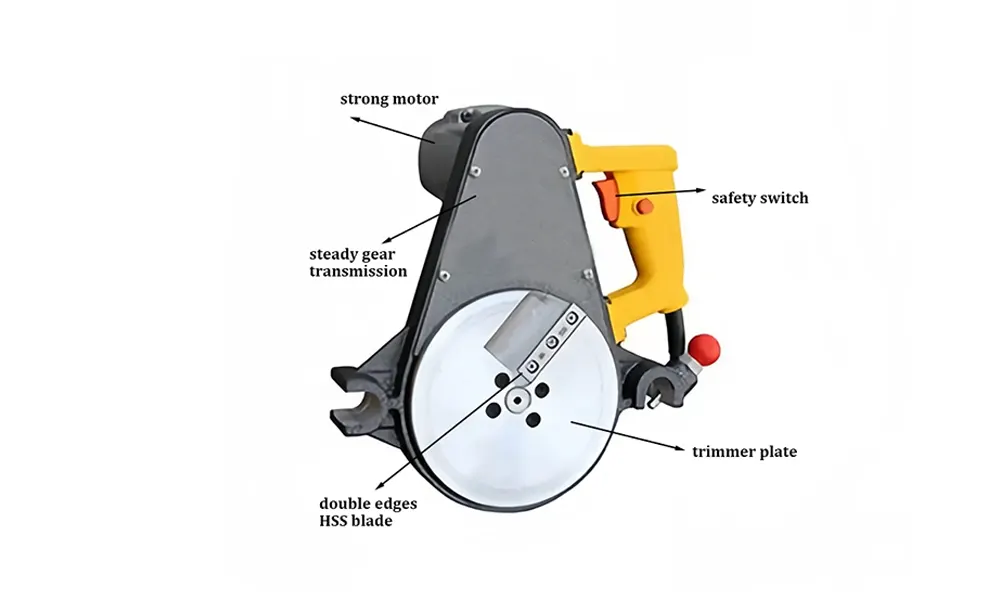
In the world of thermoplastic pipeline construction, achieving a reliable, leak-free joint depends almost entirely on one critical variable: HDPE pipe jointing machine welding pressure. Whether you are working on municipal water supply, gas distribution, or industrial slurry lines, understanding how to calculate and set the correct fusion pressure is fundamental to joint integrity. Incorrect pressure settings can lead to cold fusion, excessive bead formation, or catastrophic joint failure under operating conditions. This guide walks you through the science, standards, and practical steps to determine the proper welding pressure for your butt fusion equipment.
Why Welding Pressure Is the Heart of Butt Fusion
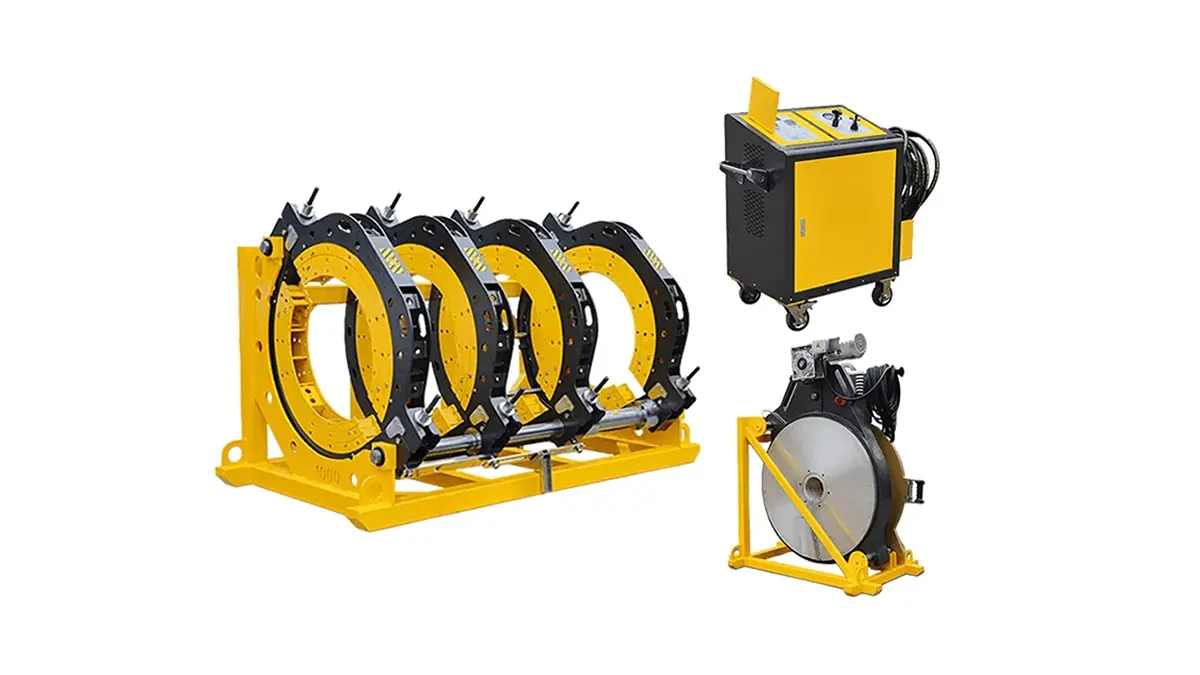
Butt fusion welding relies on heating the pipe ends to a molten state and then bringing them together under controlled HDPE pipe jointing machine welding pressure. The intermolecular diffusion that occurs at the interface creates a monolithic joint, but only if the force applied matches the material’s specific requirements. Too little pressure, and the molten polymer cannot properly intermix. Too much, and you risk squeezing out all the heated material, leaving a cold, weak bond. The hydraulic butt fusion welding machine systems, for example, must be calibrated to deliver precise, repeatable force based on the pipe diameter and wall thickness.
Calculating the Correct Fusion Pressure
Determining the right HDPE pipe jointing machine welding pressure is not guesswork. It follows a standardized formula that accounts for the pipe’s cross-sectional area and the material’s interfacial pressure requirements. The general calculation is:
- Total Fusion Pressure (MPa) = Interfacial Pressure × Pipe Cross-Sectional Area / Machine Cylinder Piston Area
The standard interfacial pressure for PE100 and PE4710 materials is typically 0.15 MPa (or 21.7 psi) according to ISO 21307 butt fusion procedures. This value represents the force per unit area that must act on the pipe ends during the cooling phase. For the heating (bead-up) stage, a lower drag pressure is applied, while the welding stage requires a *slightly higher* pressure to ensure proper mixing without over-squeezing the melt.
Key Factors Influencing Pressure Settings
- Pipe Diameter and SDR: Larger diameters and thinner walls require careful adjustment to avoid pipe collapse.
- Material Grade: PE100, PE80, and PE4710 have slightly different melt flow characteristics.
- Ambient Temperature: Cold weather welding often requires modified soak times, and stable pressure helps compensate for rapid cooling.
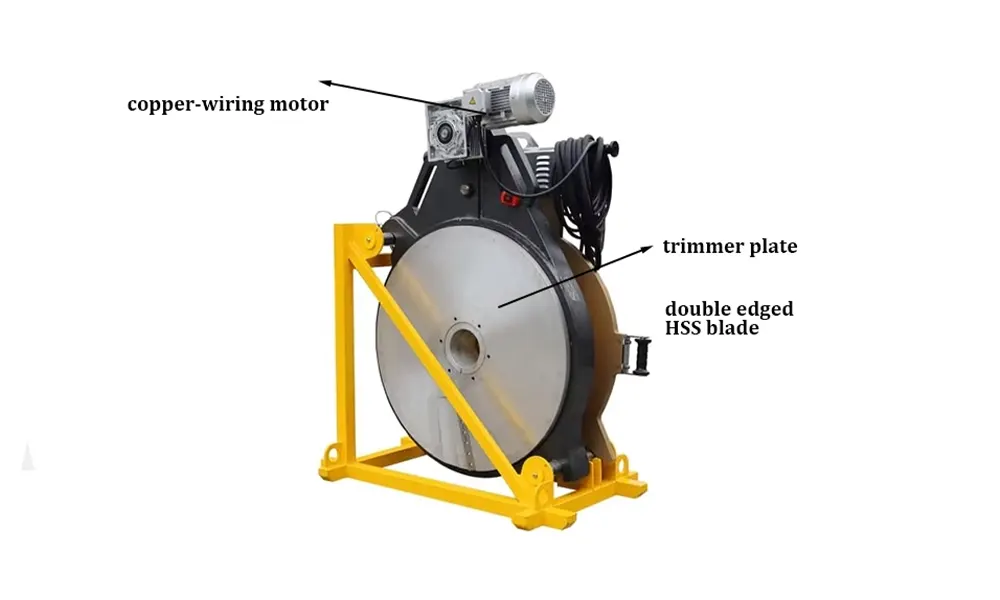
- Machine Type: Manual, hydraulic butt fusion machines, and fully automatic CNC models have different gauge calibrations.
Standard Pressure Recommendations by Pipe Diameter
While always referring to the machine’s specific data plate, the following table provides typical pressure ranges for standard dimension ratio (SDR) 11 pipes using a common dual-cylinder hydraulic machine. Use this as a reference for common HDPE pipe jointing machine welding pressure values.
| Pipe Diameter (mm) | Approx. Weld Pressure (Bar) | Drag/Absolute Correction |
|---|---|---|
| 110 mm | 15 – 22 | Add 2–4 bar |
| 160 mm | 28 – 38 | Add 4–6 bar |
| 250 mm | 55 – 72 | Add 8–12 bar |
| 355 mm | 95 – 125 | Add 15–20 bar |
| 500 mm | 175 – 230 | Add 25–35 bar |
| 800 mm | 400 – 540 | Add 50–70 bar |
Setting Pressure on Different Types of Machines
The method for applying HDPE pipe jointing machine welding pressure varies by equipment type. A modern CNC automatic butt fusion machine uses onboard logic to calculate the drag and net fusion pressure, guiding the operator through each stage. In contrast, a basic manual machine relies entirely on a gauge and the operator’s experience.
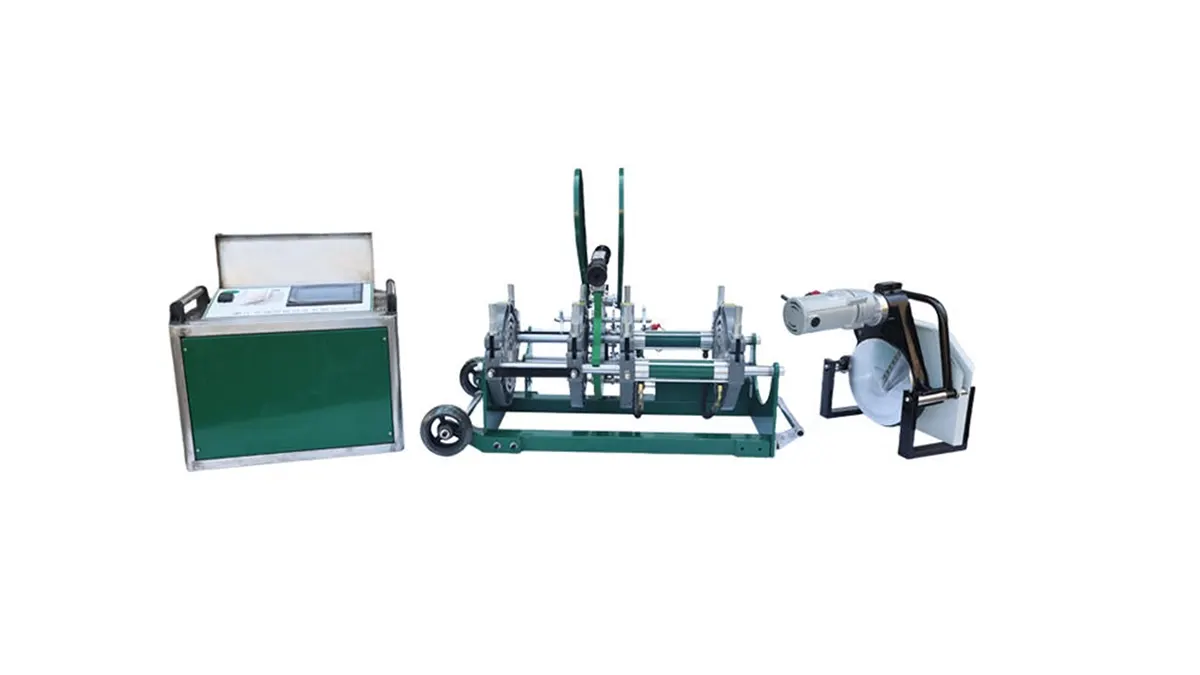
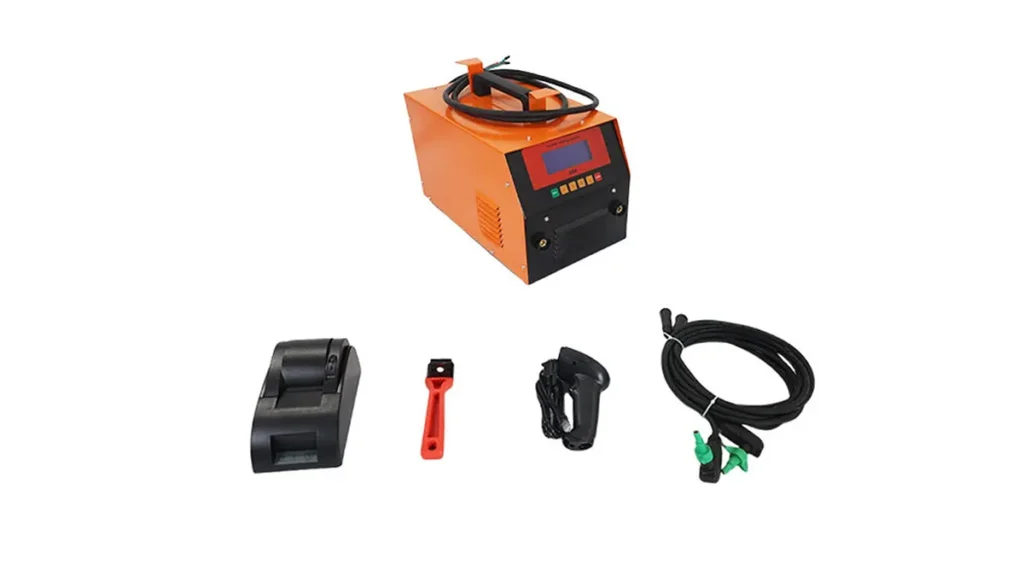
Automatic/CNC Machines: Digital interface, automated pressure calculation, data logging.
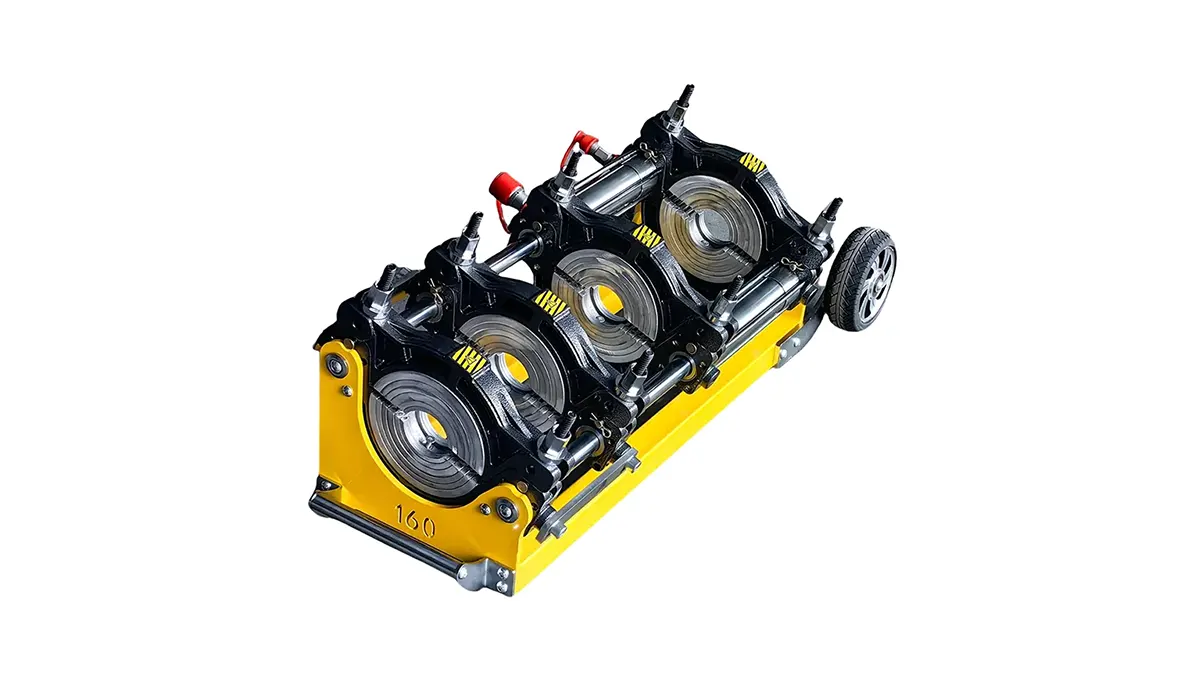
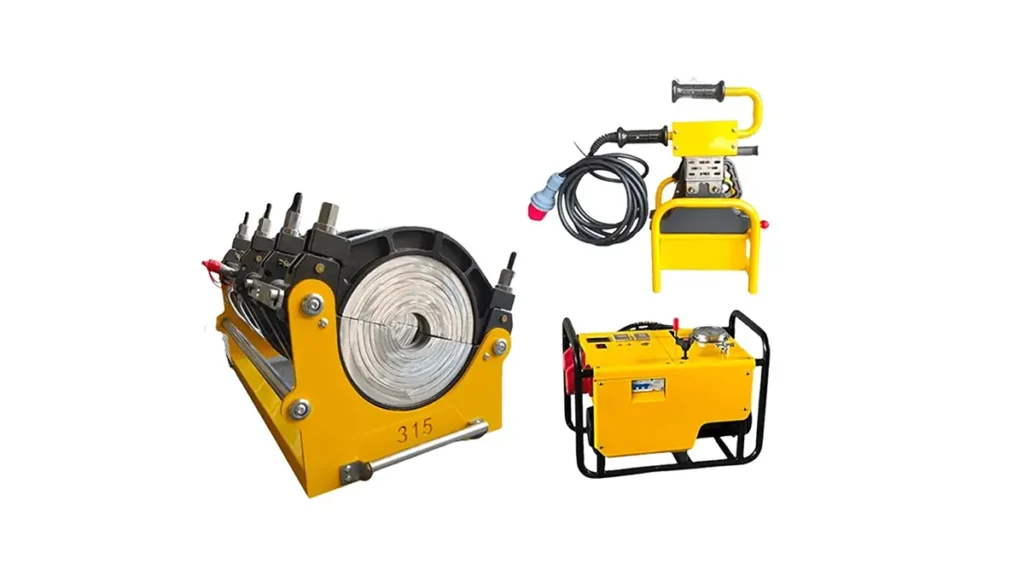
Hydraulic Machines: Manually set gauge with hydraulic power unit for HDPE pipe jointing machine welding pressure.
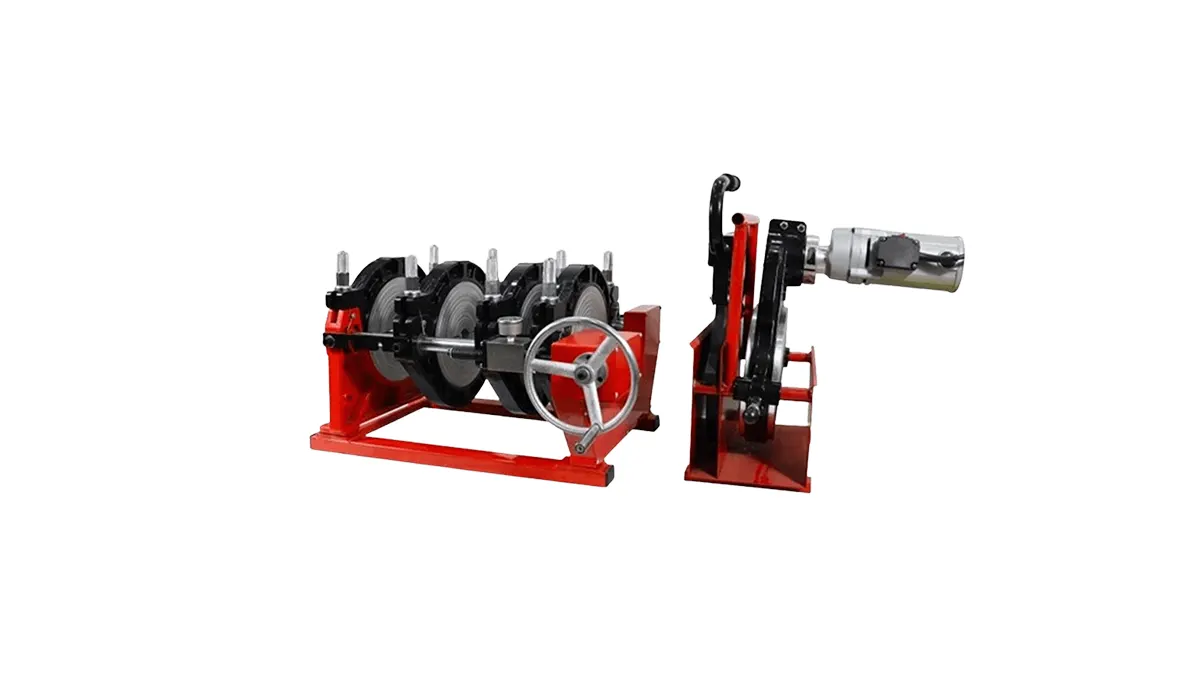
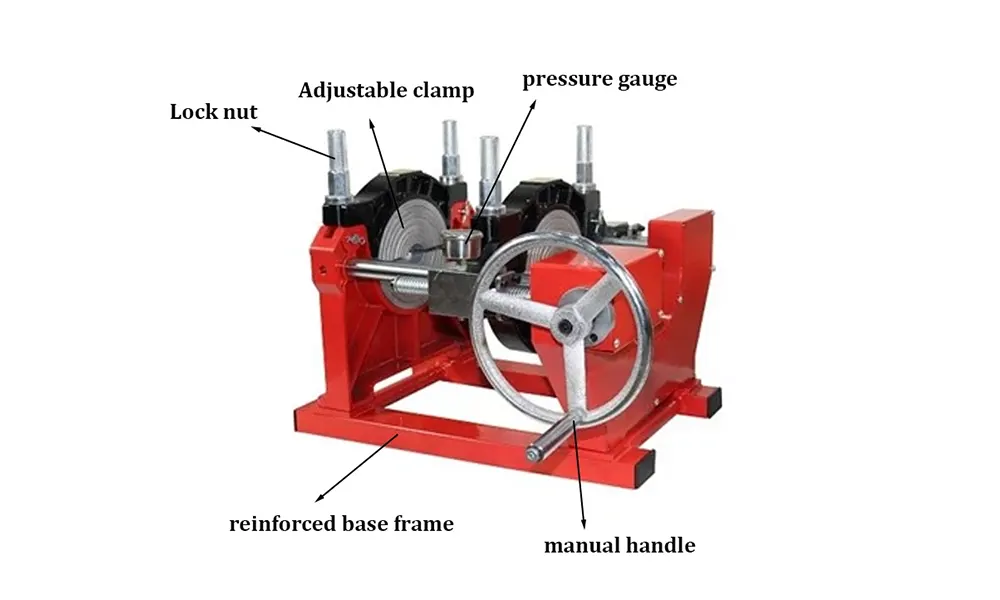
Manual Machines: Lever-actuated, rely heavily on operator skill to maintain steady force.
Common Mistakes That Compromise Joint Quality
Even with the correct HDPE pipe jointing machine welding pressure calculation, welds can fail due to procedural errors. The ASTM F2620 heat fusion standard and PE100+ technical guidance both emphasize the importance of procedure qualification. Here are frequent pitfalls to avoid:
- Ignoring Drag Pressure: Failing to measure the drag resistance of the moving carriage before adding the theoretical fusion force results in insufficient interfacial pressure.
- Incorrect Heat Soak Timing: Improper bead-up pressure during the heating phase often stems from not reducing force from the welding setting to the initial bead-up value.
- Misaligned Clamps: Even perfect pressure will not save a joint if the pipe ends are misaligned, creating a step inside the pipe bore.
- Contamination: Oil, dirt, or moisture on the heating plate or pipe ends interferes with fusion chemistry regardless of applied pressure.
Practical Tips for Consistent Field Results
To consistently achieve high-quality butt fusion using the correct HDPE pipe jointing machine welding pressure, integrate these practices into your workflow:
- ✓Verify Gauge Accuracy: Ensure the machine’s pressure gauge is calibrated. A drift of even a few bar can move the interfacial pressure outside the acceptable window.
- ✓Follow the Data Plate Chart: Most reputable manufacturers like JQ-Fusion affix a calculation chart directly to the machine, listing drag and weld pressures for a range of pipe sizes and SDRs. Always defer to this chart.
- ✓Account for High Winds: In open-field conditions, wind chill accelerates cooling on one side of the joint. Wind shields and slightly adjusted timing can help, while keeping the HDPE pipe jointing machine welding pressure stable.
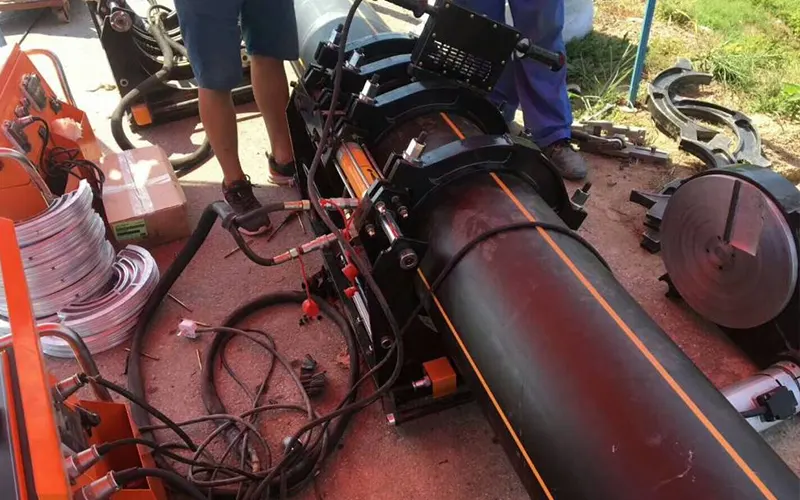
Mastering HDPE pipe jointing machine welding pressure is what separates a robust, 50-year pipeline system from a liability prone to failure. By understanding the underlying interfacial force requirements, correctly calculating drag and net force, and adhering to international standards like ISO 21307, operators can produce joints that are as strong as the pipe itself. For professional projects, always use well-maintained equipment and consult the manufacturer’s specific recommendations for each machine model and pipe size combination.
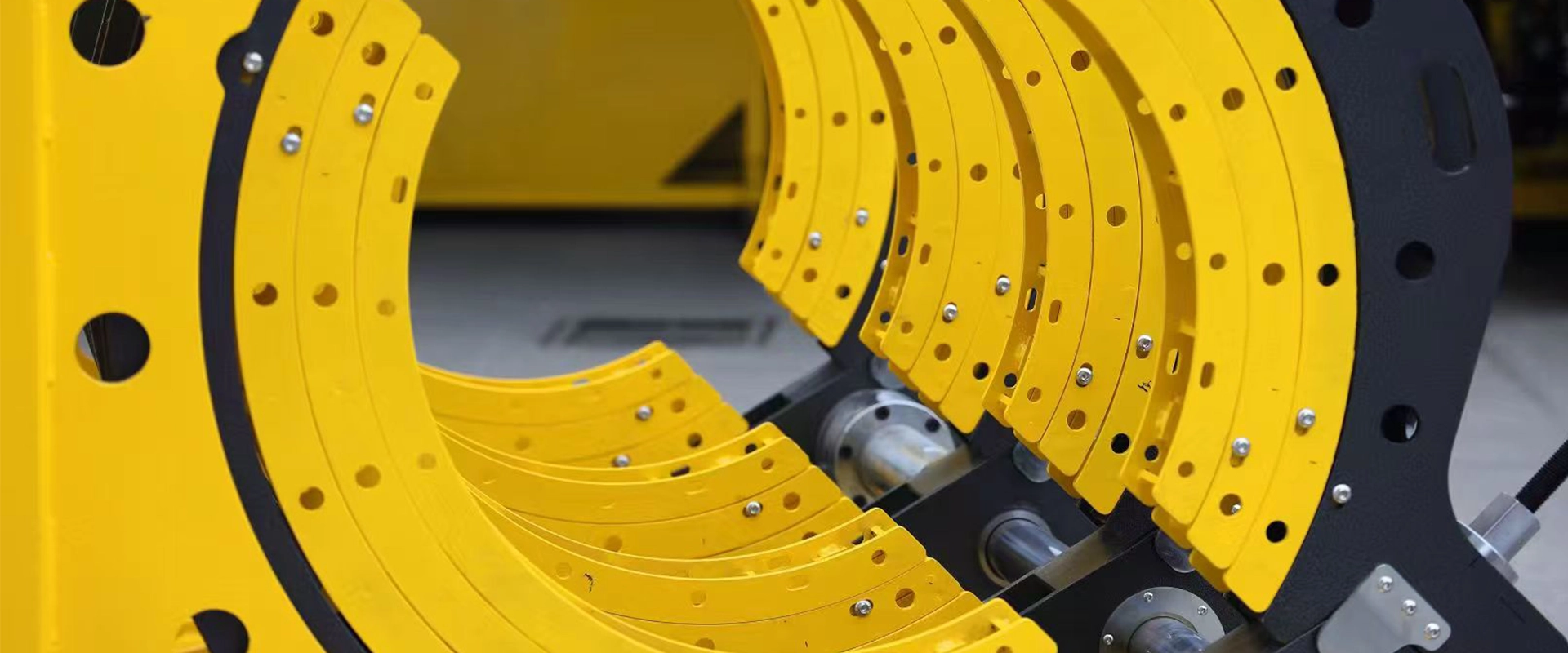
Need Professional Welding Equipment?
Explore our full range of HDPE butt fusion welding machines designed for precise pressure control and long service life. From 160mm to 2000mm diameter capability, find a machine that matches your pipeline requirements.