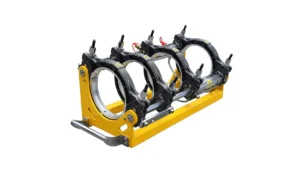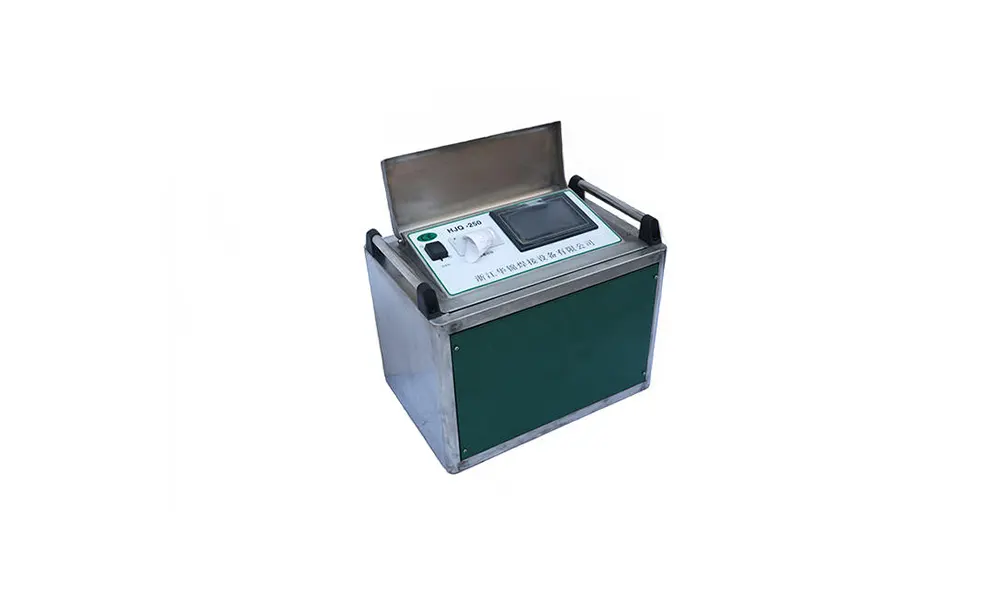
Choosing the right equipment is a critical decision for any contractor, municipal authority, or utility company involved in polyethylene piping systems. Whether you are connecting gas pipelines, water mains, or industrial slurry lines, understanding how to choose an electrofusion welder directly impacts joint integrity, operational efficiency, and long-term pipeline safety. Unlike traditional butt fusion, electrofusion relies on precise electrical parameters to melt and fuse fittings, making the power control unit indispensable.
Understanding Electrofusion Welding Technology
Before diving into specifications, it is vital to grasp how the process works. Electrofusion involves passing an electric current through embedded heating coils within a specialized fitting. The resulting heat melts the inner surface of the fitting and the outer surface of the pipe, creating a homogeneous, leak-proof joint upon cooling. This method is particularly favored in trenchless applications, tight repair zones, or areas where space constraints prevent the use of butt fusion welding machines. The reliability of the process depends on the welder’s ability to supply consistent voltage and current aligned with rigorous PE electrofusion equipment standards.
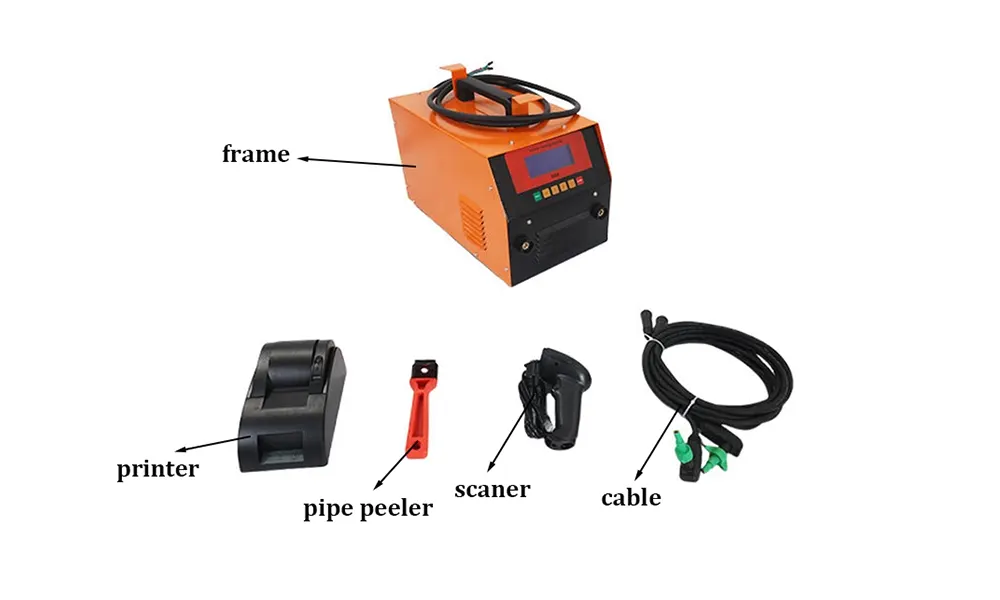
Key Features to Evaluate Before Purchasing
When deciding how to choose an electrofusion welder, focusing on core technical features is essential. Not all devices are built for the same level of precision or environmental resilience. Prioritize a unit that offers automated control over the fusion cycle to eliminate human error.
- Input Voltage Flexibility: The machine should handle site-specific generator outputs. Look for wide-range input (e.g., 85V to 270V AC) to ensure stable performance under fluctuating power conditions, a common scenario in field construction.
- Automatic Temperature Compensation: Ambient temperature drastically affects fusion physics. Premium units automatically adjust fusion energy based on real-time environmental temperature readings, ensuring compliance with ISO 21307 butt fusion procedures and jointing principles.
- Data Logging Capabilities: Modern infrastructure projects mandate full traceability. The best electrofusion processors log every parameter (time, voltage, current, resistance, operator ID) and allow USB export for quality assurance documentation.
- Closed-Loop Feedback System: This continuously monitors the joint resistance and adjusts output in microseconds, preventing “cold welds” or overheating, a vital feature for high-grade PE gas piping systems.
Selecting the Right Machine Dimensions and Power Output
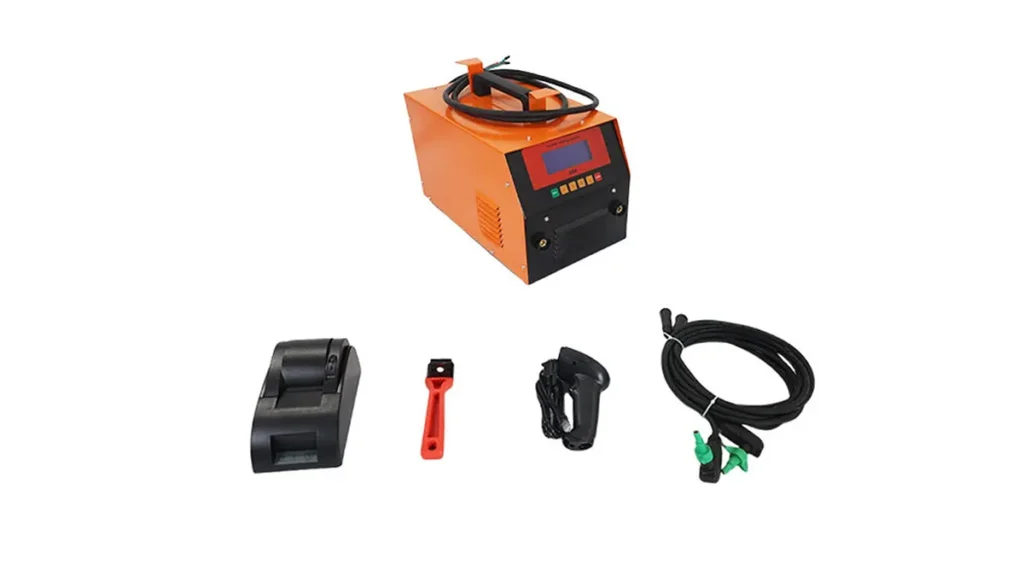
Electrofusion welders are sized according to their output current and their interface with the fitting. The physical size of the unit often dictates its portability, while the electrical rating determines the diameter range it can handle. A machine must be capable of delivering the precise energy cycle requested by the barcode on the fitting.
| Machine Classification | Typical Output Current | Suitable Diameter Range (mm) | Primary Application |
|---|---|---|---|
| Lightweight / Handheld | Up to 40A | 20 – 110 mm | Service connections, repairs |
| Compact Digital | 40A – 80A | 63 – 315 mm | Medium distribution networks |
| Heavy-Duty Industrial | 80A – 120A+ | 200 – 1200 mm | Large diameter water/gas mains |
Choosing a machine that is undersized for your pipe diameter will result in stalled joints and scrapped fittings. Conversely, an oversized machine without fine control might damage smaller, delicate coils. You must match the machine’s power curve to the specific resistance profile of the electrofusion fittings in your inventory.
The Crucial Role of User Interface and Connectivity
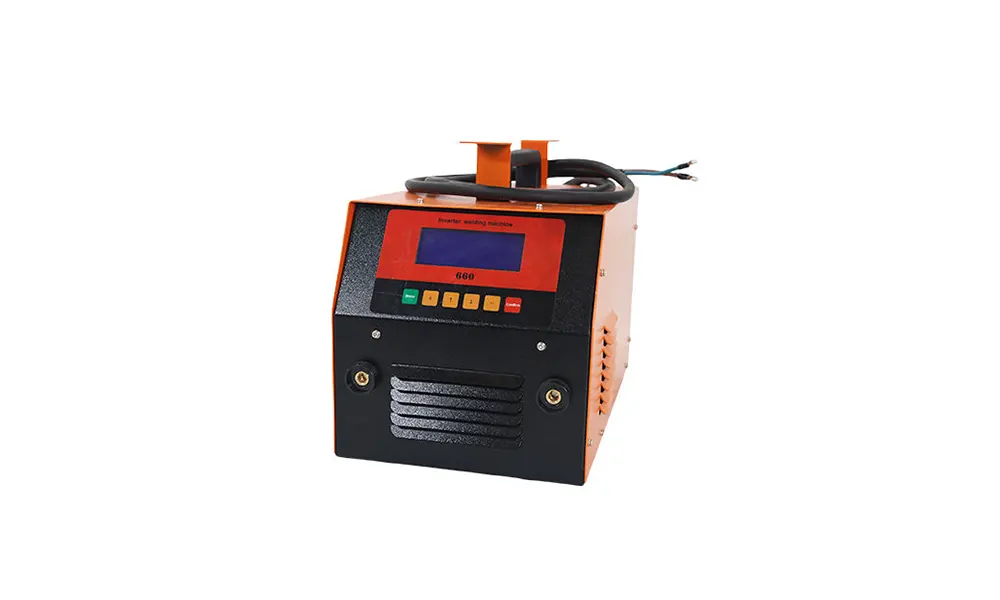
Operator fatigue and misinterpretation of data are common causes of joint failure. Therefore, a critical aspect of how to choose an electrofusion welder involves the display and controls. A high-contrast, backlit LCD screen is indispensable for bright sunlight or dim trenches. The software should guide the user through step-by-step menus, minimizing training requirements.
Furthermore, connectivity options like Wi-Fi or GPS are becoming industry necessities. These features enable real-time data transfer to cloud-based GIS mapping systems, allowing supervisors to remotely verify that every joint meets the project’s ASTM F1290 electrofusion specifications before backfilling the trench. For contractors handling large-scale infrastructure, this digital backbone provides a significant return on investment by reducing manual reporting errors.
Operator Safety and Environmental Resilience
Electrofusion environments are often harsh. The machine must possess a rugged, weatherproof casing (minimum IP54 rating) to resist dust and water ingress. Safety features should never be compromised. Key protective mechanisms include:
- Over-voltage and Short Circuit Protection: Prevents damage to both the machine and the operator if the fitting coil is defective.
- Automatic Disconnection: The unit must instantly cut power upon detecting a fault, rather than holding a potentially hazardous live charge.
- Locked Connectors: Fusion cable connectors should lock securely to the fitting terminals to prevent accidental disconnection during the cycle, which could create an arc flash hazard.
Matching the Welder to Your Project Scope
Not all electrofusion welders are generalists. Some are optimized for high-frequency low-diameter service lines, while others are roboticized for large-bore pipelines. If your scope involves a significant volume of electrofusion machines and fittings, consider the ergonomics. A machine with an integrated carry case or a robust trolley mount reduces physical strain on technicians over long shifts.
For distributors and large contracting firms, sourcing from a reliable manufacturer ensures access to after-sales calibration services. Calibration drift is a silent threat that can invalidate warranty claims on pipe installations, making factory support an essential buying criterion.
Budgeting Beyond the Initial Purchase Price
While acquisition cost is always a factor, evaluating the total cost of ownership is key to understanding how to choose an electrofusion welder wisely. An inexpensive, basic unit lacking data logging might save capital upfront but could cost millions in liability if a joint fails and no traceable proof of correct installation exists. Invest in machines that offer interchangeable cables and accessories; proprietary consumables can lock you into a single supplier and inflate operating costs significantly over the machine’s lifespan.
Accessories and Compatibility
Do not overlook the adapter system. The machine should be universally compatible with a range of fitting types, from standard couplers to saddle branches. The availability of different output cable lengths is also critical—having to haul a generator dangerously close to a trench because the leads are too short compromises site safety protocols.
Best Practices for Optimal Fusion Results
Even the most advanced control unit requires proper preparation. Always use a rotary scraper specifically designed for PE pipe; oxidized surfaces will prevent proper molecular bonding. Ensure the pipe is perfectly round (re-rounded if necessary) and clamped to prevent movement during the cooling phase. The machine handles the energy delivery, but the operator must provide a clean, aligned interface. Following PPI electrofusion guide procedures guarantees that the intelligent controller can do its job effectively.
| Troubleshooting Indicator | Potential Cause | Required Action |
|---|---|---|
| Open Circuit Error | Broken coil or loose connector | Check pin contact and fitting resistance |
| Voltage Instability Warning | Generator undersizing or voltage drop | Verify power source capacity and cable gauge |
| Low Ambient Temperature Hold | Pipe temperature below 5°C | Apply pre-heating tent; use temperature compensation |
Conclusion: Making the Right Investment
Mastering how to choose an electrofusion welder means looking beyond basic brand recognition and focusing on the specific energy requirements of your network, the traceability features of the software, and the physical robustness of the hardware. A smart buying decision prevents catastrophic joint failures which can cost significantly more than the machine itself. For contractors building critical infrastructure out of high-grade HDPE, the electrofusion processor is not just a tool—it is the guarantee of the pipeline’s lifespan.
Selecting a partner like JQ-Fusion, who provides robust in-house technical expertise alongside a comprehensive range of machines, ensures that you are not just buying hardware, but gaining access to a reliable supply chain and deep application knowledge. Whether you are specifying a unit for sensitive gas distribution or large-scale water transmission, prioritize data integrity, rugged construction, and universal compatibility to secure your project’s success from the first joint to the last.