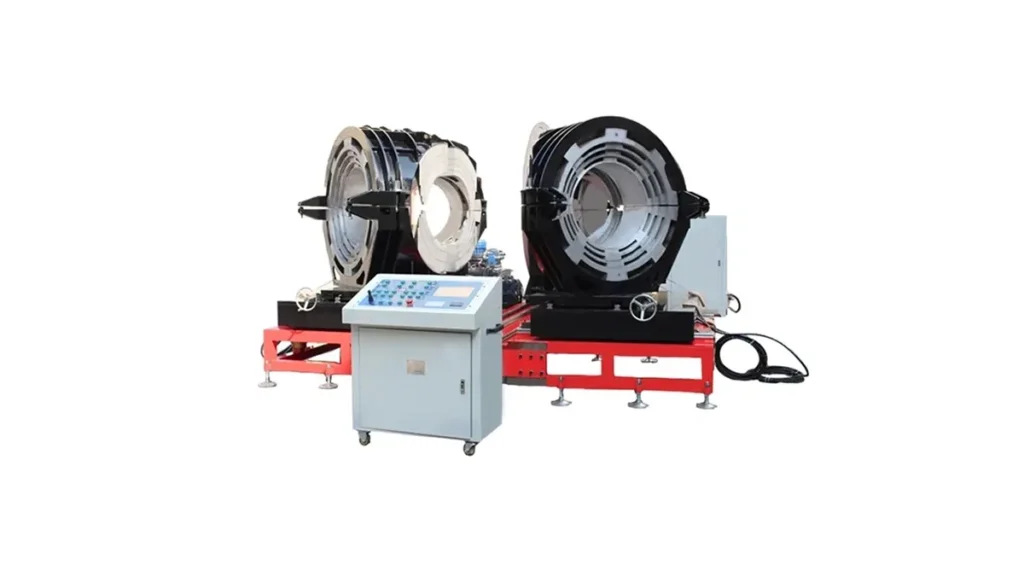
Operating a pipe welding machine efficiently requires more than just basic knowledge of the equipment. From butt fusion machines to electrofusion systems, technicians often encounter issues that compromise joint integrity, lead to costly downtime, or create safety hazards. Effective pipe welding machine troubleshooting helps identify root causes quickly and apply the right corrective actions. This guide covers the most common problems, their underlying causes, and proven solutions to keep your pipeline projects running smoothly.
Frequent Pipe Welding Machine Problems and How to Fix Them
Recognizing symptoms early is the cornerstone of pipe welding machine troubleshooting. Below is a breakdown of typical failures encountered in butt fusion welding machines, manual, hydraulic, and automatic models alike.
1. Uneven or Incomplete Fusion Joints
One of the most critical defects in HDPE pipe welding. The joint may show cold spots, lack of bead consistency, or inadequate melt penetration, often traced back to heating or alignment issues.
- Possible Cause: Low heating plate temperature or insufficient soak time.
- Possible Cause: Misaligned pipe ends or worn-out clamp inserts.
- Solution: Verify and calibrate the heating plate temperature regularly. Confirm that pipe ends are planed smooth and aligned. Refer to ISO 21307 butt fusion procedures for correct heating and cooling cycle times.
2. Heating Plate Not Reaching Set Temperature
Without sufficient heat, the PE material cannot transition to a proper melt state. This is a common early-stage fault in hydraulic and automatic models.
- Possible Cause: Faulty thermocouple or heating element.
- Possible Cause: Damaged power cable or loose electrical connection.
- Solution: Inspect heating plate contacts and replace damaged wiring. Use a surface thermometer to cross-check the digital reading. For deeper electrical faults, consult the machine’s wiring diagram or contact a qualified technician familiar with CNC automatic butt fusion machines.
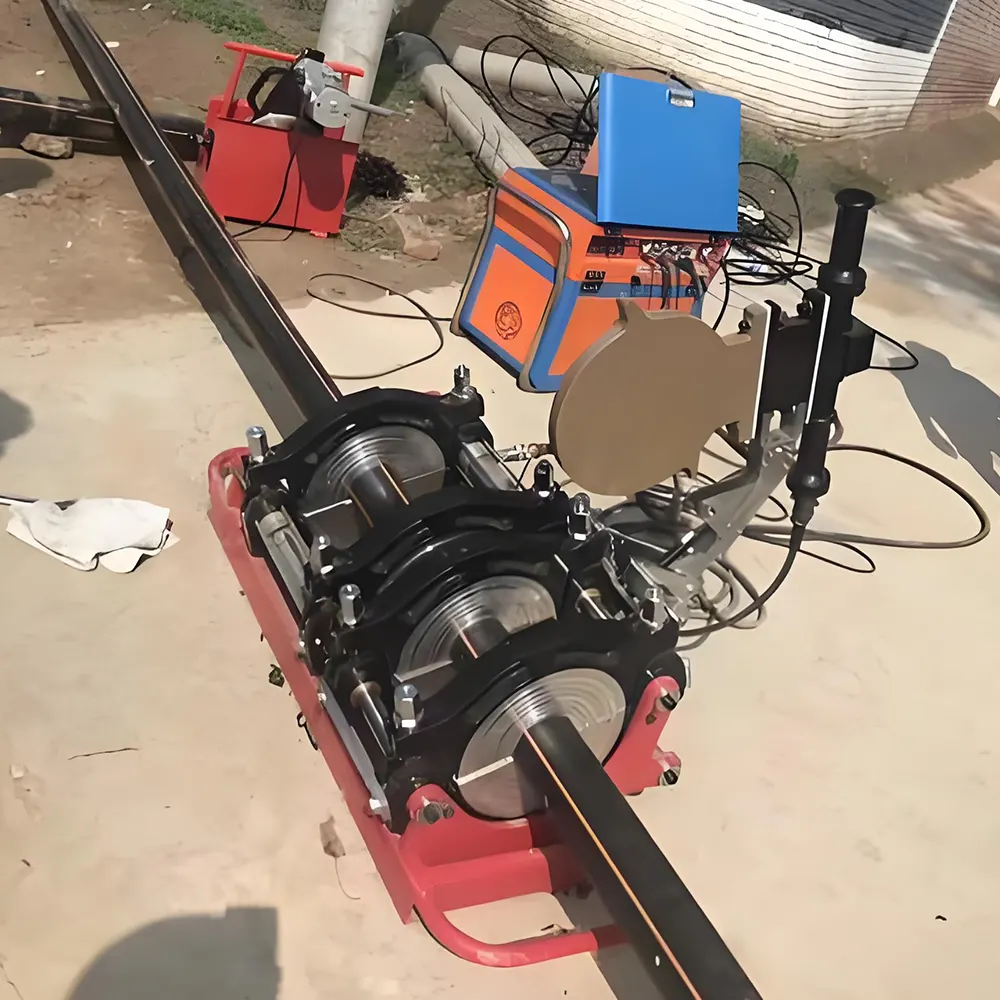
3. Hydraulic System Failure or Slow Clamp Movement
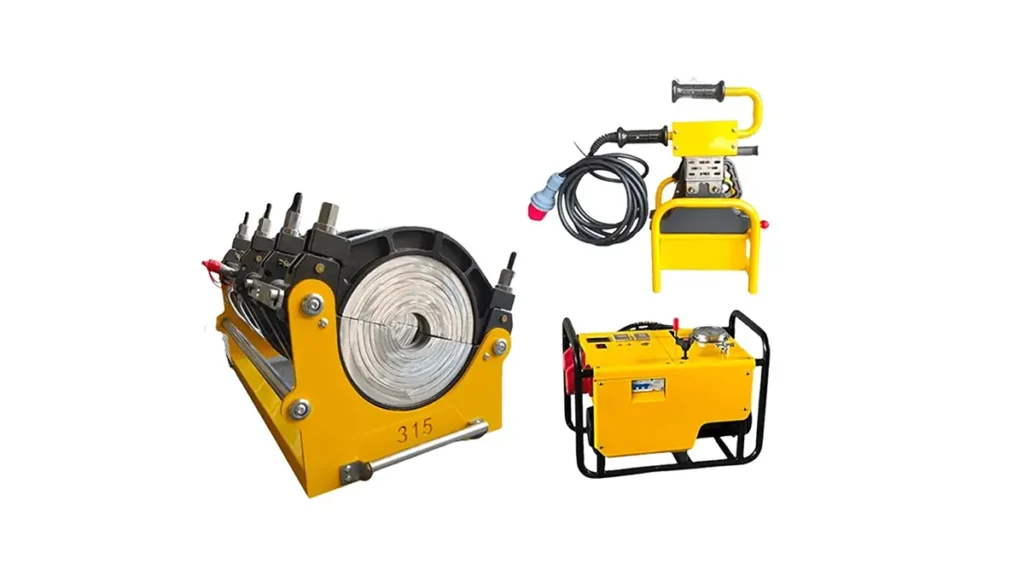
Hydraulic butt fusion welding machines depend on consistent pressure to face, heat, and fuse pipes. Sluggish cylinder movement or inability to hold pressure indicates trouble in the hydraulic circuit.
- Possible Cause: Low hydraulic oil level or contaminated oil.
- Possible Cause: Air trapped in the hydraulic system.
- Possible Cause: Worn seals or leaking hydraulic hoses.
- Solution: Bleed the hydraulic system to remove air. Replace hydraulic oil according to the manufacturer’s schedule. Inspect all hoses and fittings for visible leaks, and replace seal kits on cylinders that drift under load. For high-tonnage machines like the JQH2250mm Hydraulic Butt Fusion Welding Machine, maintaining clean oil is essential for stable fusion pressure.
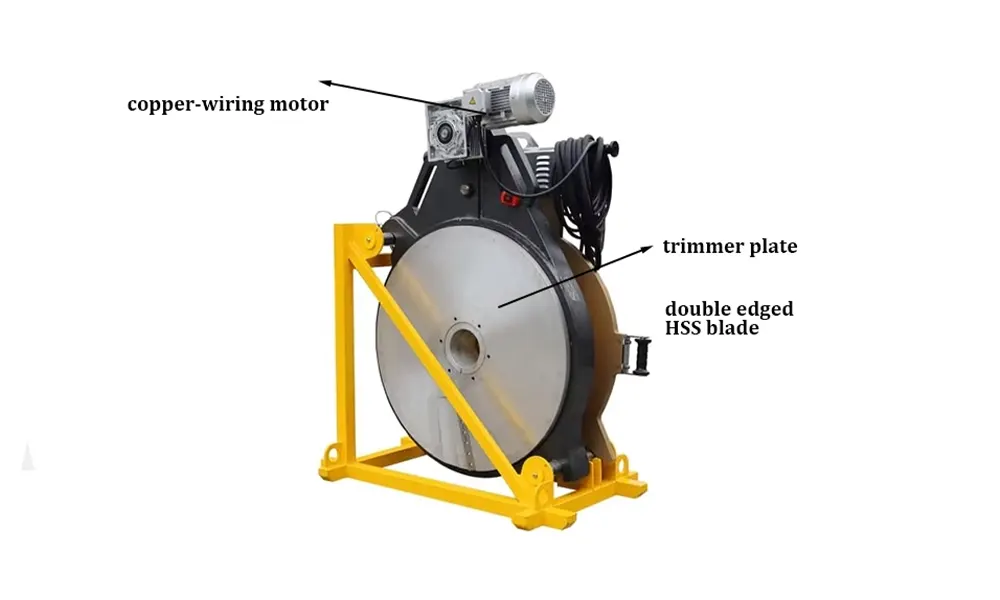
4. Trimmer Blade Drag or Uneven Pipe Facing
The trimmer prepares pipe ends for bonding. If the trimmer struggles, chatters, or produces rough faces, the fusion joint is already compromised before heating begins.
- Possible Cause: Dull or damaged trimmer blades.
- Possible Cause: Insufficient clamp pressure on the pipe.
- Possible Cause: Misaligned trimmer guide rails.
- Solution: Sharpen or replace blades as a set. Ensure pipes are clamped firmly before facing. Check guide rail alignment and clean debris from the trimmer frame. Proper facing is also emphasized in ASTM F2620 heat fusion guidelines.
Machine-Specific Troubleshooting Table
The following table summarizes common issues categorized by pipe welding machine type. Use it as a quick reference during field service or workshop diagnostics.
| Machine Type | Common Problem | Key Action |
|---|---|---|
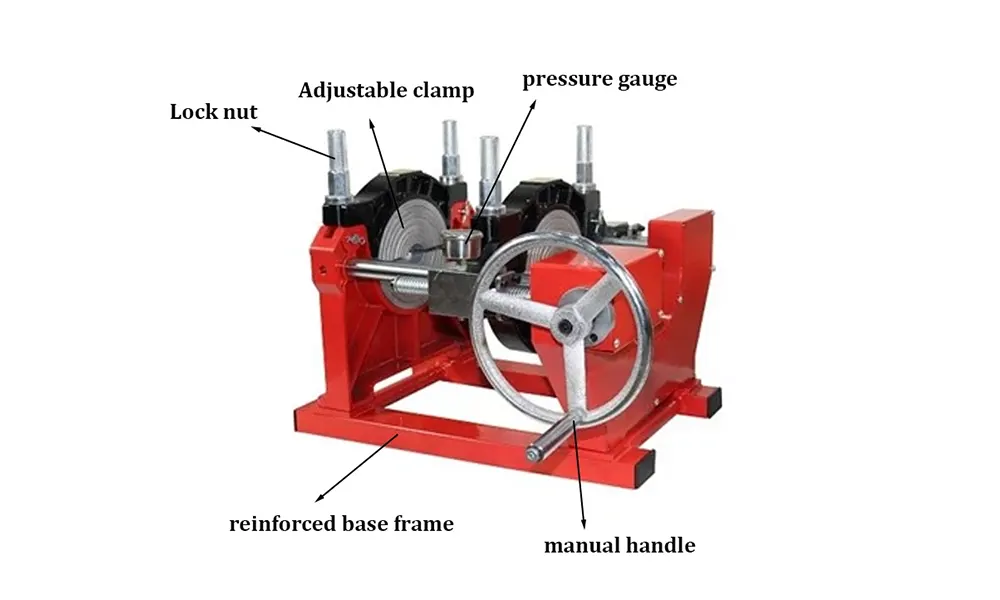
| Manual Butt Fusion | Dropping melt bead, inconsistent pressure | Check clamp tightness; apply steady, even force |
| Hydraulic Butt Fusion | Pressure loss during cooling | Inspect check valves and cylinder seals |
| Automatic/CNC Fusion | Error codes on control panel | Reset system; check sensor connections and parameters |
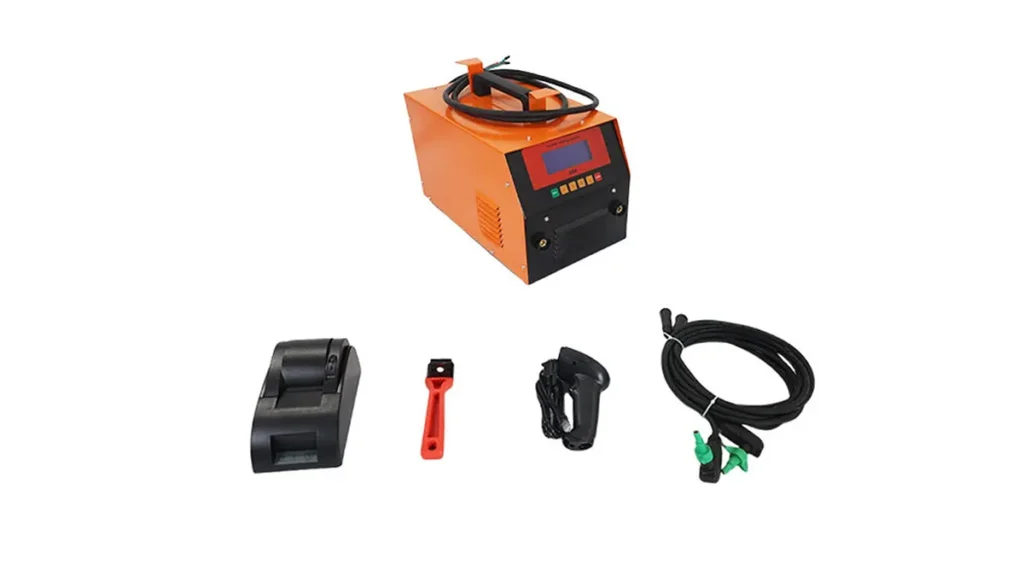
| Electrofusion Machine | Fitting not energizing or short circuit detected | Clean fitting terminals; test output voltage and cable continuity |
| Multi-Angle Fitting Machine | Difficulty achieving proper fitting alignment | Verify segment adapters and re-center the fitting jig |
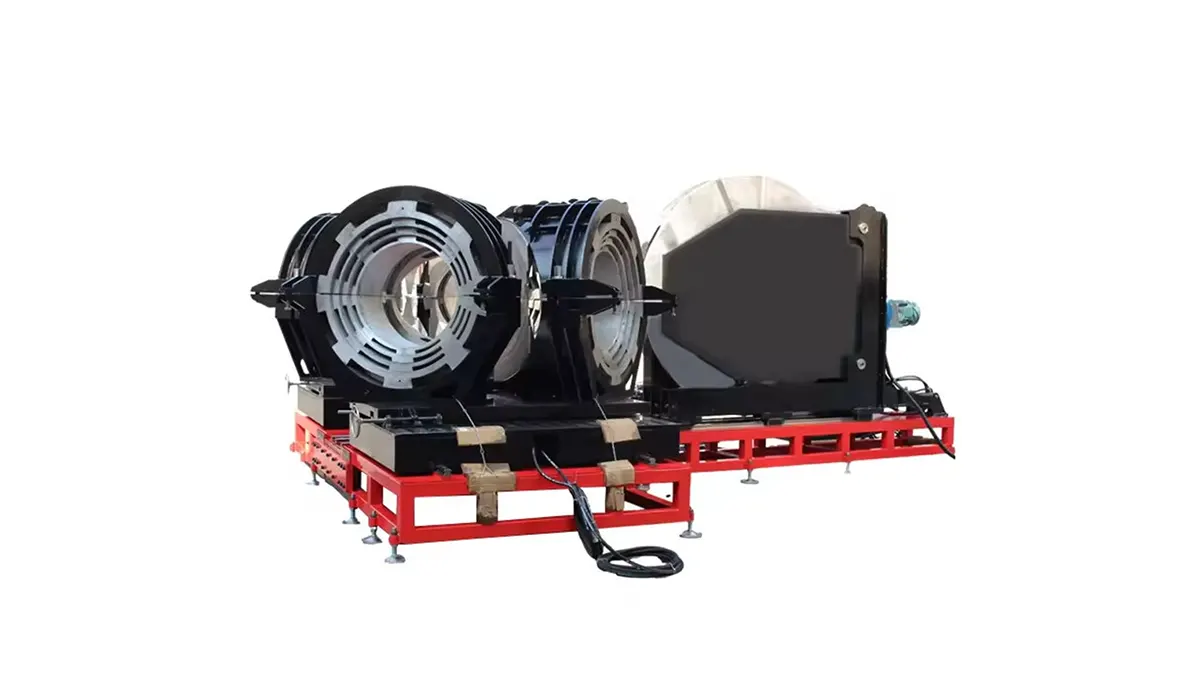
Electrical and Control System Faults
Modern pipe welding machine troubleshooting increasingly involves digital controls. Symptoms such as blank display screens, unresponsive touch panels, or inaccurate data logging often point to electrical issues.
5. Display Malfunction or Control System Errors
- Possible Cause: Voltage fluctuation or inadequate power supply.
- Possible Cause: Corroded or loose terminal blocks.
- Solution: Use a voltage stabilizer where power supply is inconsistent. Tighten all terminal screws and apply dielectric grease to prevent moisture ingress. For PLC-controlled systems, back up parameters and perform a factory reset if anomalies persist.
6. Inaccurate Temperature Readings
- Possible Cause: Damaged PT100 sensor or thermocouple drift.
- Possible Cause: Controller calibration out of date.
- Solution: Replace the temperature sensor and recalibrate using a certified dry block calibrator. Cross-reference with PE butt fusion equipment standard to ensure compliance.
Maintenance Habits That Prevent Future Downtime
While reactive repair is essential, proactive care drastically reduces the frequency of troubleshooting. JQ-Fusion, a professional manufacturer specializing in HDPE pipe welding machines, recommends integrating the following habits into daily operations:
- Clean the heating plate non-stick coating with a non-abrasive cloth while still warm.
- Lubricate slide rails and lead screws monthly to prevent binding.
- Inspect hydraulic butt fusion welding machine hoses for abrasion before every major project.
- Store machines with covers in dusty or high-humidity environments.
- Keep spare fuses, relays, and a calibrated temperature probe on site.
When to Escalate: Seeking Expert Support
If basic checks do not resolve the issue, deeper mechanical or software faults may be present. Problems such as persistent drift in hydraulic cylinders, repeated control board failures, or inconsistent fusion data logs require manufacturer-level diagnostics. Always have your machine model and serial number ready when contacting technical support. For comprehensive guidance, resources like the PPI butt fusion procedure and PPI technical guidance offer valuable reference points for best practices in the field.
Quick Reference: Mechanical vs. Electrical Symptoms
The following summary helps operators quickly categorize the nature of a fault:
- Mechanical symptoms: Unusual noise during trimmer rotation, hydraulic oil leaks, physical misalignment, excessive vibration. These often relate to worn parts or insufficient lubrication.
- Electrical/Control symptoms: Error codes, heater not engaging, display flickering, unexpected shut-downs. These indicate power supply instability, sensor failure, or software glitches.
Effective pipe welding machine troubleshooting combines symptom observation with systematic isolation of the root cause. By using the checklists and maintenance tips above, contractors can minimize fusion defects and extend the service life of their equipment. For persistent issues, always refer to the manufacturer’s service documentation and utilize calibrated test equipment to verify repairs.