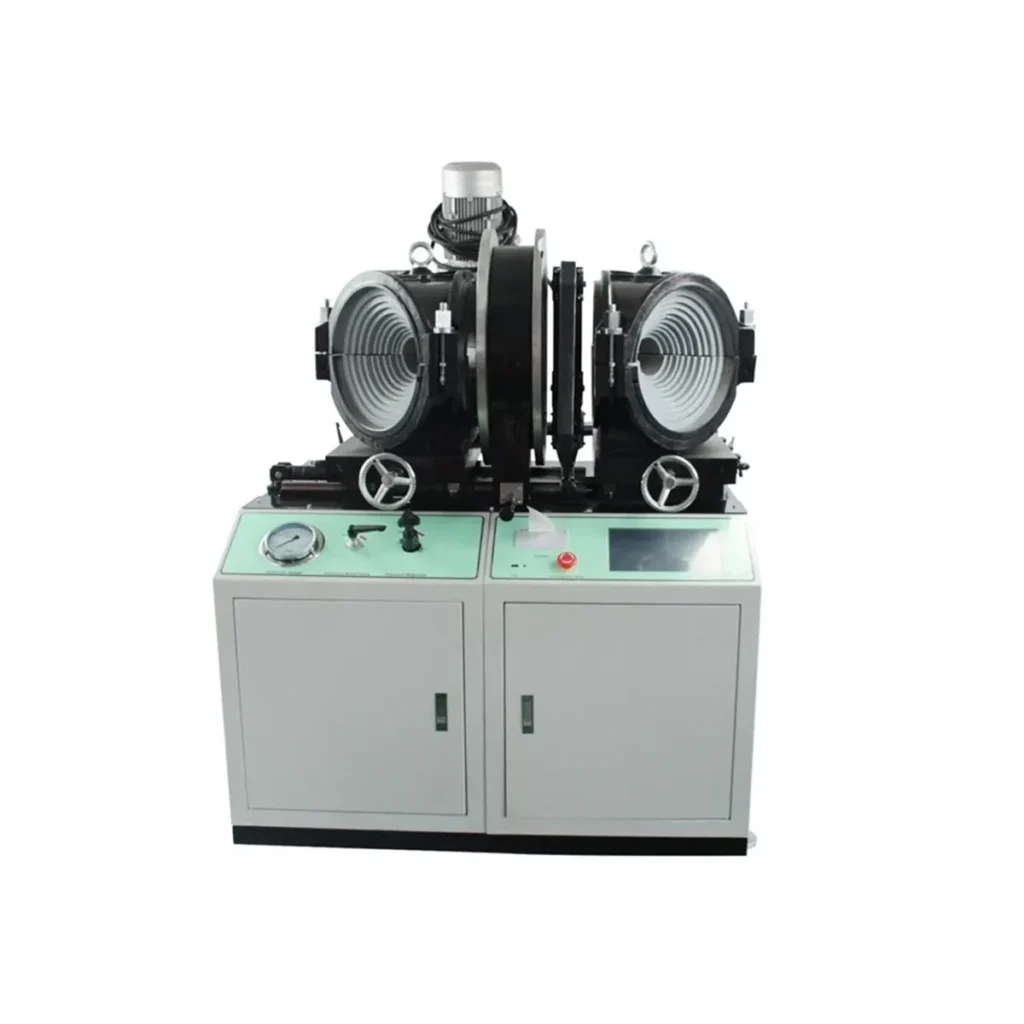
Standard Dimension Ratio (SDR) is one of the most critical parameters in HDPE piping projects. It defines the relationship between pipe diameter and wall thickness, directly influencing pressure rating, material handling, and most importantly, your butt fusion welding strategy. Choosing an HDPE pipe welding machine for different SDR ratings requires deep understanding of how clamping force, heating plate temperature, and interfacial pressure must adapt to varied wall thicknesses.
Whether you are working with SDR 7.4 thick-wall pipes for high-pressure gas or SDR 41 thin-wall conduits, the equipment must deliver consistent fusion integrity. This guide provides a comprehensive framework to select the right machine based on SDR variations, ensuring you meet ISO 21307 butt fusion procedures and project specifications.
Understanding SDR and Its Impact on Welding Parameters
The SDR value is calculated as the nominal outside diameter divided by the minimum wall thickness. A lower SDR number indicates a thicker pipe wall, which requires higher heating and cooling times, along with increased clamping rigidity. Conversely, higher SDR pipes are thinner and more susceptible to deformation during the fusion cycle. An HDPE pipe welding machine for different SDR ratings must offer precise pressure control to avoid over-squeezing thin-wall pipes or failing to generate adequate melt flow in thick-wall segments.
Key variables influenced by SDR include heat soak time, bead-up pressure, and cool-down duration under pressure. Using the same welding parameters for SDR 11 and SDR 26 without machine adjustment will lead to either incomplete fusion or excessive material displacement. This is why selecting equipment with fine-tunable hydraulic regulation or CNC automatic data logging becomes essential for multi-SDR environments.
SDR Range and Recommended Machine Types
| SDR Rating | Wall Thickness Profile | Recommended Machine Category |
|---|---|---|
| SDR 7.4 – SDR 9 | Very Thick Wall | High-force hydraulic butt fusion machines |
| SDR 11 – SDR 13.6 | Standard Thick Wall | Hydraulic or heavy-duty manual units |
| SDR 17 – SDR 21 | Medium Wall | Standard hydraulic or robust manual machines |
| SDR 26 – SDR 41 | Thin Wall | Precision-controlled CNC automatic machines |
Critical Machine Features for Multi-SDR Operations
When evaluating an HDPE pipe welding machine for different SDR ratings, look beyond basic diameter compatibility. The machine’s ability to handle varied wall thicknesses depends on several engineering factors that directly affect joint quality across the SDR spectrum.
1. Clamping Force Distribution and Insert Reduction
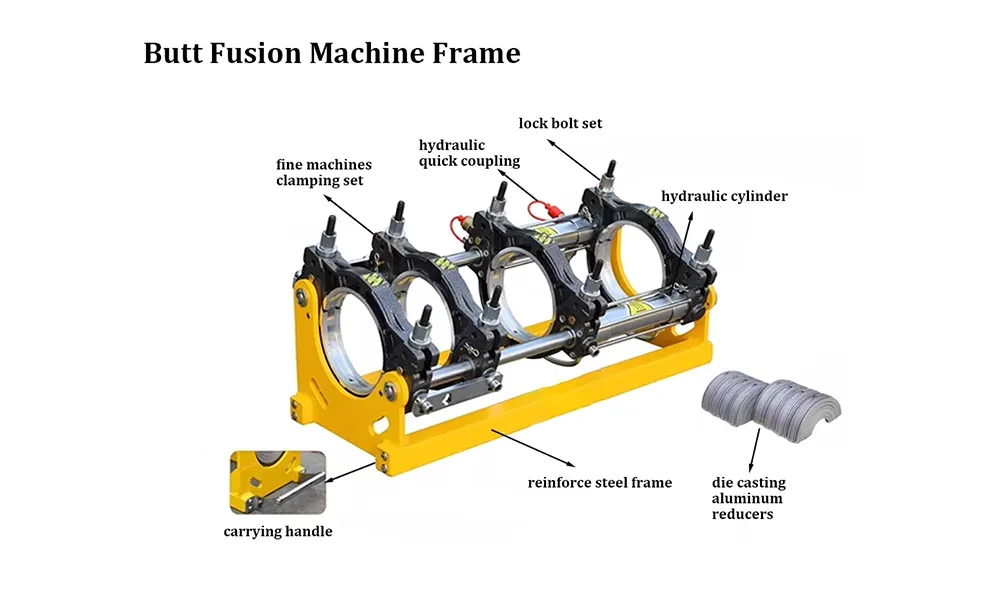
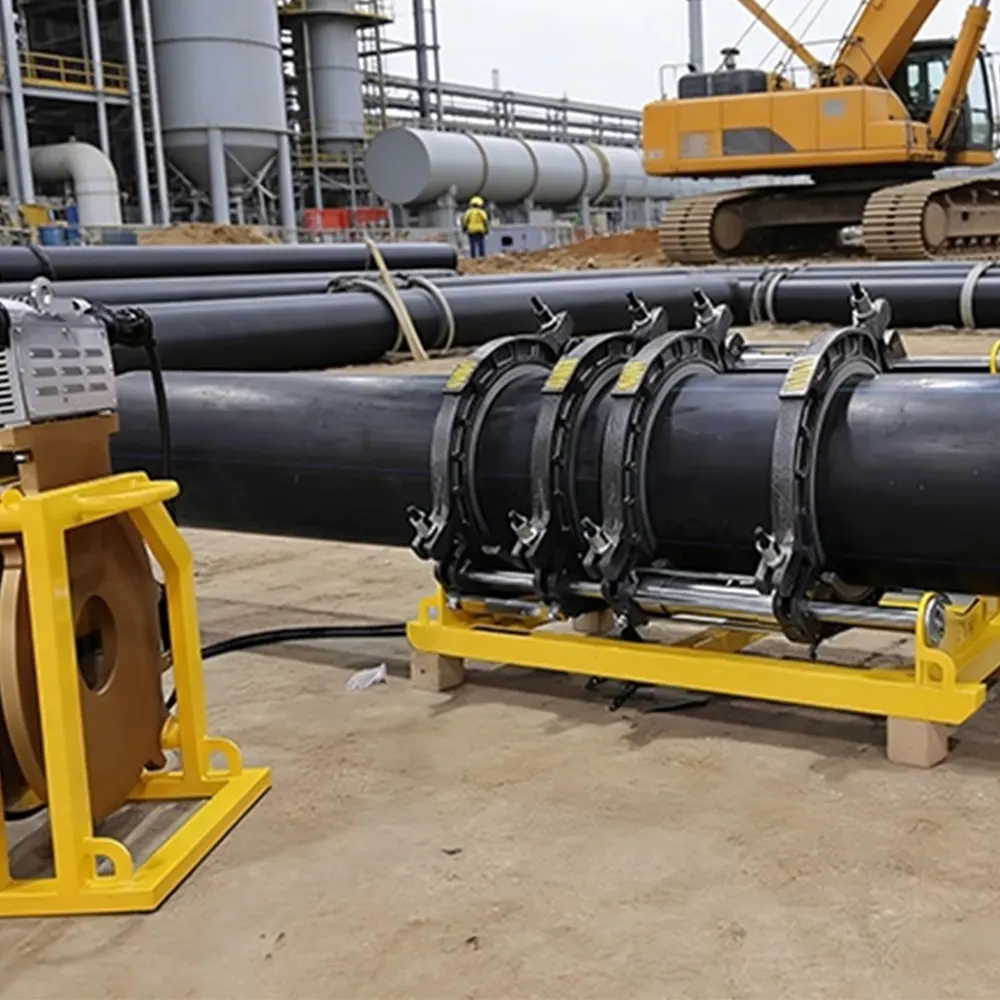
Thick-wall pipes typically require high clamping force to overcome material stiffness and maintain alignment during the fusion cycle. However, when switching to thin-wall high-SDR pipes, excessive clamp pressure can cause pipe ovality or surface damage. Advanced machines feature adjustable clamping inserts or reduction adapters that distribute force evenly without compromising roundness. This is particularly important when a single hydraulic butt fusion welding machine must cover both SDR 11 and SDR 33 applications.
2. Heating Plate Temperature Uniformity
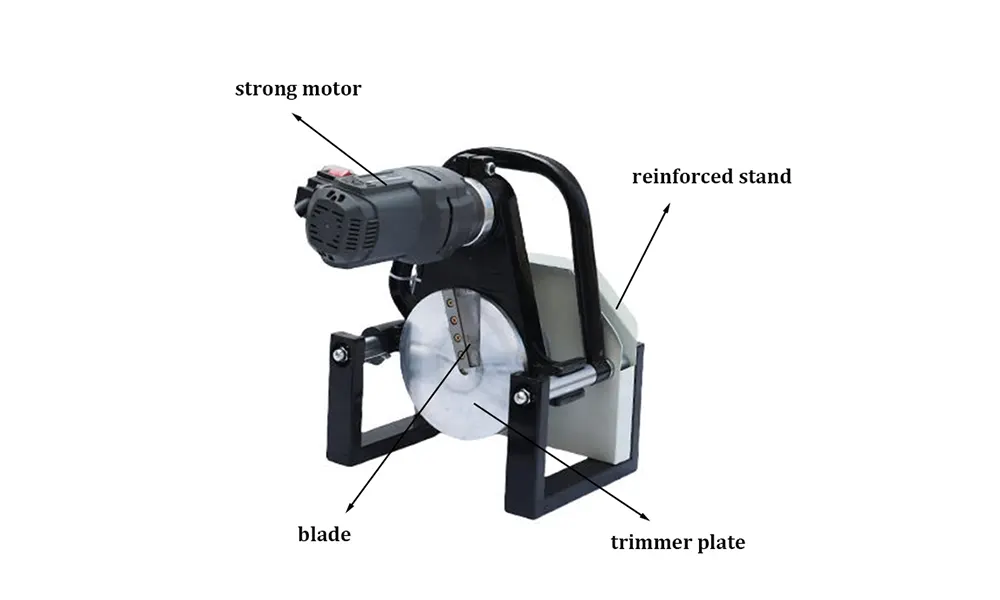
The heating plate must maintain consistent surface temperature within ±5°C across the entire area. For thick-wall pipes, the heat needs to penetrate deeper material layers, requiring longer soak times at precise temperatures. If the plate has cold spots, fusion quality degrades rapidly. Digital temperature controllers with real-time monitoring are essential when dealing with changing SDR specifications throughout a workday.
3. Hydraulic Pressure Regulation Accuracy
Interfacial pressure during heating and cooling phases is calculated based on pipe cross-sectional area, which changes significantly with SDR. A machine with fine-resolution pressure adjustment (often 0.1 MPa increments) allows operators to set optimal parameters for each SDR. Without this capability, thin-wall pipes risk buckling under excessive fusion pressure, while thick-wall pipes may fail to develop proper bead geometry.
Matching Machine Type to SDR Application Profile
Different project environments demand different equipment categories. Understanding how machine characteristics align with SDR requirements will streamline your selection process.
Manual Butt Fusion Machines for SDR Flexibility
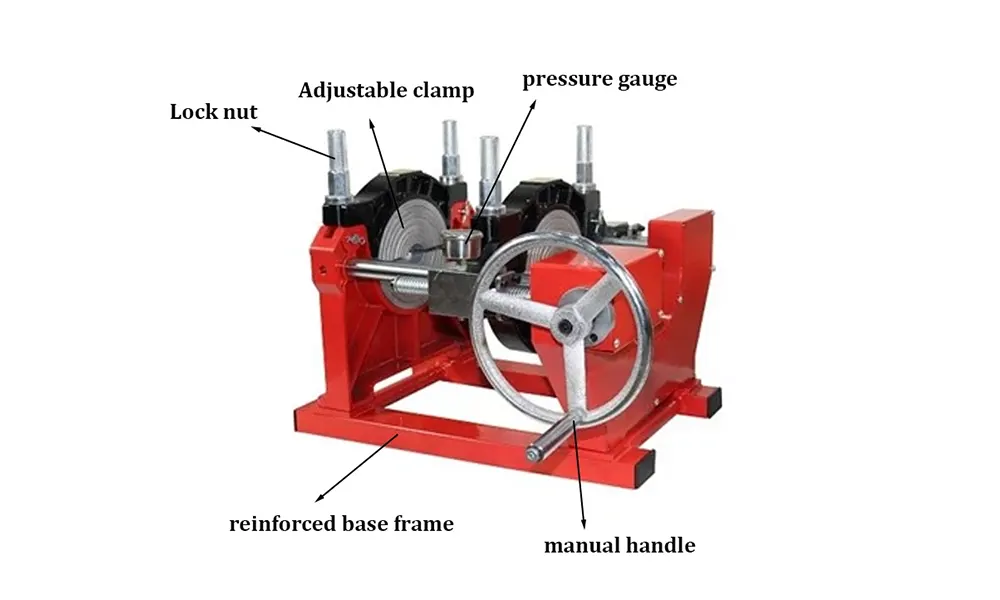
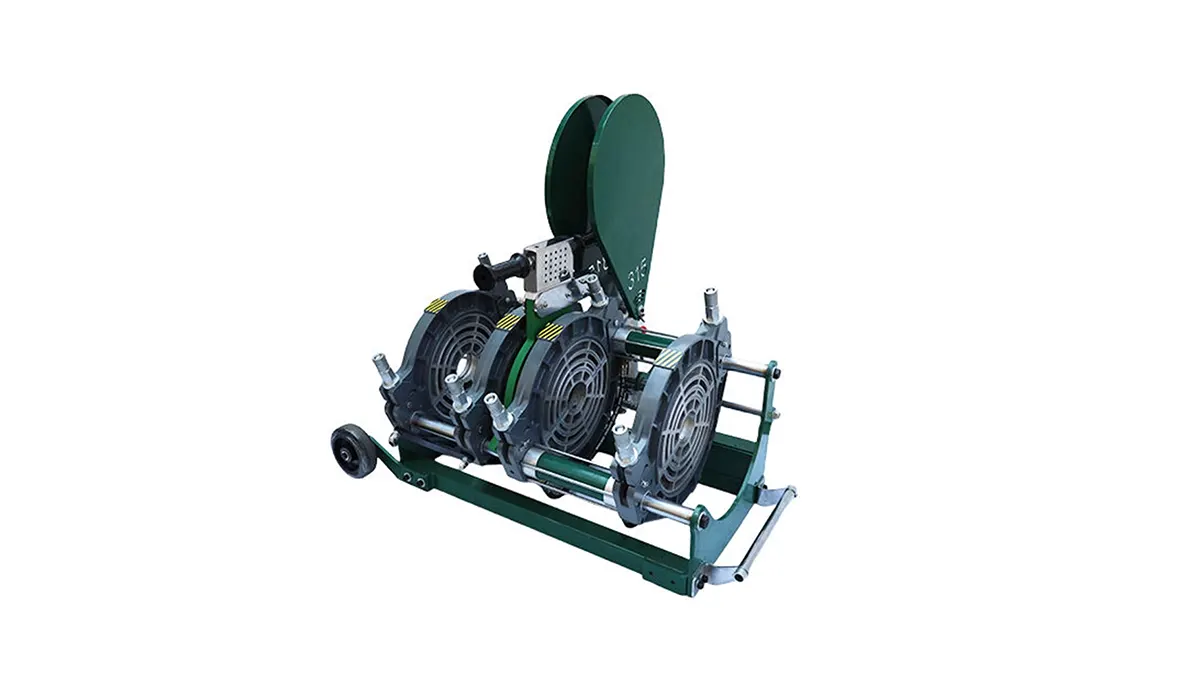
Manual machines are suitable for smaller diameter ranges where operator skill can compensate for SDR variations. They are commonly used for SDR 11 through SDR 26 pipes up to 250mm. However, maintaining consistent bead size across different wall thicknesses requires experienced technicians who understand dwell time adjustments. When projects involve frequent SDR changes, semi-automatic support features become valuable.
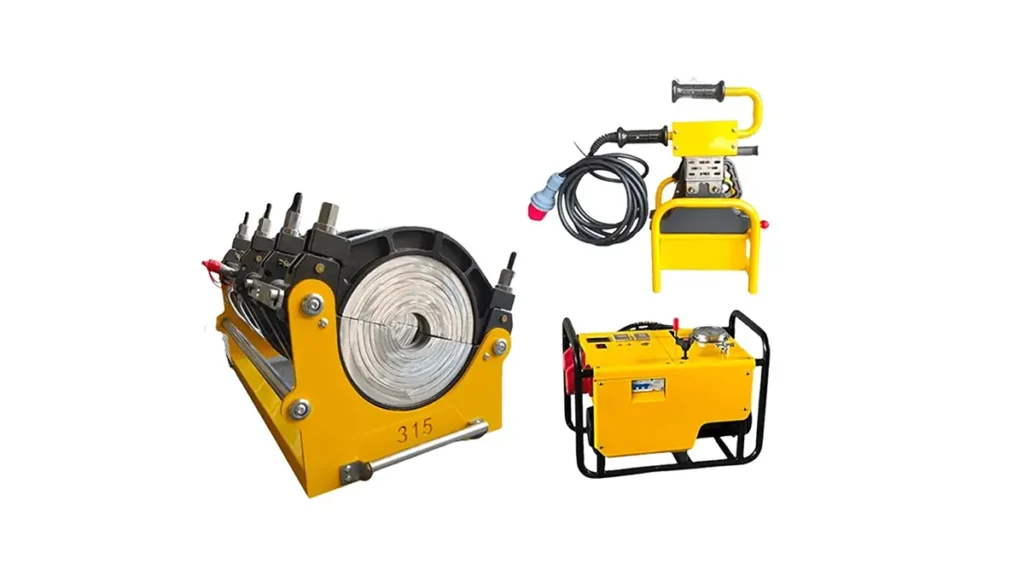
Hydraulic Machines for Thick-Wall and Large-Diameter SDR Ranges
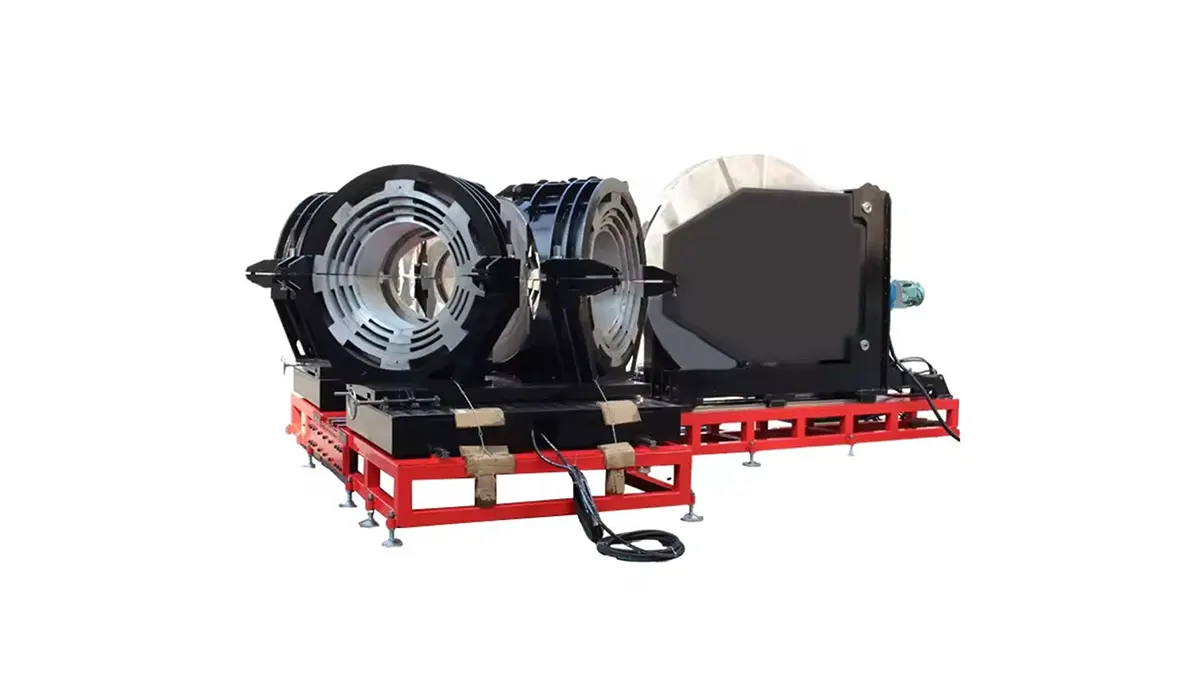
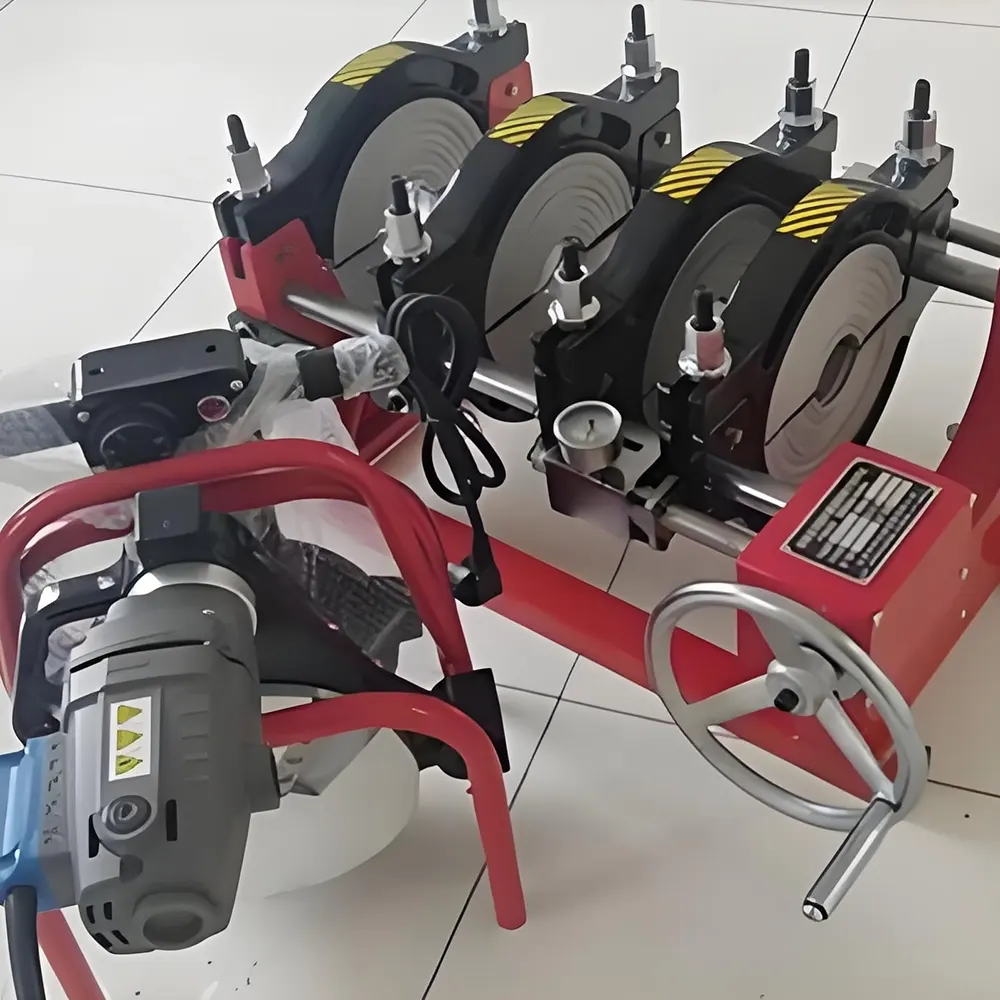
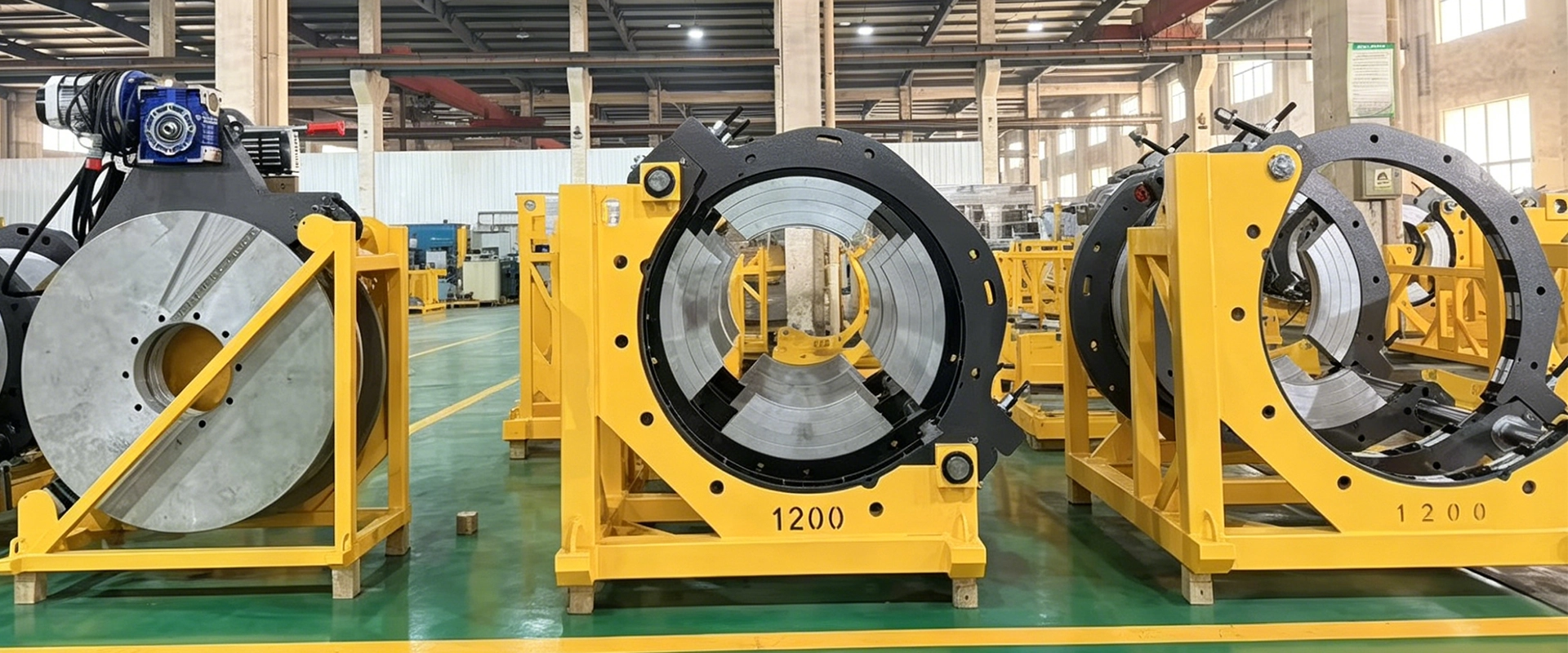
For SDR 7.4 to SDR 17 pipes above 315mm, hydraulic systems provide the necessary force and stability. The hydraulic station should allow accurate pressure calculation based on SDR-specific drag and fusion parameters. Look for machines with dual pressure gauges and calibrated hydraulic cylinders that respond smoothly to operator inputs, preventing pressure spikes that could damage thin-wall segments when transitioning between SDR profiles.
CNC Automatic Machines for Precision SDR Management
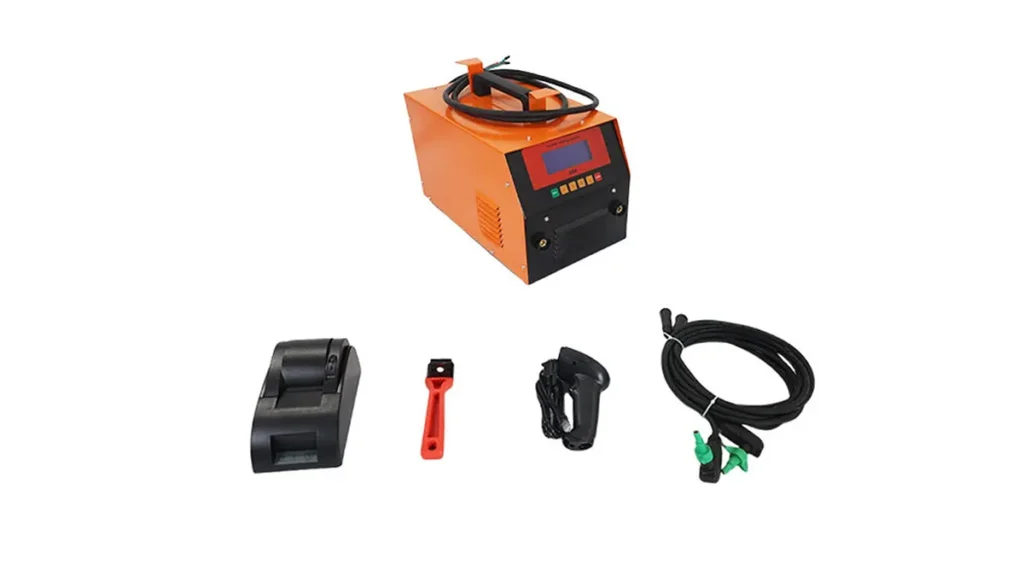
When projects demand documented weld quality across multiple SDR ratings, CNC automatic machines deliver pre-programmed parameter sets, force-controlled fusion cycles, and traceability reports. Operators simply input pipe diameter and SDR, and the machine calculates optimal heating time, pressure, and cooling duration. This eliminates human error and ensures compliance with PE butt fusion equipment standards.
| Selection Factor | Thick-Wall (Low SDR) Priority | Thin-Wall (High SDR) Priority |
|---|---|---|
| Clamping Force | High, with rigid frame | Controlled, with anti-deformation inserts |
| Heating Soak Time | Extended, deep penetration | Shorter, surface melt focus |
| Bead-Up Pressure | Higher initial pressure | Lower, gradual build-up |
| Cooling Cycle | Longer under full pressure | Shorter but strictly controlled |
International Standards Governing SDR and Fusion Equipment
Compliance with established standards ensures weld quality and regulatory acceptance. The following documents provide detailed guidance for HDPE pipe welding machine for different SDR ratings and their application protocols.
- ISO 21307 butt fusion procedures — defines single low-pressure and dual high-pressure fusion protocols for various wall thicknesses.
- ISO 12176-1 equipment standard — specifies performance requirements for butt fusion machinery.
- ASTM F2620 heat fusion standard — covers practice for joining PE pipe and fittings using heat fusion.
- PPI technical guidance — provides comprehensive technical notes on PE pipe fusion across different SDR categories.
Common Challenges When Welding Different SDR Pipes
Operators frequently encounter bead inconsistency when switching between thick and thin wall pipes on the same machine. This usually stems from incorrect pressure calculation or inadequate heating plate temperature recovery. Another common issue involves pipe slippage in clamps during fusion of high-SDR pipes — a symptom of insufficient insert support. Addressing these requires both operator training and equipment with adequate adjustment range.
Why Machine Versatility Matters in Modern Projects
Many infrastructure projects today mix different SDR pipes within the same network. Pressure reduction zones often transition from SDR 11 to SDR 26, demanding a welding machine that can adapt quickly. Selecting versatile equipment saves logistics costs and ensures consistent joint integrity throughout the pipeline. JQ-Fusion manufactures a full range of butt fusion welding machines designed with this operational flexibility in mind, from compact manual units to fully automatic hydraulic systems.
When procuring an HDPE pipe welding machine for different SDR ratings, prioritize specifications related to clamping adaptability, pressure control granularity, and heating plate thermal stability. Validate that the machine’s parameter range covers your thickest and thinnest SDR applications simultaneously. If possible, request factory calibration certificates and temperature mapping reports to confirm consistent performance across the SDR range you intend to weld.
Key Takeaways for Equipment Selection
- Always match machine clamping capacity to your lowest SDR (thickest wall) requirement.
- Prioritize machines with adjustable pressure control for high-SDR thin-wall precision.
- Invest in CNC automatic machines if your project crosses three or more SDR profiles.
- Verify heating plate temperature uniformity under load conditions.
- Ensure operator training includes SDR-specific parameter adjustments.
Expanding your equipment knowledge supports better procurement decisions. For related insights, explore our resources on butt fusion technology and application-specific machine configurations.