
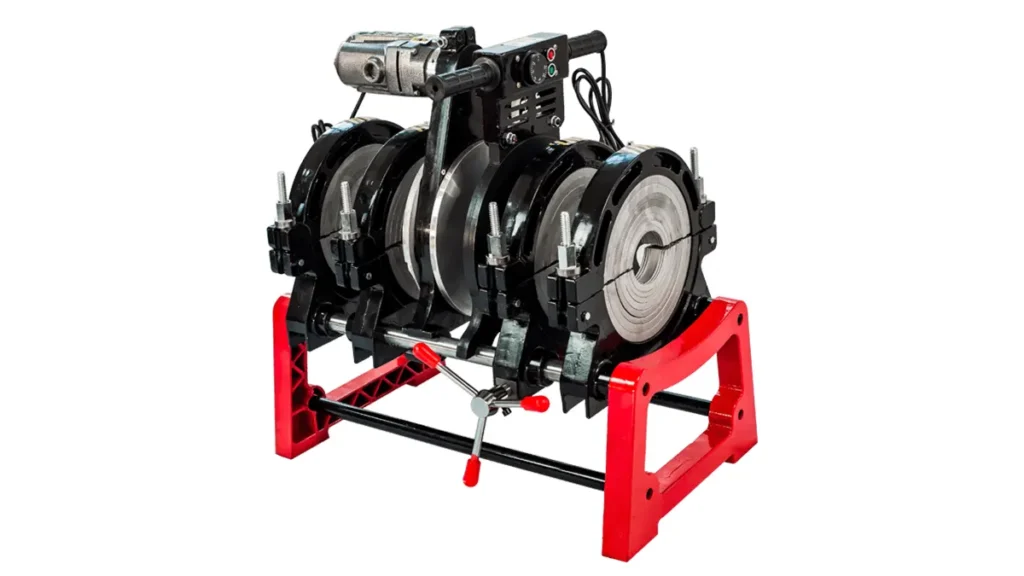
Selecting the right pipe welding machine for irrigation projects is critical for ensuring durable, leak-free pipeline networks that can handle constant water pressure and variable field conditions. From small-scale drip systems to large-diameter mainlines, the performance of your HDPE pipe joints directly impacts long-term reliability and maintenance costs. Butt Fusion remains the most widely trusted method for joining PE pipes in agricultural infrastructure, but not every machine is designed to meet the demands of irrigation work. Understanding the key factors before you invest will save time, reduce failures, and improve overall system efficiency.
Understanding Pipe Diameter and Wall Thickness Requirements
Irrigation projects vary significantly in scale. A small farm may use pipes as narrow as 90 mm, while large commercial systems can require diameters up to 1200 mm or more. The pipe welding machine for irrigation you choose must match this range.
- Small-Diameter Work (≤315 mm): A Manual machine is often sufficient and more cost-effective for contractors handling lateral lines.
- Mid-Range Pipelines (355 mm – 800 mm): Hydraulic systems provide the necessary clamping force and reduce operator fatigue, especially in heavy-wall pipes.
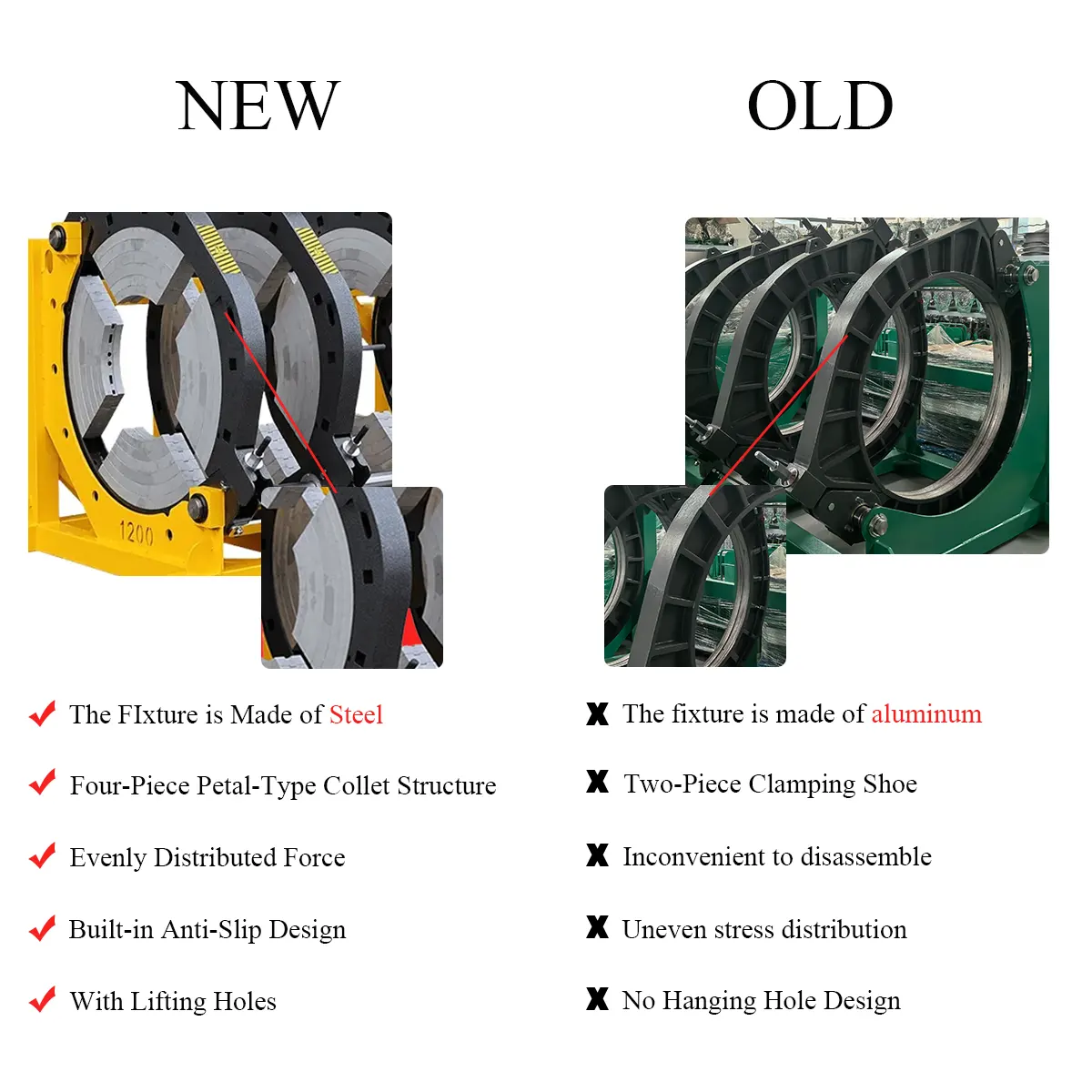
- Large-Diameter Trunk Lines (≥900 mm): Look for frames with robust clamps and integrated lifting systems. High-capacity hydraulic butt fusion machines are essential here.
Manual, Hydraulic, or Automatic: Matching Machine Type to Your Crew
Your workforce’s skill level and the project’s timeline will determine the ideal control system. Manual machines are incredibly durable and portable, suitable for open-field repairs. Hydraulic machines significantly speed up the process and ensure precise alignment, which is vital for adhering to ISO 21307 butt fusion procedures. For repetitive, high-volume work, a CNC Automatic machine digitizes the process, storing joint data and minimizing human error — a huge advantage for large-scale government or commercial irrigation projects.
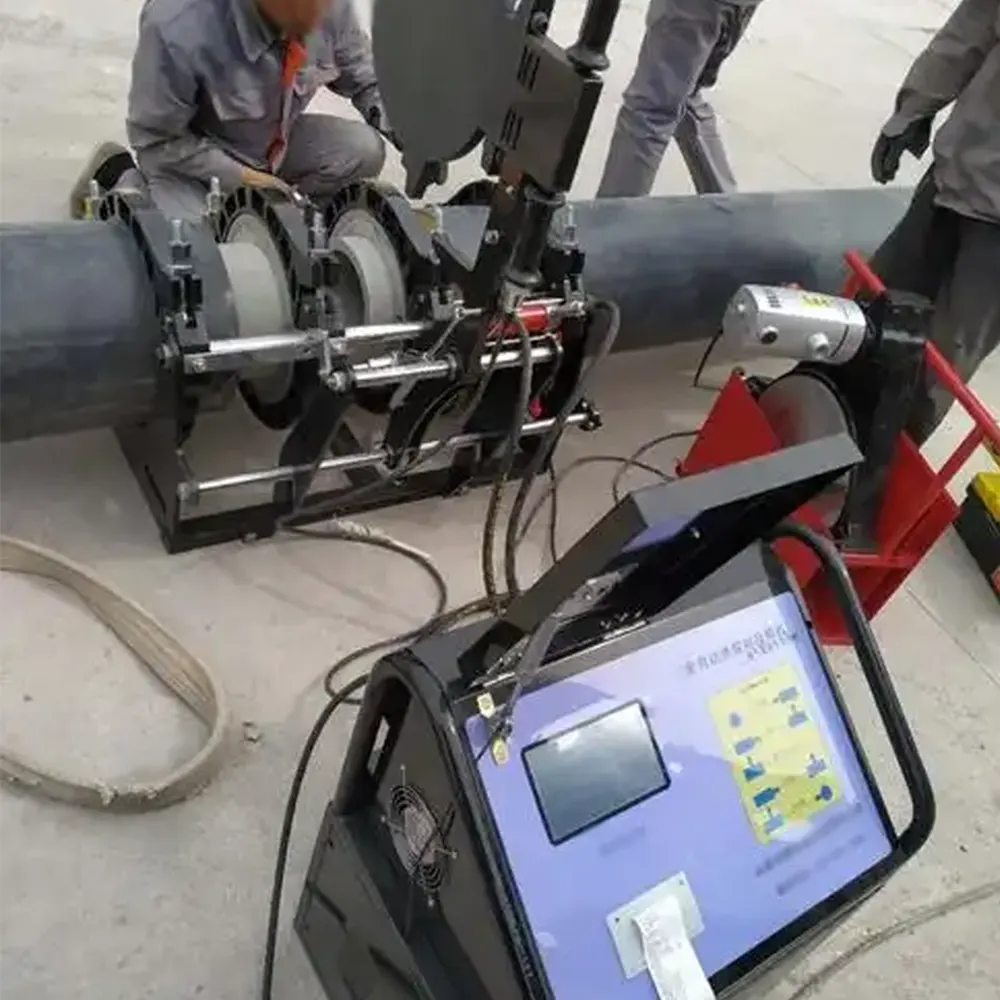
Evaluating Key Components: Clamps, Heating Plate, and Trimmer
The quality of a joint is only as good as the sum of its parts. When investing in a pipe welding machine for irrigation, inspect these core components closely:
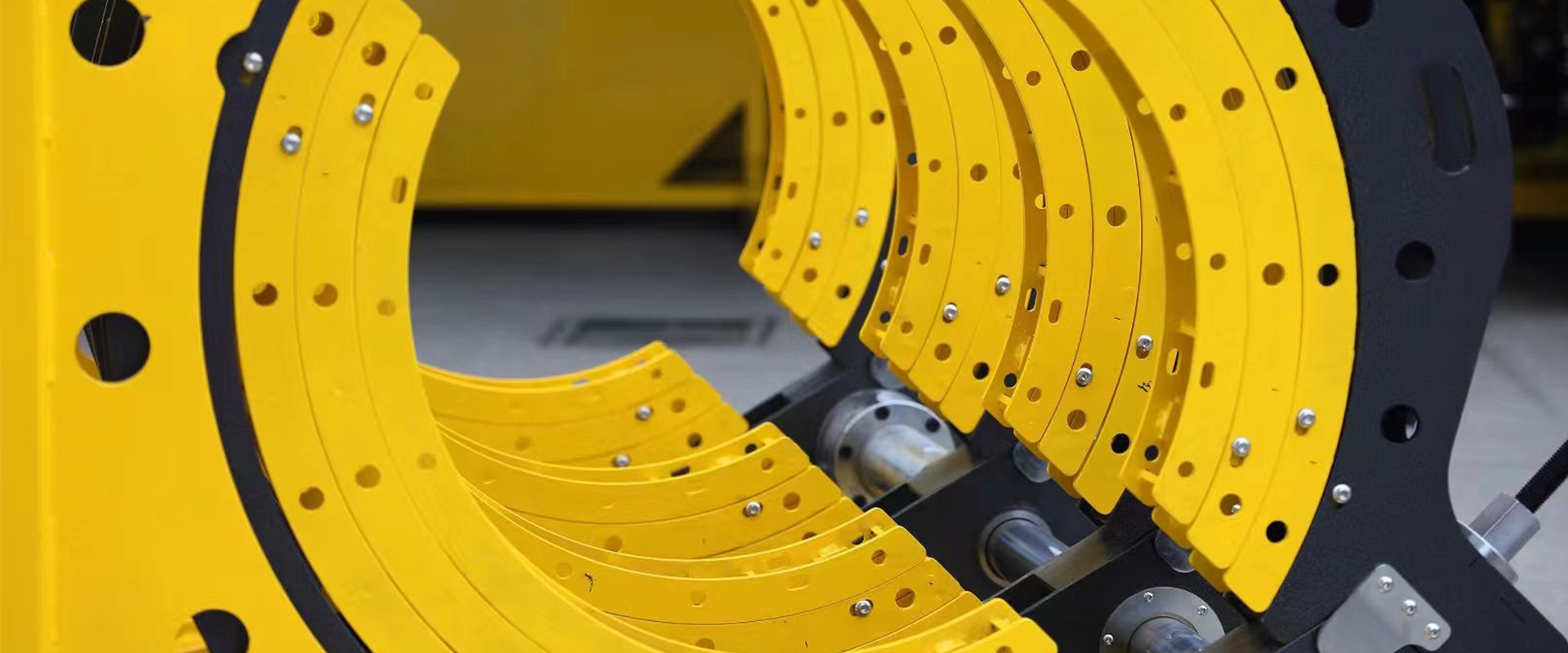
- Clamp Inserts: They must be perfectly round, free of burrs, and correctly sized to prevent high-low misalignment (a common cause of irrigation leaks).
- Heating Plate: Uniform temperature distribution is non-negotiable. Check for precise digital controls and non-stick coating.
- Trimmer: Sharp, double-sided blades provide the smooth, parallel faces needed for proper fusion.
Many field failures, particularly in sandy agricultural environments, stem from worn trimmers or dirty heating plates.
Mobility and Power Sources in the Field
Unlike fixed factory environments, irrigation installation means constantly moving along trenches. Consider the machine’s weight and chassis design. It must be easy to lift, stabilize, and reposition. For power, hydraulic machines typically require an external power pack or a tractor PTO, which is common on farms. Automatic machines and electrofusion units often need a stable generator.
Key Features to Look For in a Welding Machine
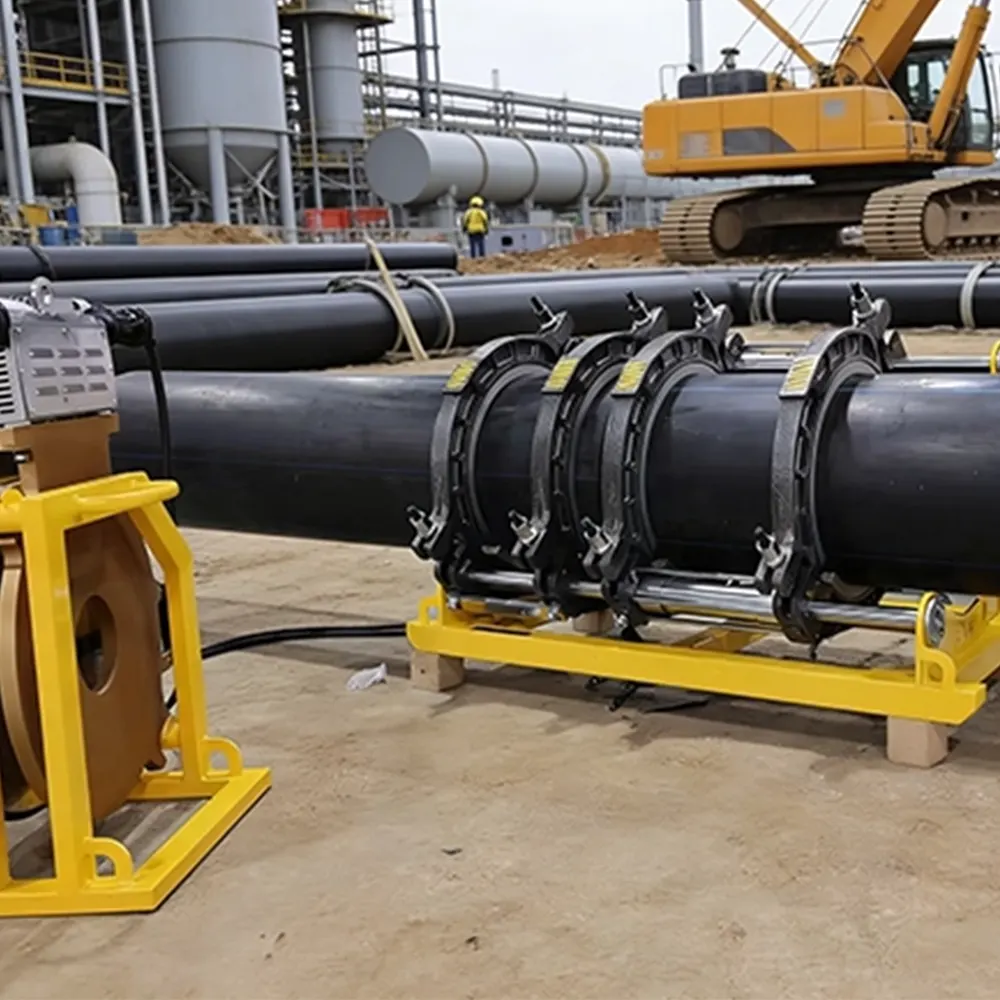
Modern solutions offer advanced features that directly combat common irrigation pipeline issues. Below is a comparison of critical attributes:
| Feature | Benefit for Irrigation Projects |
|---|---|
| Data Logging | Records pressure and temperature for compliance with ASTM F2620 heat fusion audits. |
| All-Metal Frame | Maintains alignment on uneven soil, preventing stress on the joints. |
| Quick-Change Clamps | Adapts quickly when pipe diameters shift between mainlines and laterals. |
| Weather Resistance | Protects electrical components from dust, moisture, and morning dew. |
Why Joint Integrity Matters More Than Speed
In irrigation, pipelines often run for decades under variable soil pressure and water hammer conditions. A rushed cold joint or misaligned bead can burst months after installation. The best pipe welding machine for irrigation prioritizes consistent bead formation and correct melt pressure. It allows the operator to follow standardized fusion cycles, ensuring the joint is stronger than the pipe itself.
Durability and After-Sales Support
Agricultural contracting seasons are tight. Equipment downtime can derail harvests or delay planting. Choosing a supplier with responsive support is therefore vital. Reputable manufacturers like JQ-Fusion offer durable, high-quality equipment backed by strict quality control. Rigorous testing on temperature accuracy and clamp alignment ensures reliable performance. Additionally, machines designed for easy maintenance — with accessible hydraulic ports, replaceable bushings, and standard electrical connectors — keep you working without unnecessary delays. Navigating the balance between cost and quality becomes easier when you reference the PE butt fusion process guidelines from PPI, understanding why precise engineering matters in fusion equipment.
Quick Checklist Before You Buy
- Confirm the machine’s clamping range matches your pipe diameter and SDR.
- Verify the heating plate has a digital thermostat, not just an analog dial.
- Check if the trimmer frame preserves alignment during cutting.
- Ensure you can source spare parts locally or through a dependable distributor network.
- Test the machine’s weight if it will be moved manually across fields.
Final Thoughts
Whether you are laying a 10-hectare drip system or a 500 mm trunk line for a large cooperative, the right equipment turns a technically challenging job into a seamless operation. Focus on proper alignment tools, consistent heating, and the specific demands of ISO 4427 PE water pipes to protect your investment for years to come.



