
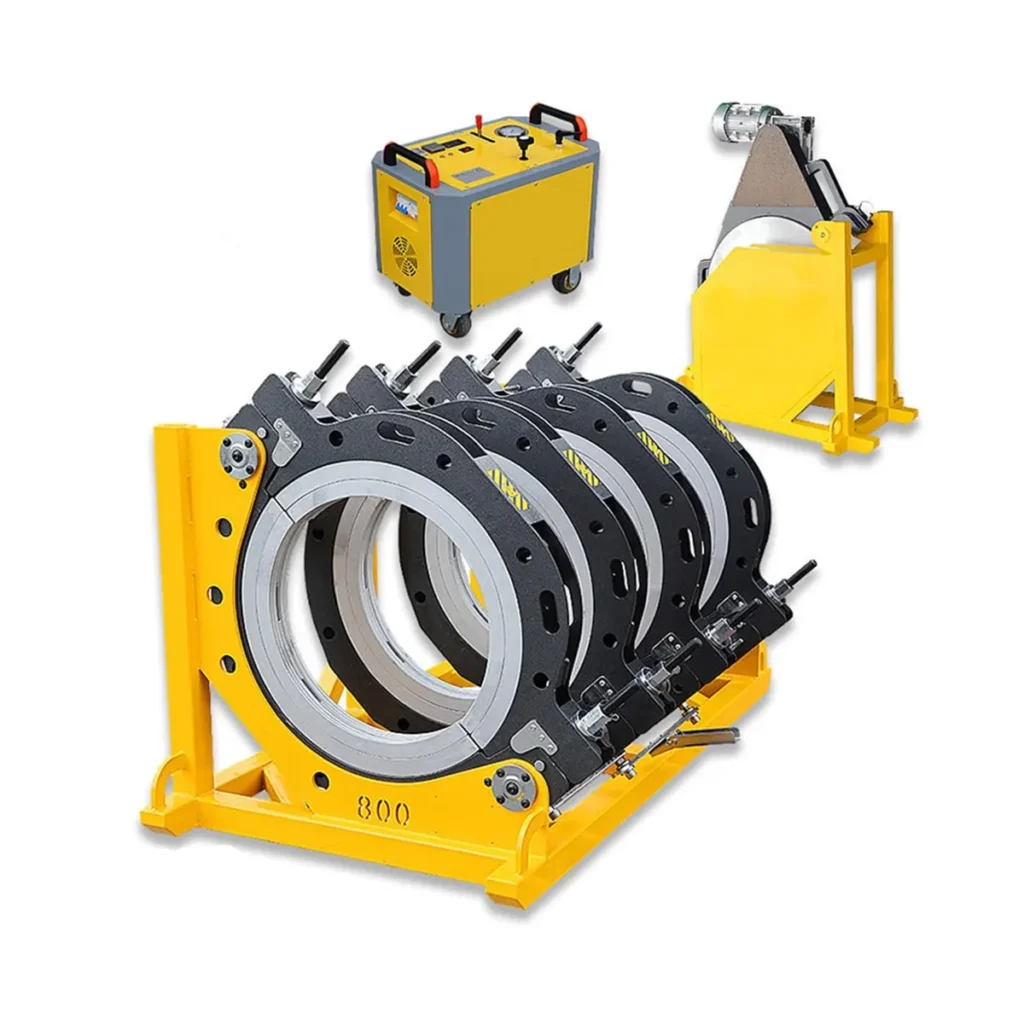
Selecting the right pipe welding machine for water pipelines is critical for ensuring leak-free joints, long-term durability, and compliance with international standards such as ISO 4427 PE water pipes. Whether you are working on municipal potable water systems, irrigation networks, or industrial water transport, the fusion method you choose directly impacts project efficiency and pipeline integrity.
In modern water infrastructure projects, HDPE (High-Density Polyethylene) has become the material of choice due to its corrosion resistance, flexibility, and lifespan exceeding 50 years. However, the performance of a water pipeline heavily depends on the quality of the welding equipment used. This guide breaks down the types, essential features, and buying considerations for water pipeline welding machines.
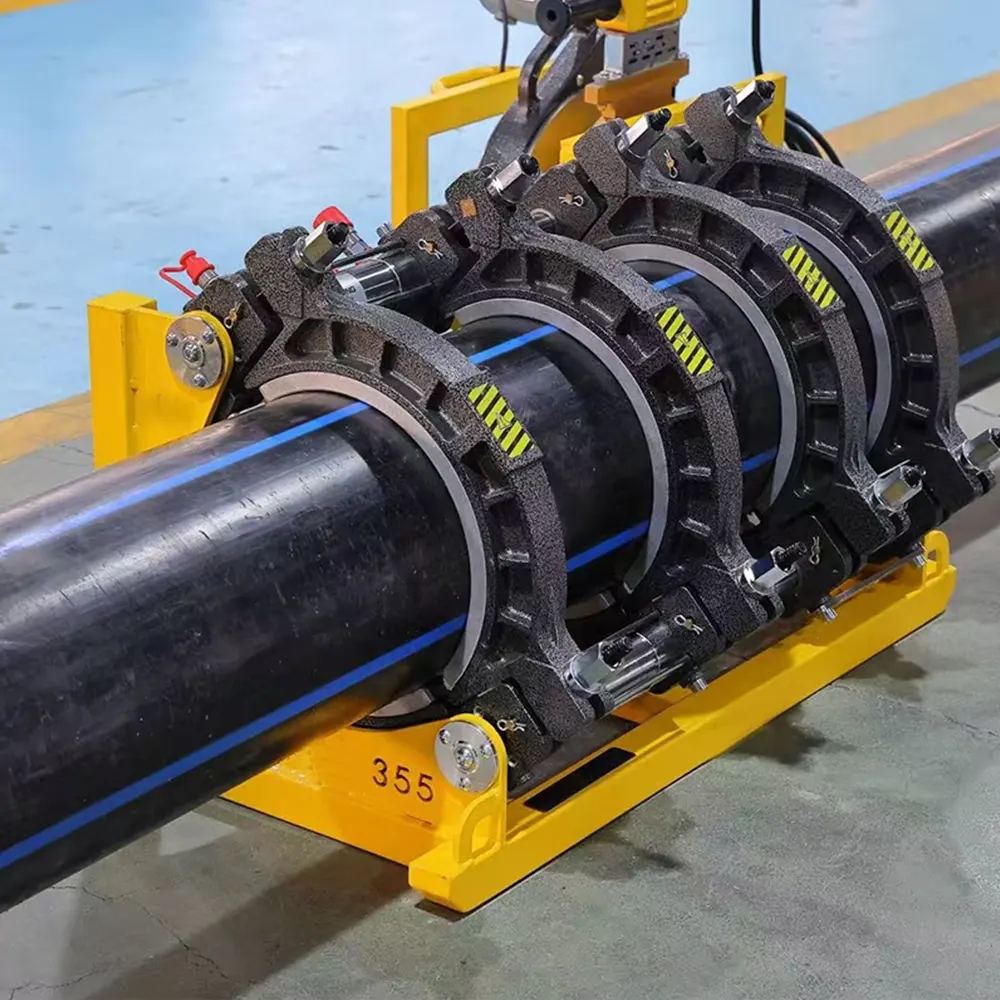
Types of Pipe Welding Machines for Water Pipelines
Understanding the different machine categories is the first step in making an informed investment. Each type serves a specific range of diameters and project scales. The most common systems used for water pipelines include butt fusion welding machines, electrofusion processors, and specialized fitting machines.
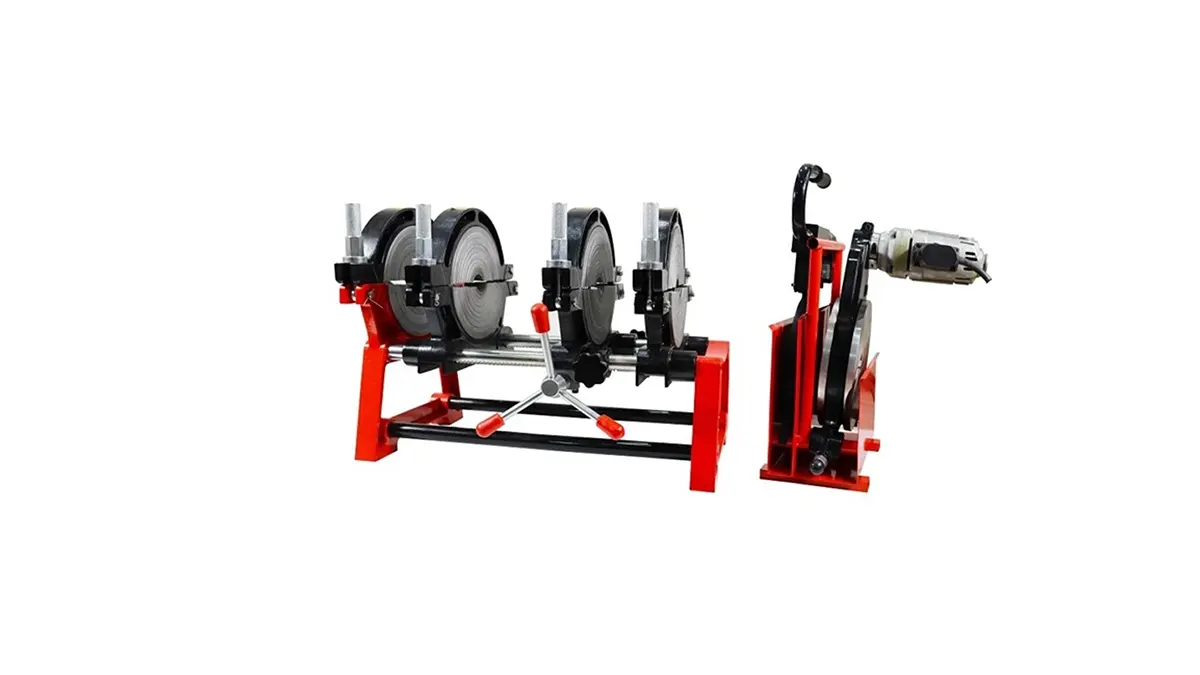
Manual Butt Fusion Welding Machines
Manual machines are ideal for small to medium diameter pipes, typically ranging from 63mm to 315mm. These machines require the operator to manually control the pressure and alignment. They are popular for rural water supply projects and repair work because of their portability and cost-effectiveness. A manual butt fusion welding machine is a practical entry point for contractors handling low-volume or decentralized water networks.
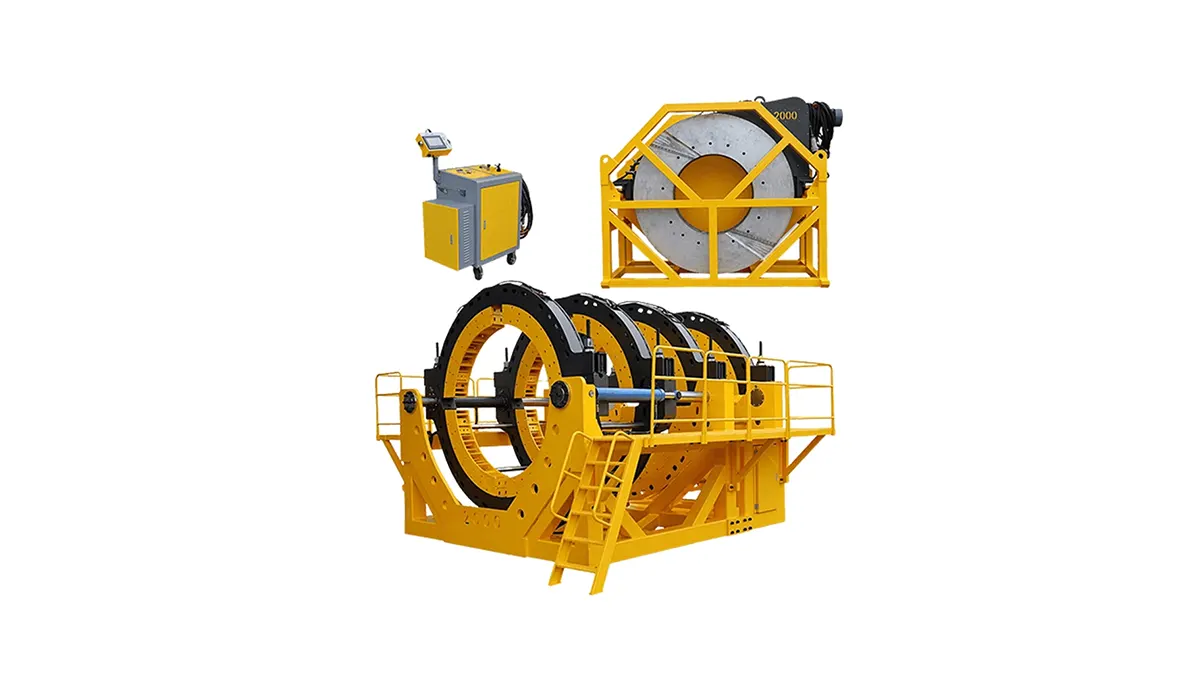
Hydraulic Butt Fusion Welding Machines
For large-diameter water mains and transmission lines, hydraulic butt fusion welding machines are the industry standard. These units utilize a hydraulic power pack to generate the high forces required to face, heat, and fuse heavy-wall pipes. They often cover pipe sizes from 250mm up to 2000mm or more. The precise pressure regulation ensures uniform fusion force, which is essential for meeting ISO 21307 butt fusion procedures.
CNC Automatic Butt Fusion Welding Machines
High-volume water infrastructure projects benefit greatly from CNC automatic butt fusion machines. These systems automate the entire welding cycle—from facing and heating to fusion and cooling—eliminating human error. They provide digital data logging for every joint, which is increasingly mandatory for traceability in municipal water projects following standards like PE fusion traceability requirements.
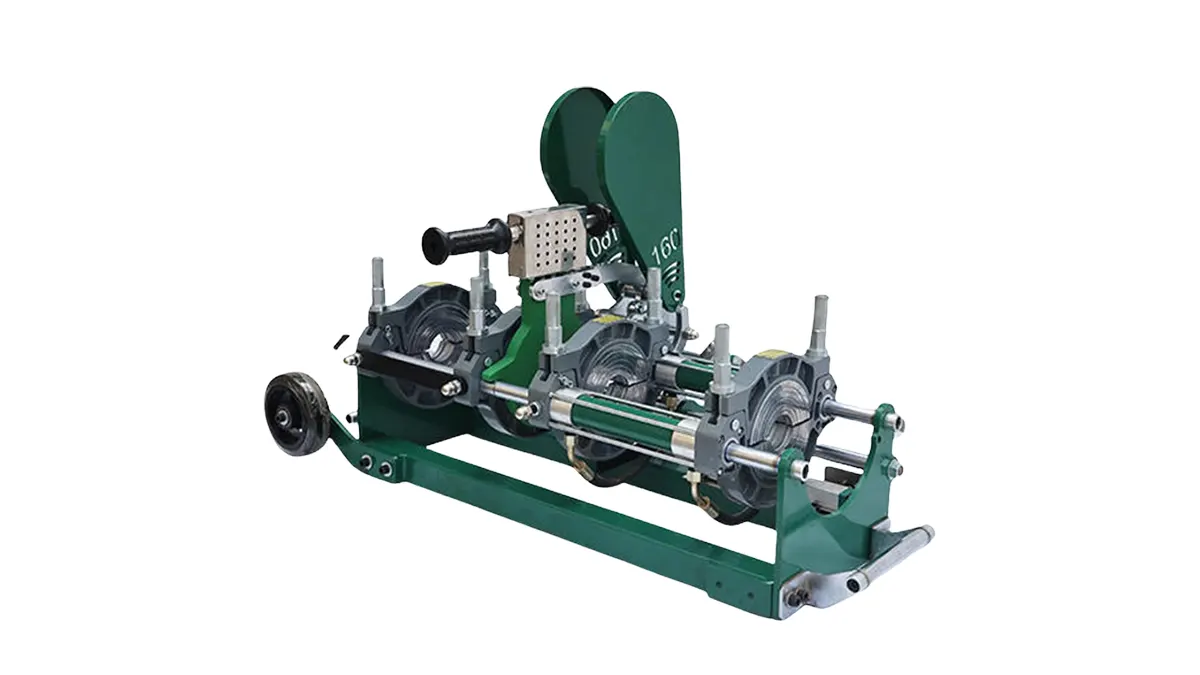
Key Features to Look for in a Water Pipeline Welding Machine
Investing in a pipe welding machine for water pipelines requires evaluating technical specifications that directly affect weld quality. Here are the non-negotiable features:
- Precision Heating Plate: The heating plate must maintain a consistent temperature (usually 210°C to 230°C) with a digital controller to prevent cold joints or thermal degradation of the HDPE material.
- Rigid Clamping System: Proper alignment is crucial. Look for machines with machined aluminum clamps or steel frames that can securely hold pipes without slipping during the high-pressure fusion cycle.
- Hydraulic Pressure Control: For larger diameters, an adjustable hydraulic system with a clear pressure gauge allows operators to set the correct interfacial pressure according to the pipe’s SDR rating and the PPI butt fusion procedure.
- Data Recording Capability: An often-overlooked feature is the ability to log weld parameters. This provides verifiable evidence of compliance with ASTM F2620 heat fusion protocols.
Comparing Machine Types for Water Pipelines
To help you quickly identify which category fits your project profile, refer to the comparison table below. The right choice balances pipe diameter, terrain, and regulatory requirements.
| Machine Type | Typical Pipe Range | Best Application | Operator Skill Level |
|---|---|---|---|
| Manual Butt Fusion | 63mm – 315mm | Rural water supply, branch lines, repairs | Moderate |
| Hydraulic Butt Fusion | 250mm – 2250mm | Water transmission mains, large-scale infrastructure | High |
| CNC Automatic | 160mm – 630mm | Municipal potable water projects, quality-critical jobs | Low (Automated) |
| Multi-Angle Fitting | 315mm – 1600mm | Fabricated tees, elbows, and custom water fittings | Specialized |
Buying Guide: How to Select the Best Welding Machine
When procuring a pipe welding machine for water pipelines, contractors and procurement agencies should follow a structured evaluation process to avoid costly mistakes. Consider the following steps:
- Assess Pipe Specifications: Identify the maximum diameter and SDR (Standard Dimension Ratio) of the pipes in your project. This dictates the clamping range and hydraulic force required.
- Verify Standard Compliance: Ensure the machine meets regional standards. For global projects, compliance with PE butt fusion equipment standard ISO 12176-1 is essential.
- Evaluate After-Sales Support: Water pipeline projects often face tight deadlines. Reliable access to spare parts, trimmers, and heating plates is non-negotiable. Look for manufacturers that offer comprehensive technical support and distribution networks.
- Consider Portability vs. Stability: For high-altitude or remote reservoir projects, lightweight manual or small hydraulic units are preferable. In fixed pipe yards or factory fabrication, a heavy-duty stationary machine is more productive.
Companies like JQ-Fusion specialize in manufacturing butt fusion welding equipment that covers the full spectrum of water pipeline requirements. From robust manual frames to advanced CNC systems, sourcing from an experienced manufacturer ensures that your equipment adheres to rigorous quality assurance processes and global certifications.
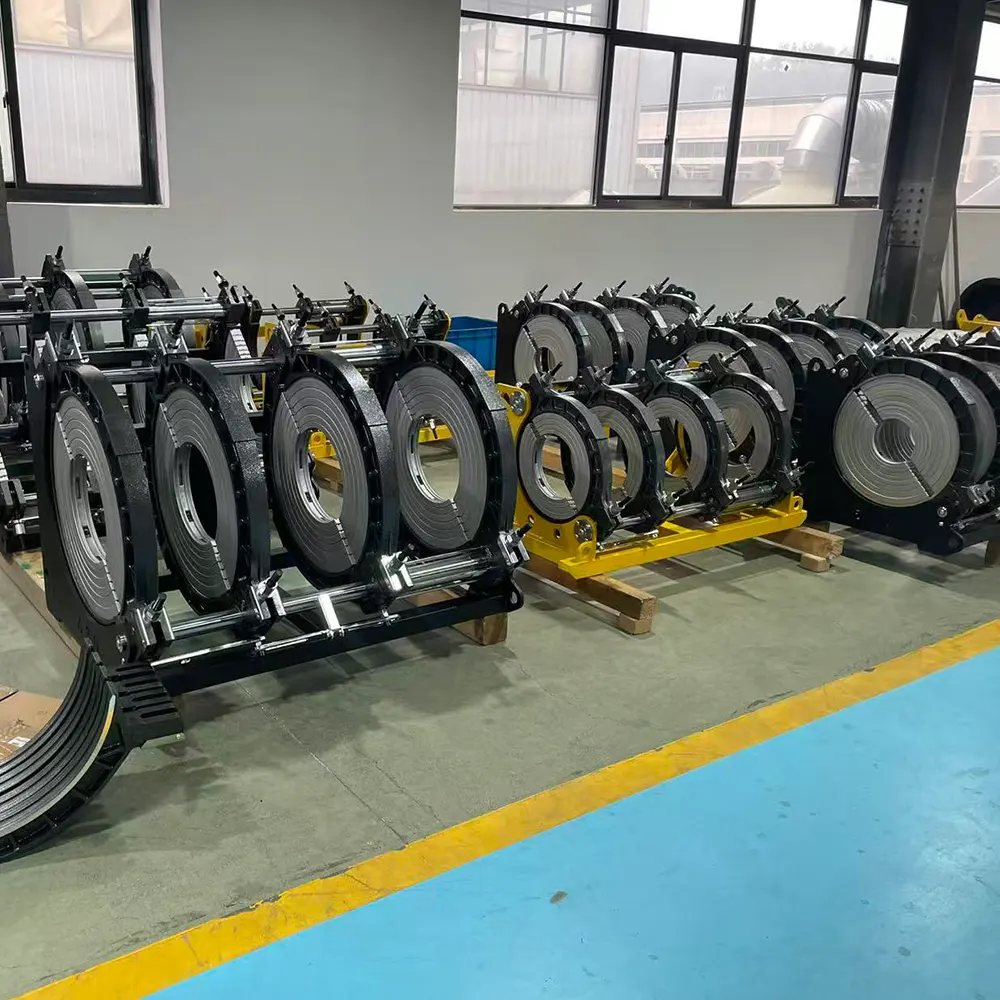
Maintaining Your Water Pipeline Welding Machine
The longevity of your HDPE pipe joints is directly linked to the maintenance of your welding equipment. Regular upkeep prevents downtime during critical water main installations.
- >> Heating Plate Care: Non-stick PTFE coatings must be inspected for scratches or contamination. A damaged heating plate can cause inconsistent melt patterns in water pipes.
- >> Blade Sharpening: The rotary trimmer faces the pipe ends. Dull blades create uneven surfaces, preventing proper fusion. Regularly check and replace them.
- >> Hydraulic Oil Check: In hydraulic systems, clean oil with the correct viscosity ensures smooth movement and prevents jerky cylinder motion that could misalign the joint.
Final Considerations for Your Water Pipeline Project
Selecting the best pipe welding machine for water pipelines is an investment in infrastructure reliability. Whether you need a compact hydraulic unit for urban water lines or a high-capacity system for cross-country aqueducts, prioritize precision, standards compliance, and robust construction. The proper fusion equipment, combined with skilled operation, guarantees that water distribution networks remain leak-free for decades.
To explore a full catalog of welding machines suitable for potable water, irrigation, and large-scale pipeline projects, visit our product page.



