
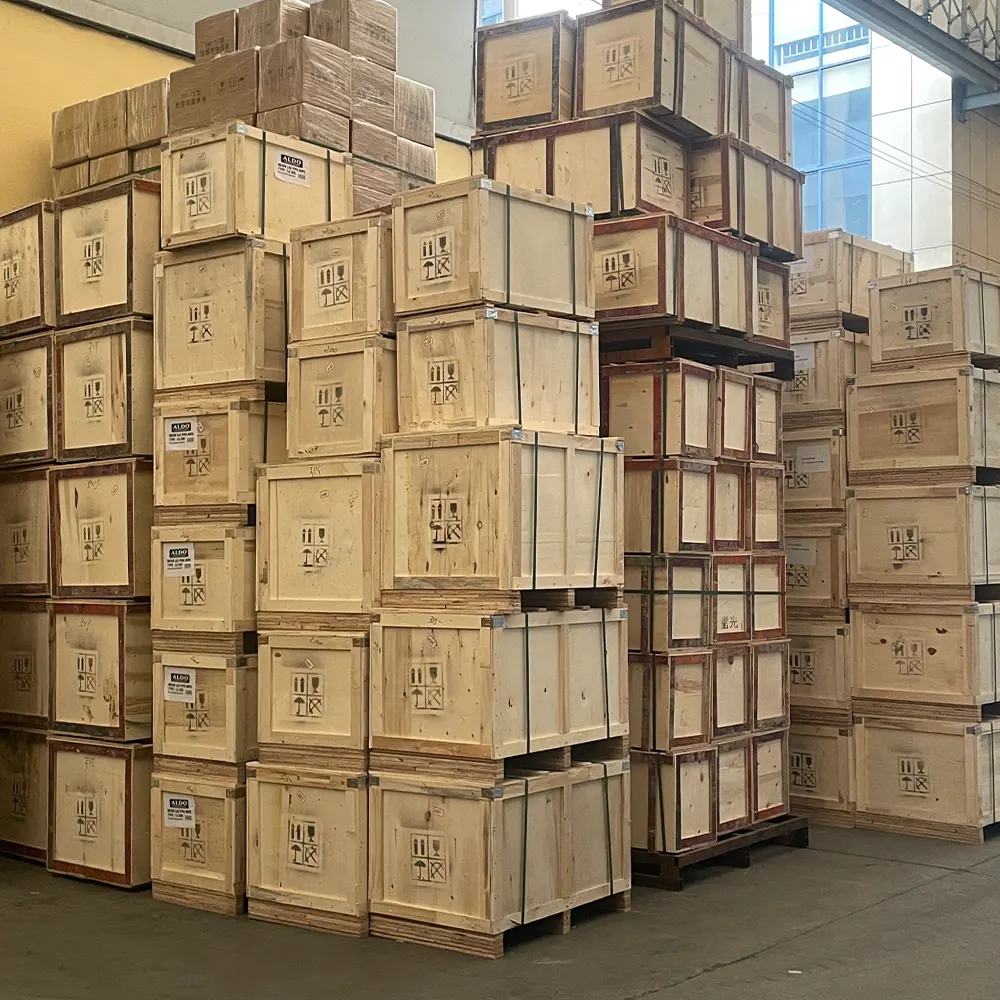
Selecting the right pipe welding machine for PE pipes is critical for ensuring leak-proof, durable joints in water supply, gas distribution, and industrial piping systems. Whether you are a contractor, distributor, or project manager, understanding the different machine types, their benefits, and what to look for when purchasing can significantly impact your operational efficiency and long-term project success.
Polyethylene (PE) pipes have become the preferred choice for modern infrastructure due to their flexibility, corrosion resistance, and long service life. However, achieving a reliable connection demands precision equipment designed specifically for ISO 21307 butt fusion procedures. This guide breaks down everything you need to know about pipe welding machine for PE pipes, helping you make an informed investment.
Main Types of Pipe Welding Machine for PE Pipes
Different project scales and pipe diameters require specific welding solutions. The three primary categories of pipe welding machine for PE pipes are manual, hydraulic, and CNC automatic models. Each offers unique advantages depending on your application and budget.
1. Manual Butt Fusion Welding Machines
Manual machines are operated by hand and are typically used for smaller diameter pipes, usually ranging from 40mm to 315mm. They are popular for field repairs, small-scale water supply networks, and projects with limited access to power. Key features include:
- Lightweight and portable design for easy transportation
- Simple mechanical operation reduces training time
- Cost-effective solution for low-volume or urgent repairs
- Manual pressure application via lever or handwheel
2. Hydraulic Butt Fusion Welding Machines
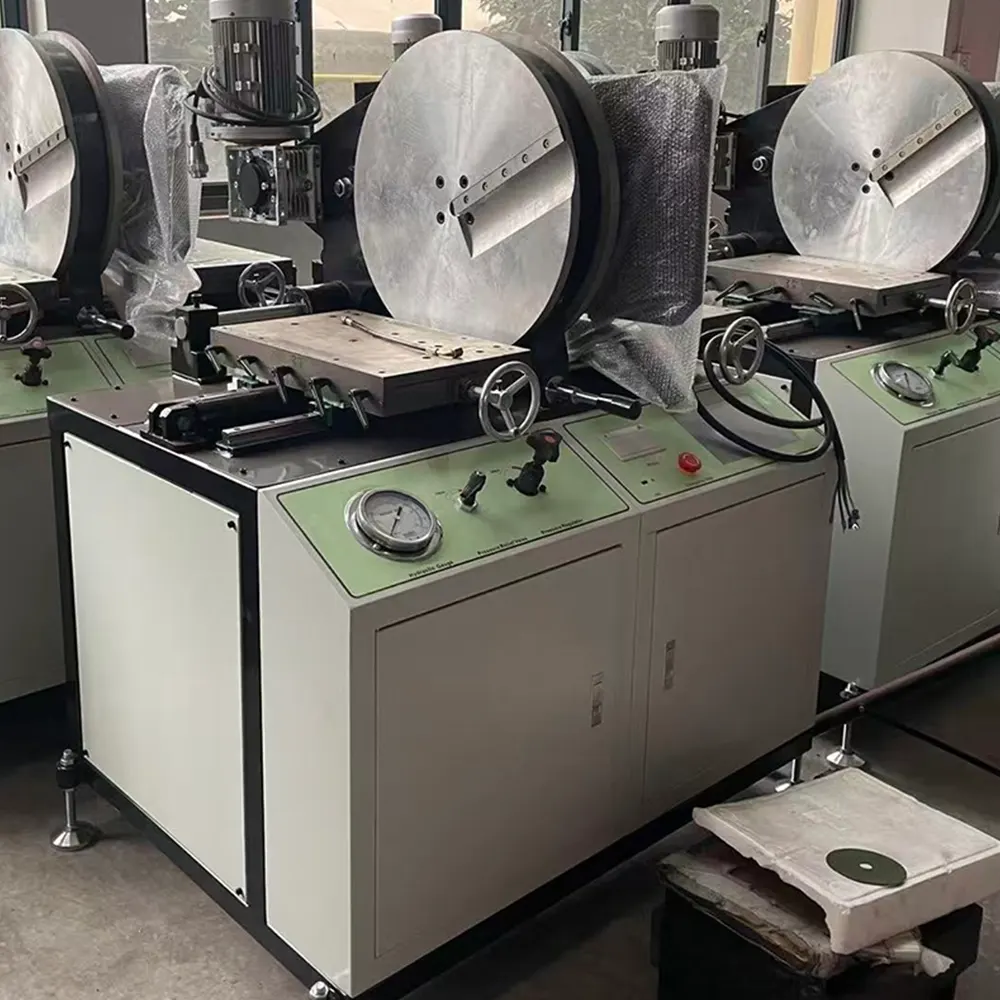
Hydraulic systems use a power pack to generate consistent force, making them suitable for medium to large diameters (from 160mm up to 2250mm and beyond). These machines ensure uniform pressure throughout the PE butt fusion process, which is essential for heavy-wall pipes in mining and gas applications. Advantages include:
- Precision control over heating and cooling cycles
- Reduced operator fatigue with automated pressure regulation
- Compatibility with a wide range of clamping configurations
- Enhanced safety for large-scale infrastructure projects
3. CNC Automatic Butt Fusion Welding Machines
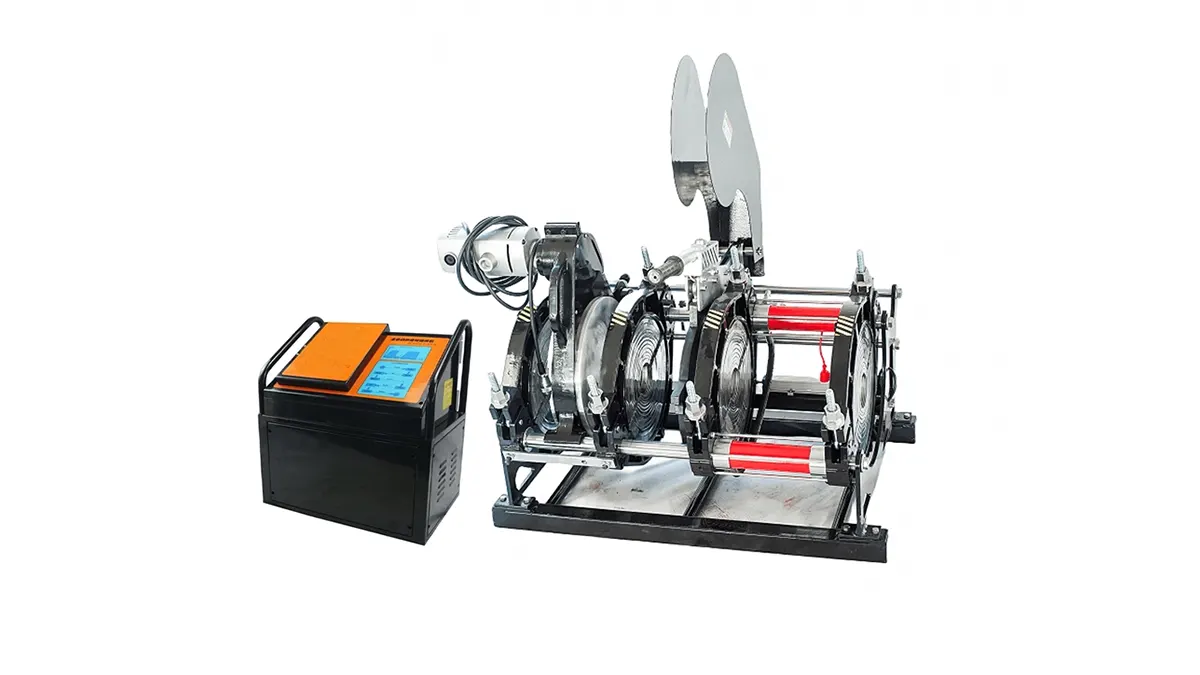
CNC automatic machines represent the highest level of precision in pipe welding machine for PE pipes. They utilize electronic controls to manage every stage of the jointing cycle, recording data for PE fusion traceability and quality assurance. These are ideal for critical applications where documentation is mandatory.
- Fully automated heating, trimming, and fusion stages
- Data logging and USB export for compliance reporting
- Touchscreen interface with pre-set welding parameters
- Minimizes human error for consistent, repeatable joints
Hydraulic vs. Manual vs. Automatic: A Quick Comparison
| Feature | Manual | Hydraulic | CNC Automatic |
|---|---|---|---|
| Pipe Range | 40mm – 315mm | 160mm – 2250mm | 160mm – 630mm+ |
| Pressure Control | Manual lever | Hydraulic power pack | Servo motor / Electronic |
| Data Logging | No | Optional | Standard |
| Best For | Small repairs, rural water | Municipal gas, water mains | Critical infrastructure, QA projects |
| Portability | High | Moderate | Moderate |
Key Benefits of Investing in Quality PE Pipe Welding Machines
Using a dedicated pipe welding machine for PE pipes goes beyond basic joining. High-quality equipment delivers measurable returns through performance, safety, and reliability.
1. Superior Joint Integrity
Properly fused PE pipes create a monolithic system where the joint is as strong as the pipe itself. Machines that maintain accurate alignment and consistent heating temperature eliminate weak points caused by misalignment or cold joints.
2. Extended Pipeline Service Life
Leak-free connections significantly reduce maintenance costs over the 50+ year lifespan of PE piping networks. This is particularly important for potable water systems that must comply with ISO 4427 PE water pipes standards.
3. Compliance with International Standards
Reputable manufacturers design their pipe welding machine for PE pipes to meet global standards. Adhering to guidelines such as ASTM F2620 heat fusion and ISO 12176-1 ensures your installations pass regulatory inspections.
4. Increased Operational Efficiency
Advanced machines reduce cycle times through rapid heating plates and efficient trimmer designs. A reliable supplier like JQ-Fusion, known for its extensive inventory and customized solutions, ensures you get the right machine without project delays.
Essential Buying Guide: What to Look For
When sourcing a pipe welding machine for PE pipes, evaluating technical specifications and after-sales support is crucial. Here are the key factors to consider before making a purchase.
1. Pipe Diameter and SDR Range
Determine the minimum and maximum pipe sizes you will encounter. Ensure the machine’s clamping range and pressure capacity match your project’s standard dimensional ratio (SDR). Do not underestimate future needs—upgrading later can be costly.
2. Heating Plate Performance
The heating plate must have uniform surface temperature with digital control. Non-stick coatings and temperature deviation within ±5°C are essential to prevent pipe material degradation.
3. Clamp and Frame Rigidity
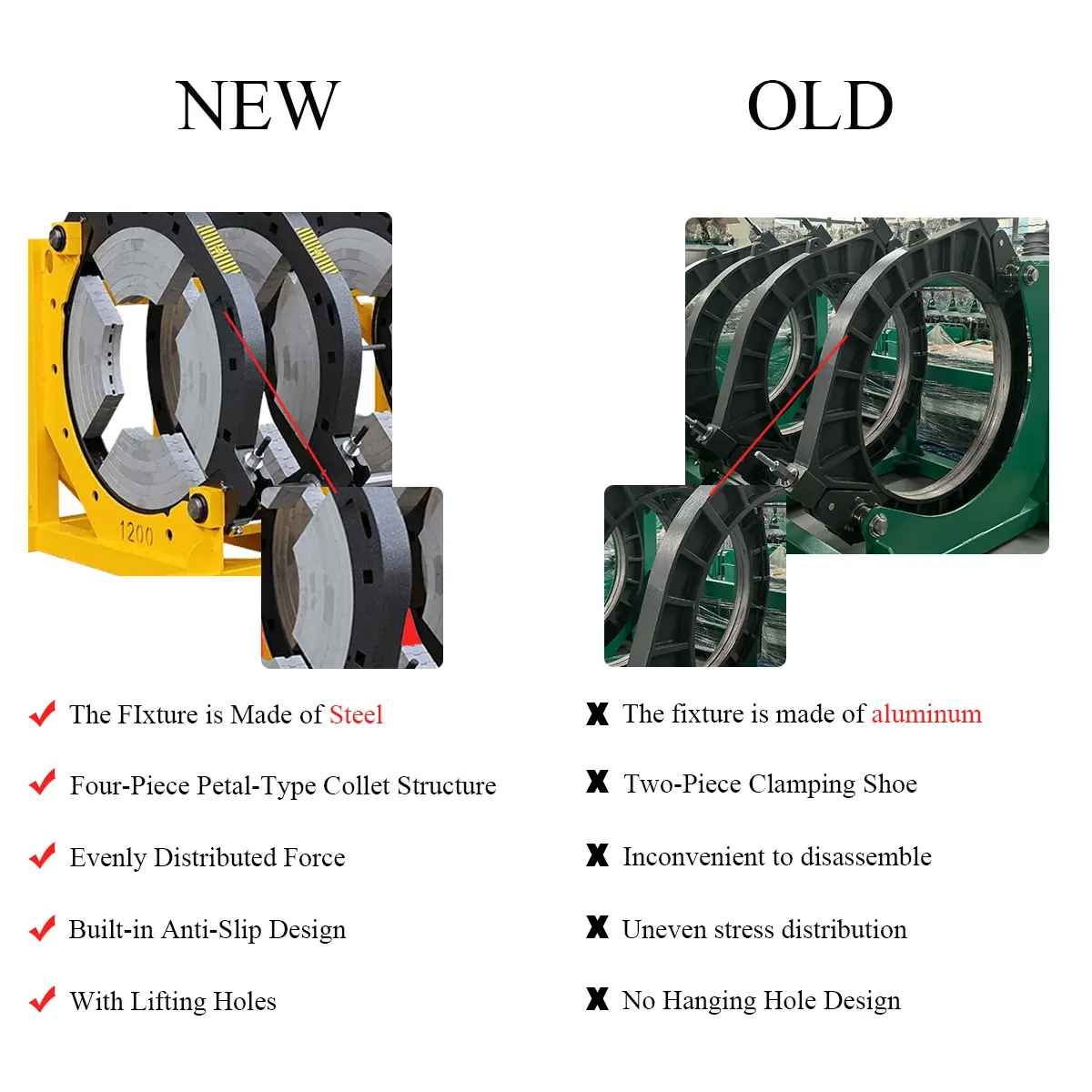
Misalignment during fusion is one of the leading causes of joint failure. Look for robust, rigid frames and precision-machined clamps, preferably made from lightweight aluminum alloys that resist corrosion and reduce on-site handling weight.
4. Trimmer Design and Ease of Use
A high-quality trimmer ensures perfectly parallel pipe ends. Features like enclosed blades for safety, chip collection, and ergonomic operation improve workflow and final joint quality.
5. Supplier Reputation and Support
Partnering with a manufacturer that offers custom solutions, large inventory, and responsive after-sales care minimizes downtime. Verify their quality certifications and ability to supply spare parts quickly, especially for international projects.
Common Applications for PE Pipe Welding Machines
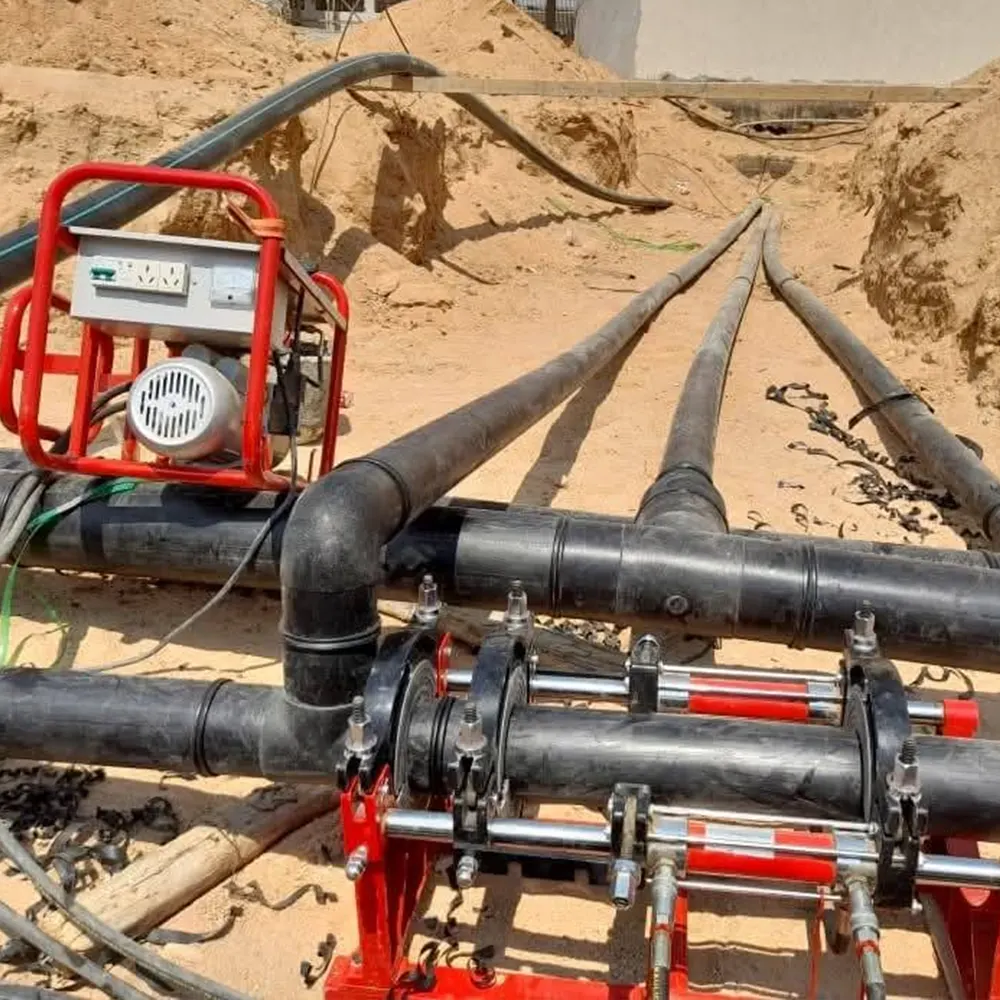
Pipe welding machine for PE pipes is utilized across multiple sectors. Understanding the application helps in selecting the appropriate machine type and accessories.
- Gas Distribution: Requires stringent adherence to gas piping standards and often specifies automatic data-logging machines for safety compliance.
- Water Supply and Sewage: Involves a wide range of diameters; hydraulic machines are commonly used for trunk mains, while manual units handle laterals.
- Mining and Industrial Slurry: Demands high-pressure tolerance and abrasion resistance; large-diameter hydraulic machines handle thick-wall pipes effectively.
- Landfill and Environmental Projects: Leak-proof joints are essential for containment; CNC automatic machines provide the necessary quality assurance documentation.
Maintenance Tips for Long-Term Performance
To maximize the lifespan of your pipe welding machine for PE pipes, regular maintenance is essential. Clean the heating plate surface after each use to prevent polymer build-up. Inspect trimmer blades for sharpness and replace them as needed to avoid rough pipe faces. Check hydraulic oil levels and hose integrity monthly, and calibrate temperature controllers at least once a year. Proper storage in a dry, clean environment protects the equipment from corrosion and accidental damage.



