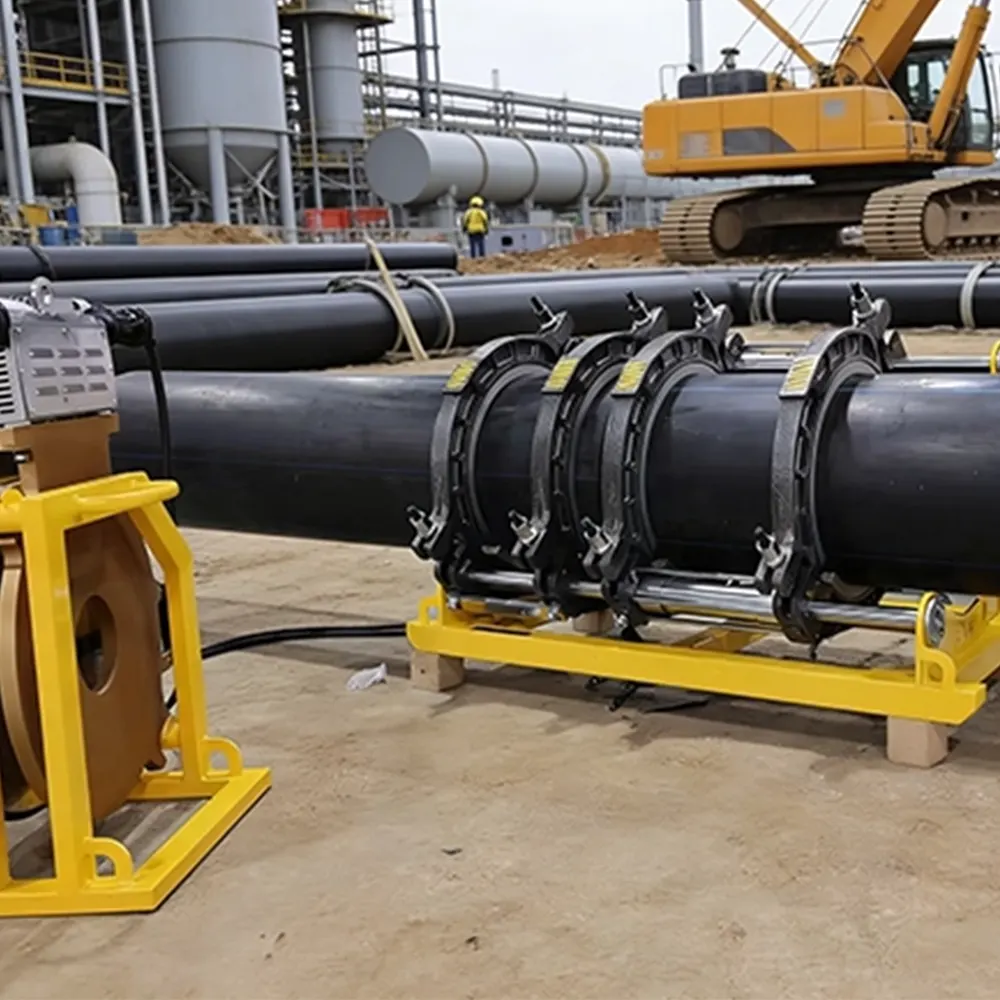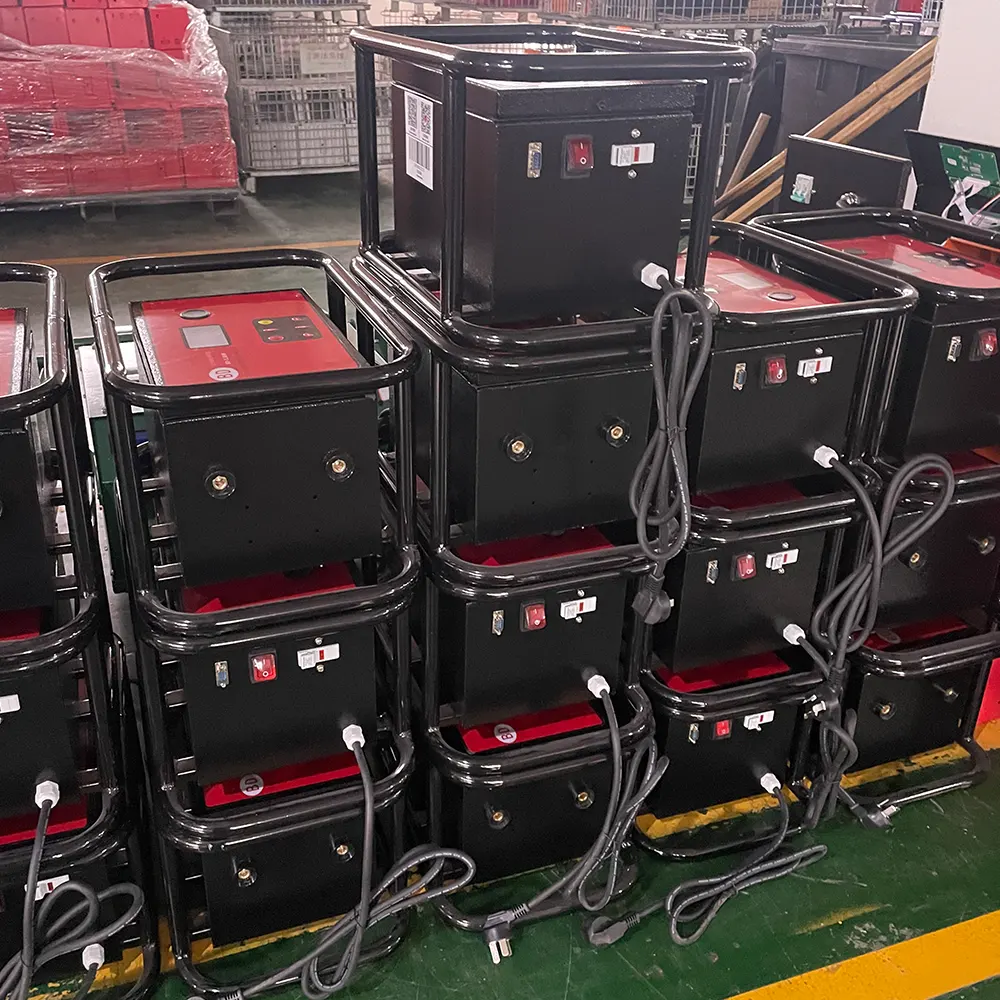
Selecting the right pipe welding machine for HDPE pipes is a critical decision that directly impacts the efficiency, safety, and longevity of pipeline infrastructure. Whether you are managing municipal water supply projects, gas distribution networks, or industrial fluid transport systems, understanding the nuances of butt fusion technology ensures consistent, leak-free joints. This guide explores the primary types of HDPE pipe welding machines, their standout features, and the essential factors to consider before making a purchase.
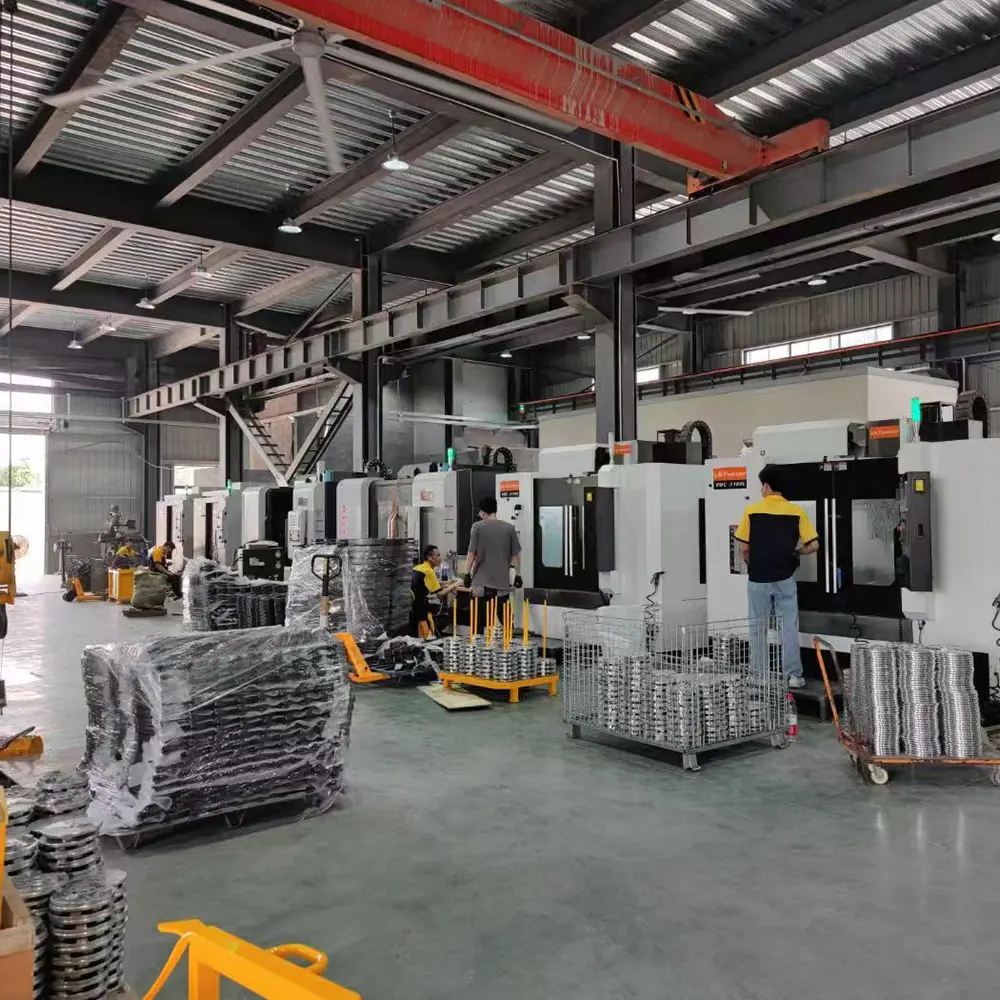
Key Types of Pipe Welding Machine for HDPE Pipes
Modern HDPE welding equipment is broadly categorized by its operational mechanism and level of automation. The three dominant categories are hydraulic models, CNC automatic machines, and manual butt fusion tools. Each type serves a distinct range of diameters and project scales, from small-diameter plumbing lines to large-scale municipal trunk mains.
Hydraulic Butt Fusion Welding Machines
Hydraulic systems are the workhorses of heavy-duty pipeline construction. A pipe welding machine for HDPE pipes in this category utilizes hydraulic pressure to move the pipe ends against a heated plate and subsequently forge them together under precise, controlled force. These machines excel in handling medium to large diameters, typically from 160mm up to over 2000mm. The hydraulic power unit automates the most physically demanding aspects of the what is HDPE butt fusion process, reducing operator fatigue and minimizing the risk of misalignment. Key advantages include high mobility on rugged terrain and consistent interfacial pressure, which is vital for achieving a homogeneous bond in thick-wall pipes.
CNC Automatic Butt Fusion Welding Machines
For projects where data logging and absolute repeatability are paramount, CNC automatic units represent the cutting edge of pipe welding machine for HDPE pipes technology. These machines integrate electronic control systems that monitor and record every phase of the welding cycle, including heating time, soak time, changeover duration, and cooling pressure. By strictly adhering to ISO 21307 butt fusion procedures, these automated systems eliminate human error. They are widely used in gas distribution and nuclear-grade applications where weld traceability is a strict regulatory requirement. The digital interface provides real-time feedback, ensuring that each joint meets the specified tensile strength criteria.
Manual Butt Fusion Welding Machines
Manual machines offer exceptional portability and simplicity, making them ideal for small-diameter pipes (often ranging from 40mm to 315mm) in plumbing, drainage, and agricultural irrigation. While these machines require skilled technicians to manually apply the fusion force, their lightweight design allows for quick setup in confined trenches. A high-quality manual pipe welding machine for HDPE pipes features a rigid clamping system to prevent pipe slippage during the critical heating and fusing stages. Though lacking the automated force of hydraulic systems, they remain a cost-effective solution for non-critical infrastructure repairs and rural pipe networks.
Essential Features to Evaluate
Not all welding equipment is created equal. When comparing different models, a focus on specific engineering features will determine the long-term reliability of your joints. The following table breaks down the core components and their significance.
| Feature | Description | Impact on Welding |
|---|---|---|
| Heating Plate Coating | Dual-layer PTFE non-stick surfaces | Prevents molten polyethylene from adhering, ensuring a clean thermal transfer. |
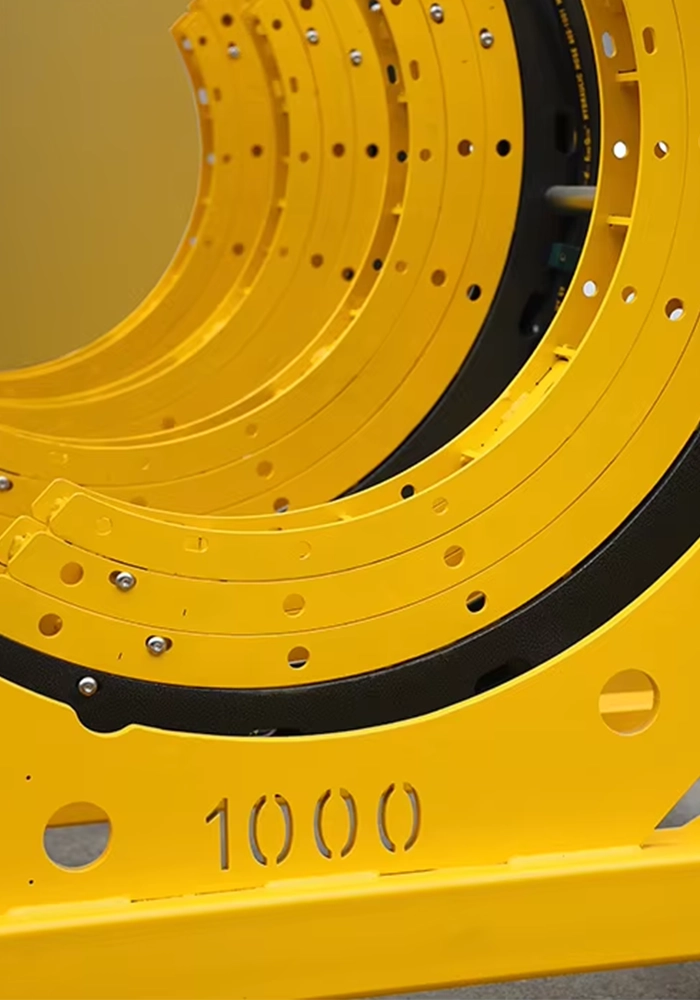
| Clamp Design | Aluminum alloy with high-torque levers | Provides uniform radial pressure and eliminates pipe ovality during PE butt fusion process. |
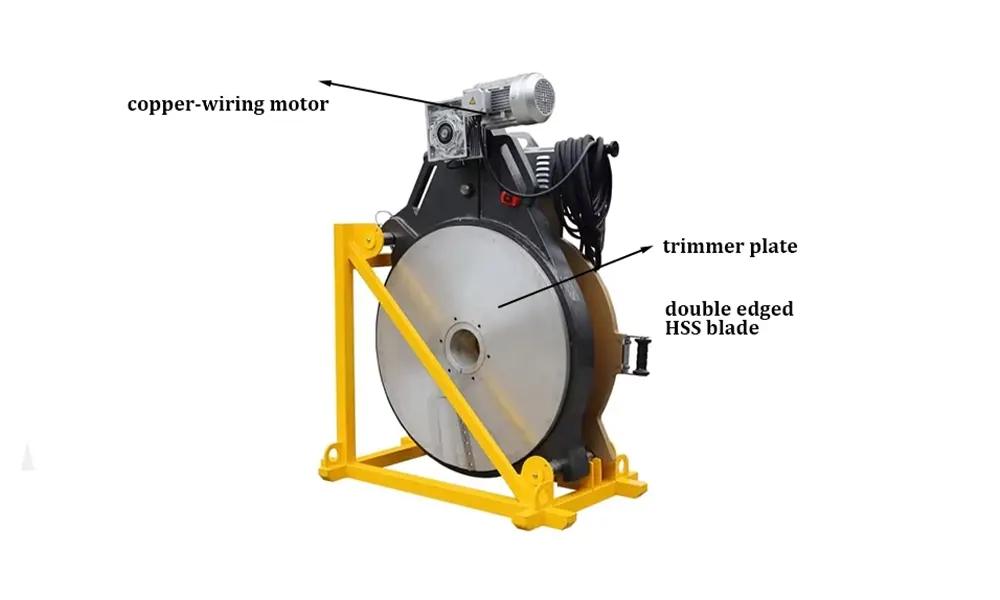
| Trimmer Mechanism | Dual-blade rotary cutters with safety stops | Creates perfectly parallel end surfaces, essential for a seamless molecular bond. |
| Hydraulic Unit | Variable pressure control with quick-connect hoses | Maintains steady interfacial pressure during the cooling phase to prevent joint contraction. |
Why Digital Control Matters in Fusion Welding
The shift toward data-driven construction has elevated the importance of CNC technology. Modern pipe welding machine for HDPE pipes with automatic logging capabilities generate a “passport” for every weld. This data aligns with PE butt fusion equipment standard guidelines, proving that the joint was executed within the specified temperature and pressure windows. In sensitive applications like natural gas transport, this traceability is not merely a luxury—it is a regulatory mandate. By digitally controlling the heating soak time and switchover period, operators significantly reduce the risk of random flaws like cold welds or particulate contamination.
Buying Guide: Matching Machine to Application
Investing in a pipe welding machine for HDPE pipes requires a systematic assessment of your operational scope. Consider these parameters before contacting a supplier:
- Pipe Diameter Range: Hydraulic machines are mandatory above 315mm, while manual tools are sufficient for service lines.
- Material Grade: Ensure compatibility with PE100 and PE4710 resins, as higher-density materials demand precise temperature control.
- Environmental Conditions: Rugged frames with weather-resistant hydraulic hoses are necessary for extreme heat, dust, or sub-zero temperatures.
- Mobility Requirements: Track-mounted or wheeled carriage systems increase productivity on long linear pipeline spreads.
- Operator Skill Level: Highly automated controls can compensate for a shortage of veteran fusion technicians.
Ensuring Joint Integrity Through Standards
Global project acceptance relies heavily on adherence to established welding protocols. Pipe welding machine for HDPE pipes equipment must be capable of executing procedures defined by international standards. The robust design of modern hydraulic frames ensures that the ASTM F2620 heat fusion practice is faithfully applied, particularly regarding the critical “dwell time” under melting pressure. For contractors involved in gas infrastructure, selecting equipment that supports detailed operator qualification records is essential for passing field audits and hydrostatic pressure tests.
Your Reliable Source for HDPE Welding Solutions
As an established manufacturer, JQ-Fusion specializes in engineering high-performance pipe welding machine for HDPE pipes solutions that range from compact manual devices to fully automated CNC hydraulic systems. The comprehensive product line, covering diameters from small service connections to 2250mm trunk mains, is backed by rigorous in-house testing and global spare parts support. For further technical details, view the hydraulic butt fusion machine catalog or browse the complete selection of manual HDPE welding equipment designed for field efficiency.