
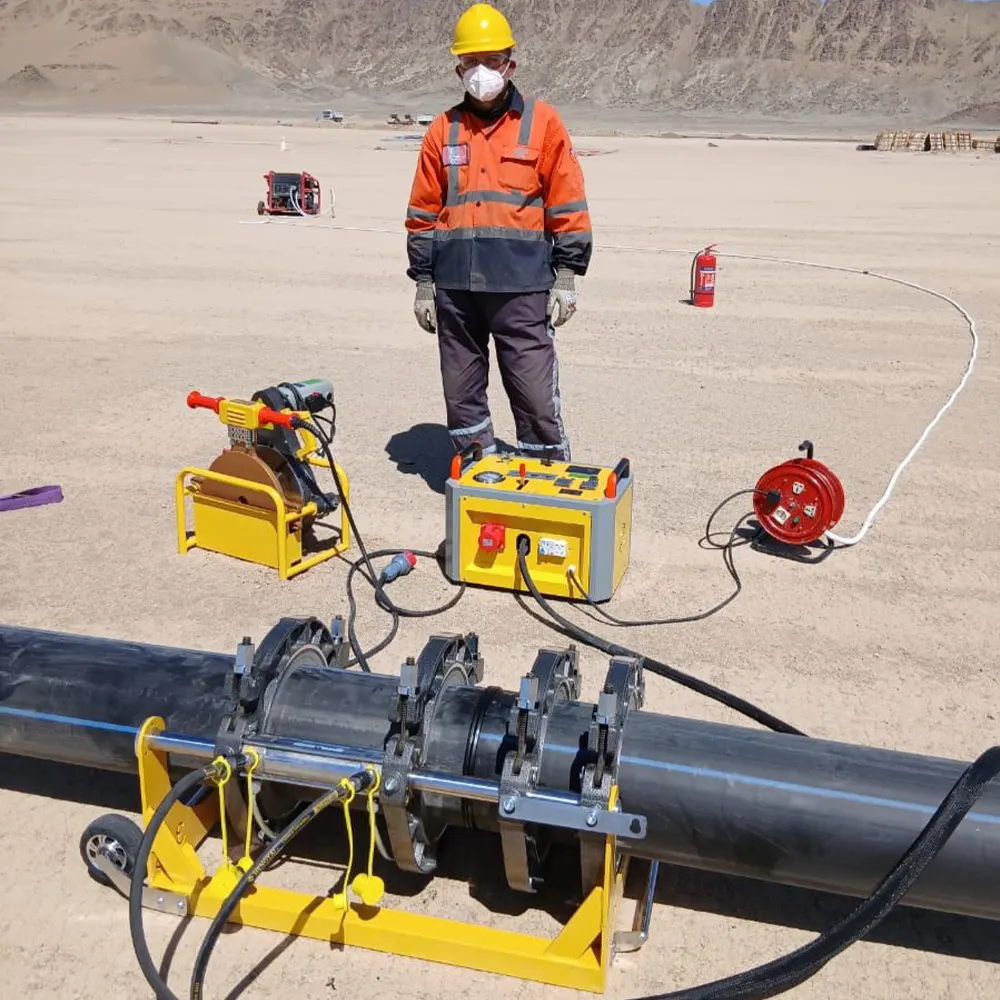
Operating HDPE pipe welding equipment demands rigorous attention to safety protocols. Whether you are using manual, hydraulic, or CNC automatic butt fusion welding machines, understanding and implementing HDPE pipe welding equipment safety standards is non-negotiable. This guide breaks down essential regulations, operational checks, and best practices to protect your crew and ensure joint integrity on every project.
Understanding Global Safety Frameworks
International standards provide the backbone for safe fusion operations. The ISO 21307 butt fusion procedures define single low-pressure and dual high-pressure protocols, while ISO 12176-1 specifies performance requirements for the PE butt fusion equipment standard itself. In North America, ASTM F2620 governs ASTM F2620 heat fusion practices, and operator qualification is addressed under ASTM F3190. Adherence to these benchmarks is the first line of defense against workplace incidents.
Key Safety Parameters for Fusion Equipment
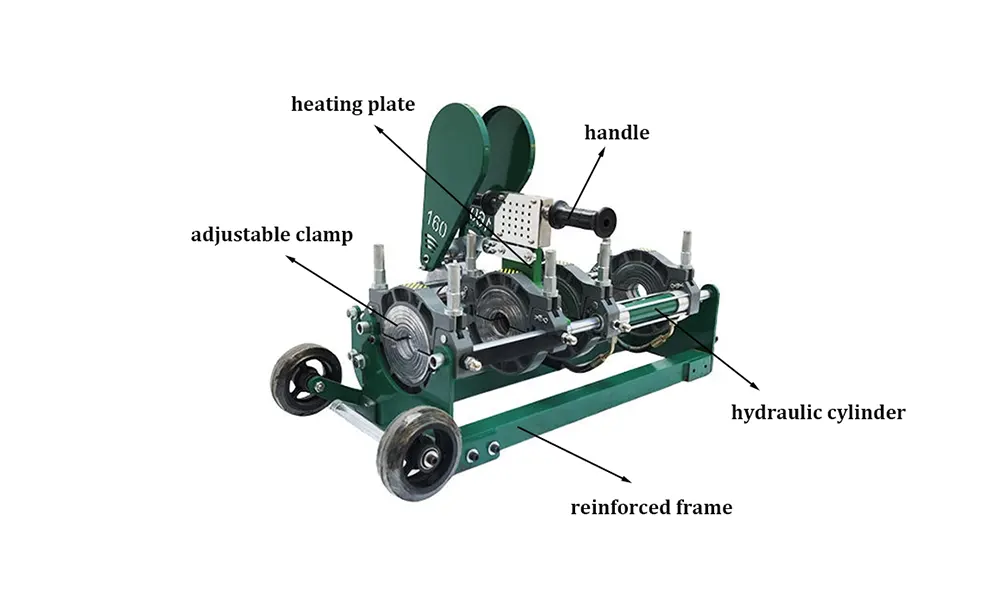
Modern butt fusion machines must maintain precise control over three critical variables. A malfunction in any of these areas can lead to catastrophic joint failure, making regular calibration essential.
- Temperature Accuracy: The heating plate must maintain a consistent surface temperature, typically around 225°C (437°F), with minimal deviation.
- Clamp Alignment: Misaligned clamps create uneven fusion pressure, resulting in weak seams that may pass visual inspection but fail under stress.
- Pressure Control: Hydraulic systems require calibrated gauges to apply the correct interfacial pressure during the heating and cooling phases.
Pre-Operation Safety Checklist
Before initiating any weld cycle, operators must perform a systematic safety walkthrough. This pre-start ritual significantly reduces the risk of equipment malfunction and personal injury on site.
Visual and Mechanical Inspection
| Inspection Point | Safety Requirement | Common Risk |
|---|---|---|
| Heating Plate Surface | Clean, non-stick coating intact | Contamination causing weak fusion |
| Hydraulic Hoses | No cracks, leaks, or abrasions | Sudden pressure loss during welding |
| Pipe Clamps & Inserts | Correct size, free of debris | Pipe slippage under axial load |
| Electrical Connections | Ground fault protection, secure plugs | Electric shock hazard |
| Trimmer Blades | Sharp, properly seated | Uneven pipe facing |
Environmental and Site Preparation
Welding operations should never proceed without assessing the surrounding environment. HDPE pipe welding equipment safety standards mandate protection from direct sunlight, rain, and strong winds that can cause uneven cooling. The work zone must be clearly demarcated to prevent unauthorized access, and adequate ventilation is required when working in trenches or confined spaces.
Personal Protective Equipment (PPE) Requirements
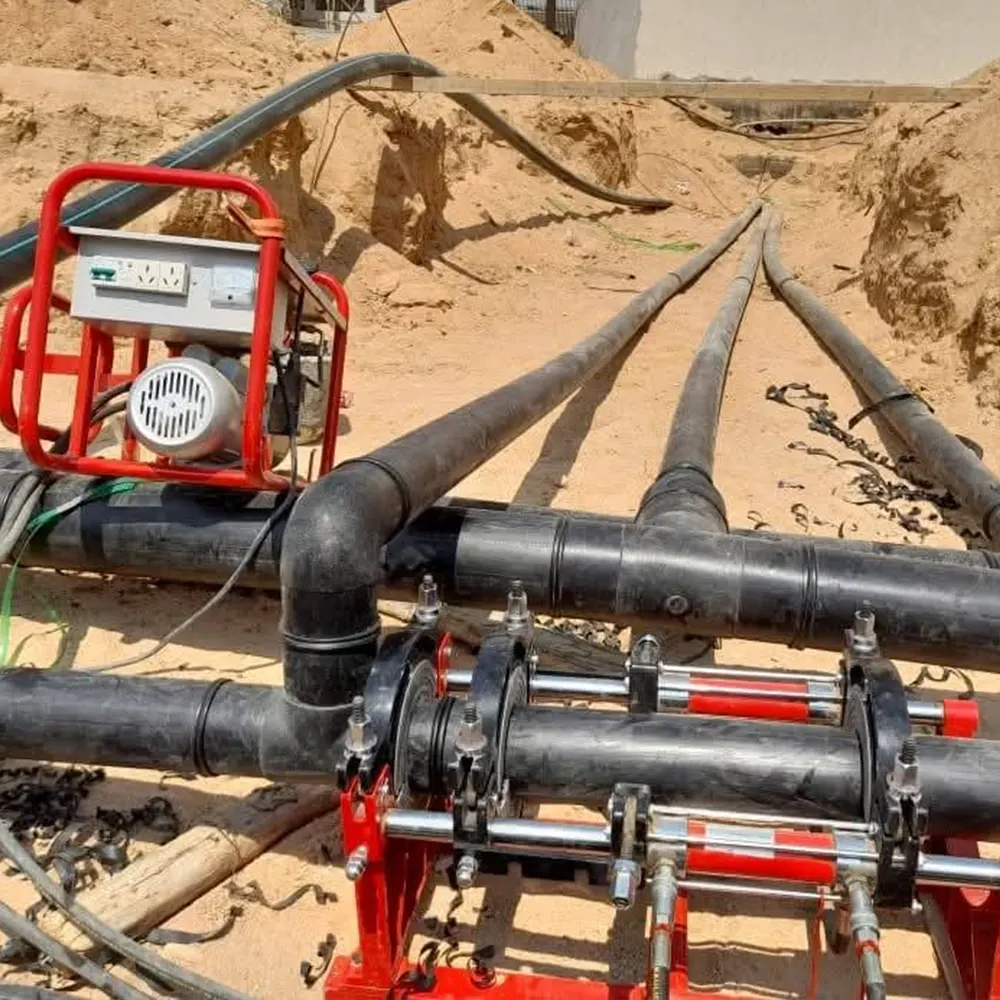
No operator should approach a fusion machine without the mandatory protective gear. Burns from the heating plate and trimmer blade injuries rank among the most common accidents in pipe welding operations.
- Heat-resistant gloves rated for temperatures exceeding 250°C
- Safety glasses or full-face shields during trimming operations
- Steel-toe boots for handling heavy pipe sections and machine components
- Long-sleeve, flame-resistant clothing to prevent skin contact with heated surfaces
- Hard hat on construction sites with overhead hazards
Safe Operation During the Fusion Cycle
The welding cycle presents distinct hazards at each phase. Understanding the sequence helps operators anticipate and mitigate risks in real time. The PPI butt fusion procedure offers a detailed step-by-step reference for consistent, safe execution.
Facing and Alignment
During the facing operation, operators must keep hands and loose clothing away from the rotating trimmer. Both pipe ends should be faced simultaneously until a continuous shaving emerges from both sides, indicating full contact. Never attempt to clear stringy shavings by hand while the trimmer is rotating.
Heating Phase Precautions
The heating plate surface reaches extreme temperatures. When moving the plate into position, use only the designated handles. Verify the temperature setpoint on the control unit before contact, and ensure the bead-up pressure is applied smoothly to avoid jerking the pipe out of alignment. Any delay between removing the heater and bringing the pipe ends together must be minimized to prevent premature cooling.
Cooling Under Pressure
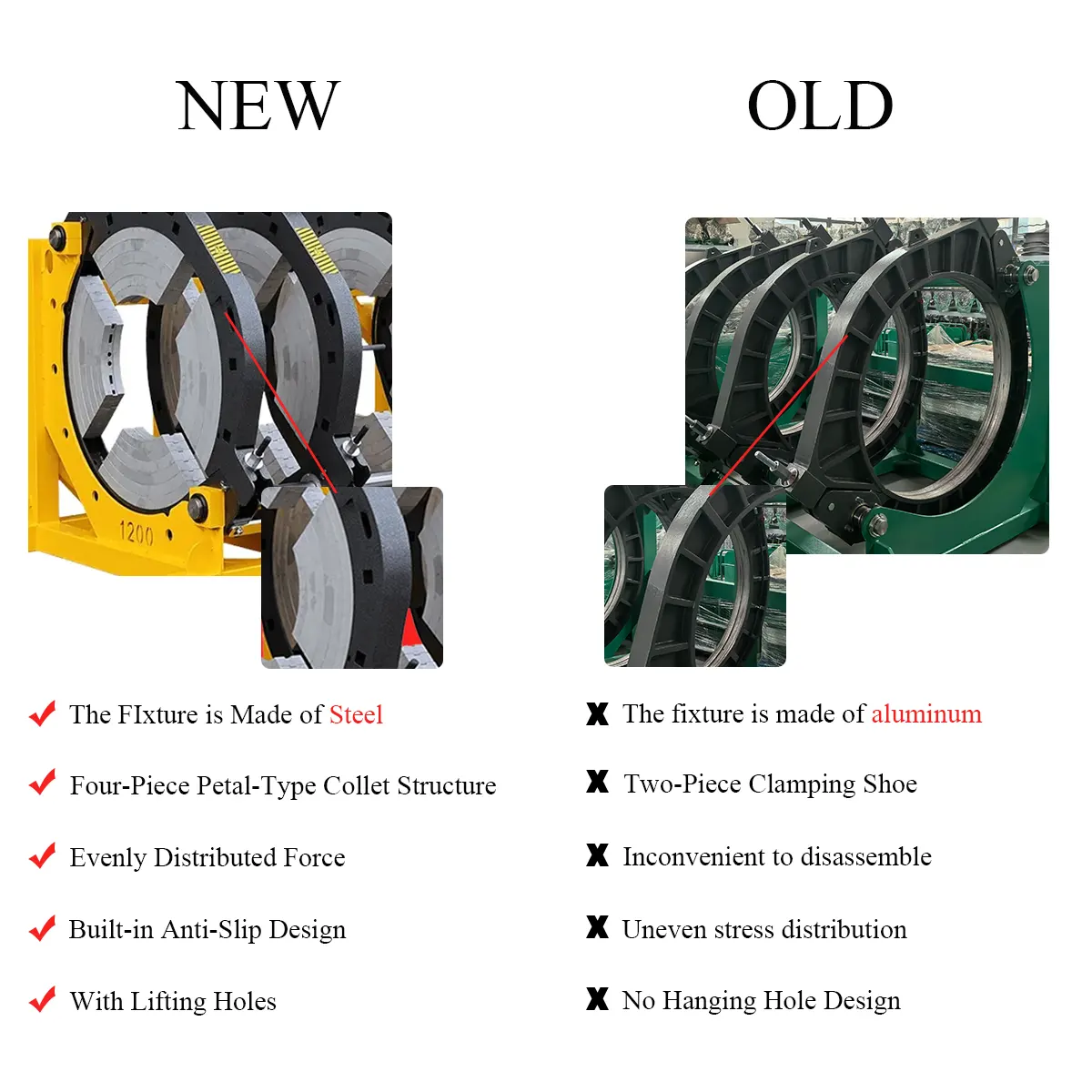
Once the fusion joint is made, the assembly must remain clamped and undisturbed for the full cooling time specified in the weld procedure. Removing the pipe from the machine prematurely is a leading cause of joint failure. Posted cooling time charts should be visibly available at each workstation.
Maintenance, Storage, and Operator Training
A well-maintained machine is a safe machine. Establish a documented maintenance schedule that includes heating plate calibration, hydraulic oil changes, and trimmer blade replacement. Store equipment in a dry, secure location, and always disconnect power sources before performing any service. Beyond equipment care, operator competence is paramount. All personnel should hold valid qualifications aligned with PE fusion operator requirements or equivalent national programs. Regular refresher training keeps safety protocols front of mind and reinforces correct technique.
| Maintenance Task | Frequency | Safety Impact |
|---|---|---|
| Heater surface inspection | Before each use | Prevents contamination and poor fusion |
| Thermocouple verification | Monthly | Ensures accurate temperature control |
| Hydraulic system check | Quarterly | Avoids pressure loss and erratic movement |
| Trimmer blade replacement | As needed / Annually | Guarantees clean, square pipe faces |
Common Safety Violations and How to Avoid Them
Recognizing frequent mistakes helps build a proactive safety culture on site. Even experienced crews can fall into complacency without regular reinforcement.
- Bypassing Safety Interlocks: Tampering with machine guards or disabling safety circuits to speed up production is extremely dangerous and strictly prohibited.
- Ignoring Weather Conditions: Welding in rain or high winds without adequate shelter leads to poor joint quality and increased slip hazards.
- Improper Lifting Techniques: Large-diameter hydraulic butt fusion machines require mechanical lifting aids. Manual handling of heavy components should never be attempted alone.
- Skipping the Cool-Down Period: Rushing to move pipes before the joint has fully cooled compromises the entire fusion integrity.
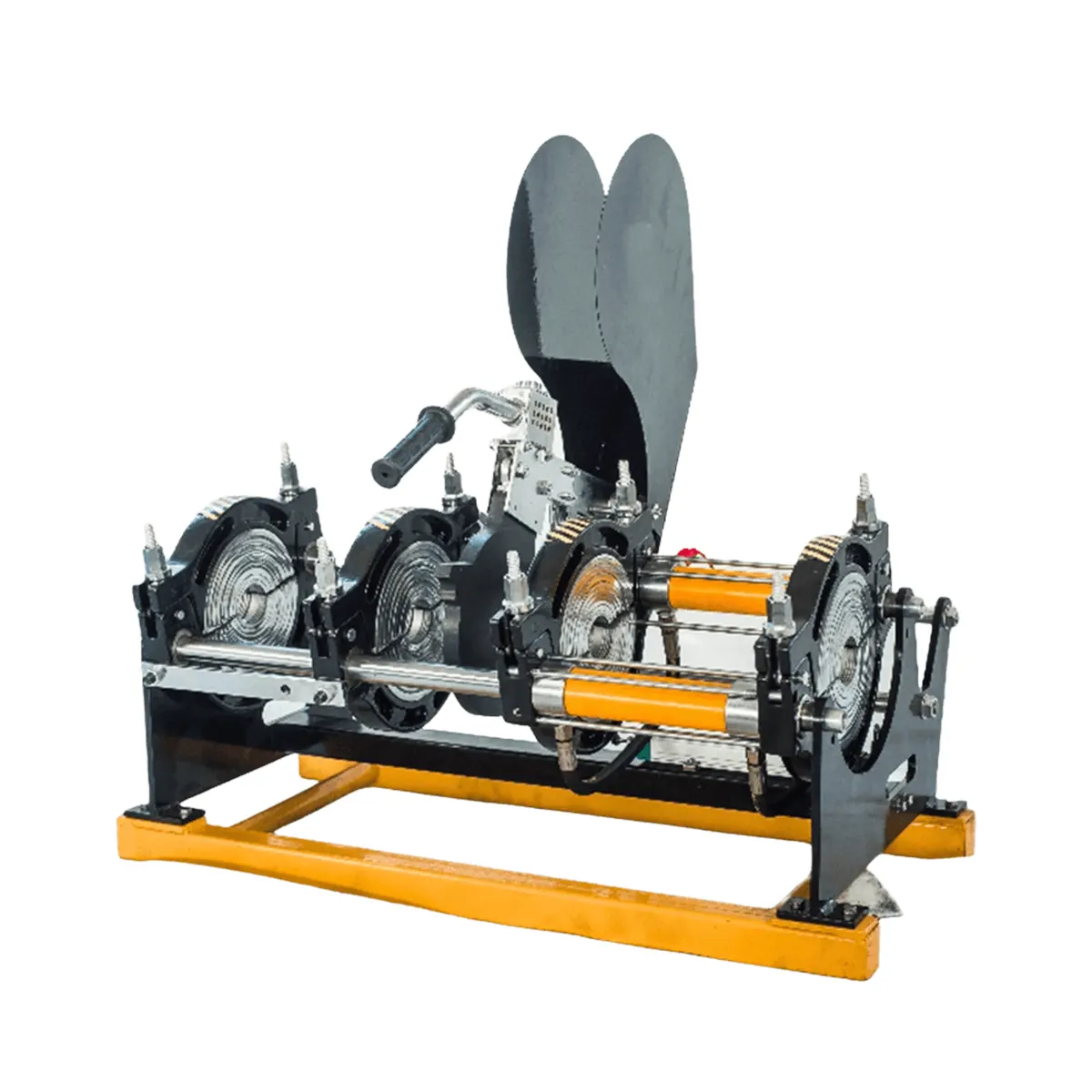
Implementing robust HDPE pipe welding equipment safety standards requires more than just reading a manual—it demands ongoing commitment from management and field crews alike. From selecting compliant welding equipment to enforcing strict operational discipline, every layer of precaution contributes to a safer, more productive worksite. Companies like JQ-Fusion support this mission by manufacturing reliable butt fusion machines designed with operator safety and weld precision at their core, helping contractors worldwide meet the highest industry expectations.



