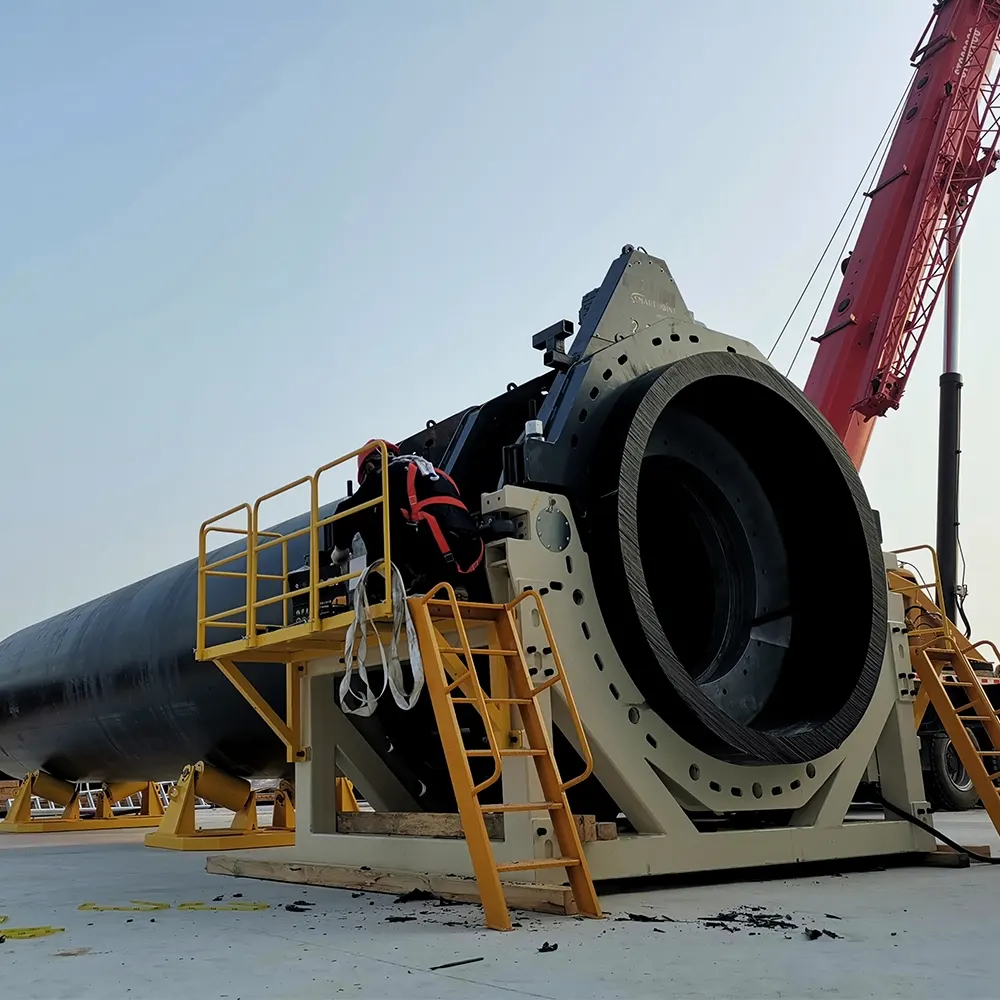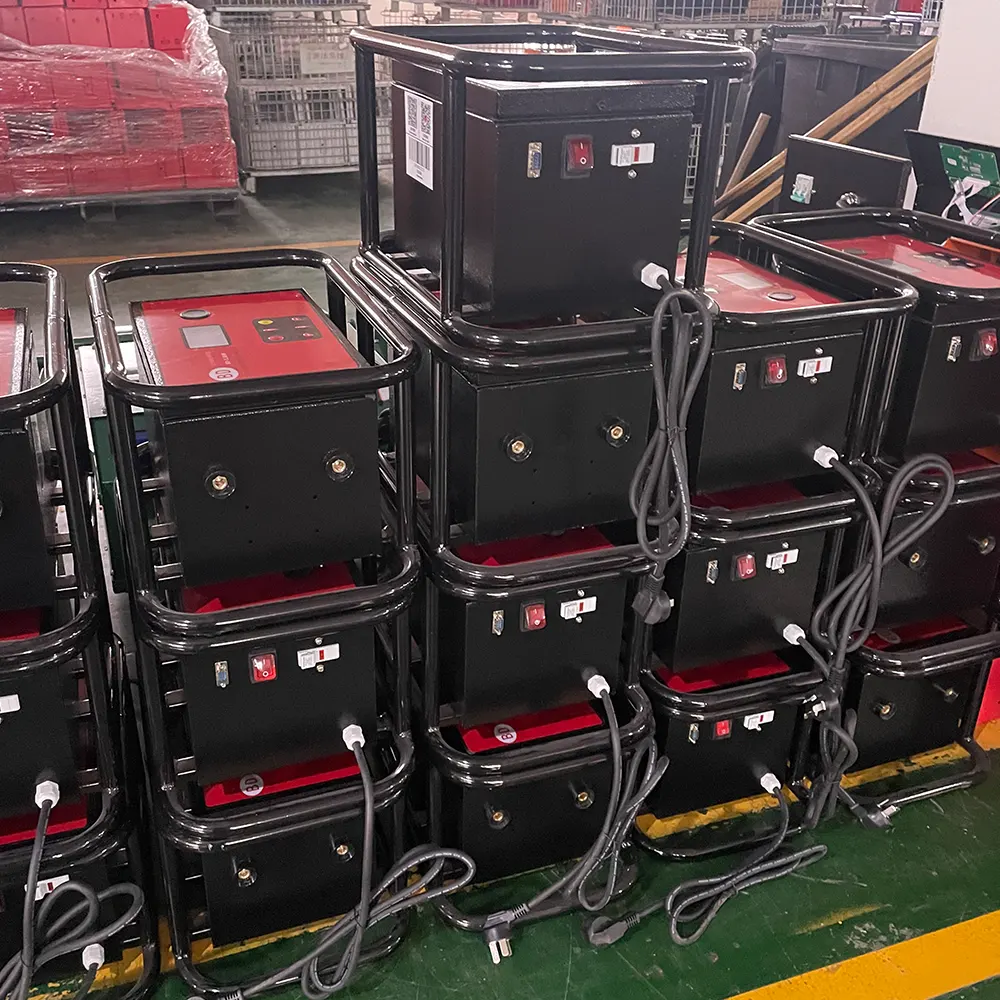
Selecting the right HDPE pipe welding equipment is critical for ensuring joint integrity, project efficiency, and long-term pipeline performance. Whether you are working on municipal water systems, gas distribution networks, or industrial applications, the quality of your fusion joints directly depends on the tools you use. This HDPE pipe welding equipment buying guide breaks down the essential factors to consider, from machine types and key features to standards compliance and after-sales support.
Understand Your Project Requirements First
Before comparing machine specifications, start by clearly defining your project scope. The right choice hinges on three primary variables: pipe diameter range, wall thickness (Standard Dimension Ratio or SDR), and the operating environment. A machine perfect for a small-diameter plumbing job will be completely inadequate for large-scale infrastructure.
- Pipe Diameter & SDR: Machines are designed for specific clamping ranges. Forcing a machine to hold pipes outside its capacity leads to misalignment and weak joints.
- Site Conditions: Confined trenches demand compact, lightweight manual machines, while open-area installations can accommodate larger hydraulic or CNC automatic butt fusion welding machines.
- Production Volume: High-volume projects benefit significantly from automation. CNC machines log data for every joint, reducing human error and ensuring consistent quality across thousands of welds.
Types of HDPE Butt Fusion Welding Machines
Familiarizing yourself with the main categories of butt fusion welding equipment helps narrow your search. The three core types vary significantly in operation, price, and application.
| Machine Type | Operation | Best For |
|---|---|---|
| Manual | Hand-lever clamping & pressure | Small diameters (up to 250mm), repairs, tight spaces |
| Hydraulic | Hydraulic power unit for clamping & facing | Medium to large diameters (200mm – 2000mm+), consistent production |
| CNC Automatic | Programmable controls, data logging | Critical infrastructure, gas & water mains, traceability required |
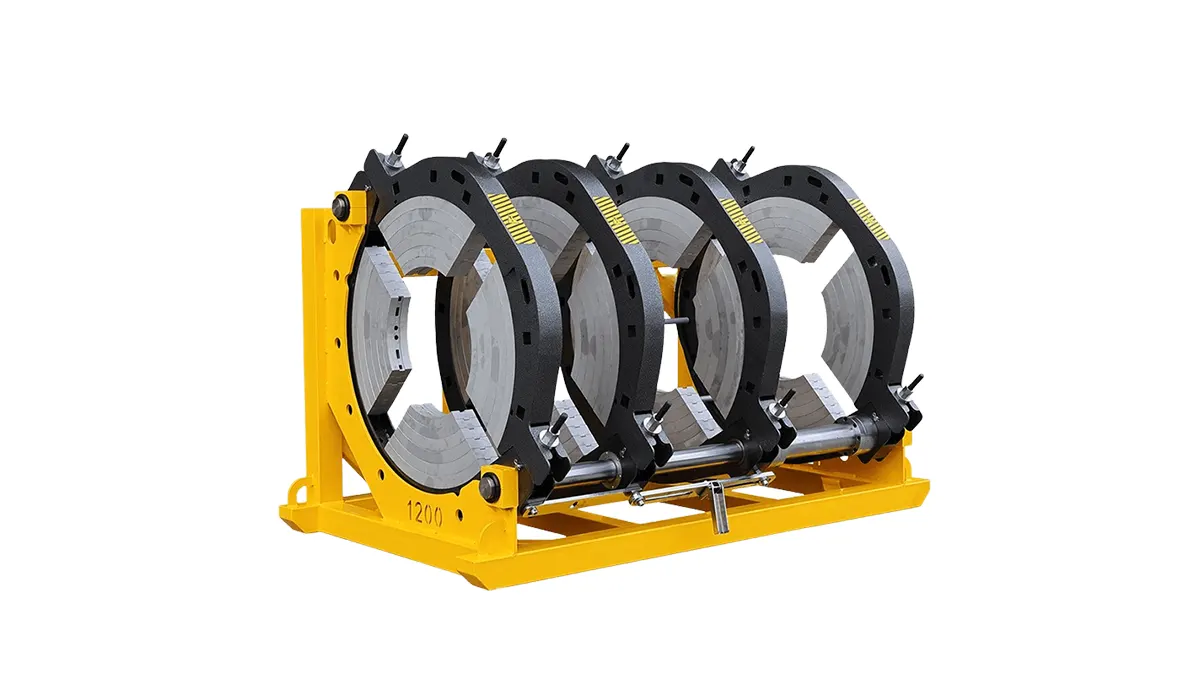
Explore Hydraulic Butt Fusion Models
Essential Features to Evaluate
Not all welding machines are built to the same standards. When comparing HDPE pipe welding equipment, look beyond the price tag and inspect these critical components carefully:
Clamps and Frame Alignment
The frame must be rigid enough to maintain perfect alignment throughout the welding cycle. High-quality machines use precision-machined clamping inserts that prevent pipe slippage without damaging the pipe surface. Misalignment of just a few degrees can create a weak fusion joint prone to failure under pressure.
Facing Tool Precision
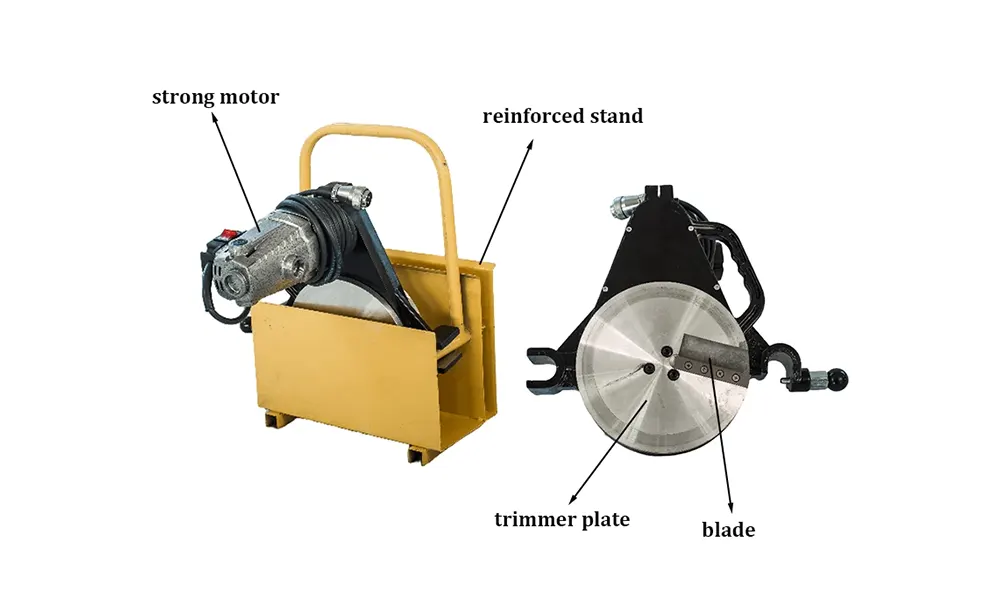
The butt fusion process starts with a clean, square face-off. A dual-sided facing tool with sharp, hardened steel blades ensures both pipe ends are planed simultaneously to achieve perfect parallelism. Dull blades create rough surfaces that inhibit proper melt flow during heating.
Heating Plate Temperature Control
Consistent, accurate heating is non-negotiable. The heating plate should have a digital controller with an even temperature distribution across its entire surface. A non-stick PTFE coating prevents material adhesion and ensures clean heating cycles. The difference between a standard and a precision heating plate is often the difference between a pass and fail in a hydrostatic test according to ISO 21307 butt fusion procedures.
Hydraulic vs. Manual: Making the Right Call
The choice between hydraulic and manual systems depends primarily on your operating scale and available power on site. Manual machines are portable and economical but demand significant physical effort for larger pipes.
- Manual Advantages: Lower initial cost, no power required for clamping, lightweight for rough terrain.
- Hydraulic Advantages: Precise pressure control, effortless operation on large diameters, faster cycle times, and reduced operator fatigue during repetitive welds.
For pipes above 315mm, a hydraulic butt fusion welder is strongly recommended to ensure the necessary force is applied uniformly, reducing the risk of cold fusion joints.
Compliance and Industry Standards
Always verify that your chosen equipment conforms to recognized international benchmarks. These standards define the required performance levels for joint integrity and machine calibration. Key references include:
- ISO 12176-1: Covers the general requirements for PE butt fusion equipment standards.
- ASTM F2620: The North American standard practice for ASTM F2620 heat fusion joining procedures.
- PPI TR-33: Provides generic butt fusion joining procedures widely adopted across the industry.
Machines that support data logging, especially for gas applications, provide an added layer of quality assurance and traceability when following ASTM F2620 pipeline safety requirements.
The Role of Electrofusion as a Complement
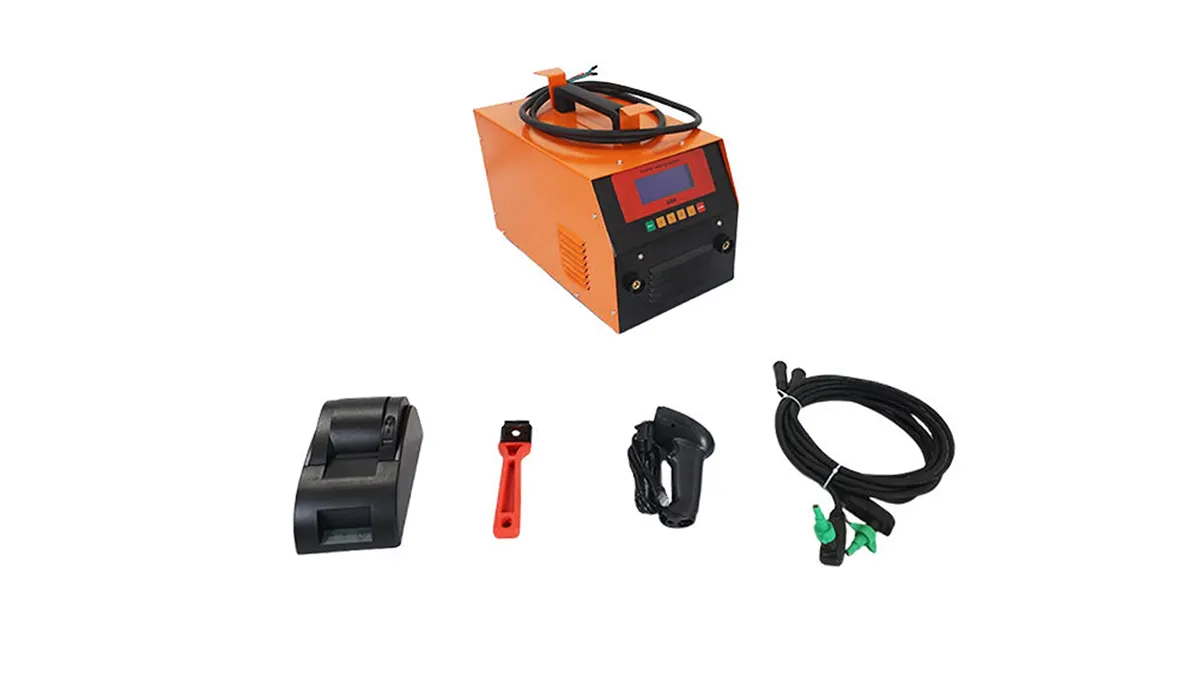
While butt fusion is ideal for joining straight lengths of pipe, electrofusion equipment is essential for repairs, tie-ins, and installing fittings in tight excavations. A complete pipeline toolkit often includes both technologies. Look for electrofusion processors that automatically read fitting barcodes and adjust welding parameters accordingly.
Don’t Overlook Support and Customization
Your relationship with the supplier is as important as the machine itself. A reliable partner offers more than just a product; they provide training, technical documentation, and responsive after-sales support. JQ-Fusion specializes in manufacturing durable, customizable HDPE pipe welding machines designed for rigorous field conditions, backed by strict quality control and ready global service. Consider whether you need standard models or tailored solutions like custom branding, specific voltage configurations, or adapted clamping ranges for unique pipe dimensions.
Key After-Sales Considerations
- Availability of spare parts such as heating plates, facer blades, and hydraulic seals.
- Access to calibration and repair services in your region.
- Operator training programs to meet PE fusion operator requirements.
- Warranty terms and the supplier’s history of honoring them promptly.
Final Selection Checklist
Before finalizing your purchase, review this summary to ensure you have covered all bases in your HDPE pipe welding equipment buying guide process:
- Match machine capacity to your maximum and minimum pipe diameters.
- Verify compatibility with your project’s SDR ratings.
- Choose manual, hydraulic, or CNC based on volume, site power, and precision needs.
- Inspect clamp rigidity, facer blade quality, and heating plate temperature uniformity.
- Confirm compliance with ISO 12176-1 and ASTM F2620 standards.
- Assess the manufacturer’s ability to provide ongoing support and spare parts.
Investing in the right equipment upfront safeguards your pipeline’s integrity for decades, making every fusion joint a reliable link in the system.