
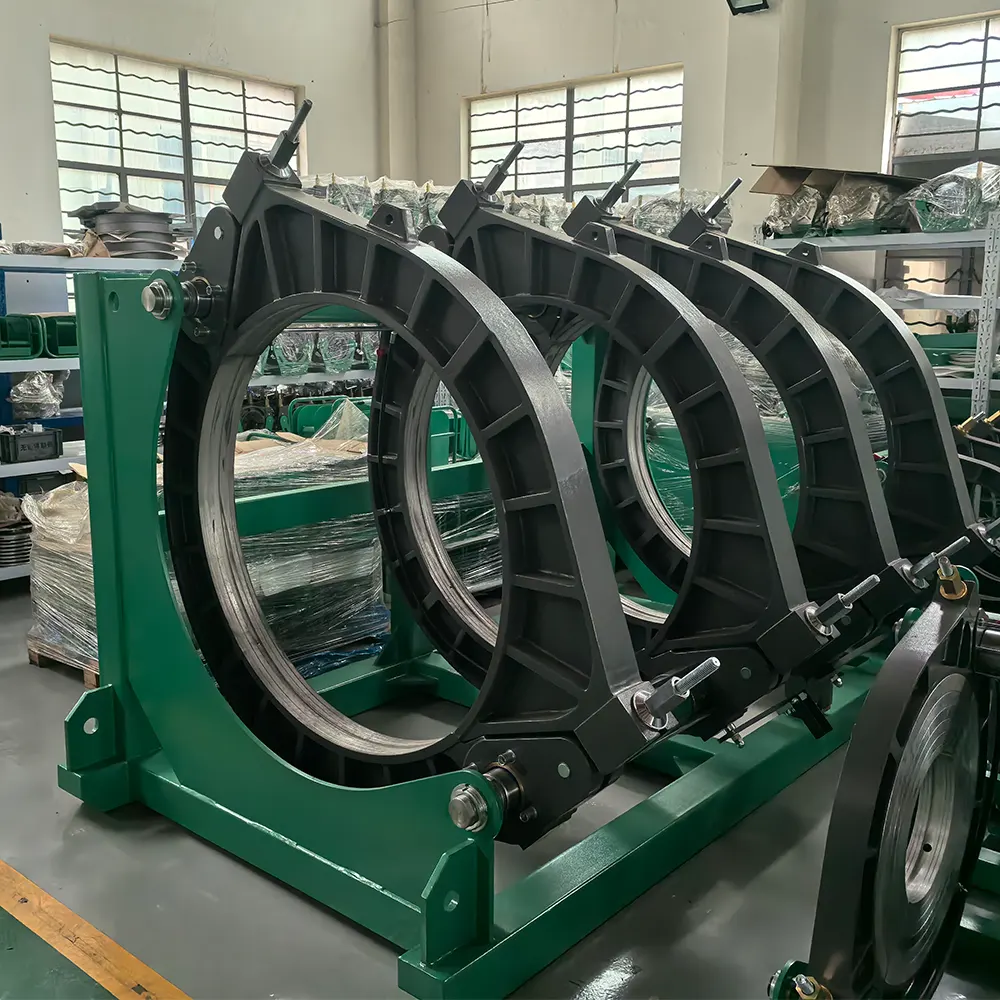
High-density polyethylene (HDPE) pipe welding is a critical process in water supply, gas distribution, and industrial pipeline systems. When your butt fusion welding machines encounter operational issues, even minor malfunctions can lead to costly downtime, compromised joint integrity, and project delays. Understanding the root causes of common HDPE welder problems—and knowing how to resolve them quickly—is essential for maintaining productivity and ensuring weld quality that meets ISO 21307 butt fusion procedures.
Understanding Common HDPE Welder Issues
Operators of hydraulic butt fusion machines and manual units alike frequently encounter a range of technical challenges. These issues typically fall into four categories: heating system malfunctions, hydraulic or mechanical alignment problems, operator error, and maintenance-related degradation. Below, we break down the most frequent problems, their underlying causes, and actionable solutions to help you get your equipment back to peak performance.
| Problem | Possible Cause | Solution |
|---|---|---|
| Heating plate not reaching target temperature | Faulty thermocouple, damaged heating element, or loose electrical connections | Test thermocouple continuity with a multimeter; inspect all terminal connections; replace defective heating elements |
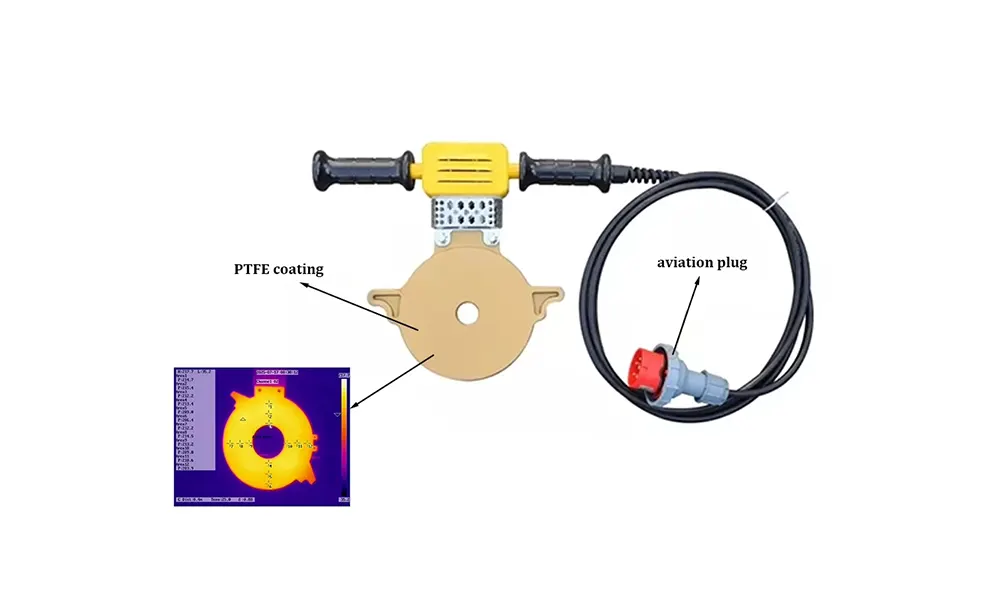
| Uneven temperature distribution across plate surface | Warped heating plate, internal element burnout in specific zones, or insufficient preheating time | Verify plate flatness with a straight edge; allow full preheating cycle; use infrared thermometer to map surface temperature and replace if variance exceeds ±5°C |
| PTFE non-stick coating peeling or damaged | Aggressive cleaning with metal tools, prolonged overheating, or natural wear | Clean only with non-abrasive cloth; replace PTFE sheet or entire plate coating; always use proper release agents during welding |
| Excessive or insufficient hydraulic clamping force | Hydraulic fluid contamination, worn seals, incorrect pressure settings, or air in the system | Bleed hydraulic lines to remove trapped air; replace hydraulic fluid per manufacturer schedule; verify pressure gauge calibration; inspect cylinder seals for leakage |
| Pipe ends slipping during fusion cycle | Worn or dirty clamp inserts, incorrect clamp sizing, or insufficient clamping pressure | Clean clamp surfaces thoroughly; verify correct insert size for pipe diameter; tighten all clamp bolts evenly; replace worn inserts immediately |
| Misalignment of pipe ends after clamping | Bent frame components, uneven ground surface, or improper clamp adjustment | Level the machine frame on stable ground; check frame straightness with alignment tools; adjust individual clamp heights until pipe ends match perfectly |
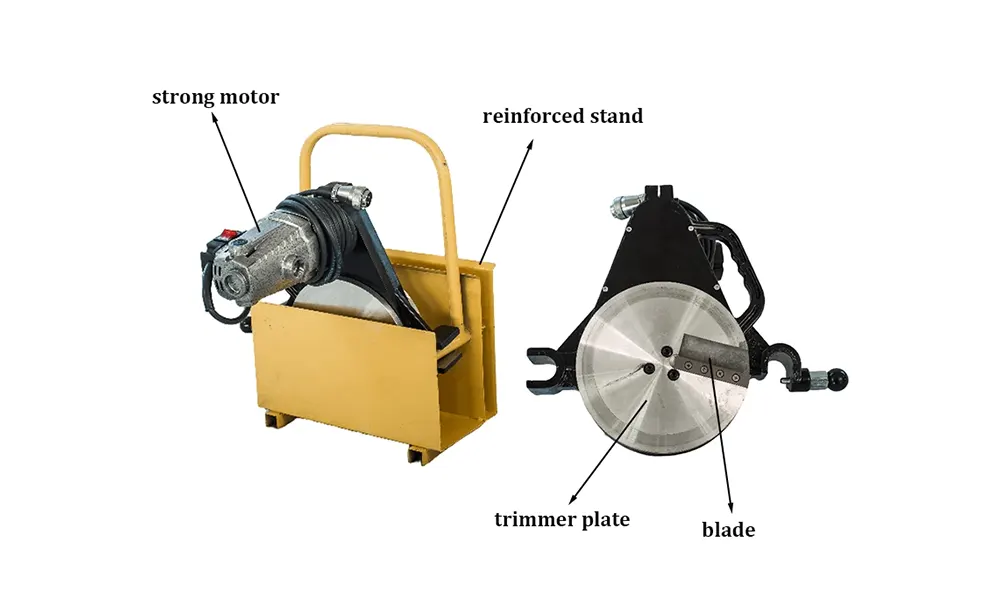
| Trimmer blades cutting unevenly or stalling | Dull or chipped blades, insufficient lubrication, or motor drive issues | Sharpen or replace trimmer blades; lubricate moving parts regularly; inspect drive motor and gearbox for abnormal noise or resistance |
| Inconsistent fusion bead formation | Incorrect welding parameters, temperature fluctuations, or premature pressure application | Verify parameters against PPI butt fusion procedure guidelines; monitor heater temperature throughout cycle; follow proper dwell and cooling times strictly |
| Hydraulic pump motor overheating | Low hydraulic fluid level, clogged filter, excessive duty cycle, or electrical supply issues | Check and top up hydraulic fluid; replace clogged filters; allow cooling periods during extended operations; verify voltage supply matches motor specifications |
| CNC or automatic control system errors | Software glitches, sensor calibration drift, or electrical interference | Restart the control system; recalibrate sensors; check grounding connections; consult automatic butt fusion welder manufacturer for firmware updates |
Electrical and Power Supply Faults
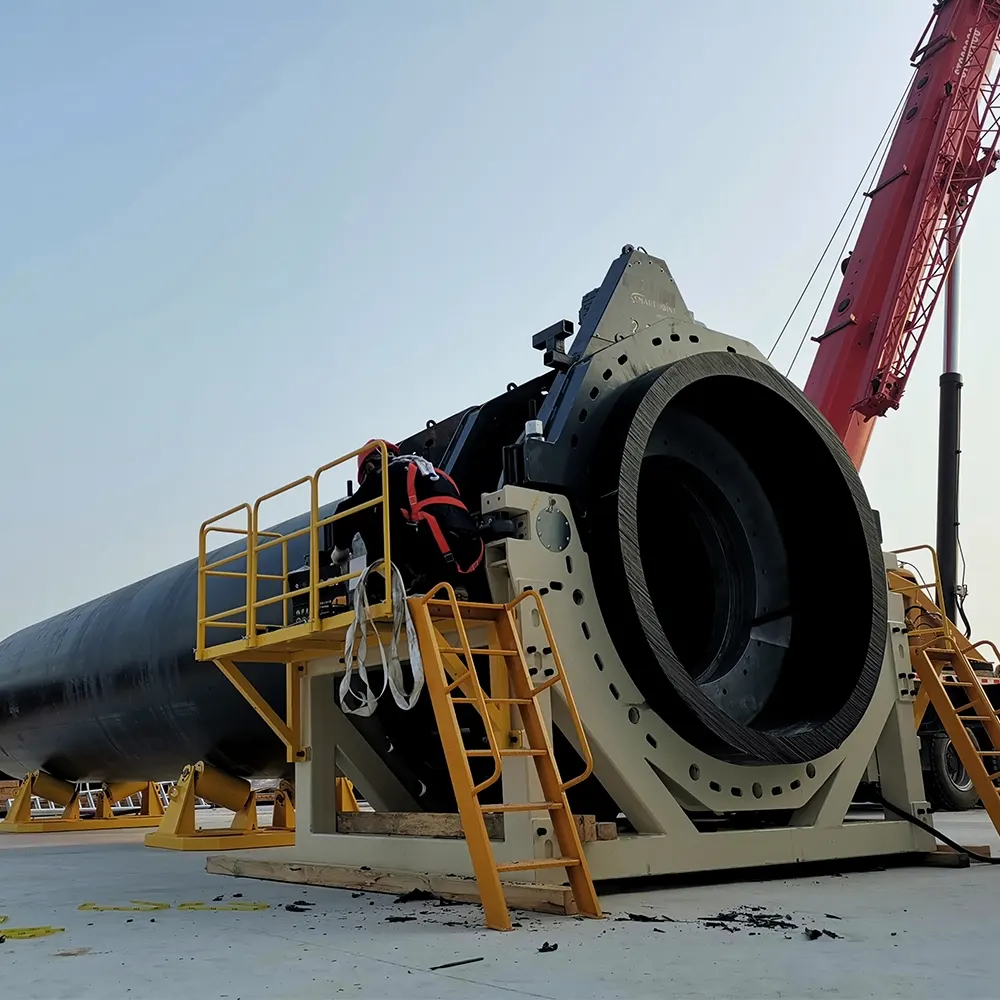
Electrical issues are among the most commonly overlooked causes of HDPE welder malfunctions. A machine that fails to start, trips breakers, or exhibits intermittent operation often points to power supply problems rather than mechanical defects.
- Voltage incompatibility: Many welding equipment requires specific voltage inputs. Using an incorrect power source can damage internal components or prevent the heating plate from reaching proper temperature. Always verify the machine’s rated voltage against the site supply.
- Damaged power cables: Frayed or kinked cables create resistance, causing voltage drops that affect heater performance. Inspect cables regularly and replace any showing signs of wear.
- Grounding faults: Poor grounding can introduce electrical noise that disrupts electrofusion equipment and CNC controllers. Ensure proper earthing connections at every job site.
Temperature Control and Heating Plate Maintenance
The heating plate is the heart of any butt fusion process. According to the PE butt fusion equipment standard, maintaining precise temperature control is non-negotiable for achieving compliant welds. A plate that runs too cool produces weak bonds; one that overheats can degrade the polyethylene material, leading to brittle joints that fail under pressure.
Regular calibration of the heating plate thermostat against a certified reference thermometer is strongly recommended. Operators should also document temperature readings before each shift as part of a quality assurance program aligned with ASTM F2620 heat fusion requirements. If the plate shows visible hot spots or cold zones during infrared scanning, the internal heating element may need partial or complete replacement.
Hydraulic System Troubleshooting
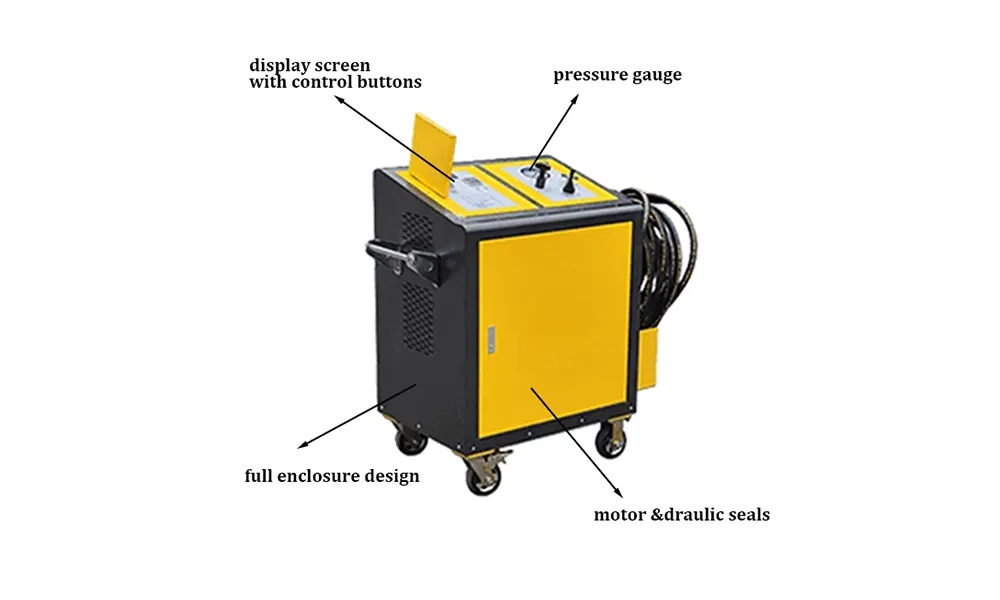
For hydraulic butt fusion machines, the hydraulic power unit drives both clamping and carriage movement. Common hydraulic faults include sluggish cylinder response, jerky movements during the fusion cycle, and complete loss of pressure. These symptoms typically trace back to one of three root causes:
- Contaminated fluid: Over time, hydraulic oil absorbs moisture and accumulates particulate matter. This degrades performance and accelerates wear on seals and valves. Change hydraulic fluid according to the maintenance schedule, and always use the recommended oil grade.
- Internal leakage: Worn piston seals allow pressurized fluid to bypass internally, reducing effective clamping force without visible external leaks. A pressure decay test can confirm this condition.
- Air entrapment: Air bubbles in hydraulic fluid cause spongy, unpredictable cylinder movement. Bleeding the system thoroughly after any maintenance procedure restores firm, consistent operation.
Mechanical Alignment and Frame Integrity
Pipe misalignment during butt fusion creates uneven bead formation and stress concentrations in the finished joint. Even a deviation of 10% of the pipe wall thickness can significantly reduce long-term joint strength. The causes of misalignment are often mechanical rather than operator-related:
- Bent or twisted frame members from rough handling during transport
- Worn clamp bushings that allow excessive play in the gripping mechanism
- Accumulated dirt and debris preventing clamps from seating fully
- Operating on uneven or unstable ground without proper machine leveling
Regular frame inspection using a precision straight edge and feeler gauges helps identify developing alignment problems before they affect weld quality. All pivot points and sliding surfaces should be kept clean and properly lubricated.
Operator Best Practices for Consistent Welds
Even the most advanced butt fusion welding equipment cannot compensate for operator error. Training and adherence to standardized procedures are essential. Key operator-related factors that cause weld defects include:
- Insufficient pipe end preparation: Pipe ends must be clean, dry, and freshly faced with a sharp trimmer immediately before fusion. Oxidized or contaminated surfaces inhibit proper molecular bonding.
- Incorrect heating time: Removing the heating plate too early or too late alters the melt bead geometry. Operators should follow the time recommendations specific to pipe diameter and wall thickness per PE butt fusion process documentation.
- Rushed cooling cycle: Moving or stressing the joint before complete cooling introduces residual stresses that can cause premature failure. Natural cooling under maintained pressure is critical.
Preventive Maintenance Schedule
A structured maintenance program prevents most HDPE welder problems before they occur. The following table outlines recommended inspection intervals and actions:
| Interval | Maintenance Task | Key Check Points |
|---|---|---|
| Daily | Clean heating plate surface; inspect PTFE coating; check hydraulic fluid level | Non-stick surface condition, oil level sight glass, cable integrity |
| Weekly | Verify temperature calibration; inspect clamp inserts; test hydraulic pressure | Thermocouple accuracy, insert wear patterns, pressure gauge readings |
| Monthly | Lubricate all moving parts; check frame alignment; test safety interlocks | Bushing play, frame straightness, emergency stop function |
| Annually | Complete hydraulic fluid change; full electrical inspection; load test all functions | Oil contamination analysis, insulation resistance, cylinder seal integrity |
When to Seek Professional Support
While many HDPE welder issues can be resolved on-site with basic troubleshooting, certain conditions warrant professional intervention. Persistent hydraulic leaks that resist seal replacement, control board failures requiring specialized diagnostics, and structural frame damage from accidents should be addressed by qualified technicians. JQ-Fusion provides comprehensive after-sales support for welding equipment, including remote diagnostics, spare parts supply, and on-site service coordination to minimize your project downtime.
Maintaining a reliable inventory of critical spare parts—heating elements, PTFE sheets, hydraulic seals, clamp inserts, and thermocouples—enables rapid repairs and reduces operational interruptions. Investing in operator training and adhering to a disciplined preventive maintenance schedule are the most effective strategies for extending the service life of your HDPE pipe welding machines and ensuring every joint meets the rigorous standards demanded by modern infrastructure projects.



