
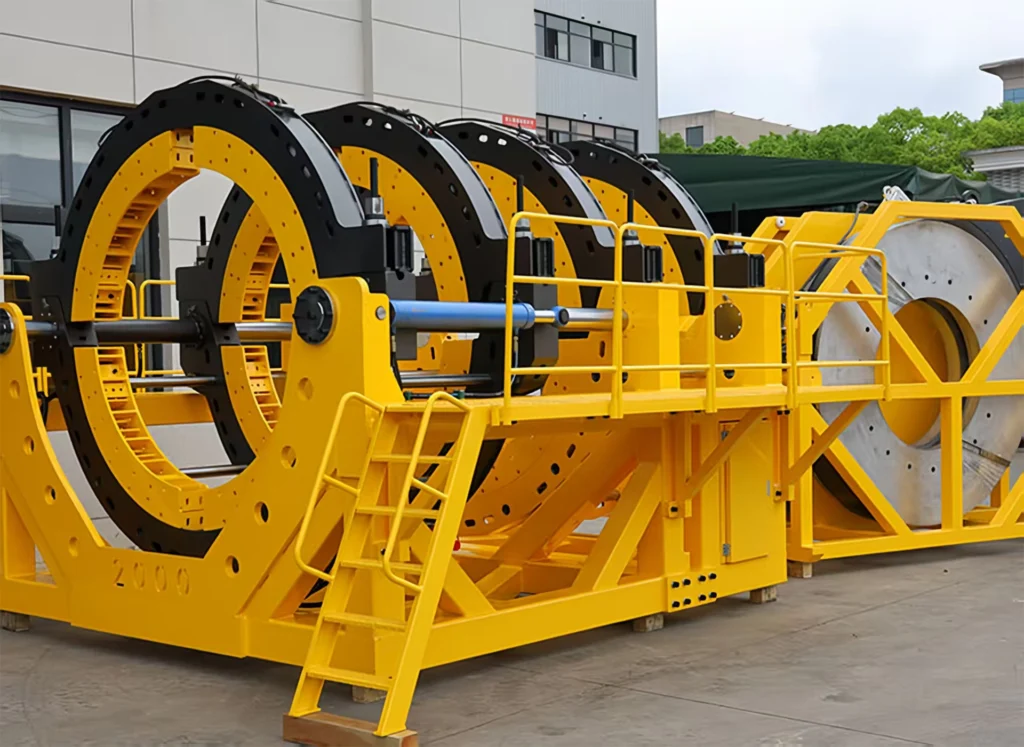
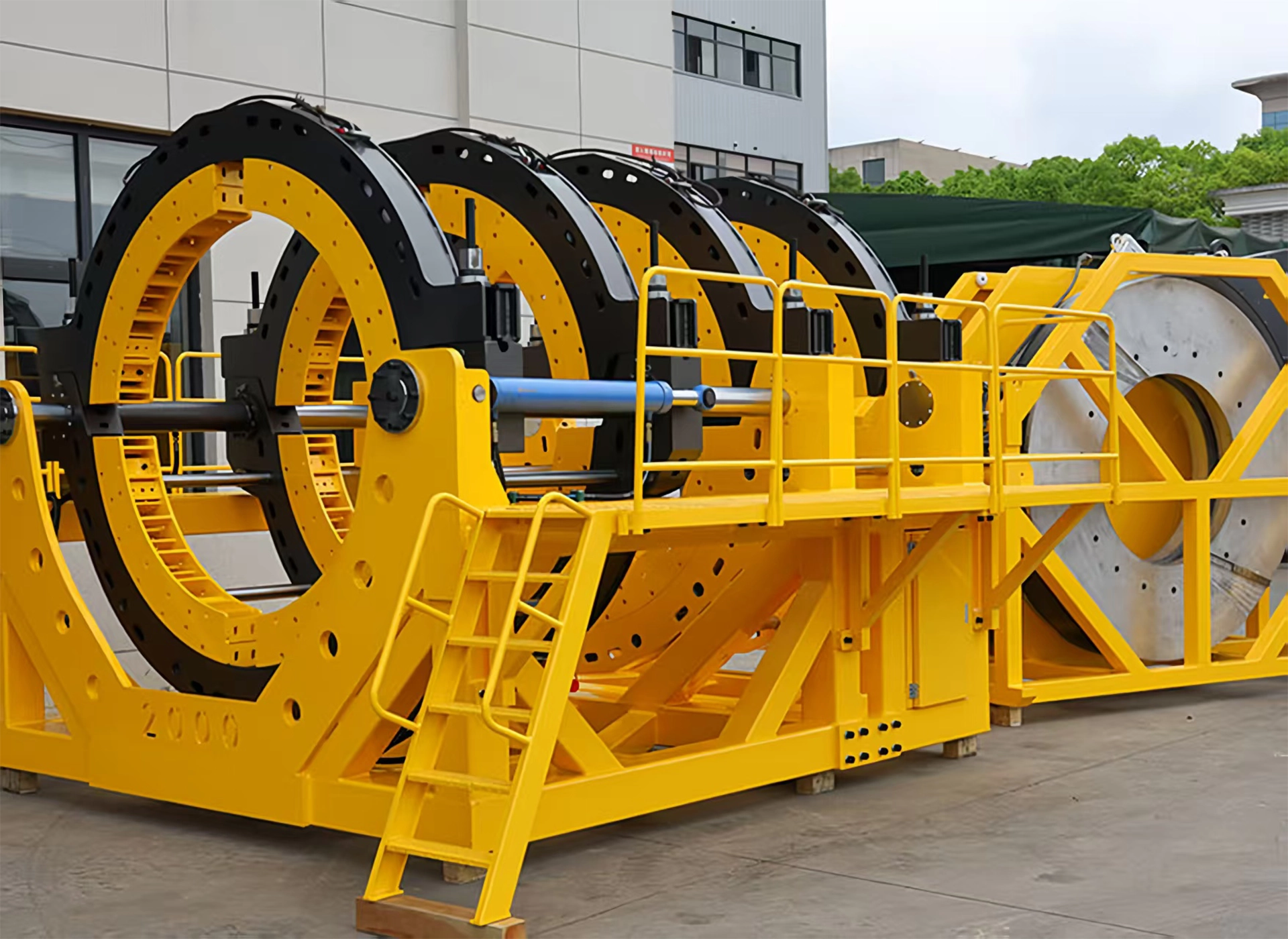
A well-maintained HDPE welding machine is the backbone of every successful pipeline project. Whether you are working with a hydraulic butt fusion machine on large-diameter pipes or a compact manual unit in the field, regular upkeep directly impacts weld integrity and equipment longevity. Neglecting maintenance can lead to misaligned joints, inconsistent heating, and costly downtime. This HDPE welder maintenance guide provides practical, structured steps to keep your equipment performing at its best, season after season.
Why Routine Maintenance Matters
Every butt fusion joint relies on three critical parameters: temperature, pressure, and time. When any component of your welding machine drifts out of specification, the fusion quality suffers. Routine maintenance ensures that the heating plate maintains accurate surface temperature, the hydraulic system delivers steady pressure, and the clamps hold pipes in perfect alignment. Following guidelines such as PPI butt fusion procedure standards helps operators establish a reliable baseline, but daily care is what sustains performance over thousands of welds.
Daily Inspection Checklist
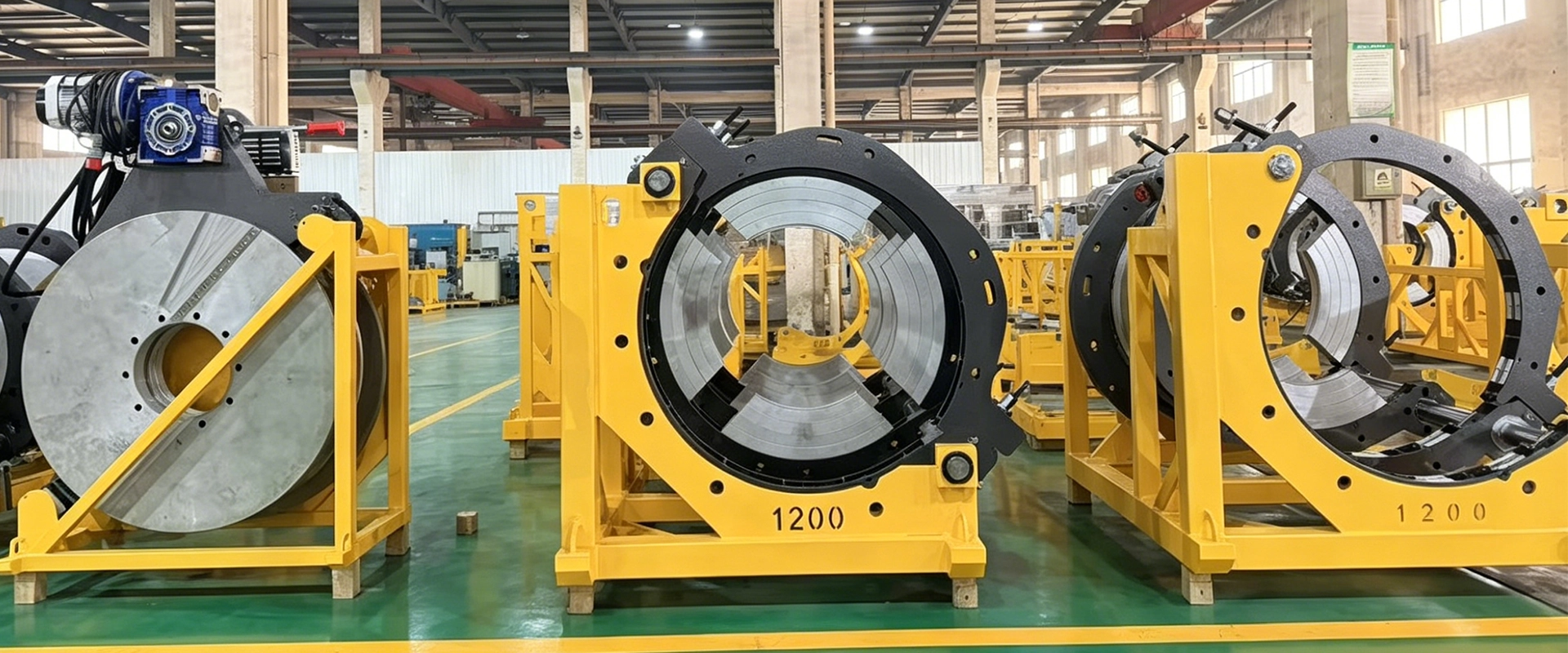
Start each workday with a visual and functional inspection. This simple habit catches minor issues before they escalate into major failures. Focus on the following areas:
- Heating plate surface: Check for PTFE coating damage, residual plastic, or uneven discoloration.
- Clamp jaws and inserts: Look for deformation, wear, or debris that could affect pipe gripping.
- Hydraulic hoses and fittings: Inspect for leaks, cracks, or loose connections.
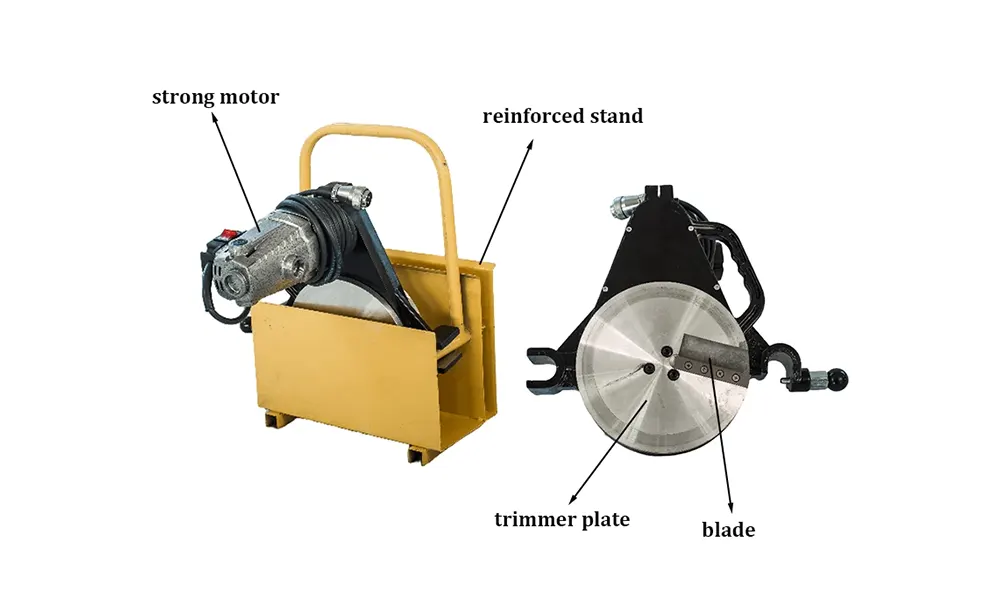
- Trimmer blades: Ensure they are sharp and free of resin buildup; dull blades create uneven pipe ends.
- Control panel: Verify that all displays, buttons, and emergency stops function correctly.
For CNC automatic butt fusion machines, also confirm that the data logging system is recording properly and that firmware is up to date. Consistent daily checks form the foundation of any effective HDPE welder maintenance guide.
Heating Plate Care and Calibration
The heating plate is the heart of the fusion process. A contaminated or miscalibrated plate produces weak, unreliable joints. Follow these practices:
Cleaning the Heating Plate
Clean the heating plate after every use while it is still warm—not hot. Use a non-abrasive cloth or a dedicated cleaning tool to remove polyethylene residue. Never use metal scrapers on PTFE-coated surfaces, as scratches lead to sticking and uneven heat transfer.
Temperature Verification
Check the plate surface temperature daily with a calibrated digital pyrometer. Compare readings at multiple points across the plate. Temperature deviation should remain within ±5°C of the setpoint according to ASTM F2620 heat fusion standards. If you find significant variation, recalibrate or replace the internal thermostat before proceeding with any welds.
Hydraulic System Maintenance
The hydraulic power unit on your hydraulic butt fusion welding machine requires periodic attention to maintain consistent pressure delivery. Key maintenance tasks include:
- Oil level and quality: Check hydraulic oil level weekly and replace oil according to the manufacturer’s schedule. Contaminated oil causes valve sticking and erratic pressure.
- Filter replacement: Change hydraulic filters every 500 operating hours or as specified in your machine manual.
- Cylinder and seal inspection: Look for external leaks around cylinder rods. Replace worn seals promptly to prevent pressure loss during the fusion cycle.
- Pressure gauge calibration: Verify gauge accuracy annually against a calibrated reference gauge.
Clamp and Frame Alignment
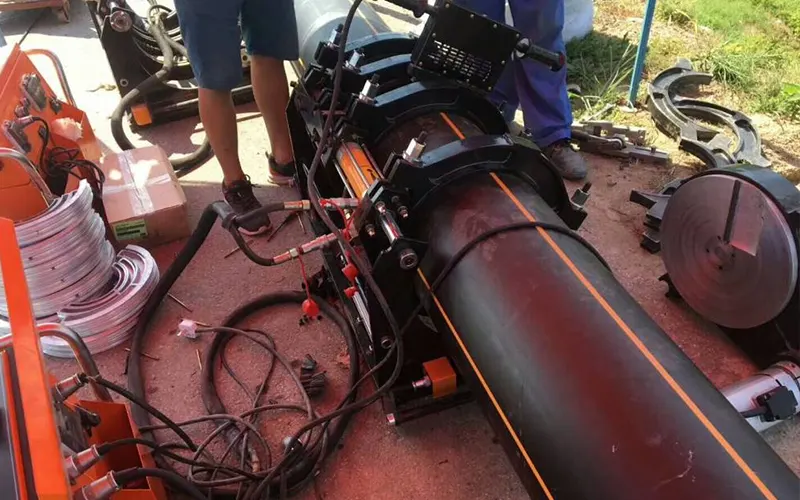
Misaligned clamps are a leading cause of fusion defects. Over time, frames can twist or shift, especially on mobile equipment transported between job sites. Perform alignment checks monthly:
- Place a straight, machined bar or a known-straight pipe section across the full width of the clamps.
- Measure the gap between the bar and each clamp face using feeler gauges.
- Adjust clamp bolts or shims as needed until the gap is uniform across all contact points.
- Tighten all frame bolts to the torque values specified in the equipment manual.
For manual butt fusion machines with removable clamp inserts, inspect the insert locking mechanism regularly. Worn locks allow movement during welding, compromising joint alignment.
Trimmer Maintenance and Blade Care
The facing trimmer creates the flat, parallel pipe ends essential for proper fusion. Keep it in top condition with these steps:
- Remove and inspect blades after every 50-100 welds, depending on pipe material and diameter.
- Sharpen or replace blades that show nicks, dulling, or resin buildup.
- Lubricate trimmer bearings and guide rods according to the maintenance schedule.
- Store the trimmer in a clean, dry location when not in use to prevent corrosion.
Electrical System and Controls
Modern welding machines integrate sophisticated electronic controls. Protect these systems through careful handling and periodic checks:
- Inspect all cables and connectors for cuts, abrasion, or loose terminals.
- Keep control panels and junction boxes sealed against moisture and dust ingress.
- Test emergency stop circuits weekly to confirm they immediately interrupt power.
- For machines with data logging, back up weld records regularly and verify sensor accuracy.
Storage and Transportation Best Practices
How you store and transport your equipment directly affects its service life. Follow these guidelines:
- Indoor storage: Whenever possible, store machines in a dry, temperature-controlled environment.
- Protective covers: Use weatherproof covers during outdoor storage or transport to shield against rain, dust, and UV exposure.
- Secure transport: Fasten all components securely before moving. Loose parts can shift and damage precision surfaces.
- Long-term storage preparation: Clean all surfaces, apply light oil to exposed metal parts, and relieve hydraulic pressure before extended storage periods.
Planned Maintenance Schedule
Establishing a structured maintenance timetable helps ensure no task is overlooked. The table below summarizes recommended intervals for key maintenance activities. Adapt frequencies based on your operating conditions and machine usage intensity.
| Frequency | Maintenance Task | Component |
|---|---|---|
| Daily | Clean heating plate surface; check temperature | Heating Plate |
| Daily | Inspect hydraulic hoses and connections | Hydraulic System |
| Weekly | Check hydraulic oil level and condition | Hydraulic Power Unit |
| Weekly | Test emergency stop functionality | Control System |
| Monthly | Verify clamp alignment and frame rigidity | Clamp & Frame |
| Monthly | Inspect trimmer blades; sharpen or replace | Facing Trimmer |
| Every 500 Hours | Replace hydraulic filter element | Hydraulic System |
| Annually | Calibrate pressure gauge and temperature controller | Controls & Instrumentation |
| Annually | Replace hydraulic oil completely | Hydraulic Power Unit |
Troubleshooting Common Issues
Even with diligent maintenance, occasional problems arise. Here are quick diagnostic tips for frequent challenges:
- Uneven bead formation: Check heating plate temperature uniformity and clamp alignment. A tilted plate or misaligned frame causes asymmetric melt patterns.
- Excessive hydraulic pressure fluctuation: Inspect for air in hydraulic lines, low oil level, or a worn pump. Bleed the system if necessary.
- Pipe slippage in clamps: Clean clamp inserts, verify insert size matches pipe diameter, and check clamping pressure setting.
- Intermittent control faults: Examine wiring connections for looseness or corrosion. Environmental moisture is a common culprit.
Training and Operator Competency
Well-trained operators are your best defense against equipment damage. Invest in proper training that covers not only welding techniques but also equipment care. Operators should understand the difference between normal wear and signs of impending failure. Encourage them to report unusual noises, vibrations, or performance changes immediately. A proactive reporting culture prevents small issues from developing into expensive repairs.
Documentation and Record Keeping
Maintain detailed logs of all maintenance activities, including dates, tasks performed, parts replaced, and any observations. This documentation serves multiple purposes: it tracks equipment history for warranty claims, helps predict component life cycles, and provides traceability for quality assurance audits. Digital or paper-based systems both work—consistency is what matters most.
Partnering with a Reliable Equipment Supplier
Access to genuine spare parts, technical support, and expert guidance makes maintenance significantly easier. Working with an experienced manufacturer ensures you receive the right components and advice for your specific machine model. JQ-Fusion supports operators worldwide with responsive service and comprehensive product knowledge, helping teams maintain their equipment for reliable long-term performance.
A disciplined approach to maintenance transforms your butt fusion welding equipment from a potential liability into a dependable asset. By following this HDPE welder maintenance guide, you protect your investment, reduce downtime, and consistently produce strong, leak-free joints that meet industry standards. Make maintenance a daily priority, and your equipment will reward you with years of trouble-free service.



