
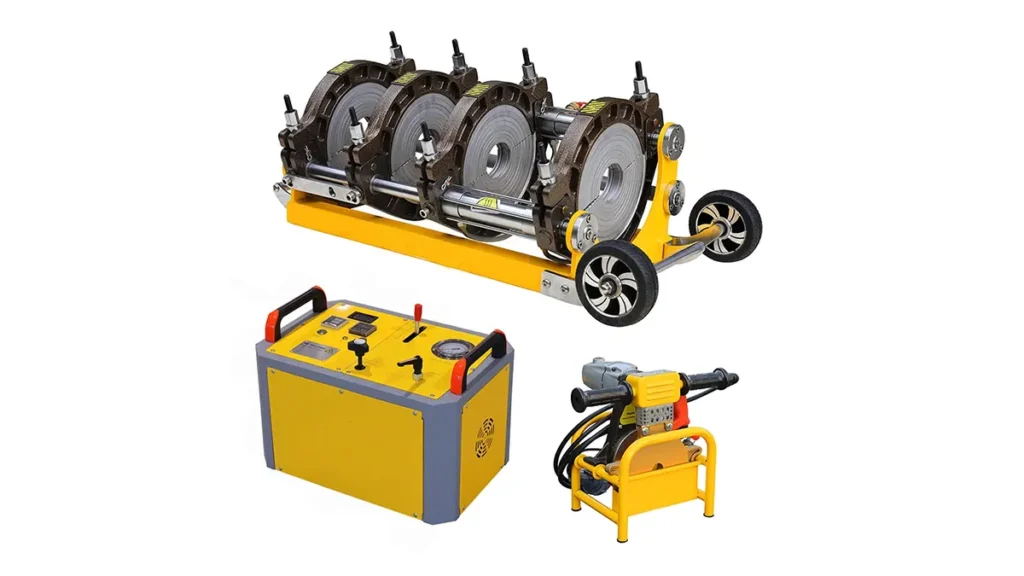
Creating strong, leak-free joints is the cornerstone of any successful HDPE piping project. Whether you are working on water supply, gas distribution, or industrial pipelines, mastering how to use an HDPE welder correctly ensures long-lasting and reliable connections. This guide walks you through the essential steps, from preparation to final inspection, while highlighting the best practices recommended by industry standards.
Understanding HDPE Welding Methods
Before diving into the process, it’s crucial to understand the two primary fusion methods. Butt fusion involves heating the pipe ends and pressing them together, while electrofusion uses specialized fittings with built-in heating coils. Both techniques require precise control of temperature, pressure, and time to achieve a homogeneous bond. Referencing the what is HDPE butt fusion fundamental principles will deepen your technical understanding.
Essential Safety Precautions
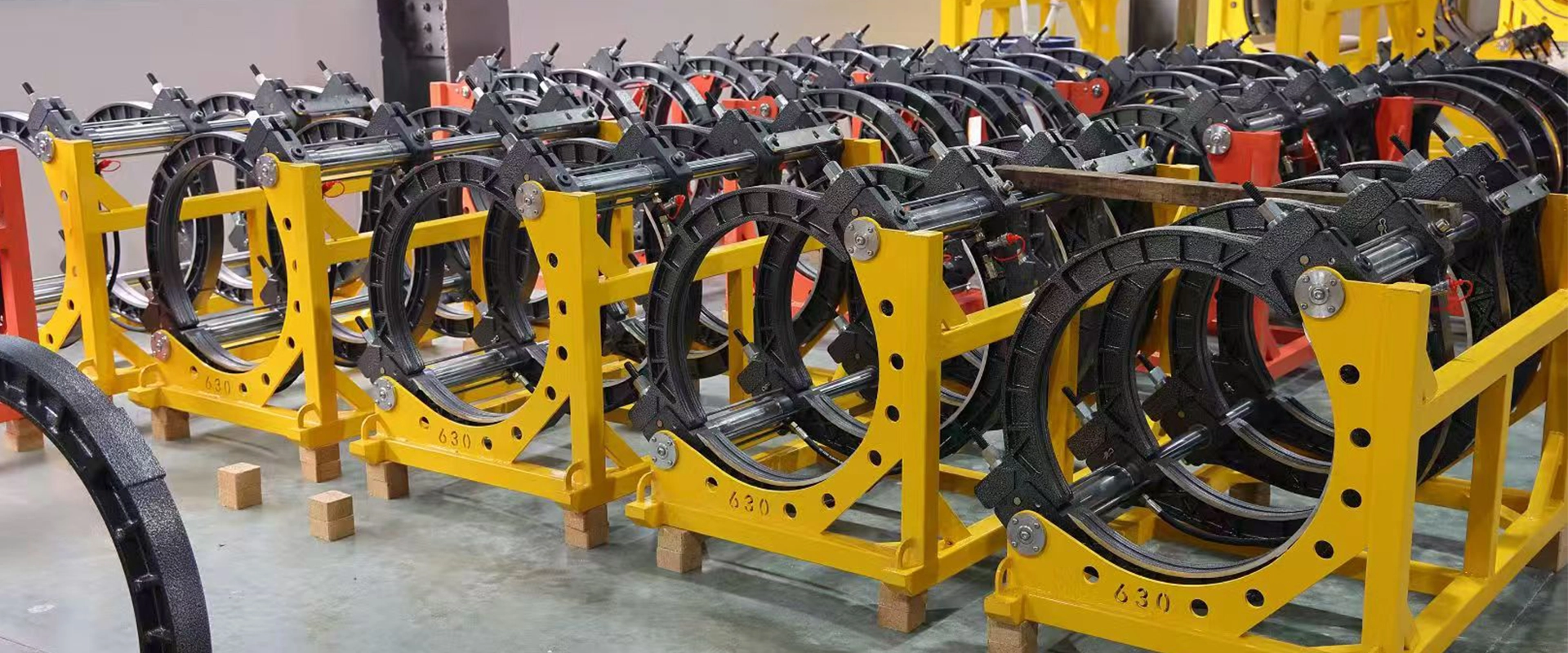
Operating an HDPE welder demands strict adherence to safety protocols. Always wear heat-resistant gloves, safety glasses, and protective clothing. Ensure the work area is clean, dry, and well-ventilated. Check all electrical connections and hydraulic hoses for damage before starting. Never touch the heating plate or freshly welded joints with bare hands.
Step-by-Step Guide to Butt Fusion Welding
Follow these precise steps to achieve consistent, high-quality welds. The procedure aligns with the ISO 21307 butt fusion procedures to ensure international standard compliance.
Step 1: Inspect and Prepare the Pipes
Clean the pipe ends thoroughly with a lint-free cloth and isopropyl alcohol. Inspect for deep scratches, cracks, or contamination. The surfaces must be completely dry and free of grease. Mark the insertion depth on the pipes to ensure proper alignment during clamping.
Step 2: Clamp and Align the Pipes
Secure both pipe ends in the welding machine clamps. The pipes must be perfectly aligned with minimal mismatch. Use the machine’s alignment features to center the pipes and reduce high-low misalignment. Proper alignment directly affects joint integrity.
Step 3: Face the Pipe Ends
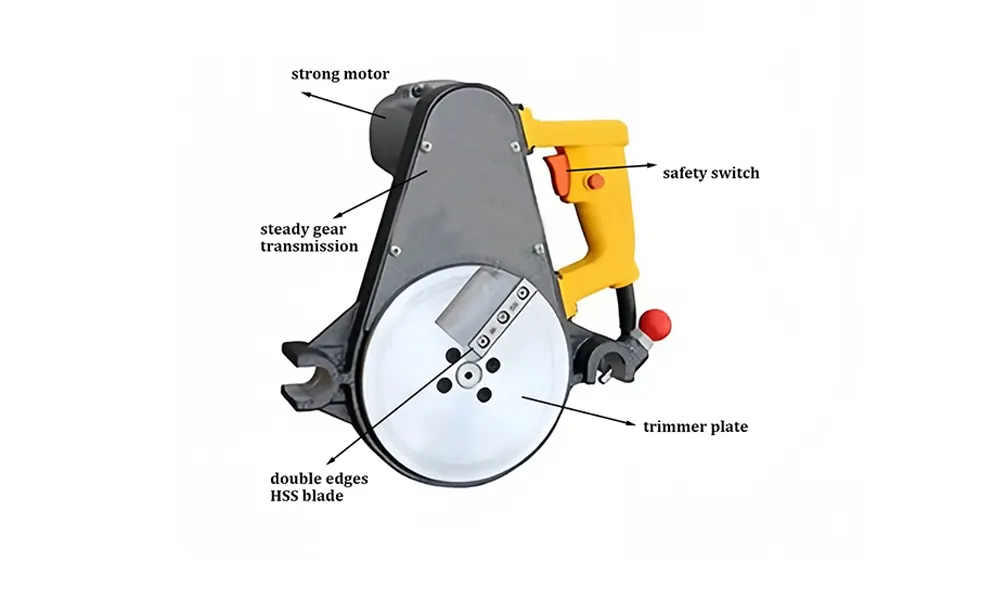
Use a sharp, clean trimmer to face the pipe ends simultaneously. Continue trimming until a continuous, even shaving emerges from both sides. This creates perfectly flat, parallel surfaces. Inspect the faced ends – they should be smooth and free of voids.
Step 4: Check Heating Plate Temperature
Verify that the heating plate surface temperature matches the pipe manufacturer’s specification, typically around 210°C (410°F). Use a calibrated pyrometer for accuracy. The plate must be clean and coated with a non-stick layer to prevent material adhesion. Consistent heat is critical for a proper melt.
Step 5: Heat the Pipe Ends
Bring the faced pipe ends gently against the heating plate at the specified interfacial pressure. Hold this pressure until a uniform bead of molten material forms around the circumference. Then, reduce the pressure to drag pressure and continue soaking. Follow the time/pressure tables provided by the equipment manufacturer or the PPI butt fusion procedure guidelines.
Step 6: Remove the Plate and Join
Quickly but smoothly separate the pipes from the heating plate, remove the plate, and bring the molten ends together. Apply the specified fusion pressure and maintain it consistently. The changeover time must be as short as possible to prevent cooling. A correct double bead profile should form at the joint.
Step 7: Cool and Inspect
Hold the joint under pressure for the entire cooling time. Do not disturb, twist, or remove the pipes from the clamps prematurely. After cooling, visually inspect the bead size and shape. The joint should be uniform and free of porosity or cracks.
Key Parameters for a Successful Weld
Achieving a perfect weld depends on controlling three critical variables. The table below summarizes the main parameters based on standard PE butt fusion equipment standard recommendations.
| Parameter | Typical Value | Impact |
|---|---|---|
| Heating Plate Temperature | 200°C – 220°C | Melting uniformity |
| Interfacial Pressure | 0.15 – 0.20 MPa | Bead formation |
| Changeover Time | as short as possible (max 3-10 sec) | Joint strength |
| Cooling Time | varies by wall thickness | Crystallization |
Common Mistakes to Avoid
- Insufficient facing: Uneven or incomplete facing leads to poor contact and weak welds.
- Contaminated surfaces: Oil, dirt, or moisture on pipe ends compromises fusion integrity.
- Incorrect temperature: Too hot degrades the material; too cold prevents proper melting.
- Misalignment: Pipes not properly centered create stress points and potential leaks.
- Premature removal: Not respecting cooling time under pressure results in joint deformation.
Testing and Quality Assurance
A visual inspection is the first line of defense. Look for uniform double beads and correct dimensional ratios. For critical applications, destructive testing such as bend-back tests or hydrostatic pressure tests may be required. Always document welding parameters for traceability, as outlined in the ASTM F2620 heat fusion standard.
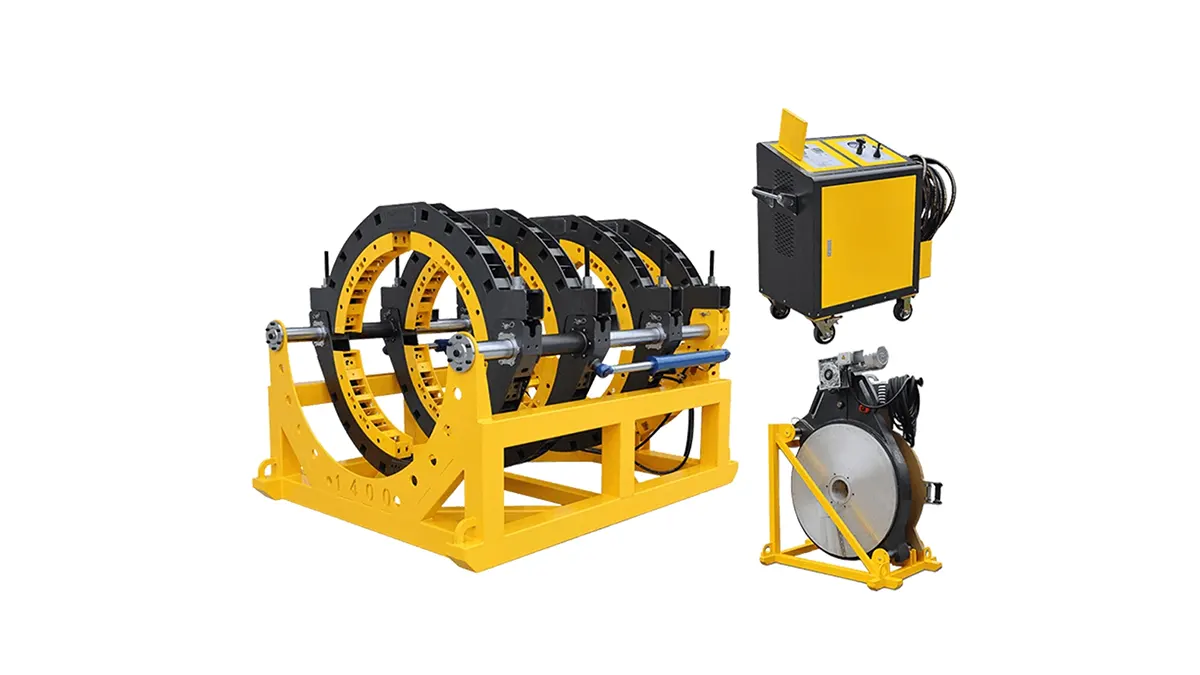
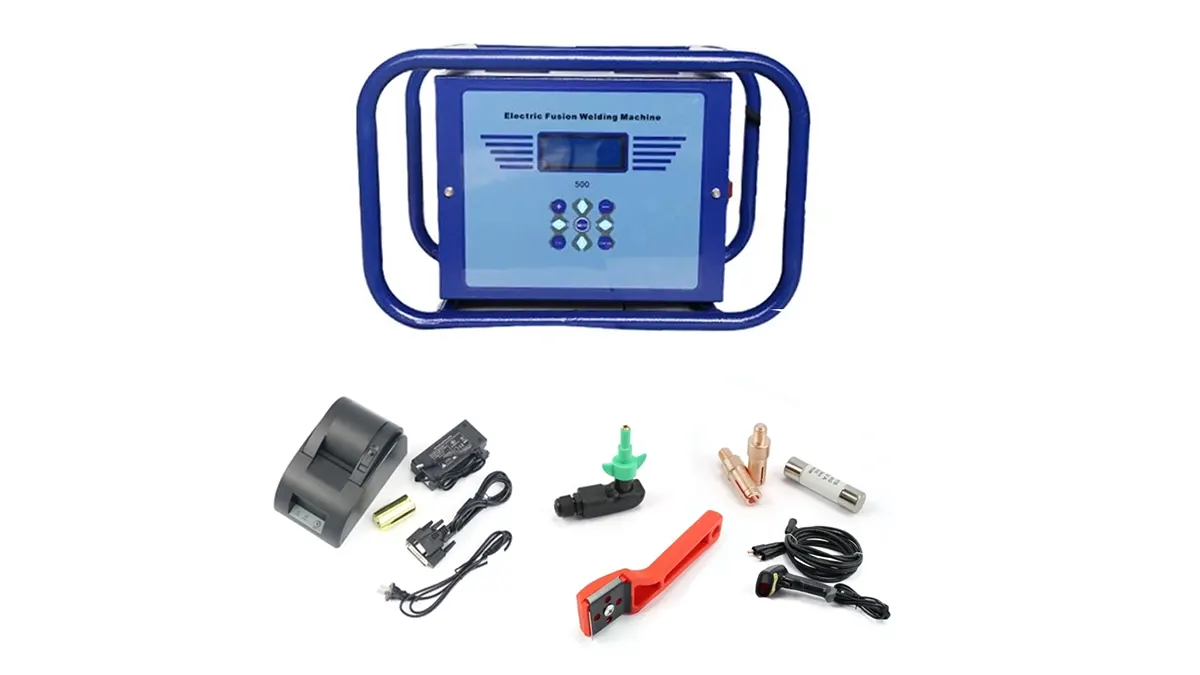
When selecting reliable equipment for your projects, consider manufacturers with a proven track record. JQ-Fusion offers a comprehensive range of manual, hydraulic, and CNC automatic butt fusion welding machines designed for consistent performance across diverse pipe sizes and applications.
Frequently Asked Questions About HDPE Welding
How long does it take to learn how to use an HDPE welder?
Basic operation can be learned in a day, but mastering the skill requires practice and formal training. Many manufacturers and industry bodies offer certification programs aligned with PE fusion operator requirements.
Can I weld HDPE in cold weather?
Yes, but special precautions are necessary. Pre-heating the pipe ends and using a welding tent or shelter helps maintain proper fusion temperatures. Adjustments to heating and cooling times may be required according to the pipe manufacturer’s recommendations.
What is the difference between butt fusion and electrofusion?
Butt fusion joins two pipe ends directly, while electrofusion uses a special coupling with embedded heating wires. Electrofusion is often used for repairs or tight spaces where butt fusion machines cannot fit. Both methods produce reliable, leak-free joints when performed correctly.
Mastering how to use an HDPE welder is an investment in pipeline integrity and project longevity. By following standardized procedures, maintaining equipment, and continuously improving your technique, you will consistently produce strong, leak-free joints that stand the test of time. For further technical resources, the PPI Handbook of Polyethylene Pipe is an invaluable reference.



