
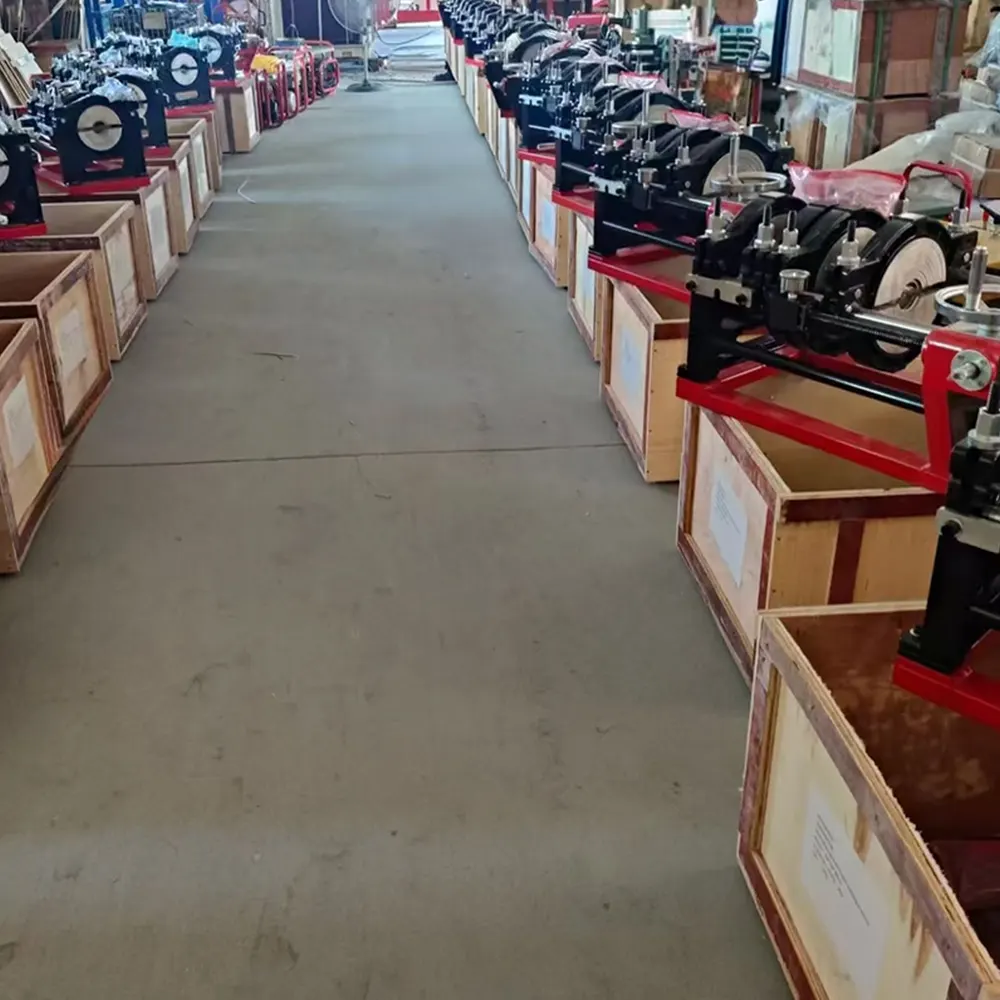
Selecting the right HDPE welding machine for industrial pipelines is a critical decision that directly impacts joint integrity, project efficiency, and long-term system reliability. Whether you are managing a municipal water supply network, a mining slurry line, or a gas distribution system, understanding the available machine types and their capabilities ensures your pipeline infrastructure meets stringent performance standards. This guide breaks down the essential categories, key features, and practical buying considerations to help engineers and contractors make informed equipment investments.
Understanding HDPE Welding Machine Types for Industrial Applications
Industrial pipeline projects demand robust, precise, and efficient fusion equipment. The four primary categories of HDPE welding machine for industrial pipelines each serve specific diameter ranges, site conditions, and productivity requirements. Choosing the correct type begins with a clear assessment of your pipe sizes, installation environment, and operator skill level.
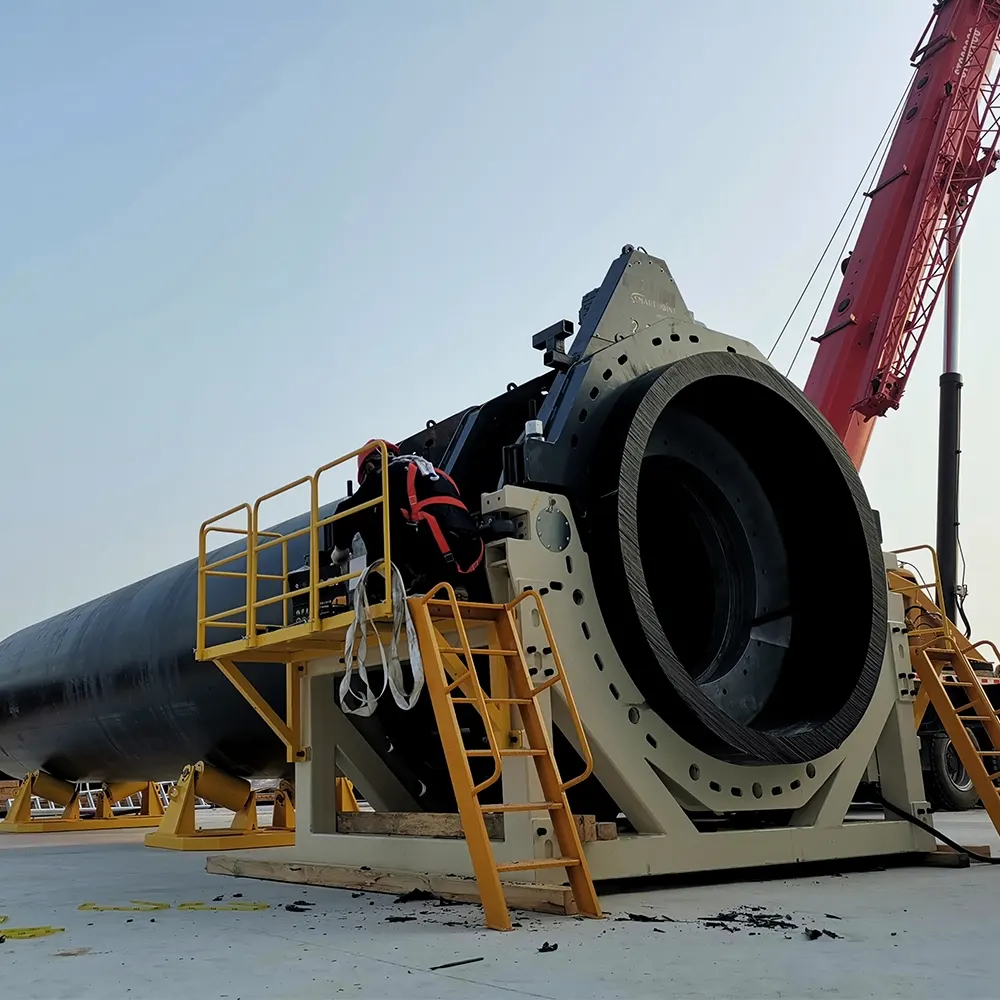
Hydraulic Butt Fusion Welding Machines
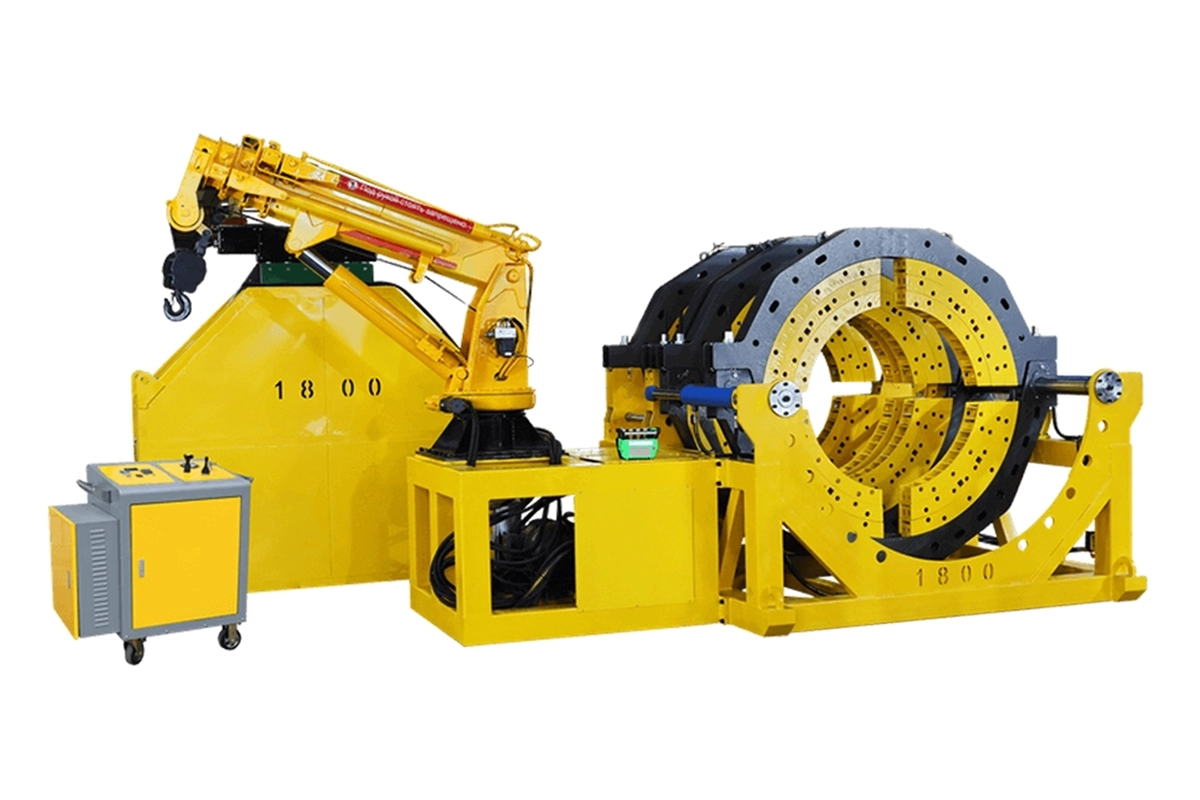
Hydraulic systems represent the workhorse of large-diameter pipeline construction. These machines use hydraulic power to control pipe clamping, facing, and fusion pressure with high precision. They are essential for pipes ranging from 200mm up to 2250mm and beyond. The hydraulic drive ensures consistent force application, which is vital for achieving ISO 21307 butt fusion procedures compliance. For contractors handling heavy-wall pipes in demanding terrain, hydraulic models provide the clamping stability and alignment accuracy that manual systems simply cannot match.
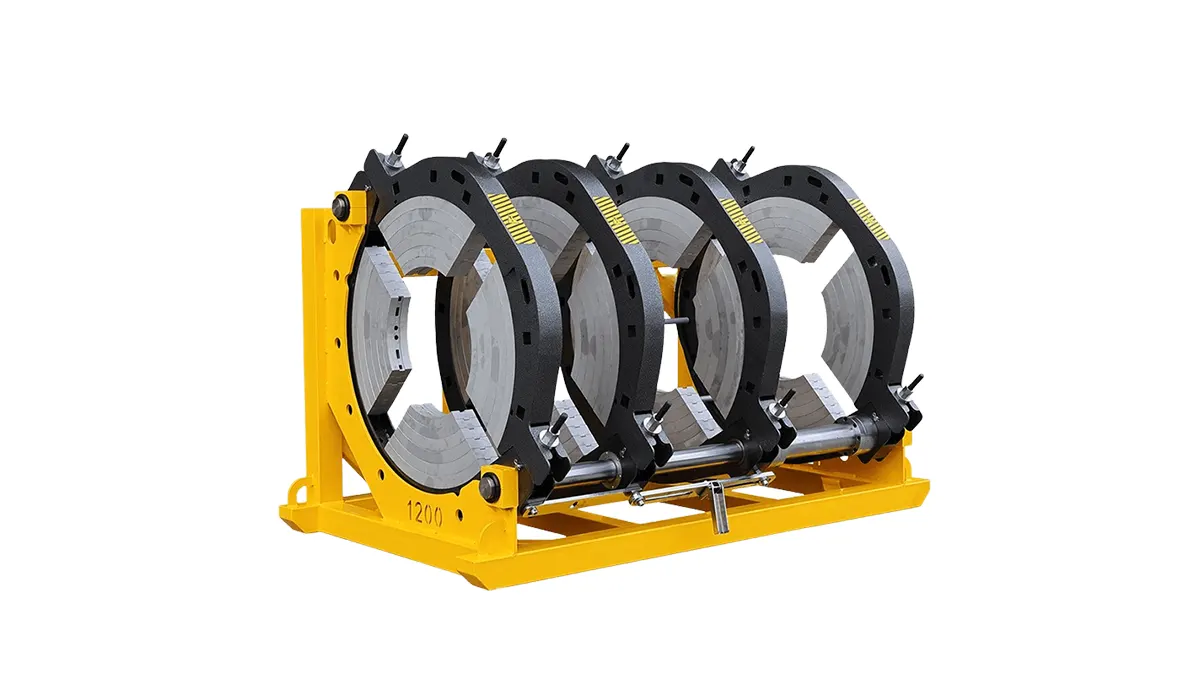
CNC Automatic Butt Fusion Welding Machines
Automation is transforming pipe fusion quality control. CNC automatic machines integrate programmable logic controllers (PLC) that manage the entire welding cycle — from heater plate temperature regulation to fusion pressure and cooling time. These systems remove operator variability and produce detailed data logs for each joint, supporting traceability requirements in regulated sectors. When evaluating an automatic HDPE welding machine for industrial pipelines, look for models that store fusion records digitally and allow parameter export for quality assurance documentation. This capability aligns with ASTM F2620 heat fusion practices and is increasingly demanded by project owners for critical installations.
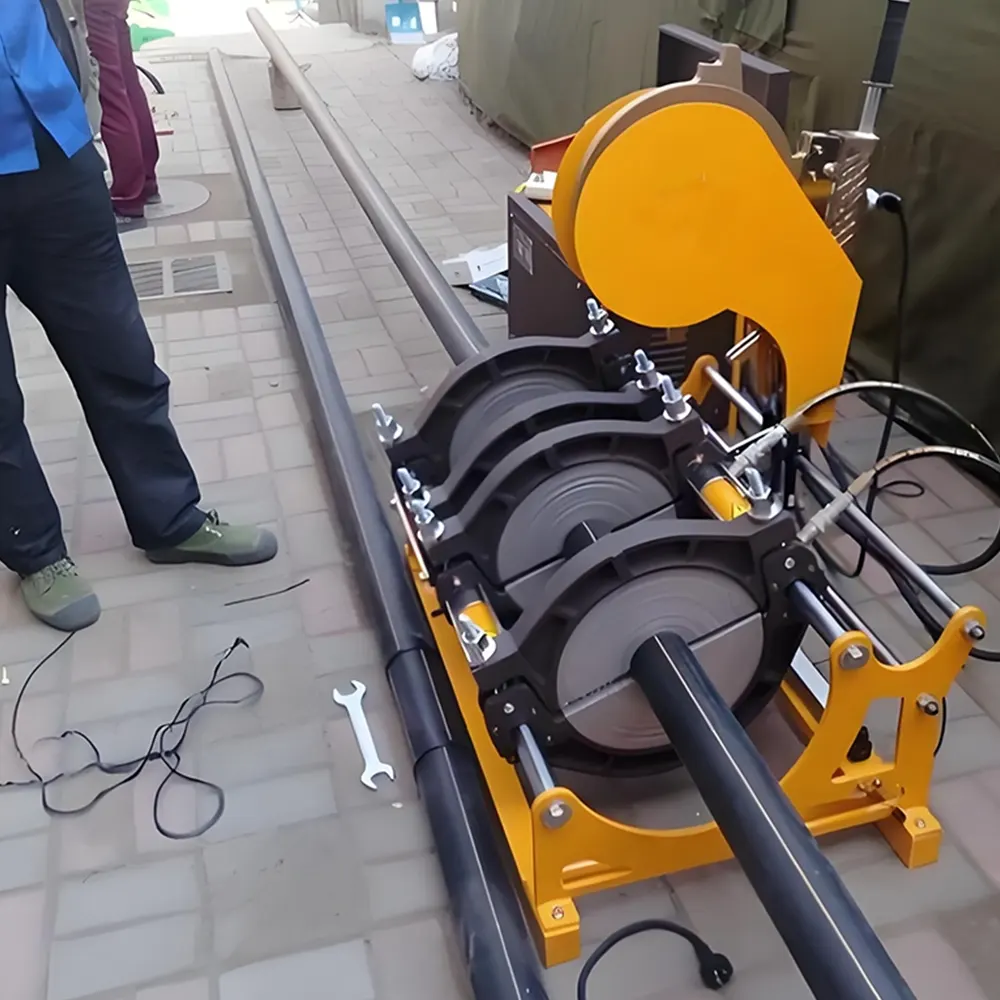
Manual Butt Fusion Welding Machines
For smaller diameter pipes — typically up to 315mm — manual butt fusion machines offer a practical and cost-effective solution. These lightweight units rely on mechanical lever systems for clamping and pressure application. They are ideal for branch connections, repair work, and projects where portability is paramount. While they lack the automation features of larger models, a well-maintained manual machine operated by a trained technician can produce joints that meet all relevant standards. The PPI butt fusion procedure provides excellent guidance for operators using manual equipment in field conditions.
Electrofusion Machines
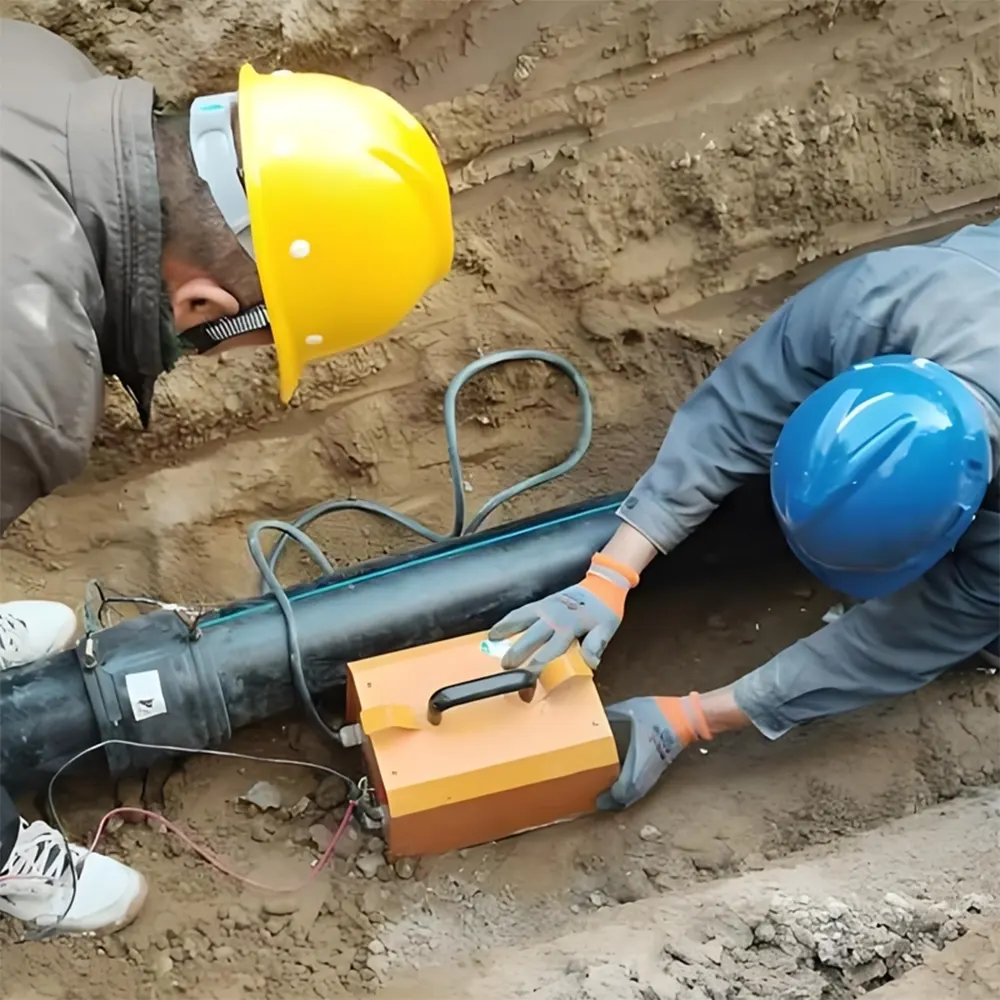
Electrofusion technology provides an alternative joining method where butt fusion may be impractical, such as tight trenches, repair sleeves, or complex fitting assemblies. These machines send a controlled electric current through embedded heating coils in specialized fittings, melting the interface precisely. Modern electrofusion processors read barcode or RFID data from fittings and automatically set welding parameters. For gas distribution networks, electrofusion is a standard technique, and equipment must comply with PE butt fusion equipment standards to ensure safety and reliability.
Key Features to Prioritize in Industrial HDPE Welding Equipment
Not all machines are built equally. When sourcing an HDPE welding machine for industrial pipelines, the following features distinguish professional-grade equipment from commodity alternatives:
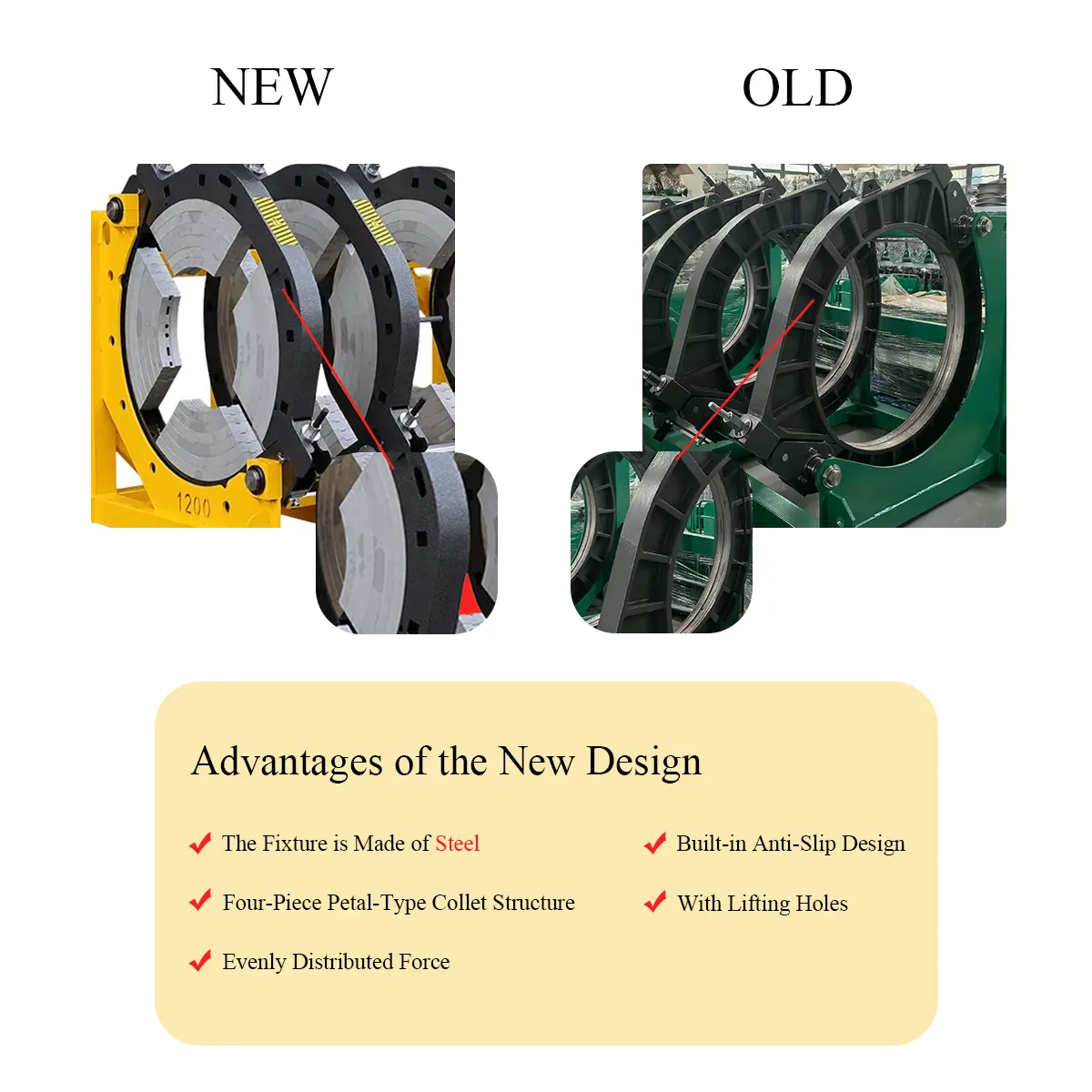
- Clamping System Rigidity: The frame must resist deflection under high fusion pressures. Aluminum alloy clamps reduce weight without sacrificing strength and help dissipate heat evenly across the pipe circumference.
- Heater Plate Precision: Look for non-stick PTFE-coated plates with uniform surface temperature distribution. A temperature variation of more than ±5°C across the plate can compromise joint quality.
- Hydraulic Control Accuracy: For hydraulic models, pressure regulation should be smooth and repeatable. Digital pressure displays and fine-adjustment valves enable operators to dial in exact fusion parameters.
- Data Logging Capability: Automatic machines should capture and store parameters such as heating time, fusion pressure, ambient temperature, and joint number. This data supports PPI Handbook of Polyethylene Pipe recommendations for quality documentation.
- Trimmer Performance: The facing tool must produce clean, parallel pipe ends. Dull or misaligned trimmers create poor mating surfaces that weaken the fusion bond.
- Portability and Site Adaptability: Many industrial projects occur in remote or rugged locations. Machines mounted on wheeled frames or integrated into containerized systems simplify logistics and on-site movement.
Comparison of HDPE Welding Machine Types for Industrial Pipelines
| Machine Type | Typical Pipe Range | Best Application | Key Advantage |
|---|---|---|---|
| Hydraulic Butt Fusion | 200mm – 2250mm+ | Large-diameter water, mining, and outfall pipelines | High clamping force and precise pressure control |
| CNC Automatic Butt Fusion | 160mm – 630mm | Gas distribution, regulated water mains | Programmable cycles and data logging |
| Manual Butt Fusion | 63mm – 315mm | Service lines, repairs, small-diameter networks | Lightweight, portable, cost-effective |
| Electrofusion | 20mm – 800mm | Repair clamps, tie-ins, congested trenches | Works in confined spaces, automated parameter control |
Industrial Pipeline Buying Guide: What to Evaluate Before Purchase
Investing in an HDPE welding machine for industrial pipelines requires a systematic evaluation that goes beyond the initial purchase price. Consider the total cost of ownership, including maintenance, spare parts availability, and operator training requirements.
Pipe Material and Diameter Range
Confirm the pipe grades (PE80, PE100, PE100-RC) and SDR ratings your projects require. Machines should be compatible with the full range of wall thicknesses you expect to encounter. Oversizing your machine slightly beyond current project needs provides flexibility for future contracts without requiring additional capital expenditure.
Site Conditions and Logistics
Industrial pipeline construction often takes place in challenging environments — steep gradients, high altitudes, or areas with limited access. Assess whether the machine requires a dedicated power source, how it will be transported between joints, and what weather protection is necessary. Containerized hydraulic systems with integrated generators offer turnkey solutions for remote projects.
Operator Training and Certification
Even the most advanced machine cannot compensate for inadequate operator skills. Ensure your supplier provides comprehensive training materials and, where possible, on-site commissioning support. Many project specifications now require operators to hold recognized fusion qualifications, and the machine itself should facilitate compliance with relevant standards.
After-Sales Support and Spare Parts
Downtime on an industrial pipeline project is costly. Before purchasing, verify the availability of critical spare parts — heater plates, PTFE coatings, hydraulic seals, and trimmer blades. A supplier with a large inventory and responsive international service network minimizes the risk of extended interruptions. JQ-Fusion maintains a strategically organized stock of key components to support global project schedules.
Compliance with International Standards
Your selected equipment should support adherence to recognized fusion standards. Whether your project references ISO, ASTM, or national codes, the machine’s heating control accuracy, pressure regulation, and data recording functions all contribute to producing code-compliant joints. Consult the relevant specifications during the selection process to confirm the equipment meets minimum technical requirements.
Ensuring Long-Term Performance in Industrial Pipeline Systems
A properly selected and operated HDPE welding machine for industrial pipelines produces joints that can last decades without leakage or failure. The fusion process creates a monolithic pipe system where the joint is as strong as the parent pipe material. To achieve this level of performance consistently:
- Follow manufacturer-recommended maintenance schedules for hydraulic fluid changes, heater plate calibration, and trimmer blade sharpening.
- Protect equipment from contamination — dust, mud, and moisture can compromise heater plate surfaces and hydraulic systems.
- Calibrate temperature controllers regularly using certified measurement devices to ensure heater plate accuracy.
- Document every fusion joint with machine-generated data where available, creating an auditable quality record for project handover.
- Store machines in dry, protected conditions when not in use, and inspect critical components before each mobilisation.
The right equipment choice, combined with diligent maintenance and skilled operation, forms the foundation of successful industrial HDPE pipeline projects. By prioritizing build quality, precision control, and supplier reliability, contractors and asset owners can ensure their pipeline infrastructure delivers the long service life that polyethylene systems are engineered to provide.



