Investing in the right hydraulic butt fusion welding machine for HDPE is a critical decision for contractors and project managers involved in pipeline infrastructure. Whether you are working on municipal water supply, gas distribution networks, or large-scale industrial piping systems, the quality and reliability of your fusion equipment directly impact joint integrity and long-term performance. This comprehensive buying guide walks you through everything you need to know about hydraulic butt fusion welding machine for HDPE selection, applications, and key features to look for.
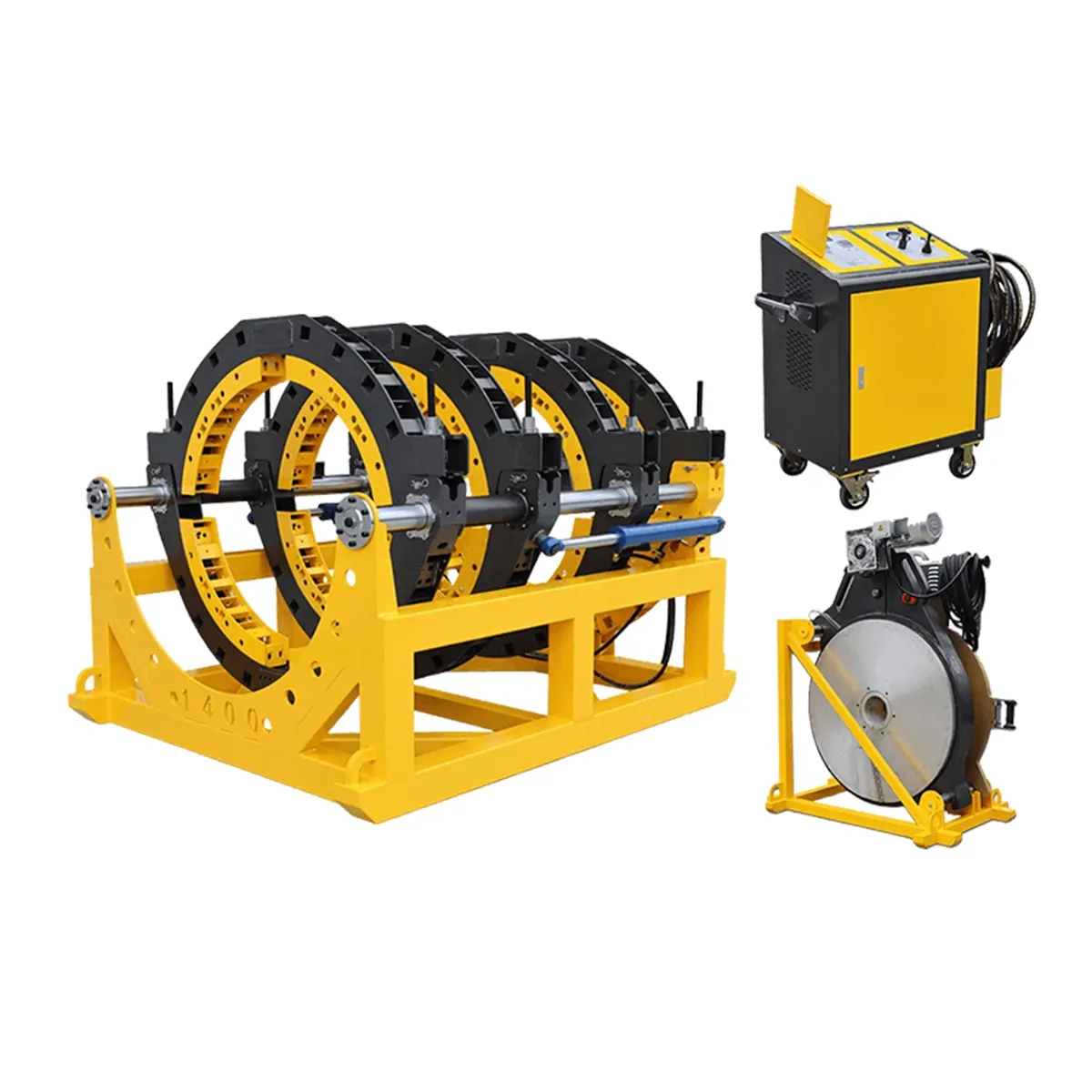
What Is a Hydraulic Butt Fusion Welding Machine?
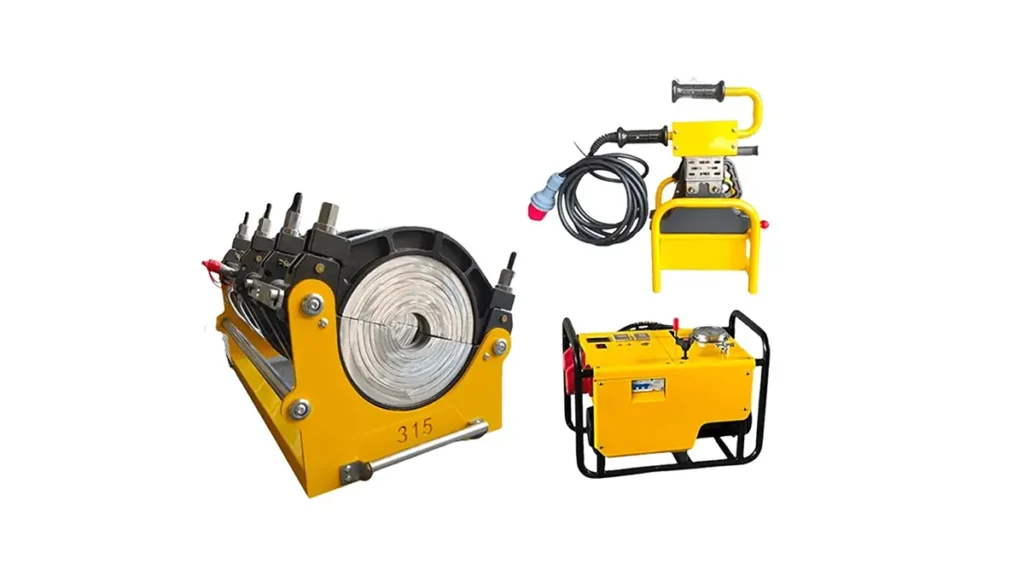
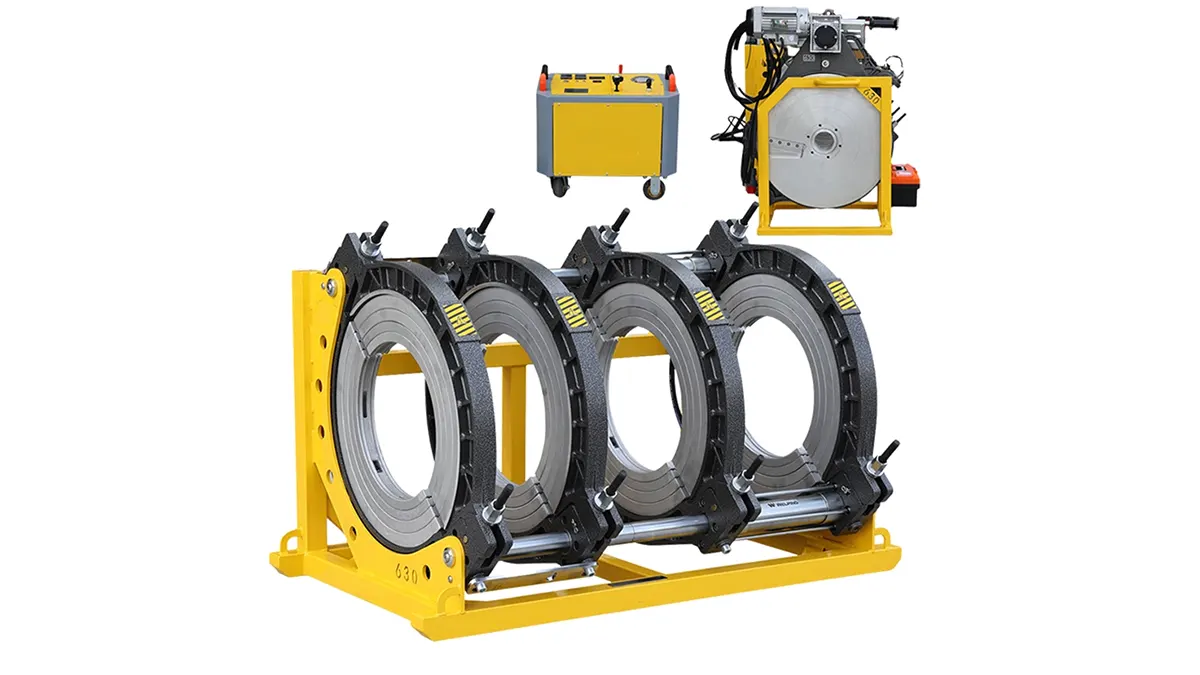
A hydraulic butt fusion welding machine is a specialized piece of butt fusion welding equipment designed to join HDPE pipes by heating the pipe ends to a controlled temperature and then applying precise hydraulic pressure to fuse them together. Unlike manual or semi-automatic models, hydraulic systems utilize a powered pump unit to deliver consistent, controlled force throughout the welding cycle. This ensures uniform melt flow, proper bead formation, and joints that meet or exceed industry standards such as ISO 21307 butt fusion procedures and ASTM F2620 heat fusion specifications.
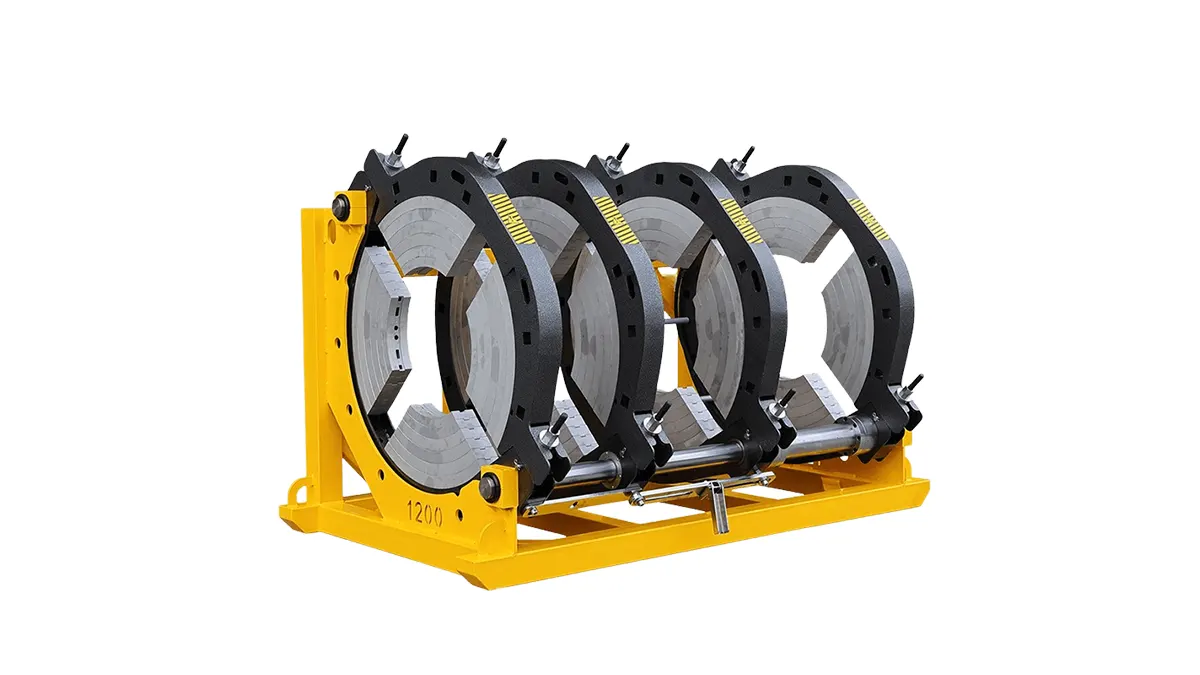
Key Features to Evaluate Before Buying
Selecting the optimal hydraulic butt fusion machine requires careful assessment of several technical and operational parameters. Below are the most important features that influence performance and project efficiency.
Clamping and Alignment System
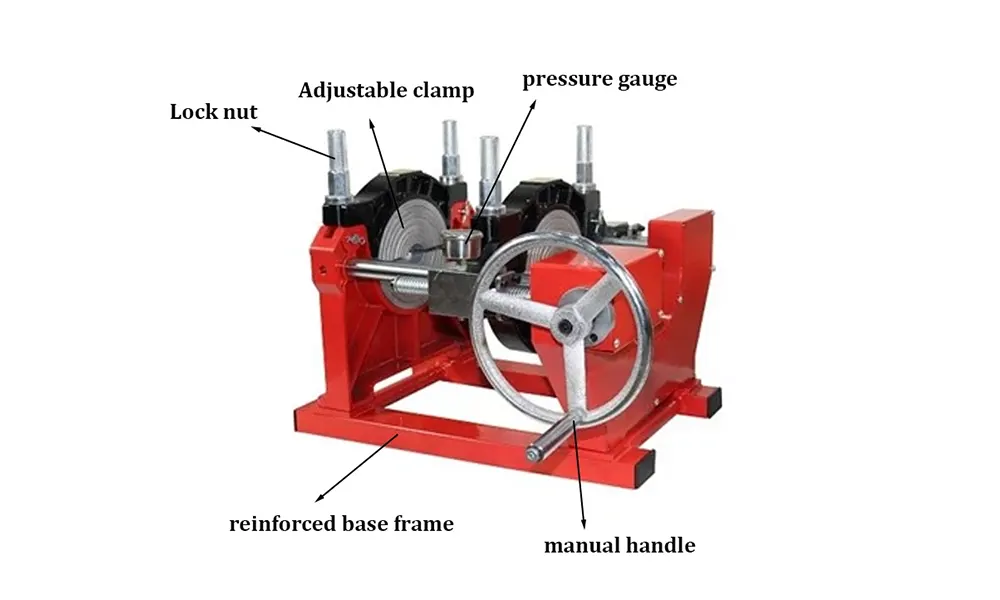
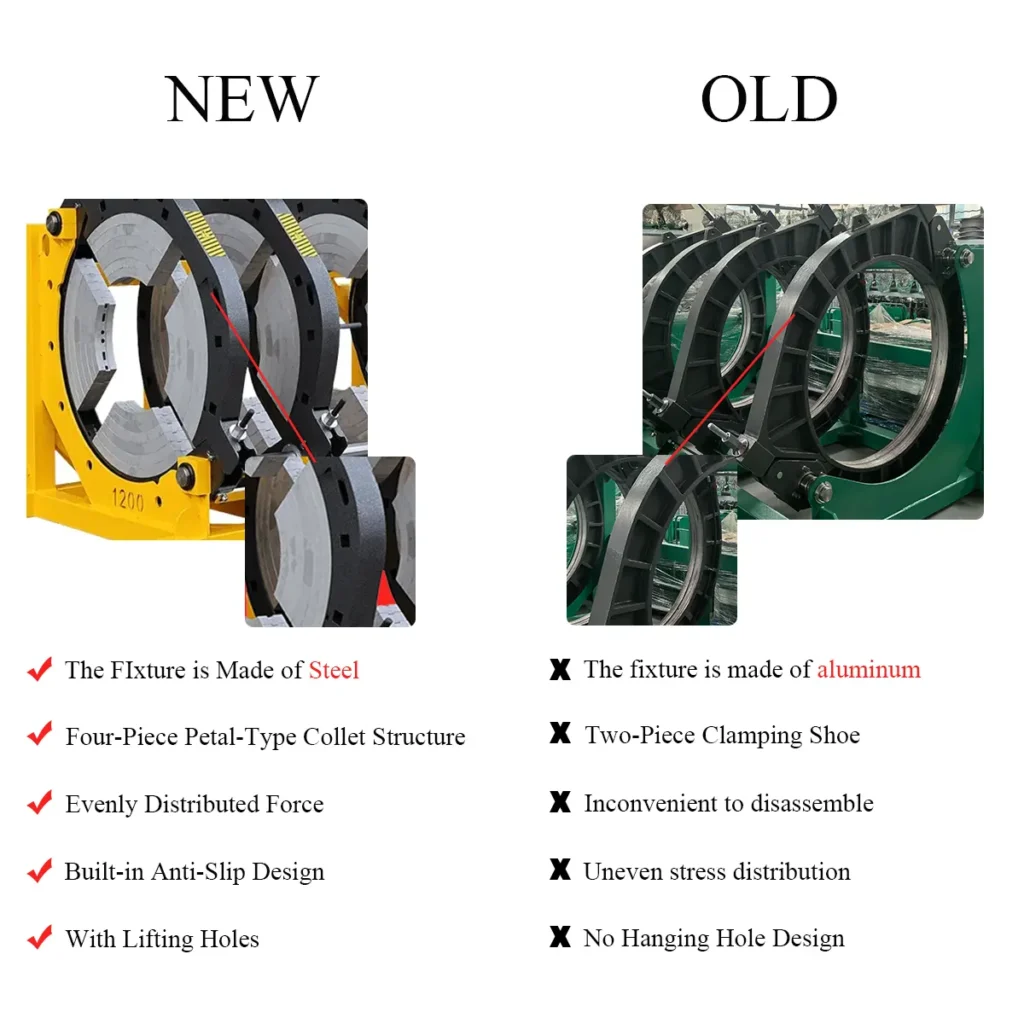
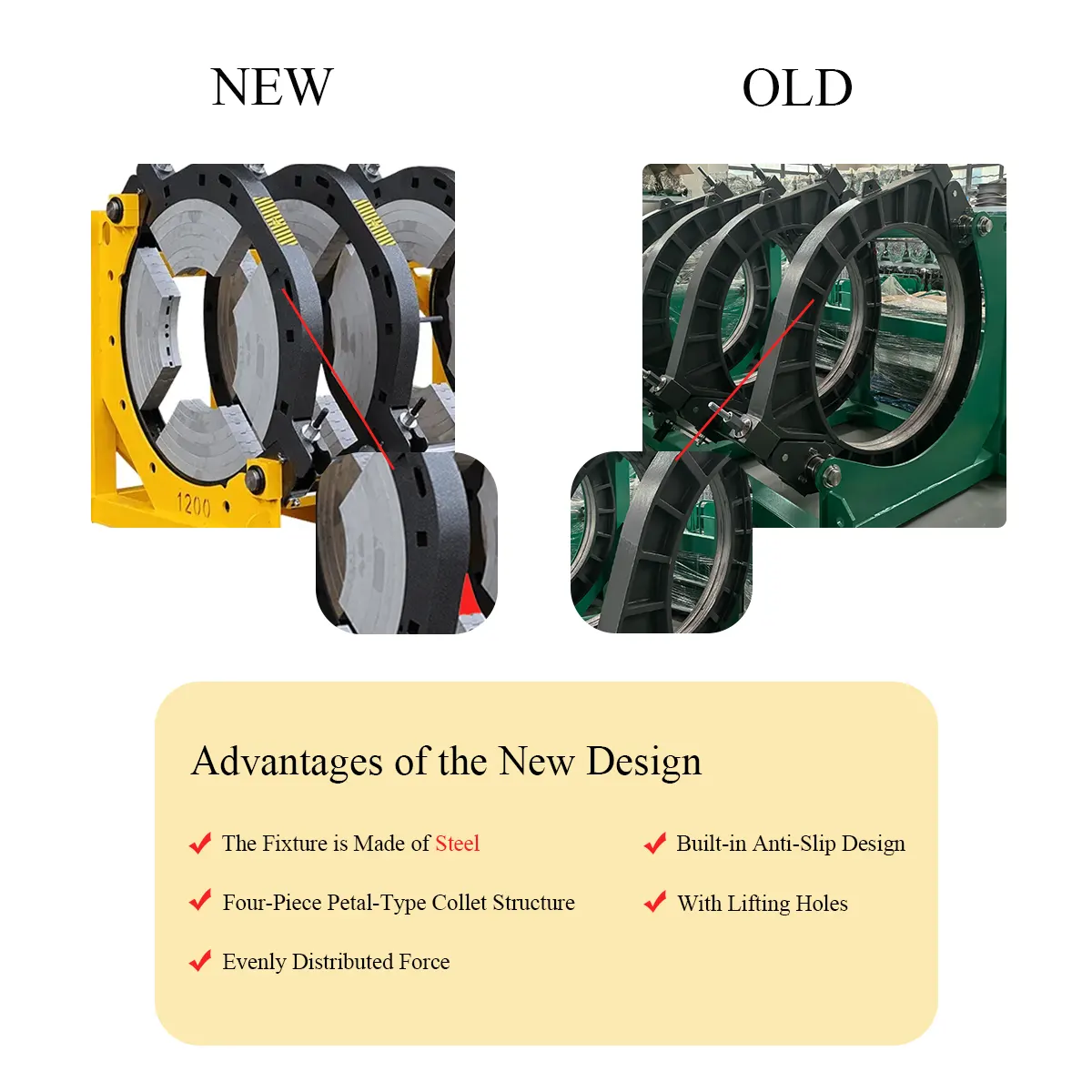
The clamping mechanism must hold pipes securely and maintain perfect axial alignment during the entire welding process. High-quality machines feature precision-machined aluminum clamps that resist deformation under pressure. Look for models with quick-release clamp levers and removable clamp inserts to accommodate different pipe diameters without excessive downtime. A robust four-point clamping system minimizes pipe ovality and ensures the pipe ends meet squarely, which is essential for achieving strong, leak-free joints.
Hydraulic Power Unit Performance
The hydraulic station is the heart of the machine. It should deliver smooth, adjustable pressure with precise gauge readings. Machines equipped with dual-stage pumps offer rapid cylinder advance during the initial approach and fine control during the fusion and cooling phases. When evaluating options, check the pump’s duty cycle, oil reservoir capacity, and pressure regulation accuracy. A well-designed hydraulic system reduces operator fatigue and significantly improves weld consistency across multiple joints per shift.
Heating Plate Temperature Control
Uniform heating is non-negotiable for proper butt fusion. The heating plate must feature digital temperature controllers with accurate sensors embedded across the surface. Advanced models incorporate dual-zone heating elements that compensate for edge cooling and maintain temperature uniformity within ±5°C. Non-stick PTFE or ceramic-coated surfaces prevent polymer adhesion and simplify cleaning between welds. Refer to PE butt fusion process guidelines for detailed temperature and pressure recommendations based on pipe diameter and wall thickness.
| Feature | Entry-Level Hydraulic | Professional Hydraulic | Heavy-Duty Industrial |
|---|---|---|---|
| Pipe Range | 63mm – 315mm | 160mm – 800mm | 315mm – 2250mm+ |
| Clamp Material | Steel / Cast Iron | Aluminum Alloy | Forged Aluminum with Inserts |
| Heating Plate | Single-Zone Analog | Dual-Zone Digital PID | Multi-Zone with Data Logging |
| Hydraulic Control | Manual Valve | Proportional Valve | Servo-Controlled with Automation |
| Portability | Frame with Wheels | Integrated Cart / Trailer | Self-Propelled or Crane-Lifted |
| Typical Application | Small Utility & Irrigation | Municipal Water & Gas | Mining, Dredging & Power Plants |
Primary Applications Across Industries
Hydraulic butt fusion welding machines serve a broad spectrum of industries where HDPE piping is the material of choice due to its corrosion resistance, flexibility, and long service life. Understanding the specific demands of each application helps in selecting the right machine configuration.
- Municipal Water Supply: Joining large-diameter PE100 and PE4710 pipes for potable water mains, distribution networks, and reservoir connections. Compliance with ISO 4427 PE water pipes is mandatory for these projects.
- Natural Gas Distribution: Fusion of PE gas pipes for mains and service lines, requiring strict adherence to PE gas piping systems standards and often mandating data-logged weld records for regulatory compliance.
- Mining and Slurry Transport: Heavy-wall HDPE pipes used for tailings, slurry, and process water handling benefit from the consistent fusion quality delivered by hydraulic machines at remote mine sites.
- Dredging and Marine Pipelines: Floating and submerged HDPE pipelines require precision-welded joints capable of withstanding dynamic loads, wave action, and constant pressure variations over decades of service.
- Industrial Chemical Processing: Chemical-resistant HDPE piping systems for acid transfer, wastewater treatment, and cooling water lines demand flawless fusion joints that prevent leakage and ensure process safety.
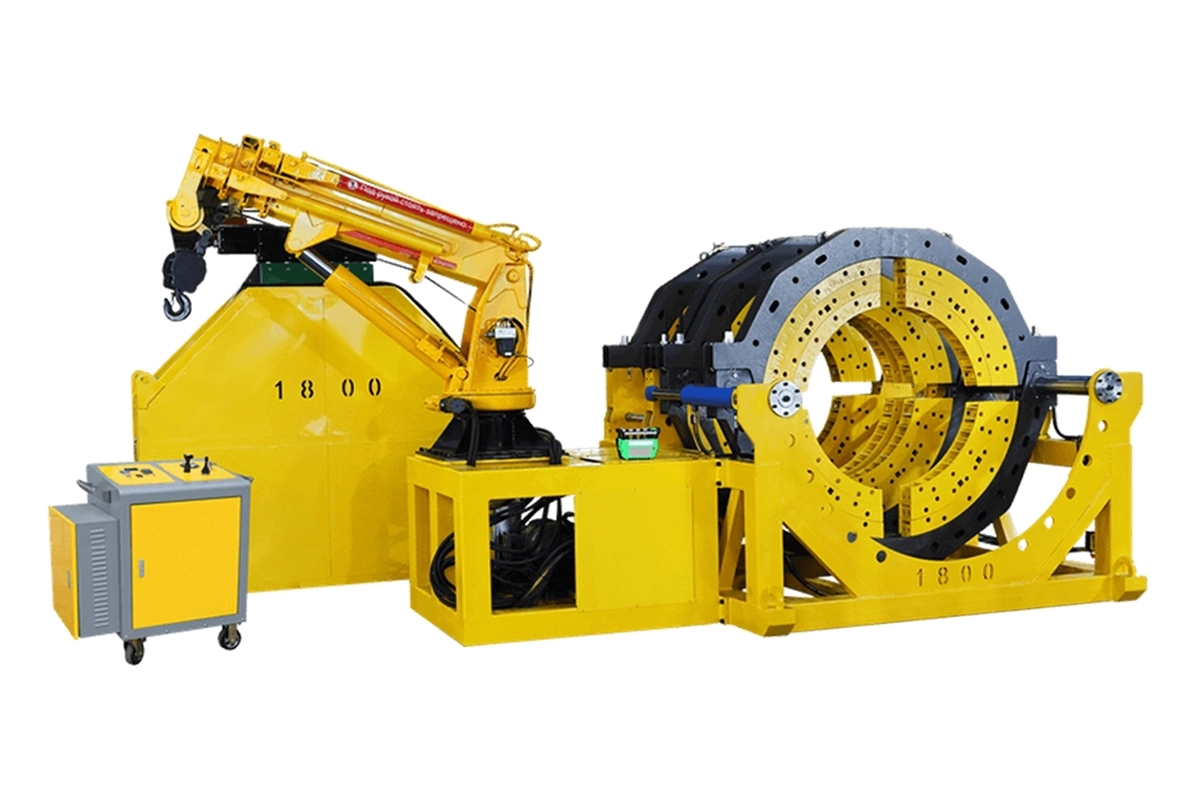
Operator Training and Safety Considerations
Even the most advanced hydraulic butt fusion machine will produce substandard joints if operated incorrectly. Proper operator training is essential and should cover material identification, pipe preparation, equipment calibration, and joint inspection techniques. Many industry bodies recommend certification programs aligned with PE fusion operator requirements. On-site safety protocols must address hot surface hazards from the heating plate, hydraulic pressure risks, and proper handling of heavy pipe segments during alignment and clamping.
Maintenance and Long-Term Reliability
Proactive maintenance extends the service life of your investment and ensures consistent weld quality over thousands of joints. Key maintenance tasks include regular inspection and cleaning of the heating plate surface to remove polymer residue, checking hydraulic oil levels and filter conditions, calibrating temperature controllers quarterly, and lubricating moving parts on the clamp assembly. Always source genuine spare parts and maintain a small inventory of critical consumables such as heating plate coatings, hydraulic seals, and clamp inserts. A well-maintained HDPE pipe welding machine will deliver reliable performance for many years.
Why Choose JQ-Fusion Equipment
JQ-Fusion is a professional manufacturer specializing in HDPE pipe welding machines, providing reliable butt fusion solutions for global infrastructure projects. With years of industry experience, we focus on the development and production of manual, hydraulic, and CNC automatic butt fusion welding machines, covering a wide range of pipe sizes from small to large diameters. Our products are widely used in water supply, gas distribution, mining, and industrial pipeline systems. We are committed to delivering high-quality, durable, and customizable welding equipment to meet diverse project requirements. From standard models to tailored solutions, we help clients achieve efficient, precise, and reliable pipe welding performance. Explore our complete range of hydraulic butt fusion welders for HDPE pipes to find the right machine for your next project.
Preparing for Purchase: Questions to Ask Suppliers
Before finalizing your order for a hydraulic butt fusion welding machine, ask potential suppliers the following questions to ensure you receive equipment that matches your operational requirements and compliance obligations.
- What pipe diameter range and SDR ratings does the machine support, and are interchangeable clamp inserts included?
- Is the heating plate temperature uniformity verified with documentation according to PE butt fusion equipment standard?
- Does the hydraulic unit provide adjustable pressure control with a certified gauge for traceable weld parameters?
- What type of data logging or weld recording capability is available for projects requiring quality documentation?
- Are spare parts, consumables, and technical support readily available in the regions where you operate?
- What warranty terms and after-sales service packages are offered with the equipment purchase?
Final Thoughts on Equipment Selection
Choosing the right hydraulic butt fusion welding machine for HDPE is an investment in project quality, operator safety, and long-term pipeline reliability. By evaluating clamping systems, hydraulic performance, heating plate technology, and overall build quality against your specific application requirements, you can select equipment that delivers consistent, code-compliant welds day after day. Always prioritize machines that align with recognized international standards and are backed by responsive manufacturer support. For more guidance on selecting the ideal hydraulic butt fusion welding machine for HDPE tailored to your project specifications, reach out to experienced suppliers who can provide hands-on demonstrations and technical consultation.