Pipeline systems are the backbone of municipal water supply, gas distribution, and industrial fluid transport. When damage occurs—whether from ground movement, third-party interference, or material aging—quick and reliable repairs are essential. HDPE pipe fusion equipment for pipeline repair provides the most dependable method for restoring pipe integrity, creating monolithic joints that match or exceed the strength of the original pipeline. Understanding the right tools and techniques can significantly reduce downtime and prevent future failures.
Why HDPE Pipe Fusion Matters for Pipeline Repair
Unlike mechanical couplings or flanged connections, fusion welding creates a seamless, leak-proof bond by heating the pipe ends and fusing them under controlled pressure. This process eliminates potential leak paths and delivers joints with exceptional long-term performance. For repair crews, having access to dependable HDPE pipe fusion equipment means they can address breaks, install replacement sections, and reconnect service lines with confidence, even in challenging field conditions.
Key advantages of fusion-based repairs include: reduced excavation requirements compared to full pipe replacement, faster restoration of service, and joints that are resistant to corrosion, chemicals, and ground stress. Whether you are repairing a small-diameter water service line or a large transmission main, selecting the appropriate fusion method directly impacts repair quality.
Core Types of Fusion Equipment for Repair Projects
Different repair scenarios call for different fusion technologies. The three primary categories of HDPE pipe fusion equipment for pipeline repair include butt fusion, electrofusion, and multi-angle fitting machines. Each has distinct advantages depending on pipe diameter, accessibility, and the nature of the repair.
Butt Fusion Welding Machines
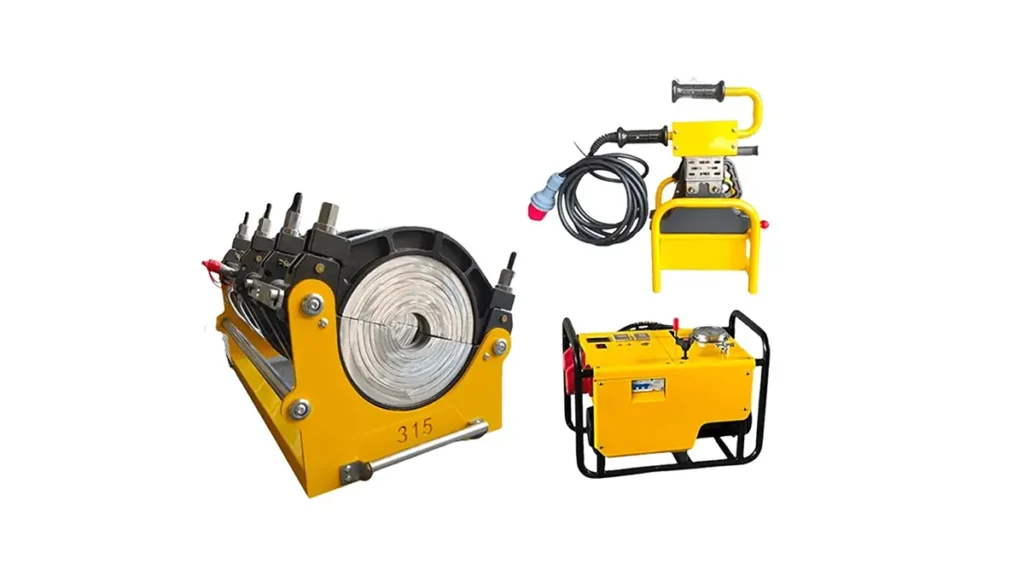
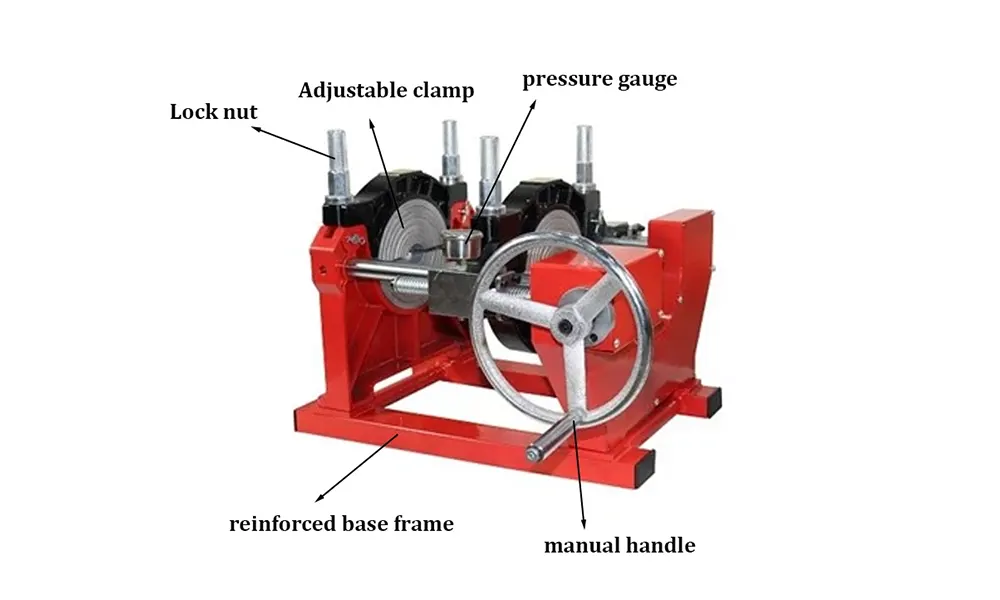
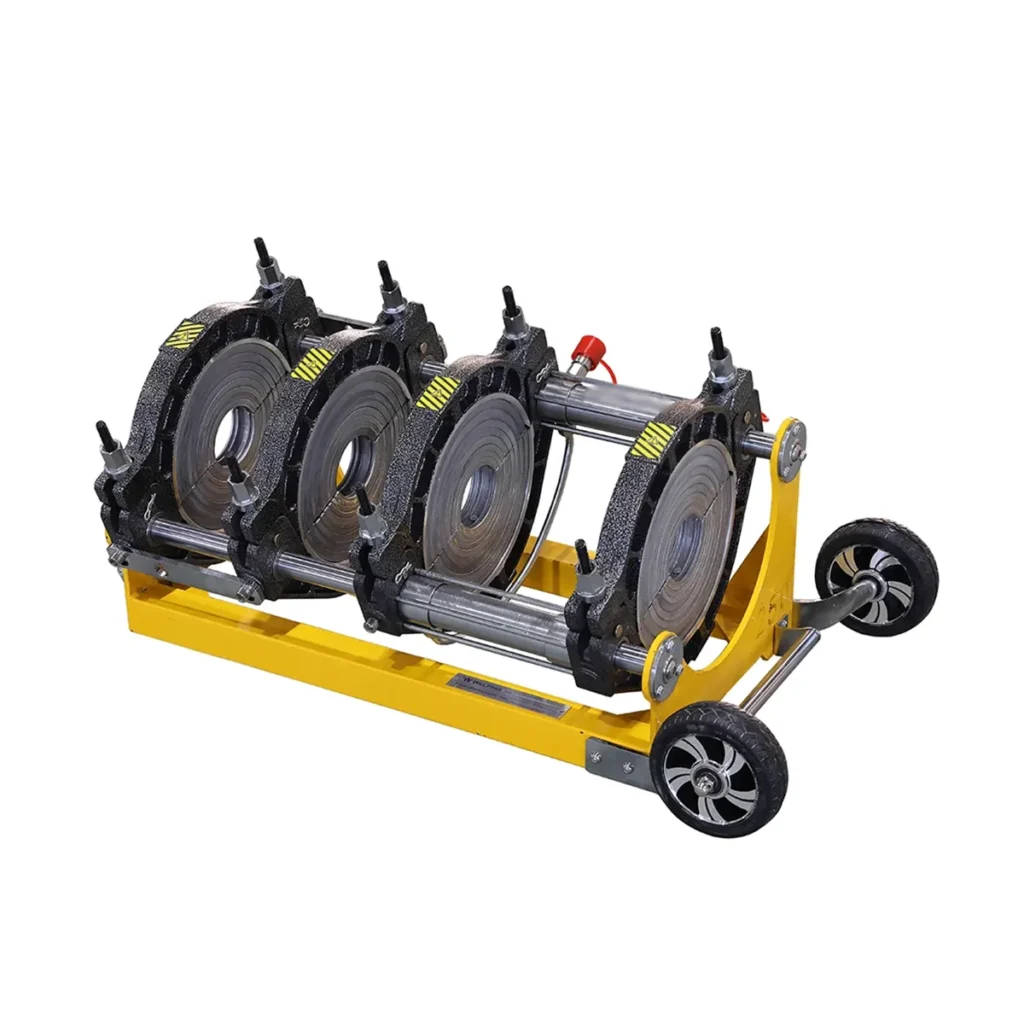
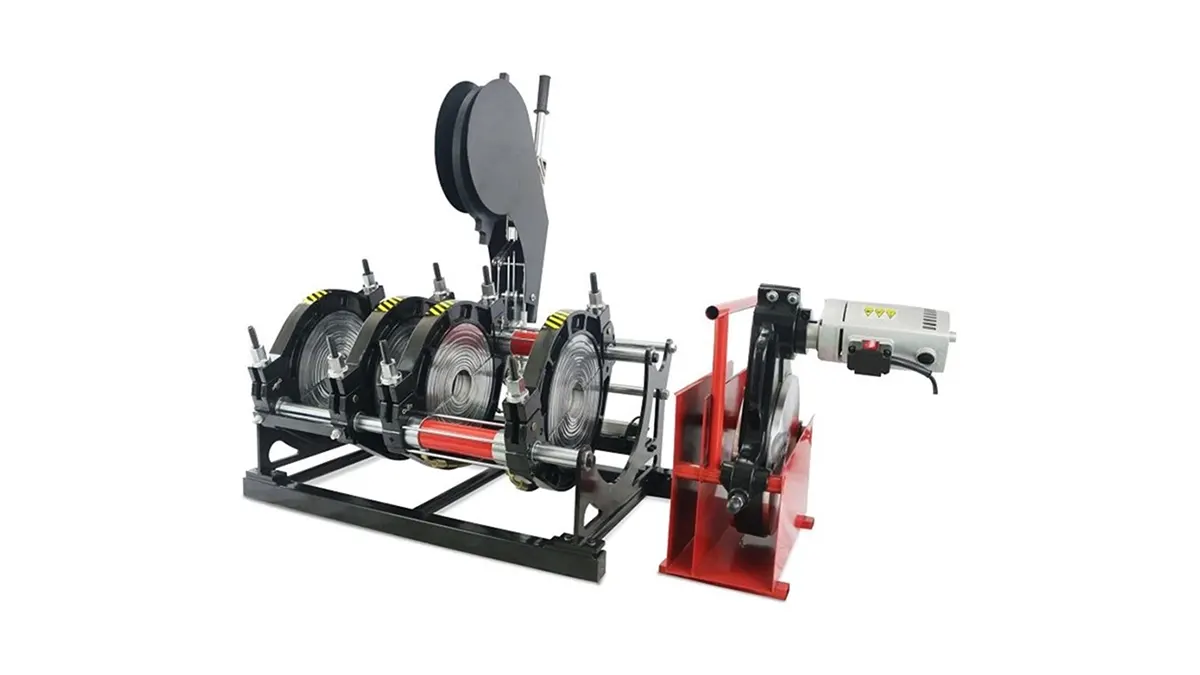
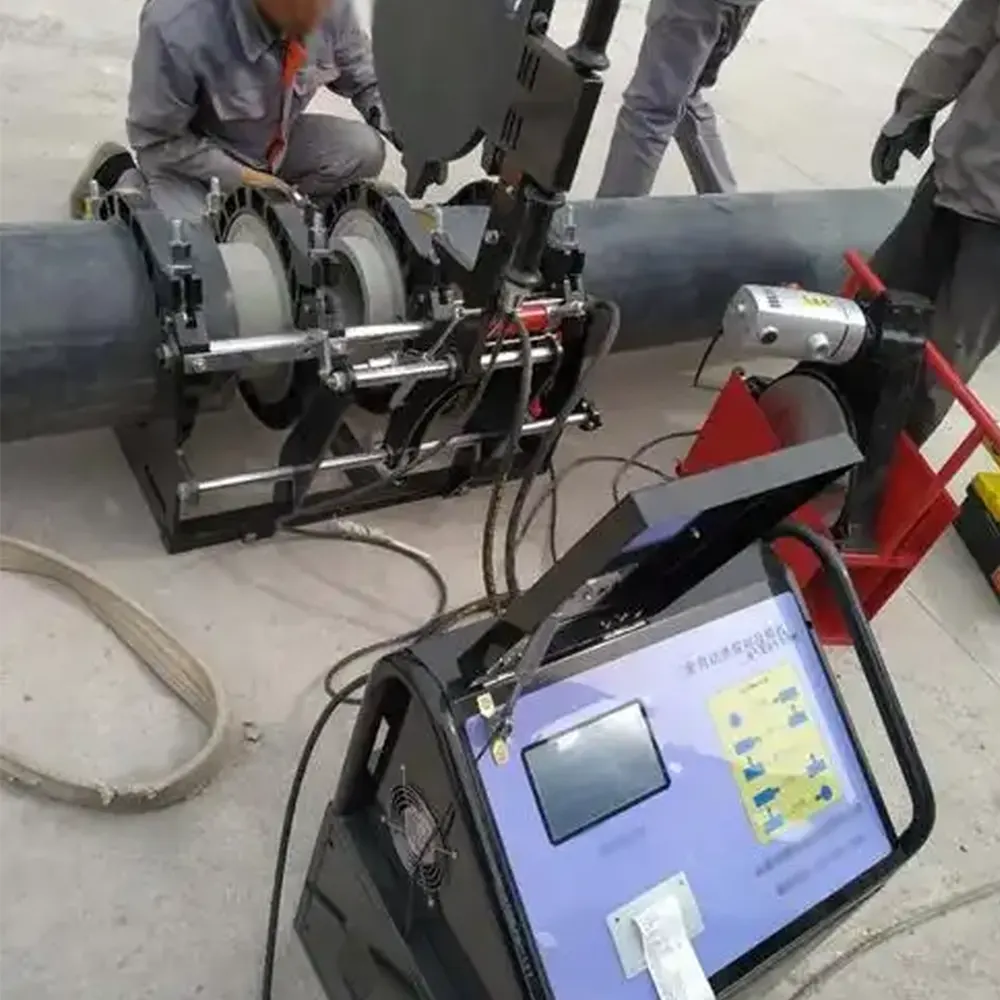
Butt fusion remains the most widely used technique for joining HDPE pipes and fittings. The process involves precisely aligning pipe ends, facing them smooth with a trimmer, heating both surfaces simultaneously with a temperature-controlled heating plate, and then pressing them together under specified pressure. This method produces joints of remarkable uniformity and strength. For pipeline repair, butt fusion is ideal for replacing damaged sections where two new joints must be created. Machines range from manual models for smaller diameters (up to 315mm) to hydraulic and CNC automatic systems capable of handling pipes exceeding 2000mm. The ISO 21307 butt fusion procedures define the critical parameters—temperature, pressure, and time—that ensure consistently reliable welds.
Electrofusion Equipment
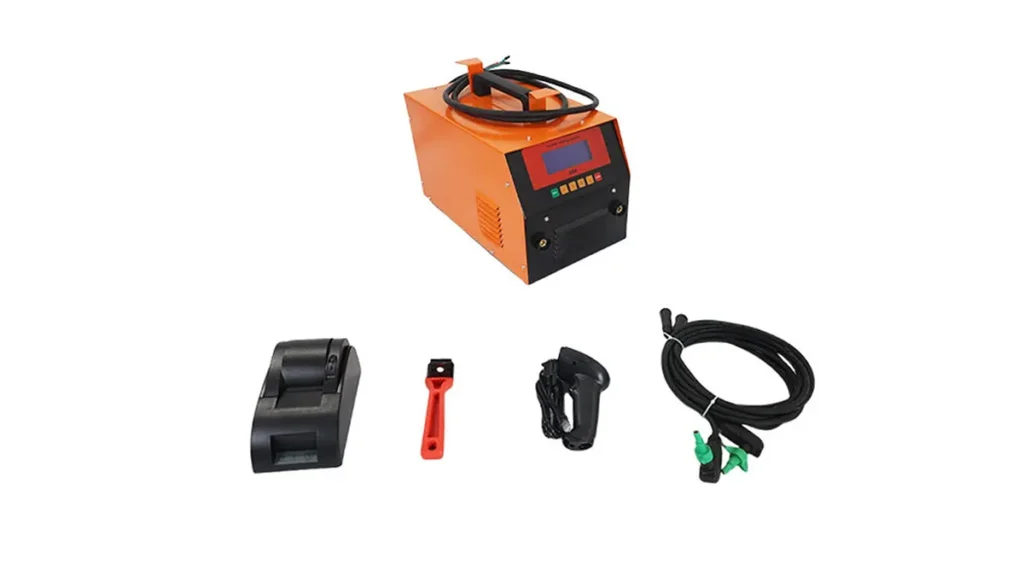
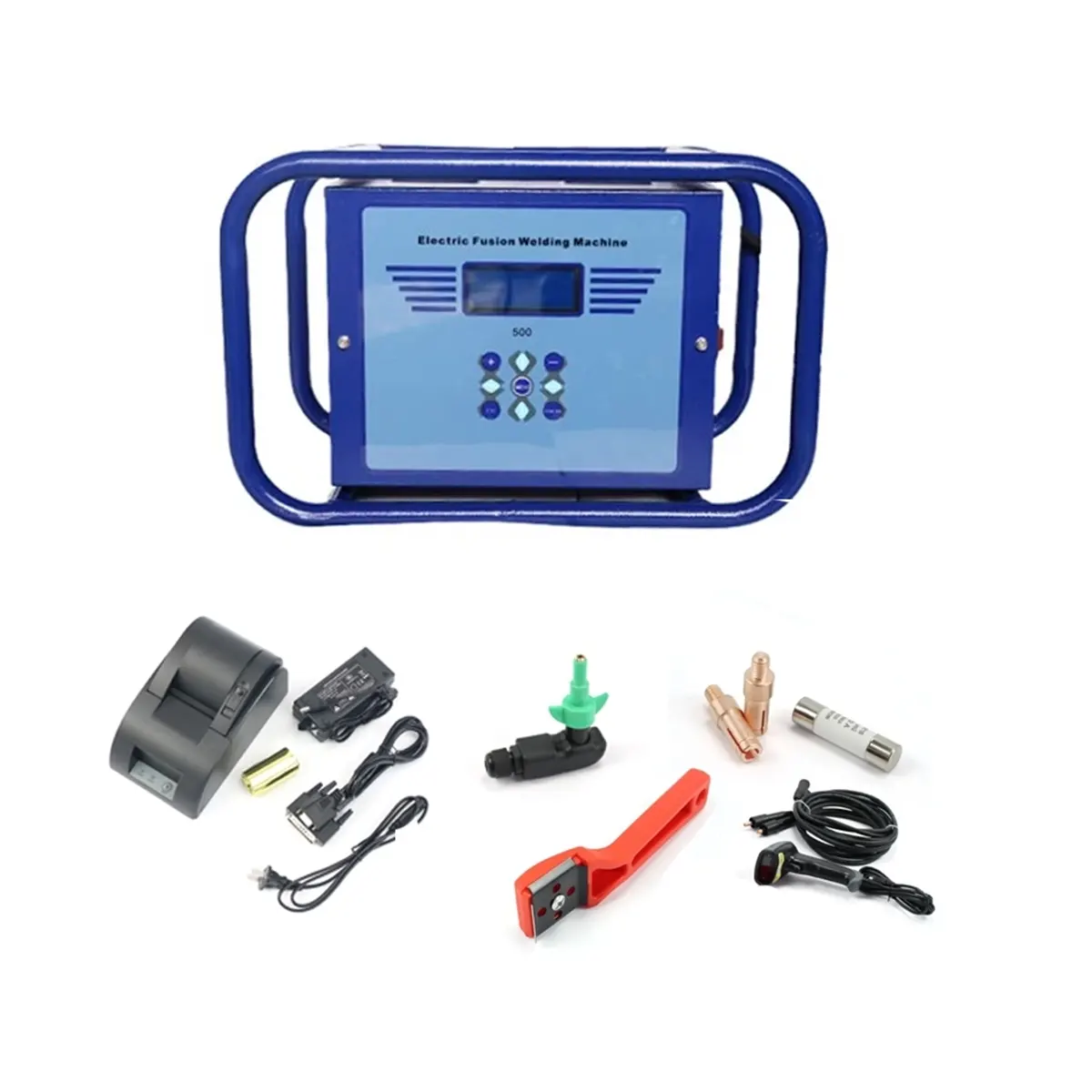
Electrofusion is particularly valuable for repair applications where space is limited or where tapping into existing lines is required. Specialized fittings with embedded heating coils are positioned over the pipe ends, and an electrofusion control unit applies a precisely regulated electrical current. The coils heat and melt the surrounding material, creating a homogeneous fusion bond. This method excels in tight trenches, for saddle connections, and when joining pipes of different wall thicknesses. Modern electrofusion processors automatically read fitting barcodes and adjust parameters accordingly, reducing operator error during critical repairs.
Multi-Angle Pipe Fitting Machines
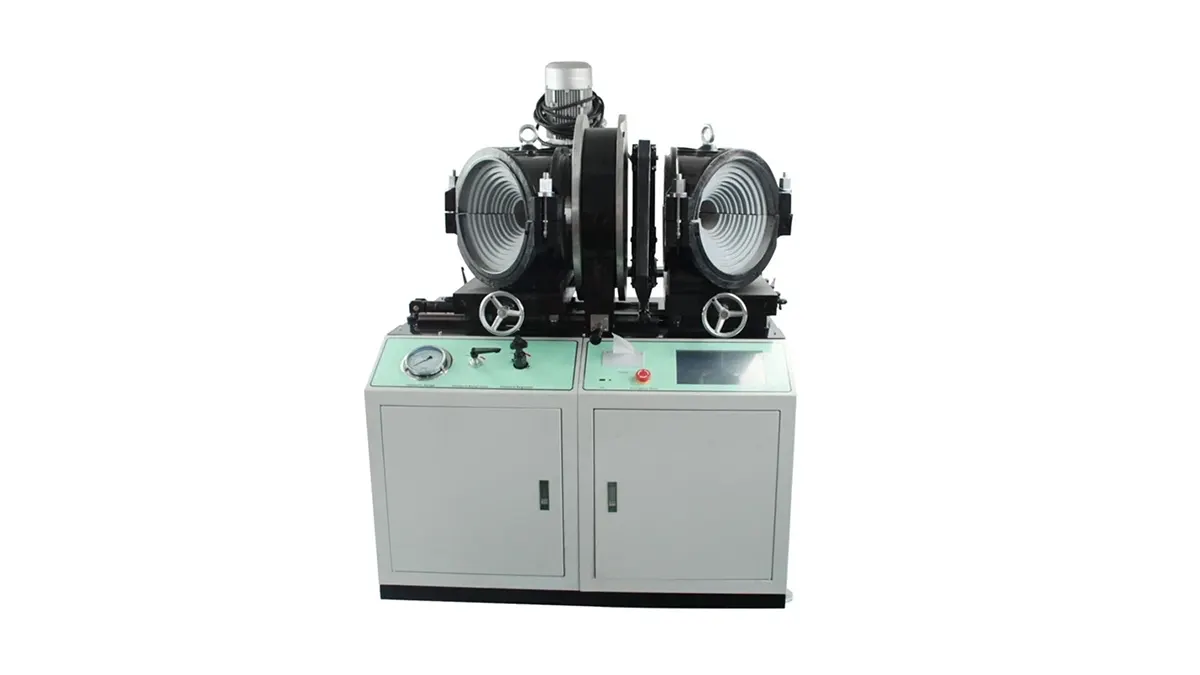
Pipeline repairs often require fabricating custom fittings—elbows, tees, crosses, and wyes—at various angles. Multi-angle pipe fitting welding machines allow crews to create these specialized components on-site, dramatically reducing the need to source and wait for factory-made fittings. These machines hold pipe segments at precise, adjustable angles during the fusion process, enabling the construction of complex repair configurations that match existing pipeline geometry perfectly.
How to Select the Right Fusion Equipment for Your Repair
Choosing the correct HDPE pipe fusion equipment for pipeline repair depends on several critical factors. The table below compares the primary equipment categories to help guide your decision-making process.
| Equipment Type | Typical Pipe Range | Best Repair Application | Key Advantage |
|---|---|---|---|
| Manual Butt Fusion | 40mm – 315mm | Small-diameter service line repairs, rural pipelines | Lightweight, portable, no external power required |
| Hydraulic Butt Fusion | 160mm – 2250mm | Main line breaks, large-diameter transmission repairs | High clamping force, precise pressure control |
| CNC Automatic Butt Fusion | 160mm – 630mm | Critical infrastructure repairs requiring full traceability | Automated cycle, data logging, minimal operator dependency |
| Electrofusion | 20mm – 800mm | Confined-space repairs, service tapping, dissimilar wall thickness | Compact operation, no need for heavy alignment tools |
| Multi-Angle Fitting Machine | Up to 1600mm | Custom fitting fabrication for complex repair geometries | On-site fitting production, adjustable angle settings |
Beyond the machine type, evaluate factors such as power source availability on-site, the required SDR rating compatibility, ambient temperature conditions, and the skill level of your repair crew. Consulting PPI butt fusion procedure guidelines can provide additional technical insights for specific project conditions.
Step-by-Step Repair Procedure Using Fusion Equipment
A successful HDPE pipeline repair using fusion technology follows a structured sequence. Adherence to each step ensures joint integrity and long-term performance.
- 1. Site Preparation and Safety: Excavate and shore the trench adequately. Verify the pipe material grade (PE4710, PE100, etc.) and confirm compatibility. Ensure the work area is clean, dry, and free of contaminants.
- 2. Pipe Inspection and Damage Assessment: Inspect the damaged section thoroughly. Determine the extent of the repair zone and mark cut lines. Verify that the remaining pipe wall is sound and suitable for fusion.
- 3. Cutting and End Preparation: Using a pipe saw or cutter, remove the damaged section squarely. Clean both pipe ends and the replacement segment thoroughly. Remove any oxidation layer with a proper scraper if required.
- 4. Equipment Setup and Calibration: Set up your HDPE pipe fusion equipment for pipeline repair according to the manufacturer’s specifications. Verify heating plate temperature (typically 210°C–230°C for PE) using a calibrated pyrometer. Check clamp alignment and facing tool sharpness.
- 5. Facing and Alignment: Clamp the pipes securely. Use the facing tool to create smooth, parallel pipe ends. Remove all shavings and ensure the ends are free of contamination. Check for misalignment and adjust as needed.
- 6. Heating Phase: Insert the heating plate between the pipe ends. Apply the specified bead-up pressure until a uniform melt bead forms around the circumference. Reduce to heat soak pressure and maintain for the required duration based on pipe diameter and SDR.
- 7. Fusion and Cooling: Remove the heating plate quickly and smoothly. Bring the pipe ends together at the specified fusion pressure. Hold the joint under pressure throughout the cooling cycle. Do not disturb the joint until fully cooled.
- 8. Inspection and Documentation: Examine the fusion bead for uniformity and proper size. A double bead should be present on both sides of the joint. Document weld parameters, operator information, and visual inspection results for quality records.
Industry Standards and Compliance for Repair Welding
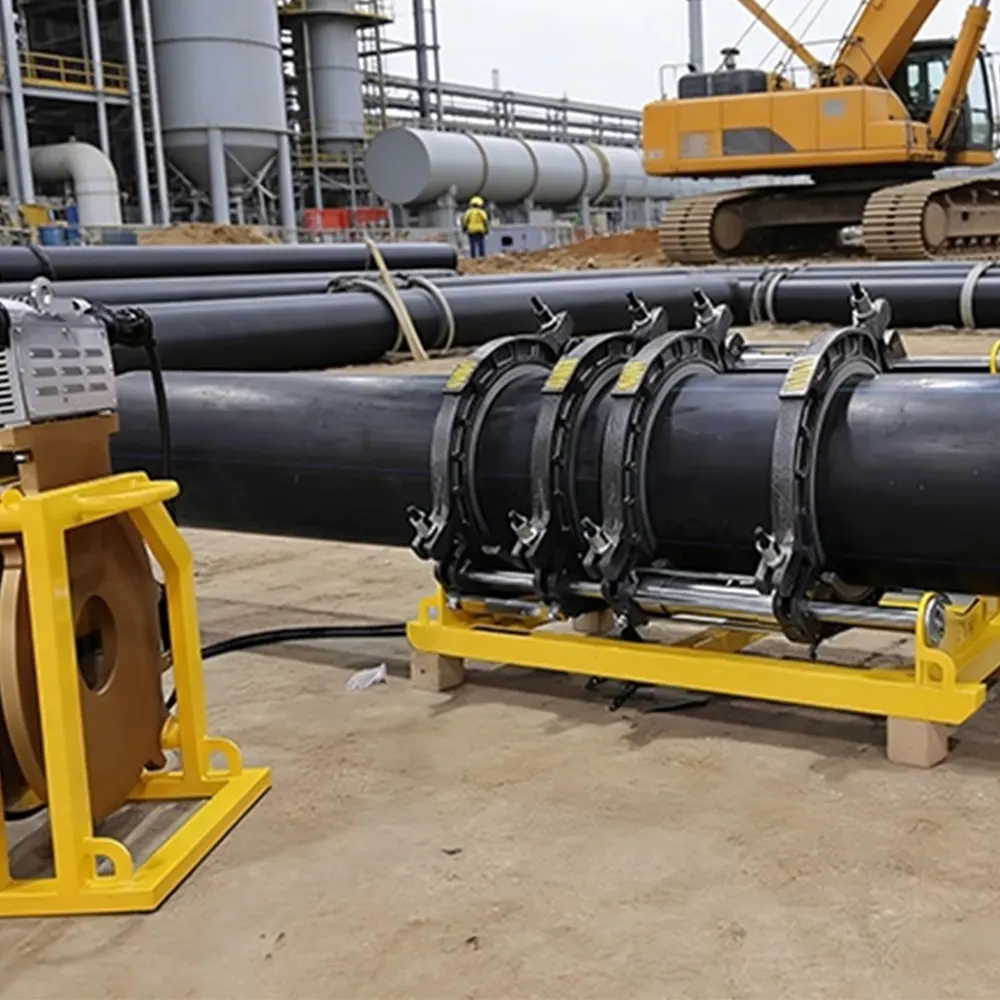
Qualified repairs demand adherence to established standards. The ASTM F2620 heat fusion standard provides comprehensive procedures for butt fusion joining of PE pipe and fittings, including specific repair scenarios. Similarly, PE pipe fusion standards from ISO and regional bodies establish the minimum requirements for equipment calibration, operator qualification, and joint testing. Repair crews should maintain current certifications and verify that their equipment meets all applicable regulatory requirements, especially for gas distribution and potable water applications where public safety is paramount.
Best Practices for Durable Repair Joints
Experience shows that the most reliable pipeline repairs result from a combination of proper equipment, skilled operators, and rigorous quality control. Protect the work area from wind, dust, and moisture during fusion. Always allow adequate cooling time before backfilling or pressurizing the line. Maintain detailed logs of every repair joint, including fusion parameters, environmental conditions, and operator identification. For electrofusion repairs, ensure the pipe surface is properly scraped to remove the oxidation layer immediately before fitting installation. Regular equipment maintenance—particularly heating plate calibration and clamp jaw inspection—directly impacts repair quality.
Conclusion
Effective pipeline repair demands reliable equipment backed by proven technical expertise. Selecting the right HDPE pipe fusion equipment for pipeline repair—whether manual, hydraulic, CNC automatic, electrofusion, or multi-angle fitting machines—ensures your team can restore critical infrastructure efficiently and durably. JQ-Fusion is a professional manufacturer specializing in HDPE pipe welding machines, offering a complete range of butt fusion welding solutions designed to support pipeline repair crews worldwide. By following standardized procedures and investing in quality fusion technology, repair teams can deliver joints that provide decades of trouble-free service.